Skip to content
Guest Thinkers

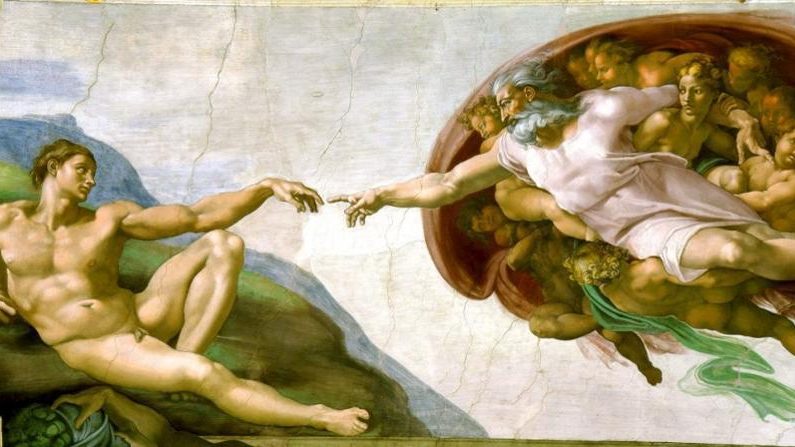
“Spiritual but Not Religious”

While defining spirituality is ‘like shoveling fog’, an increasing number of Americans self identify as spiritual but not religious. One political scientist sees it as an outgrowth of the 1960s.
Sign up for Big Think on Substack
The most surprising and impactful new stories delivered to your inbox every week, for free.

While defining spirituality is ‘like shoveling fog’, an increasing number of Americans self identify as spiritual but not religious. One political scientist sees it as an outgrowth of the 1960s. Laura Olsen, professor of political science at Clemson University says: “Rejection of organized religion by some Americans is hardly a new phenomenon, but the degree to which it has become socially acceptable is a rather recent development. The extent to which eschewing traditional religious teachings and practices has become ‘cool’ in the present era is in part a legacy of the 1960s (when being countercultural became oddly de rigueur in certain circles), as well as a disorganized but palpable backlash against the moral absolutism of the religious Right.”
Sign up for Big Think on Substack
The most surprising and impactful new stories delivered to your inbox every week, for free.

Related
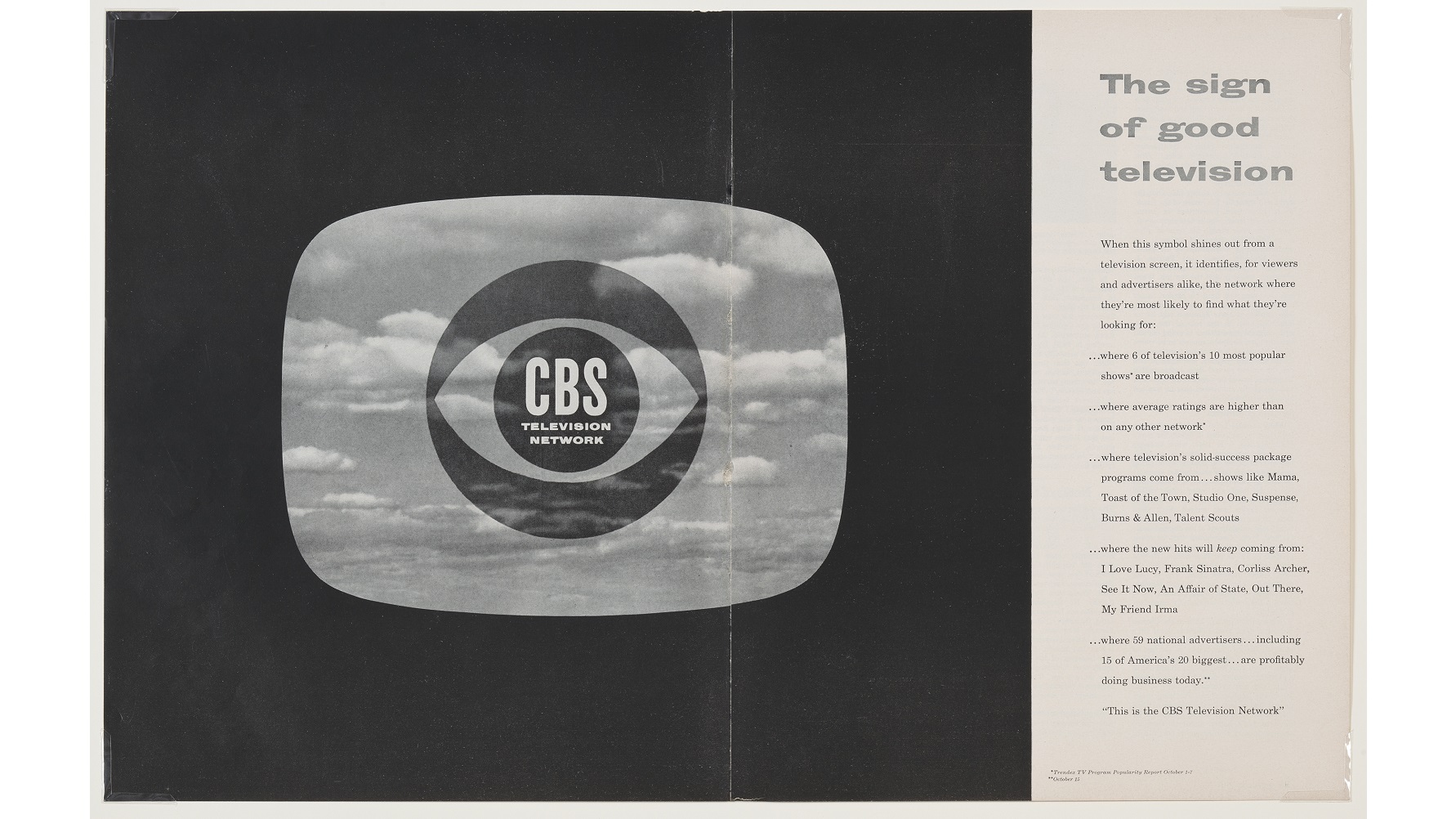
By the 1960s the two most criticized art forms in America were modern art and television.  Some critics called modern art mystifying junk, while others targeted TV as anything from trash to a threat to democracy.  Revolution of the Eye: Modern Art and the Birth of American Television at The Jewish Museum, New York, hopes to redeem both media by exploring how modern art provided an ethos and aesthetic for early television — a debt repaid later as television, in turn, inspired a new generation of modern artists, including Andy Warhol, who began as a modernist-influenced graphic designer for, among other clients, television networks. By looking back at modern art and television’s mutual love affair from the 1940s to the 1970s, Revolution of the Eye challenges us to reflect on the artistic aspirations of TV’s latest golden age.

Up Next