Welcome to The Nightcrawler — a weekly newsletter from Eric Markowitz covering tech, innovation, and long-term thinking.
Search Results
You searched for: John James
Before becoming America’s most infamous assassin, John Wilkes Booth was a magnetic actor who was beloved by audiences and courted by critics.
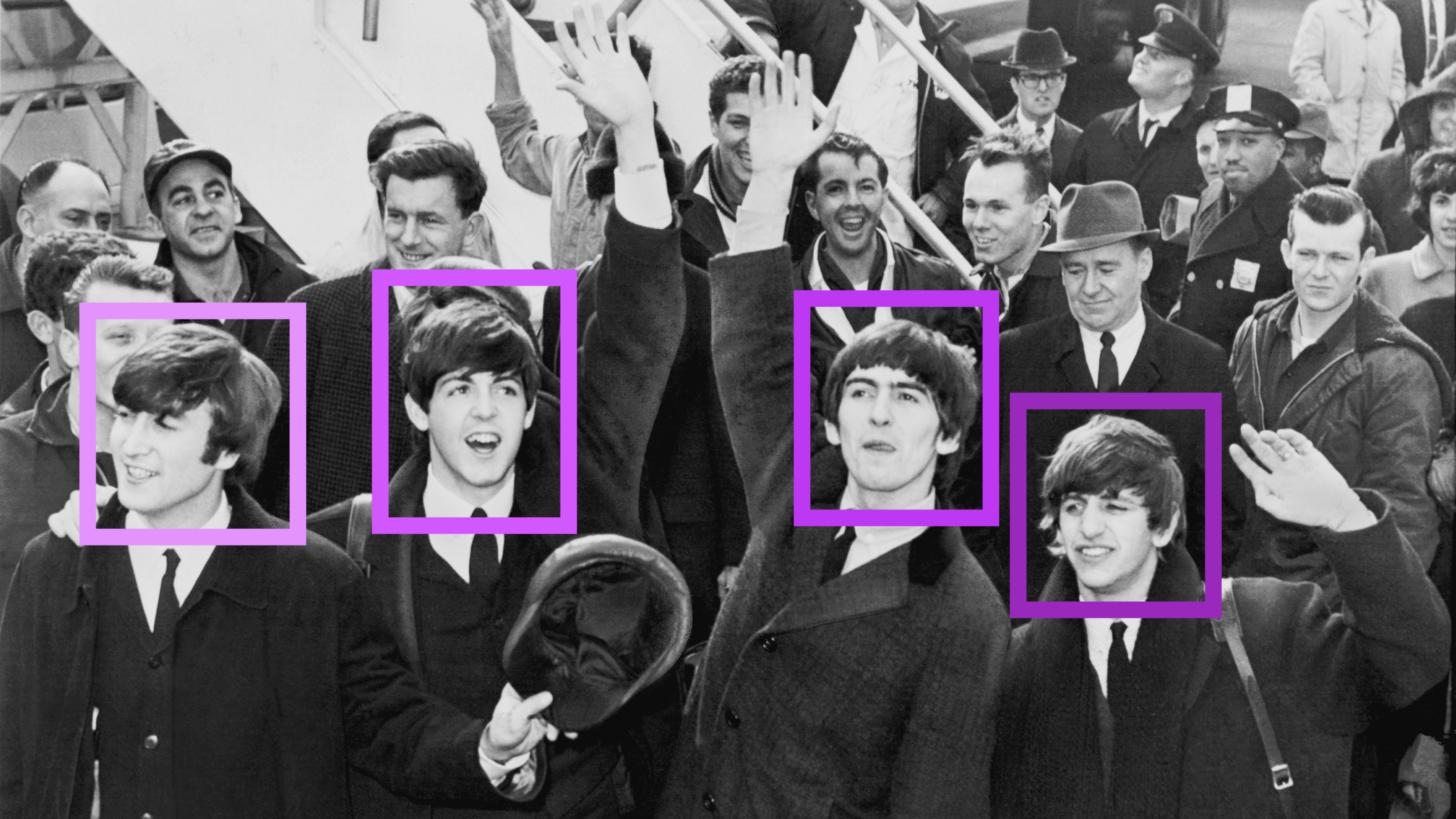
Engineer James Clarke liberated John, Paul, George, and Ringo from their mono and stereo straitjackets using algorithms at Abbey Road.
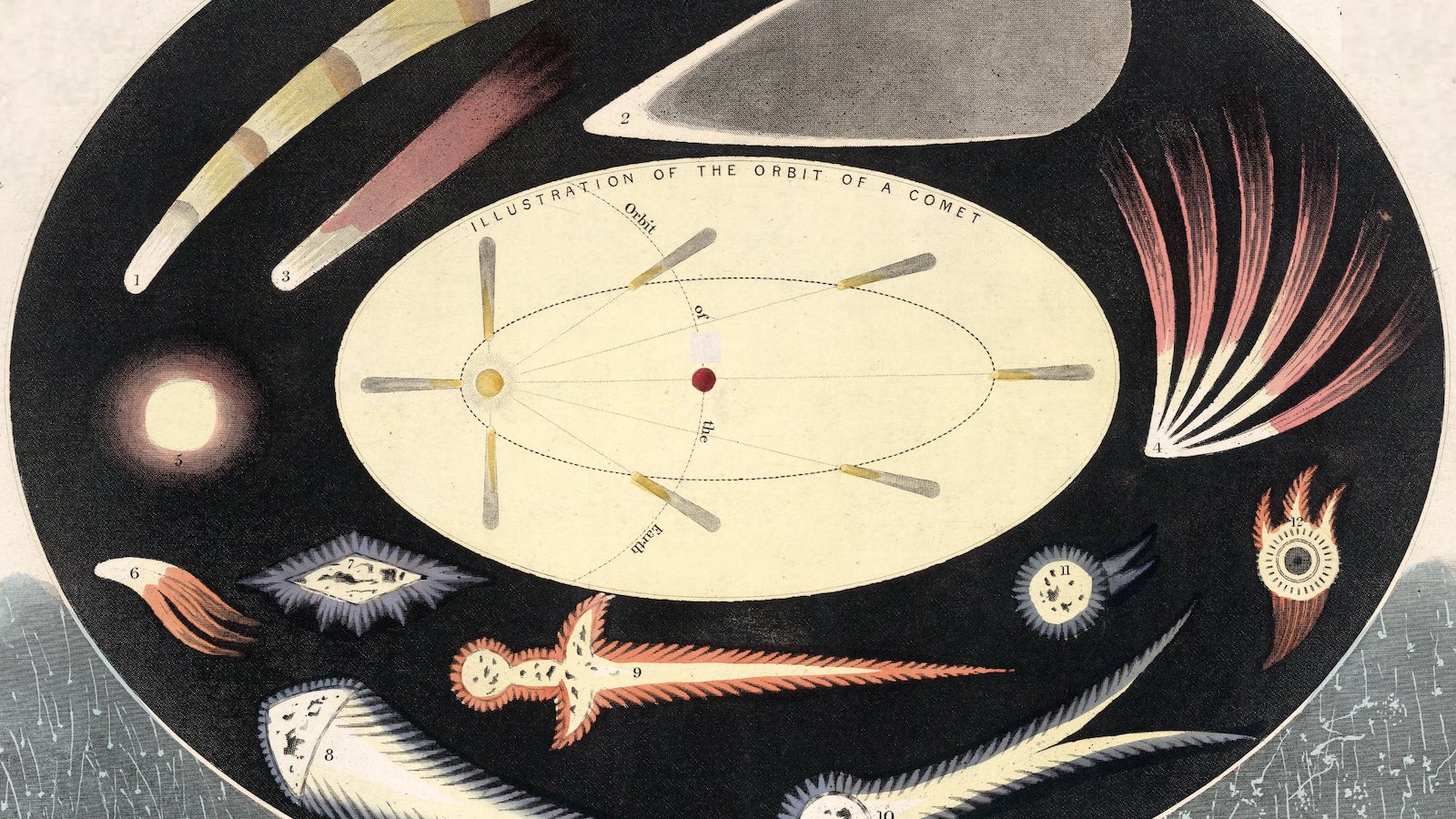
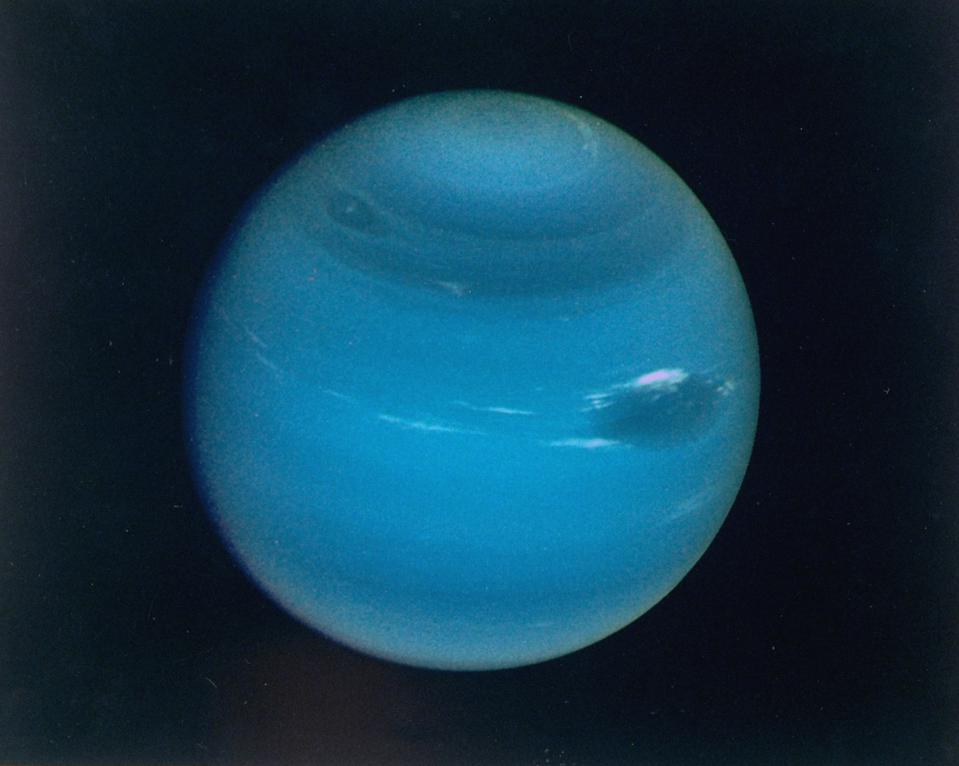
Adams was infamously scooped when Neptune was discovered in 1846. His failure wasn’t the end, but a prelude to a world-changing discovery.
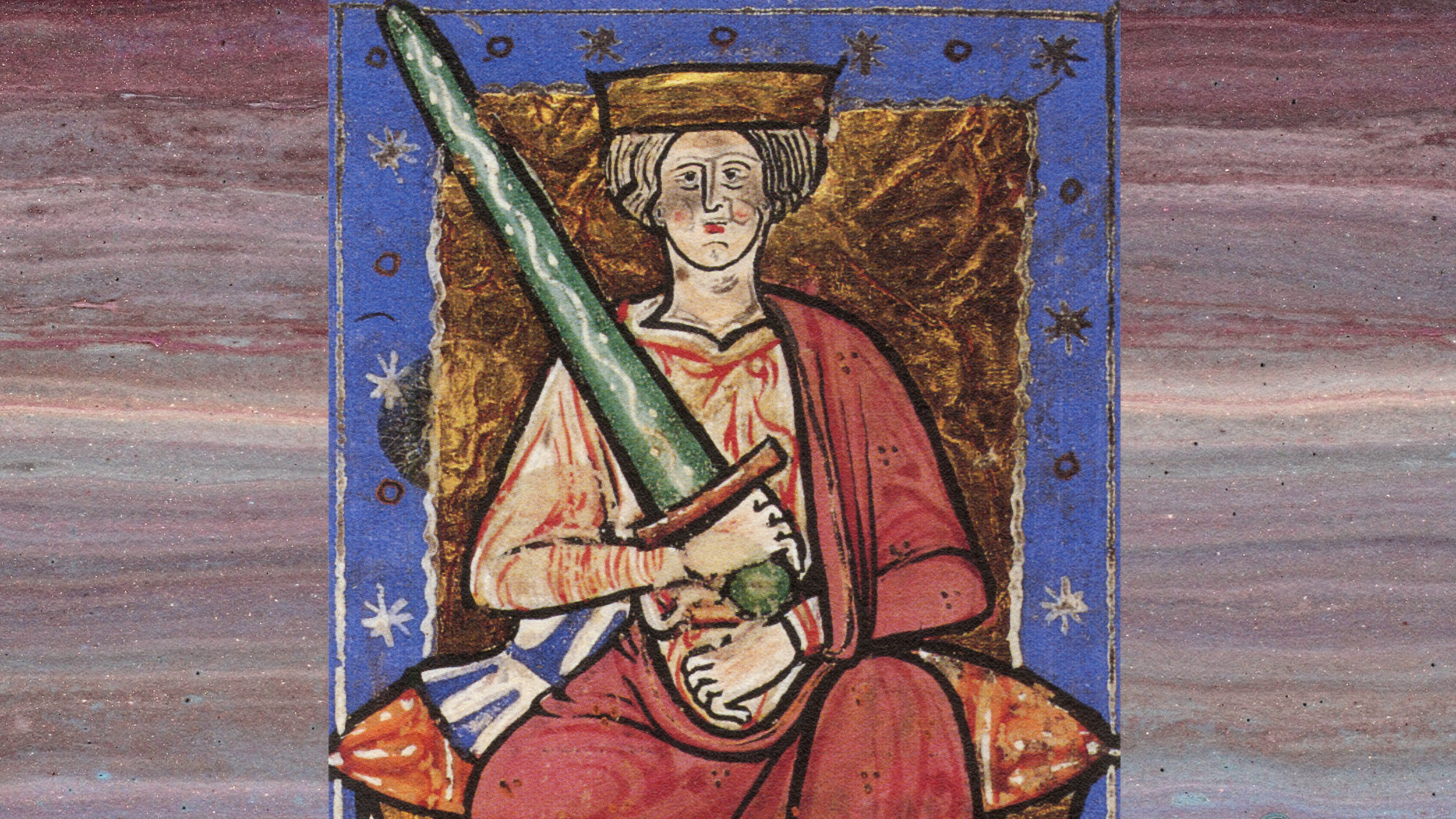
From Æthelred the Unready to Halfdan the Bad Entertainer, these strange epithets colored the legacy of four rather unlucky historical figures.
From acclaimed novels to heretical treatises, sometimes a writer just doesn’t want to put their name on the cover.
In the 1970s, James Lovelock proposed that the biosphere was not just green scruff quivering on Earth’s surface. Instead, it managed to take over the geospheres.
Long before the search for biosignatures, scientists imagined a cosmos teeming with intelligent life.
In his book, “Birds, Sex and Beauty,” Matt Ridley explores why learning isn’t always nature versus nurture.
Some books are remembered for their lyrical prose or engaging stories. Others are remembered for simply being weird.
Japanese thought can’t be easily characterized by just a few books — but this essential guide is a great place to start.
Serving as the inspiration for the modern horror classic “The Blair Witch Project,” what does our fascination with this unsolvable mystery tell us about our modern psyche?
An excerpt from “Memory,” a primer on human memory, its workings, feats, and flaws, by two leading psychological researchers.
The platform is a digital Royal Society for today’s greatest minds — and it could play an essential role in shaping the next civilization.
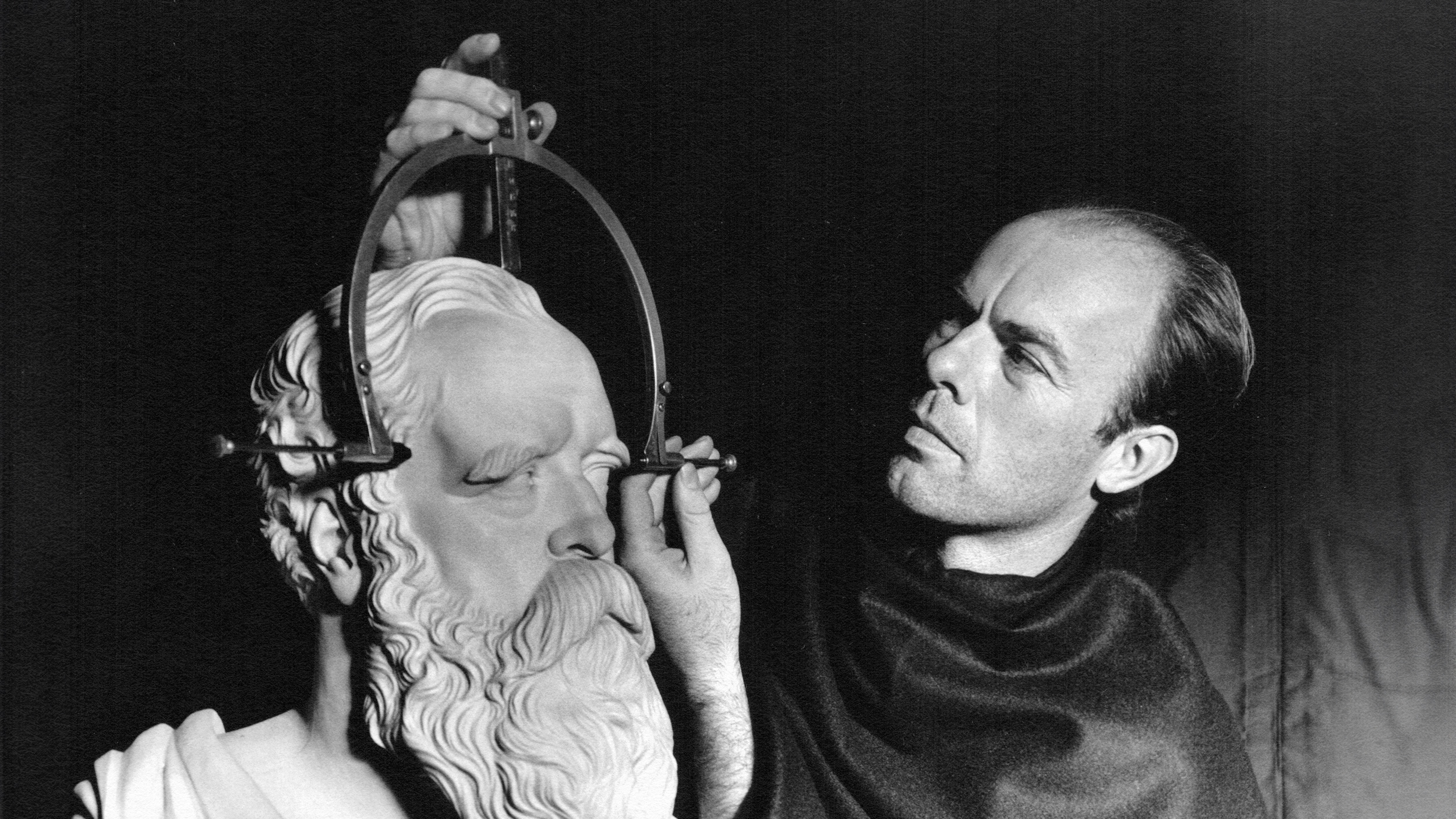
The pseudoscience phrenology swept the popular imagination, and its practitioners made a mint preying on prejudices, gullibility, and misinformation.
What happens when scientists “write what they know”? Some amazing science fiction stories.
Every successful leader can mine golden knowledge from the works of the Bard.
Artificial intelligence is much more than image generation and smart-sounding chatbots; it’s also a Nobel-worthy endeavor rooted in physics!
It is easy to mock Nobel Laureates who go astray, but eccentricity often accompanies brilliance. We should have some sympathy.
How to say, “In many ways, Proust is similar to Joyce” and get away with it.
After almost a century in print, “How to Win Friends and Influence People” still has lessons to teach us.
Other plans for the tech: organ banking and deep space travel.
It’s not enough to nurture star players — the key is to cultivate everyone’s ability to collaborate and bring value.
The writer’s tragic death at age 46 has led many to view him as a tortured artist. Here’s why this label is reductive.
Discover how the threads of myth, legend, and artistry have been woven together by storytellers to craft history.
“Isn’t it enough to see that a garden is beautiful without having to believe that there are fairies at the bottom of it too?”
An atheist’s case for why American democracy needs a more Christlike Christianity.
Lord Kelvin is thought to have said there was nothing new to discover in physics. His real view was the opposite.
Science fiction movies capture a classic human flaw: getting the future mostly wrong.
For thousands of years, humanity had no idea how far away the stars were. In the 1600s, Newton, Huygens, and Hooke all claimed to get there.