Does Surveillance Make Us Better People?
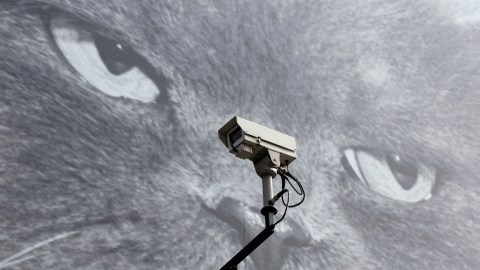
Our world is one of trade-offs. Should I use Google even though I know my search queries are being stored? Should I text my significant other a seductive photo, even though I know the NSA could see it and pass it around the office? Knowing I’m being watched — could be watched — has made me a different person.
One of the big questions in this argument over mass surveillance and data mining is: Does it make us morally better — safer — or just more obedient?
In my own life, it has made me neither “better” nor more obedient. It has, however, made me a more selective consumer. If you own a restaurant with a surveillance camera, you may have footage of me walking in and walking out. Maybe your staff even remembers me. I’m the girl who awkwardly walked in, looked around the room, maybe even asked one of your staff if I could use the restroom while I waited for a friend before you seated me. This is my routine, and sometimes I walk out; sometimes I stay and eat. What I’m doing is looking for surveillance cameras at your establishment. If I can’t eat without a surveillance camera watching me, most of the time, I’ll leave. My privacy matters and I vote with my dollar to say as much.
Likewise, when I browse the internet, I use Tor and search using an engine that won’t track my queries, like DuckDuckGo. I’ve just become better at avoiding surveillance situations. I’m in the minority, though.
Many people simply don’t care, because to them the trade-off is either worth it or they don’t think about it. After all, 40 percent of people who participated in a Pew survey said they think it’s acceptable for the government to spy on its own citizens. Likewise, when I tell people in my personal life about DuckDuckGo or to download an app that will encrypt their calls and messages — no technical work on their end — I get an uncommitted, “Eh, I’ll check it out later.”
Brad Templeton would say we’re letting our society become something out of George Orwell’s 1984: