eLEGS: Revolutionary Exoskeleton Helps the Paralyzed Walk
Disability is one of the areas where design can make the most meaningful difference in quality of life. This was certainly true of Amanda Boxtel, who has been confined to a wheelchair since a skiing accident 18 years ago. But this week, Boxtel took her first steps in 18 years.
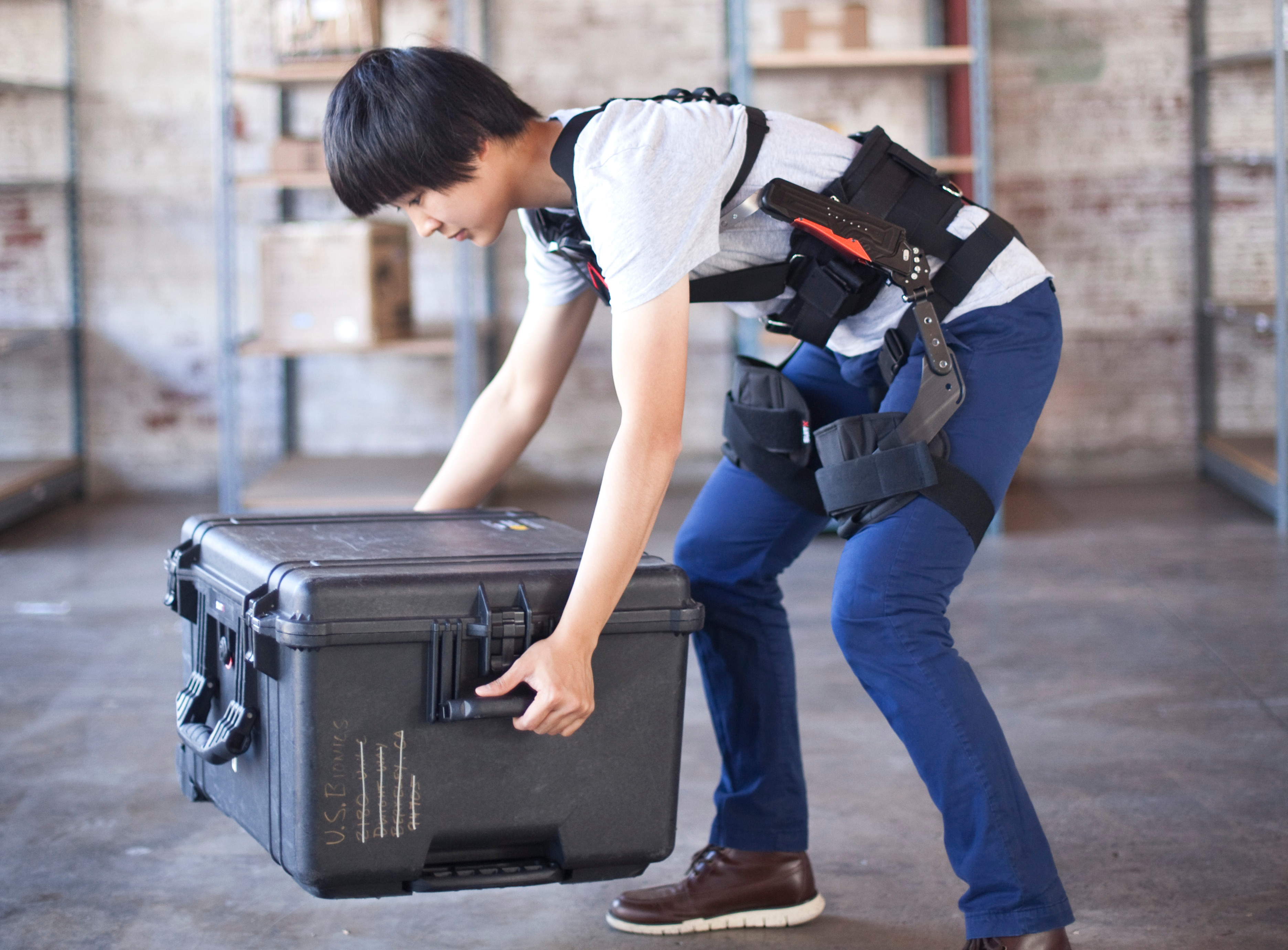
eLEGS is a revolutionary exoskeleton enabling people with spinal injuries to walk with a near-natural gait. Developed by California-based Berkeley Bionics, the rehabilitation device consists of a backpack controller wired to robotic legs and is driven by four motors, one for each hip and knee. Passive springs at the ankle joint keep the foot angled so it can make proper contact with the ground with each step, rolling heel to toe. Sensor communicate position information to the backpack controller, which commands the joints into bending, turning and walking.

eLEGS are set to enter medical trials in 2011, with an estimated market cost of $100,000 – certainly high, but comparable to a high-end wheelchair yet life-changingly more empowering.
Maria Popova is the editor of Brain Pickings, a curated inventory of miscellaneous interestingness. She writes for Wired UK, GOOD Magazine, Design Observer and Huffington Post, and spends a shameful amount of time on Twitter.