Jonny Thomson
Jonny Thomson taught philosophy in Oxford for more than a decade before turning to writing full-time. He’s a columnist at Big Think and is the award-winning, bestselling author of three books that have been translated into 22 languages.
Jonny is also the founder of Mini Philosophy, a social network of over half a million curious, intelligent minds. He's known all over the world for making philosophy accessible, relatable, and fun.


Be famous within five miles.

The brain is highly plastic — the more we do a particular action, the more we change its makeup. Money is a great motivator for habit-forming actions.
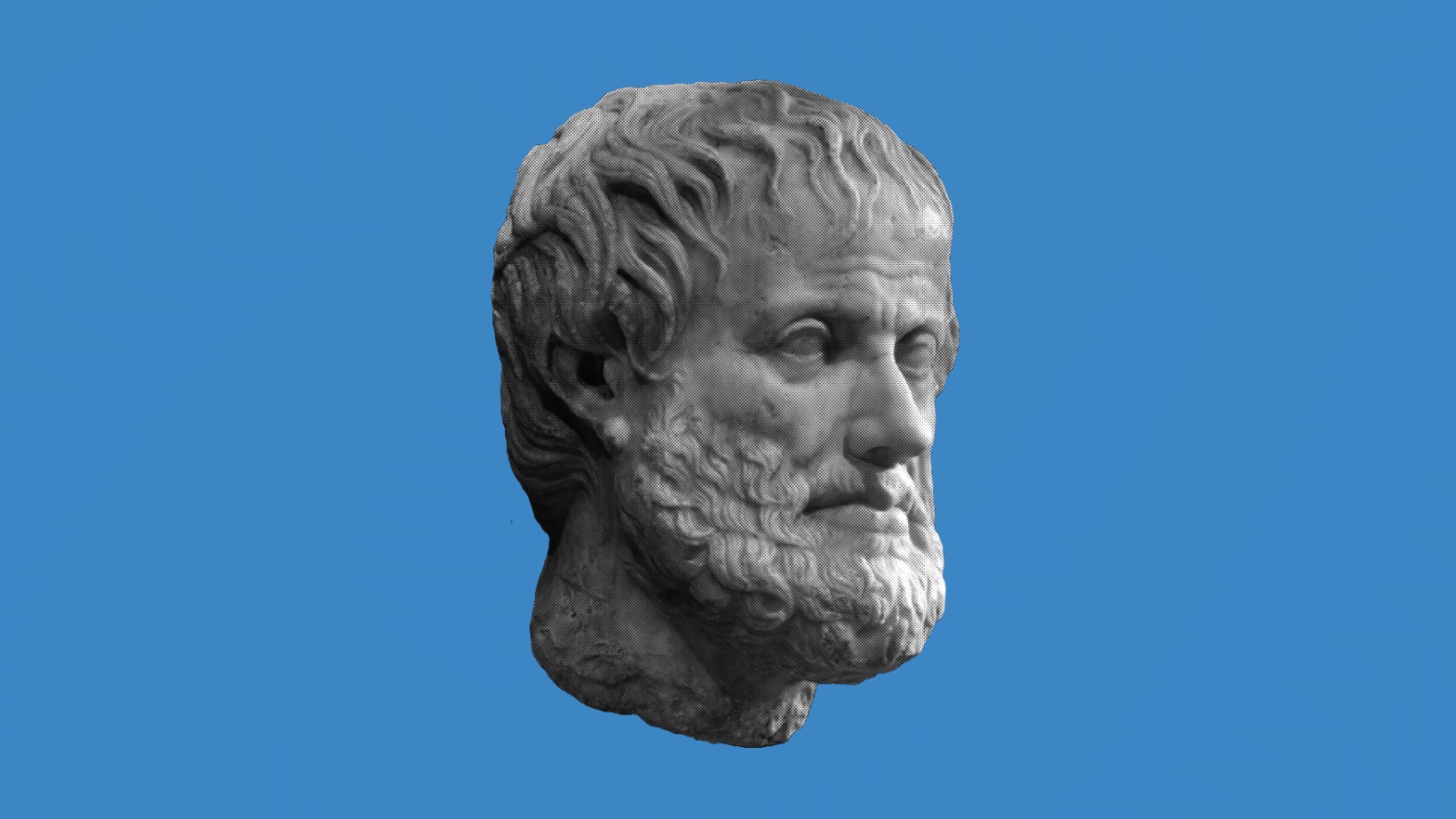
What’s the point of all that money?

Why should it be considered impolite to discuss something so important to our long-term well-being?

Why, exactly, should you die for your child?

One study estimated that 80% of people include “deviations” from the truth in their online profiles.

What can elite athletes teach you about how to win?

If Rome was not built in a day, why do you think you can be?

In the philosophy of Star Wars, the Sith are evil because they surrender to passion. But is a life of total rationality a “good” life?

In a world where we assume people tell the truth, liars prosper. To stop them from exploiting others, here are three rules to catch a liar.

We often laugh at inappropriate things, but not when we are emotionally invested. Laughter cannot be serious. So, can we ever laugh at death?
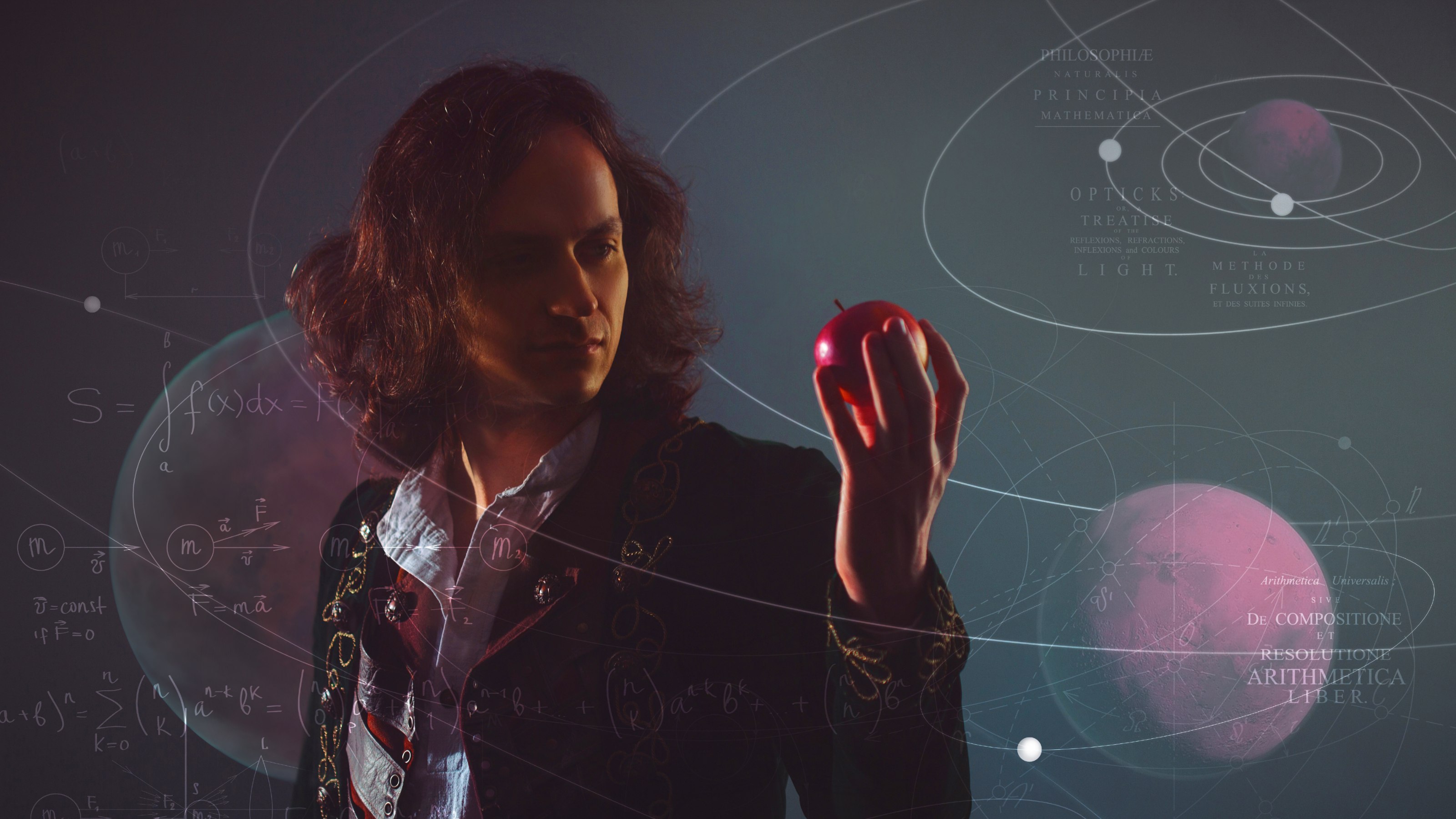
When you’re a genius, how do you make ends meet?

Arguments are a normal and often healthy part of a relationship. It all depends on picking the right kind of arguments, though.

You can love a romantic partner, but also a pet, a book, God, or the sound of someone’s voice. We need many more words for love.

An analogy explains the greater fool theory: You don’t have to run faster than the bear to get away; you just have to run faster than the other guy.

Technology will not save the world, and it is inherently neither good nor bad. But, when tech is coupled to human virtue, good will prevail.

Game theory is a unique combination of math and psychology. Its applications turn up everywhere, from nuclear war to Tinder to game shows.

Prison is an unreliable method of punishment. Let’s do better.

Sometimes breaking a rule is the ethical thing to do.

Like some cold poison creeping up our veins, there’s a frisson in the stories and poems of Edgar Allan Poe.

It’s time to put on your listening hat.

We all know assholes. Perhaps, you are one. Now, psychologists are trying to answer one of life’s biggest mysteries: What, exactly, makes someone an asshole?

Did traditional Chinese thought pave the way for the philosophy of Maoism?
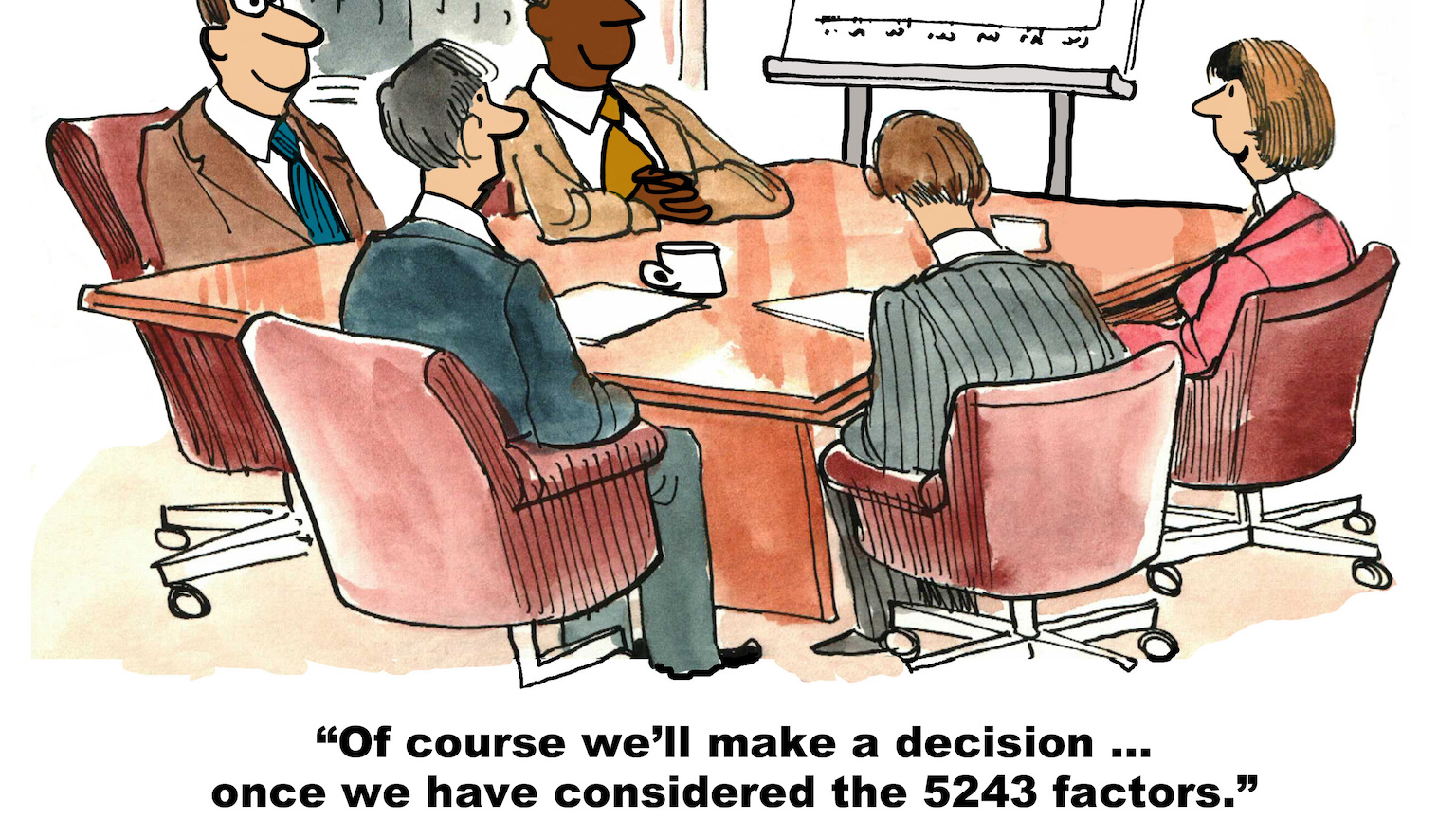
When faced with too many choices, many of us freeze — a phenomenon known as “analysis paralysis.” Why? Isn’t choice a good thing?
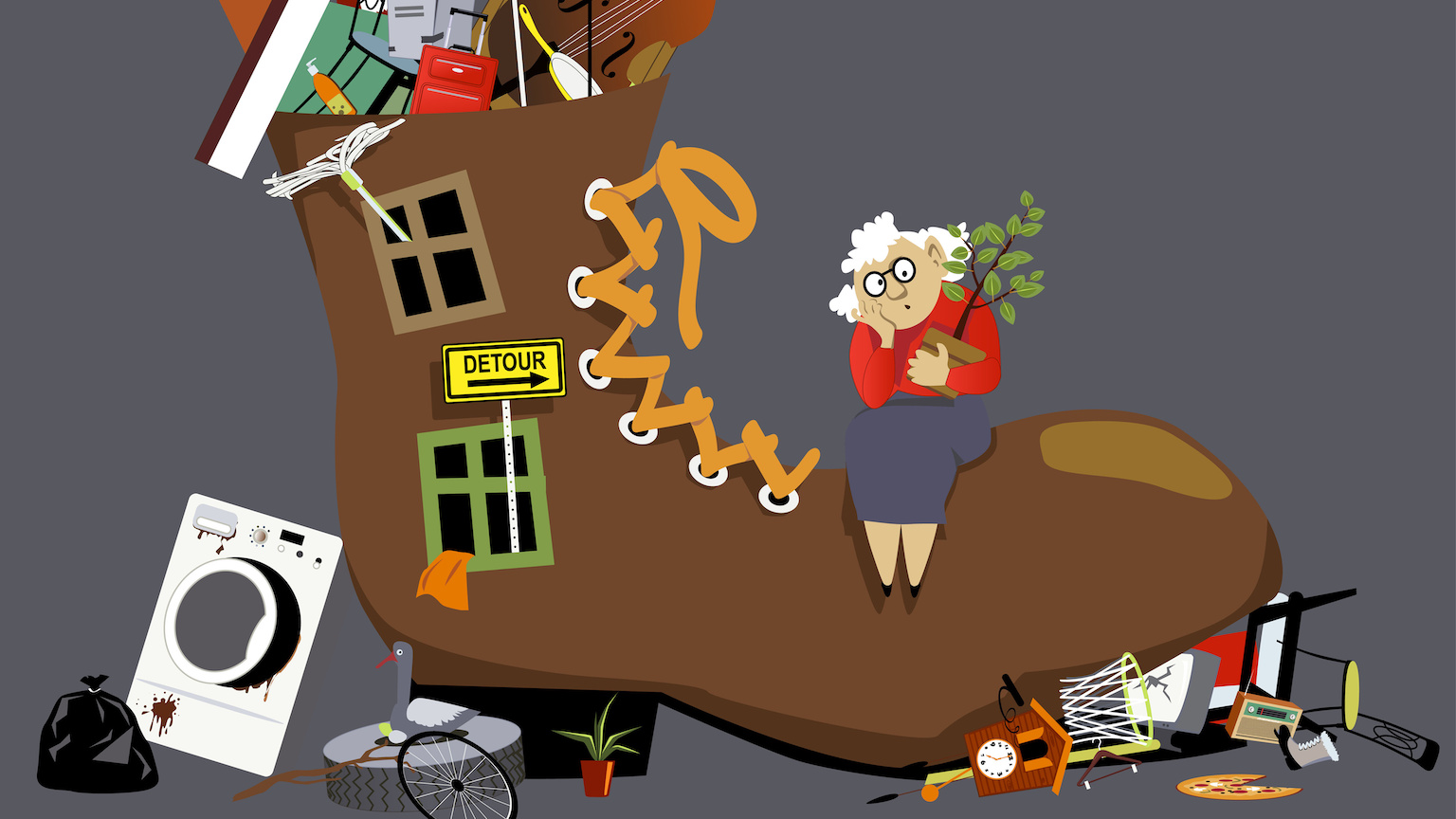
Hoarders know their habits are abnormal, and yet they cannot help themselves. Maybe you can help them.

Learning another language might make you richer, sexier, and smarter. Why not try it?

If secrets are a kind of poison, confession is the antidote.


What responsibility do social media companies like Twitter have to free speech? It depends on whether they are “landlords” or “publishers.”

It may depend on whether you’re an “easily empathetically embarrassed” person.