psychology
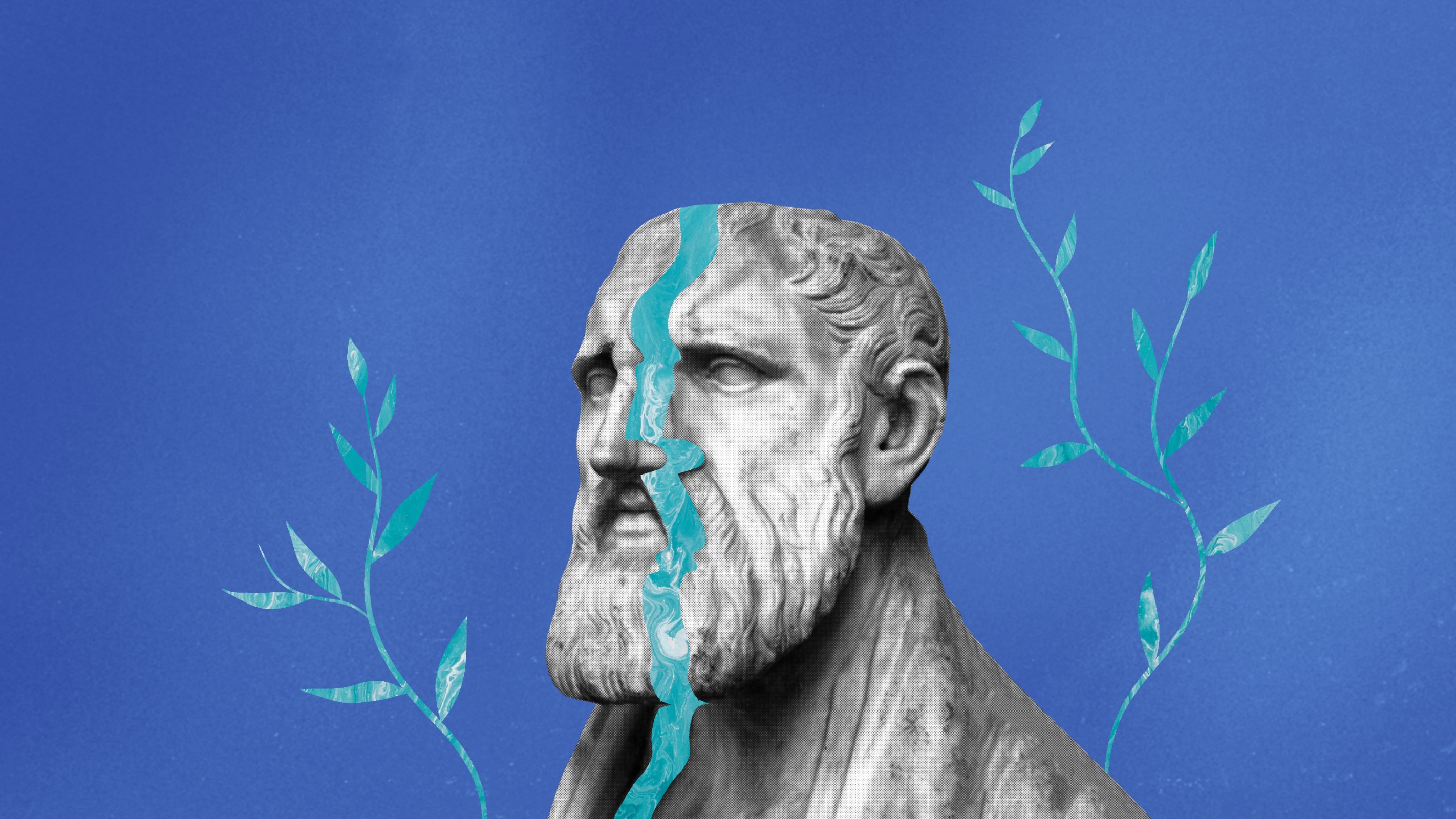
“We suffer more often in the imagination than in reality.”

Chloé Valdary shares the ancient Stoic principle that can defeat modern despair.
▸
7 min
—
with

Some experiences continue to pay dividends time and time again.

These money experts say you can buy happiness. There are some red flags to look out for, though.
▸
7 min
—
with

Radical Emotional Acceptance calls on you to celebrate all of life’s emotions — even the negative ones.

Researchers watched for signs of withdrawal — but didn’t find any.

“It is more human to laugh at life than to lament it.”

Personal finance advice is often over-simplified and fails to consider economic research or people’s unique circumstances.

Evil is easy to identify and fight against; not so with stupidity.

Warm relationships protect your mind and body from the slings and arrows of life.

Sniffing out a deal.
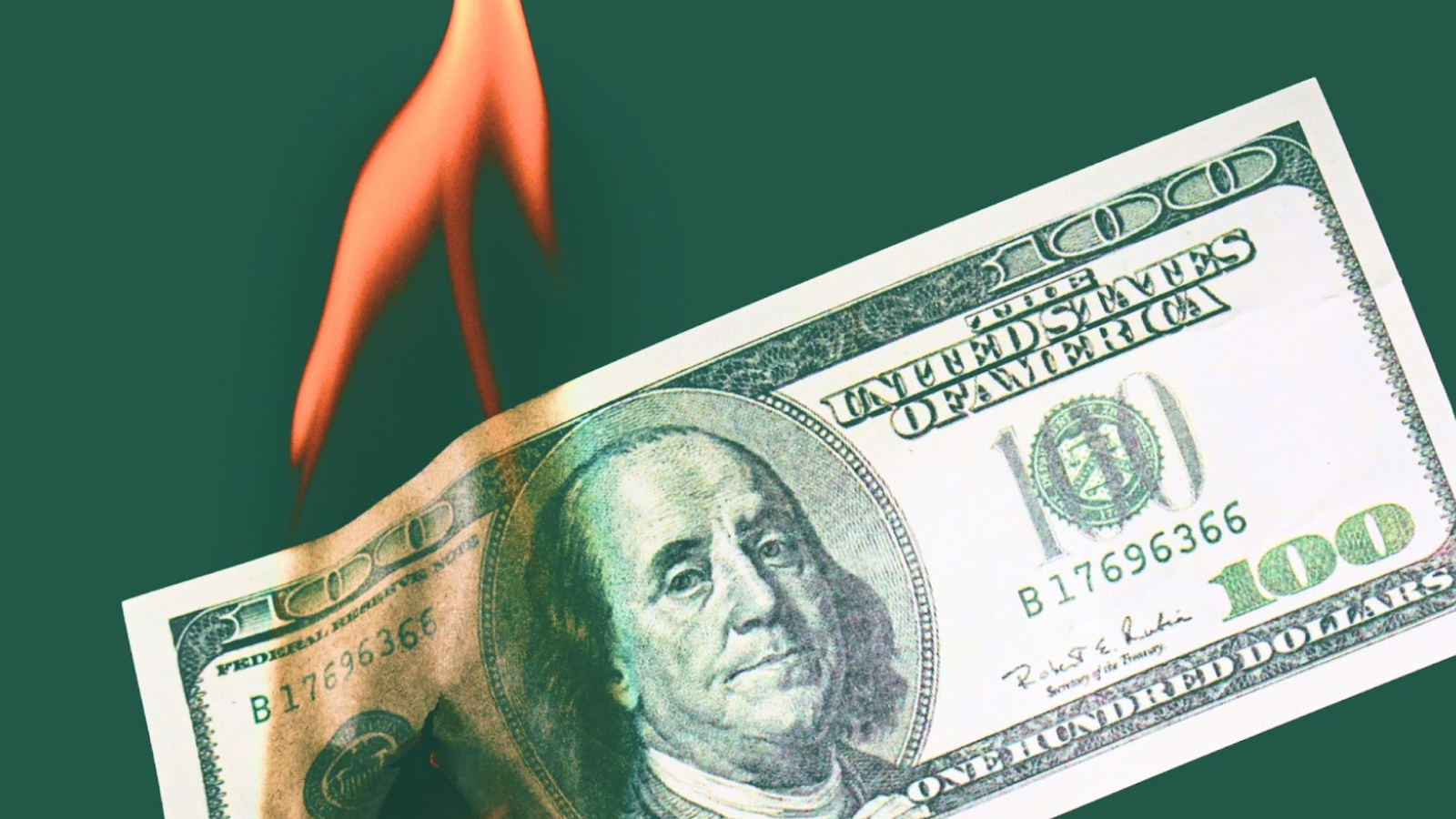
These 5 research-backed tips can turn bad habits into financial gain.

It is estimated that as many as 488 million people worldwide were exposed to dangerously long working hours in 2016.

Addicted to spending money you want to save? Here’s how to stop.
▸
7 min
—
with

When we don’t find ways to relieve chronic stress, personal burnout is the likely consequence.

Has the “age of psychopharmacology” shrunk society’s sense of responsibility for mental health?

It may be possible to give people the tools to withstand difficulty before it attaches to them.

Creative people are better able to engage brain systems that don’t typically work together.

The best-laid plans of mice and everyone else.

How do we deal with information overload and unlock creativity? Build a second brain.
▸
6 min
—
with

There are four money personality types. Which are you?

And it’s much, much less expensive.

Financial experts explain 4 types of money behavior.
▸
6 min
—
with

Find it easier to sort out your friends’ problems than your own? This paradox is for you.

People engage in creative thinking every day, whether they realize it or not.

A disturbing interview given by a KGB defector in 1984 describes America of today and outlines four stages of mass brainwashing used by the KGB.

Harvard psychiatrist Robert Waldinger discusses how 80 years of ongoing research show relationships to be vital for health and happiness.

You don’t have to “feel the burn” to see improvements to your health and well-being.
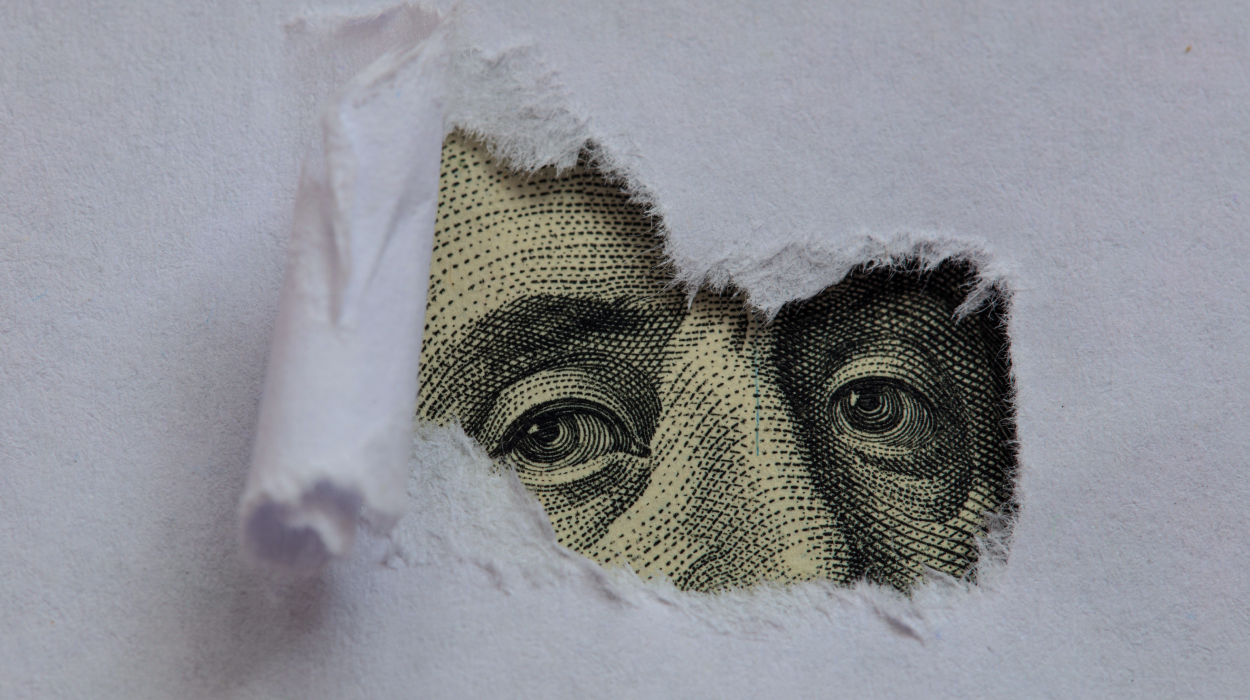
The “money taboo” is not a single taboo, but rather an amalgamation of several smaller taboos tied to gender and socioeconomic class.

When you can’t enter flow, you can still lean on your internal rhythm.