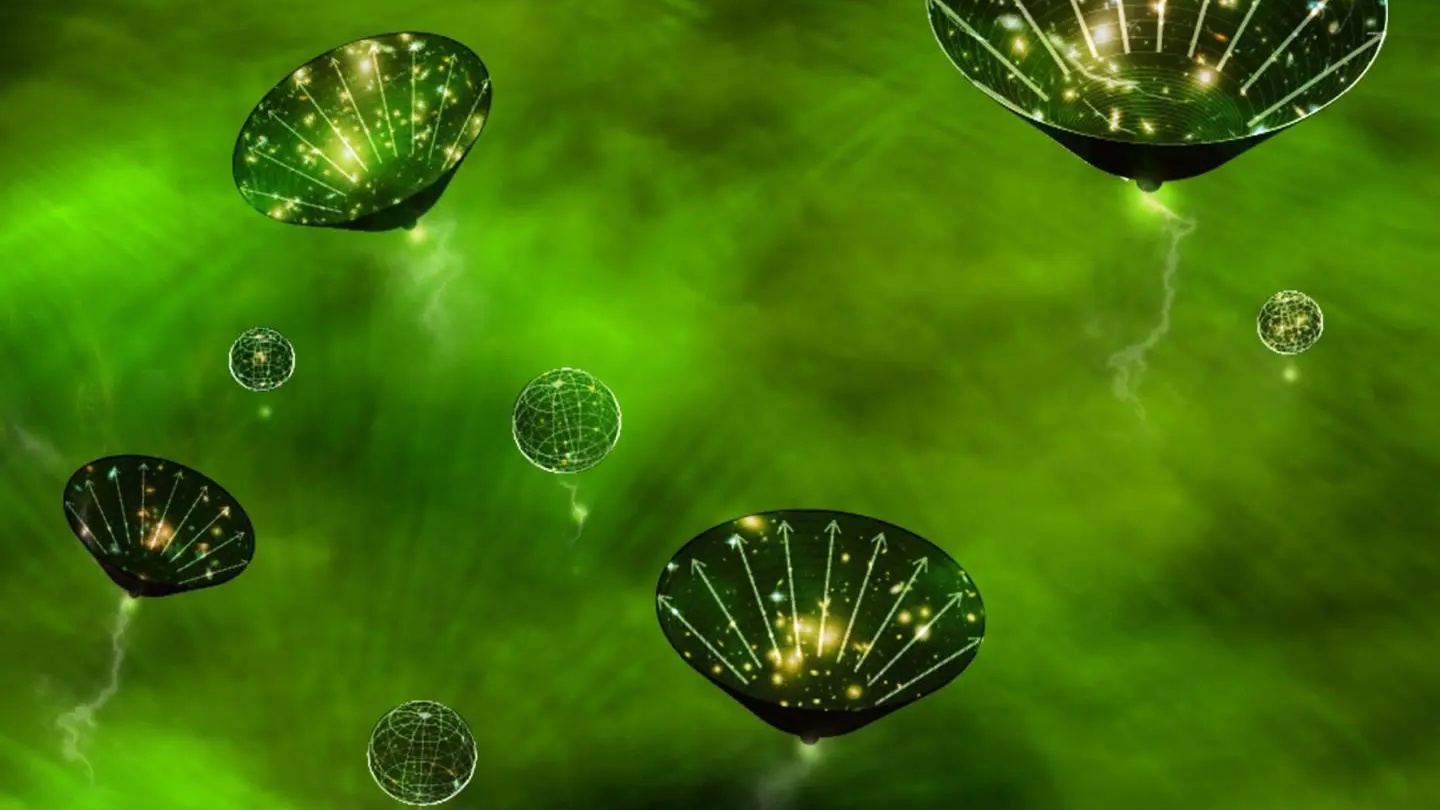
Since the dawn of history, humans have pondered our ultimate cosmic origins. Now in the 21st century, science has gone beyond the Big Bang.
Oops! That page can’t be found.
It looks like nothing was found at this location. Maybe try a search?
Were you looking for something like this?
Memory takes effort, and our brains know it.
Jono Hey — whose sketches have been shared by the likes of Bill Gates and Steven Bartlett — draws some of his most valued leadership insights.
“Asking the question of, where did the entire universe come from, is no longer a question for poets and theologians and philosophers. This is a question for scientists, and we have some amazing scientific answers to this question that have defied even the wildest of our expectations.”
▸
22 min
—
with
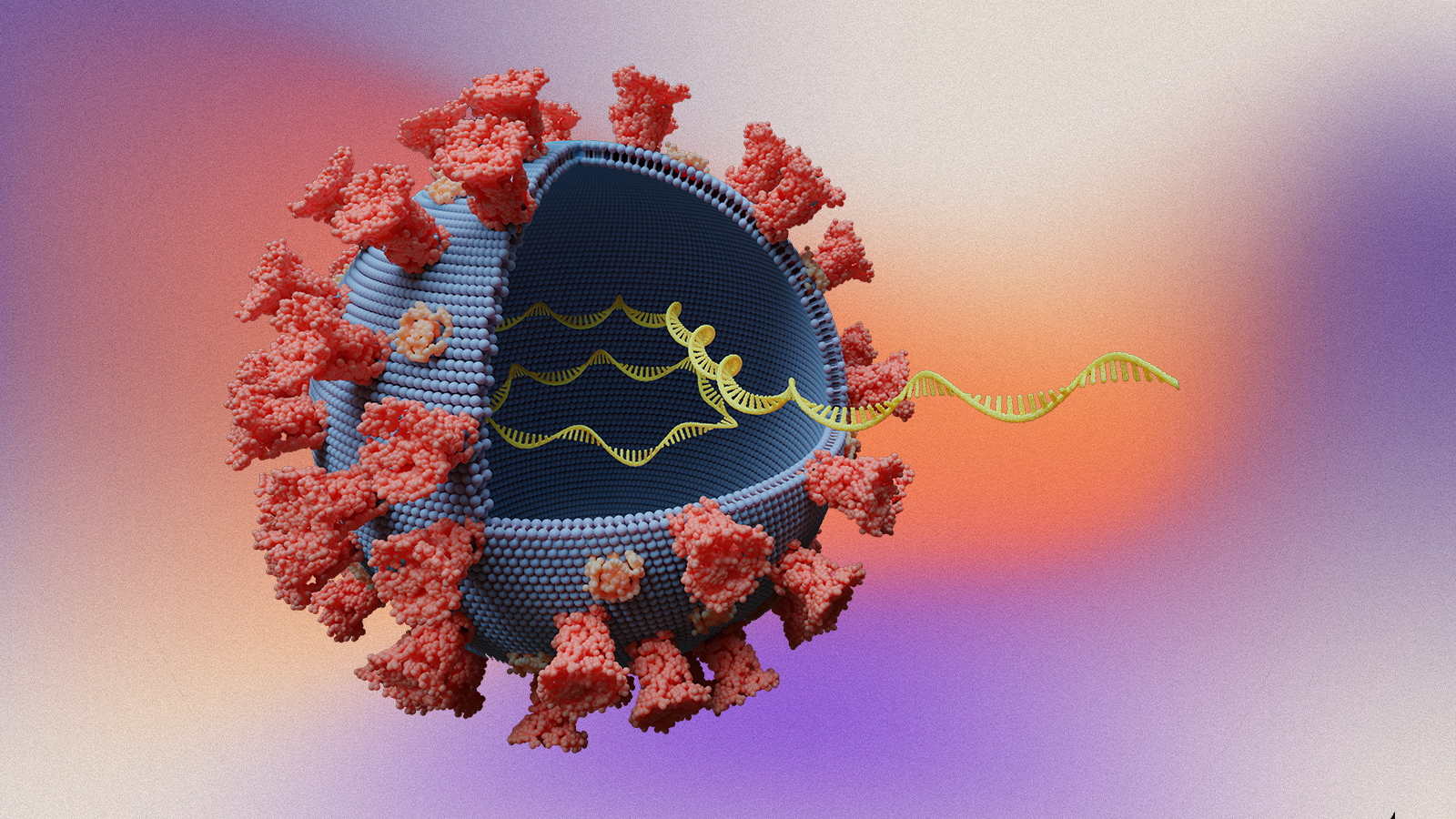
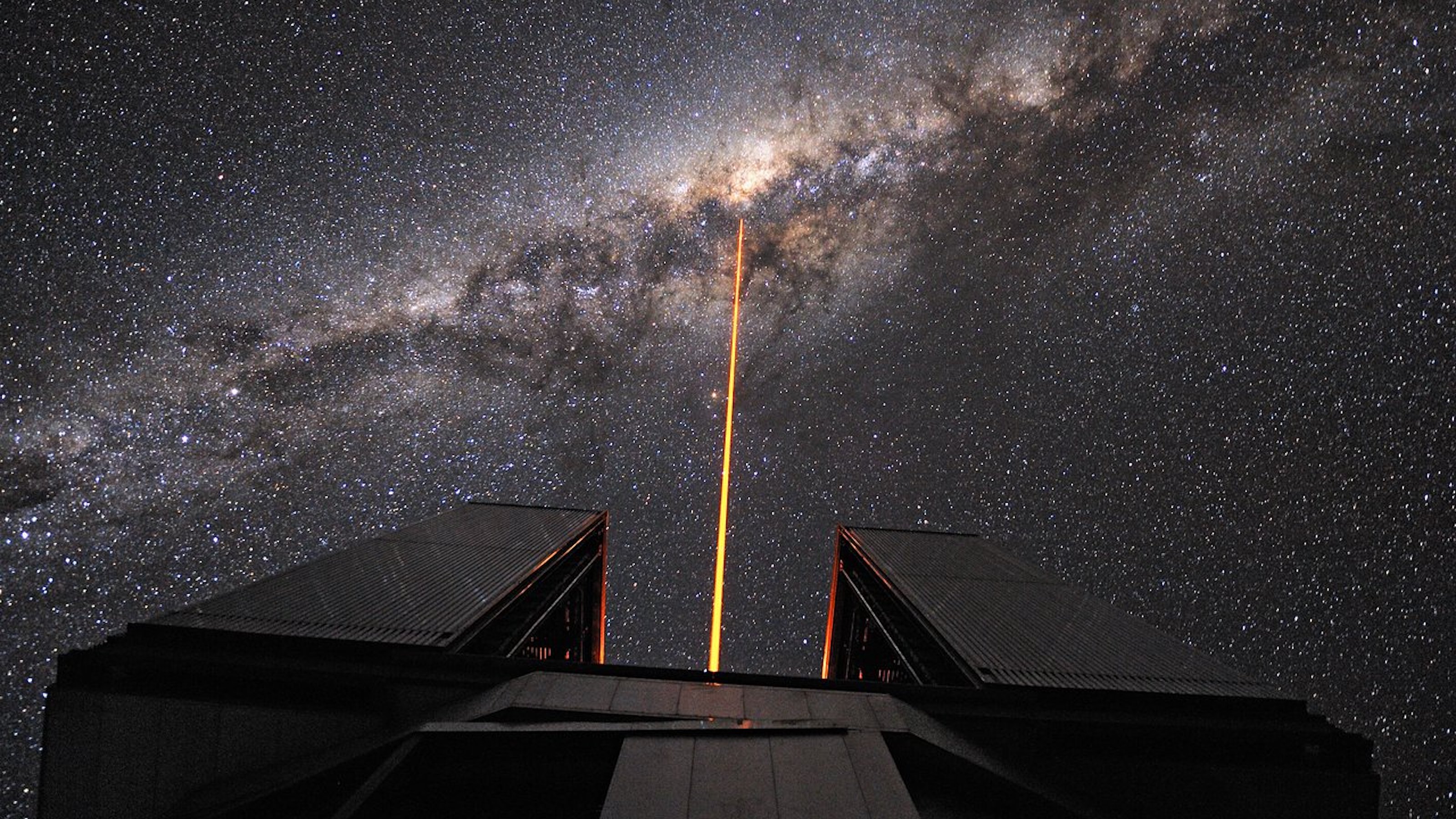
Just 165,000 light-years away, the Large Magellanic Cloud is suspected to house a supermassive black hole. At last, evidence has arrived.
Buddhism has rules for slaying your enemies. But the real surprise is finding out who your enemies actually are.
“We’re awash in lies and misinformation to a degree that was not possible before we got the internet and in particular before we got social media.”
▸
1:41:14 min
—
with
Fears of celestial collisions — and calculations of their likelihood — go back to the very origins of modern science itself.
There are some 26 fundamental constants in nature, and their values enable our Universe to exist as it does. But where do they come from?
Intimate, distraction-free, long-form interviews with the world’s biggest thinkers.
By weaponizing the global economy, the U.S. initiated a new era of economic warfare and transformed how major powers compete.
Welcome to The Nightcrawler — a weekly newsletter from Eric Markowitz covering tech, innovation, and long-term thinking.
Can conflict actually make your team stronger? These strategies will build trust, improve collaboration, and ensure that even the toughest conversations lead to progress.
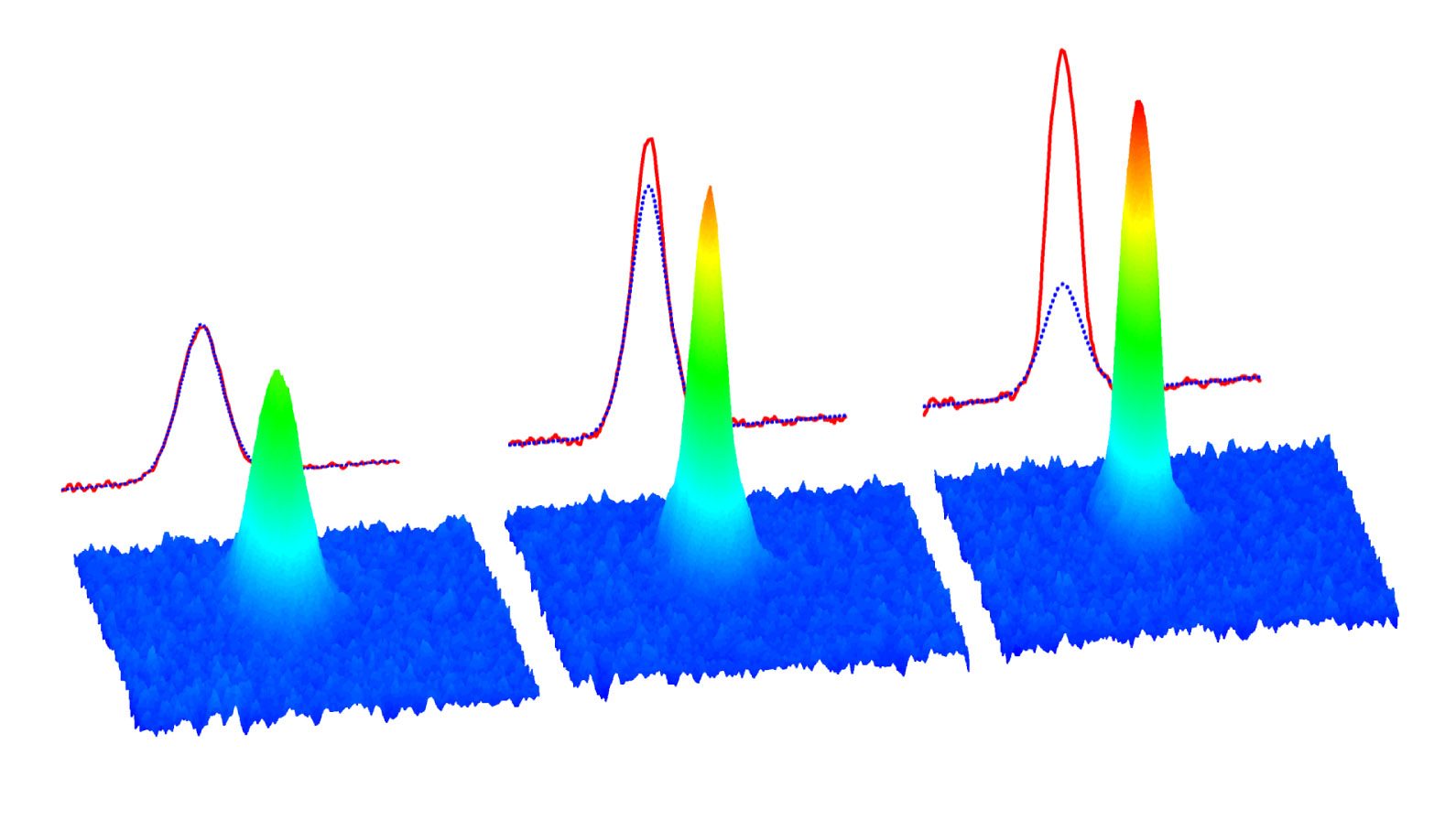
Under extreme conditions, matter takes on properties that lead to remarkable, novel possibilities. Topological superconductors included.
We need more science fiction-inspired thinking in how we approach AI research, argues AI expert Gary Marcus.
The New York Times bestselling author and founder of Going With Grace shares how close confrontations with death inspired her to change her life.
▸
7 min
—
with
One of the most promising dark matter candidates is light particles, like axions. With JWST, we can rule out many of those options already.
Turn onboarding insights into personalized learning journeys with Big Think+ recommendations.
Many expect AI to follow a familiar pattern — technological disruption followed by adaptation — but what are we losing in return?
Neuroscientist Anne-Laure Le Cunff on how to spot and break free from cognitive scripts that limit personal growth.
You got your promotion — but managing the pressure inherent to your elevated role is now a crucial part of your job.
A new bill introduced into the US Senate claims to make us safer. Instead, it would destroy all virology research, and for no real cause.
A study on the “moral circles” of liberals and conservatives gets drafted into the culture wars — with mixed results.
The road to “uncaged leadership” means reimagining your professional identity and value. Here’s how.
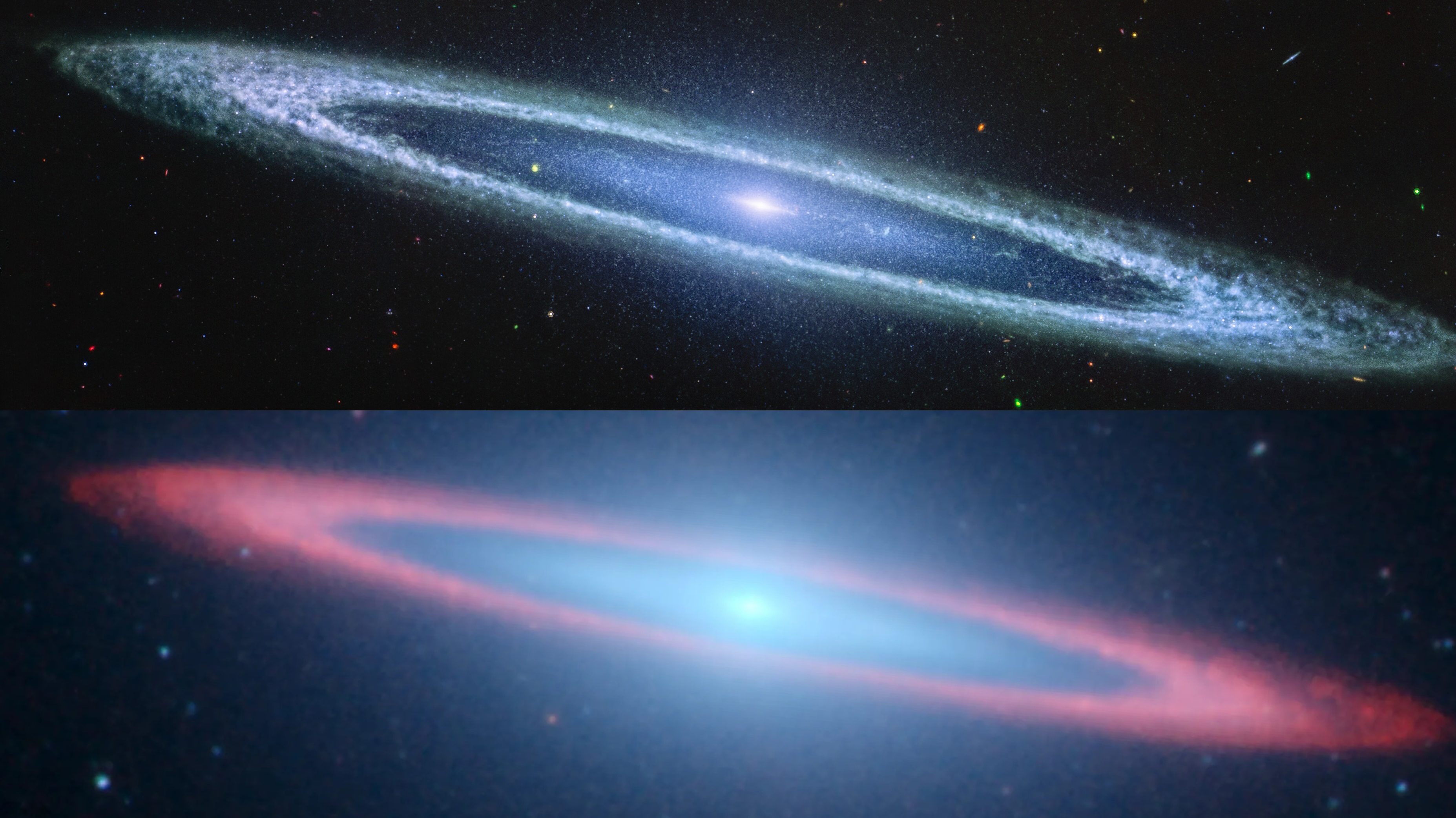
Astronomers see spiral and elliptical nebulae nearly everywhere, except by the Milky Way’s plane. We didn’t know why until the 20th century.
Whether we should tear down philosophy’s Berlin Wall and let East and West finally merge depends entirely on what we think philosophy is—and what it’s for.
Perhaps the most well-known equation in all of physics is Einstein’s E = mc². Does mass or energy increase, then, near the speed of light?
When plans fall apart, adaptability can build something better.
While death-bed utterances are more famous, baby’s first words have influenced us too.