Annie Duke, a poker champion turned decision scientist, talks with Big Think about how to choose well under uncertainty.
Oops! That page can’t be found.
It looks like nothing was found at this location. Maybe try a search?
Were you looking for something like this?
Leaders may not realize it — they’re not just being watched, they’re being interpreted, filtered, and judged, frame by frame.
From the printing press to the internet, every technological revolution in history has reshaped human thought. Now, with AI accelerating by the day, philosopher Meghan Sullivan asks: Are we ready for the philosophical shift that must follow?
▸
3 min
—
with
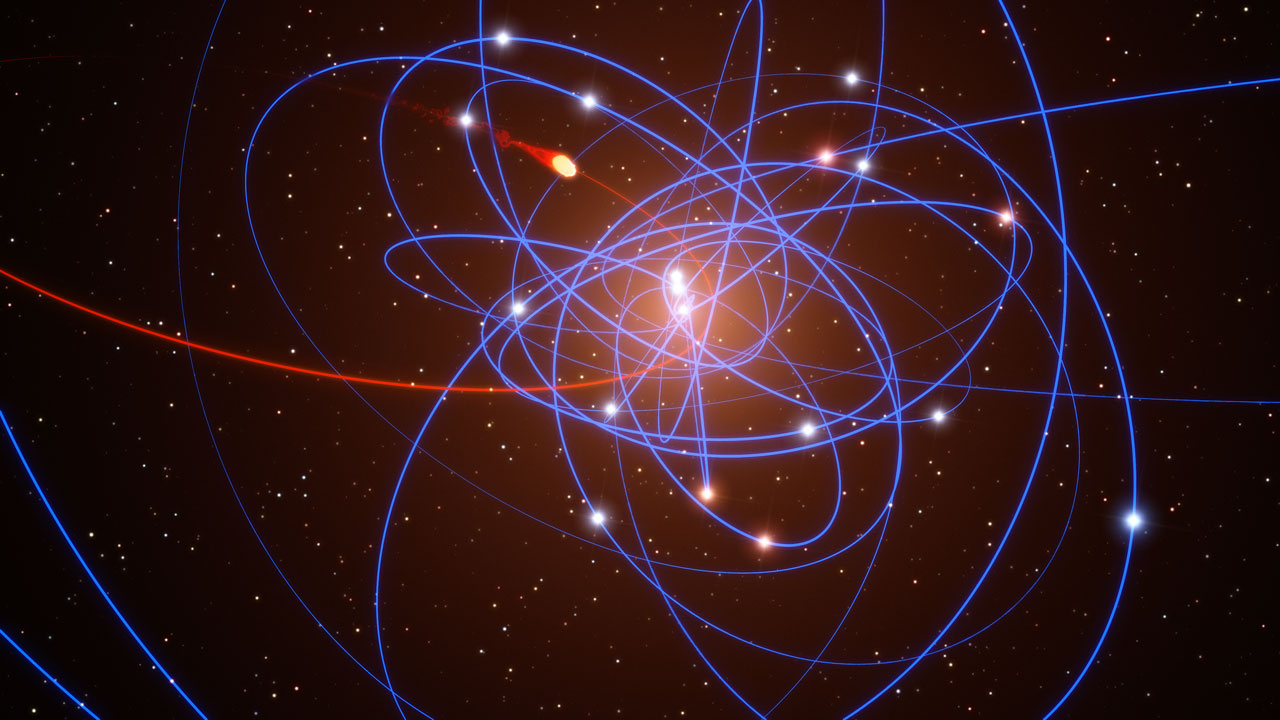
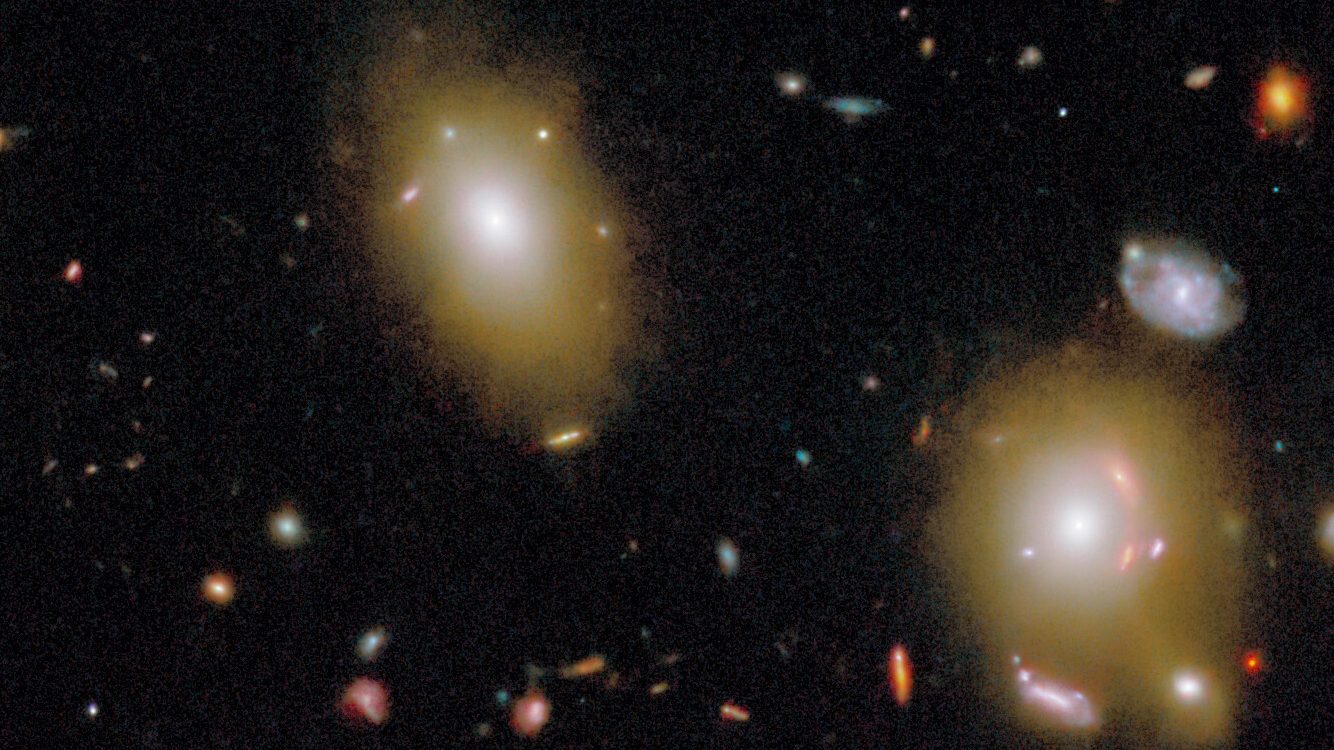
The tiniest galaxies of all are the most severely dominated by dark matter. Could black holes be the cause of the extra gravity instead?
As Beijing encroaches on the territory of the Himalayan kingdom, its ultimate aim is leverage over India.
Why do we fall in love with one person over another? The late biological anthropologist Dr. Helen Fisher unpacks the evolutionary roots of romantic love, sex, and attachment. Using research […]
▸
01:06:42 min
—
with
Dr Ethan Kross and Jennifer Moss dive into the burnout epidemic: here’s the “why” and the “how” to fix it.
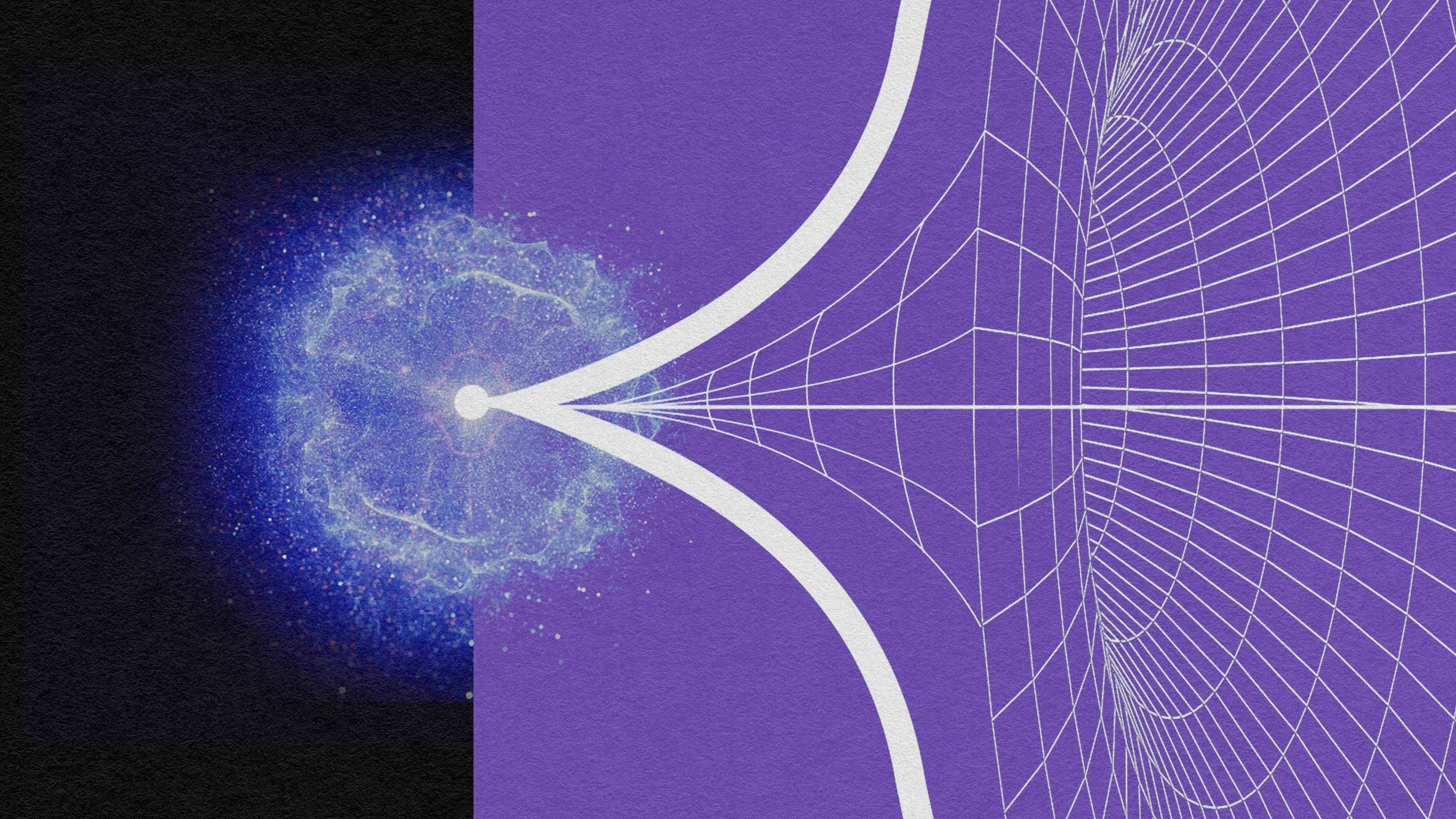
A few physical quantities, in all laboratory experiments, are always conserved: including energy. But for the entire Universe? Not so much.
For his new book, “The Ghost Lab,” Matt Hongoltz-Hetling spent time with paranormal investigators to understand their relationship with science and society.
Welcome to The Nightcrawler — a weekly newsletter from Eric Markowitz covering tech, innovation, and long-term thinking.
“If we did create beings that were more like non-human animals, we ought to treat them much better than we now treat non-human animals.”
▸
4 min
—
with
If you want to understand the Universe, cosmologically, you just can’t do it without the Friedmann equation. With it, the cosmos is yours.
If happiness is an absolute good, would 1 billion slightly happy people be better than 1 million incredibly happy people?
“You might as well go for it. You might as well do the thing that you dream about doing for heaven’s sake.”
▸
6 min
—
with
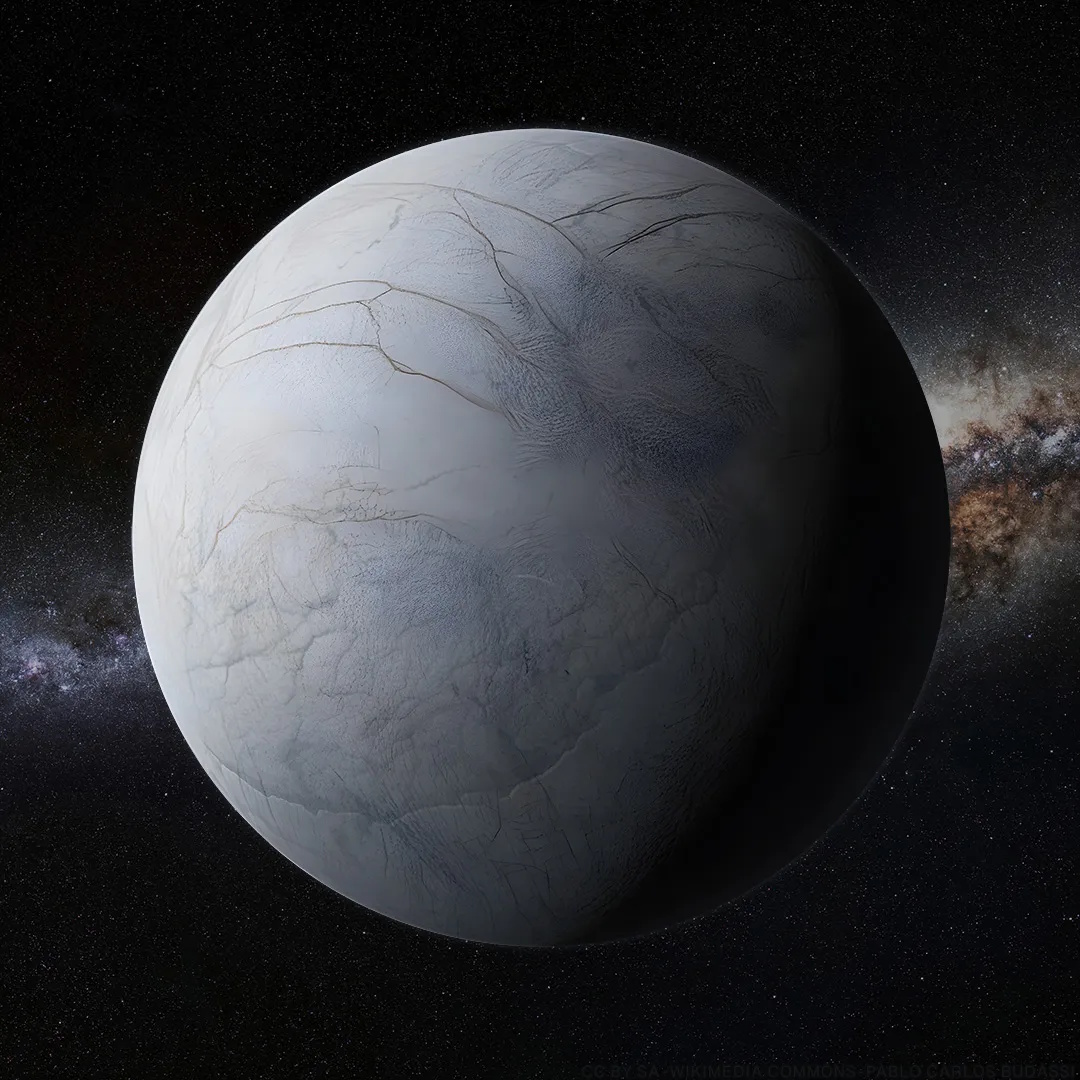
Viewing Uranus’s largest moons with Hubble, astronomers hoped to find darkening on the trailing side. They found the exact opposite instead.
The cofounders of think tank RethinkX are convinced that humanity is undergoing civilizational phase change.
In “The Shortest History of the Dinosaurs,” Riley Black reveals the bold mammals that thrived in the Age of Reptiles.
The “primacy/recency effect” is used by celebrated movie-makers, Broadway composers, and restaurateurs — it can work for you too.
On Earth, our particle accelerators can reach tera-electron-volt (TeV) energies. Particles from space are thousands of times as energetic.
“We are racing towards a new era in which we outsource cognitive abilities that are central to our identity as thinking beings,” writes computer scientist Louis Rosenberg.
The veteran economist joins Big Think to unpack the new rules of social media, explain tariffs, and recount his adventures in Albania.
“You can debate all sorts of things about how the texture of American life has changed. What you can’t debate is the sheer, objective, existential fact that Americans are more alone than ever.”
▸
12 min
—
with
These microbes endured the unlivable. The NASA astrobiologist who studies them reveals what that means for us today
▸
7 min
—
with
The first galaxies were irregular blobs of gas and stars. But modern features, like spiral arms and bars, appeared earlier than expected.
The hunt for extraterrestrial life begins with planets like Earth. But our inhabited Earth once looked very different than Earth does today.
“If we’re related to every living thing on the planet, do we not have a special responsibility for every living thing on this planet? They are really all our relatives.”
▸
44 min
—
with
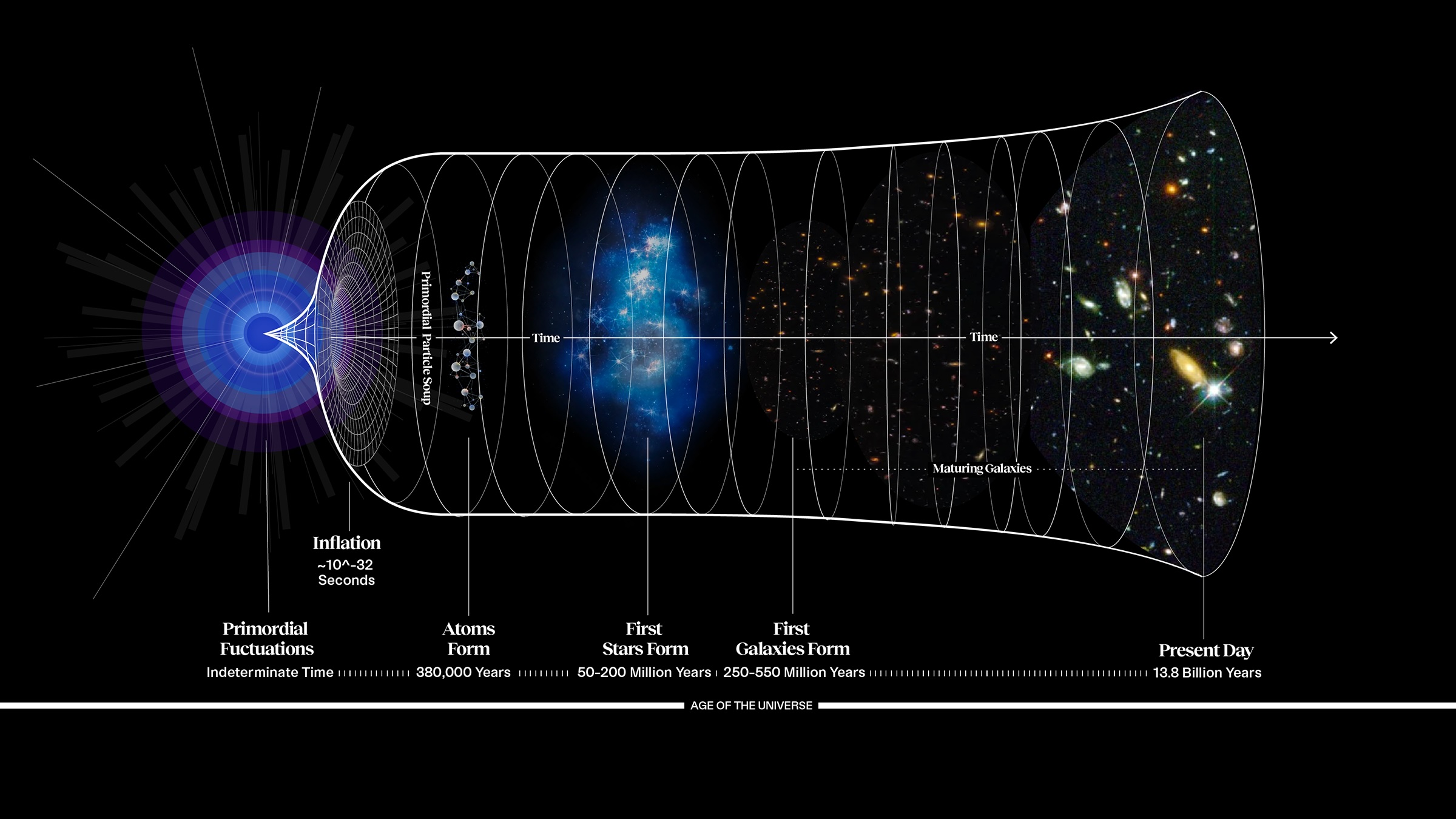
If the Universe is 13.8 billion years old today, but different ages the farther we look back, what does it mean for a star to be the first?
John Green opens up about his struggle to remain hopeful while writing about suffering and injustice.
Welcome to The Nightcrawler — a weekly newsletter from Eric Markowitz covering tech, innovation, and long-term thinking.