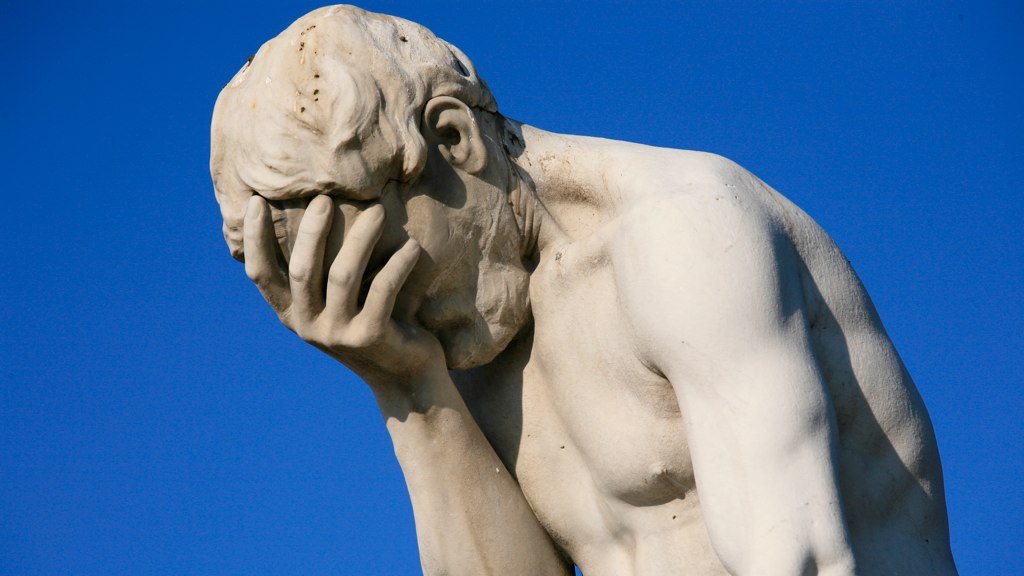
From acclaimed novels to heretical treatises, sometimes a writer just doesn’t want to put their name on the cover.
Search Results
You searched for: Richard Marks
The veteran economist joins Big Think to unpack the new rules of social media, explain tariffs, and recount his adventures in Albania.
The Malling-Hansen writing ball, with its potential and limitations, redefined Nietzsche’s philosophical and creative expression.
From medieval myths to Shakespeare’s plays and modern cinema, British culture kept the Roman Empire alive long after its fall.
They’re in our brains, hearts, and blood — but what are they doing to us?
Discover how the threads of myth, legend, and artistry have been woven together by storytellers to craft history.
From Einstein to Twain, Garson O’Toole investigates the truth behind your favorite — and often misattributed — quotes.
Big Think spoke with historian Marc-William Palen about the egalitarian aims of the free-trade movement in past centuries.
“It’s much more interesting to live not knowing than to have answers that might be wrong.”
Can laboratories become more humane, or is it time to end animal research altogether?
Individuals and organizations can maintain a strong and enduring identity by repeatedly remaking themselves.
Dark matter doesn’t absorb or emit light, but it gravitates. Instead of something exotic and novel, could it just be dark, normal matter?
This collection of learning and development quotes serves as a reminder of the meaning and purpose behind this important work.
Most patients with cancer die from metastasis. Stopping it would be a major advance in cancer therapy.
Gods and angels have been replaced with hi-tech extraterrestrials.
Pure cinema is about removing redundancy so that even the smallest detail serves a purpose in relation to the bigger picture.
Serving as the inspiration for the modern horror classic “The Blair Witch Project,” what does our fascination with this unsolvable mystery tell us about our modern psyche?
Humanity can avoid catastrophe — if we look beyond our blinkered present.
More than 90 percent of people make a mistake on this test.
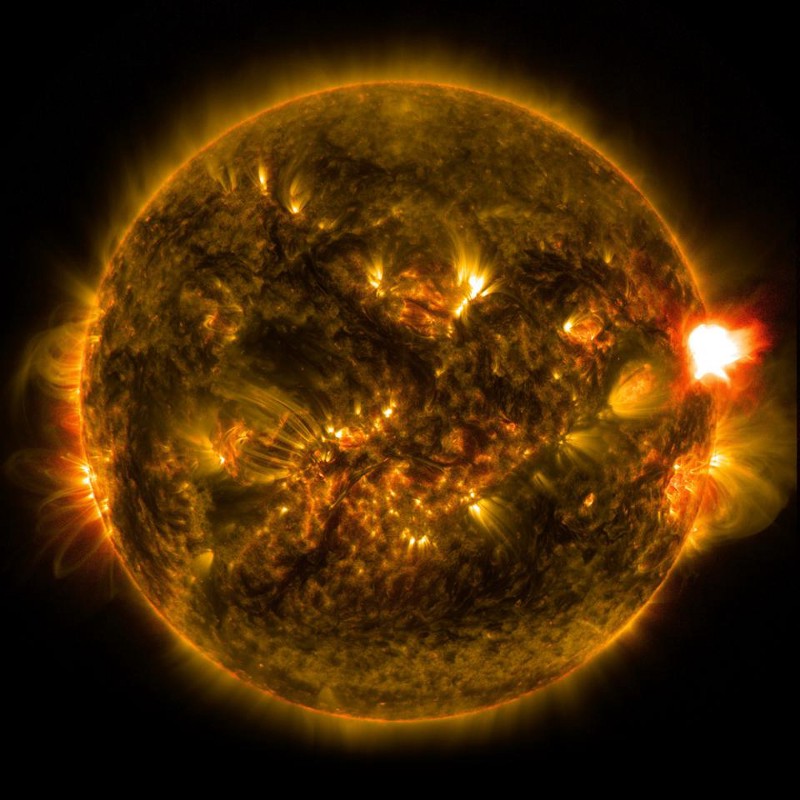
Recasting the iconic Carrington Event as just one of many superstorms in Earth’s past, scientists reveal the potential for even more massive eruptions from the sun.
Many people out there, including scientists, claim to have discovered a series of game-changing revolutions. Here’s why we don’t buy it.
Robinson v. California helped to established a rehabilitative ideal: addiction should be dealt with as a therapeutic matter.
Presidential gravesites are spread out “democratically” — but this is more by accident than design.
One particular revolution was so important, that at least one historian thinks the 20th century officially began in 1914 and ended in 1991.
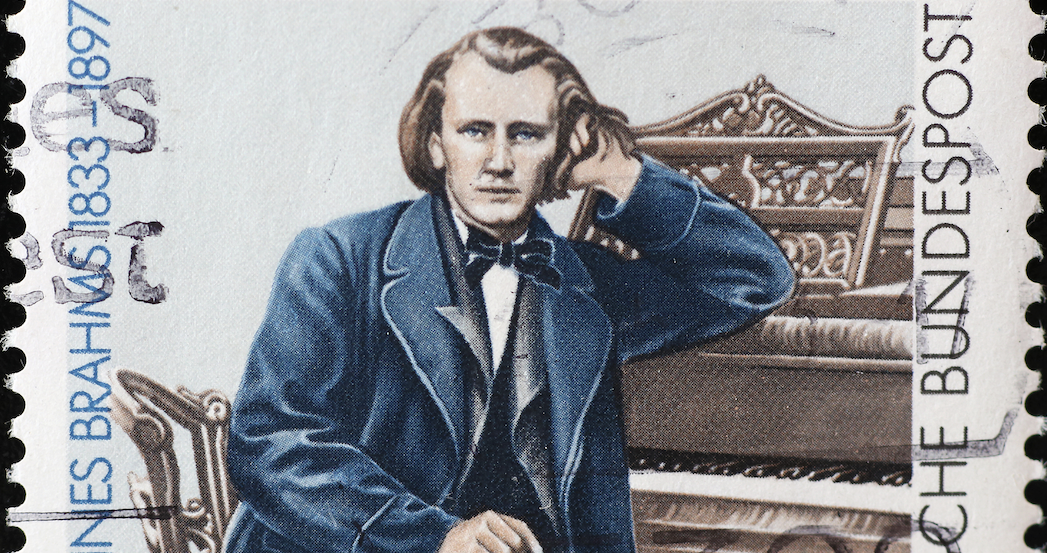
From Brahms to Tchaikovsky, here’s a curated list of composers whose music has shaped the classical canon.
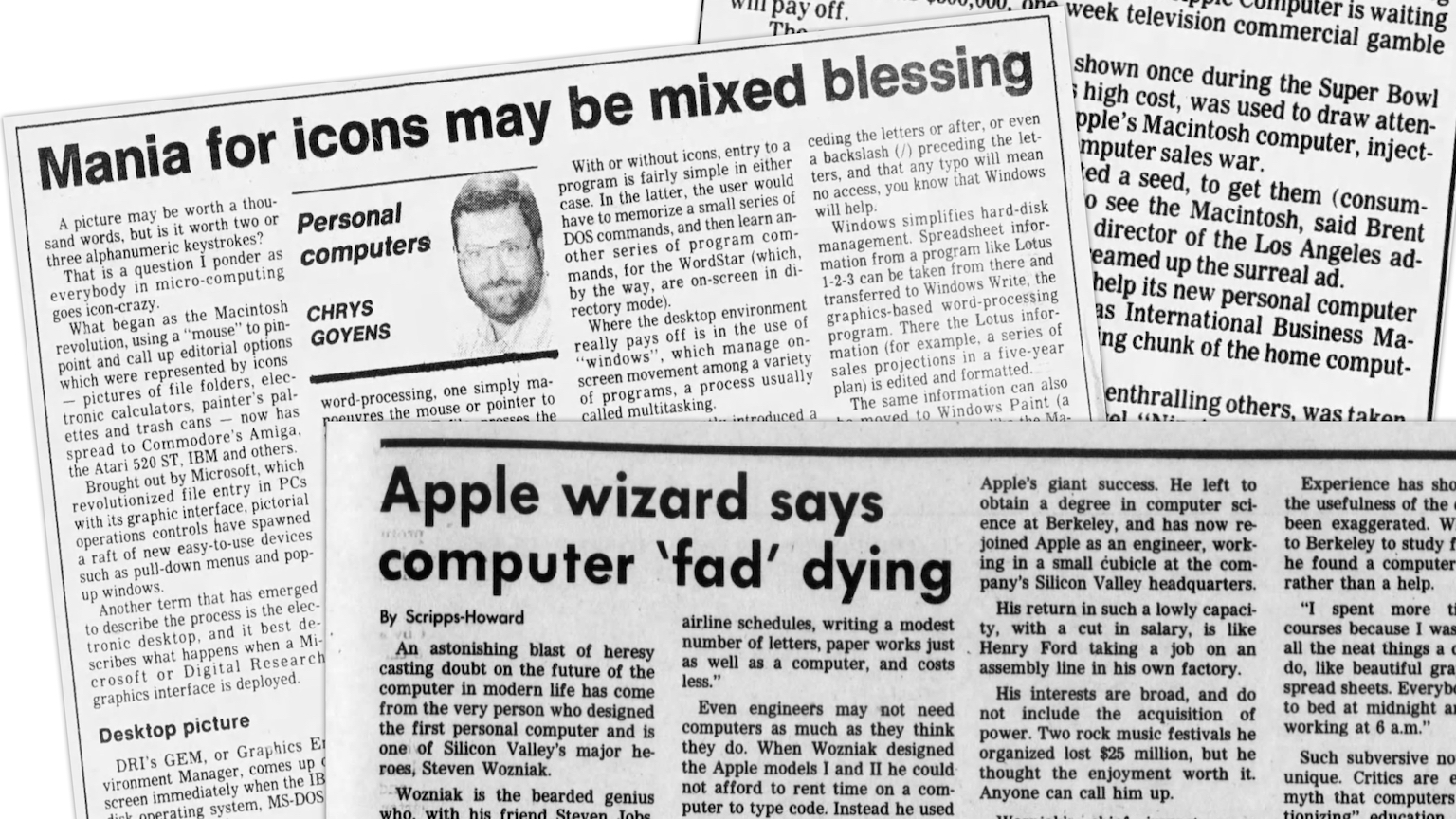
Graphical user interfaces are how most of us interact with computers, from iPhones to laptops. But they were once condemned as making students lazy and destroying the art of writing.
The poisoned candy legend is just one way that American fears manifested: as an easily understood threat to innocence.
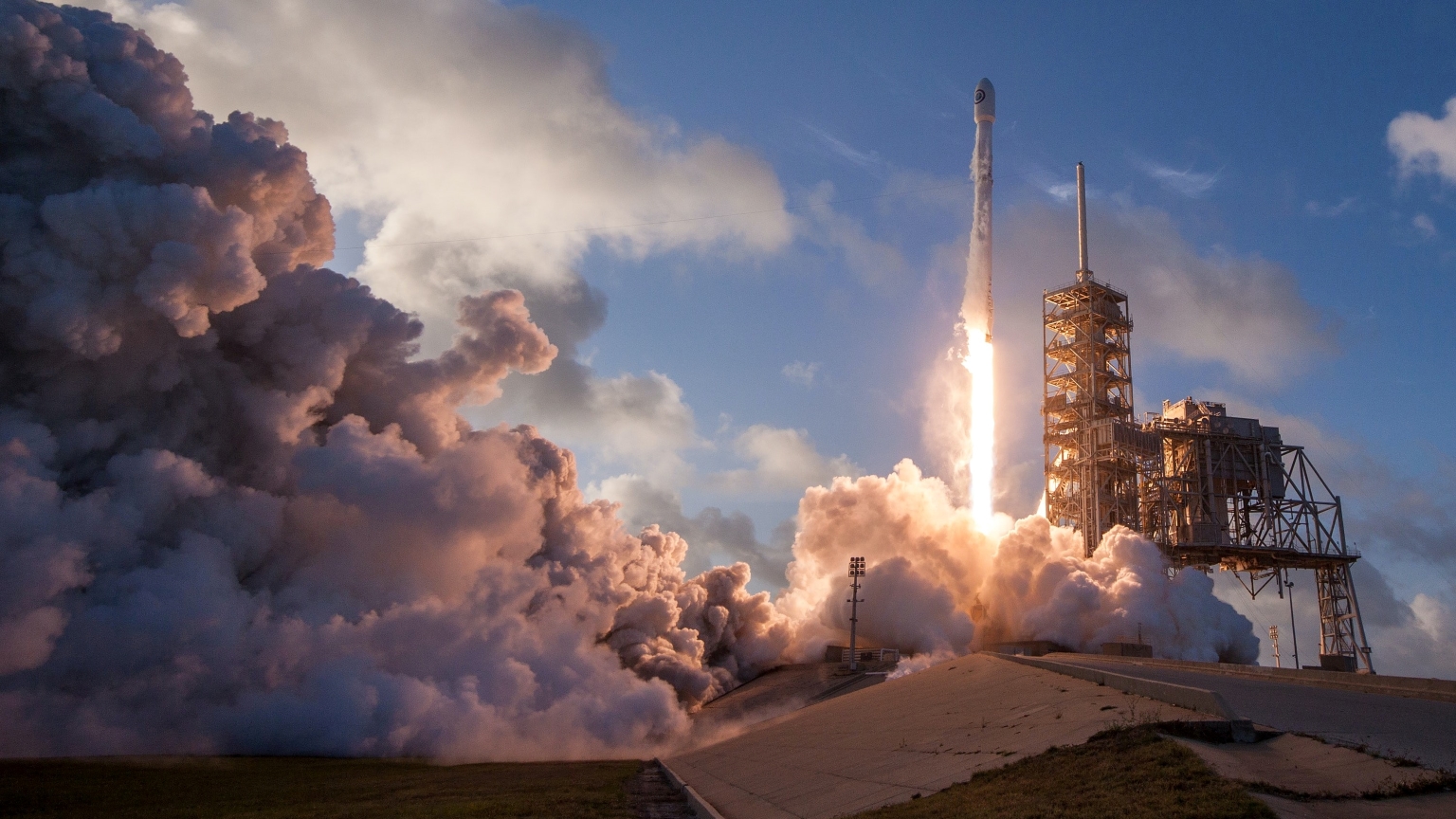
Nearly 200 orbital launches are scheduled for 2022.
For centuries, men prevented women from writing music. These classical composers broke with social norms and made their mark on history.