Lie to Me: The Biological Basis of Emotion
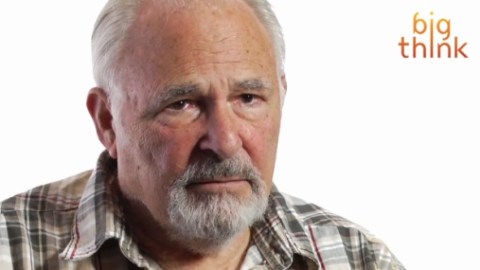
When Paul Ekman looks at you he is invading your privacy. Ekman is an expert at reading so-called micro expressions that reveal what you are thinking and also what you might be trying to conceal. You can imagine how useful this tool is for law enforcement and counterterrorism. That is why Ekman was named by Time magazine as one of the World’s 100 Most Influential People. Tim Roth’s crime-fighting character in the Fox seriesLie to Me was based on Ekman and his work at The Lightman Group.
And yet, Ekman says anyone can do what he does, and to that end he has made the Micro Expression Training Tool available online. He says 100,000 people have used this tool to learn how to spot concealed emotions. It takes less than an hour.
What’s the Big Idea?
When Charles Darwin made his famous five-year voyage on the Beagle he met many people around the world whose languages he didn’t share and yet he thought he could understand them through their facial expressions.
Darwin could never prove this, but Ekman has.
In fact, Ekman has found that facial expressions express seven emotions – fear, anger, sadness, disgust, surprise, enjoyment, and contempt. These seven emotions individually represent a “family of emotions.” In other words, there are many different variations to the type of anger someone might be feeling, and expressing. These emotions and their corresponding micro expressions are shared across cultures.
Since these expressions show our true emotions, our faces often betray us. So how do we wish to make use of Ekman’s tool, and who should make use of it? Ekman says he studies “the lies that society cares about catching and generally disapproves of.” After all, we lie most often to avoid punishment for breaking a rule.
Watch the video here: