Science magazine runs the following news report on Gore’s Nobel prize and his impact on the policy debate and public opinion. The article quotes Steve Schneider, Michael Oppenheimer, Robert Watson, […]
Search Results
You searched for: D
Throughout January, PBS has been test piloting three science programs on channels across the country and via streaming video online at their Web site. According to PBS mag Current, one […]
How do you activate an otherwise disinterested Republican base on the issue of global warming? As we argued in our Policy Forum article at Science, two possible frames are to […]
Slides and synchronized video of the presentations from the AGU panel “Re-Starting the Conversation on Climate Change: The Media, Dialogue, and Public Engagement Workshop” are now online. Below I link […]
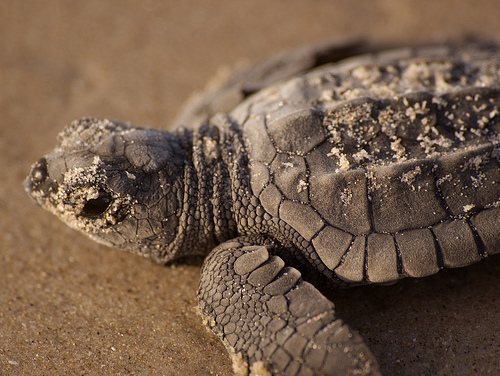
Captain Mike Ellis of Venice, Louisana describes how BP is incinerating endangered sea turtles in its attempt to burn off spilled oil floating in the Gulf of Mexico near the […]
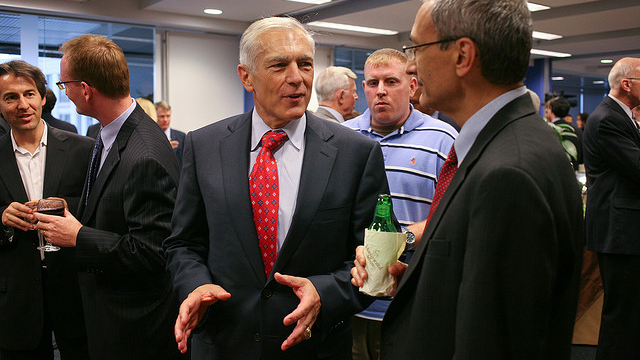
Gen. Wesley Clark’s Four-Star Advice on Life, War, Foreign Affairs and America’s Energy Independence
Who better to comment on President Obama’s recent decision to declare an end to the United States’ prolonged conflict in Iraq than General Wesley Clark? In his Big Think interview, […]
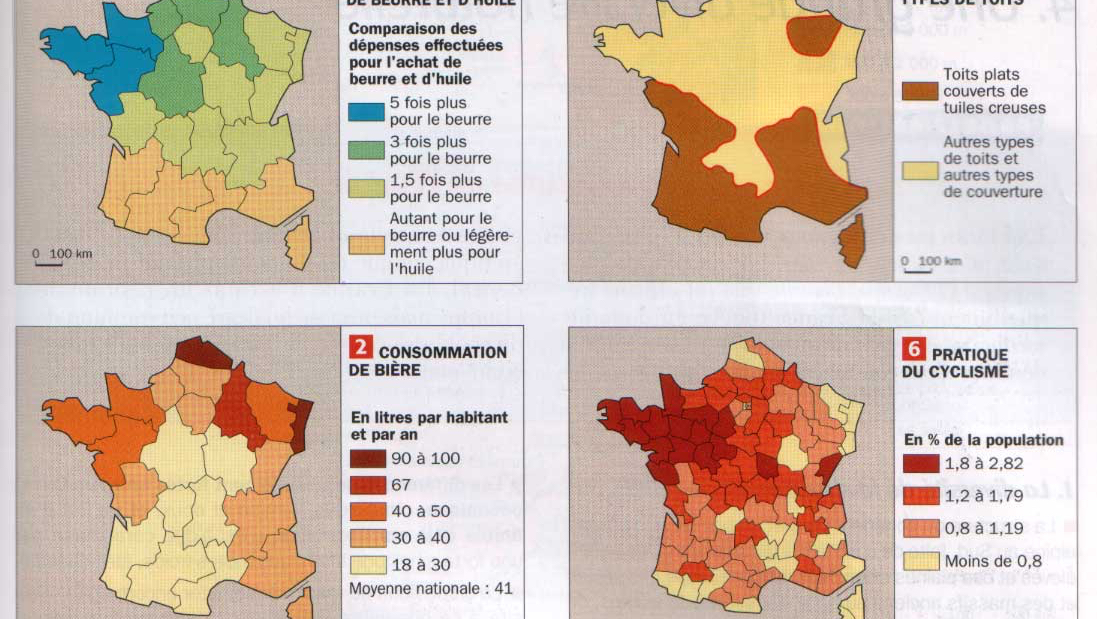
Despite the levelling force of the Revolution, France is still very diverse – often in weird and surprising ways
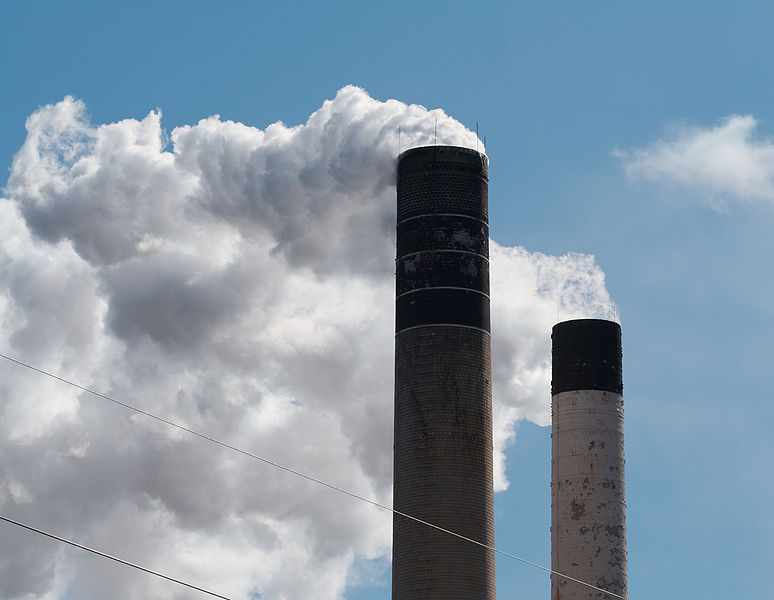
The Senate defeated a bill that would have prevented the Environmental Protection Agency (EPA) from regulating greenhouse gases as pollutants under the Clean Air Act. Large greenhouse gas emitters, like […]
The next Eruptions Word of the Day describes what happens when hot magma and cool sediment get too close.
Introducing the Eruptions Word of the Day – and we’ll start with a favorite of mine: dacite.
Many people ask what books on volcanoes should they check out … well, here’s my list of the best general and technical volcano books.
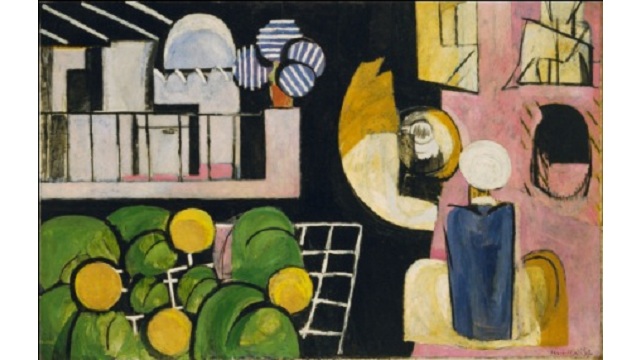
In chemistry, a free radical is the name for an atom or group of atoms having at least one unpaired electron, thus making it unstable and highly reactive. From the […]
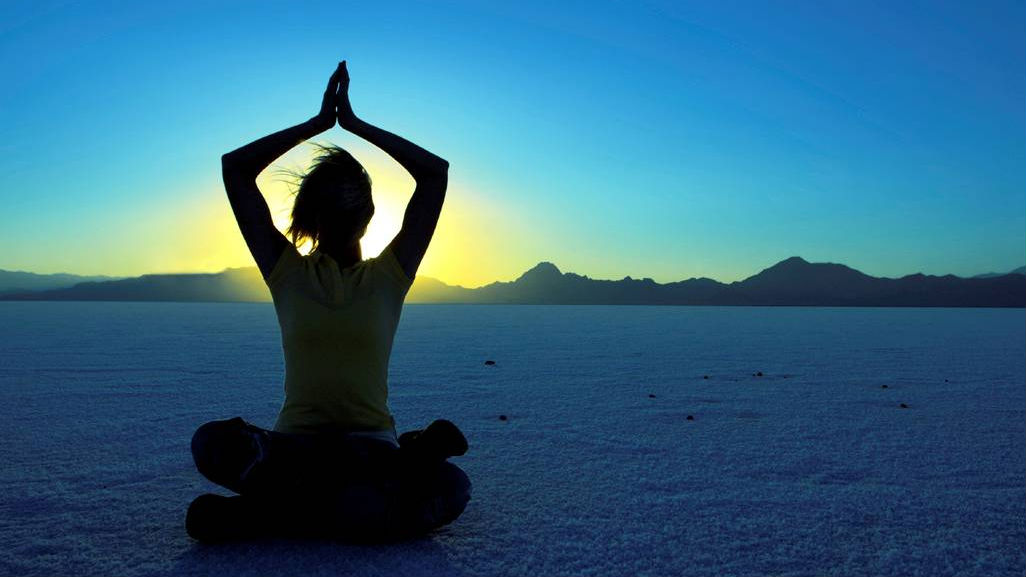
Far from simply being a relaxed state, meditation is a period of heightened mental activity. Long-term practice can increase one’s capacity for attention as well as compassion.
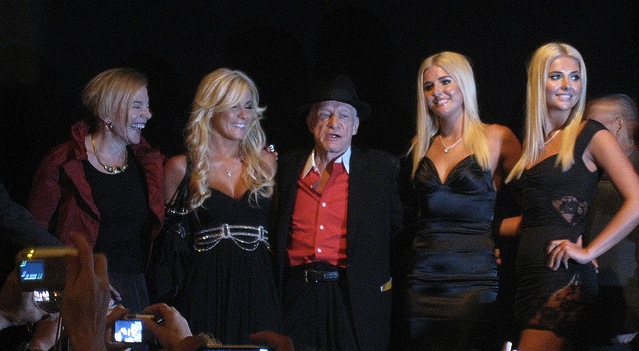
In a recent interview in the New York Times Magazine, Playboy founder Hugh Hefner said that he was very proud that he had paved the way for middle-class couples to […]

Yesterday the Senate passed the Healthy, Hunger-Free Kids Act by unanimous consent. The bill allots $4.5 billion to fund public school food programs. The bill, which was backed by Sen. […]
After nearly 8 years as founding editor of The Scientist magazine, Richard Gallagher is stepping down to pursue new journalistic ventures. Gallagher helmed The Scientist as it grew into one […]
For readers on campus or in the area, on Monday I will be giving a lecture hosted by the Program in Science, Technology, & Environmental Policy (STEP) at Princeton University’s […]
The identity politics wrapped up in author Sam Harris’ statements at a recent atheist conference here in Washington, DC has sparked a ton of discussion and debate. Paul Kurtz, chair […]
There are two generalizable findings on influencing behavior change. First, citizens are more likely to get involved politically if they see members of their peer group or social group getting […]
One of the critiques of Inconvenient Truth that has emerged is that Gore spends a lot of time warning viewers about global warming, but strays from actually providing concrete suggestions […]
As part of their conversation series with scientists, the NY Times this week runs an interview with Harvard’s Eric Mazur featuring the headline “Using the ‘Beauties of Physics’ to Conquer […]

Paris doesn’t pause. The New York Times cover story today on a scandal consuming the city noted that “this being France, a film will be made, and comparisons to the […]
The New Statesman interviews the Kenyan native and friend of Western conservatives who warns that Islam gets a free pass while carrying a dangerous blend of oppressive ideas.
Alan Boyle, the science editor for MSNBC.com, answers our questions about science, the mainstream media and the fallout of the Chilean earthquake coverage.
Over 12,000 years ago, a caldera in the middle of Germany spread ash over Europe – and the Laacher See still seeps carbon dioxide.
So why is the current earthquake swarm at Yellowstone not likely to lead to an eruption? Well, mostly because we’ve had so many other swarms that don’t lead to eruption, and this one shows no signs of it being any different.
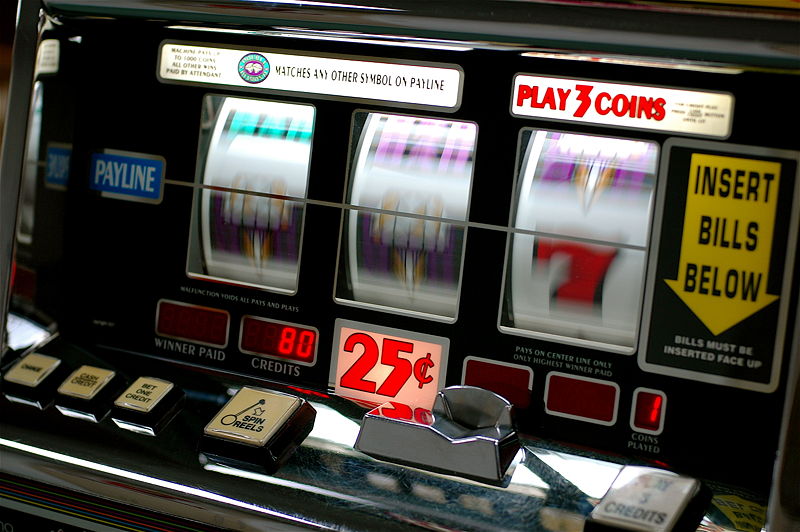
I don’t have to write anything today, because the professionals have done my job for a change. Eugene Robinson, Frank Rich, and Maureen Dowd, who are all political pundits I […]

About 20% of journal articles published in the sciences, social sciences, and the humanities are open-access, meaning that only about 1 out of every 5 articles are immediately or eventually […]
. (click on the map to view it without the annoying sidebar) . Great stories are rarely isolates. Even though Homer’s Iliad and Odyssey are founding epics of ancient Greece, […]
“Do we inflate the menace of Islamic Jihad in order to justify the war in Afghanistan?” Robert Wright wonders if our simplification of Muslim motives squeezes relevant facts out of picture.