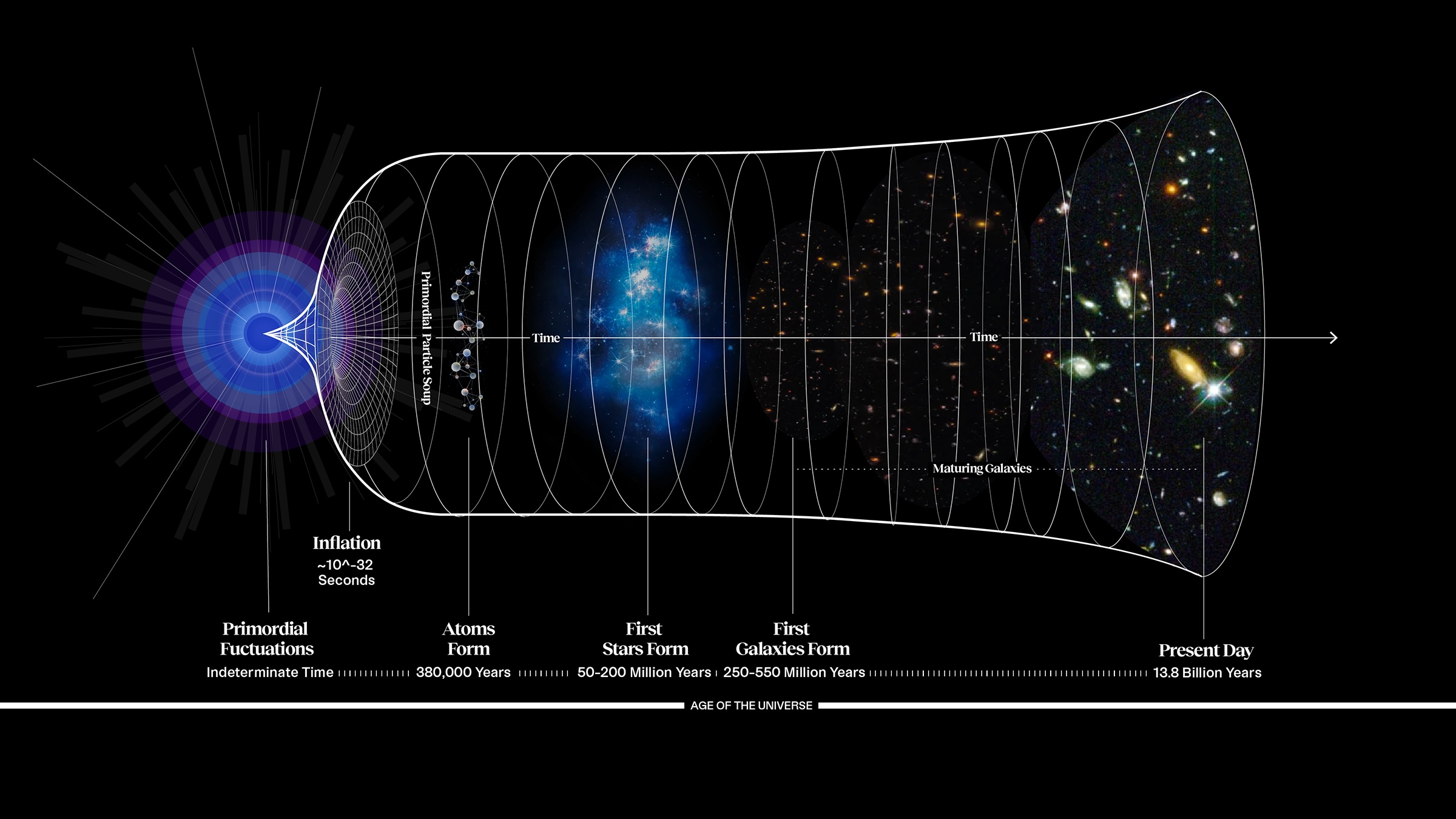
Starts With A Bang How to understand the Universe’s most important equation If you want to understand the Universe, cosmologically, you just can’t do it without the Friedmann equation. With it, the cosmos is yours.
Big Think Books The price of Christianity’s “broken bargain” with democracy An atheist’s case for why American democracy needs a more Christlike Christianity.
Big Think Books Why historians can only give Jesus a one-sentence biography The Gospels aren’t historical biographies but genre-defining works that blend myth, theology, and a promise of hope.
The Future No, LLMs still can’t reason like humans. This simple test reveals why. A simple plate of vegetables has found the gaping blindspots in generative AI, and points the way to fixing them.
The Future Why AI playing video games is a big deal Finally, an AI that can drive a digital car as a goat.
Books Why did Van Gogh eat yellow paint? The troubled obsession behind the masterpieces. In “Human History on Drugs,” Sam Kelly explores what the research can tell us about one of history’s most brilliant — and troubled — artists.
Business The “Olympic mindset”: Do elite athletes make elite employees? What we can all learn about the journey from sporting arena to workplace — and how Aristotle can guide our thinking.
Strange Maps The world’s largest PDF is bigger than the Universe Common knowledge says the maximum size of a PDF is as big as 40% of Germany — but that’s a gross underestimate.
Starts With A Bang Not a constant: The Hubble “constant” changes over time The Universe is expanding, and the Hubble constant tells us how fast. But how can it be a constant if the expansion is accelerating?
Business Why your smartest colleagues are virtuoso manipulators We manipulate constantly — but few of us want to be called “manipulative.” Here, ex-Google executive Jenny Wood redefines an unfairly maligned trait.
Health The overlooked psychedelic that may help treat traumatic brain injury A powerful psychedelic long used in African rituals shows surprising promise for treating traumatic brain injury and PTSD.
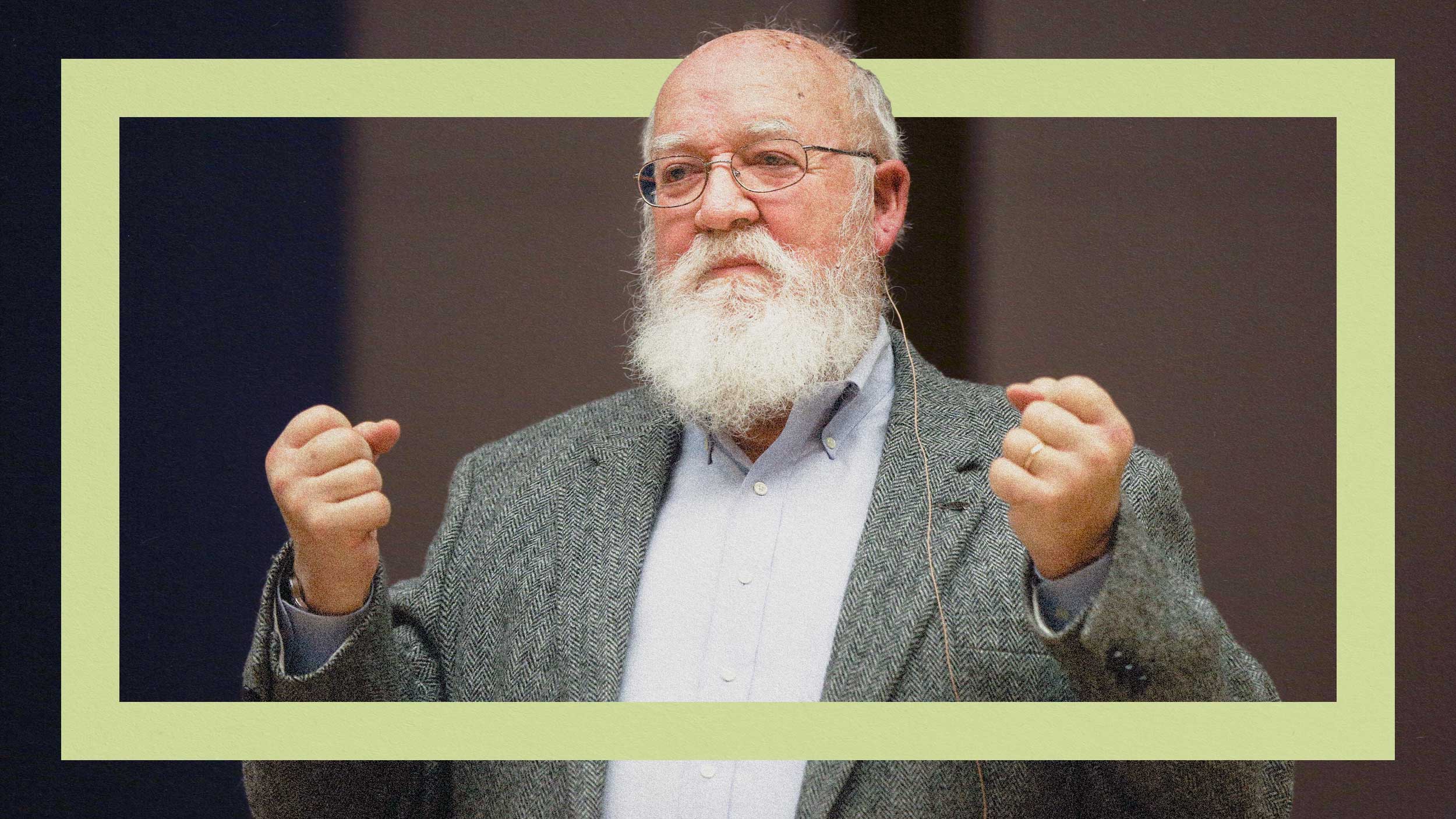
The Learning Curve 3 brilliant critical thinking tools used by Daniel Dennett The late philosopher suggested adding a couple of “Occam’s heuristics” to your critical thinking toolbox.
The Future T-Minus: Kessler Syndrome Experts answer 10 big questions about the nightmare scenario that could send us back to the pre-Space Age.
Starts With A Bang Ask Ethan: Can we fix the worst prediction in all of science? The measured value of the cosmological constant is 120 orders of magnitude smaller than what’s predicted. How can this paradox be resolved?
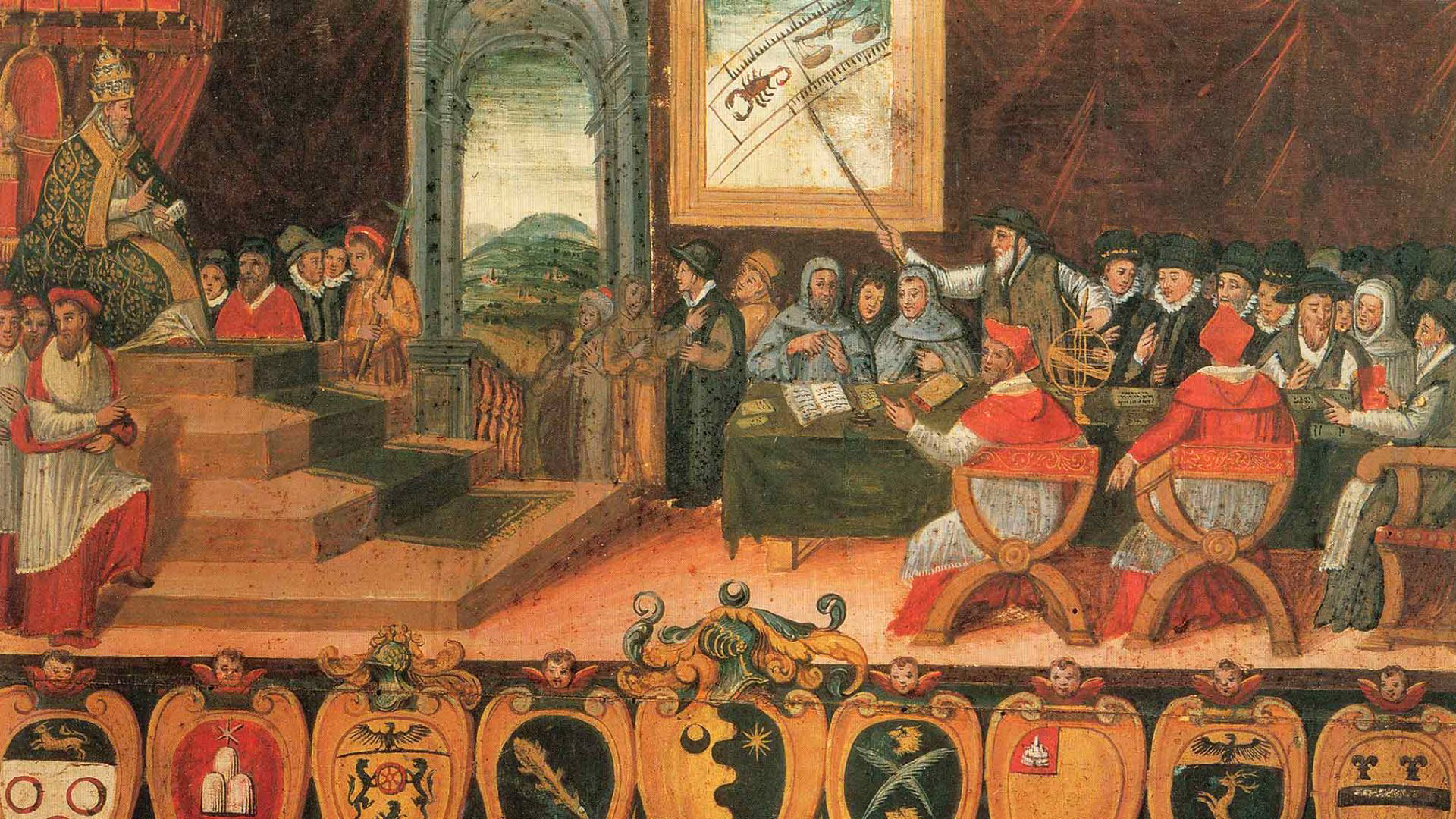
The Past “Phantom time hypothesis”: Did a power-hungry pope fabricate centuries of history? A sober look at a wild conspiracy theory that argues the Middle Ages never happened.
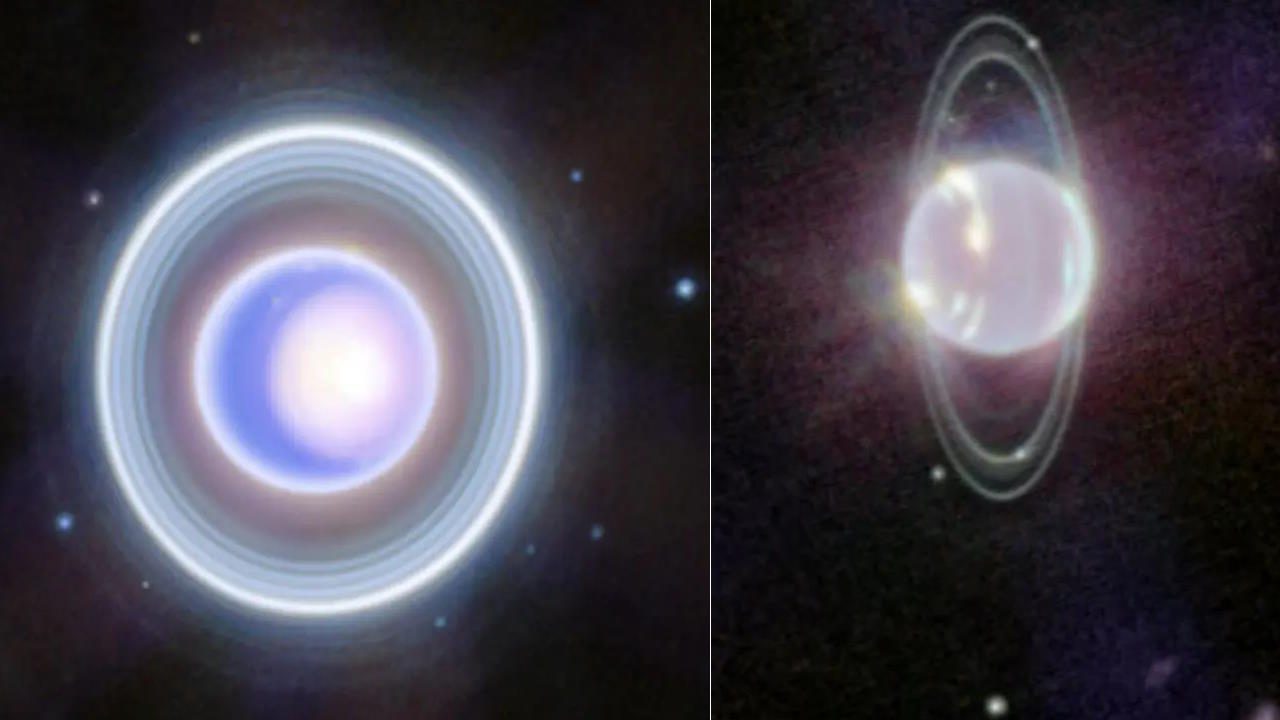
Starts With A Bang A unique mission to both Uranus and Neptune could launch in 2034 Once every 12 years, Earth, Jupiter, Uranus, and Neptune all line up, opening a window for a joint mission. Our next chance arrives in 2034.
Starts With A Bang Ask Ethan: What if the Sun were a grain of sand? The cosmic scales governing the Universe are almost unbelievably large. What if we shrunk the Sun down to be just a grain of sand?
The Past The atomic bomb, exile and a test of brotherly bonds: Robert and Frank Oppenheimer A rift in thinking about who should control powerful new technologies sent the brothers on diverging paths. For one, the story ended with a mission to bring science to the public.
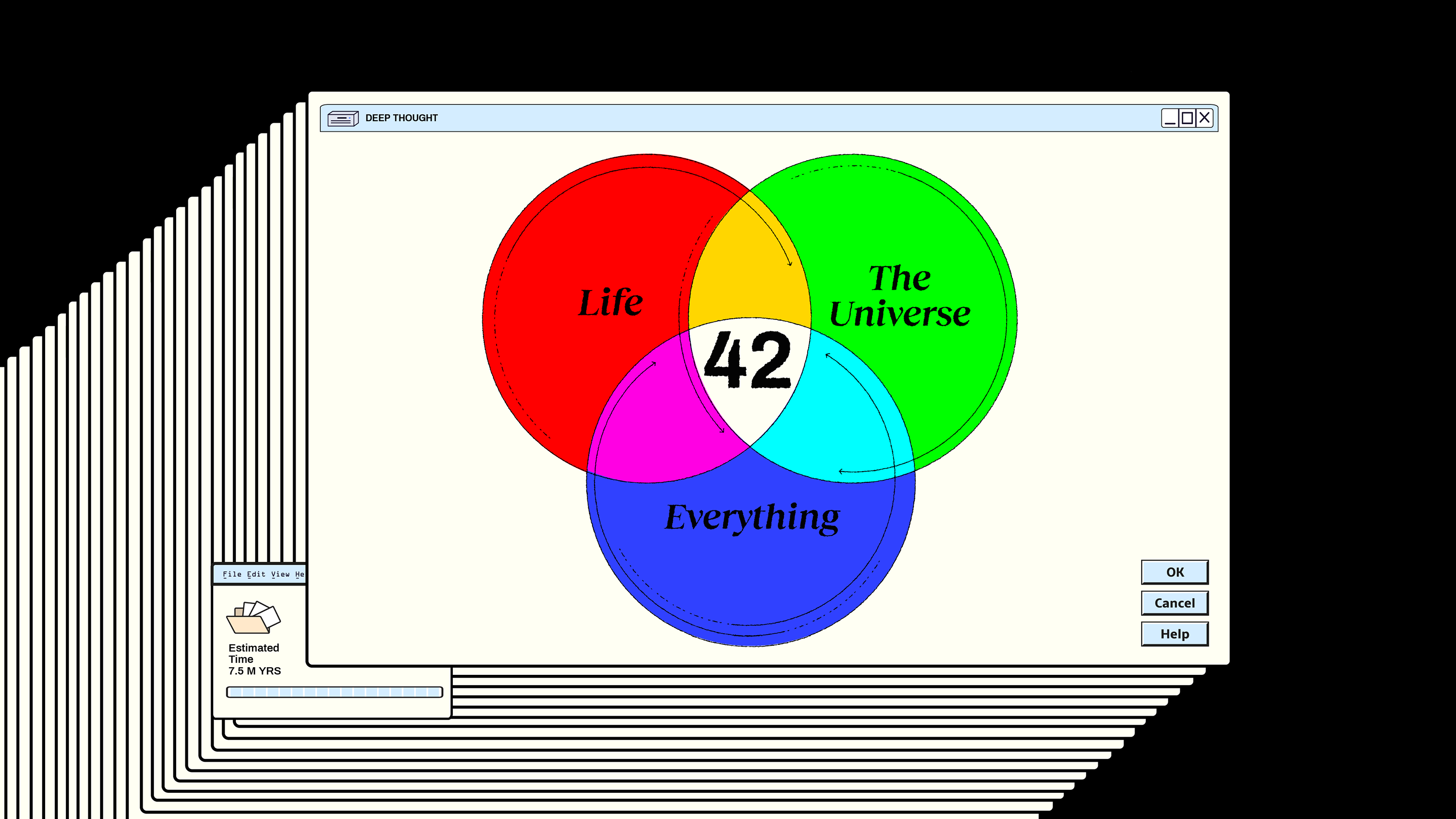
Starts With A Bang 42 really is the answer to these 5 fundamental questions Although we still don’t know the question, we know that the answer to life, the Universe, and everything is 42. Here are 5 possibilities.
Books 5 classic science fiction novels written by scientists What happens when scientists “write what they know”? Some amazing science fiction stories.
Starts With A Bang 11 NASA astrophysics missions face risk of cancellation NASA astrophysics, which gave us Hubble, JWST, and so much more, faces its greatest budget cut in history. All future missions are at risk.
Neuropsych Frans de Waal: Acclaimed primatologist and impactful Big Thinker His career helped define humanity’s place in the world by bringing us “a little closer” to our ape relatives.
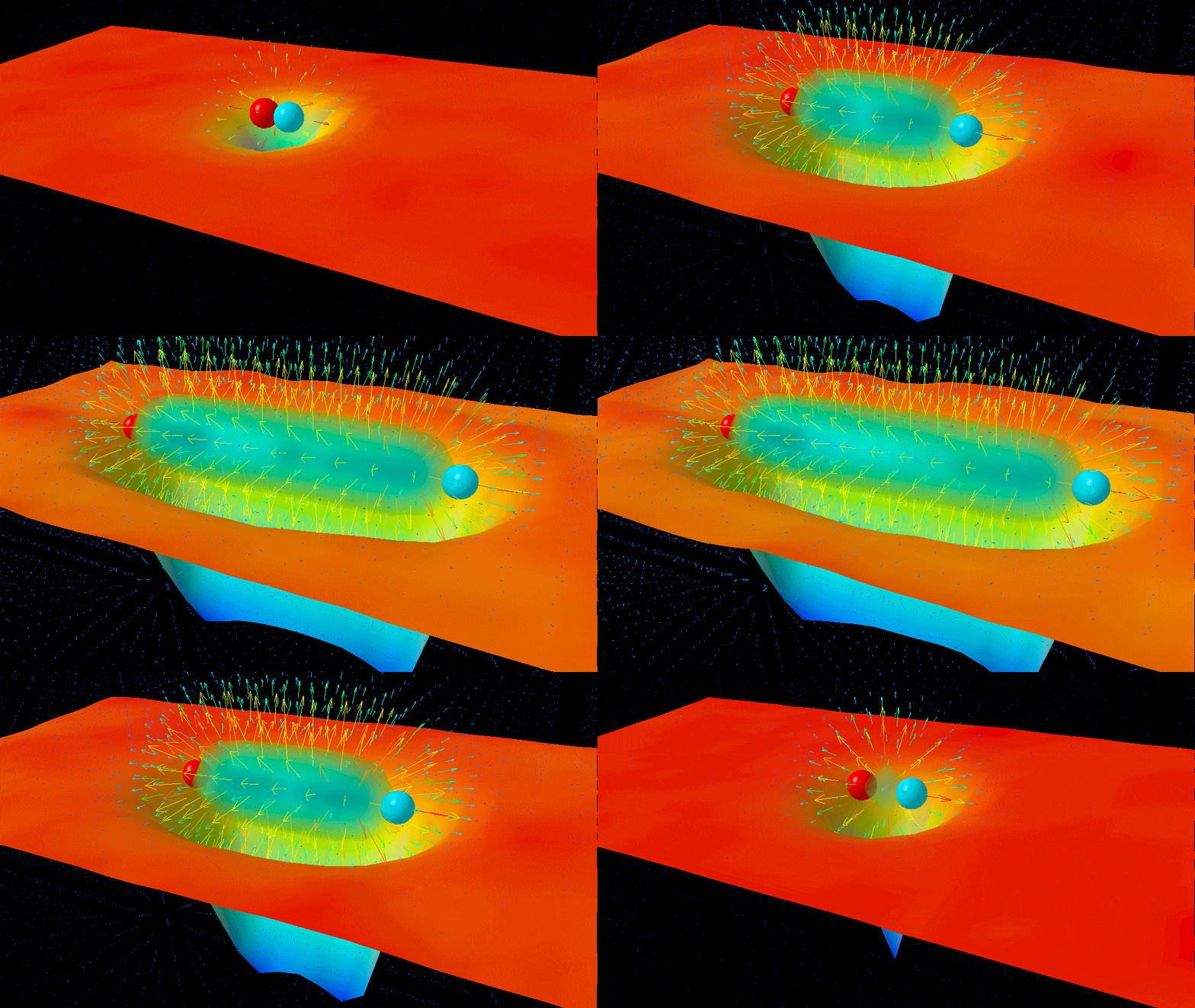
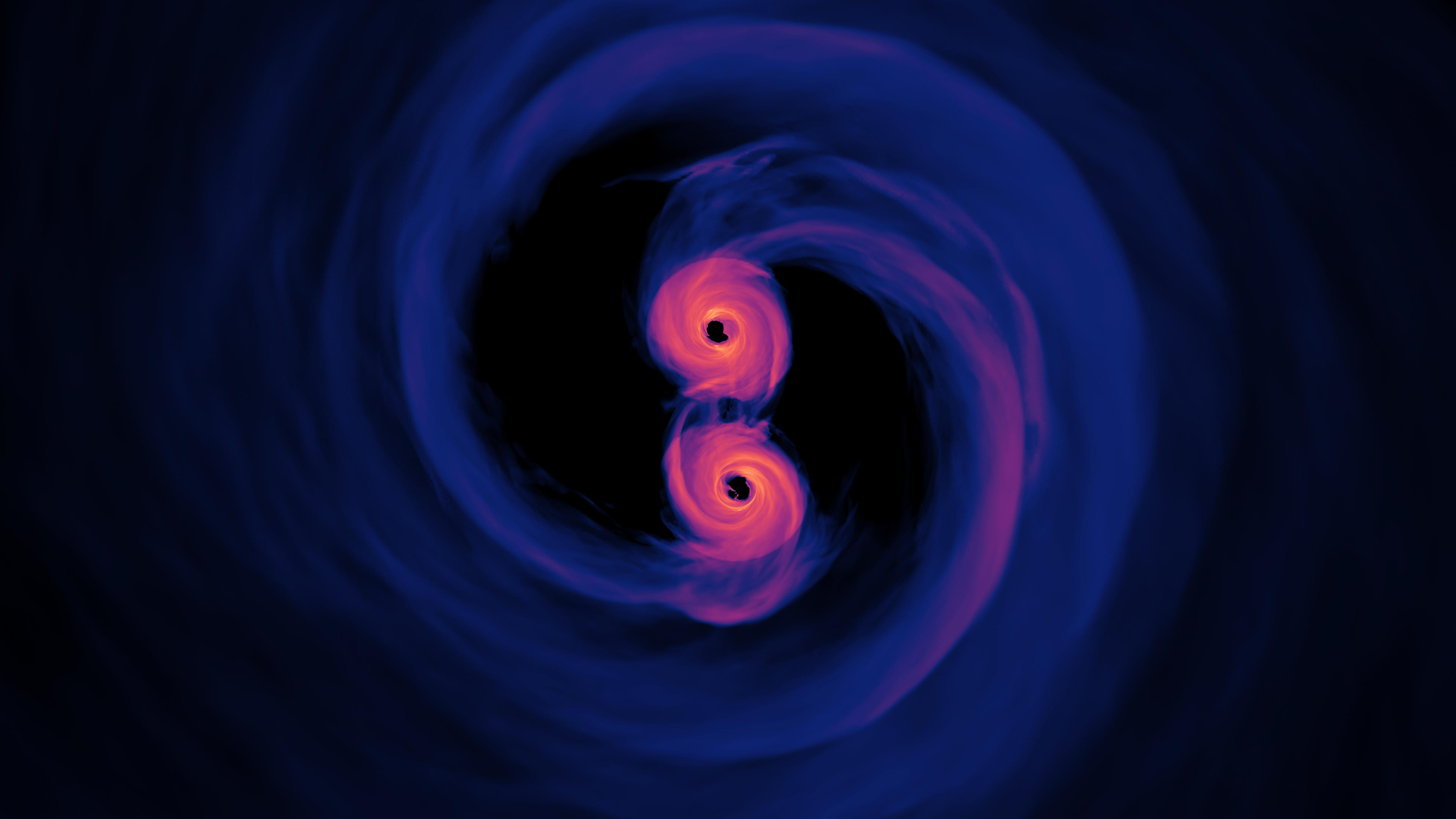
Starts With A Bang Ask Ethan: Could gravitational waves collapse into a black hole? Gravitational waves carry enormous amounts of energy, but spread out quickly once they leave the source. Could they ever create black holes?
Business The “Reitoff principle”: Why you should add “nothing” to your work-life schedule The Reitoff principle gives us permission to “write off” a day and intentionally step away from achieving anything.
Starts With A Bang Ask Ethan: Why doesn’t dark matter collapse due to gravity? Here in our Universe, both normal and dark matter can be measured astrophysically. But only normal matter can collapse. Why is that?
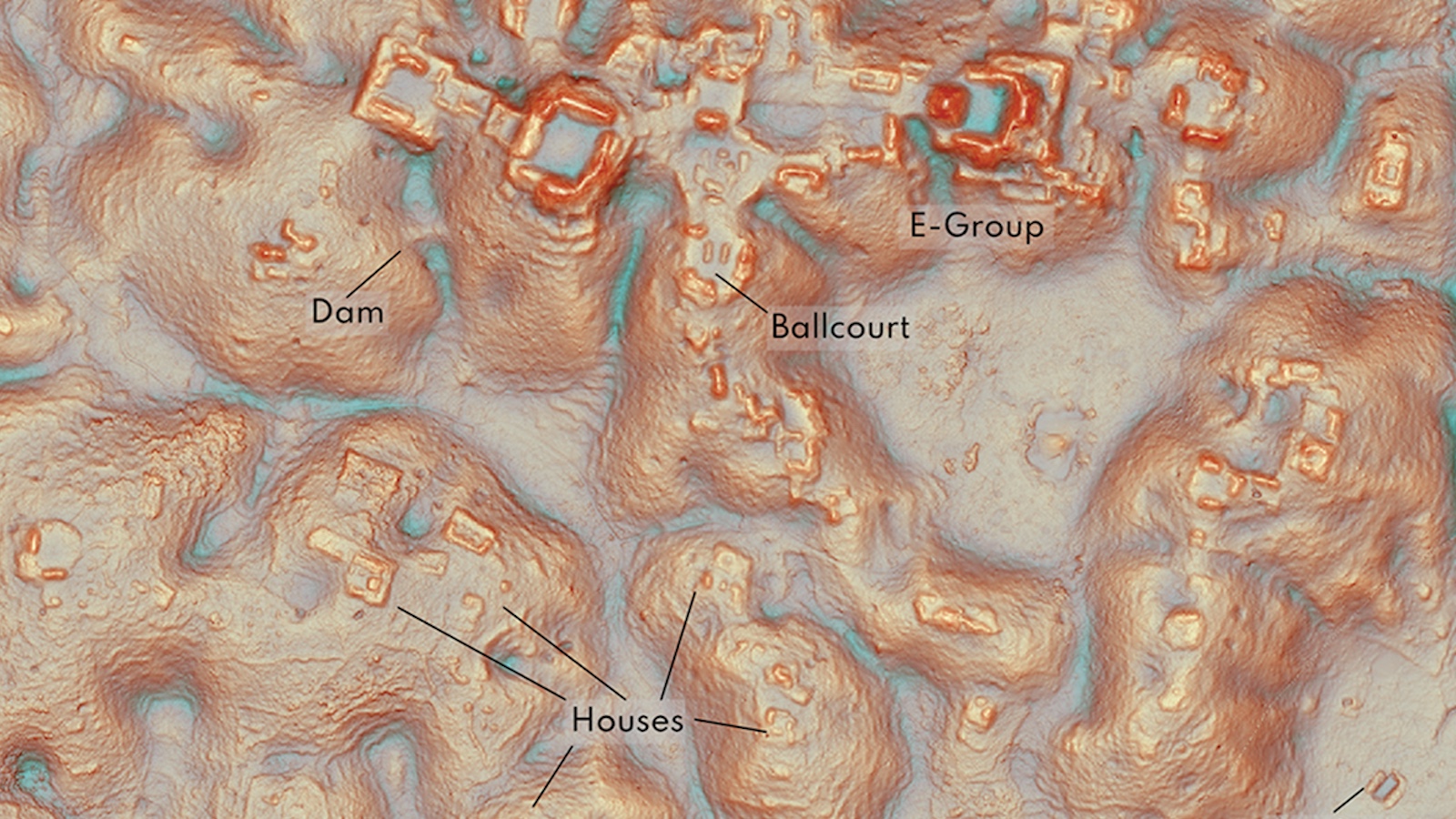
Strange Maps Major Mayan city discovered by scrolling past page 1 in Google search Dubbed “Valeriana” by researchers, the city of 50,000 peaked around 800 AD before being swallowed by the jungle.
Business Why the “future-ready mindstate” is the best operating system for your work-life Google’s first Chief Innovation Evangelist — Frederik Pferdt — lays out a map for navigating unprecedented change and innovation.
Perception Box Steve-O is somehow still alive — and working on his self-confidence You know Steve-O. Now meet Steve Glover, as the professional stuntman talks to us about pain, insecurity, and never finding contentment. ▸ 7 min — with Steve-O
13.8 The most important lesson about being a scientist I learned in New Jersey “I grew up in New Jersey in the 1970s and that experience gave me everything I needed to become a skeptic.”
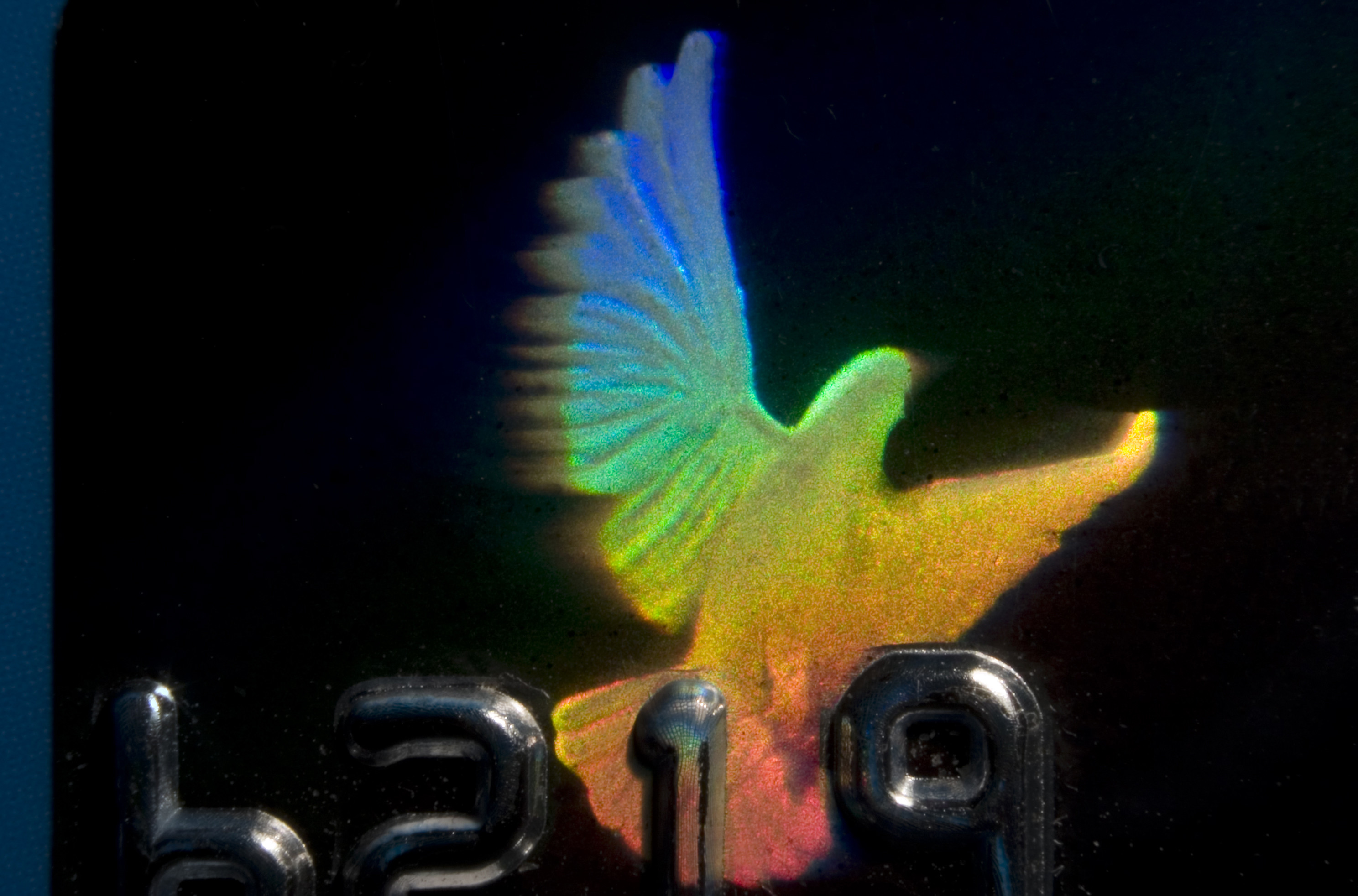
Starts With A Bang Ask Ethan: Is our Universe a hologram? Holograms preserve all of an object’s 3D information, but on a 2D surface. Could the holographic Universe idea lead us to higher dimensions?