The Universe is out there, waiting for you to discover it.
Our mission: to answer, scientifically, the biggest questions of all.
- What is our Universe made of?
- How did it become the way it is today?
- Where did everything come from?
- What is the ultimate fate of the cosmos?
For countless generations, these were questions without resolutions. Now, for the first time in history, we have scientific answers. Starts With A Bang, written by Dr. Ethan Siegel, brings these stories — of what we know and how we know it — directly to you.
Featured

Why power generated through nuclear fusion will be the future, but not the present, solution to humanity’s energy needs.
It’s a strange idea to consider: that a tiny building block of matter, the atomic nucleus, holds the greatest potential for energy release.
And yet, it’s true; while electron transitions in atoms or molecules typically release energy on the order of ~1 electron-Volt, nuclear transitions between different configurations release energies a million times as great, on the order of ~1 Mega-electron-Volt.


Popular
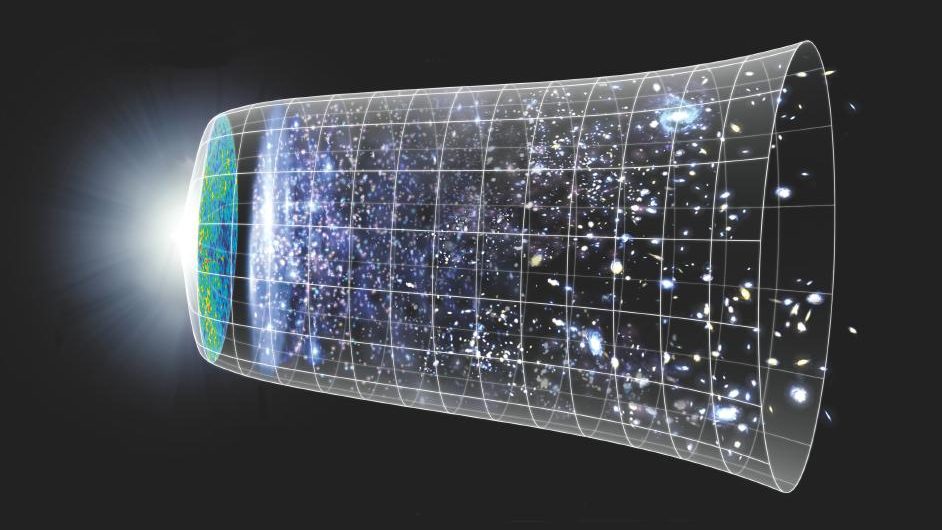
From before the Big Bang to the present day, the Universe goes through many eras. Dark energy heralds the final one.
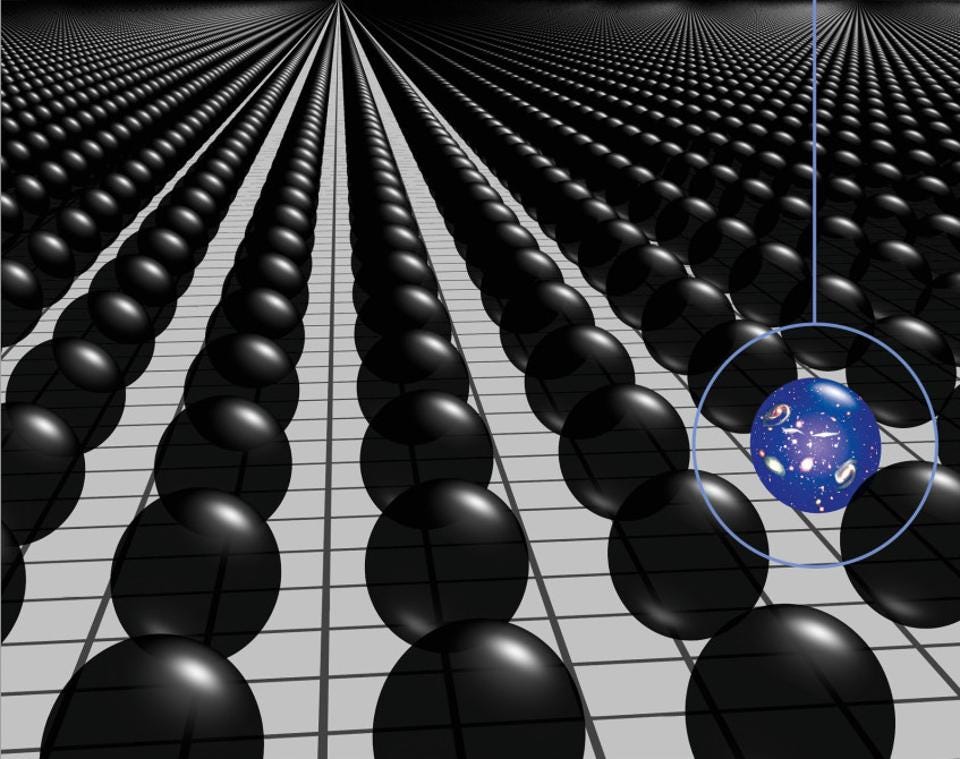
A wild, compelling idea without a direct, practical test, the Multiverse is highly controversial. But its supporting pillars sure are stable.
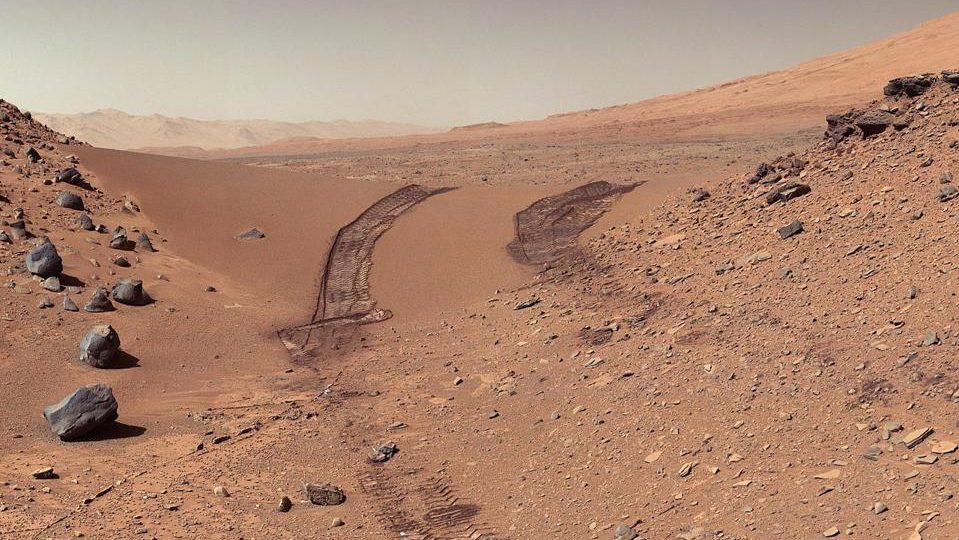
The surface and atmosphere is colored by ferric oxides. Beneath a very thin layer, mere millimeters deep in places, it’s not red anymore.
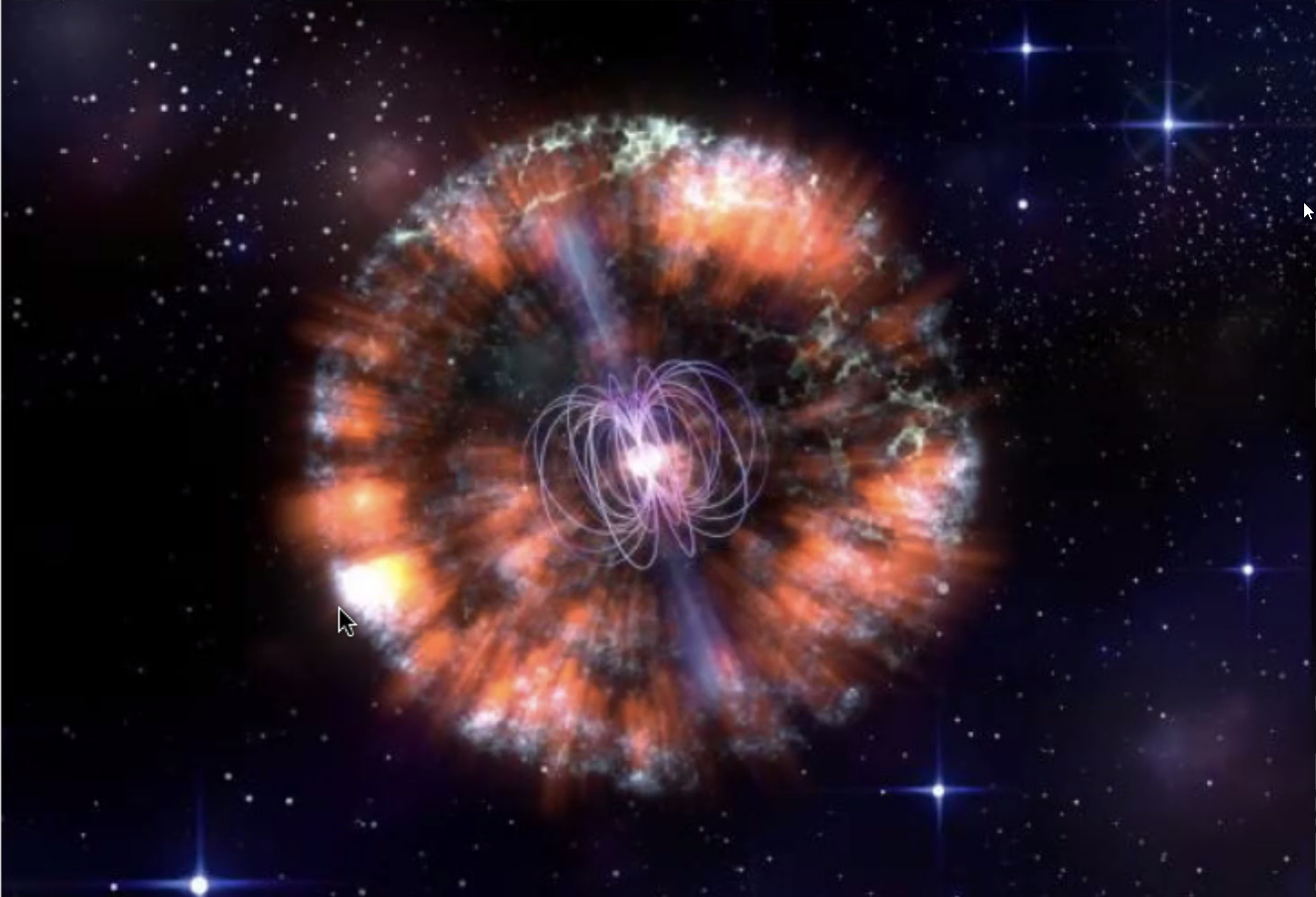
The first supernova ever discovered through its X-rays has an enormously powerful engine at its core. It’s unlike anything ever seen.
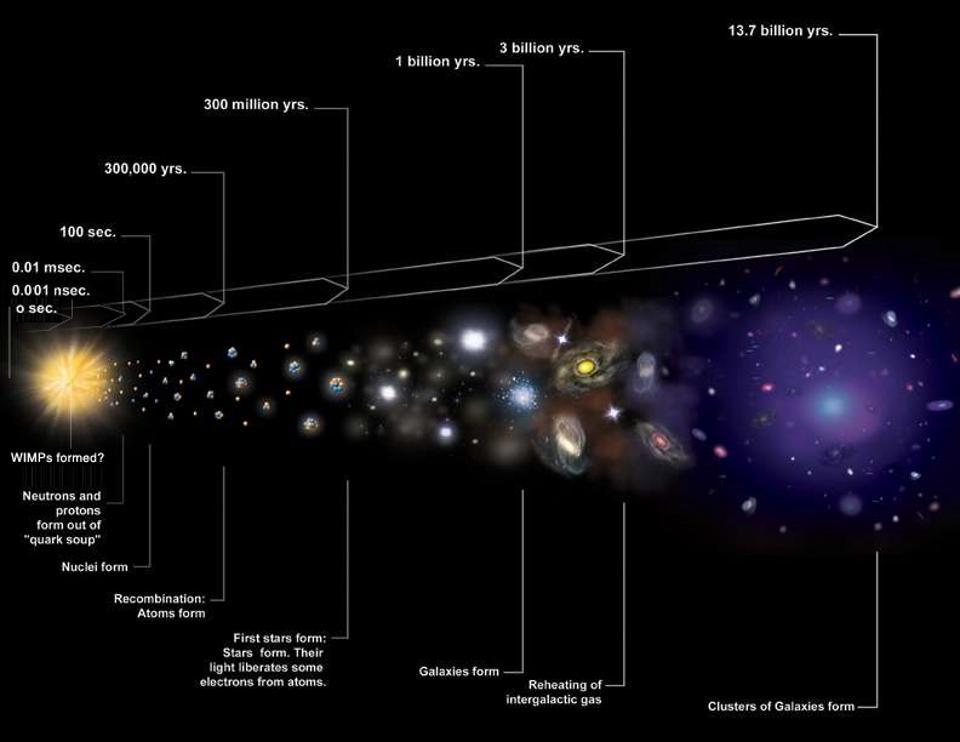
Just 13.8 billion years after the hot Big Bang, we can see 46.1 billion light-years away in all directions. Doesn’t that violate…something?
All Stories
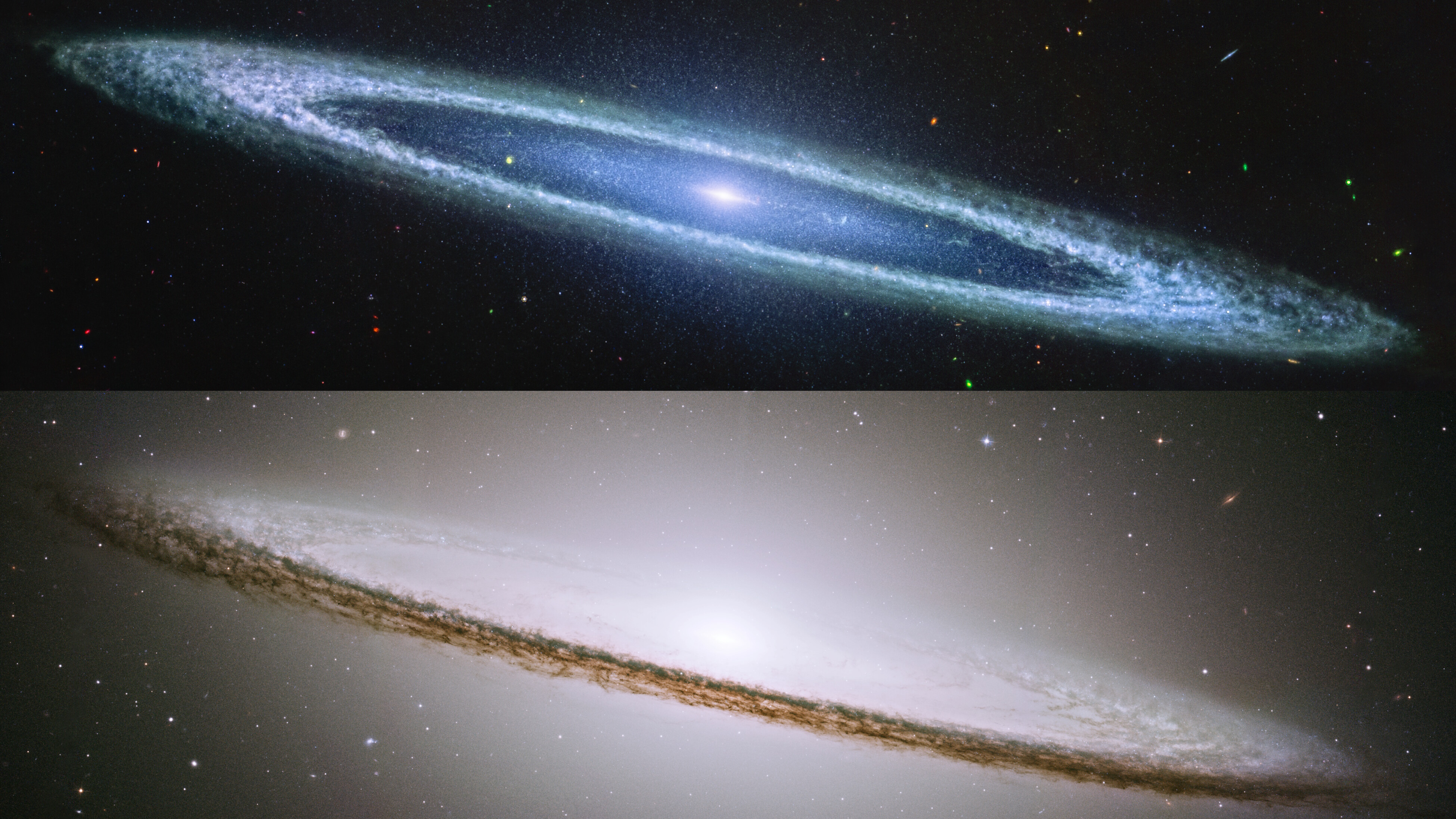
The Sombrero is the closest bright, massive, edge-on galaxy to us. JWST’s new image, taken with MIRI, finally shows what’s under its hat.
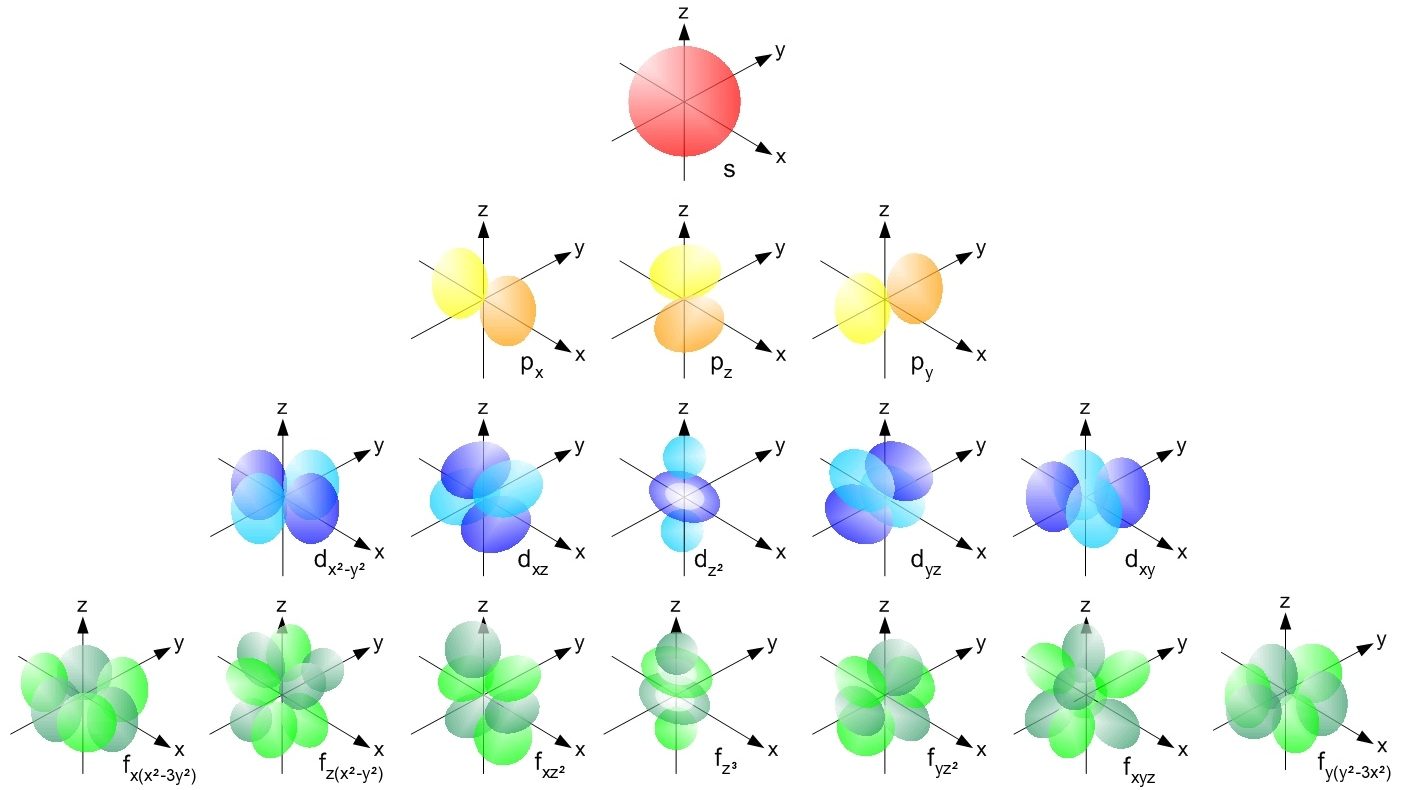
One of the fundamental constants of nature, the fine-structure constant, determines so much about our Universe. Here’s why it matters.

Gravitational waves are the last signatures that are emitted by merging black holes. What happens when these two phenomena meet in space?

For nearly 60 years, the hot Big Bang has been accepted as the best story of our cosmic origin. Could the Steady-State theory be possible?

Two parts of our Universe that seem to be unavoidable are dark matter and dark energy. Could they really be two aspects of the same thing?
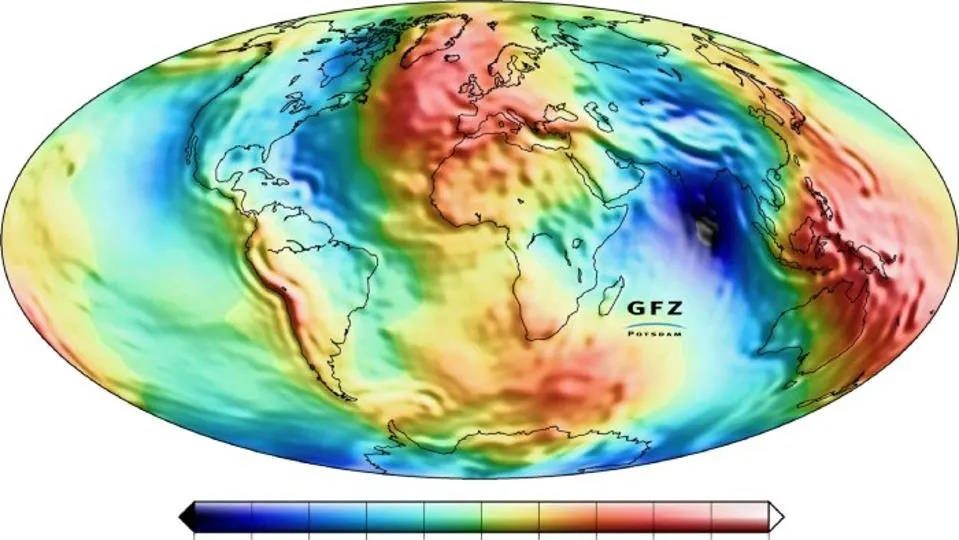
Scalars, vectors, and tensors come up all the time in physics. They’re more than mathematical structures. They help describe the Universe.

Since the mid-1960s, the CMB has been identified with the Big Bang’s leftover glow. Could any alternative explanations still work?
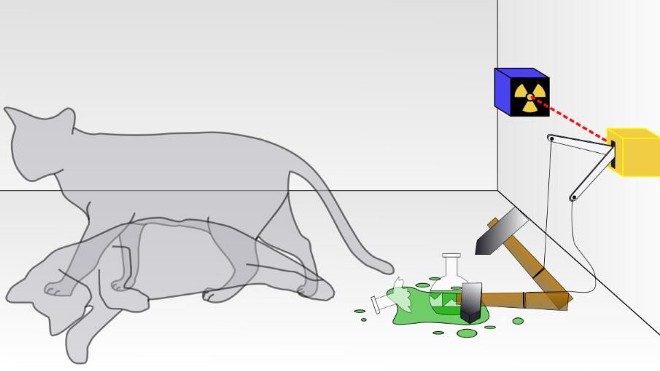
Our classical intuition is no good in a quantum Universe. To make sense of it, we need to learn, and apply, an entirely novel set of rules.

It’s the ultimate setup for a Thanksgiving Day disaster. The physics of water and its solid, liquid, and gas phases compels us not to do it.
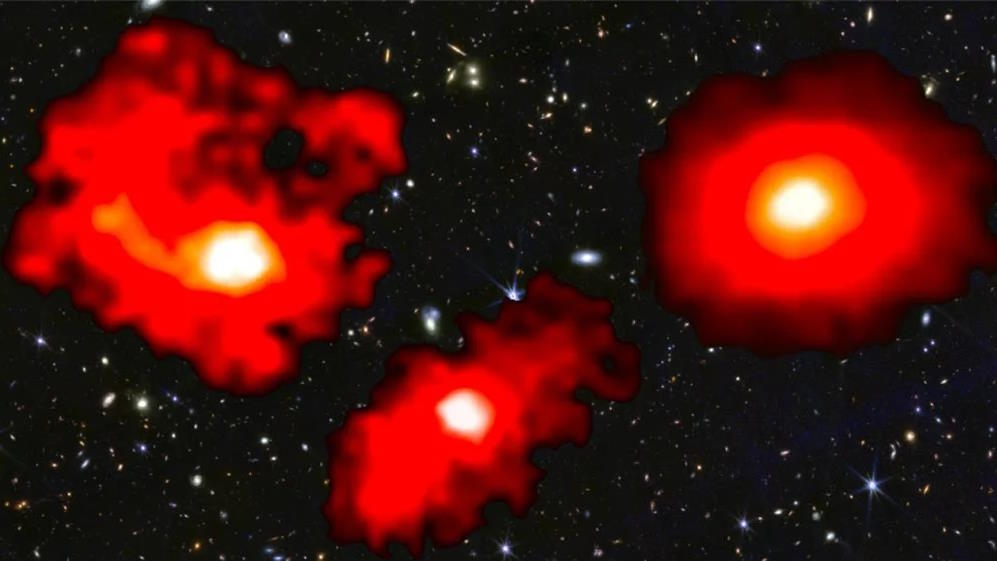
The most massive early galaxies grew up faster, and have more stars, than astronomers expected, according to JWST. What does it all mean?
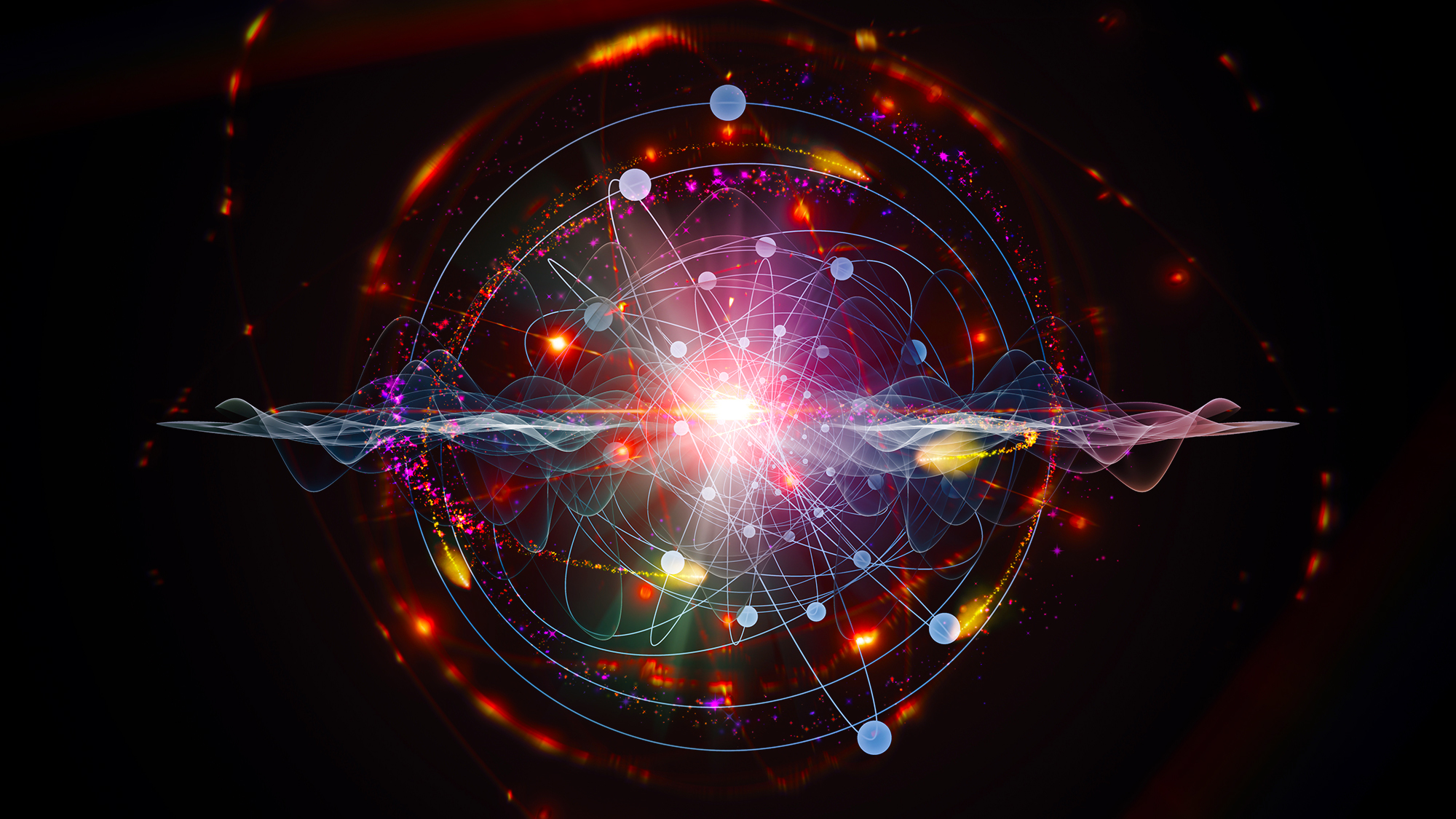
There are a few small cosmic details that, if things were just a little different, wouldn’t have allowed our existence to be possible.
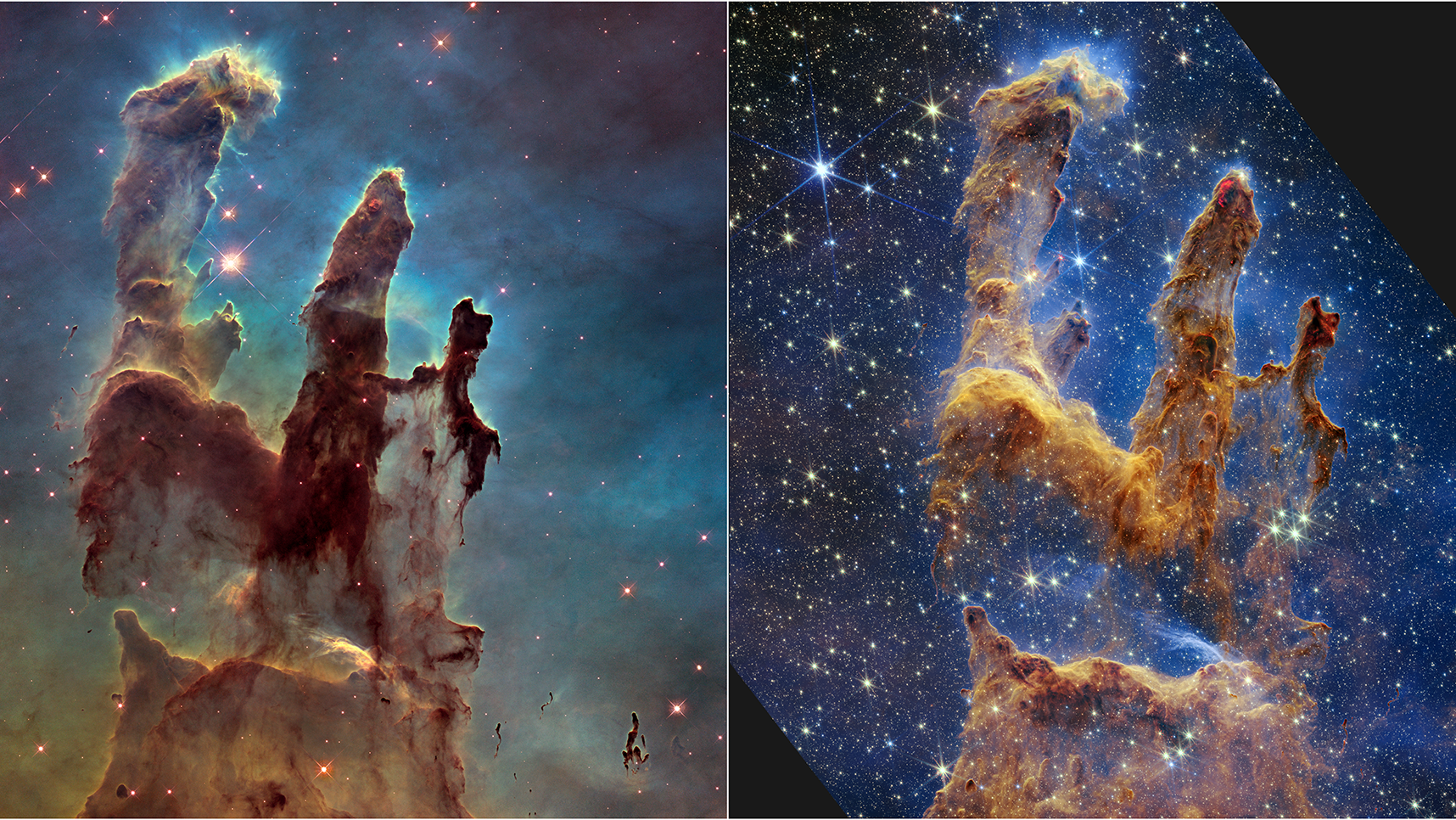
When we see pictures from Hubble or JWST, they show the Universe in a series of brilliant colors. But what do those colors really tell us?
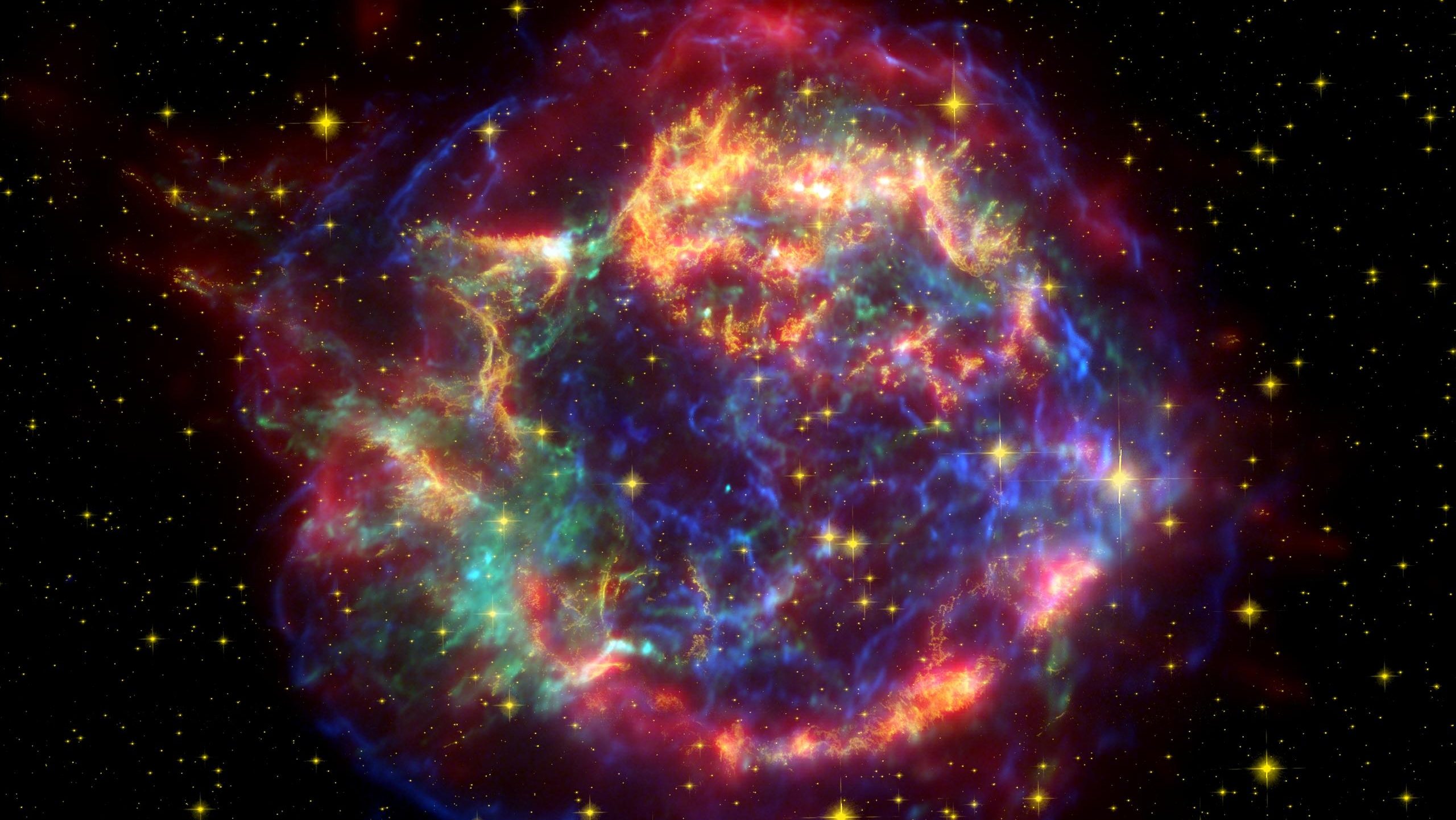
The last naked-eye Milky Way supernova happened way back in 1604. With today’s detectors, the next one could solve the dark matter mystery.
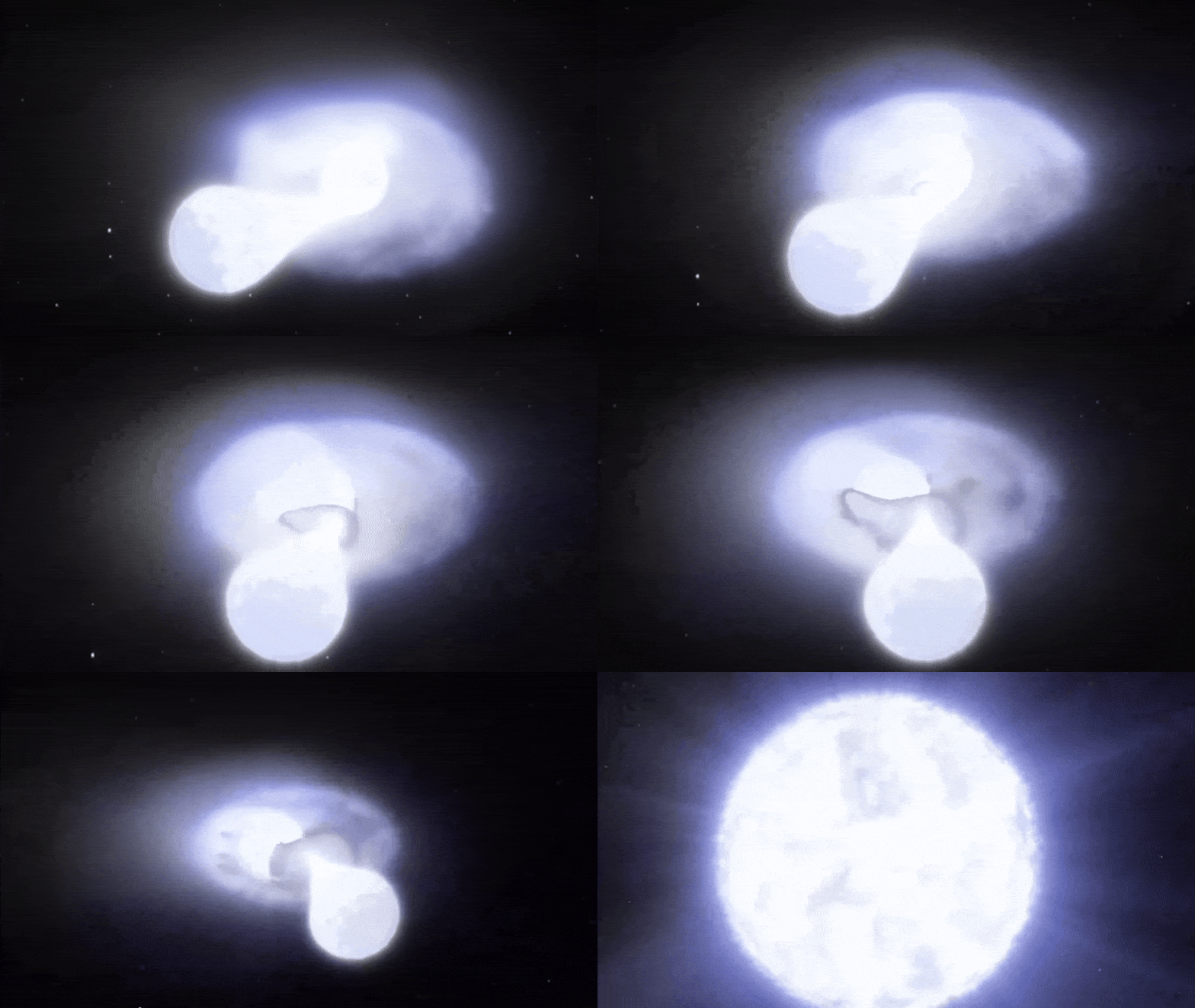
Since 1930, type Ia supernovae have been thought to arise from white dwarfs exceeding the Chandrasekhar mass limit. Here’s why that’s wrong.

In partisan political times, recognizing the scientific truth is more important than ever. Scientists must be vocal and clear about reality.
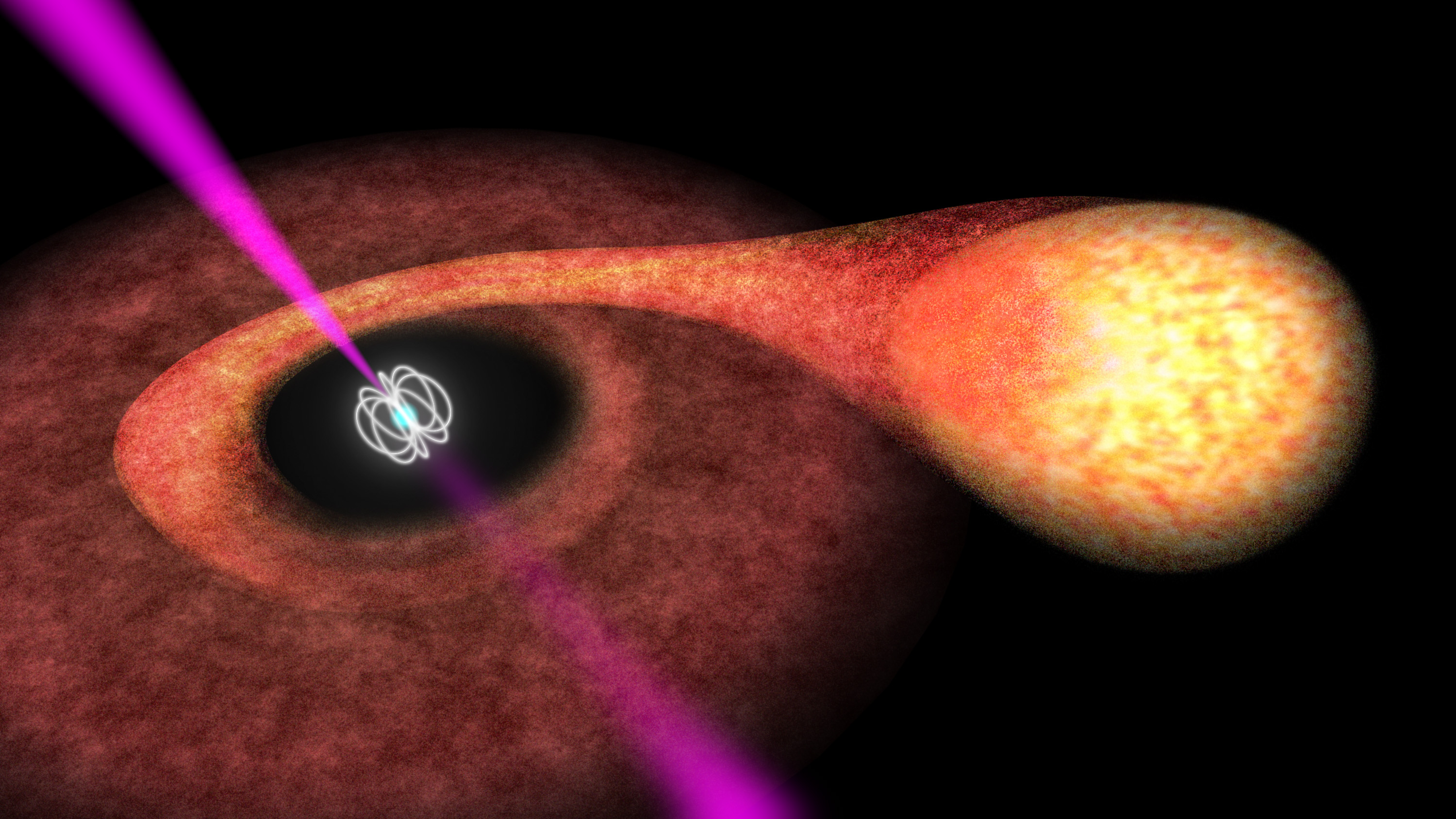
In astronomy, a star’s initial mass determines its ultimate outcome in life. Unless, that is, a stellar companion alters the deal.
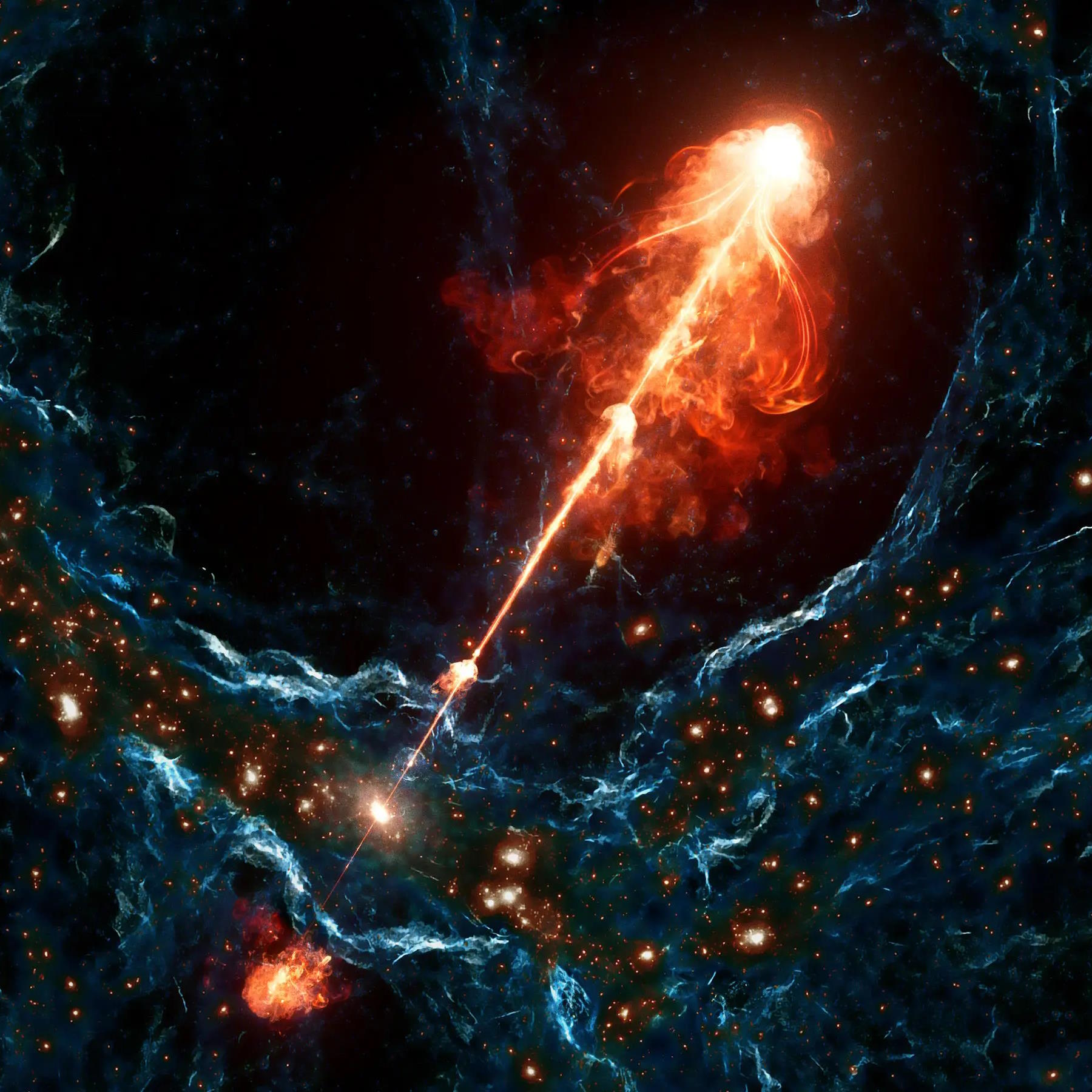
Black holes are the most massive individual objects, spanning up to a light-day across. So how do they make jets that affect the cosmic web?
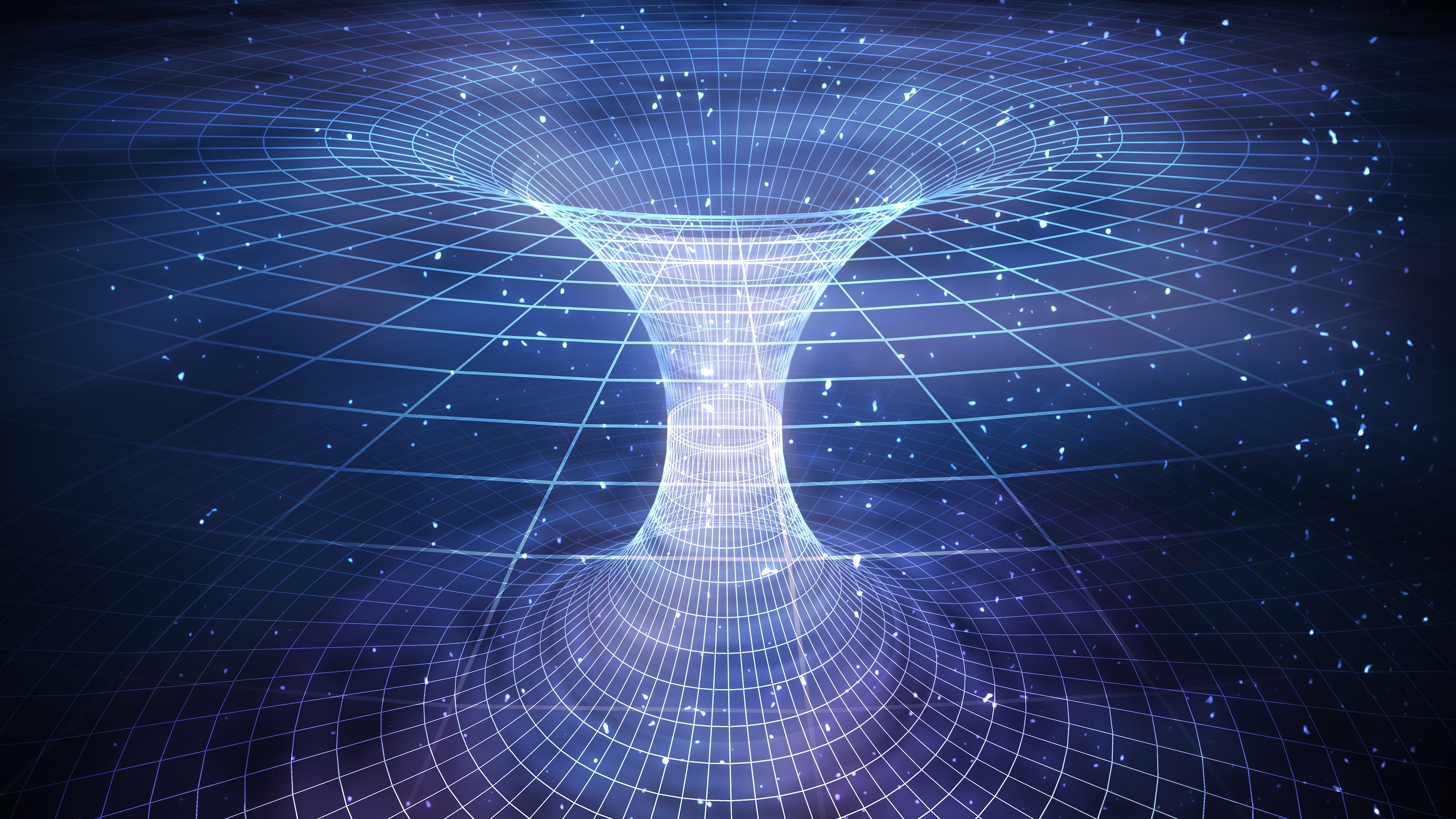
Humans, when we consider space travel, recognize the need for gravity. Without our planet, is artificial or antigravity even possible?
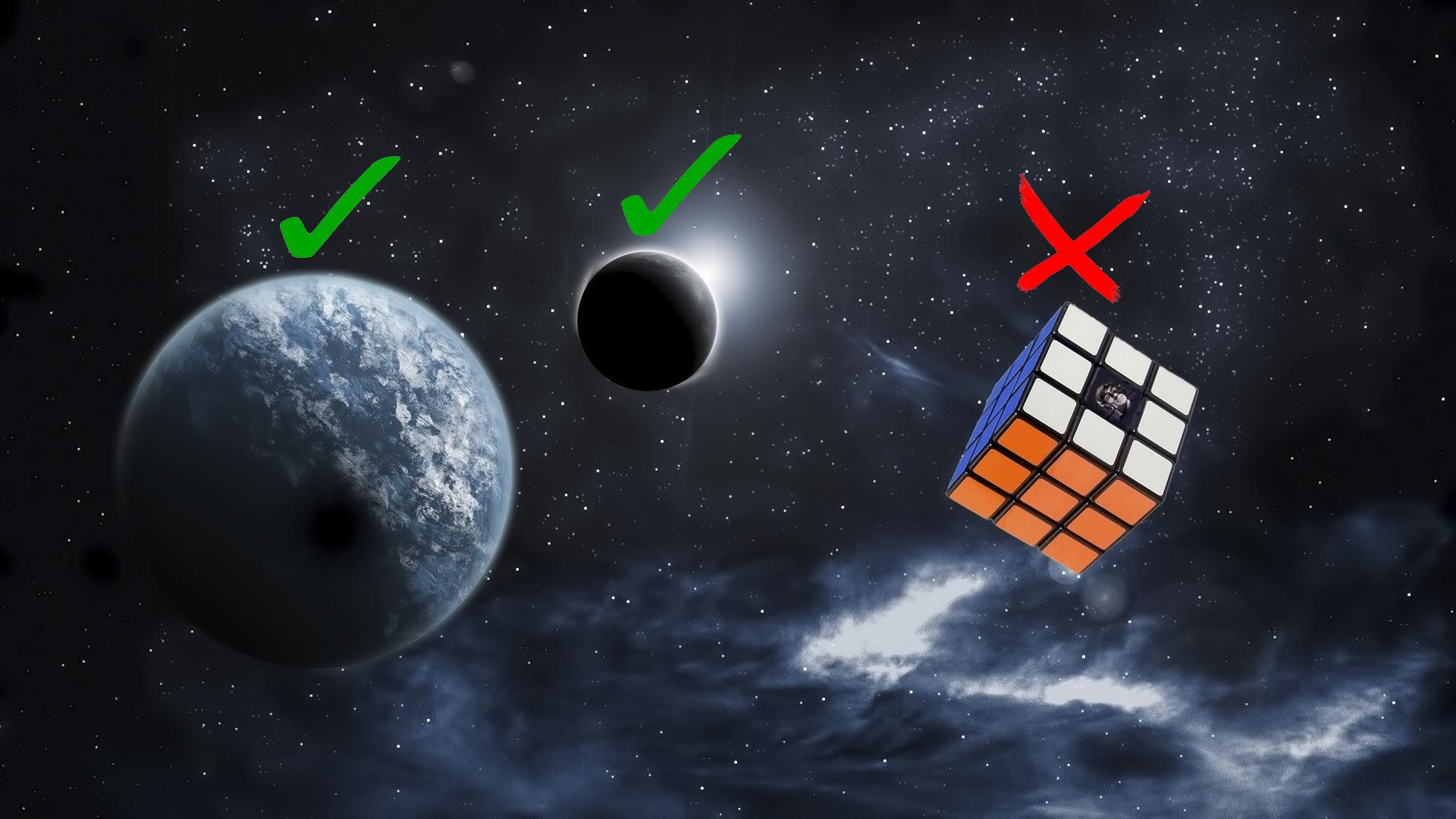
All the stars, stellar corpses, planets, and other large, massive objects take on spherical or spheroidal shapes. Why is that universal?
A crowdsourced “final exam” for AI promises to test LLMs like never before. Here’s how the idea, and its implementation, dooms us to fail.