In Antarctica, the Researchers Are the Test Subjects
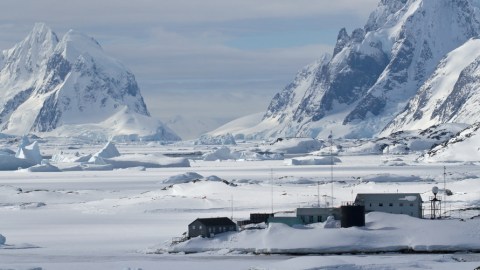
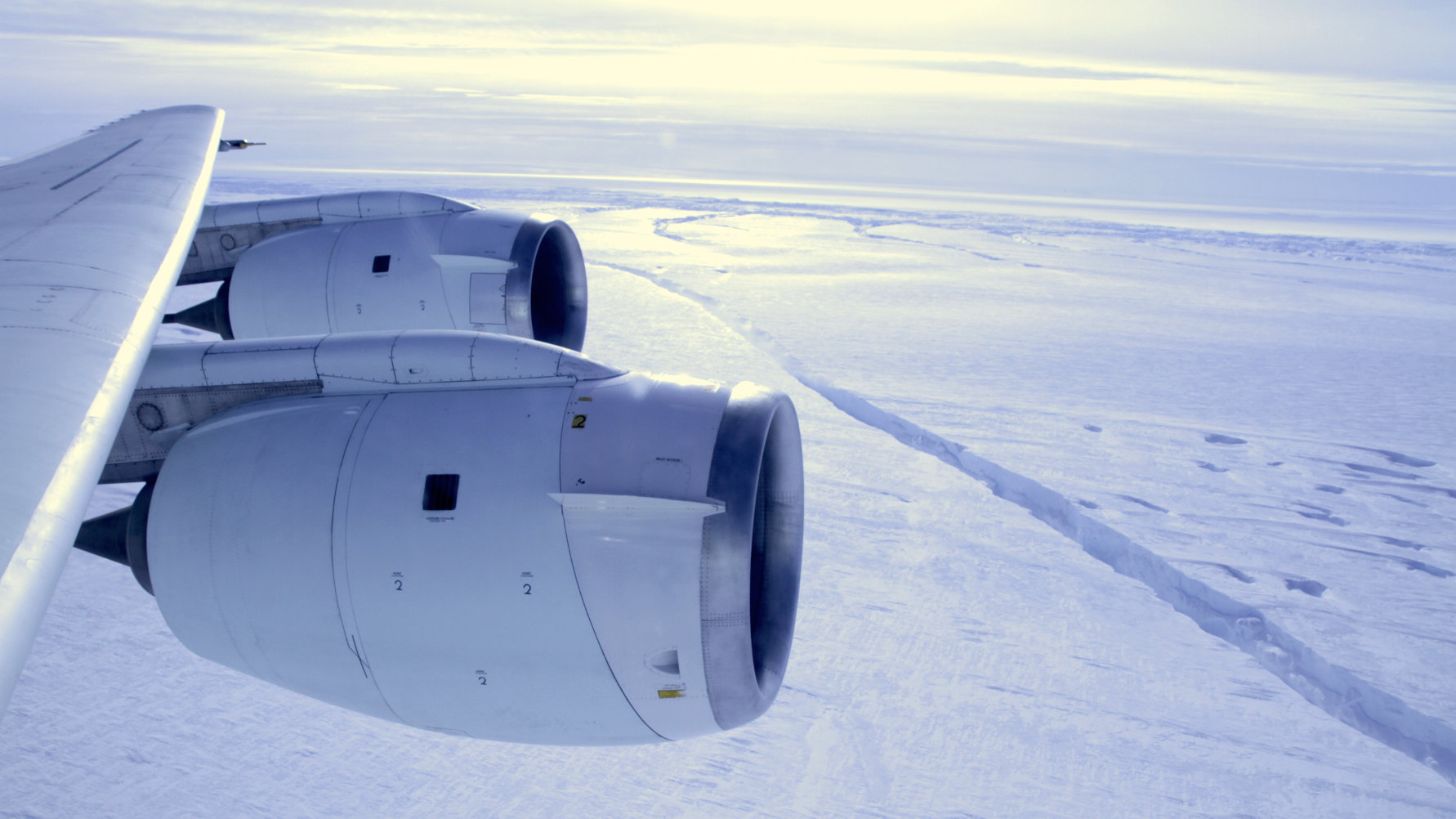
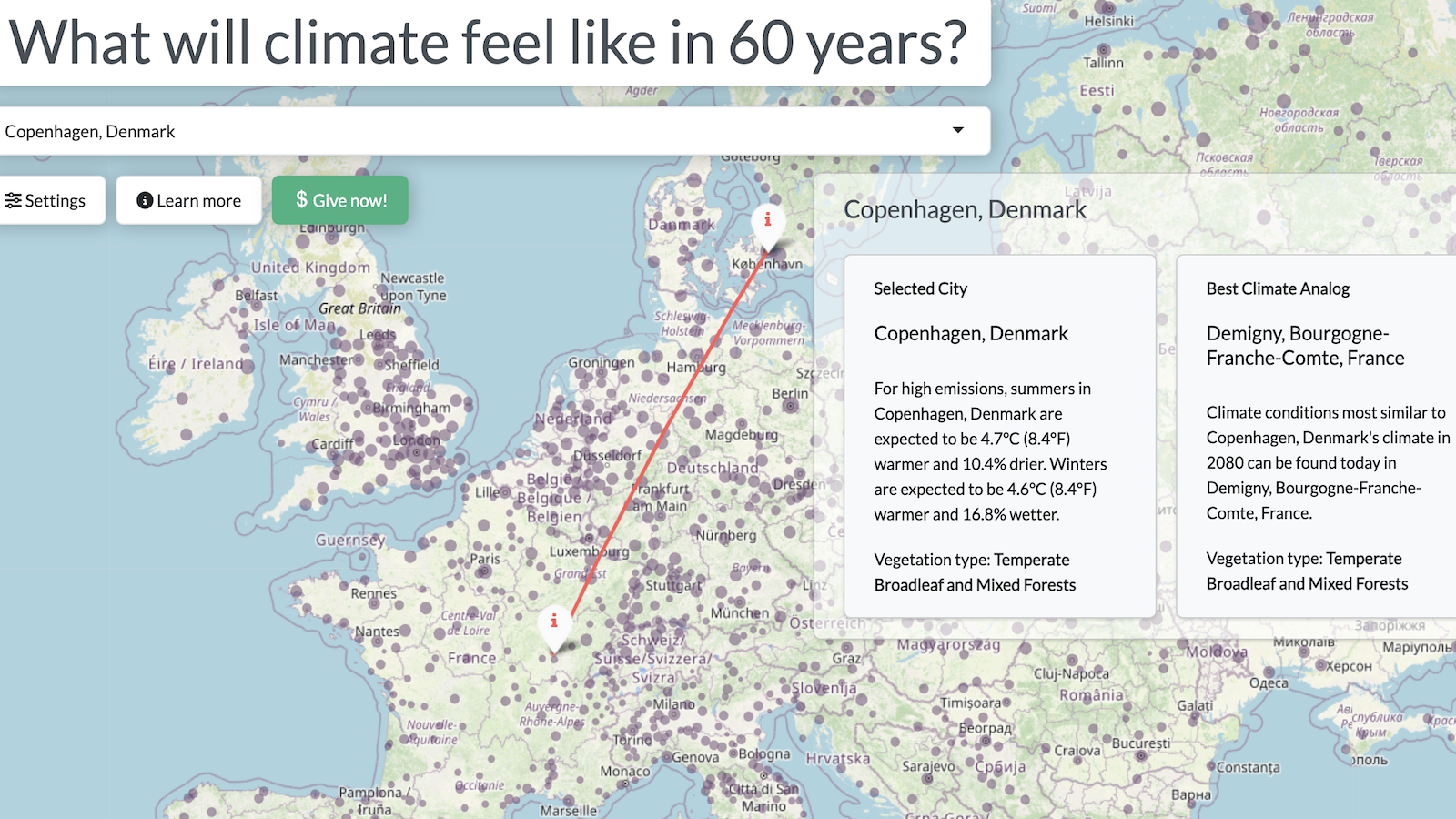
Concordia Research Station is a joint French-Italian inland Antarctic research station located in a place called Dome C in the middle-of-nowhere in Antarctica. The station is 3,233 meters (10,607 ft) above sea level and 1,100 kilometers (680 mi) inland from several coastal stations that supply it. A mere 1,670 kilometers (1,037 mi) come between Concordia and the Geographic South Pole. Here it is on a map:

In short, it’s way out there.
Concordia is also currently home to a human research effort coordinated by the European Space Agency and its partners. Each year, 13 participants supplied by European universities and research institutions spend a year in isolation in quaint little Concordia. The team is forced to grapple with severe cold, four months of pitch black (the sun vanishes from May until August), and life at an elevation which offers only one-third the amount of oxygen available at sea level. As these conditions test the breadth of human adaptive capabilities (and best replicate what life is like in space), the team’s psychological and physiological reactions are researched and recorded. They’re basically guinea pigs living on Hoth.
Luckily for those of us curious about what it’s like living on an ice cube (yet unwilling to find out ourselves), the Concordia team is very, very social media-savvy. There’s the Chronicles from Concordia blog, which features personal reflections from team members, including Italian chef Luca Ficara:
“All ingredients that I present on our plates have travelled [sic] first to the coast by ship on a 7-20-day voyage from Australia and then transported a further 1,300 km either by Twin-Otter plane or, more commonly, by the overland traverse.
When it arrives in Concordia, it is either stored outside in shipping containers at ambient Antarctic temperatures (–55 °C today…) or in large fridges and storage rooms we have within the base.”
Ficara was the subject of a pretty cool piece at Vice last week: “Inside the Loneliest 5-Star Restaurant in the World.”
Beth Healey, Concordia’s British doctor, is active on Twitter:
Dark snow sampling at -80C for @esa Bacfinder experiment #Antarctica@esaoperations@ItaliAntartide@4womeninsciencepic.twitter.com/L8MMi9vorb
— Beth Healey (@Bethahealey) June 1, 2015