Kids Are Losing Playtime to Achievement. That’s a Problem.
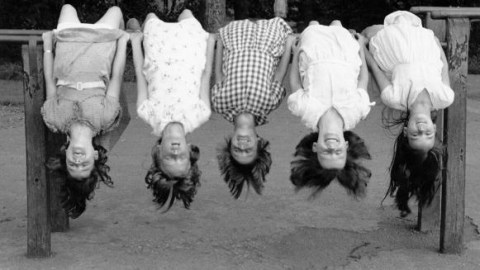
The decline of play and rise of the overscheduled child has become a national concern. Peter Gray, author of Free to Learn, says that kids learn from observation, practice, and support. Most of this is done through play. But what happens when we limit the time kids spend playing, and what does our obsession with “high achievement” say about our culture as a whole?
Through play, kids learn skills that impact the whole tribe. From problem-solving to how to get along with others, the lessons we learn through those experiences affect us well into adulthood. When we debate who, exactly, stepped on lava or who is “it,” we are developing emotional intelligence. Without the ability to navigate social situations, empathize with our peers, and share our LEGO bricks, there is the risk of growing up into a narcissist. If play is so intrinsic to our development, then, why are we overscheduling kids to the point that they have little or no playtime?
Playing games in school develops the kind of social and emotional skills that translate to adult success.