Emerging Tech
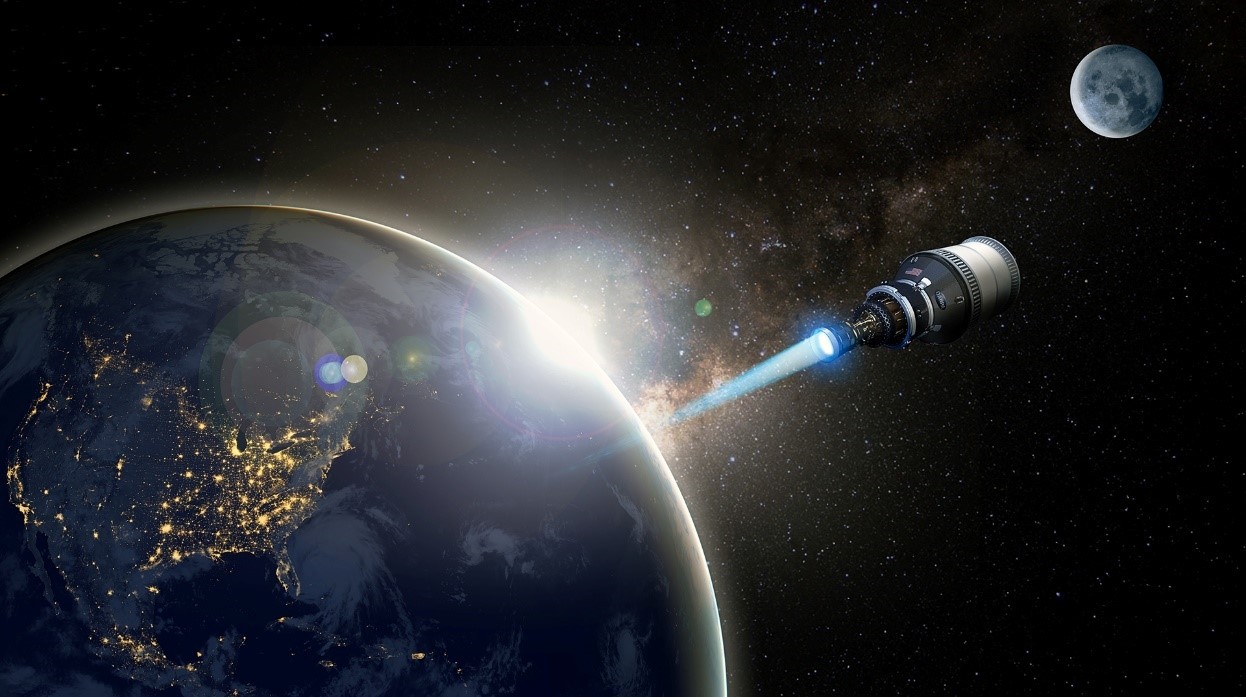
Experts believe they could cut the time it takes a rocket to reach Mars by up to 25%, shaving about two months off the trip.

Humans are already so integrated with technology that the dream of transhumanism is a reality. Can we handle what comes next?
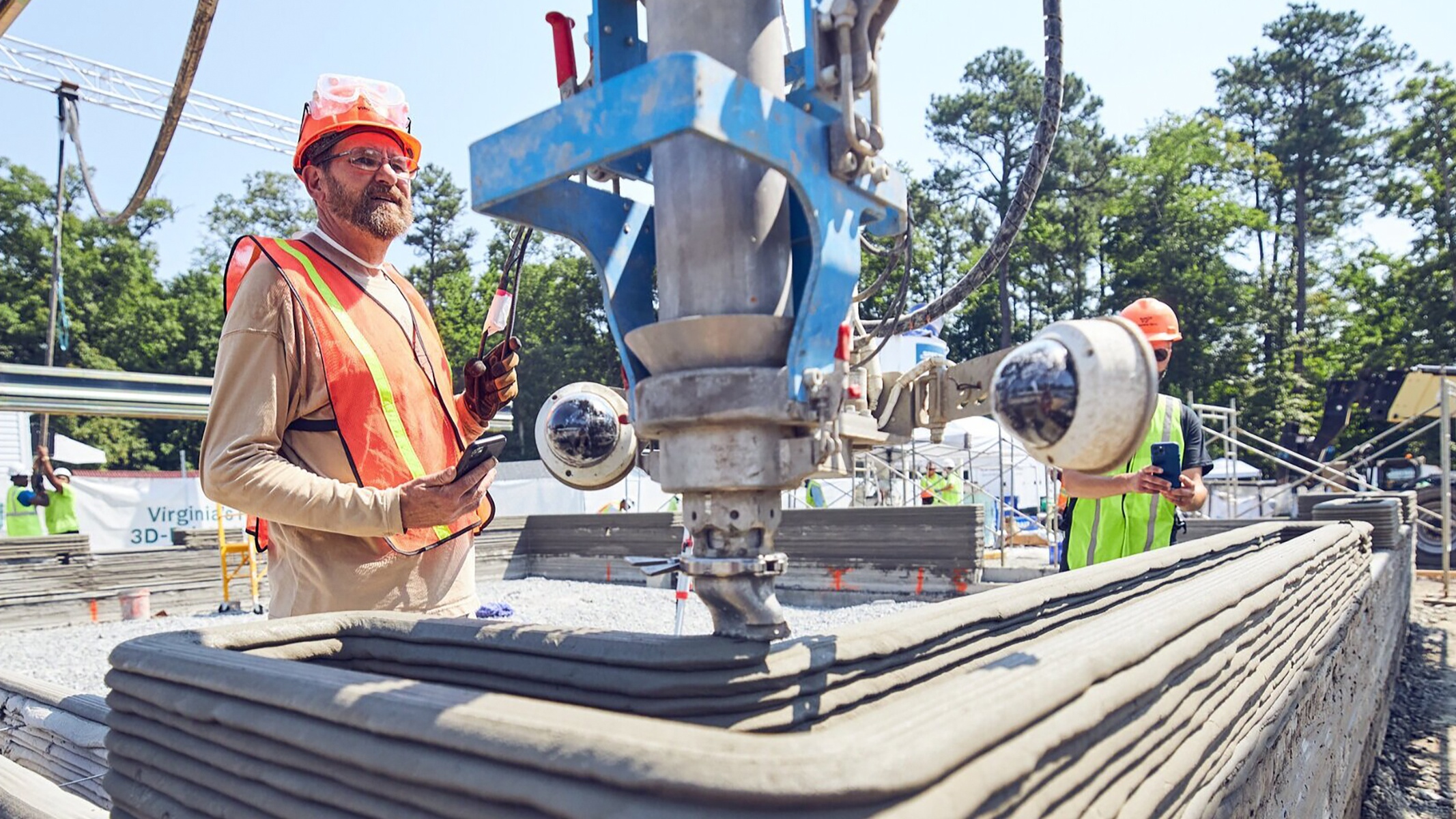
One home was printed in 28 hours. Now, Alquist 3D is building 200 more.

Wearable technology can help increase lifespan by changing what we know about our dietary needs and creating new ways to exercise.

Technology will not save the world, and it is inherently neither good nor bad. But, when tech is coupled to human virtue, good will prevail.
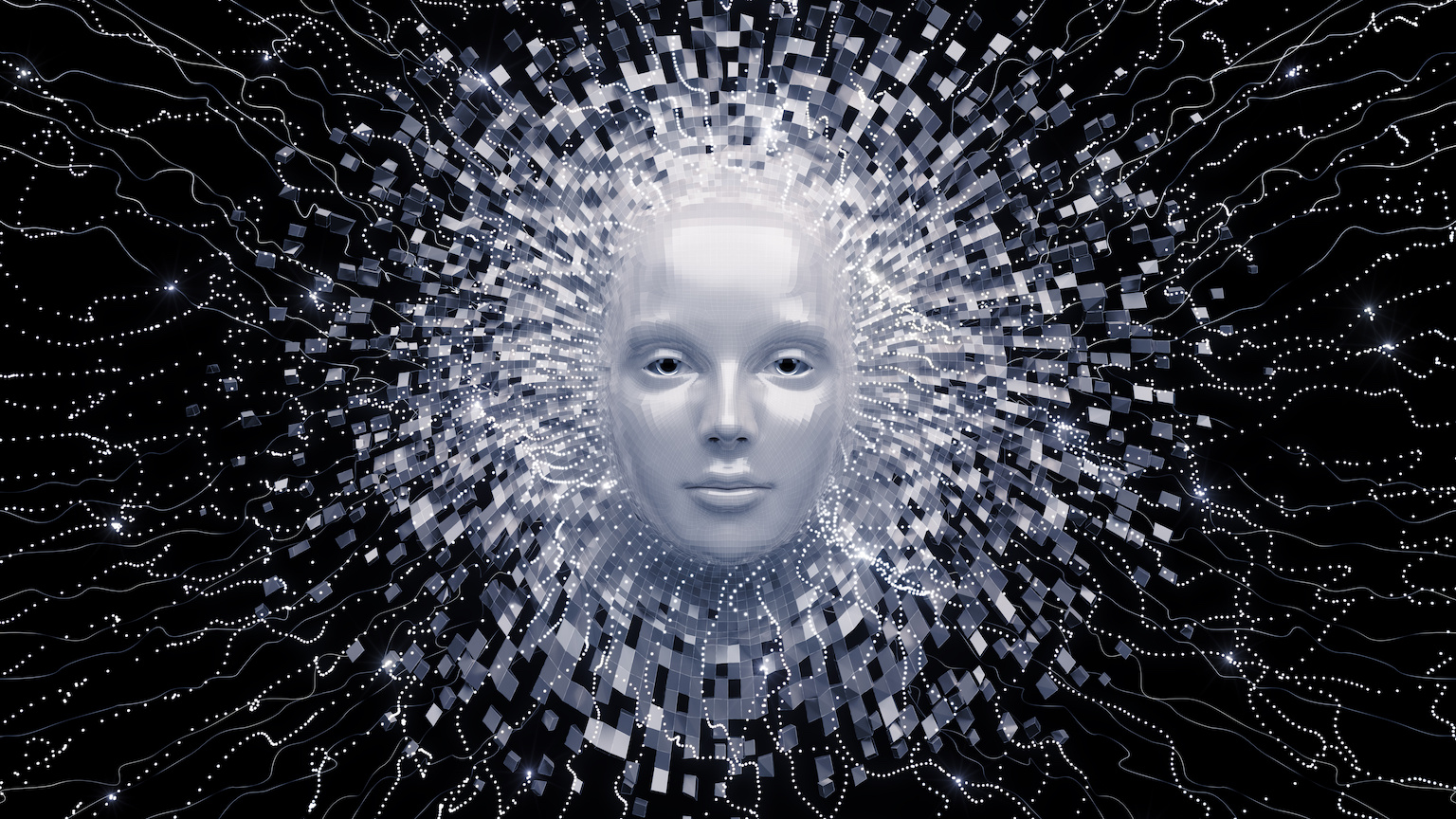
The engineer working on Google’s AI, called LaMDA, suffers from what we could call Michelangelo Syndrome. Scientists must beware hubris.
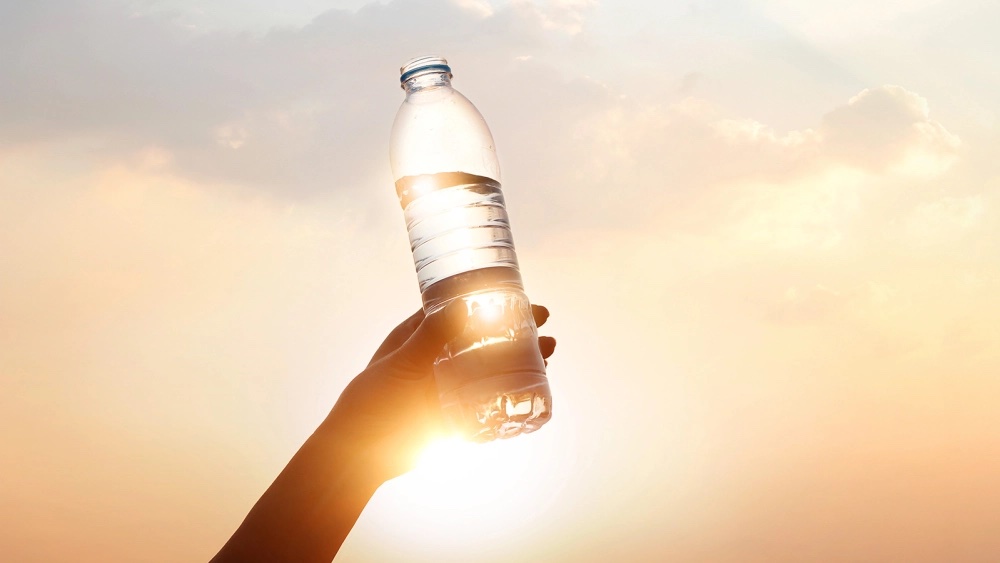
It could make enough drinking water for a family of four.
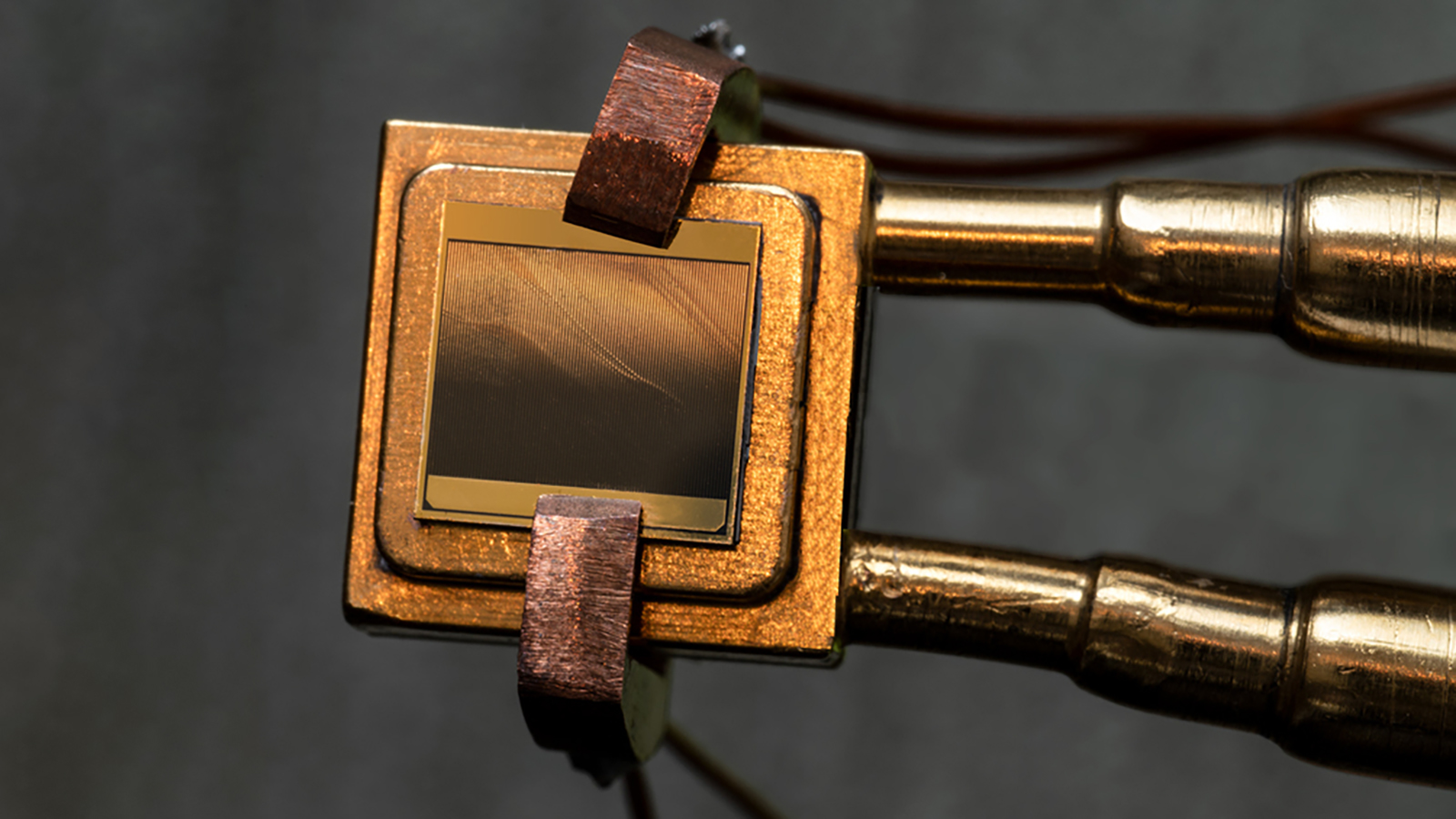
It has no moving parts and could allow us to tap into renewable energy year round.
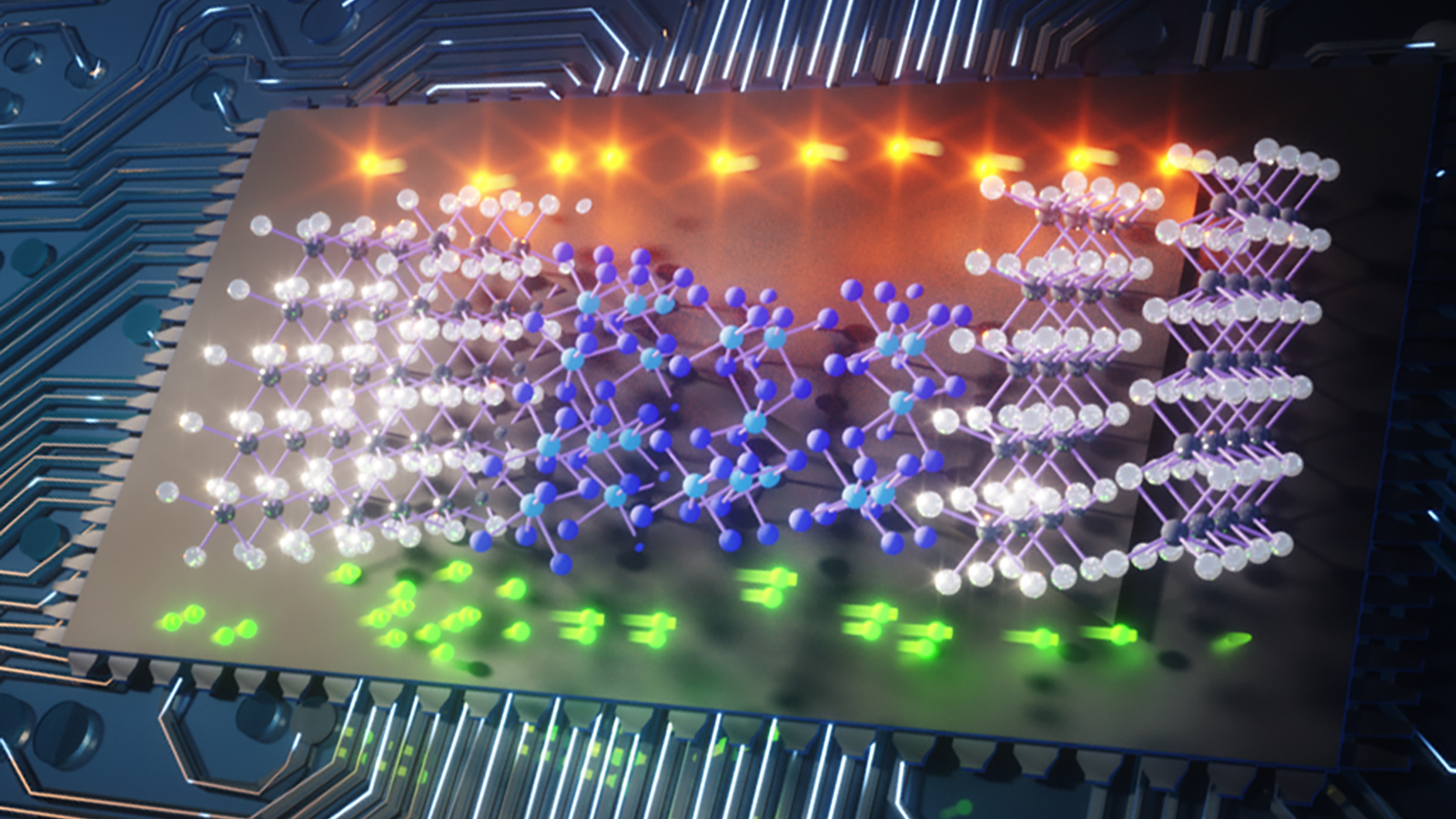
In a major advance, scientists have found a new and groundbreaking way to force electrons to flow only in one direction in a superconductor.
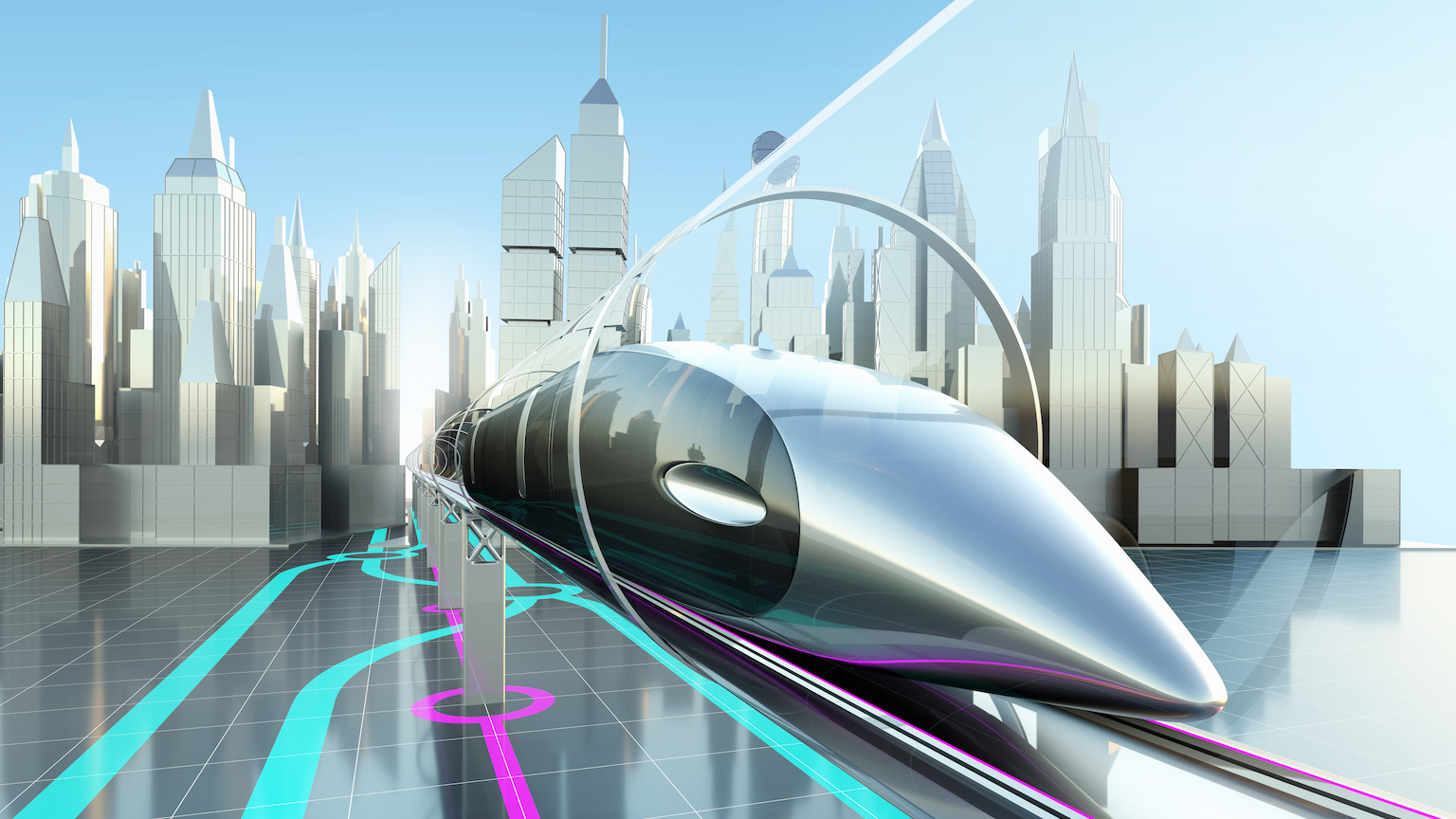
The Hyperloop is physically possible, but engineering challenges will make its construction very difficult. Also, accidents would be catastrophic.
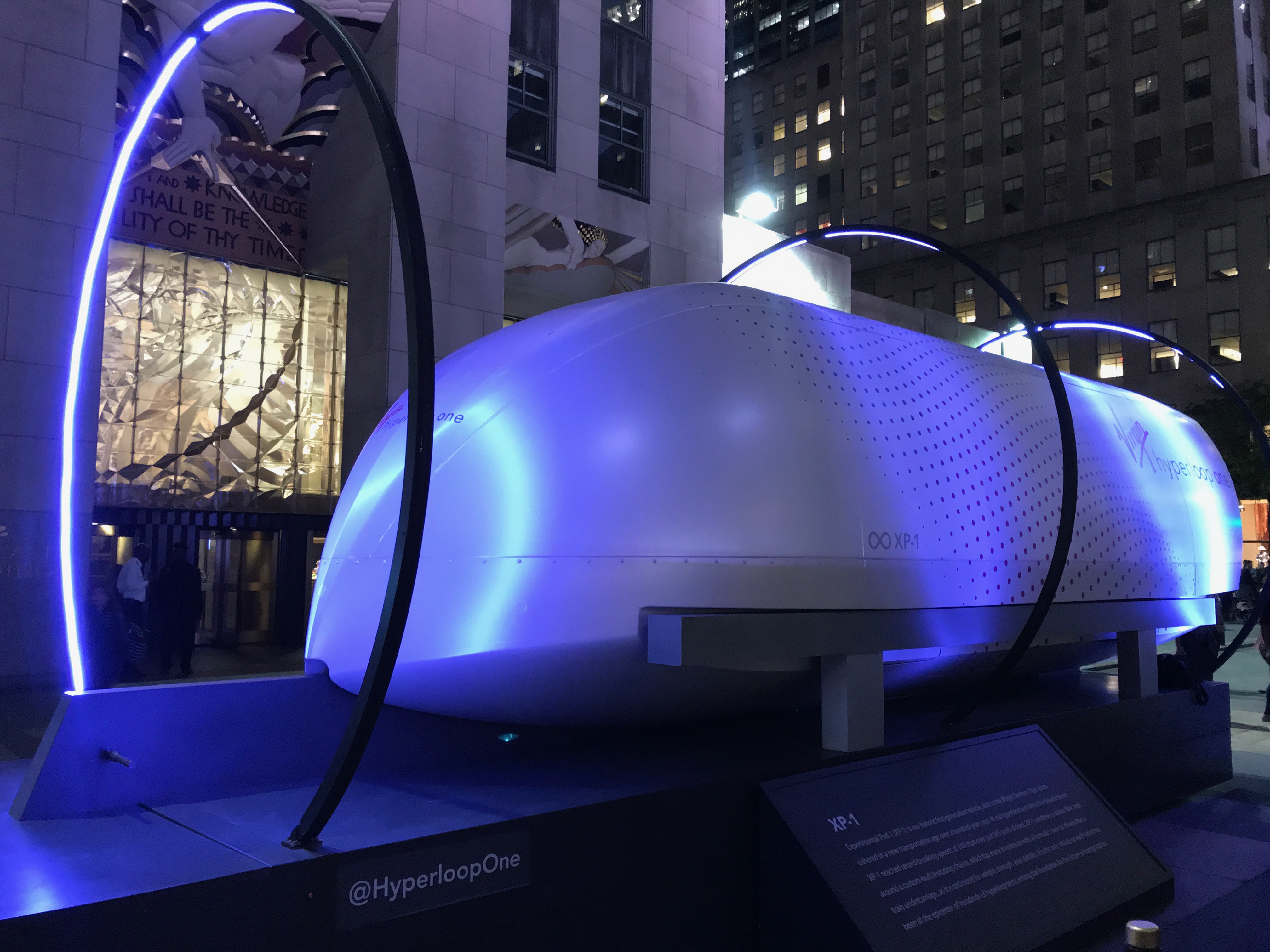
The hyperloop would be a great idea for a completely flat planet. With topography and infrastructure, it’s a very different story.
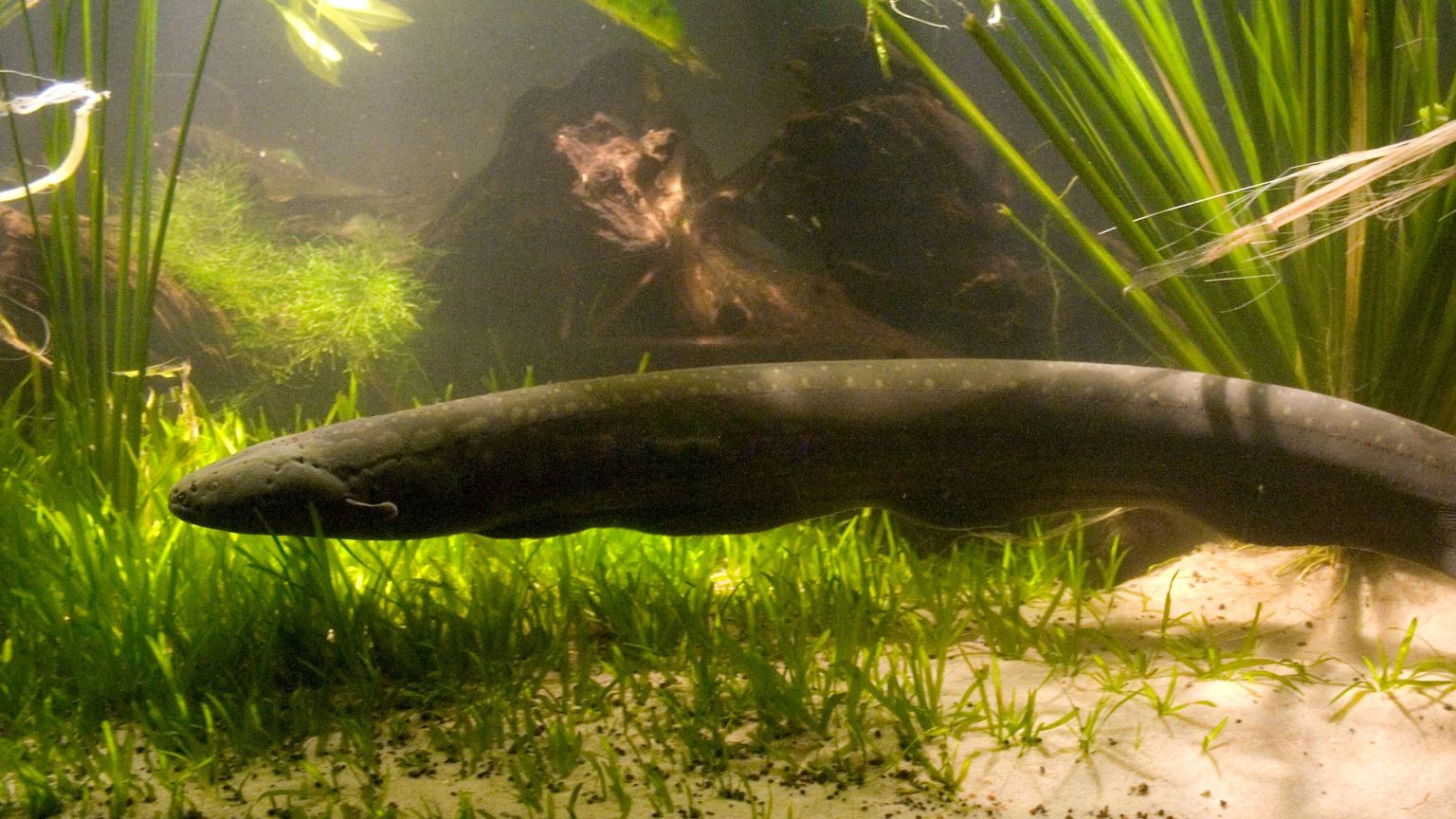
Now they’re pointing the way to future battery technologies.

But does Amazon know when you’re tired or hungry?

Do the laws of physics place a hard limit on how far technology can advance, or can we re-write those laws?
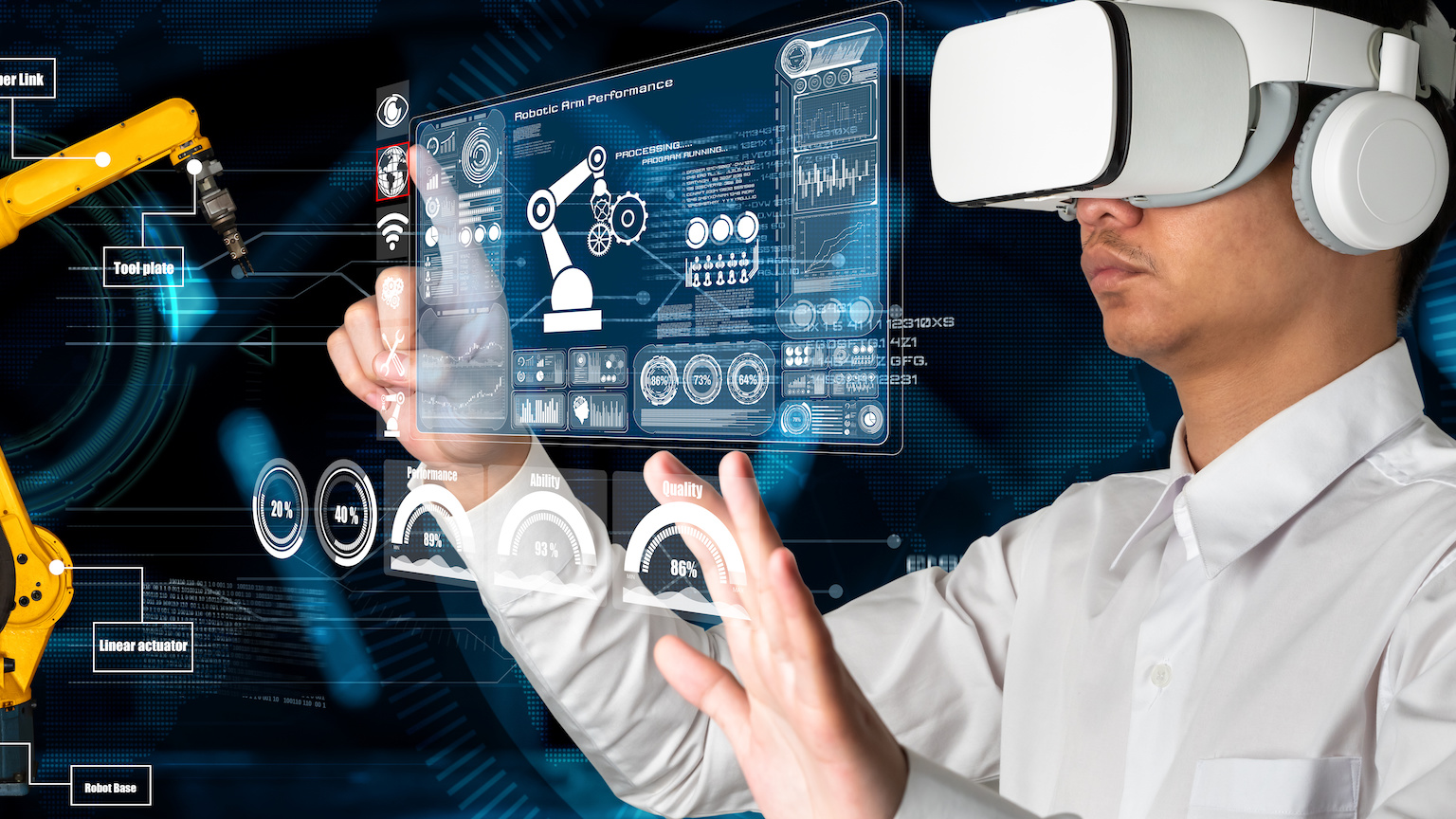

Capturing energy from clubbers could help power homes and buildings.
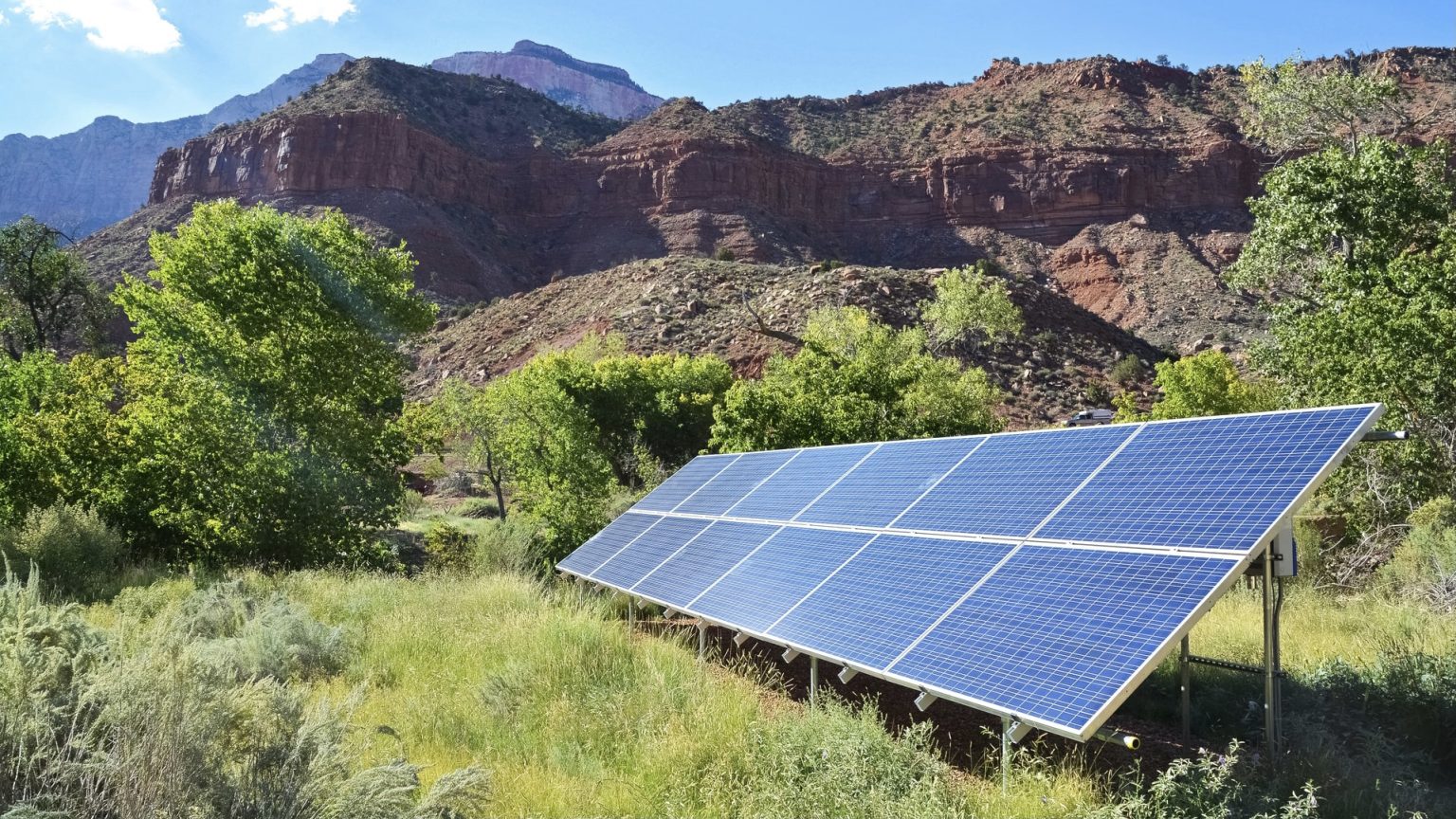
Meet the power plant of the future.
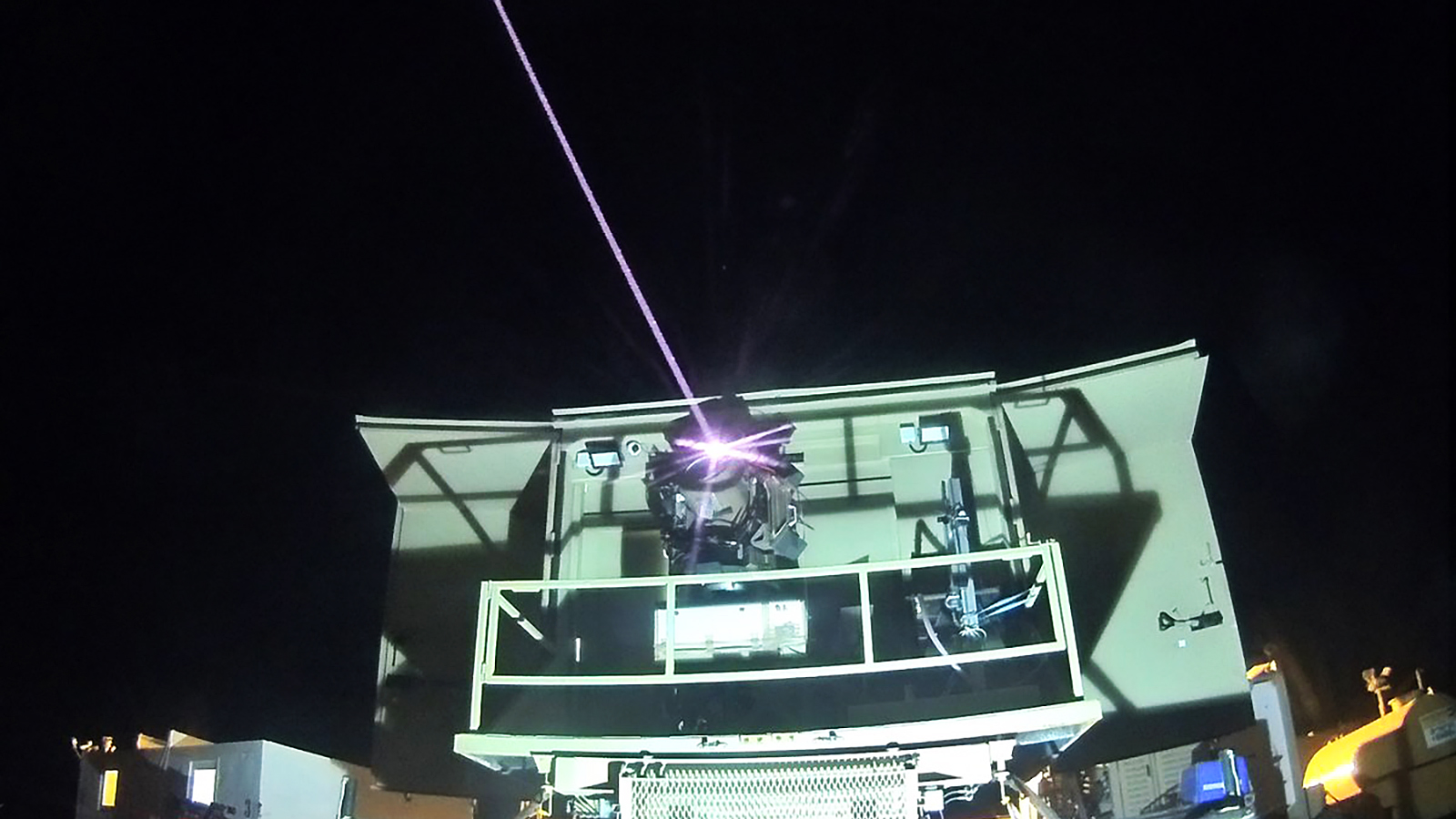
Israel looks to deploy its “Iron Beam” air-defense system within the year.

Two types of nanotechnology, metalenses and metamaterials, could soon make Harry Potter’s invisibility cloak a reality.

Nanofabricators could quickly synthesize whatever we need, molecule by molecule.

The metaverse may leave us perpetually unsure whether the people we encounter are authentic or high-quality fakes.
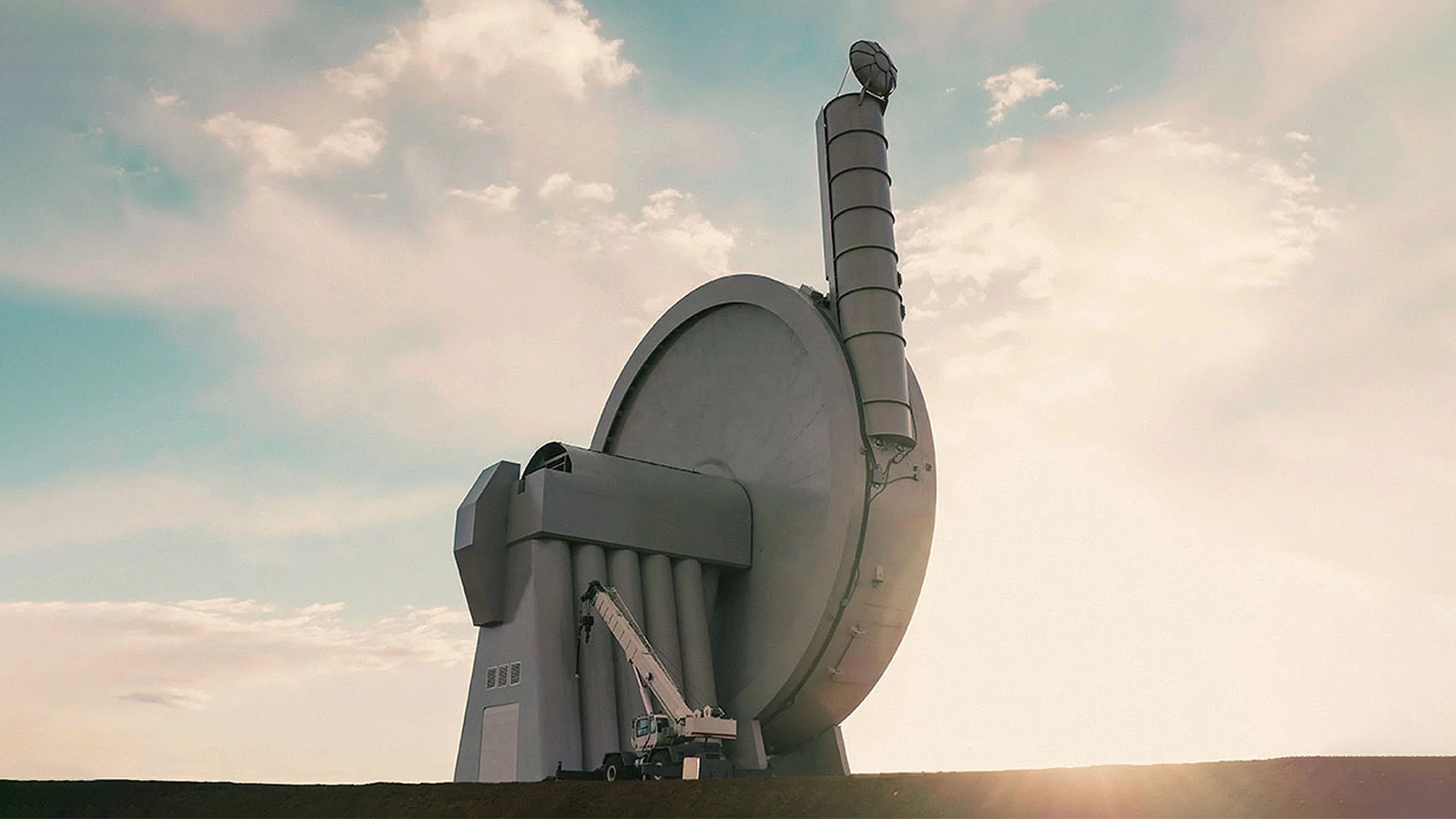
Spin, spin, spin — fire! The startup’s radical system could make satellite launches cheaper and cleaner.

“We didn’t build anything face-ish into our network [but] managed to segregate themselves without being given a face-specific nudge.”

AI-generated photos, also known as synthetic media, are being used to create fake experts and journalists to spread disinformation.
A lucky discovery involving lithium-sulfur batteries has a legitimate chance to revolutionize how we power our world.
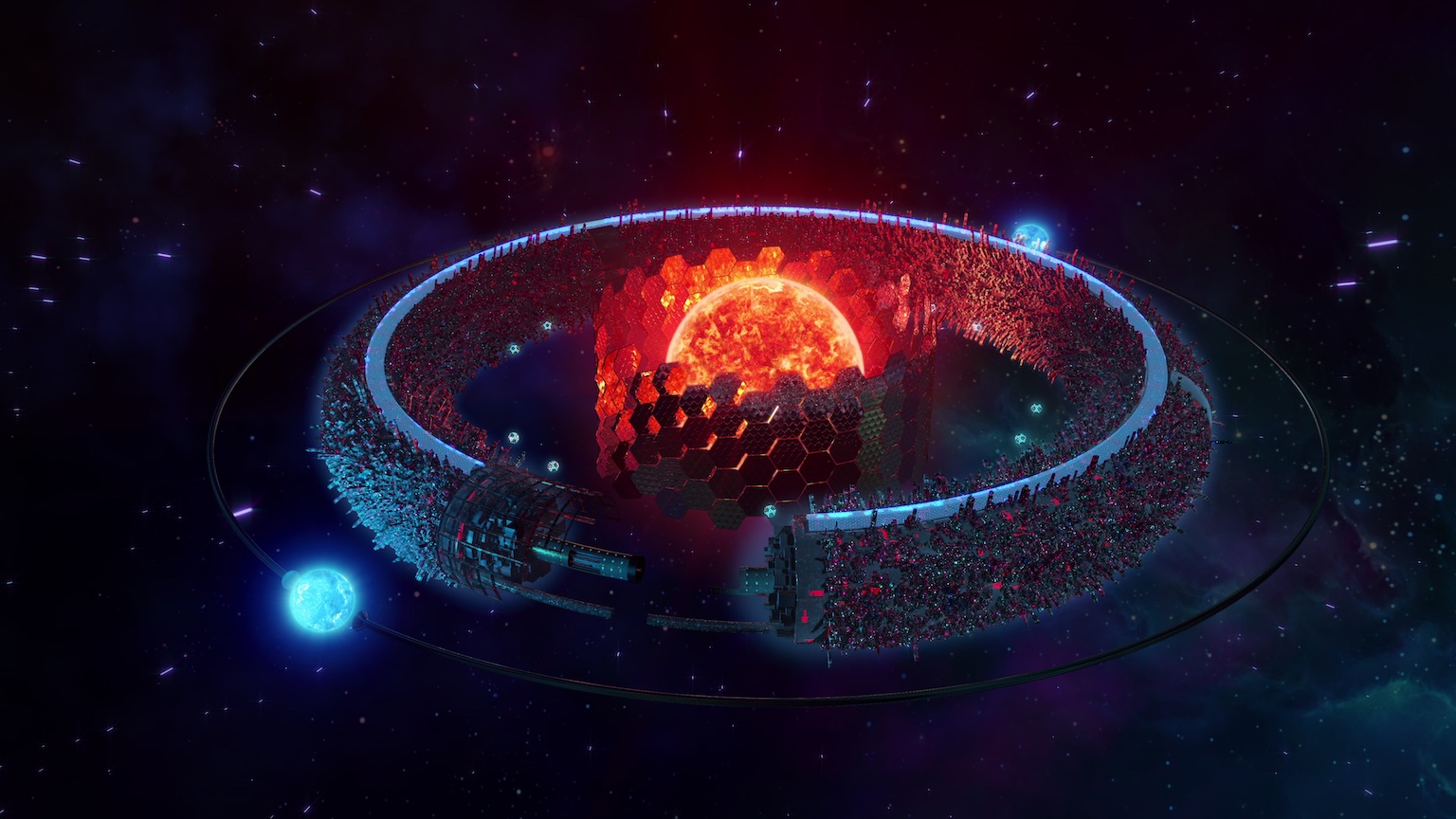
A new paper combines two concepts from the edges of astrophysics: Dyson Spheres and black holes. A Type III civilization could combine them.

If the metaverse is money, then companies will certainly want to play, too.
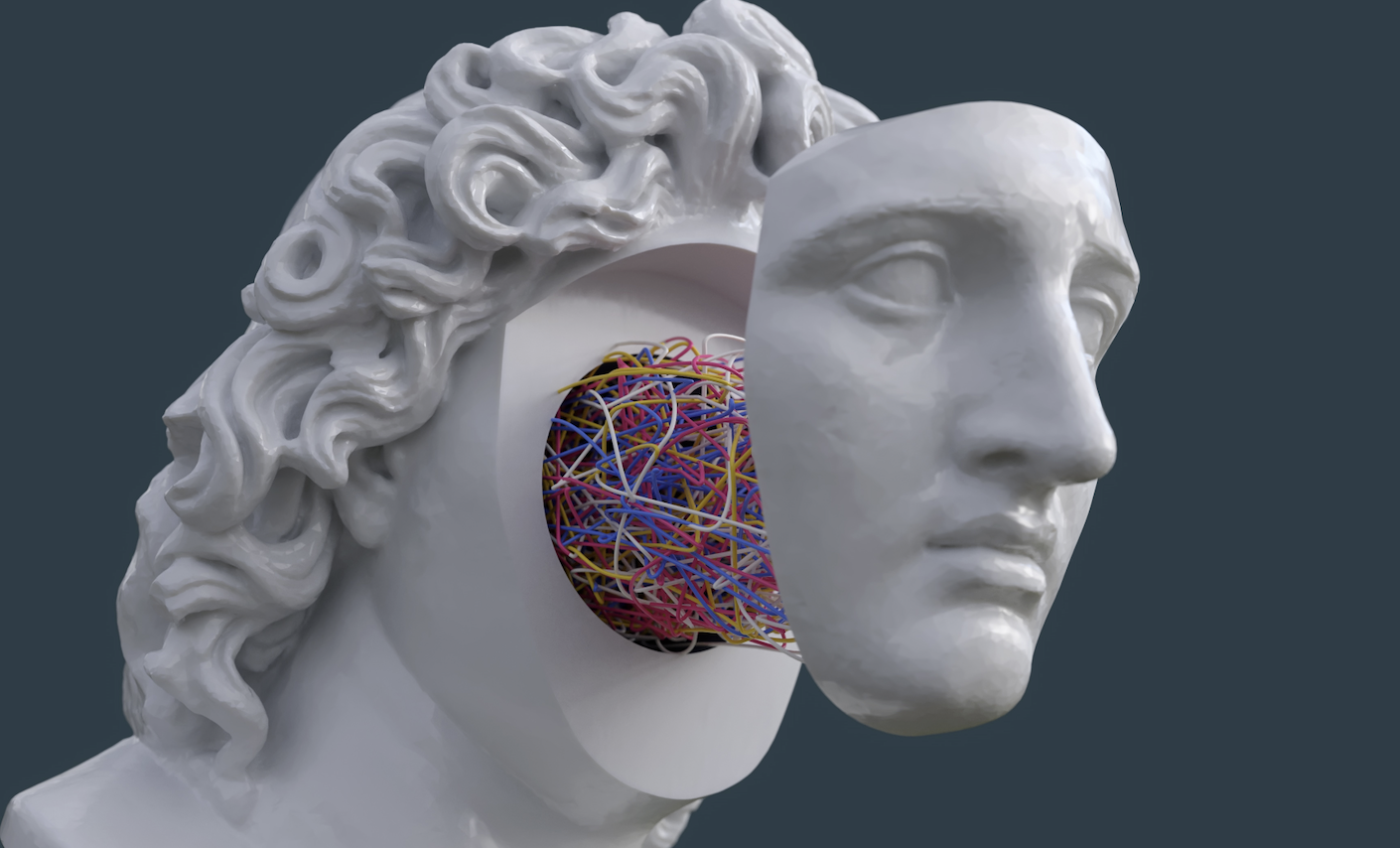
Will all robots think like Jeff Bezos and Mark Zuckerberg?

Not only that, but AI learns what type of faces we like.
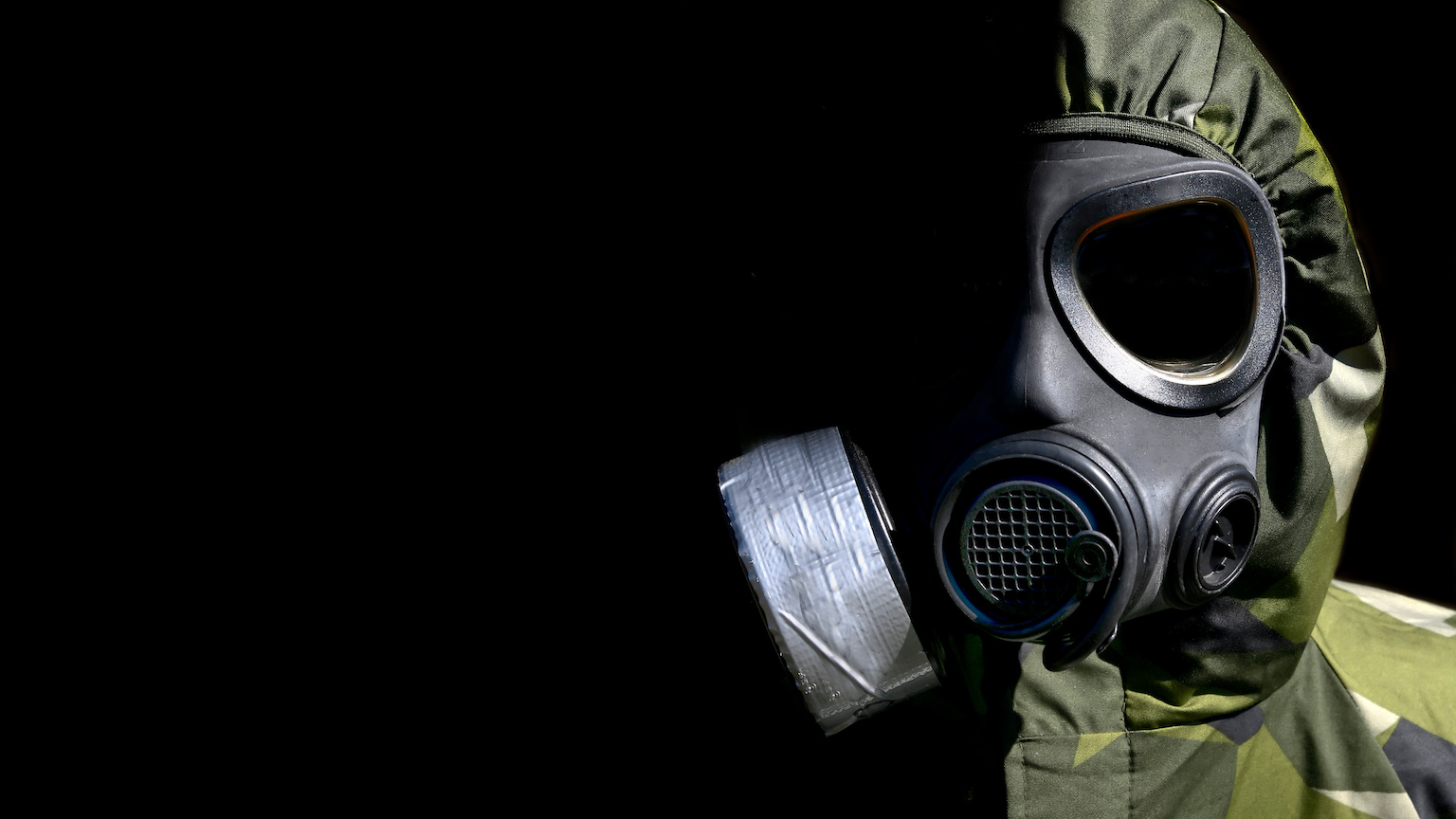
One research group’s AI-based drug discovery platform could be redesigned to discover VX nerve agent and 40,000 similar chemical weapons.