Emerging Tech
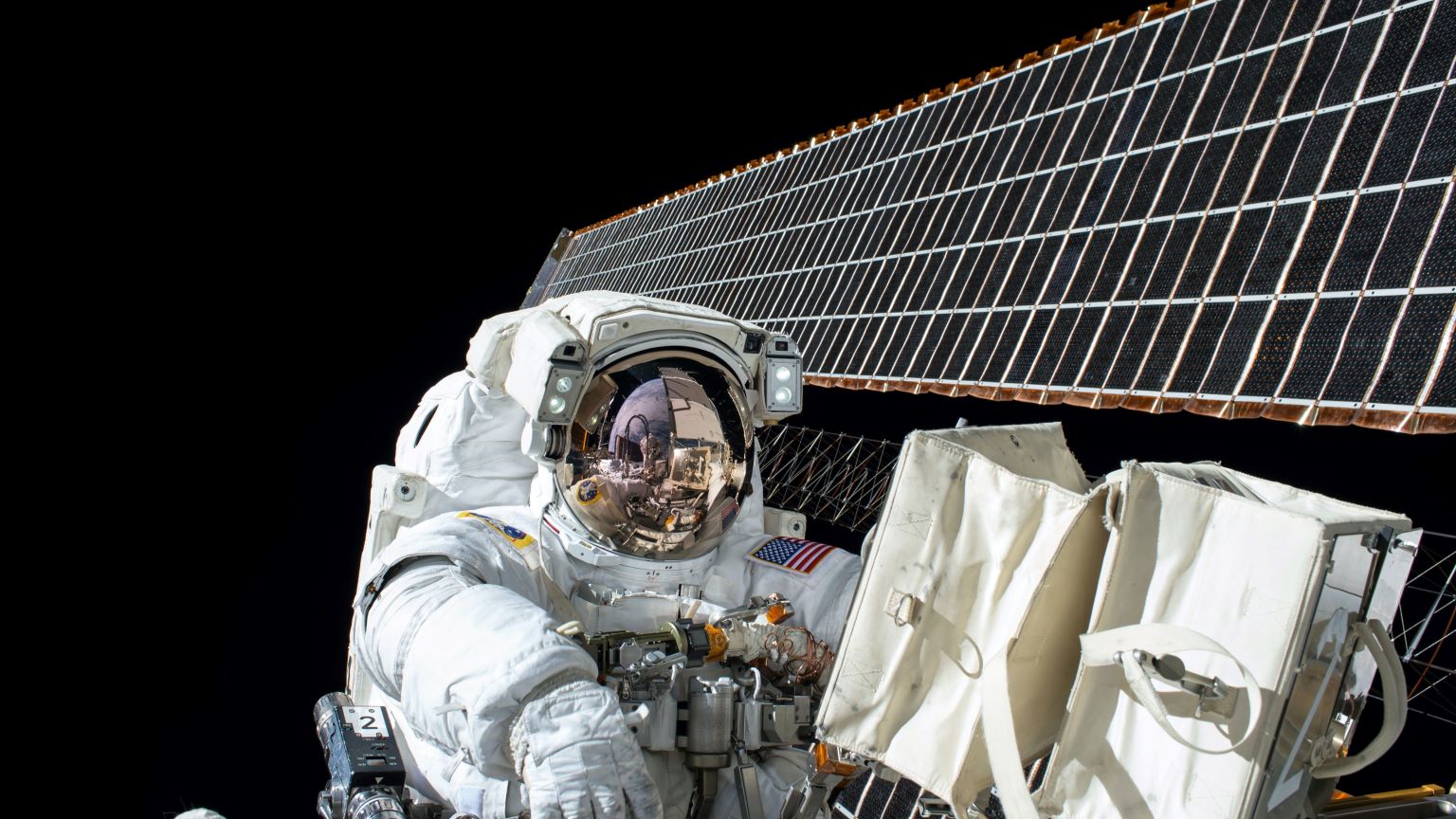
An optical telescope with a massive 20-foot (6-meter) mirror has an eye-popping price tag of $11 billion.

Small spiders use their silk threads to passively fly, a process called ballooning. Learning how could help atmospheric scientists.

If future studies prove it to be successful, this technique for the early detection of pancreatic cancer could save thousands of lives.
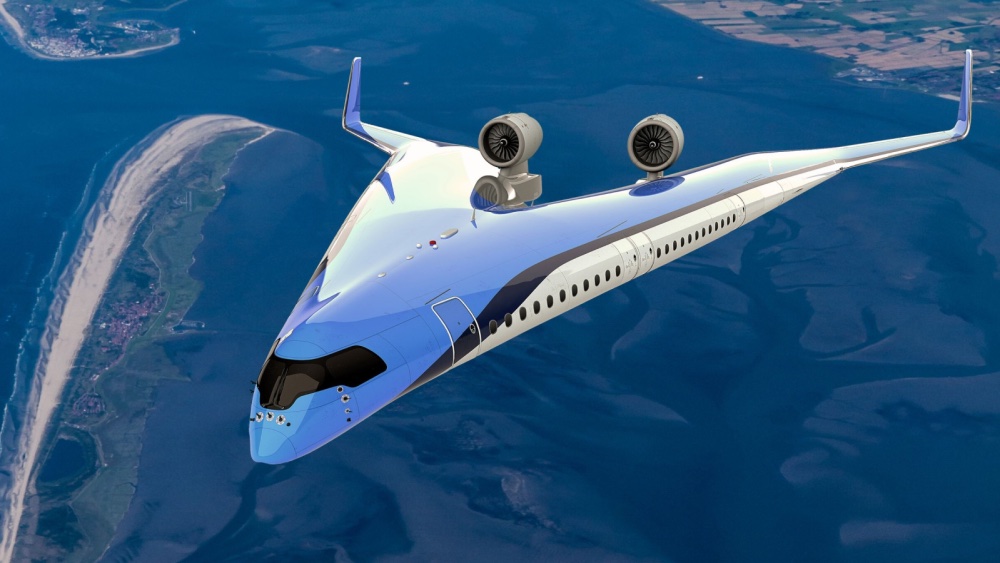
A radical redesign of commercial aircraft, called the flying-V plane, could increase fuel efficiency by 20%, greatly reducing emissions.

Michio Kaku predicts, among other things, how we’ll build cities on Mars and why cancer will one day be like the common cold.

Forty Starlink satellites were destroyed earlier this year in a geomagnetic storm.
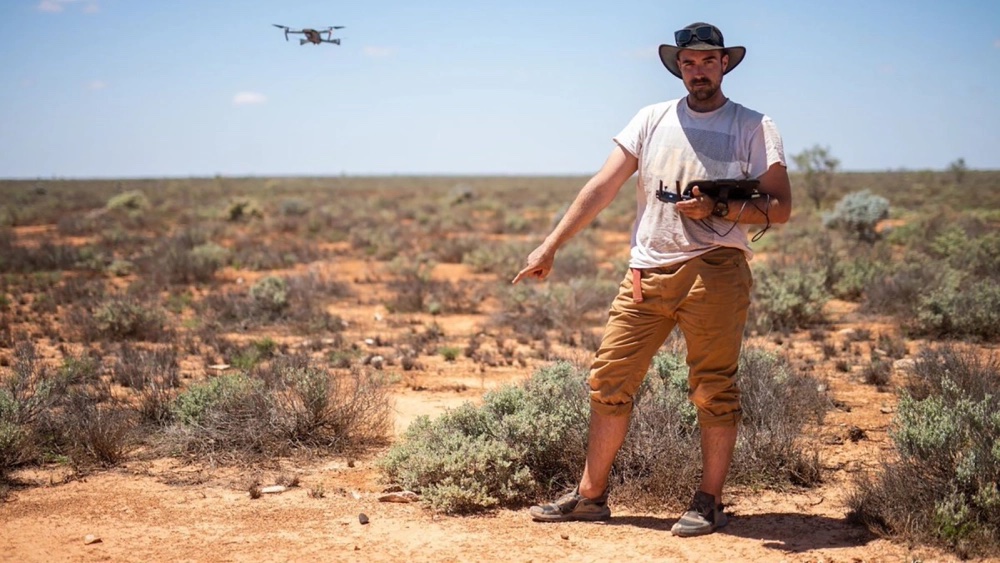
Aerial drone footage was sent to an AI trained to track down space rocks.

Using cellulose from trees and a synthetic polymer, MIT researchers have created a material that “is stronger and tougher than some types of bone, and harder than typical aluminum alloys.”

Edible electronics, devices that can be broken down and digested, could perform many useful functions inside the body.

A computer that could decidedly pass Alan Turing’s test would represent a major step toward artificial general intelligence.

Altos Labs, a new biotech firm with $3 billion in funding, has announced plans to combat aging. But what does that mean for human life span, exactly?
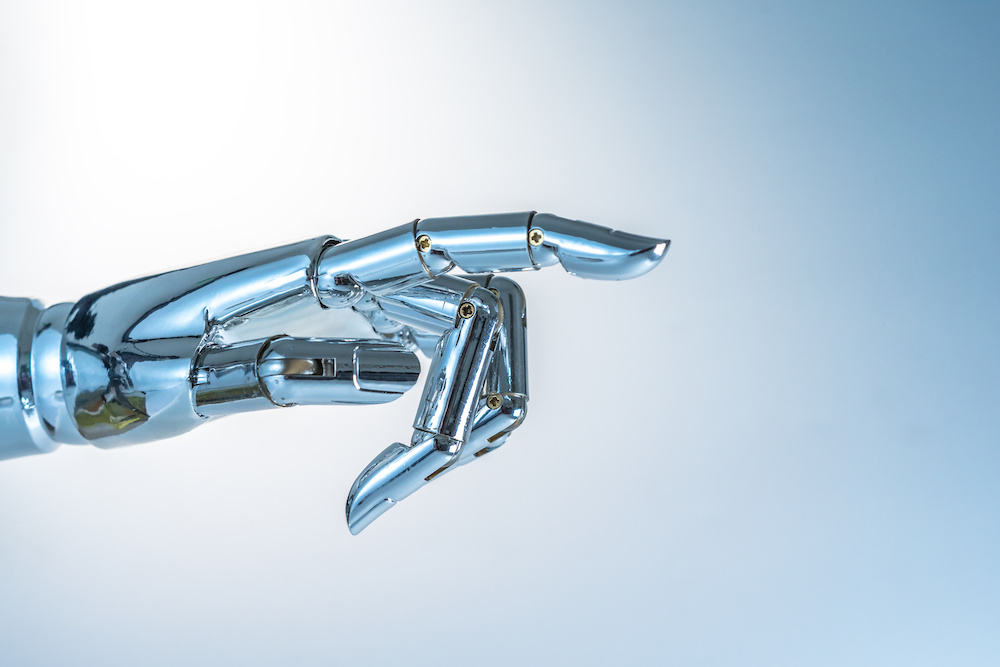
According to surveys, approximately half of artificial intelligence experts believe that general AI will emerge by 2060.

What makes a face trustworthy, anyway?

Outfitted with wheels and rotors, the bot can morph from a land drone into a quadcopter in seconds.

The Kardashev scale ranks civilizations from Type 1 to Type 3 based on energy harvesting.

Nearly 200 orbital launches are scheduled for 2022.

Researchers have created a method to help workers collaborate with artificial intelligence systems.

Altos Labs is an ambitious new anti-aging company with billions of dollars to back it up.
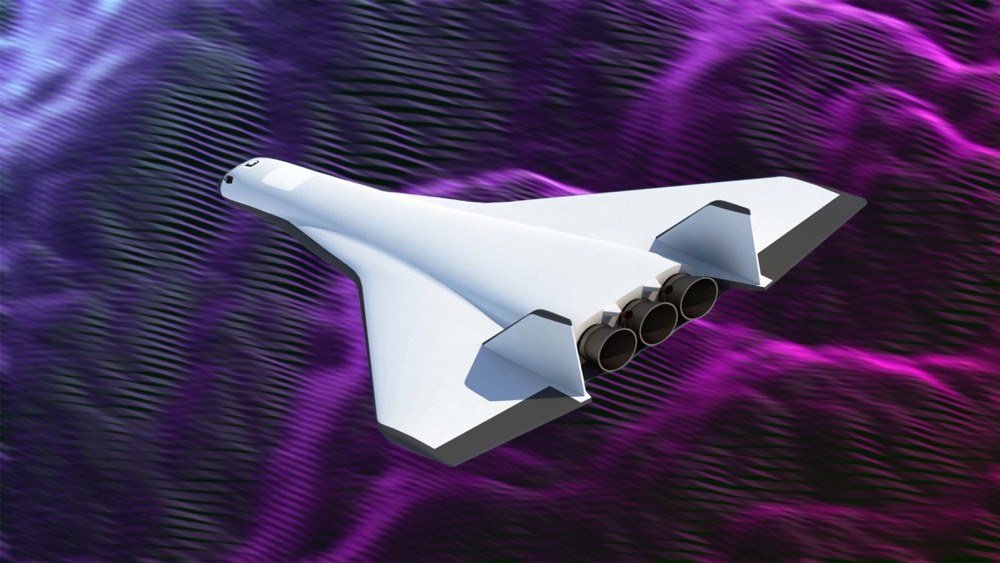
Space planes could radically lower the cost of spaceflight.

Besides offering an incredibly cool way to get stuff into space, SpinLaunch promises to reduce the cost of a launch by 20-fold.

This flying car — more properly called an “electric vertical takeoff and landing (eVTOL) vehicle”
— will seat five and fly up to 135 mph.

The book “The Genesis Machine” outlines the promise and peril of synthetic biology, a powerful tool that will allow us to program life like a computer.

It is often assumed that AI will become so advanced that the technology will be able to do anything. In reality, there are limits.

With a new telescope on the horizon, we reflect on the best pictures of space that came before.

It’s no longer just VR vs. AR. There is an alphabet soup of metaverse acronyms, often used imprecisely. So, what do they all mean?

The massive craft could carry 100 humans to Mars and revolutionize space exploration.

On December 19 1972, astronauts Eugene Cernan, Harrison Schmitt and Ronald Evans splashed down safely in the Pacific Ocean, ending the Apollo 17 lunar mission. They were the last people to travel […]

Coupled with 3D printing, biomining the Moon or Mars with microbes could sustain human colonies without constant re-supply from Earth.

The Virtual Metaverse will be for gaming and other short duration uses, while the Augmented Metaverse will revolutionize society.
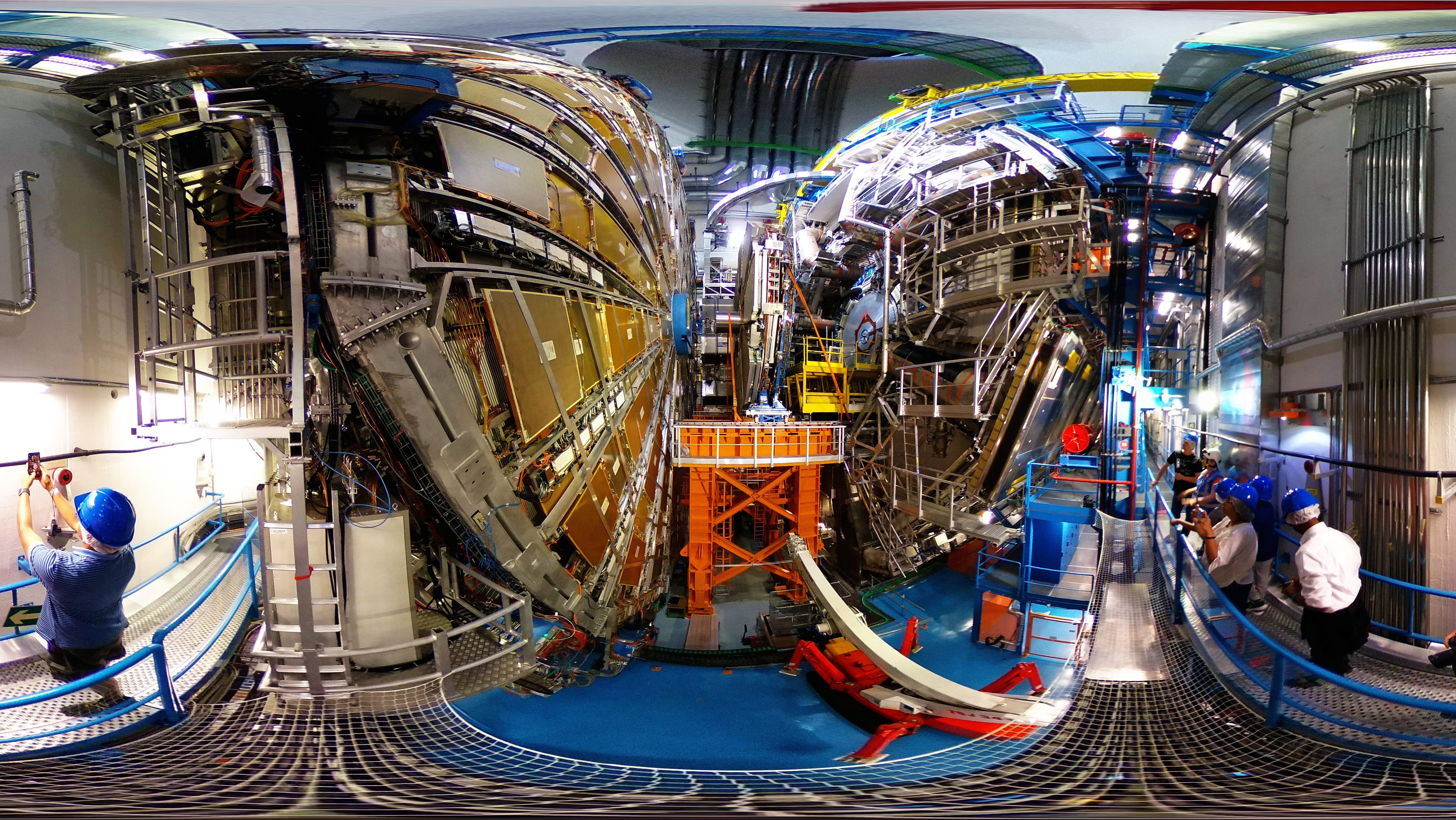
New technology is helping physicists move forward in the search for the Theory of Everything.