innovation
Coronavirus layoffs are a glimpse into our automated future. We need to build better education opportunities now so Americans can find work in the economy of tomorrow.
Duke University researchers might have solved a half-century old problem.

The word “learning” opens up space for more people, places, and ideas.
▸
3 min
—
with

How students apply what they’ve learned is more important than a letter or number grade.
▸
4 min
—
with
Higher education faces challenges that are unlike any other industry. What path will ASU, and universities like ASU, take in a post-COVID world?
By delving into the mysteries of the Universe, colliders have entered the Zeitgeist and tapped the wonders and fears of our age.

Solar geoengineering ideas could weaken storms in both hemispheres, scientists find.

The COVID-19 disruption is a really an opportunity for collaborating and building stronger relationships.
▸
4 min
—
with
OpenStax reimagined textbooks and saved students $1 billion. Now is a moment to reimagine even more. How can education help students learn more, better, and faster?

The importance of finding and shaping learning communities.
▸
3 min
—
with

How can curriculum planners refresh learning in the wake of COVID-19?
▸
4 min
—
with
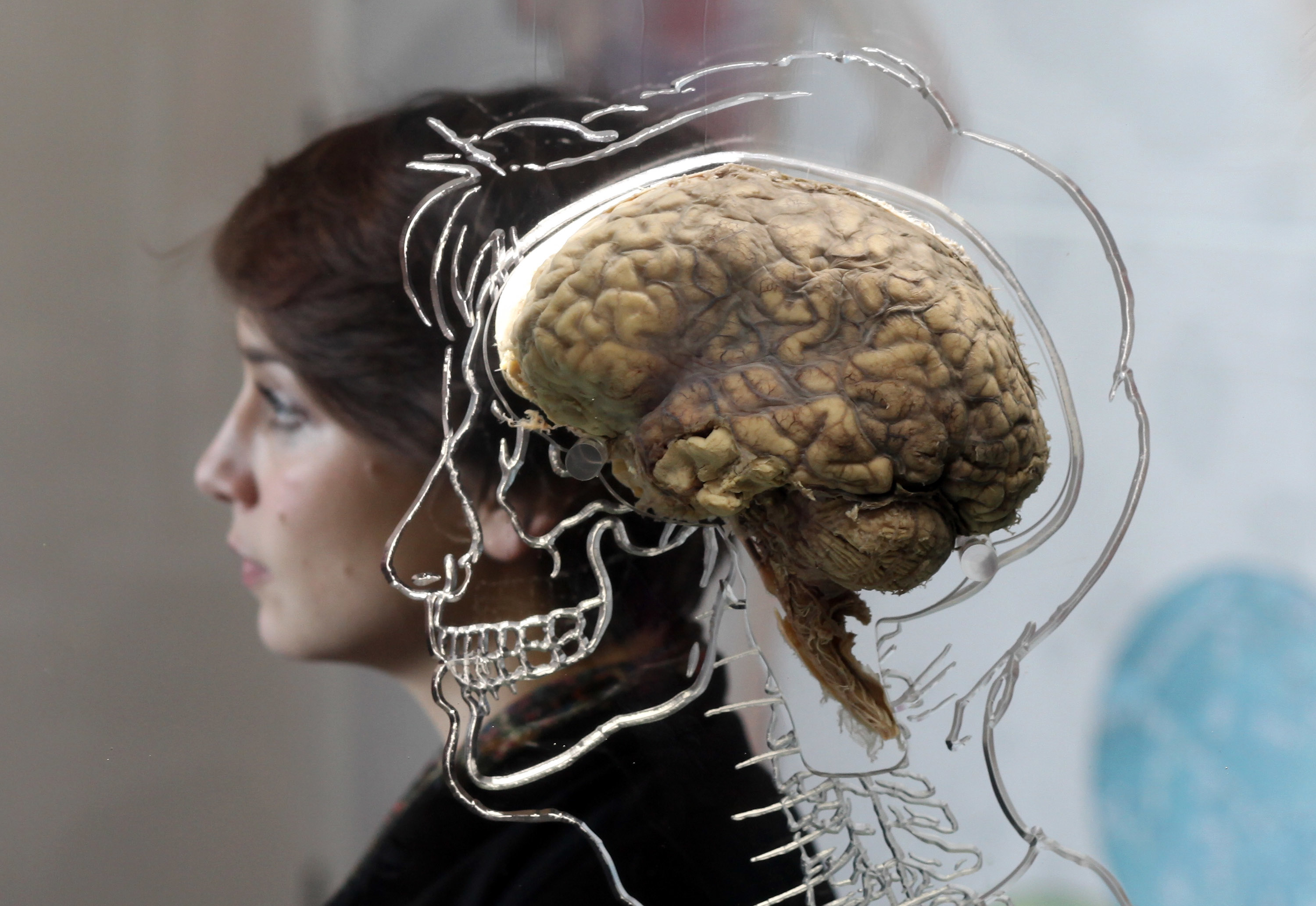
A specialized MRI sensor reveals the neurotransmitter’s influence on neural activity throughout the brain.
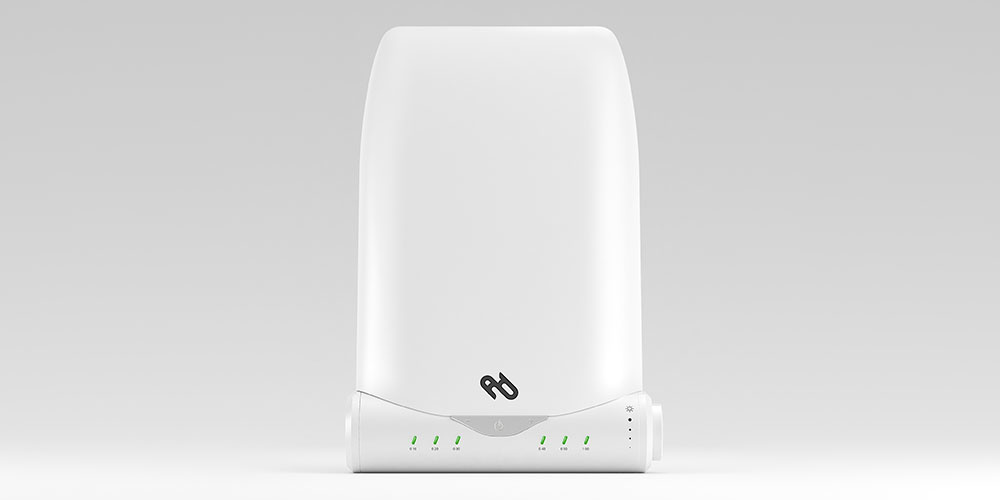
Light therapy might help your natural circadian rhythm and even stave off seasonal depression.

With 45% of recent college graduates under or unemployed, it’s time to explore new solutions.

Join two-time NBA champion Shane Battier live at 1 pm ET this Monday.
▸
with
Technique may enable speedy, on-demand design of softer, safer neural devices.

The future of learning will be different, and now is the time to lay the groundwork.
▸
4 min
—
with

Astrophysicist Michelle Thaller talks ISS and why NICER is so important.
▸
5 min
—
with
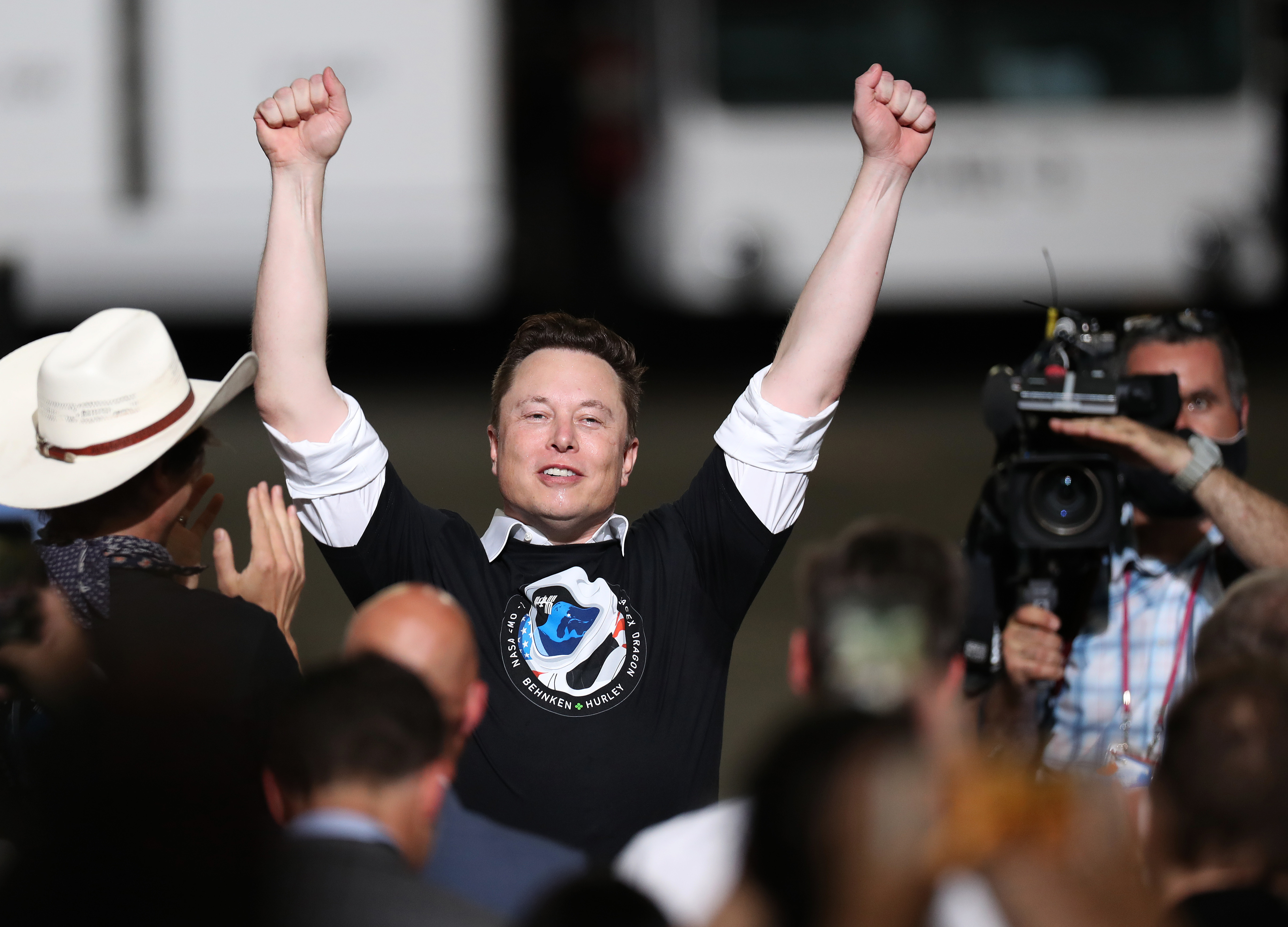
SpaceX’s momentous Crew Dragon launch is a sign of things to come for the space industry, and humanity’s future.
Universities claim to prepare students for the world. How many actually do it?
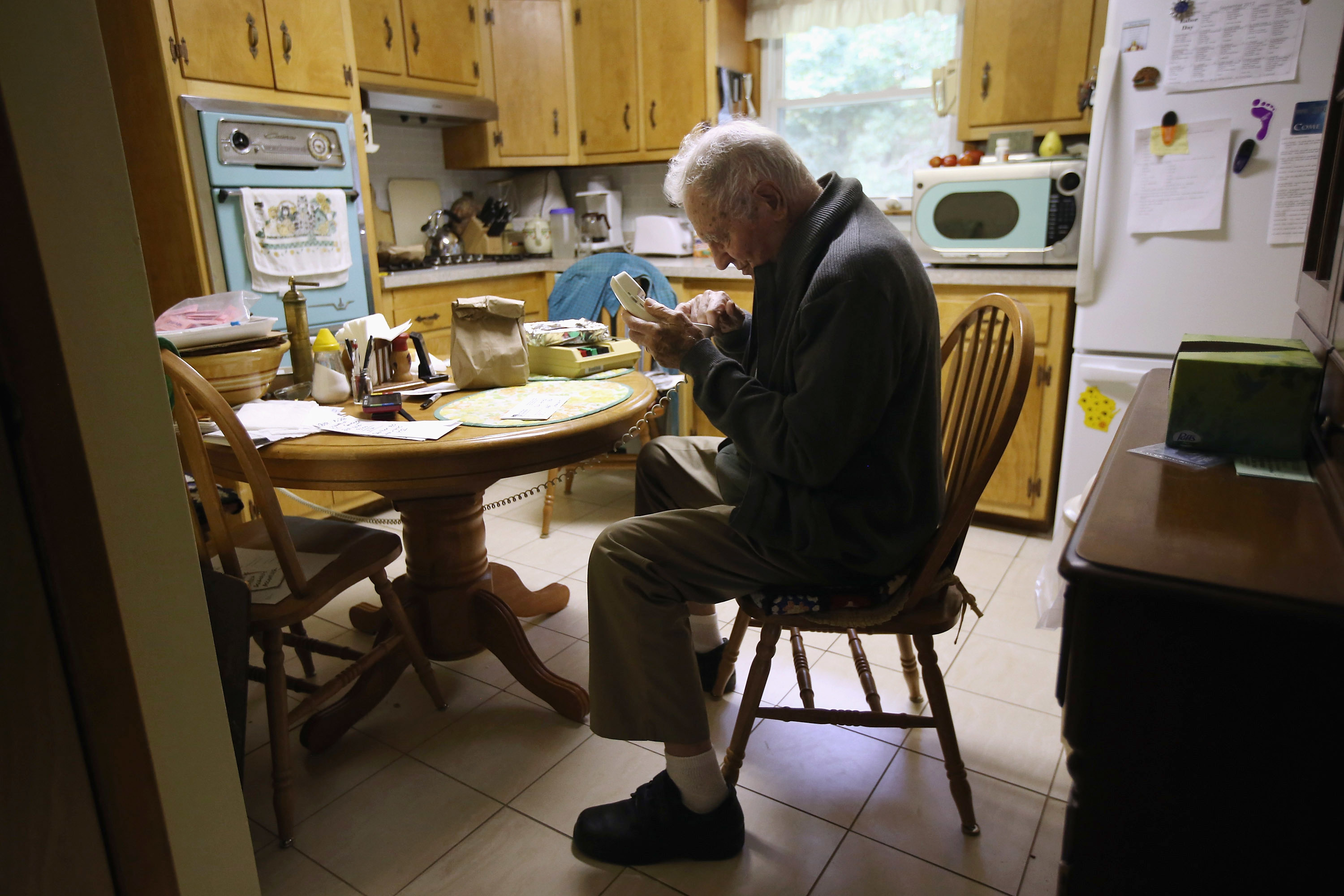
An MIT system uses wireless signals to measure in-home appliance usage to better understand health tendencies.
When the COVID-19 crisis is over, how will education have changed? Will we have made the most of this moment?

The institutional barriers that have often held creative teaching back are being knocked down by the coronavirus era.
▸
4 min
—
with
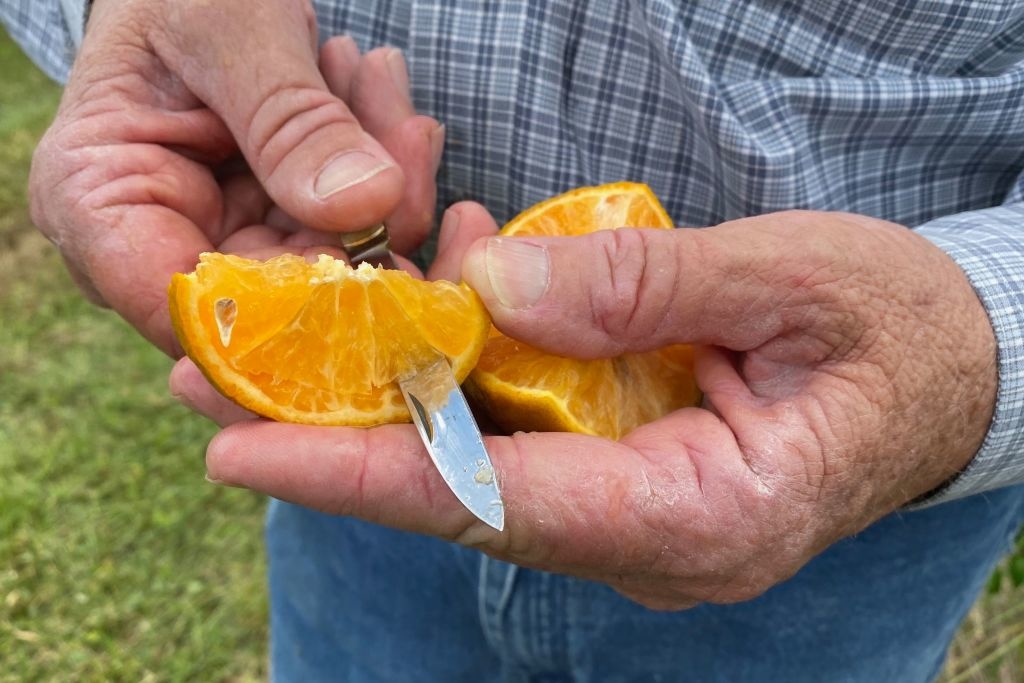
A new wearable patch has been created at the University of California San Diego.
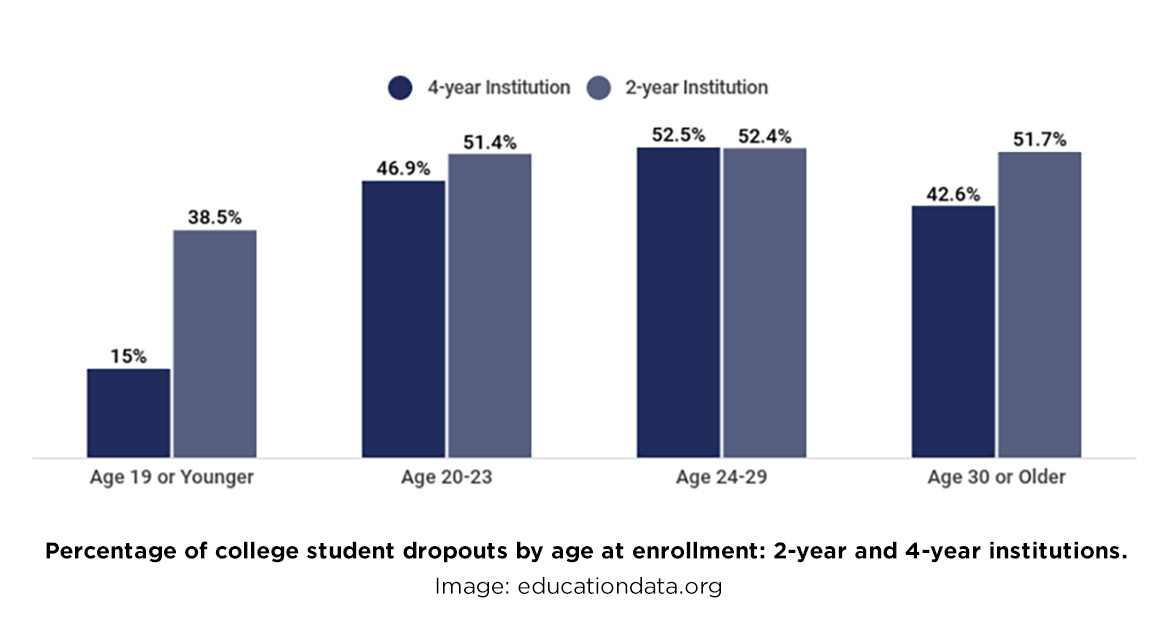
Who is to blame for the U.S.’s dismal college graduation rate? “Radical” educator Dennis Littky has a hunch.
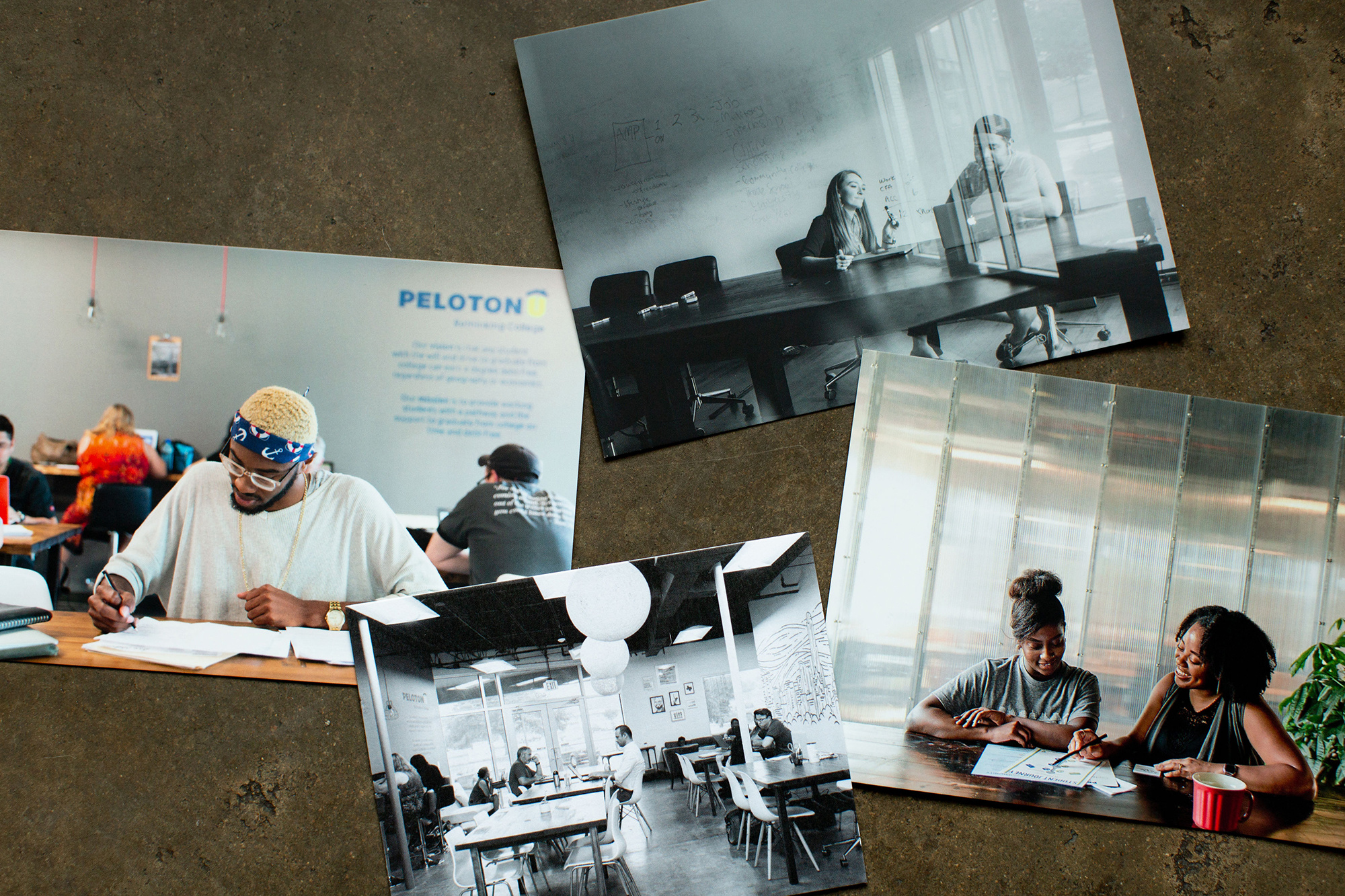
If a crisis like this only comes once in a hundred years, so does this opportunity.

The old idea of running with springs on your feet gets a high-tech makeover.
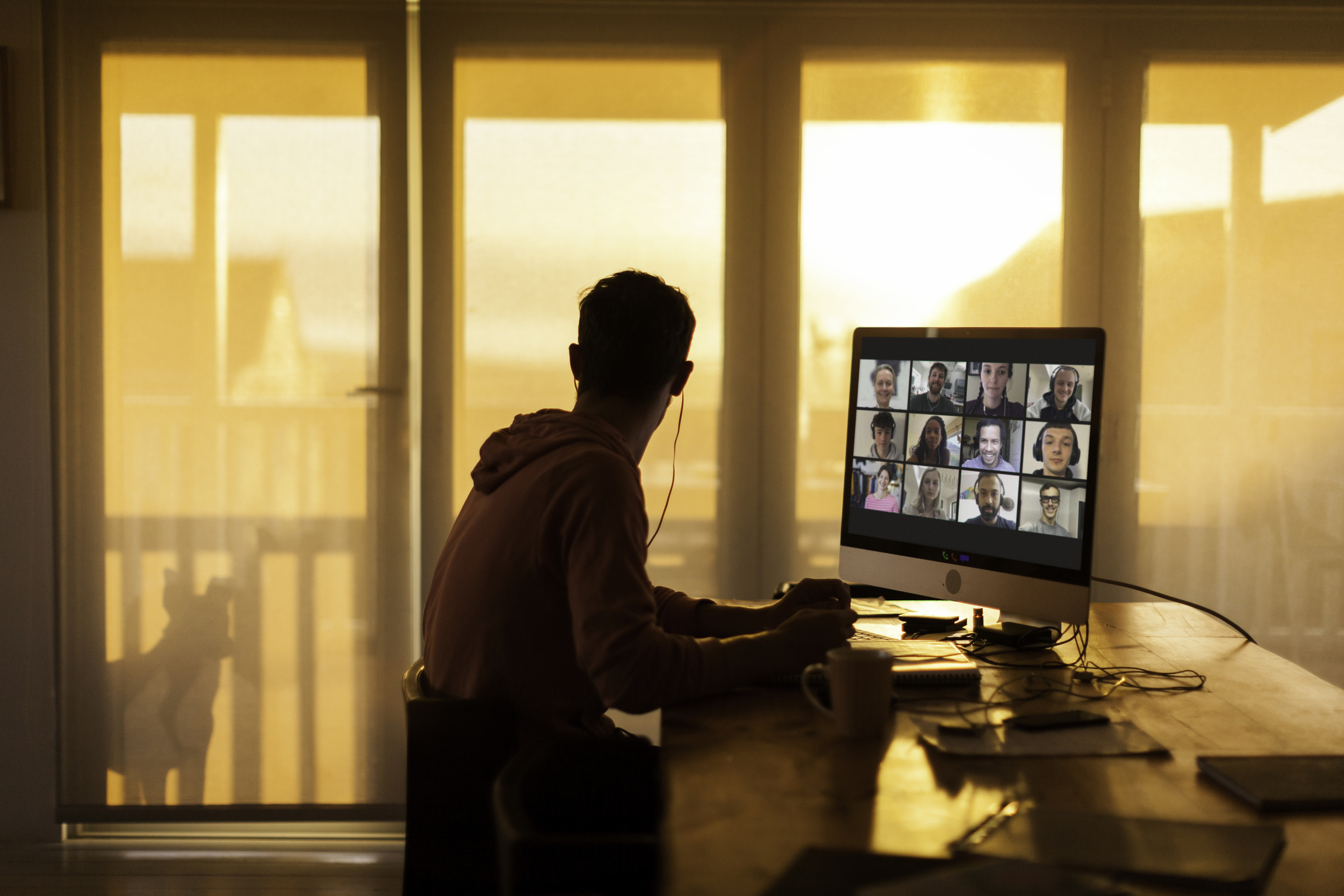
The pandemic reminds us that our higher education system, with all its flaws, remains a key part of our strategic reserve.
‘Know thy students’ is the principle that can change the form of education, worldwide.

Now is the perfect time to take up a new language. Self-motivation and commitment are key to mastering this fun and useful new skill.
▸
10 min
—
with