psychology
Our inaugural special issue is focused on progress — the search for, the study of, and the project towards a better world.
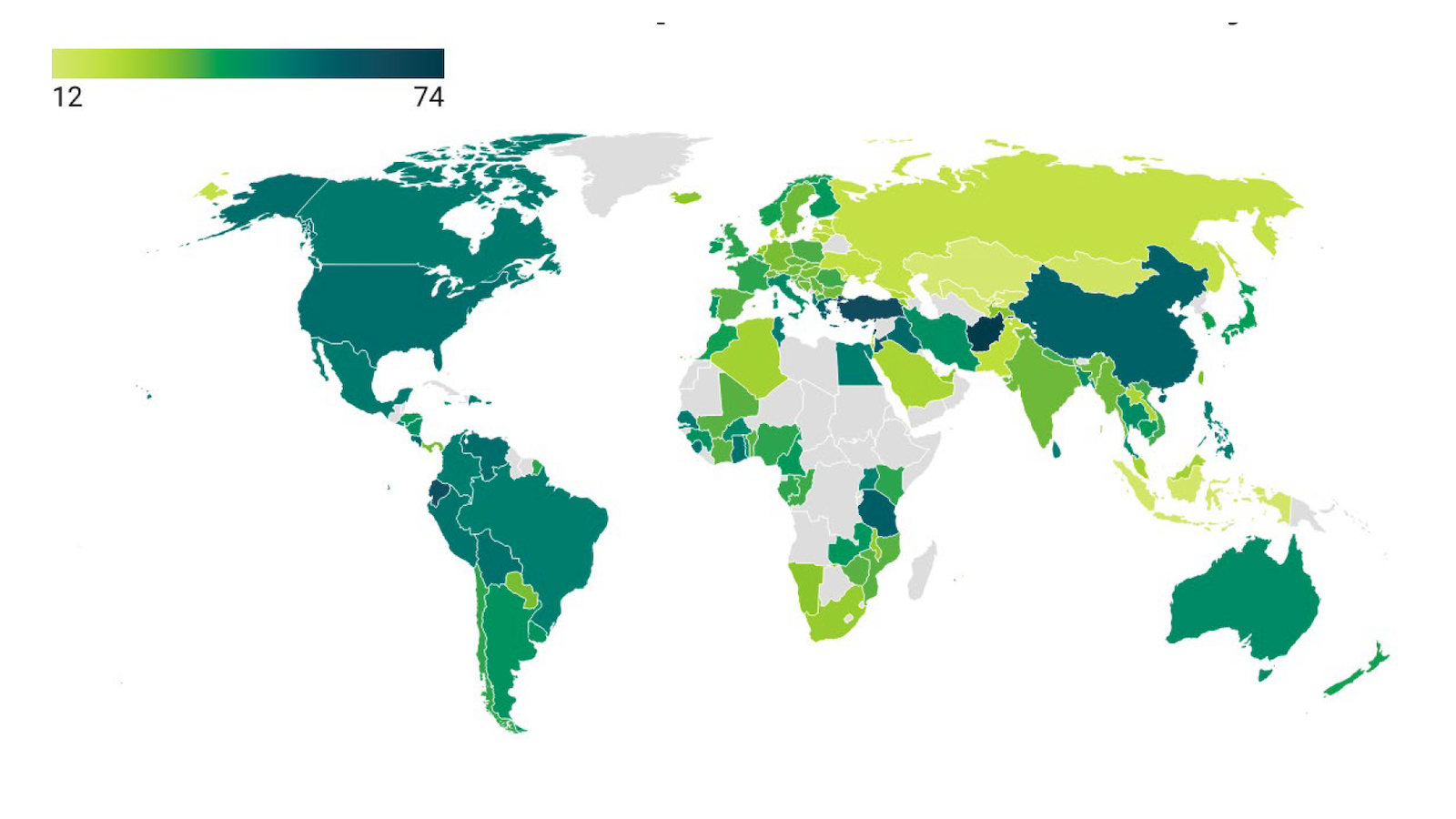
If you want to escape the negativity, head to Kazakhstan.

Literature’s first utopia shows how far we’ve come.

For decades, the Communist Party of China has relied on reeducation camps to reform “parasites” and persuade people to support the communist cause.
When you don’t know what you’re looking for, it’s easier to miss it.
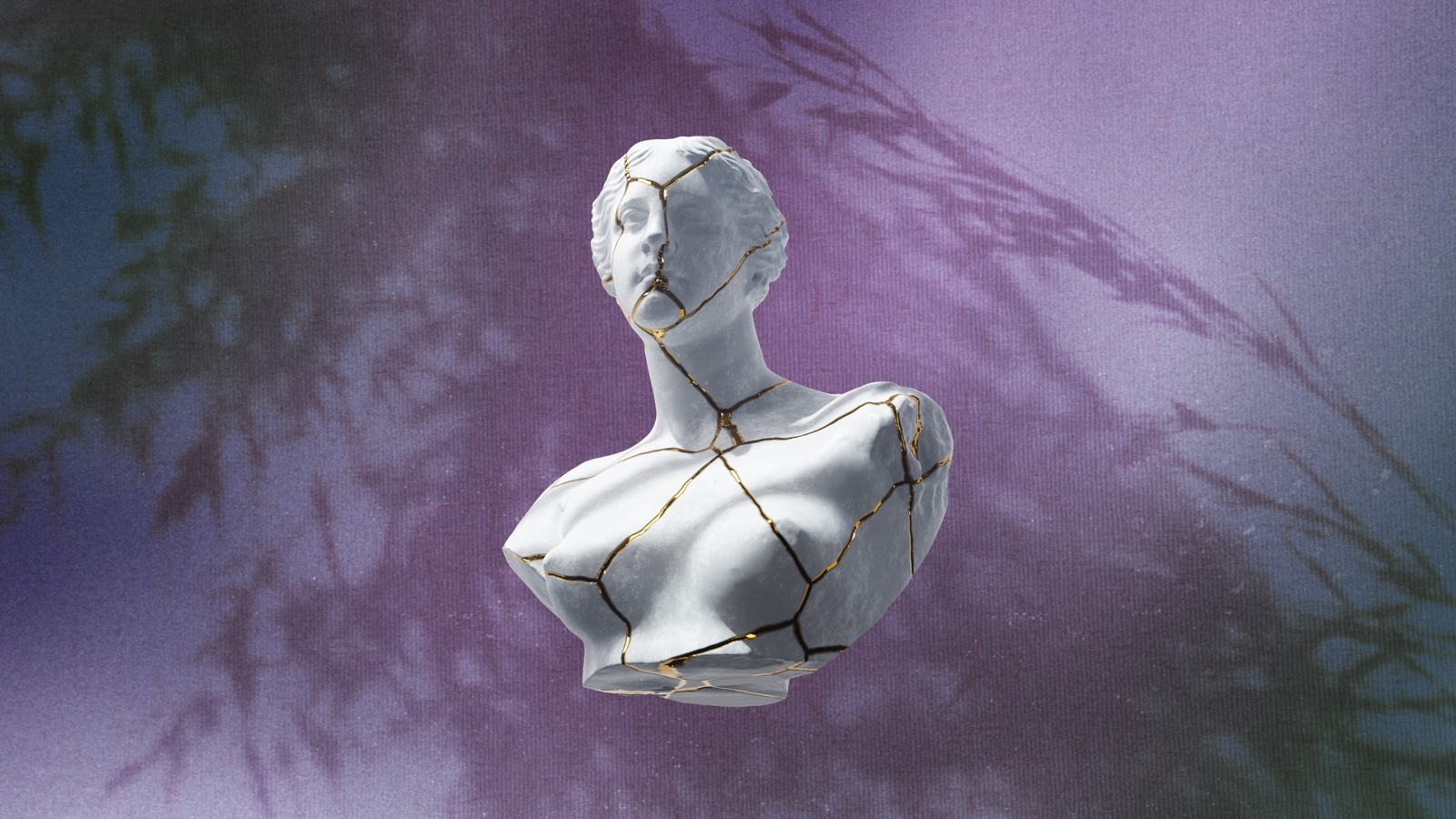
Perfectionism is on the rise, and its consequences for mental health can be devastating. The Japanese philosophy of “wabi sabi” can help.
Just a small gesture or a thoughtful comment can often alter a situation, or people’s perceptions of it, in ways that relieve tensions and make them feel appreciated and included.

Think you should speak about 40% of the time in conversation? How about 70%?

Creativity and achievement require balancing hard work with the restful power of calm.

Turning away is a natural response.

Our concept of “failure” is way too narrow.

Why, exactly, don’t you trust that person’s opinion?
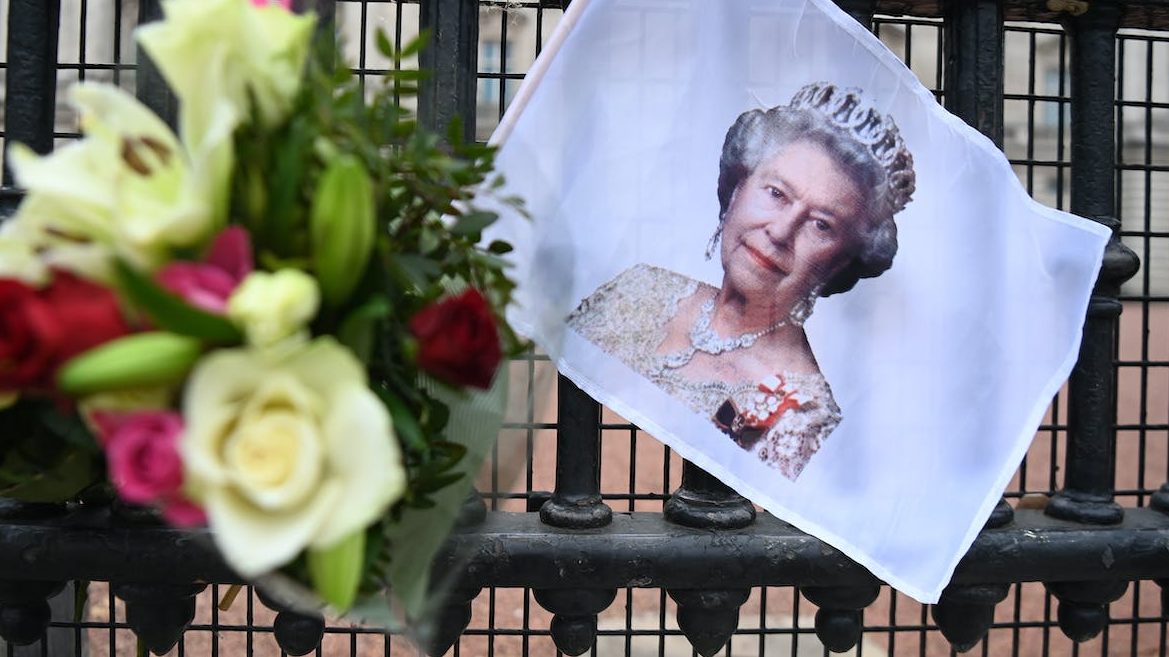
Queen Elizabeth II has died. How is this loss different from that of a loved one?
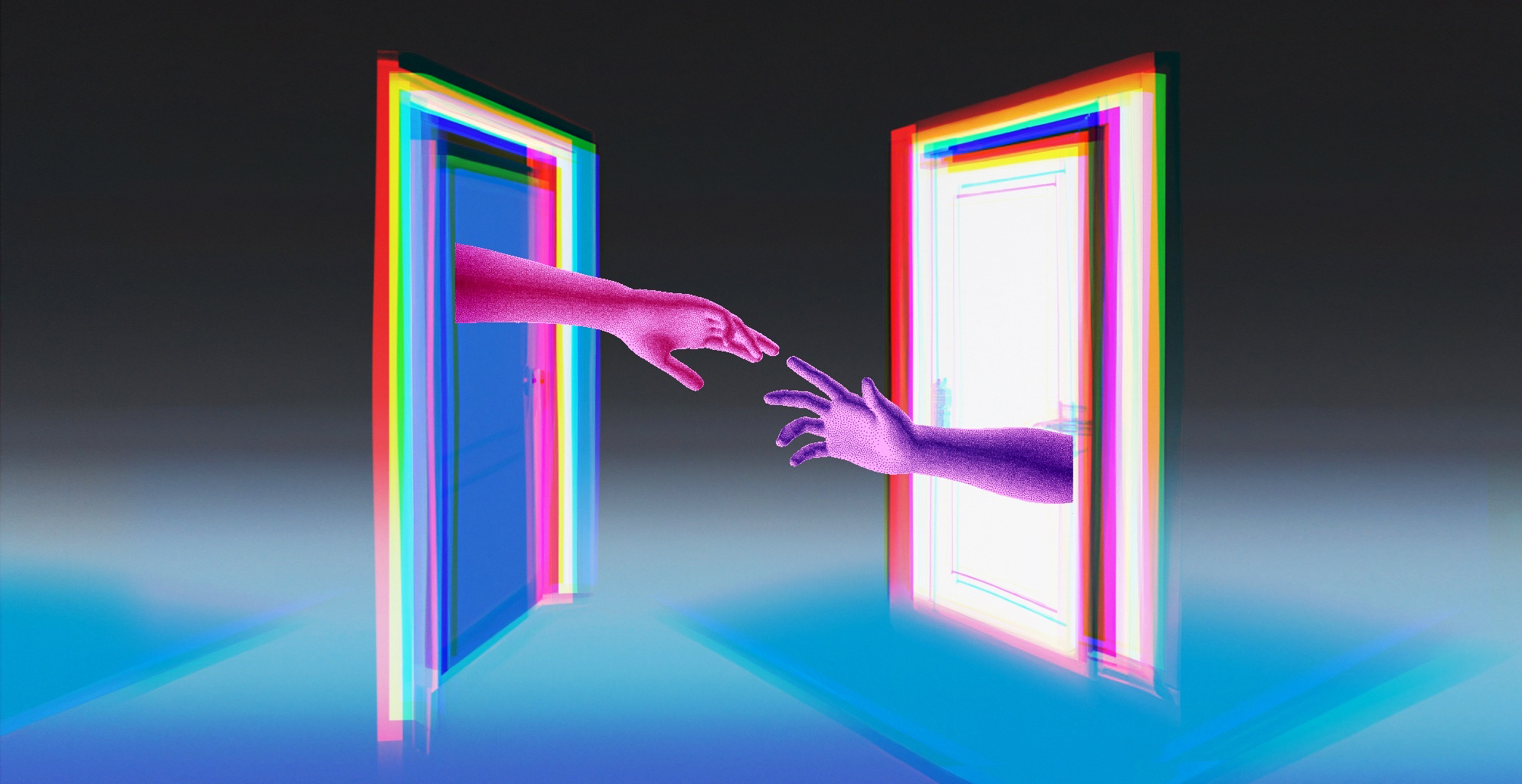
Each of us carries our own version of the Multiverse in our heads.
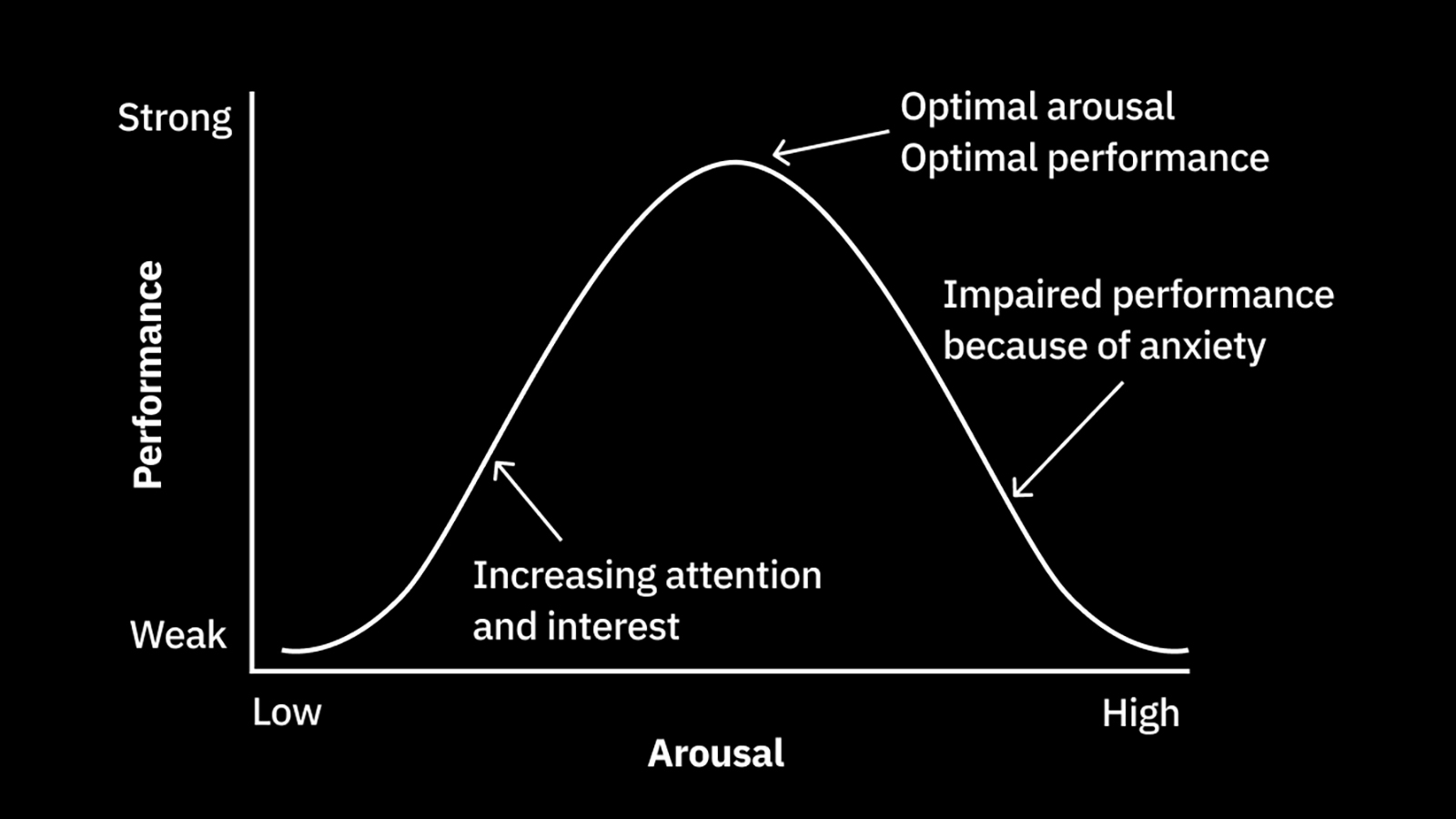
Not all stress is created equal.

Athletes often use creatine to boost performance and aid muscle recovery. Accumulating evidence suggests it could also help with depression.

For many people, a challenge to their worldview feels like an attack on their personal identity.
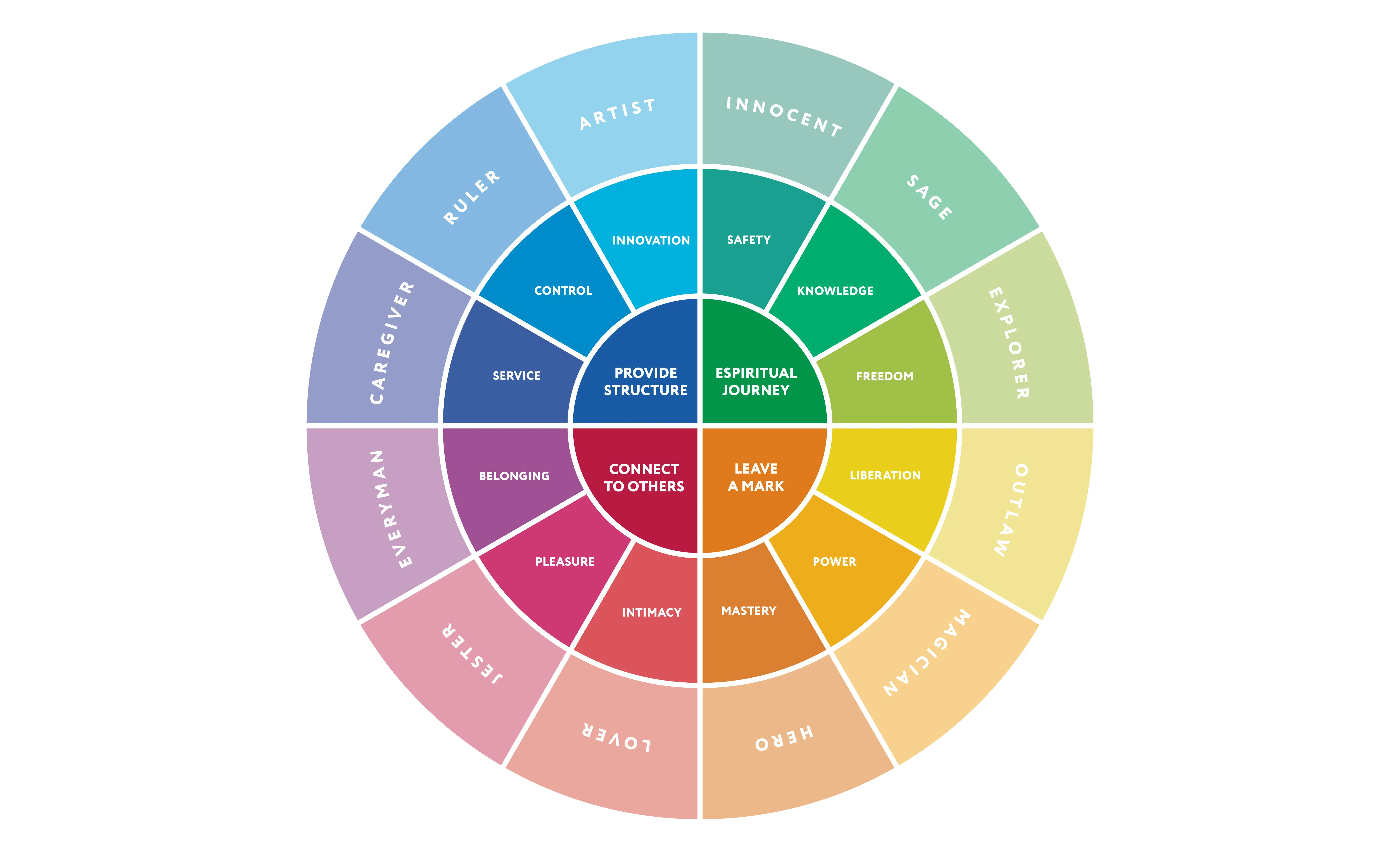
Colors can influence your emotions and behaviors, but “color psychology” yields no real insight into your personality.
Not every “expert” has the expertise to back up their argument.

Today’s young people are intelligent and kind, but they are overworked and burned out.

Dogs are seen as more likely to leap without looking – possibly a trait shared with their owners.
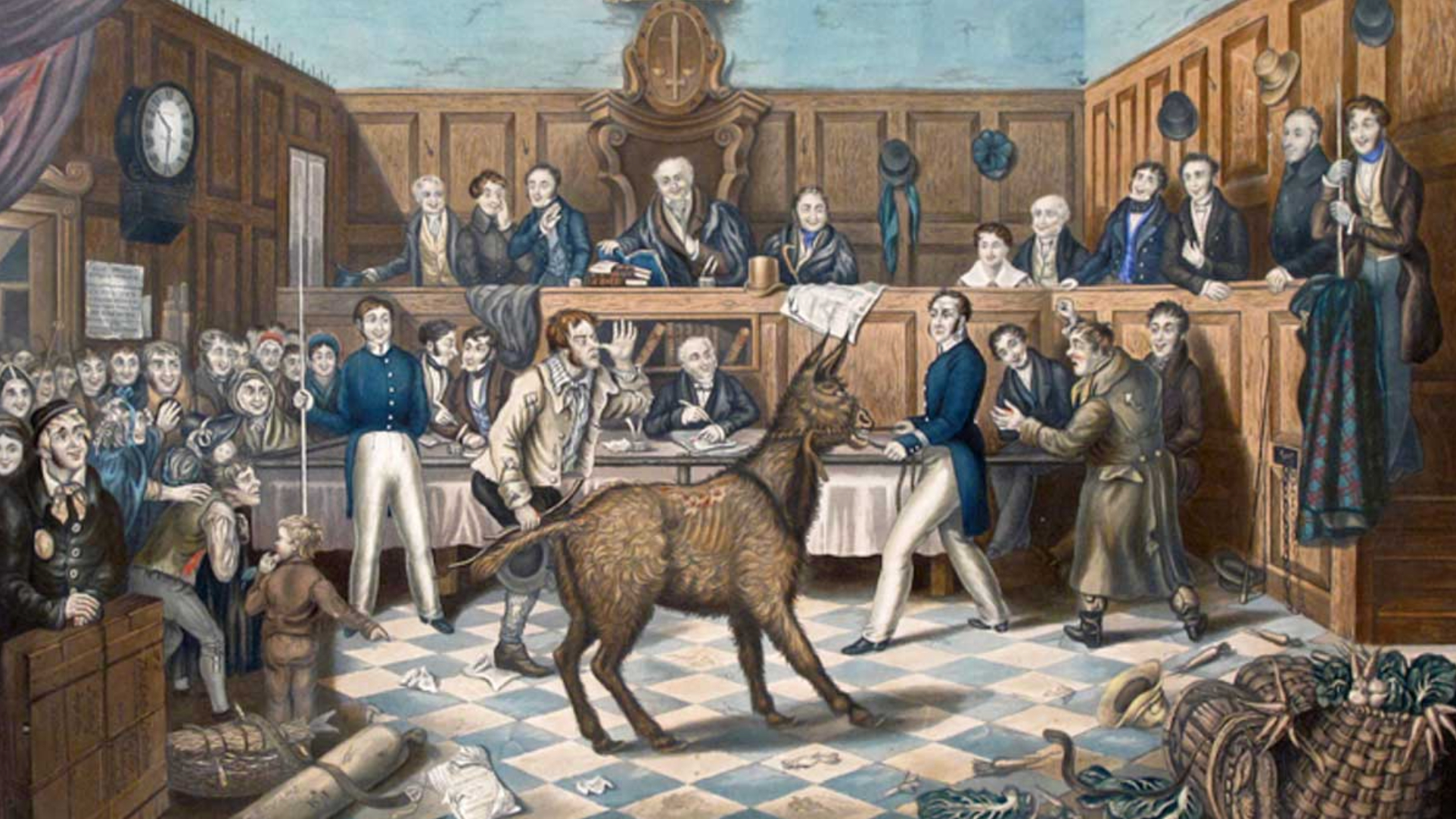
Some animals were even assigned their own lawyers.
It’s time to let go of those emails from your cousin and the photos of your dinner.

What creates our private, inner universes is still a mystery.

Managers who are able to identify and understand dark salespeople can manipulate them to benefit the company. What could be more Machiavellian than that?
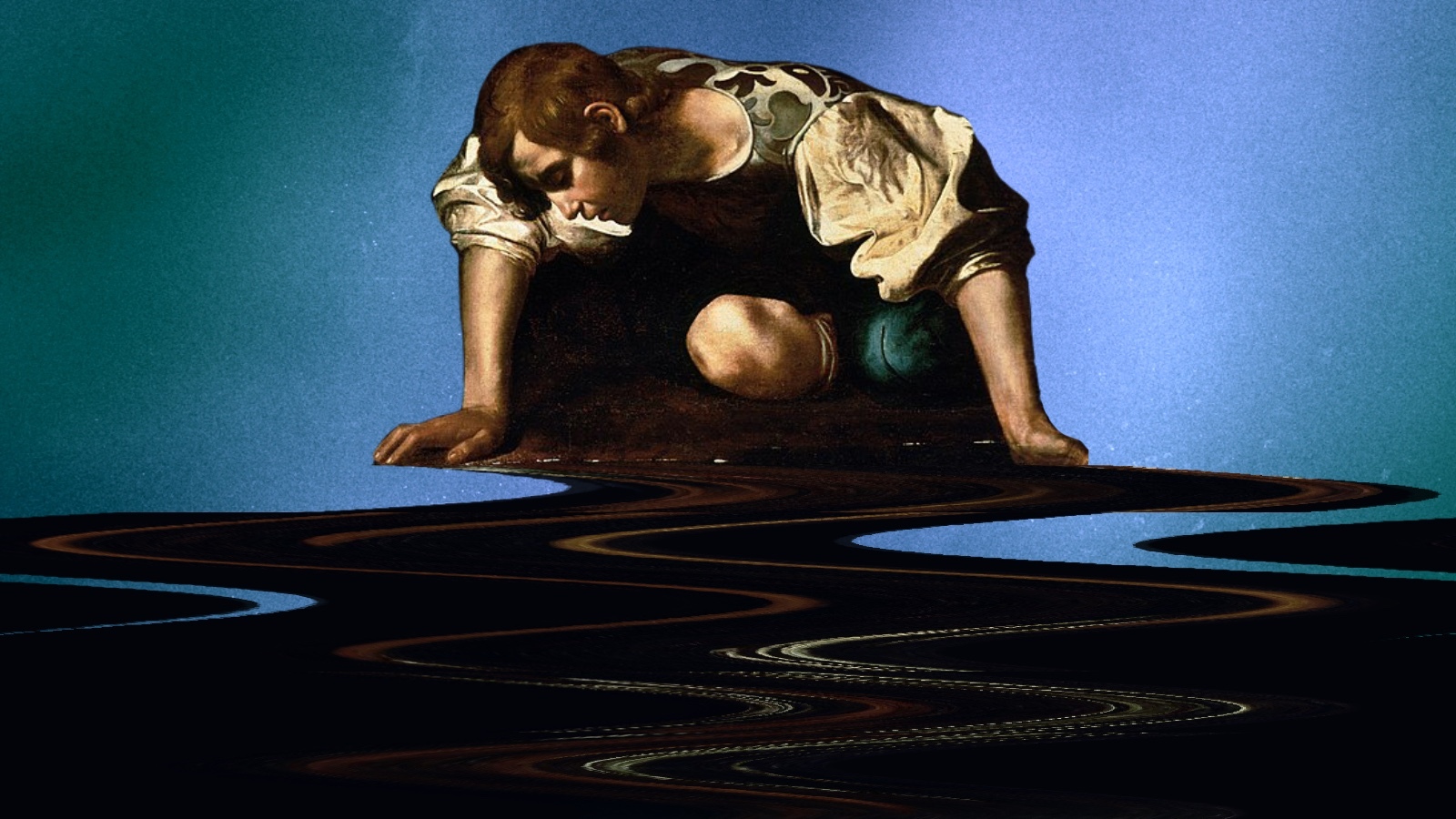
Looking at ourselves in a mirror — or on a video call — shapes our sense of self. But what you see is not what others see.

We’re overthinking being nice.
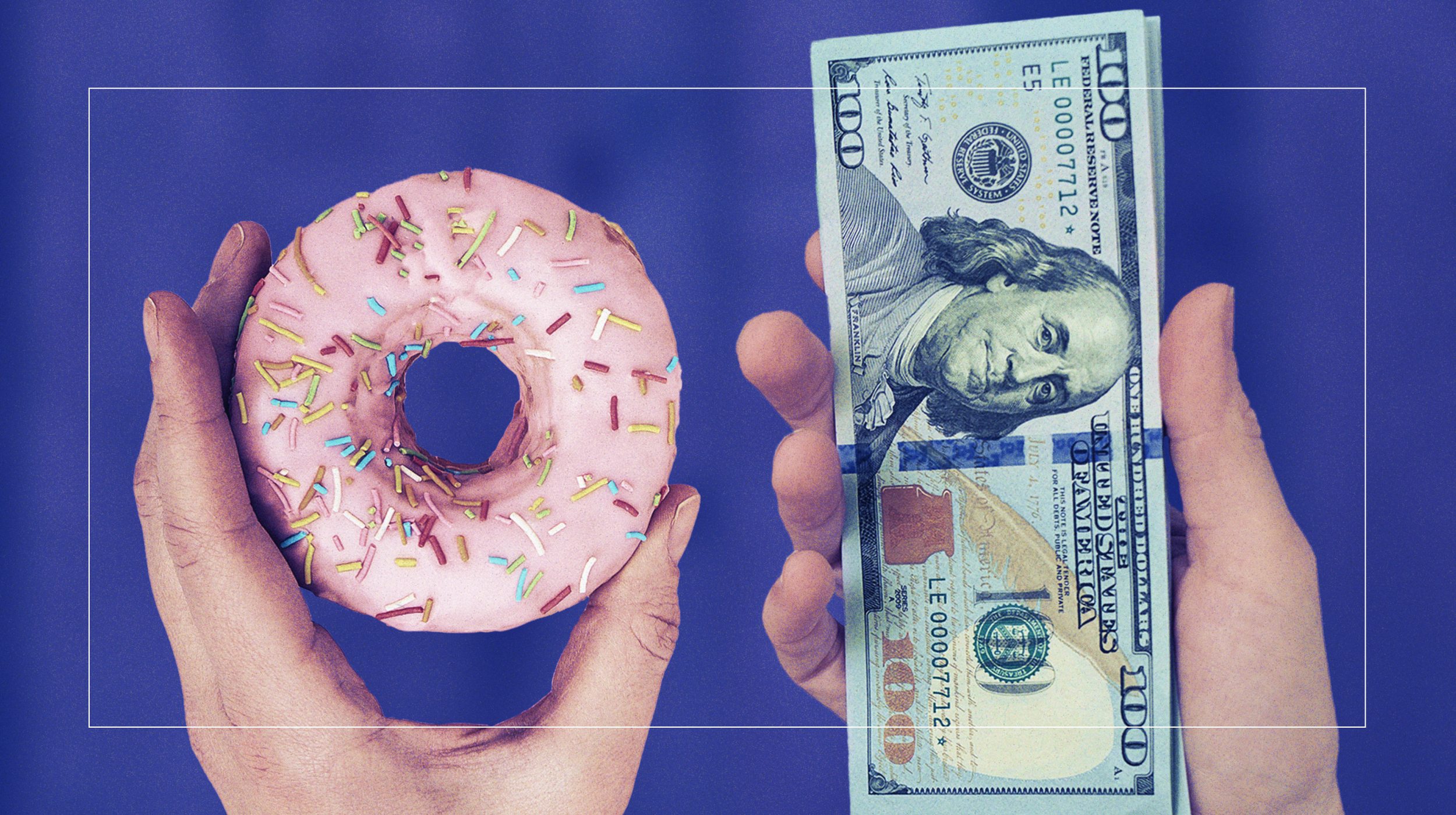
The brain is highly plastic — the more we do a particular action, the more we change its makeup. Money is a great motivator for habit-forming actions.