psychology
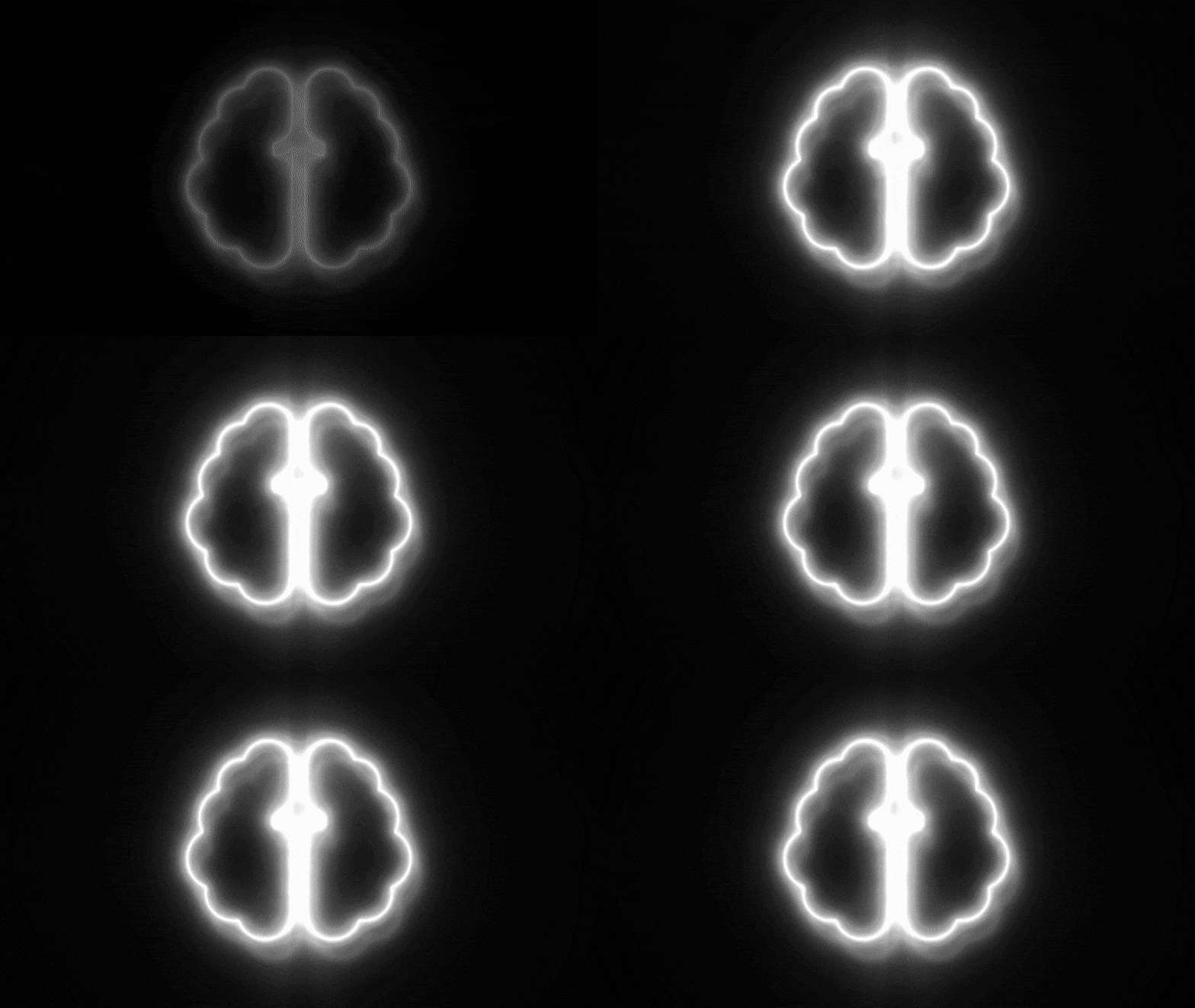
But don’t buy your own brain zapping machine, yet.

People who rate themselves as highly knowledgeable about cats are more likely to interact with cats in ways they don’t like.
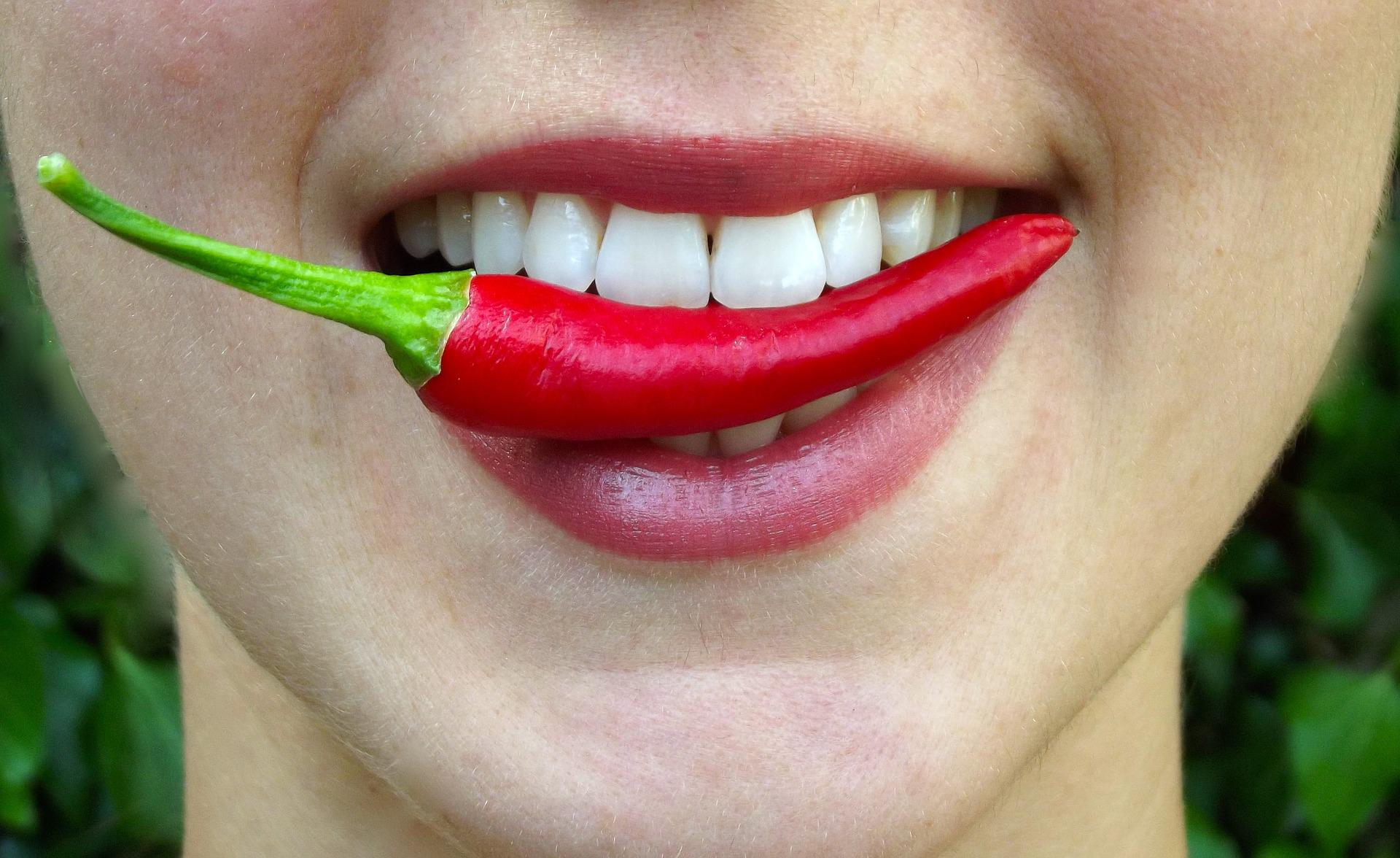
Spicy foods are enjoyed the world over, but scientists don’t know why people partake in culinary masochism.
Why should it be considered impolite to discuss something so important to our long-term well-being?
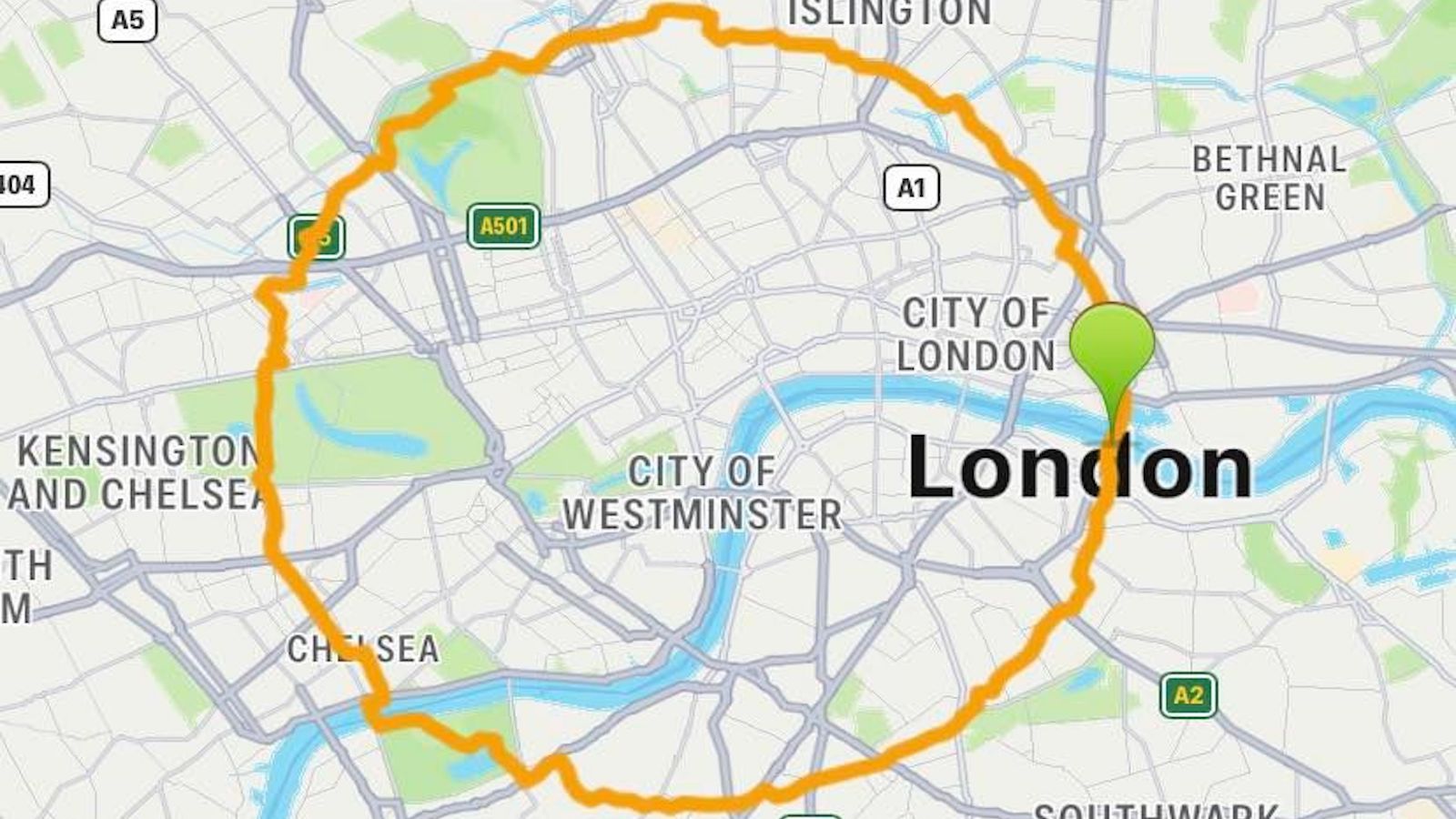
Break into London Zoo? Illegal, but it would improve the London Circle Walk
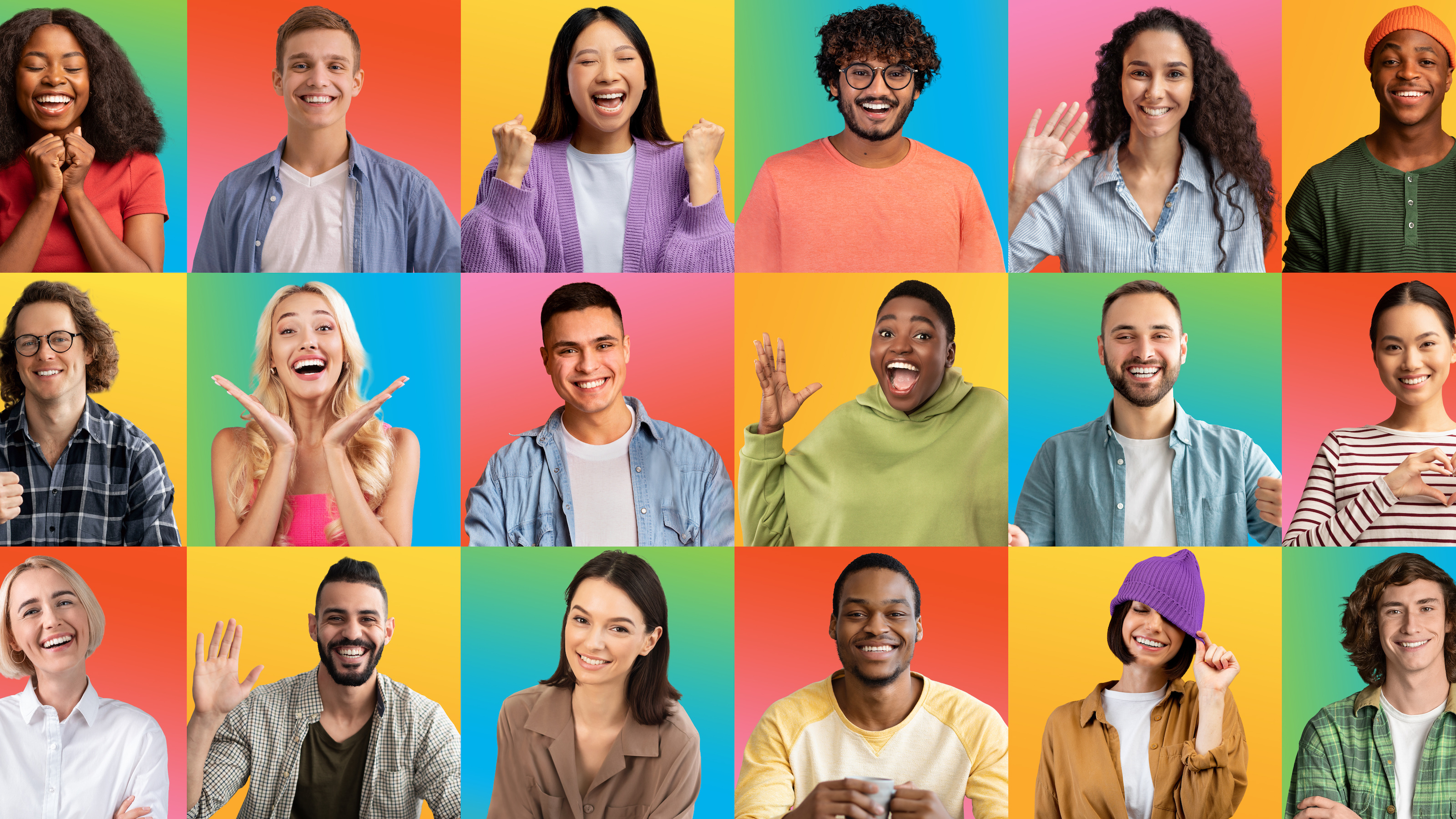
A clever neuroscience experiment shows that the “other-race effect” is likely due to a lack of experience and perceptual expertise rather than racism.
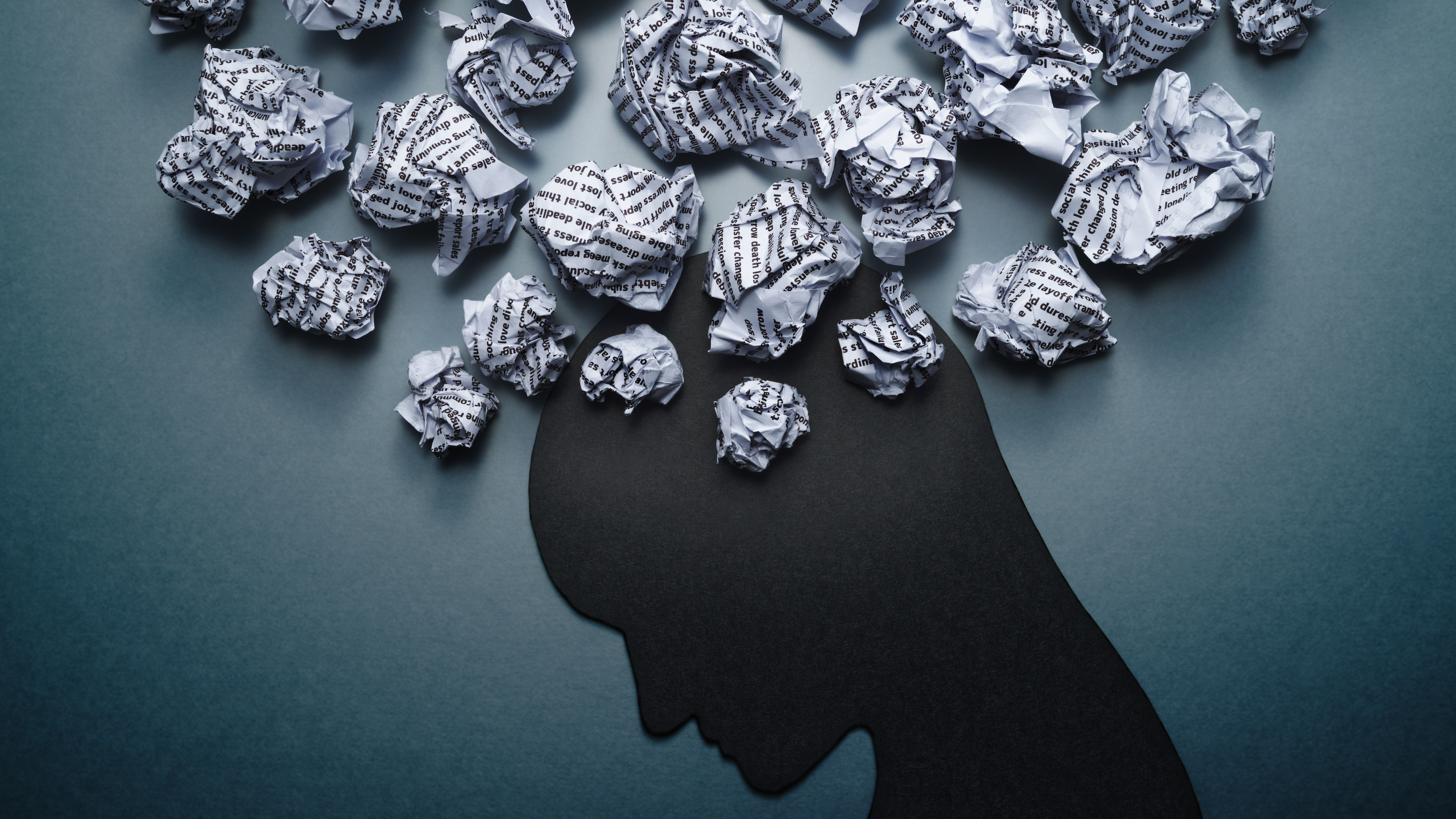
Cognitive fatigue results from thinking too hard and long. Neuroscientists now believe they know why this occurs.

Short-termism is both rooted in our most primal instincts and encouraged by runaway technological development. How can we fight it?
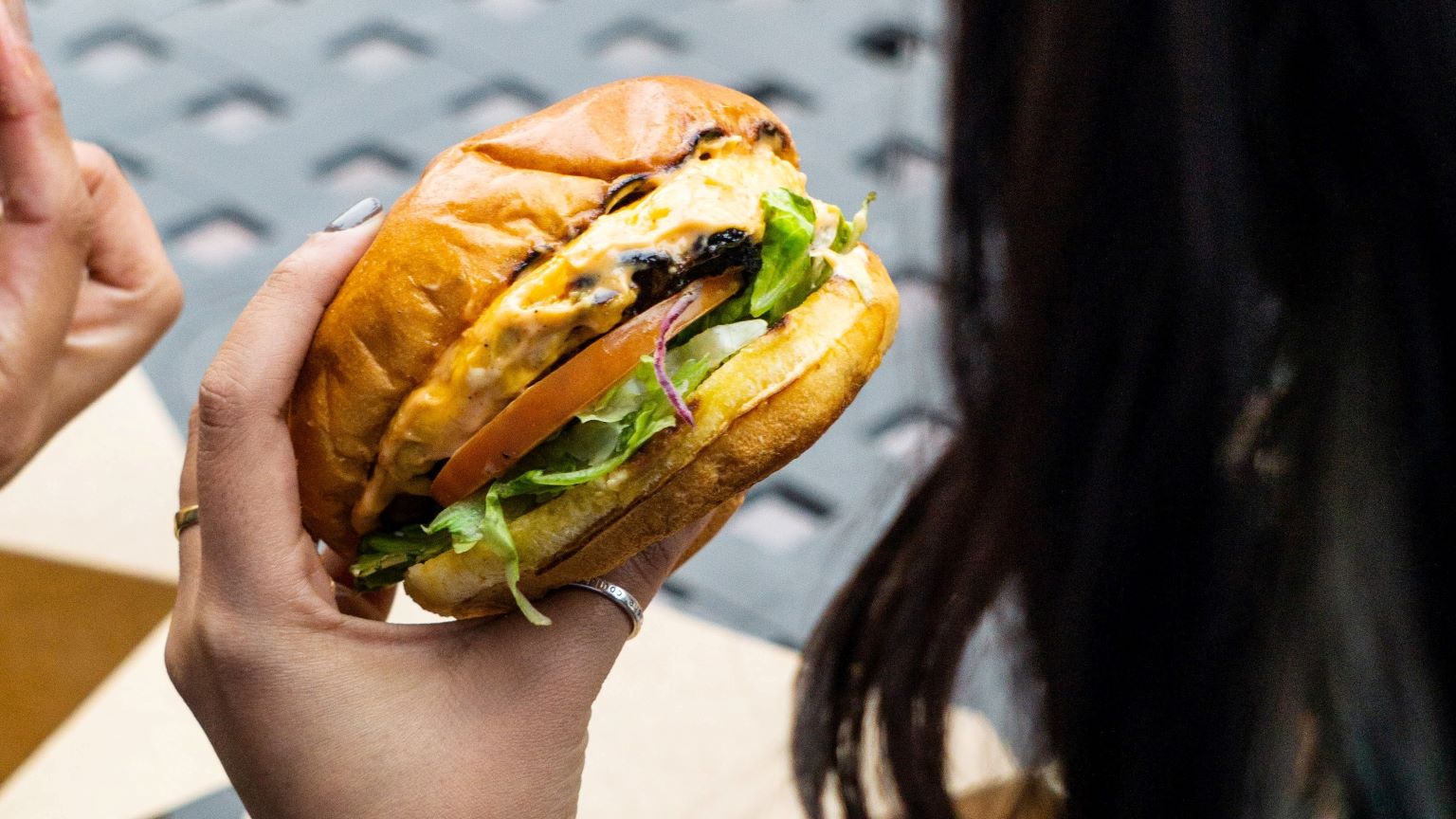
Americans on average consumed about 58 pounds of beef and veal in 2019 – compared with a global average of 14 pounds.

Good culture is more than just liking each other. Here’s the key way to build great culture at work.
▸
3 min
—
with
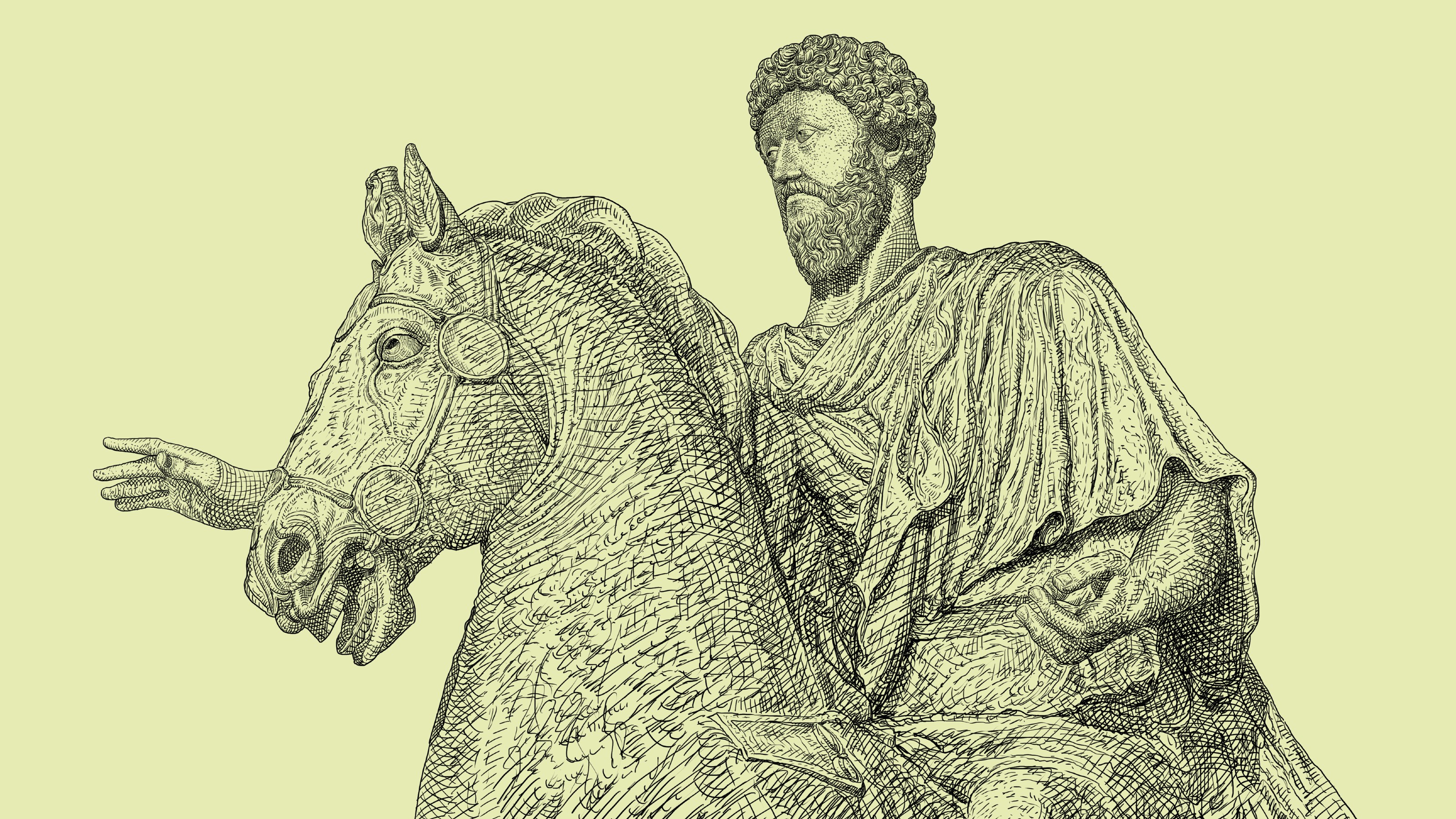
Commodus lived the anti-Stoic life, pursuing lust, narcissism, and self-indulgence.

You open an app and start scrolling, then suddenly it’s an hour later. Sound familiar?

One study estimated that 80% of people include “deviations” from the truth in their online profiles.
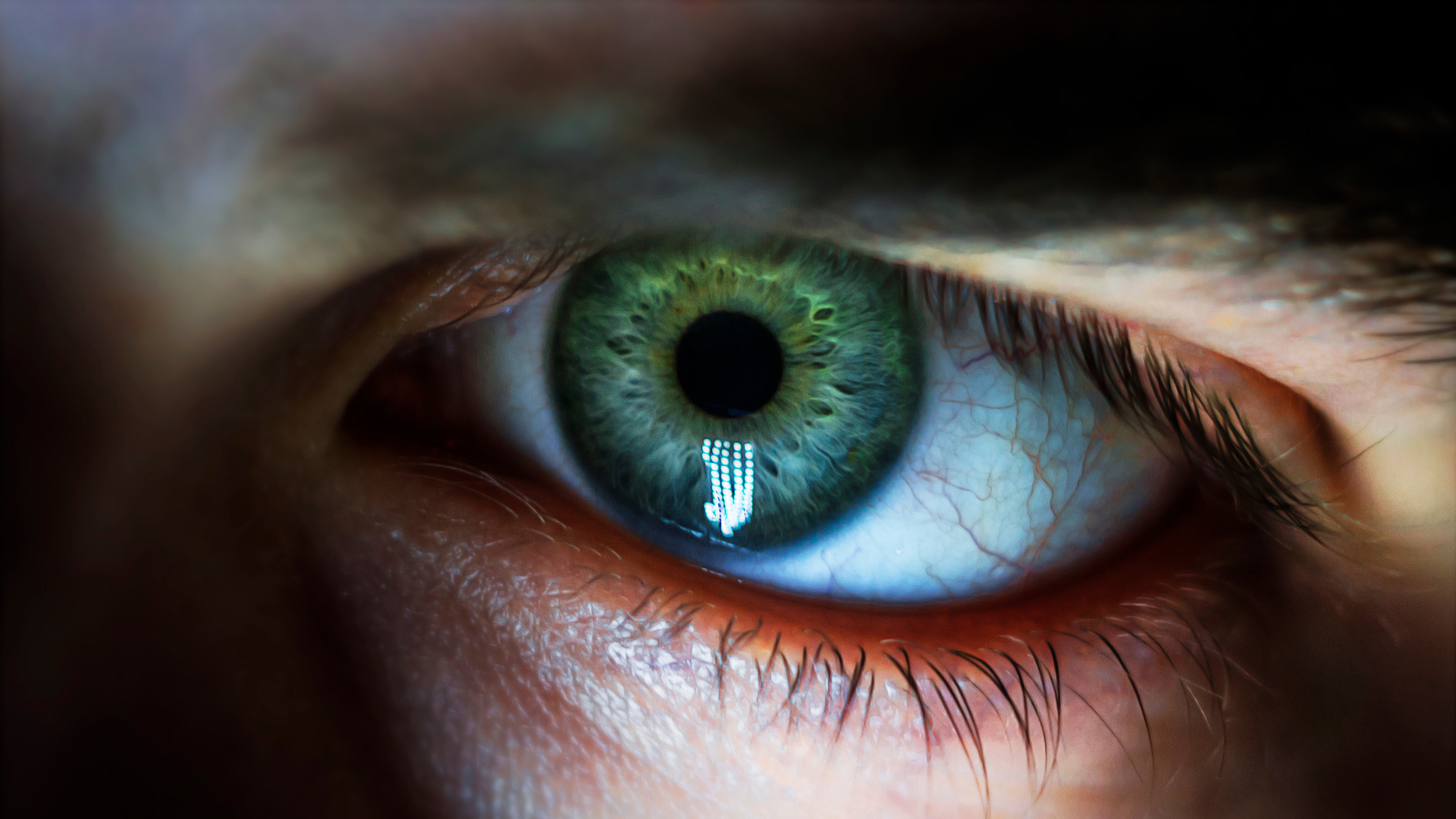
The “Mind After Midnight” hypothesis aims to explain why night owls tend to suffer more negative health outcomes.

What can elite athletes teach you about how to win?
Unplugging only ignores the hard work of overcoming your distractions.

“You develop an instant global consciousness, a people orientation, an intense dissatisfaction with the state of the world, and a compulsion to do something about it.”

A neuroscientist explains how to master your focus.
▸
7 min
—
with

If Rome was not built in a day, why do you think you can be?
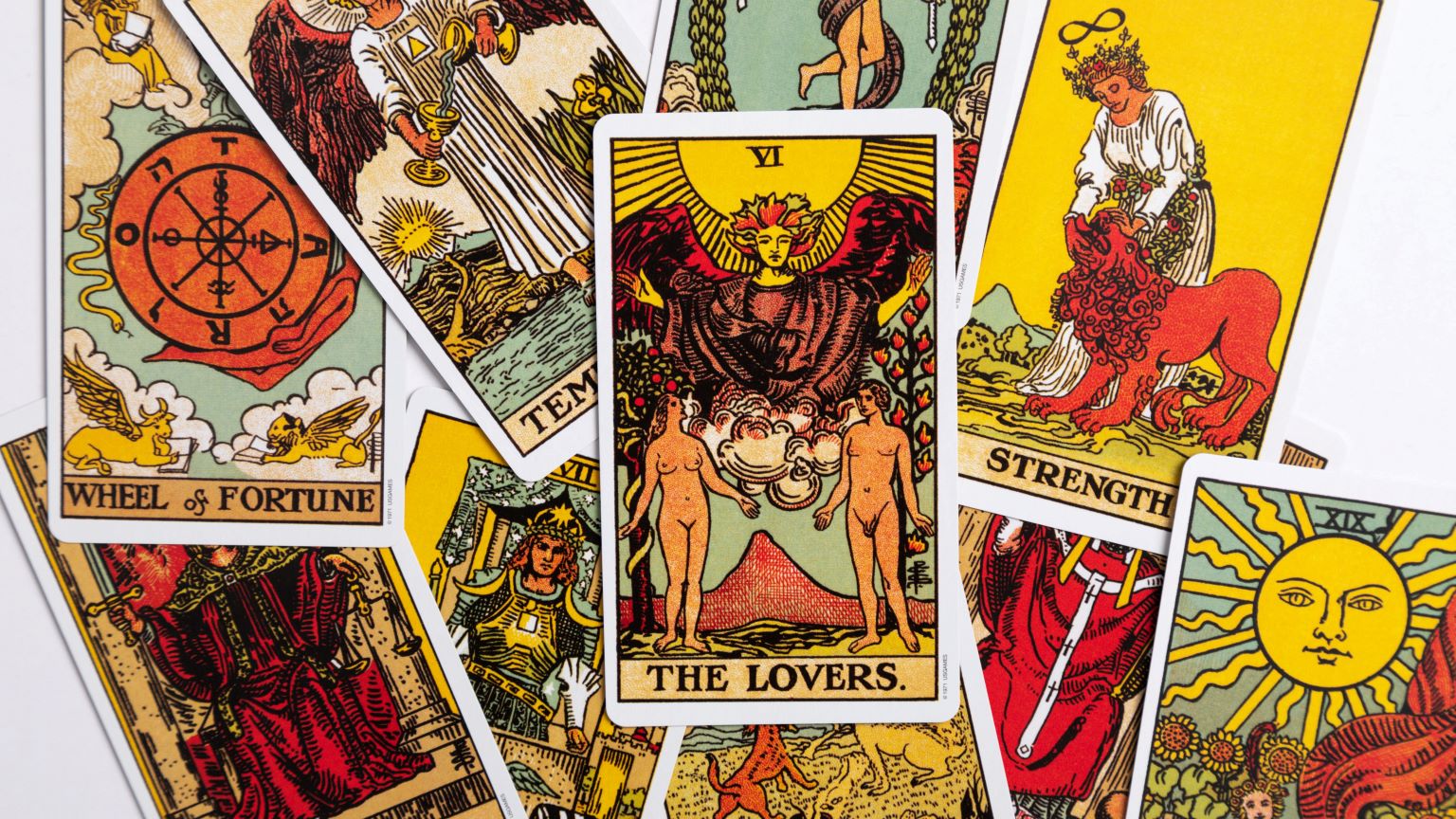
Evolutionary psychology could explain those otherworldly feelings.
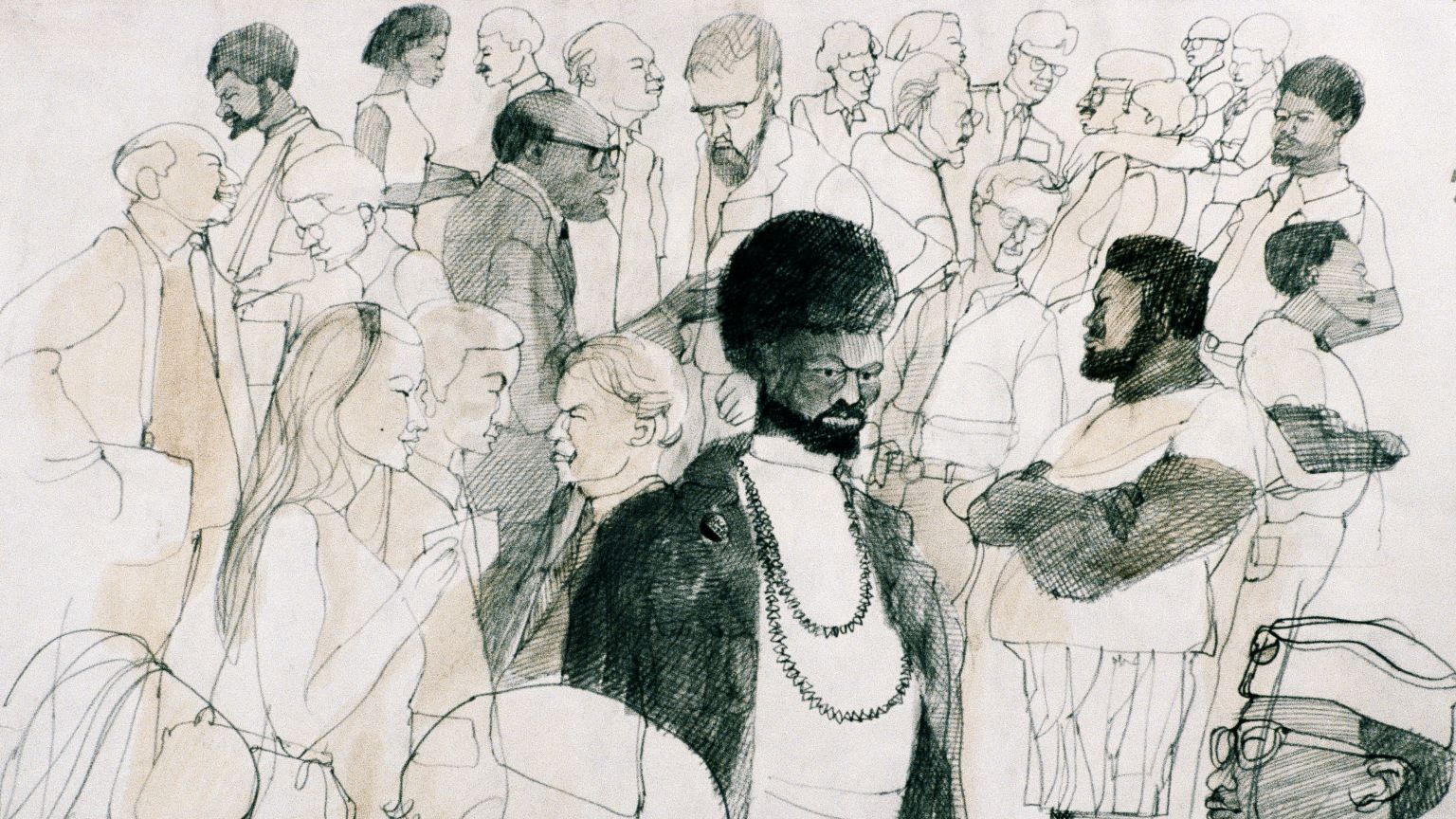
When you imitate the speech of others, there’s a thin line between whether it’s a social asset or faux pas.
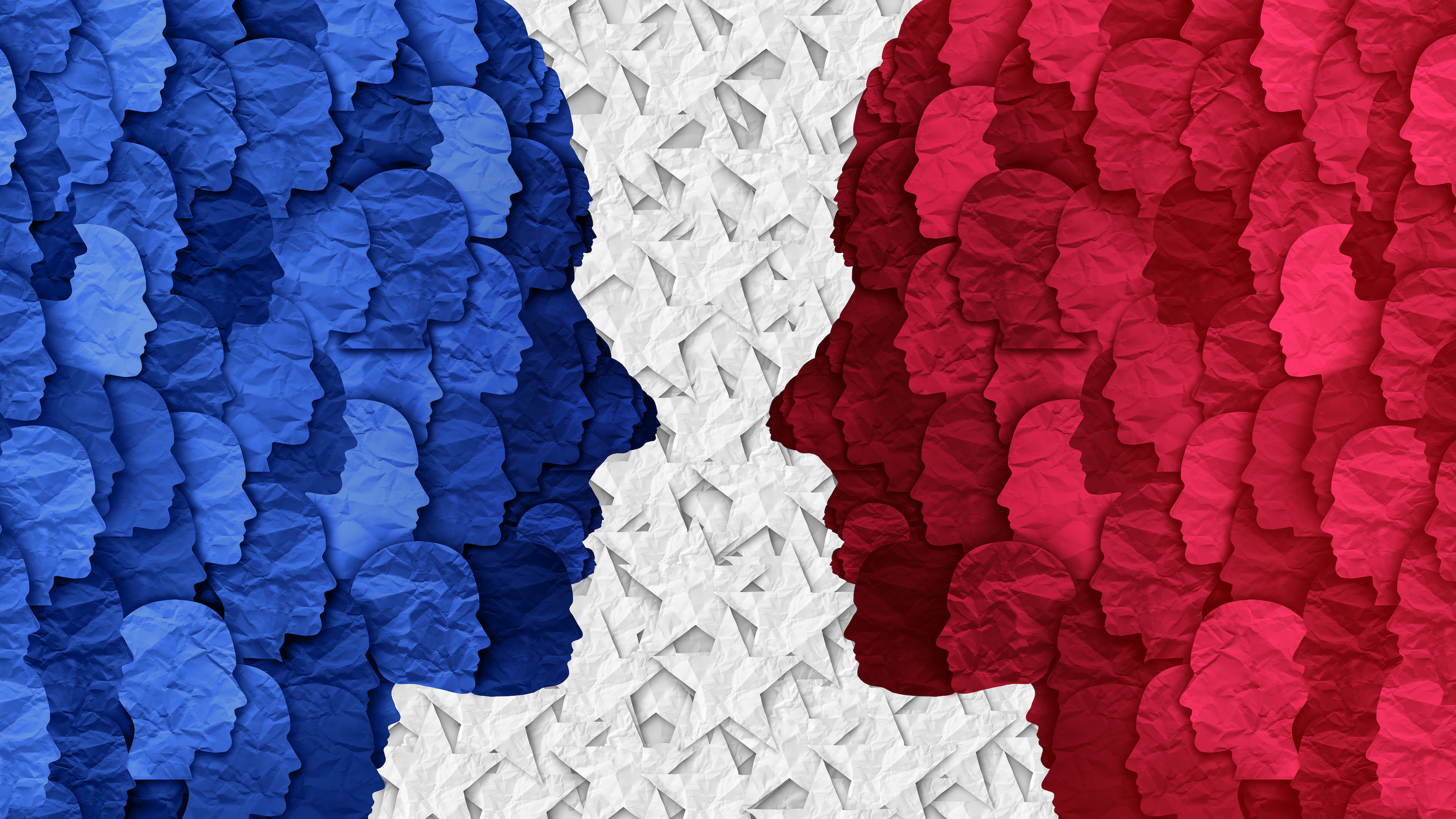
A new study shows that political partisans are more likely to remember things that didn’t happen — as long as it fits their narrative.

In the 1980s, some wardens started painting their cells with a shade of pink dubbed “Baker-Miller Pink.”

It’s estimated that one-in-three women and one-in-five men have an episode of major depression by the age of 65.

Is there such a thing as a heroic personality type?

The serotonin theory of depression started to be widely promoted in the 1990s, coinciding with a push to prescribe more SSRIs.

It’s not a huge leap to imagine we could target the biological processes that mediate our behaviours.

More than 20% Americans live in a state with access to a medically assisted death.

The psychology of alien contact largely revolves around the concept of “otherness.” We need to learn to be comfortable around strange things.
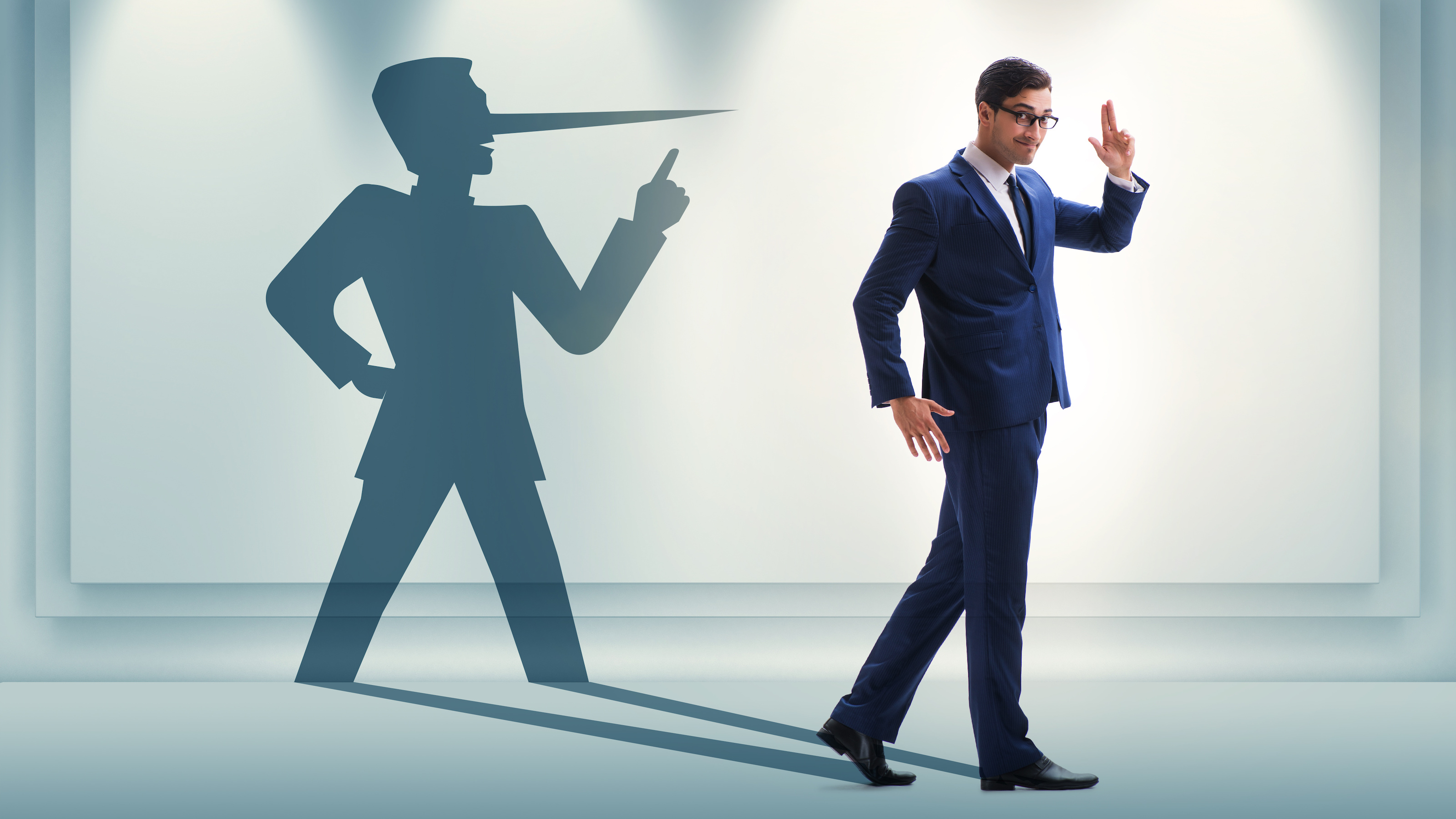
In a world where we assume people tell the truth, liars prosper. To stop them from exploiting others, here are three rules to catch a liar.