science


Cute things are usually vulnerable, fragile, and weak. But cuteness itself is mighty indeed.
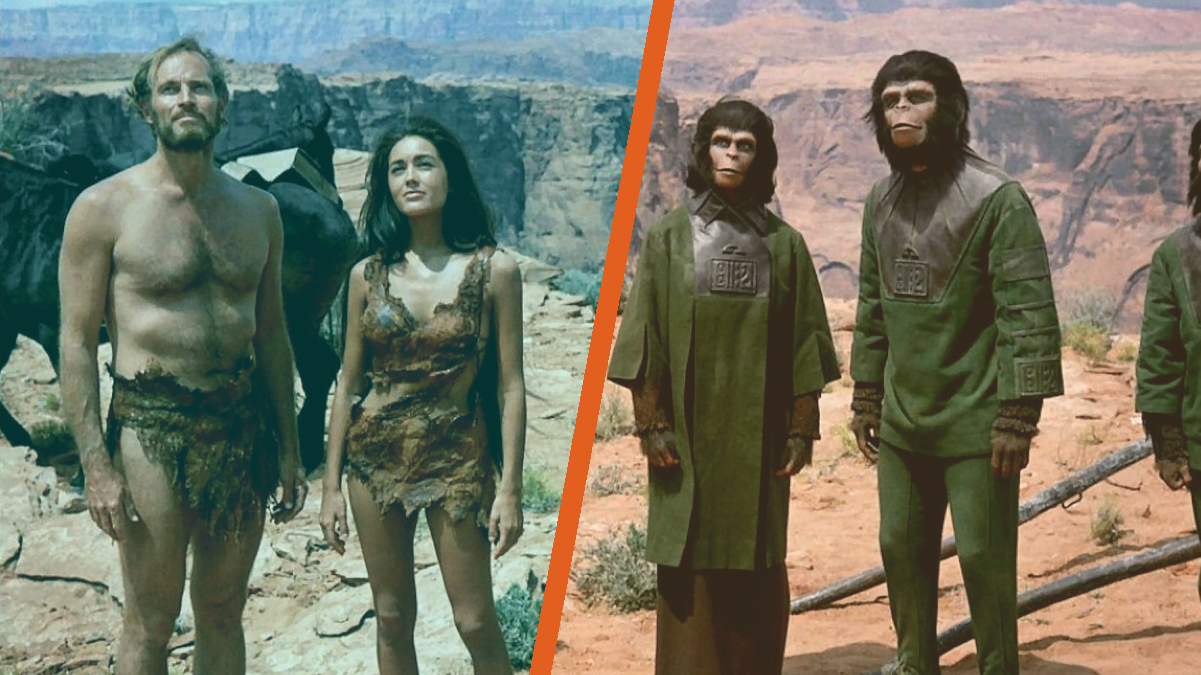
Evolution has trained your mind to create in-groups and out-groups in a flash—but the lines are more flexible than you think.

Middle America is tired of those latte-sipping liberals and their “elite media” hanging out in New York City, but Ariel Levy makes the case that Americans aren’t as different from one another as they’d like to think.
▸
5 min
—
with
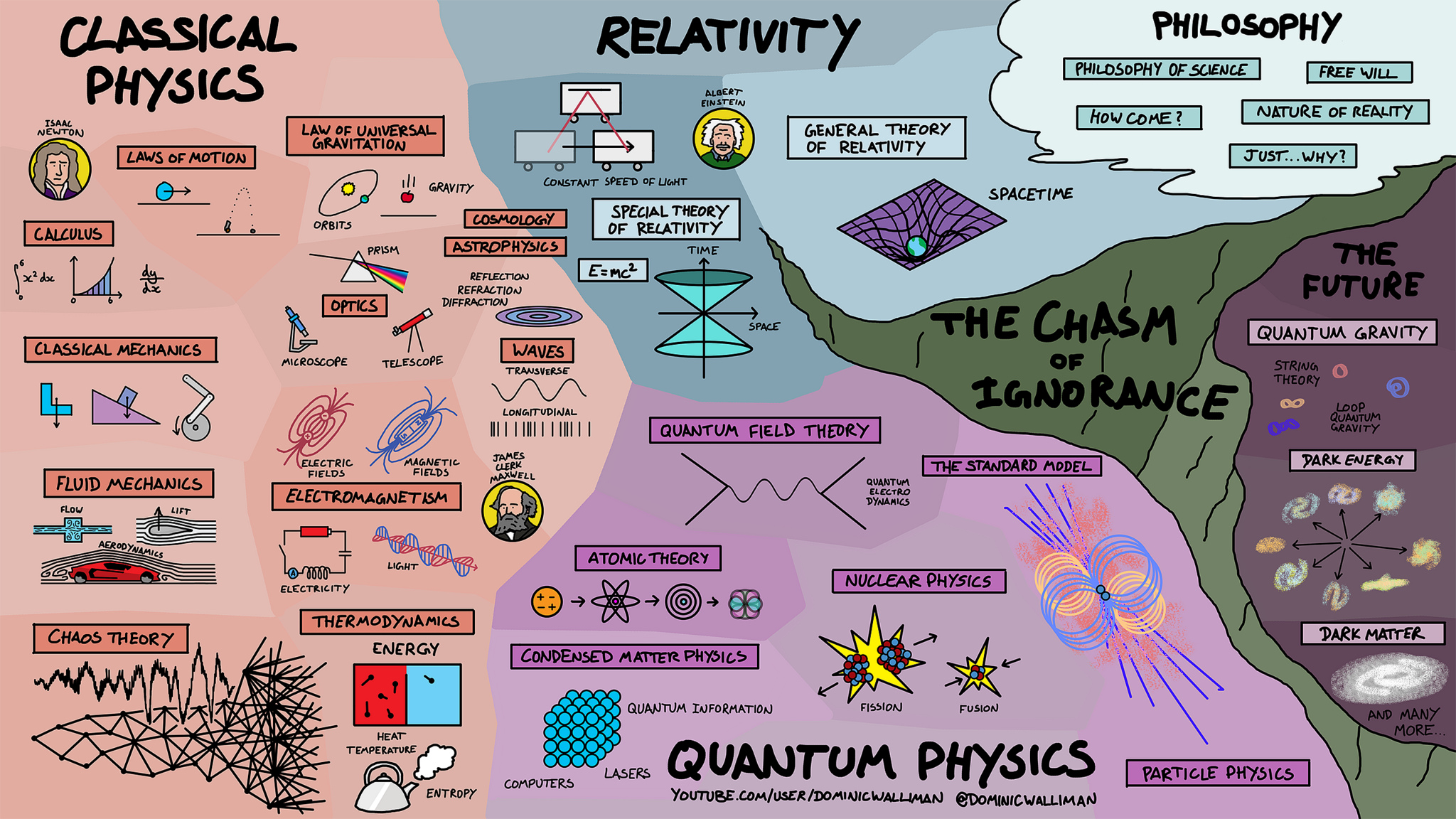
If you’ve ever wondered which part of physics covers which part of space, fret no more. Here is an awesome map that lays it all out.
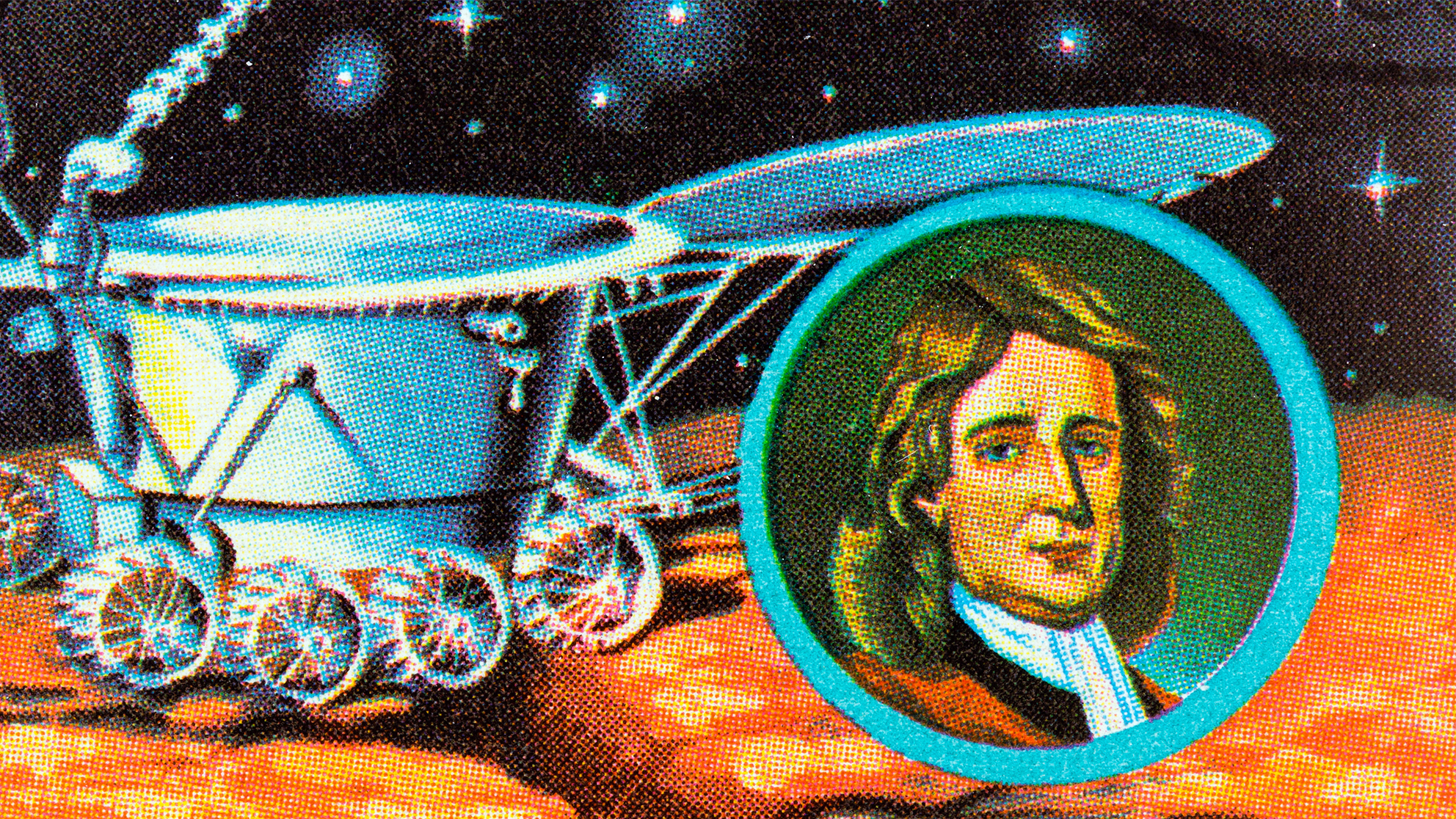
This polymath’s papers—full of personal and scientific revelations—have joined the World Register.

Mindfulness meditation works wonders for people with internalizing disorders, such as anxiety and depression. But what about people with externalizing disorders?
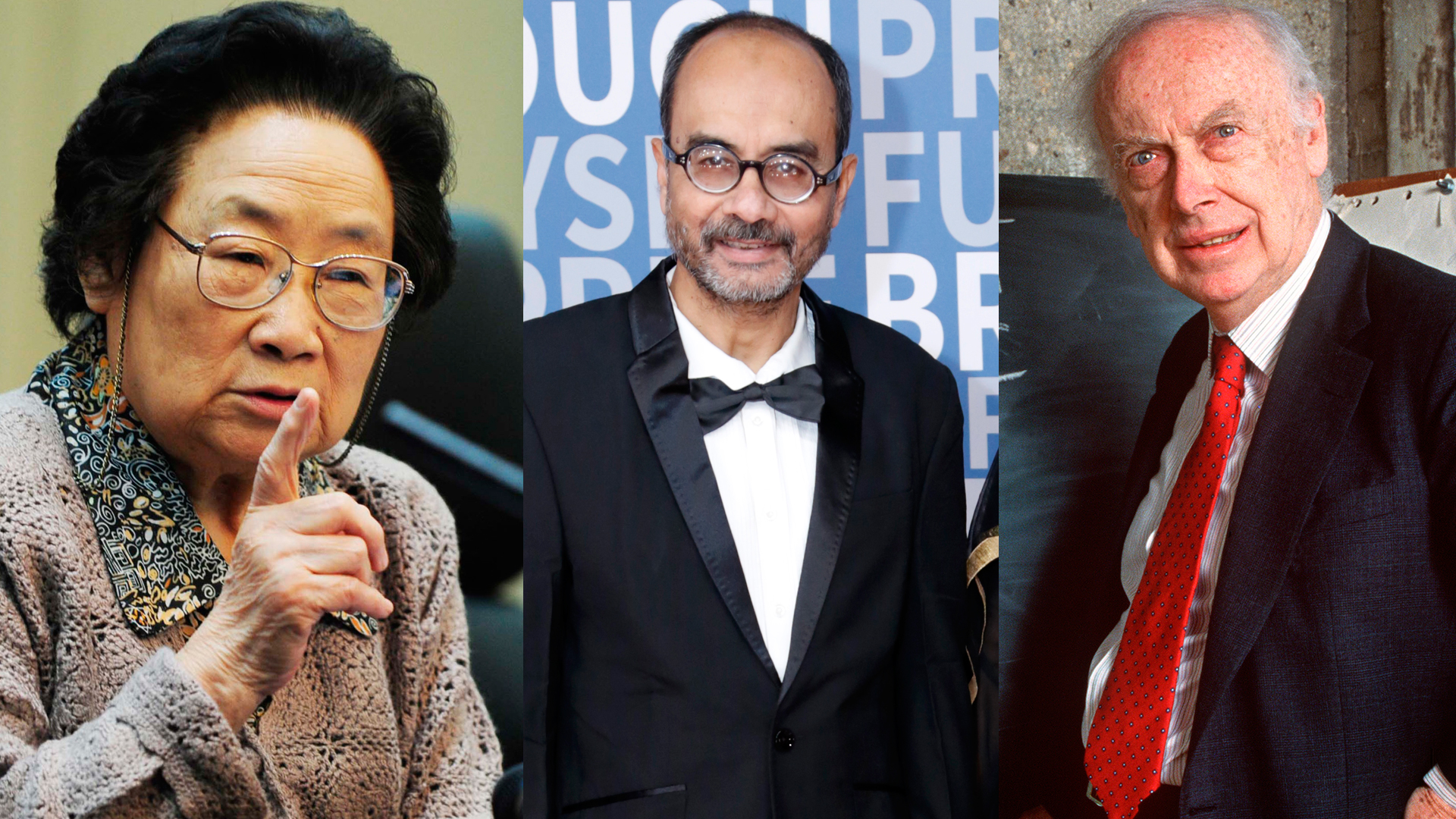
The most influential contemporary scientists and their accomplishments.

One type of dog in particular is linked with the lowest rates of cardiovascular disease in their human pals.

The US is arguably the most scientifically and technologically advanced society in the world, and yet at the same time the most religious of Western societies.
Scientists didn’t know why the sleep deprived experienced cognitive lapses, until now.
Wow. Reading Hawking’s Ph.D. paper is like listening to Pink Floyd for decades and then suddenly finding out they had a different and even more groundbreaking debut album.
The idea is just as ‘crazy’ as Einstein telling us that time slows down at high speeds, or Darwin saying that our ancestors were apes.

If you want to feel less pain, meditate more often. According to this new research, it can genuinely erase the emotional reaction to pain. And since it’s long been said by coaches and some doctors that most pain is within the mind, here’s scientific proof to back that assertion up.
▸
4 min
—
with
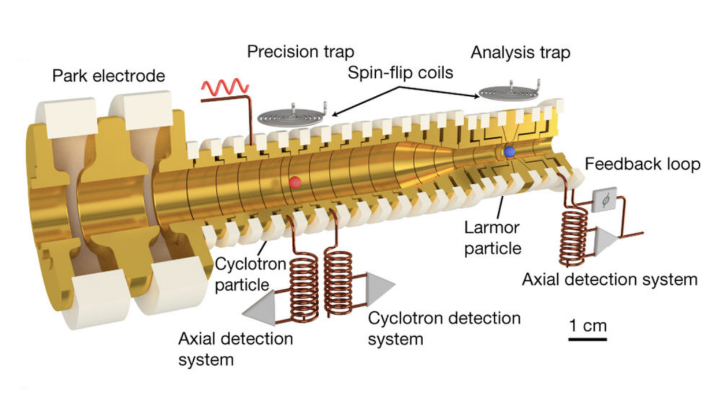
Scientists work out methods for finding the difference between the magnetic moments of protons and antiprotons and see that they’re the same.

Are you more likely to think everything is going well with your finances if the politics of your country’s leaders align with yours? One new study says yes.
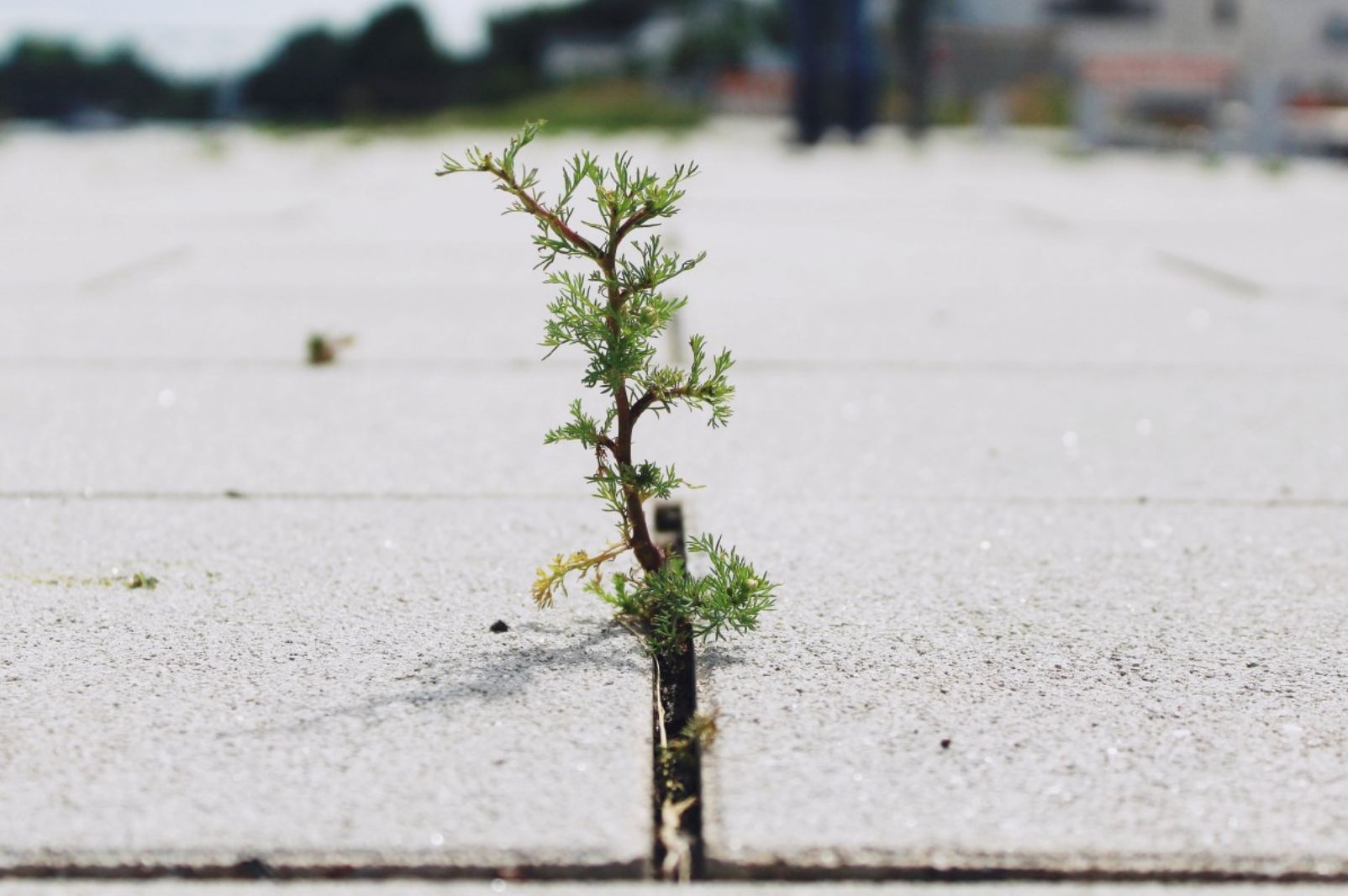
Since hope appears to come from a physical place in the brain, scientists are hoping to figure out how it shields the rest of the brain from negativity. Really.
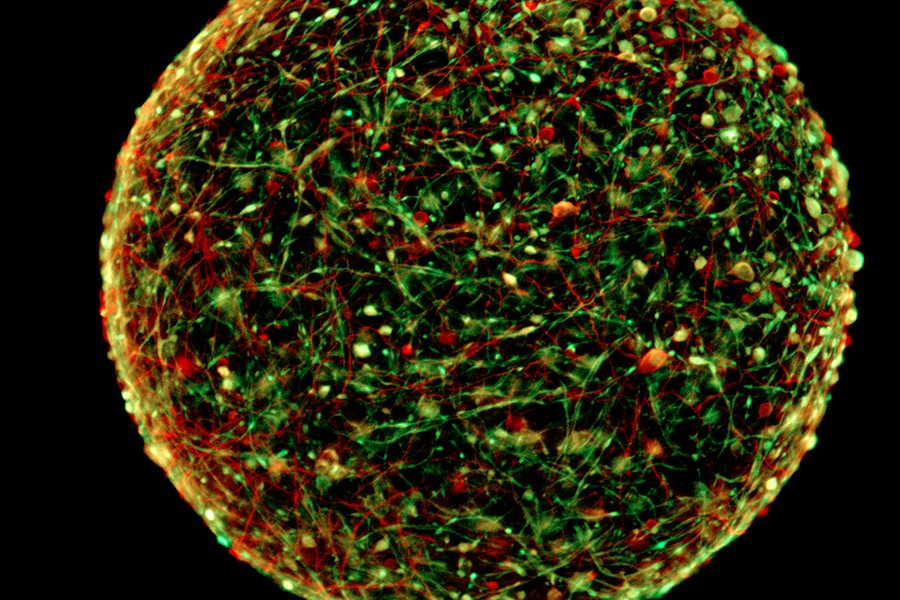
It’s the 1st observed psychedelic-caused molecular changes inside human neural tissue.

80% of adults are overly optimistic about life—where does that cognitive bias come from?
▸
6 min
—
with

Is science destined to crack the code of consciousness—and how would we even go about it?
▸
8 min
—
with
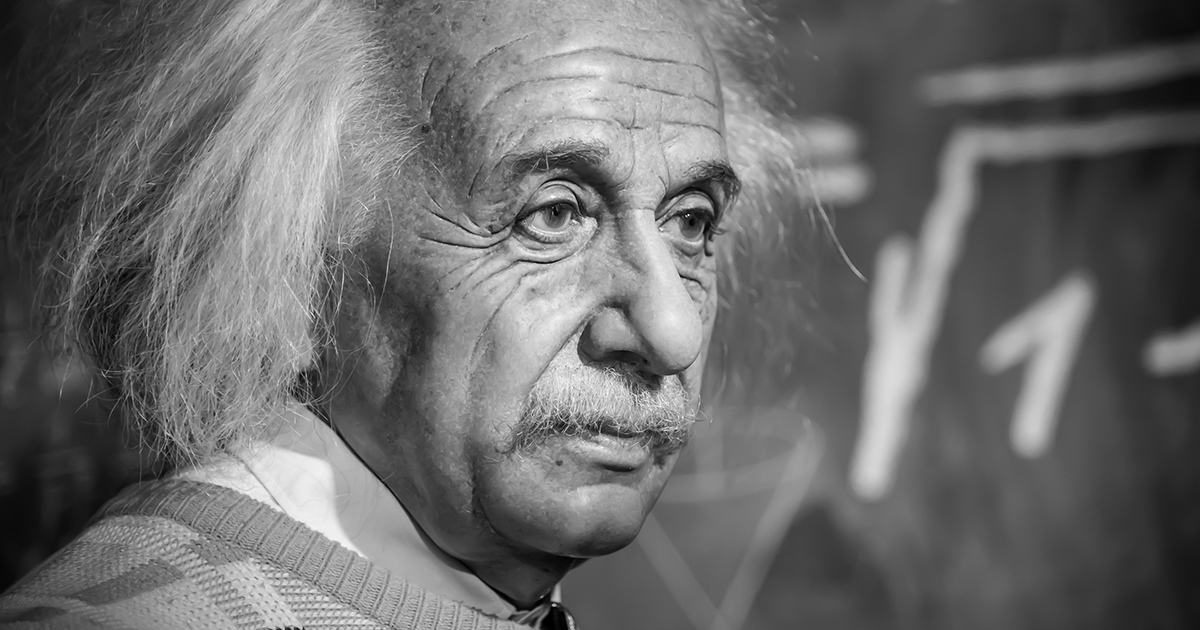
Einstein believed in the unseen—like gravitational waves, ripples in space and time. Now, we can see this, as shown by the 2017 Nobel Prize physics winners.

To understand ourselves, our creativity and emotions, we must grapple with our pre-human existence.
▸
4 min
—
with
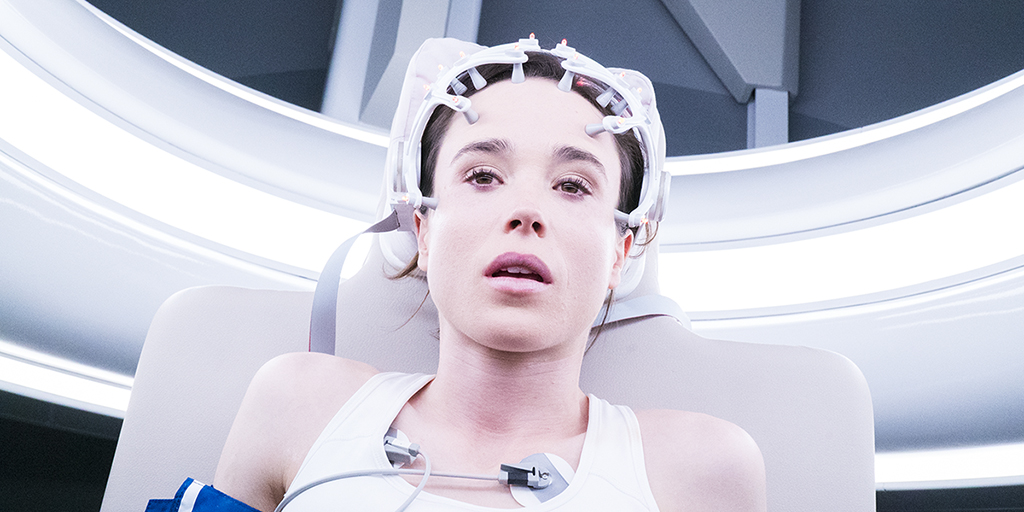
The “pseudo-science” of this remake barely registers a pulse.
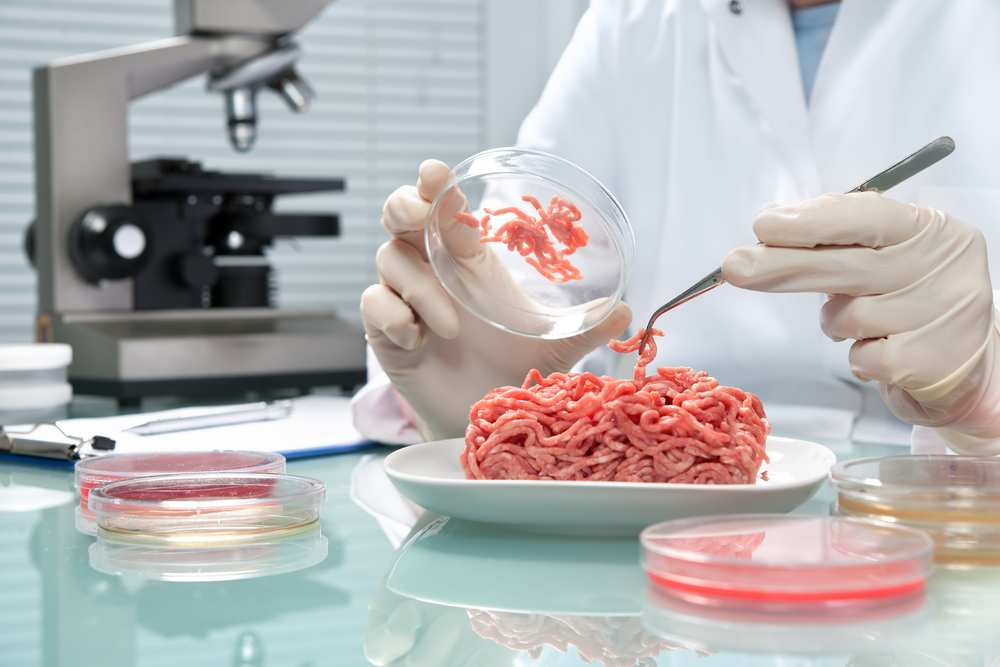
It turns out Winston Churchill wrote an essay of predictions titled ‘Fifty Years Hence’—and while he was off on the timing, some are finally coming true.
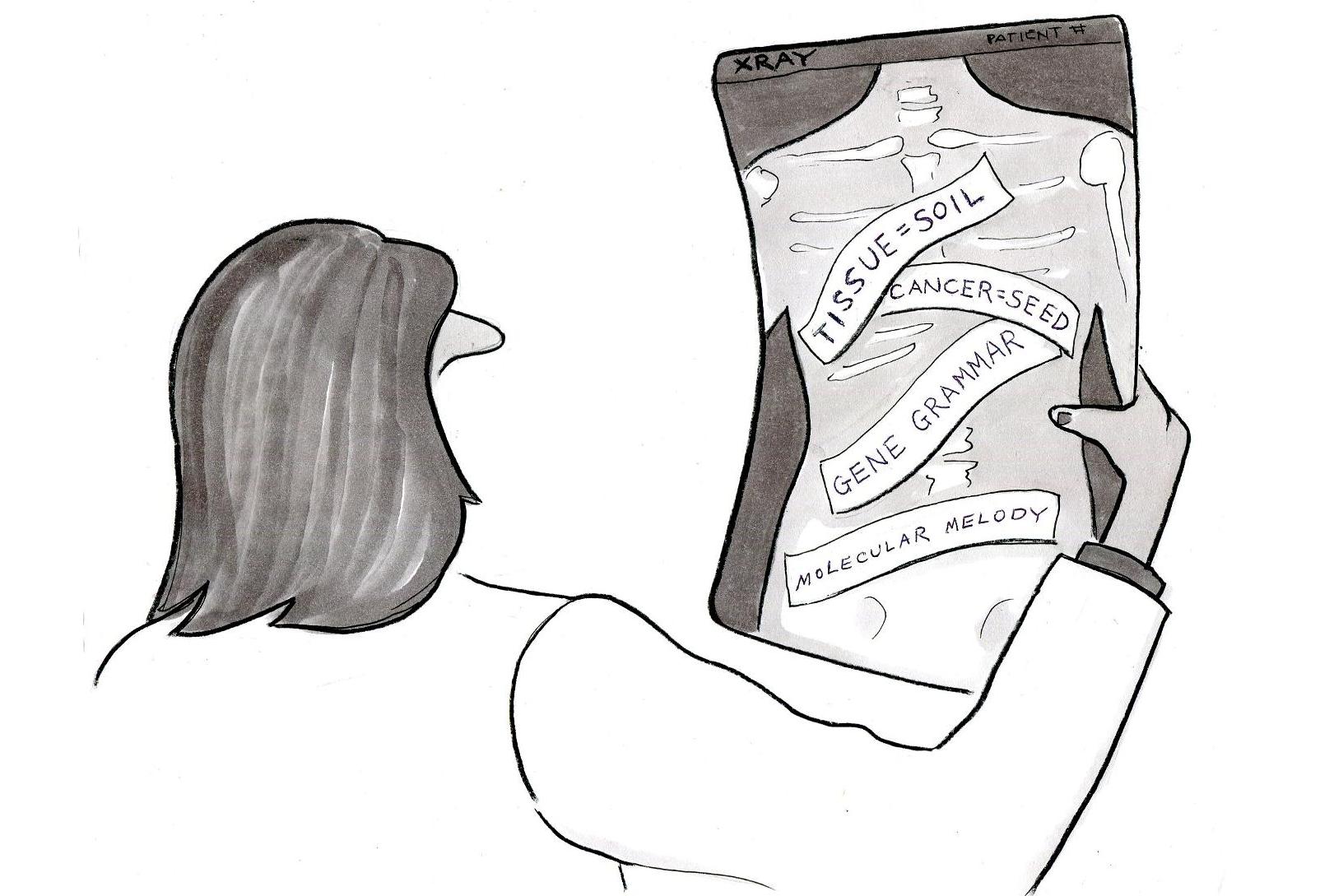
“Scientists should think like poets,” says E.O. Wilson, because new metaphors mobilize new thinking.
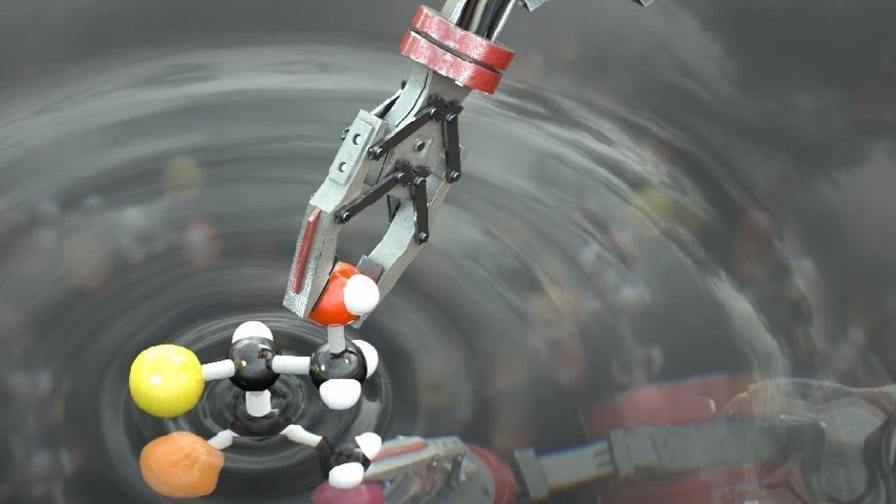
One researcher called it “the ultimate in the miniaturization of machinery.”
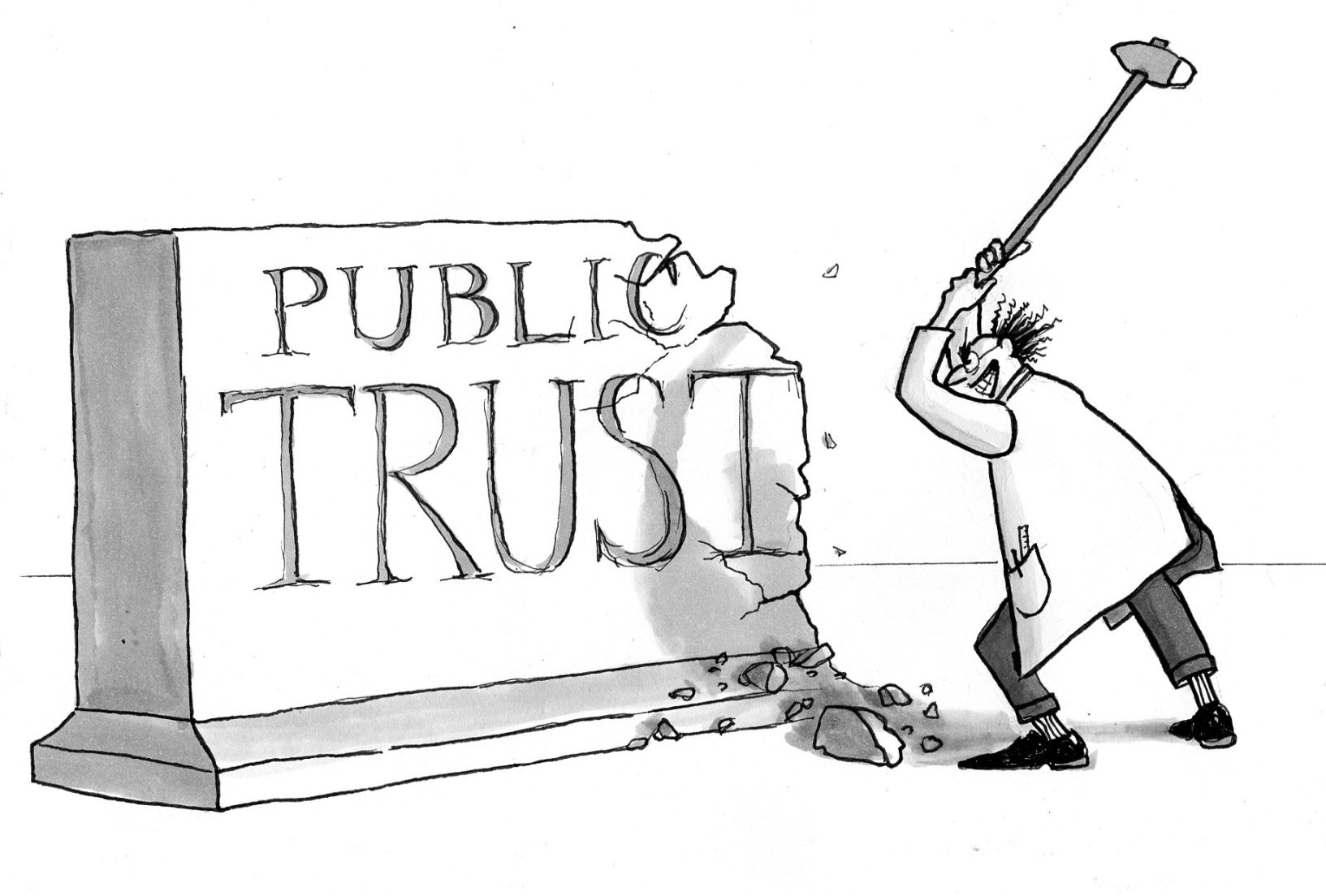
Is “science broken” or self-correcting? And who is going to do the grown-up thing and fix the game (instead of scoring points within it)?

Rabbi Darren Levine explains how the psychology of happiness intersects with religious practice.
▸
8 min
—
with
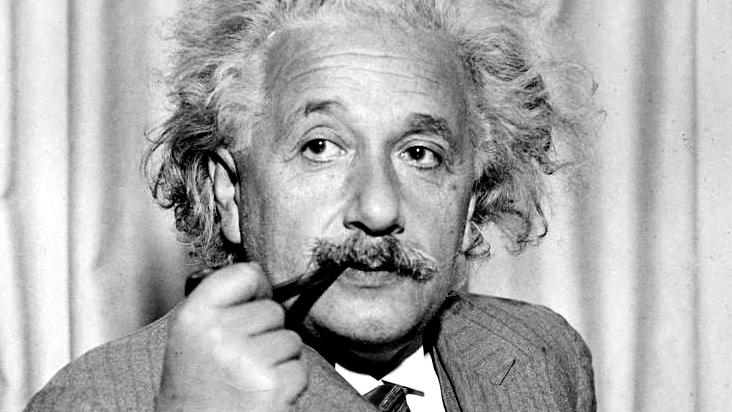
In 1936, a school girl named Phyllis wrote a letter to Albert Einstein to ask whether a person could believe in both science and religion. He was quick to reply.
Imagine data delivered by light. This is an important benchmark toward the development of a whole new computer.