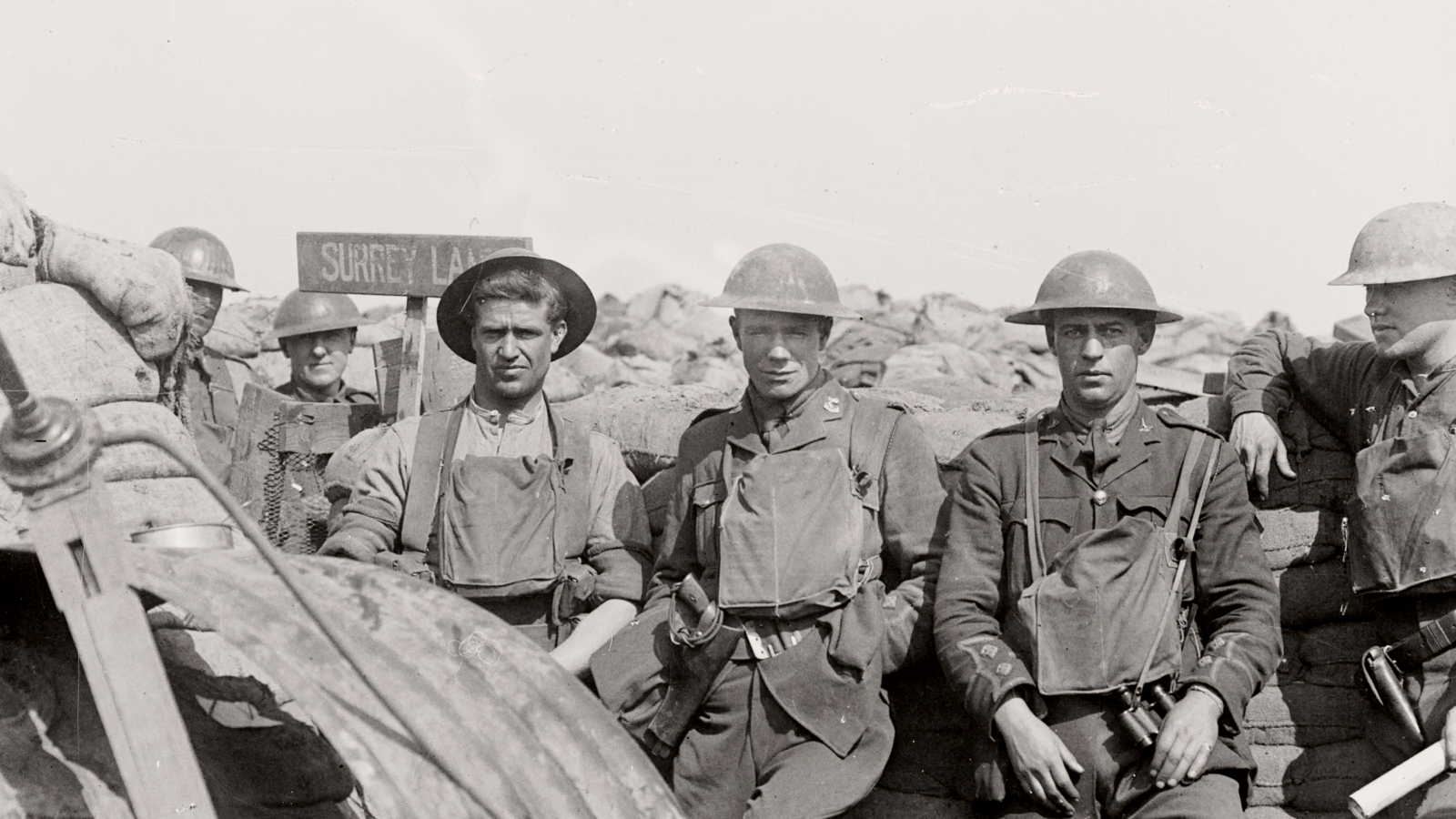
Historians Alexandra Churchill and Nicolai Eberholst reexamine the pivotal conflict from a grassroots perspective.
The psychologist, educator, and former NBA player discusses the professional volumes and childhood stories that shaped his life and his approach to it.
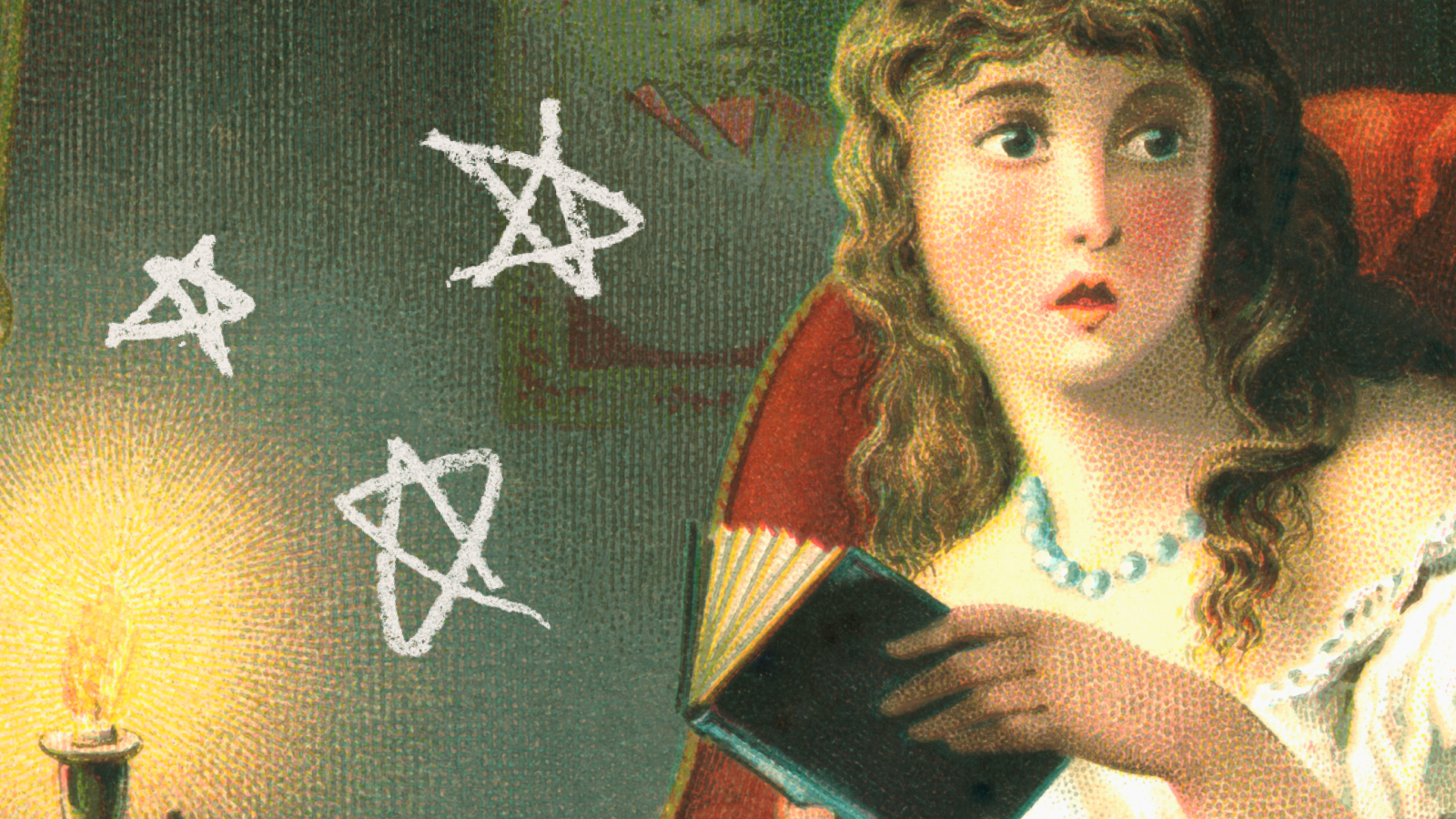
Some books are remembered for their lyrical prose or engaging stories. Others are remembered for simply being weird.
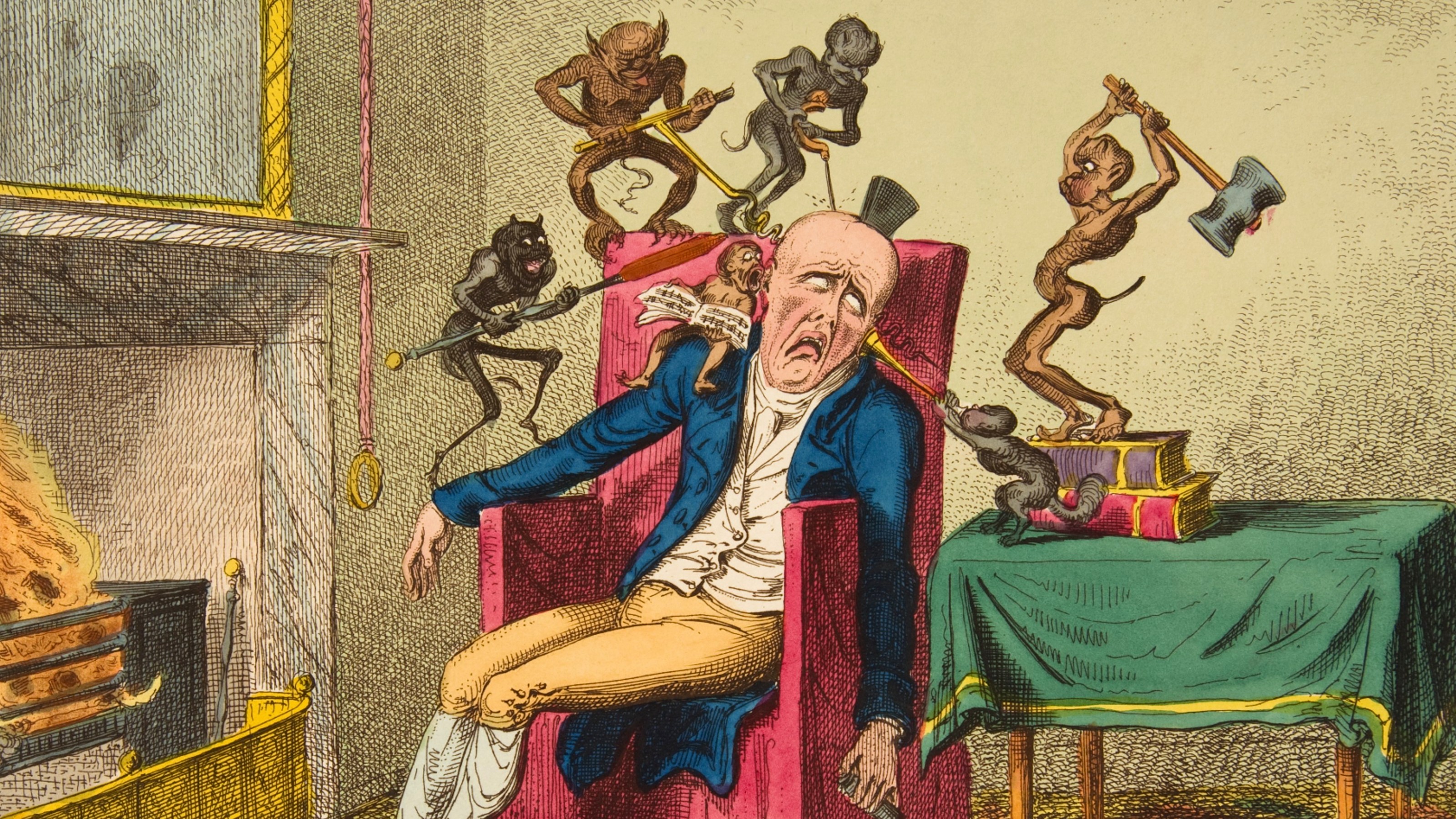
In “The Headache,” Tom Zeller Jr. explores one of the human brain’s most enduring, and painful, enigmas.
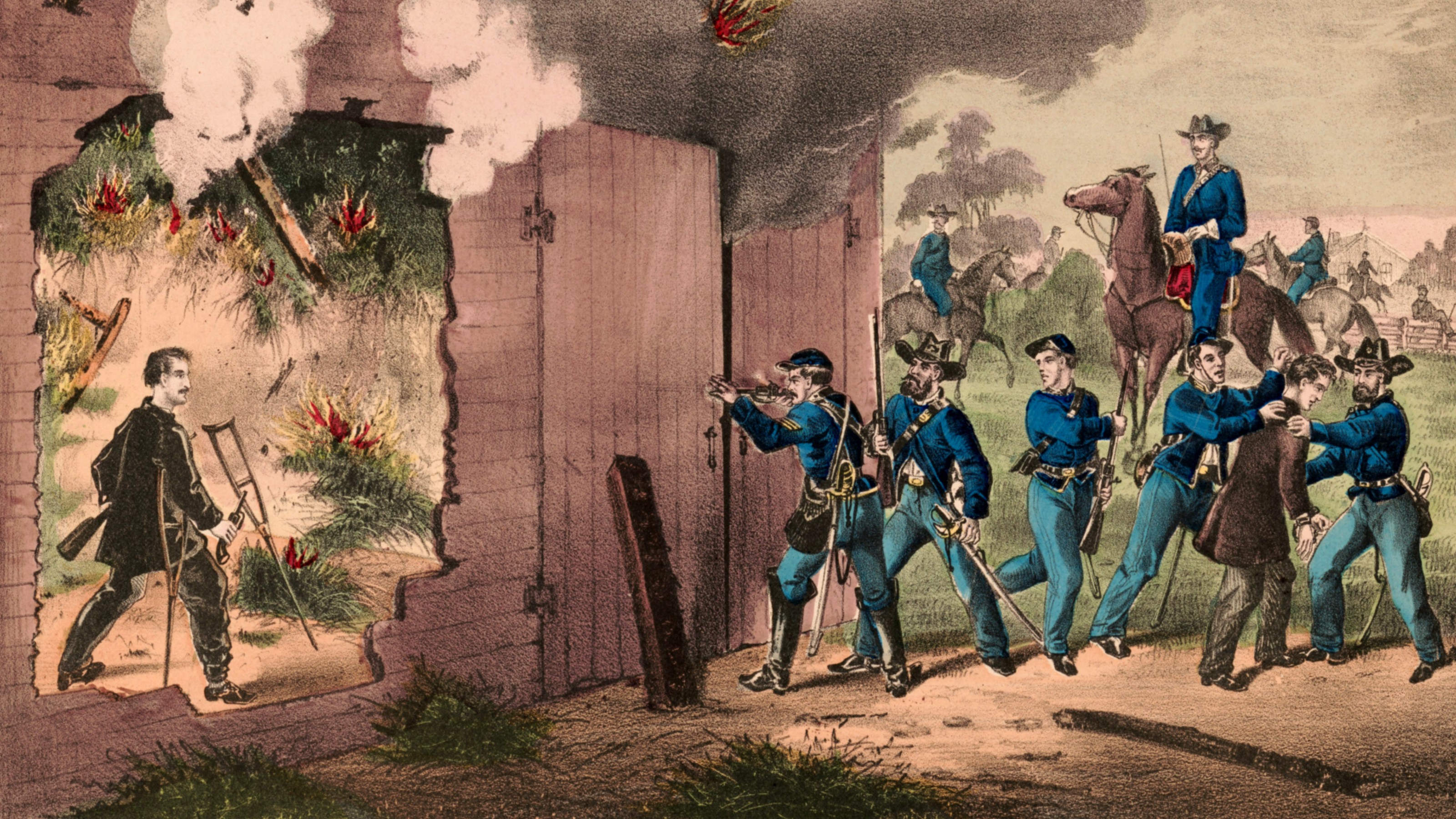
Before becoming America’s most infamous assassin, John Wilkes Booth was a magnetic actor who was beloved by audiences and courted by critics.
In “Dinner with King Tut,” Sam Kean examines how a burgeoning field is recreating ancient tasks to uncover historical truths.
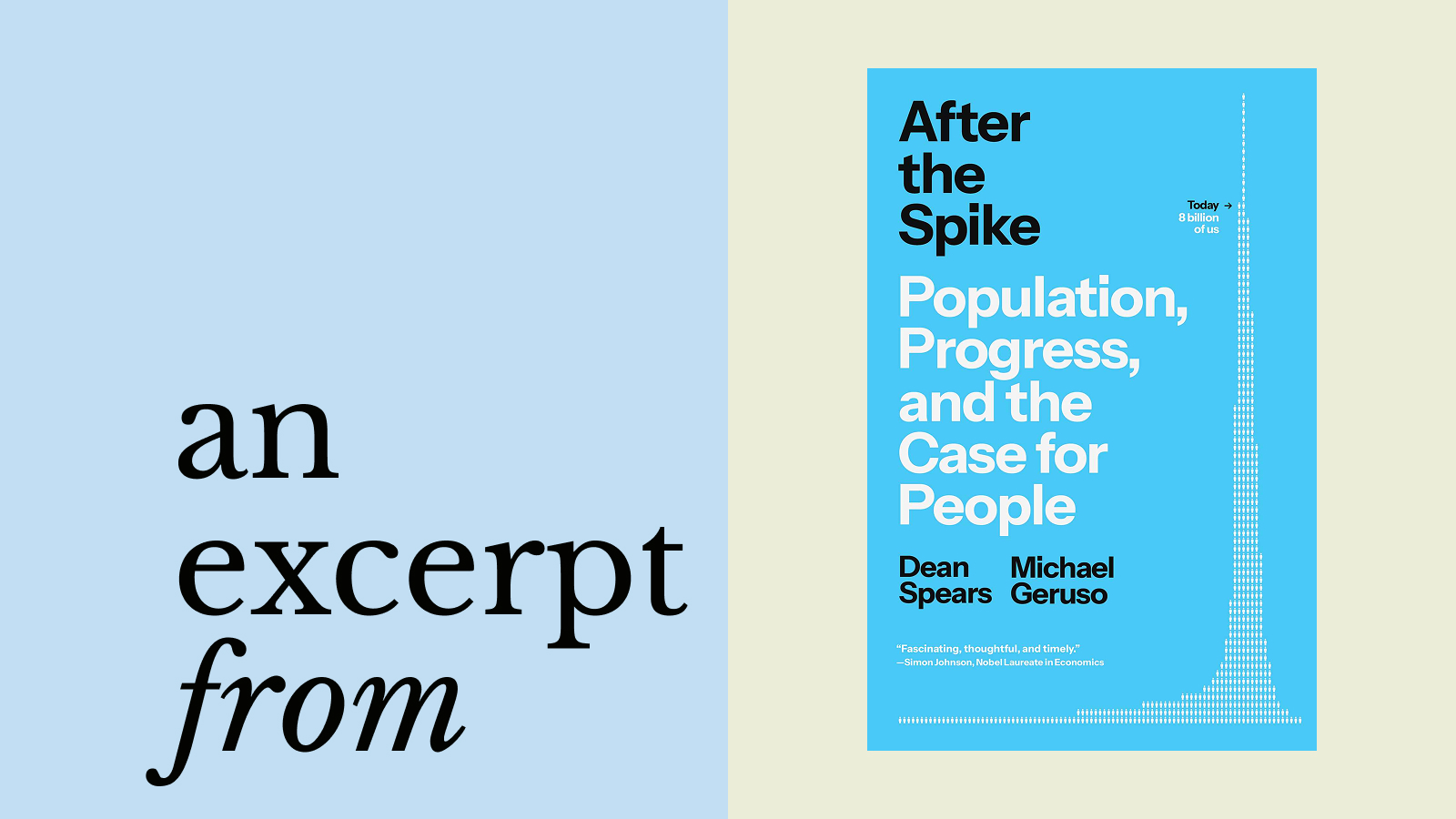
In “After the Spike,” Dean Spears and Michael Geruso show why policy, rather than high population density, has the most significant impact on the environment.
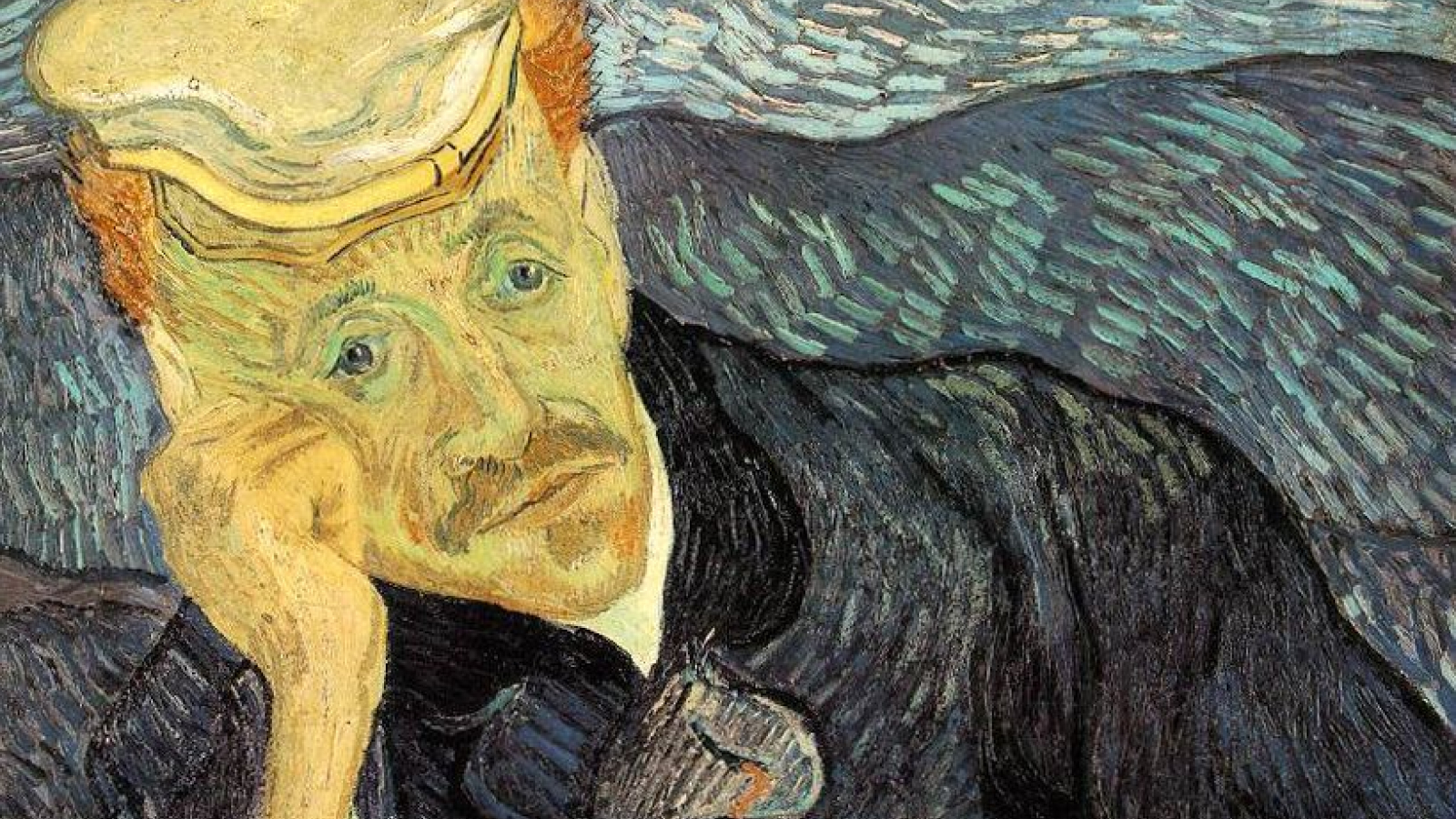
In “Human History on Drugs,” Sam Kelly explores what the research can tell us about one of history’s most brilliant — and troubled — artists.
In “The Microbiome Master Key,” Brett and Jessica Finlay argue that we need to stop waging war on all germs and start working with the microbes that make us who we are.
John Green opens up about his struggle to remain hopeful while writing about suffering and injustice.
English could settle into a state of “diglossia” where a gulf exists between the written form and its spoken varieties, but the two are bound into a single tongue.
From medieval myths to Shakespeare’s plays and modern cinema, British culture kept the Roman Empire alive long after its fall.
Nurture your passions instead.
A.J. Jacobs looks back at what he learned about religion, himself, and modern American culture during “The Year of Living Biblically.”
The comedian and musician behind the viral hit “BBL Drizzy” shares the books that shaped his thinking and approach to art.
What happens when scientists “write what they know”? Some amazing science fiction stories.
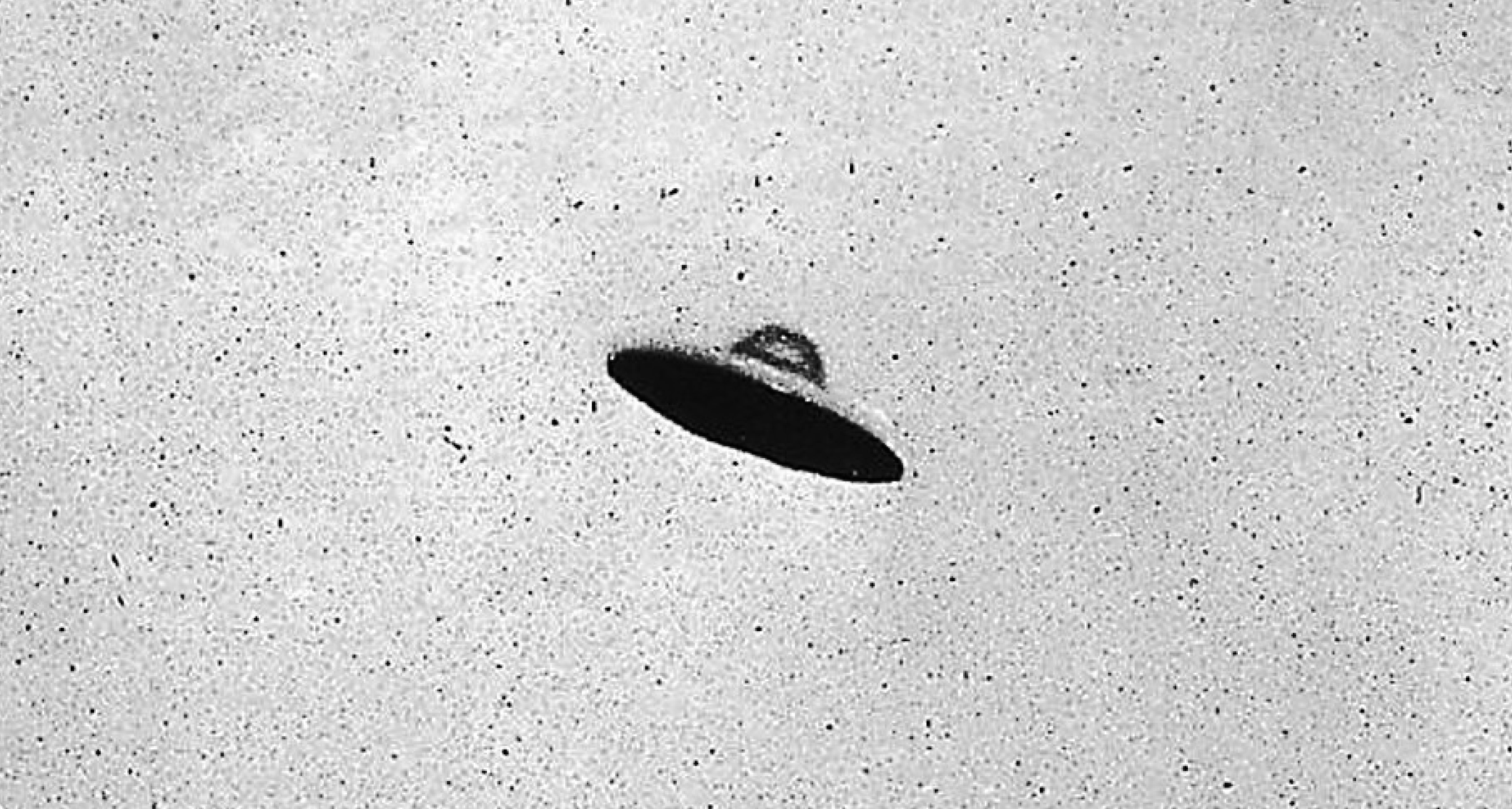
In this preview from “The Saucerian,” author Gabriel Mckee explains how the combination of fantastical stories and obscure bureaucracy launched the “space age of the imagination.”