Research suggests curiosity triggers parts of the brain associated with anticipation, making answers more rewarding once discovered.
Search Results
You searched for: L N
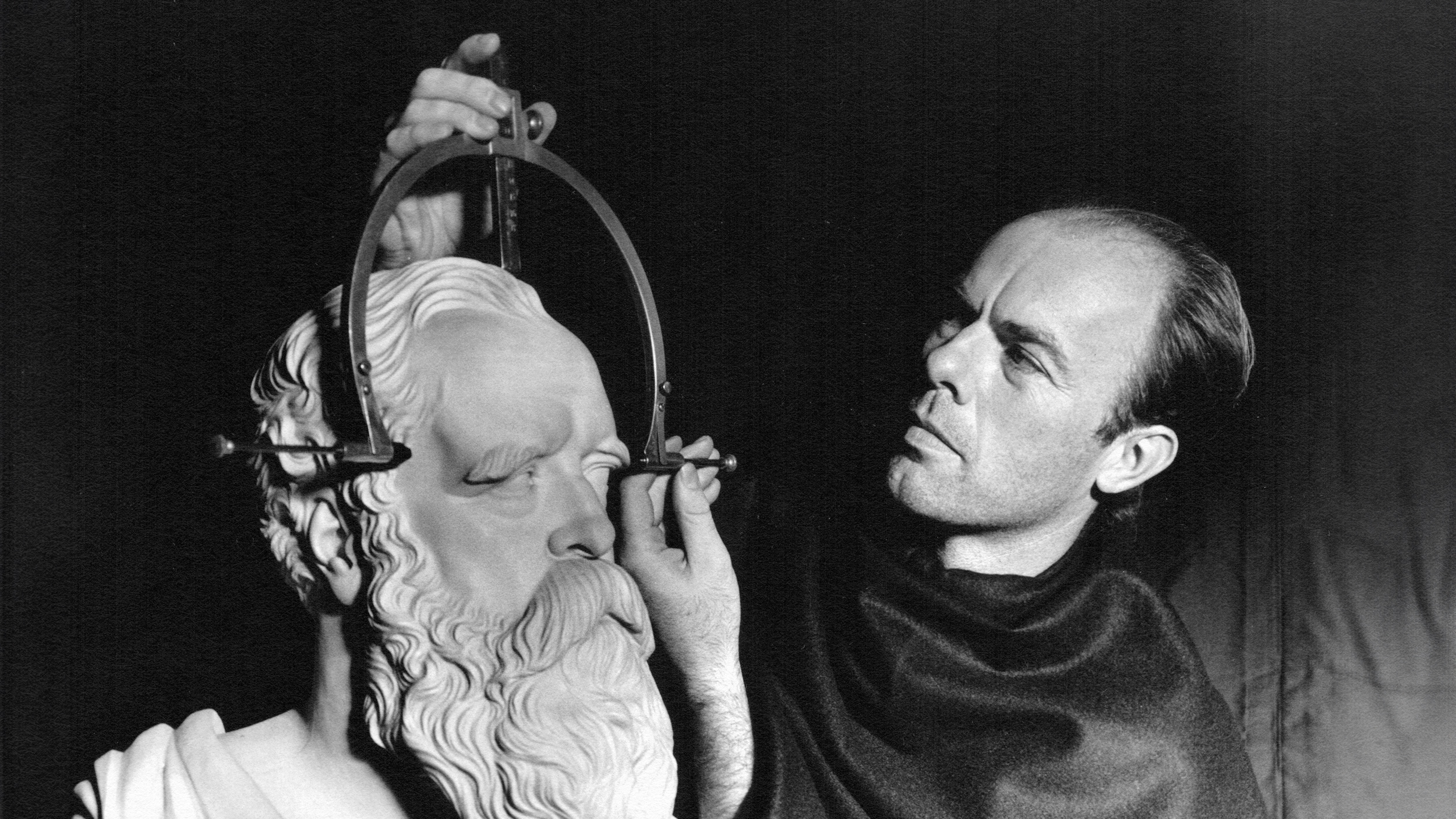
The pseudoscience phrenology swept the popular imagination, and its practitioners made a mint preying on prejudices, gullibility, and misinformation.
The true story of the shot that “reverberated through England” when science collided head-on with religion.
In “After the Spike,” Dean Spears and Michael Geruso show why policy, rather than high population density, has the most significant impact on the environment.
In this preview from “The Saucerian,” author Gabriel Mckee explains how the combination of fantastical stories and obscure bureaucracy launched the “space age of the imagination.”
The Wharton School professor — and author of Co-Intelligence — outlines ways we can tap into the AI advantage safely and effectively.
Temple Grandin’s story reveals how embracing neurodiversity can lead to groundbreaking innovations and more successful teams.
Forgetting and misremembering are the building blocks of creativity and imagination.
Sunita Sah hopes that by redefining defiance, we can build societies that allow people to live more authentic lives.
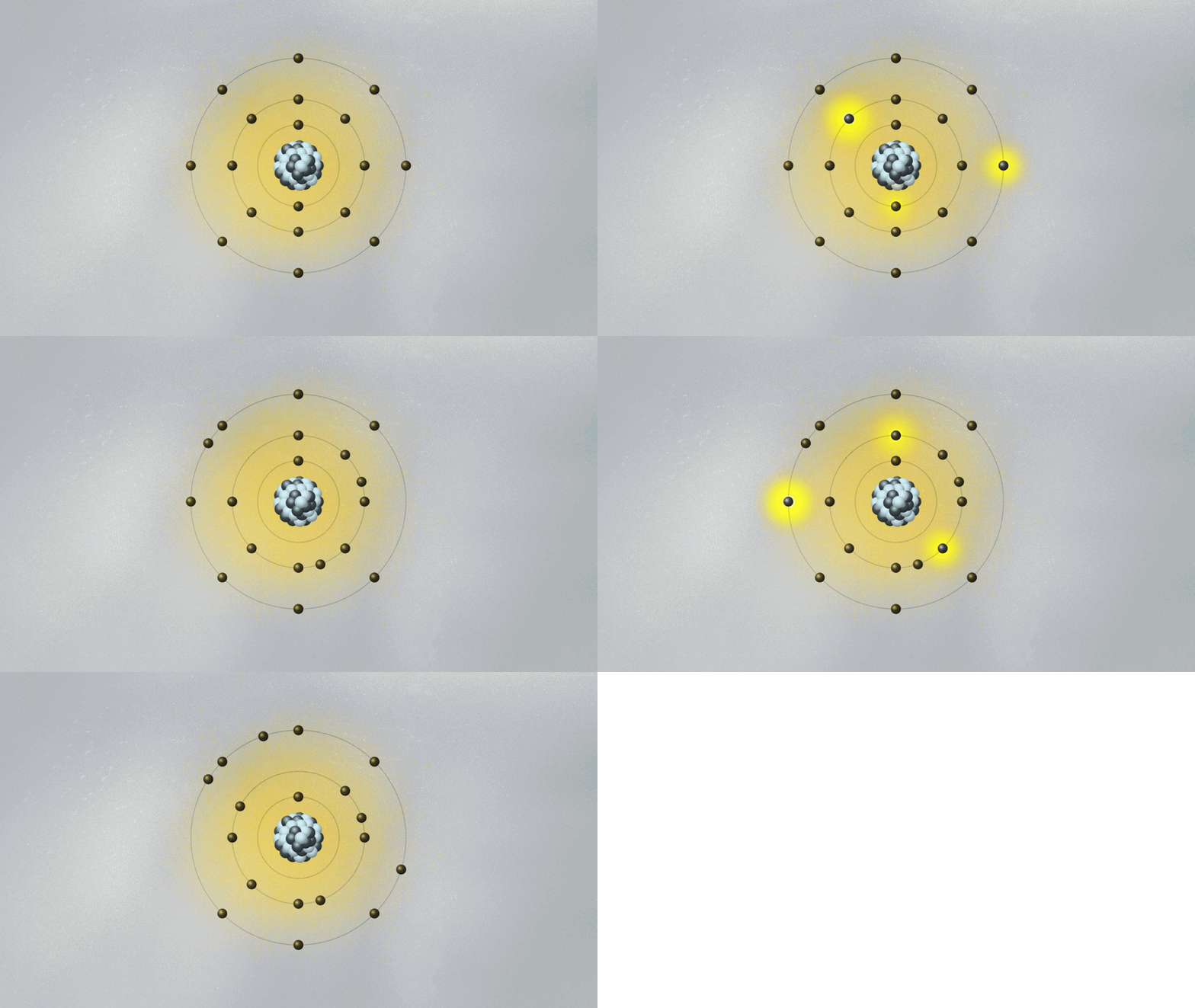
Quantum uncertainty and wave-particle duality are big features of quantum physics. But without Pauli’s rule, our Universe wouldn’t exist.
By weaponizing the global economy, the U.S. initiated a new era of economic warfare and transformed how major powers compete.
It was originally recorded in the 1970s by cognitive psychologists Harry McGurk and John MacDonald.
In “Human History on Drugs,” Sam Kelly explores what the research can tell us about one of history’s most brilliant — and troubled — artists.
When we view hard work as a sign of low aptitude, it harms our ability to learn and grow.
From tribal hunts to Stonehenge and into the modern day, the peer instinct helps humans coordinate their efforts and learning.
In his new book, the popular science writer tells the story of how scientists discovered the “gaseous ocean” we all swim in — and the trillions of invisible life forms we share it with.
For his new book, “The Ghost Lab,” Matt Hongoltz-Hetling spent time with paranormal investigators to understand their relationship with science and society.
Want to know how to handle work-life pressure? Big Think asked Warfare co-directors Alex Garland and Ray Mendoza.
Could a theory from the science of perception help crack the mysteries of psychosis?
Alex Edmans, professor of finance at the London Business School, warns us to be mindful of the incentives surrounding misinformation — including our desire to believe it.
Here in 2025, many of us claim to come to our own conclusions by doing our own research. Here’s why we’re mostly deluding ourselves.
Memories aren’t mental recordings, but pliable information we can use to better manage the present and conjure future possibilities.
Like Dua Lipa, he had to create new rules.
Why dispelling the notion that it’s all about getting the correct answer is so powerful.
A study on the “moral circles” of liberals and conservatives gets drafted into the culture wars — with mixed results.
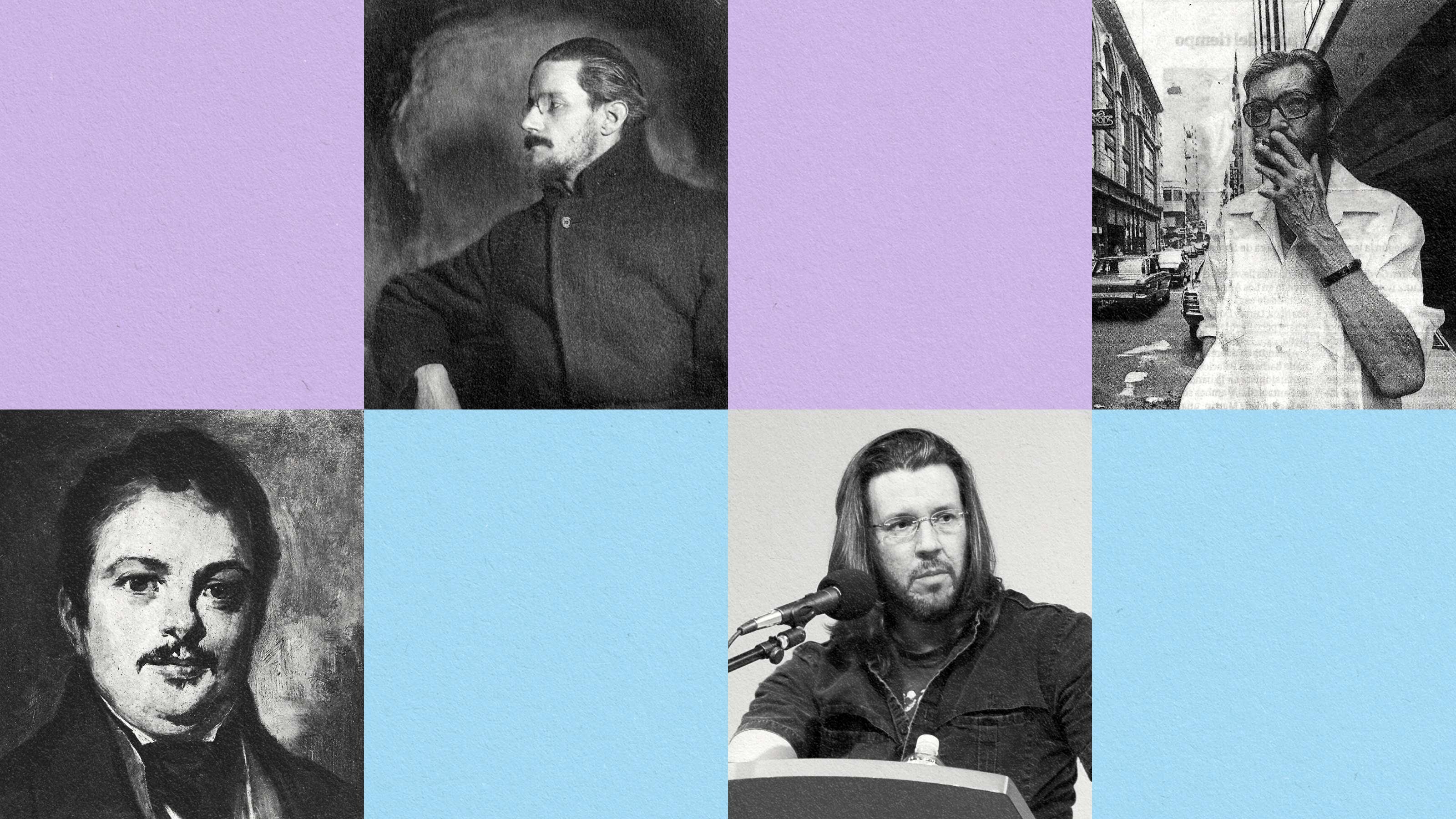
Voyage into the lawless world of experimental literature.
We must get happiness right — even when the world around us gets it wrong.
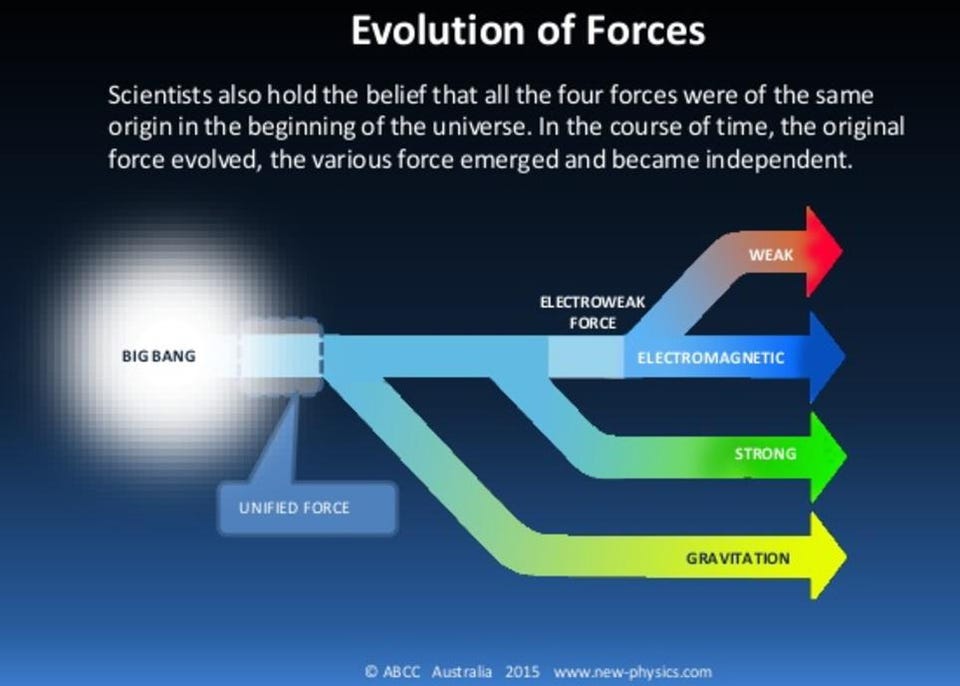
If the electromagnetic and weak forces unify to make the electroweak force, maybe, at higher energies, something even grander happens?
Taking the floor is all about connecting authentically with your audience. Here’s how.
The truth may be out there — but it’s not in these close encounters of the third kind.