Scotty Hendricks
Contributing Writer
Scotty Hendricks is a graduate student and long-time contributor to Big Think. He resides in Chicago.


Getting plenty of sleep just became even more important.

The positive steps we are taking to prevent disease might have a negative side effect.

Social media seems to stress some people out. Maybe its time for a break?

What is more important, that a treatment helps keep people healthy or that it meshes with our morals?
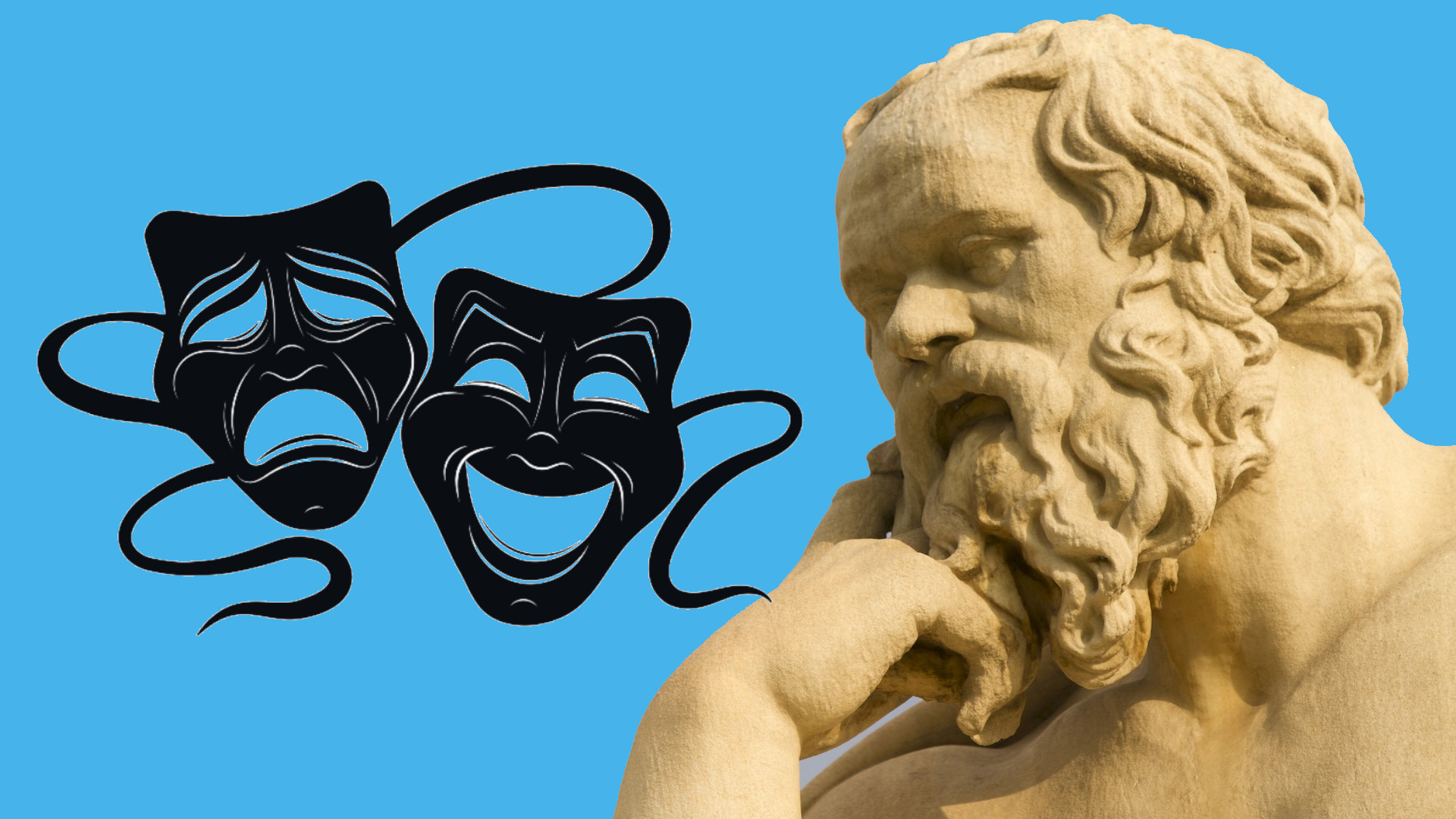
Everyone loves a laugh now and then, except for most of the philosophers you’ve heard of.

Work that can break down the body can also break down the mind.

States set their own voting laws, so where does this make voting easiest?

Partisanship can now be seen in brain scans.

Tea and coffee have known health benefits, but now we know they can work together.
Logic puzzles can teach reasoning in a fun way that doesn’t feel like work.

Can we stop a rogue AI by teaching it ethics? That might be easier said than done.

Can we end world hunger by 2030? Thanks to a new program, the data for it is all there.
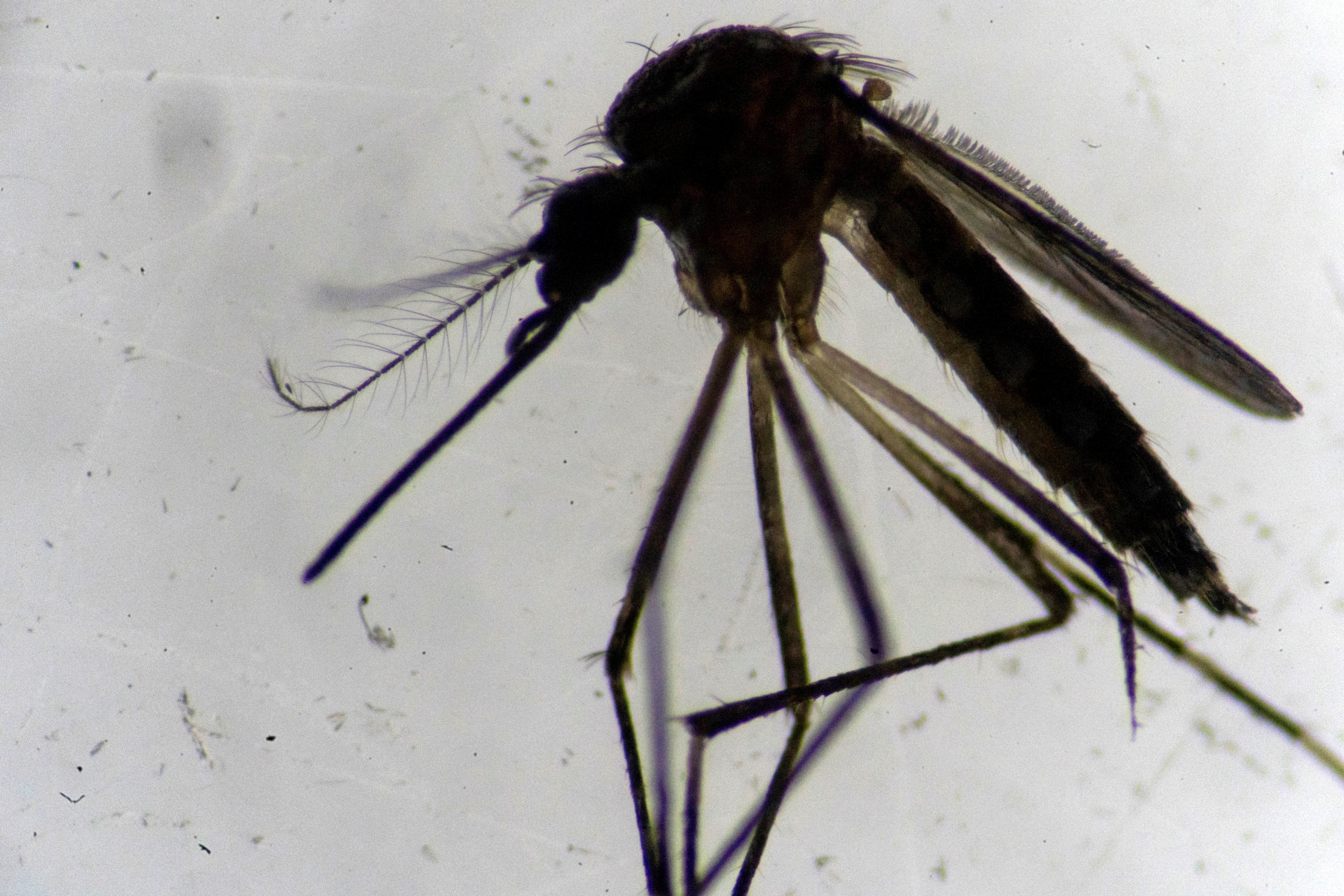
Mosquitoes can taste your blood using unique sensory abilities. Can we use that to keep them off us?

Want some crazy space phenomena? You don’t have to leave the neighborhood for it.

Humans help each other in ways animals don’t dream of, but why?

The solar system has some strange stuff in it. Learning how it ended up that way can tell us where we’re going.

A non-profit dedicated to science communication offers to connect learners with over 11,000 scientists.

Poland has become an increasingly unwelcoming place for the LGBTQ community. Fifty diplomats hope to change that.

What do we want to do with convicted criminals? Penology has several philosophies waiting to answer that question.

Money can’t buy happiness, but try being hopeful and broke at the same time.

Students who think the world is just cheat less, but they need to experience justice to feel that way.

Well preserved coffins hint towards more discoveries in a famed necropolis.

If you want flexibility, transparency, and decent health policies, it seems like working in tech pays off.

Sharks fear killer whales. How does this impact the ecosystems they share?

Thought expriments are great tools, but do they always do what we want them to?
Why a survey claims Boomers demonstrate more knowledge and safer behavior.

Rocks from two hundred million years ago show us how everything died and how nothing is new.
A philosopher’s guide to detecting nonsense and getting around it.
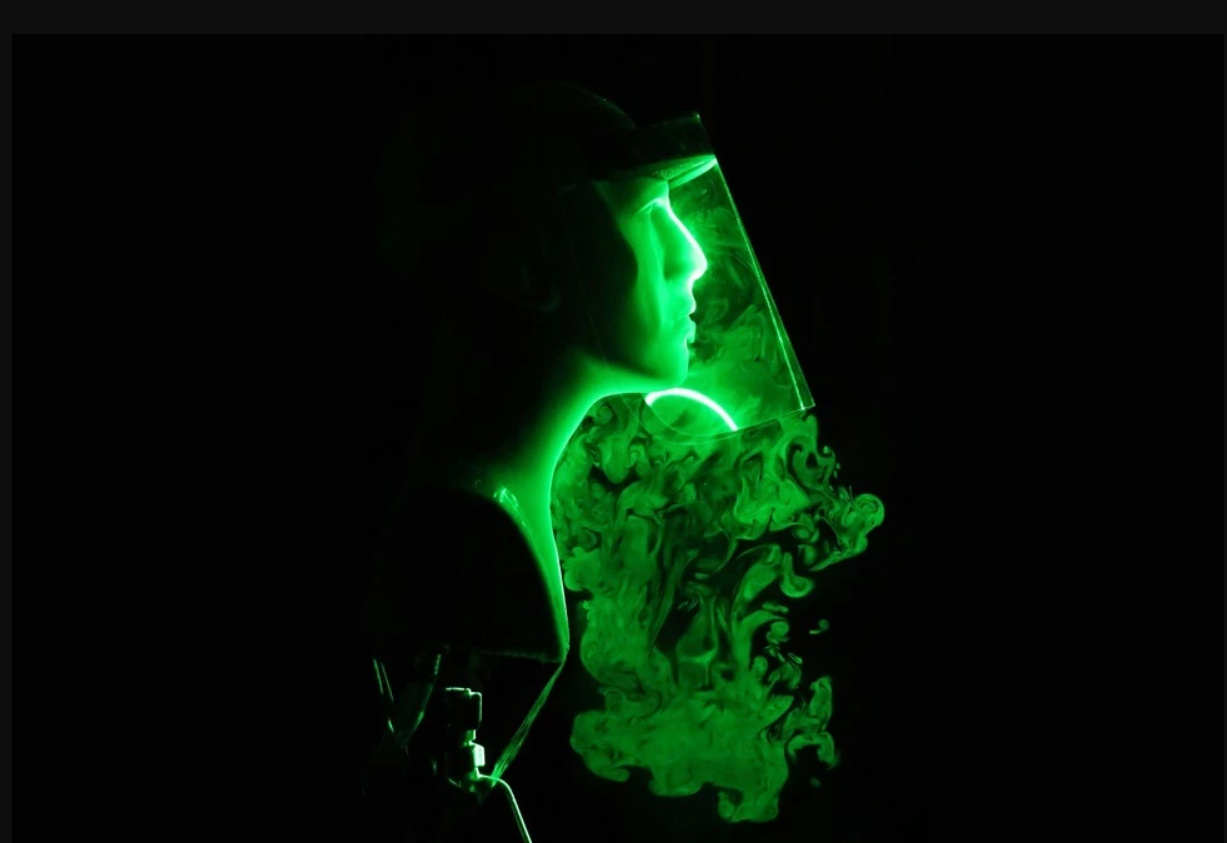
Some people choose alternatives to masks for comfort. A study shows the difference in effectiveness.
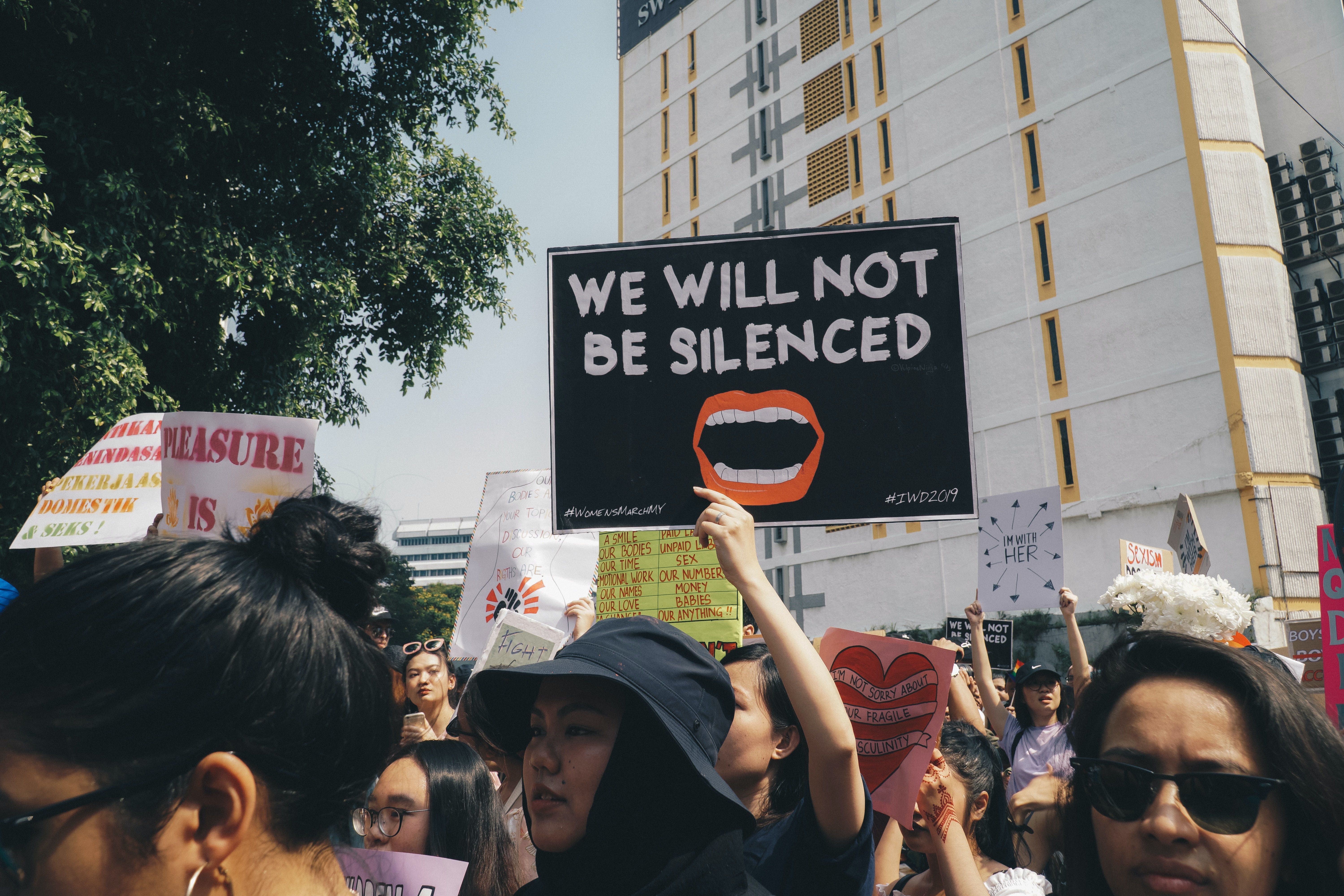
What speech is harmful, how do we know, and what do we do if we find out?