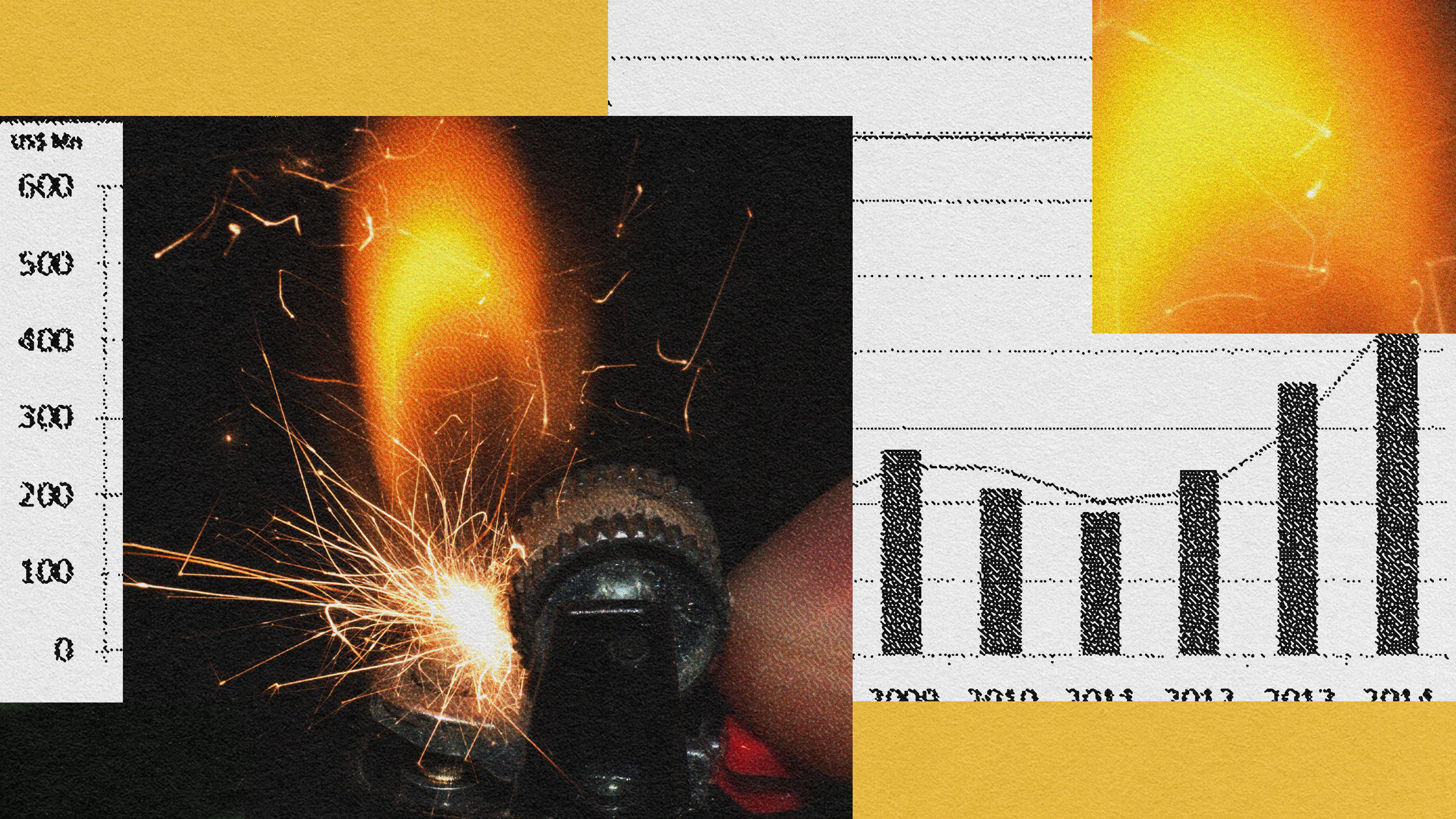
As we pursue the leadership difference we seek, we attract fuel and generate heat. The trick is to avoid burnout.
Search Results
You searched for: D
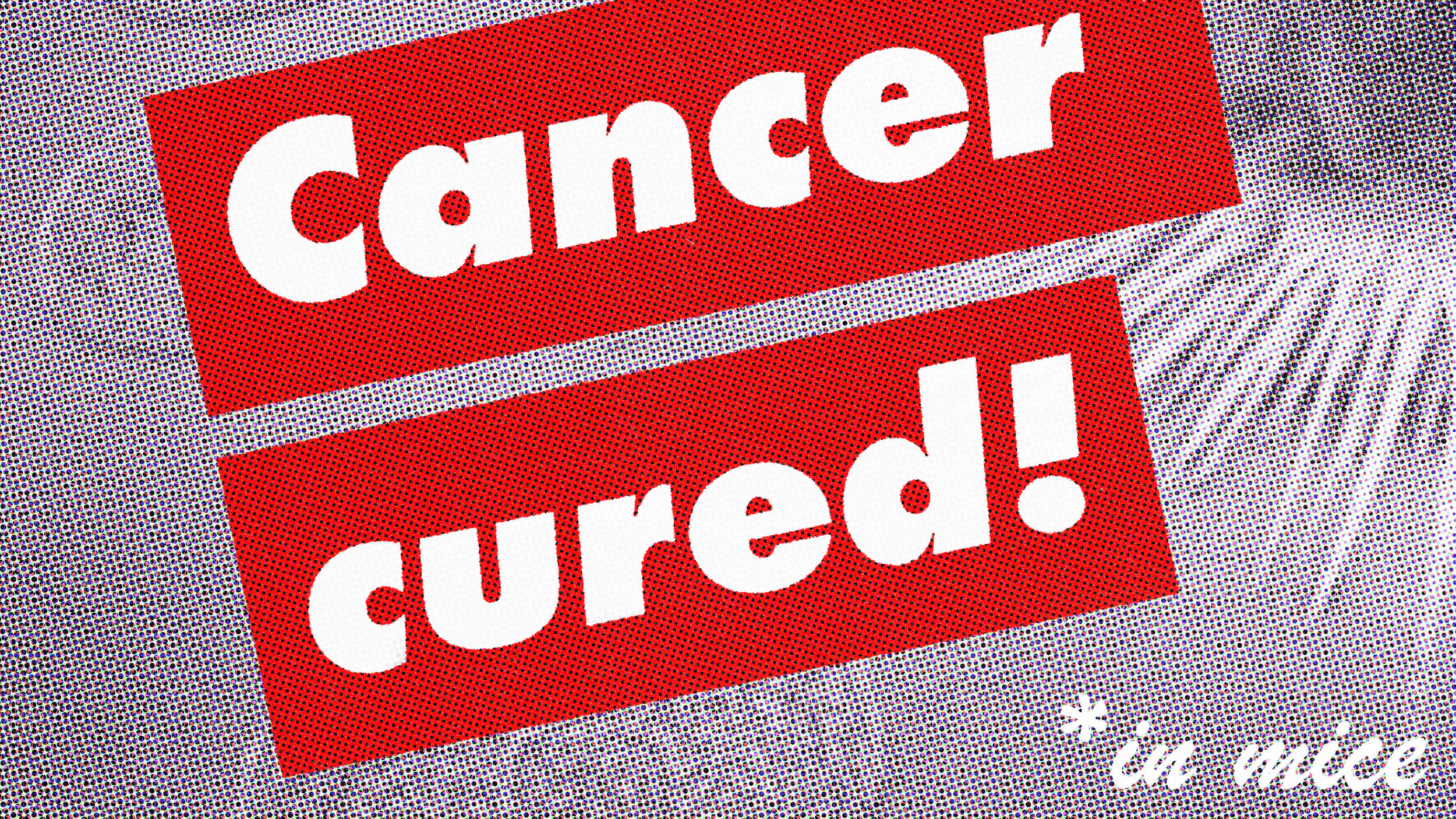
Could exercise be more effective than recently approved drugs?
One does not simply make a meme go viral.
Welcome to The Nightcrawler — a weekly newsletter from Eric Markowitz covering tech, innovation, and long-term thinking.
Big Think asks startup legend and VC heavyweight Ben Horowitz to reflect on his bestseller “The Hard Thing About Hard Things.”
Whatever your length of service in the top role, this tool-box will help you conquer adversity — and thrive.
Welcome to The Nightcrawler — a weekly newsletter from Eric Markowitz covering tech, innovation, and long-term thinking.
“It’s much more interesting to live not knowing than to have answers that might be wrong.”
We must get happiness right — even when the world around us gets it wrong.
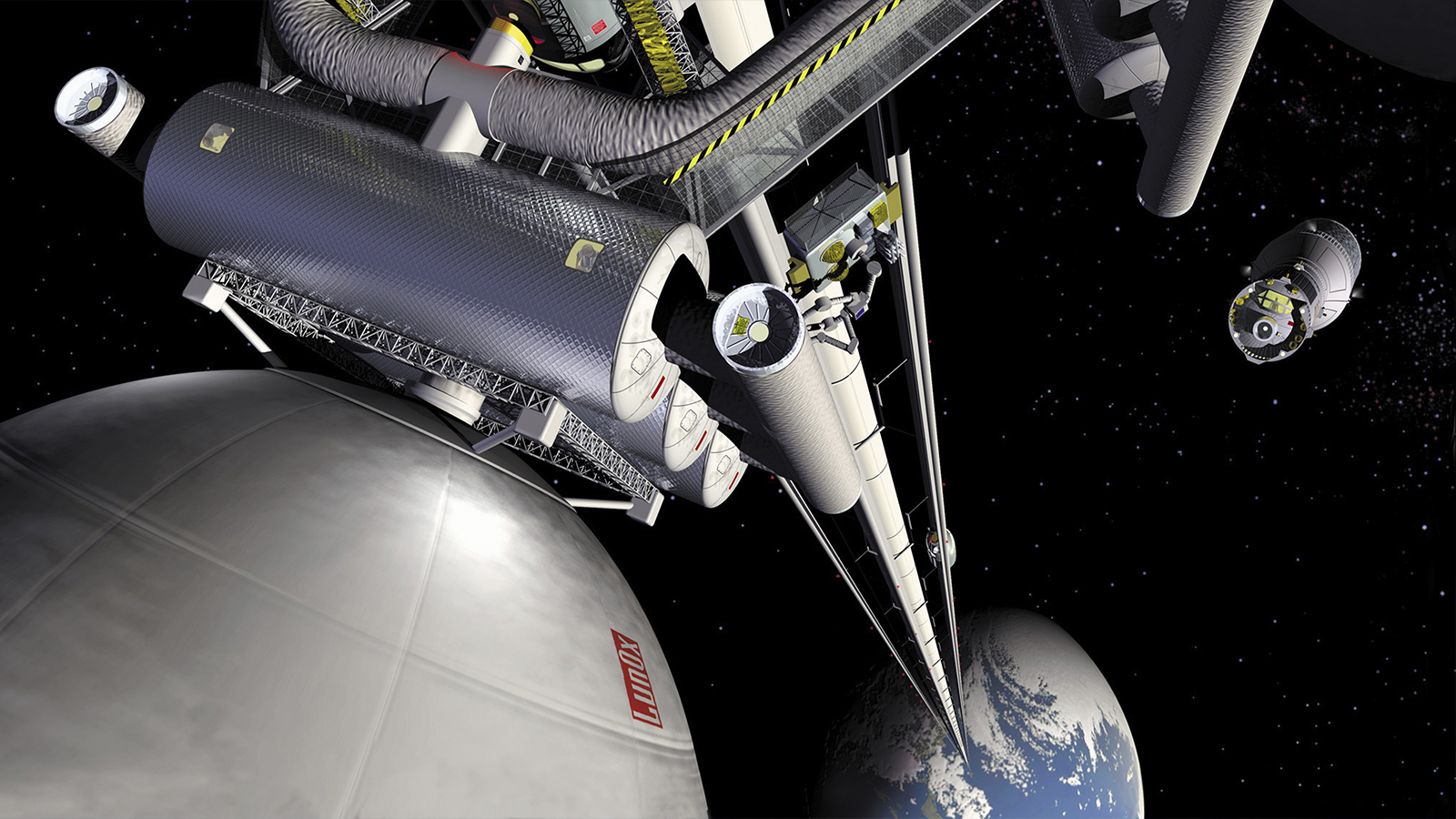
But it’s still challenging to build a 22,000-mile elevator.
Life arose on Earth early on, eventually giving rise to us: intelligent and technologically advanced. “First contact” still remains elusive.
In general relativity, white holes are just as mathematically plausible as black holes. Black holes are real; what about white holes?
Recent changes have affected the design and development of instructor-led training. Read on to find out how.
Man seeking meaningful relationship at the intersection of on-demand empathy and Rule 34.
Kaelynn Partlow shares her story about life with autism, ADHD, and dyslexia, and how finding the right diagnosis helped her embrace her neurodivergent identity.
▸
8 min
—
with
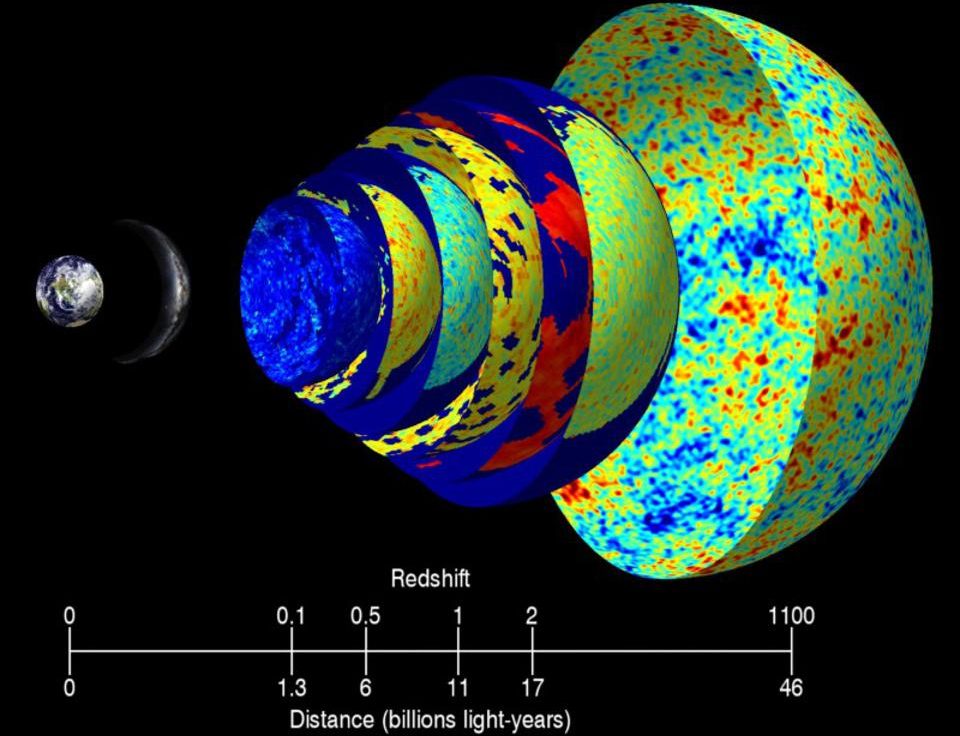
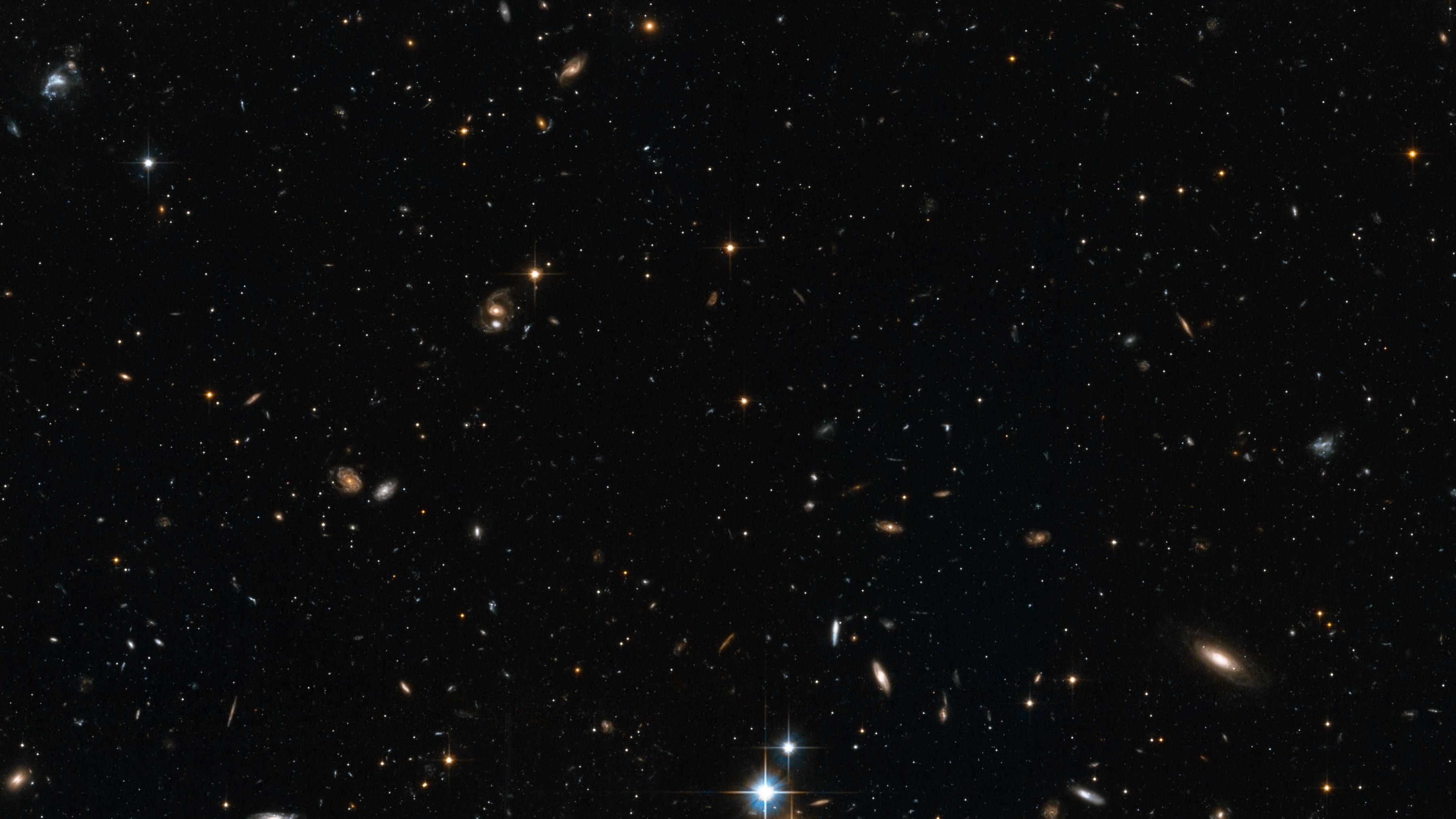
In the 20th century, many options abounded as to our cosmic origins. Today, only the Big Bang survives, thanks to this critical evidence.
Rutger Bregman’s “Moral Ambition” wants us to aim our careers not at money but solving the world’s biggest problems.
Welcome to The Nightcrawler — a weekly newsletter from Eric Markowitz covering tech, innovation, and long-term thinking.
The Universe is precisely dated at 13.8 billion years old, but astronomers claim the Methuselah star is 14.5 billion years old. What gives?
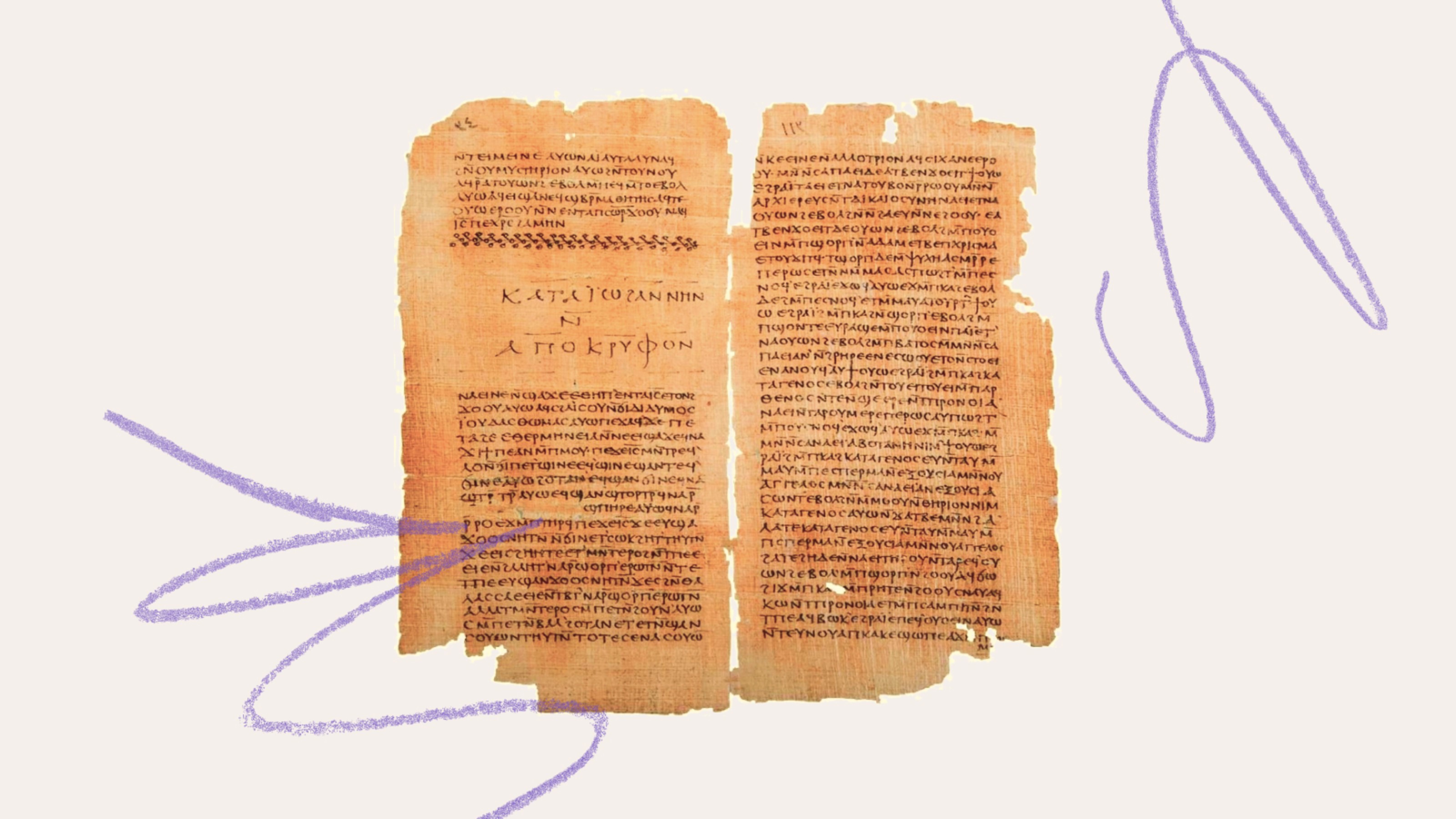
Experts and Big Think writers recommend their favorite reads for diving deeper into the history and perspectives found in the Book of Books.
Philosophy isn’t stuck in the past. Here are five texts to connect you with its ongoing dialogue.
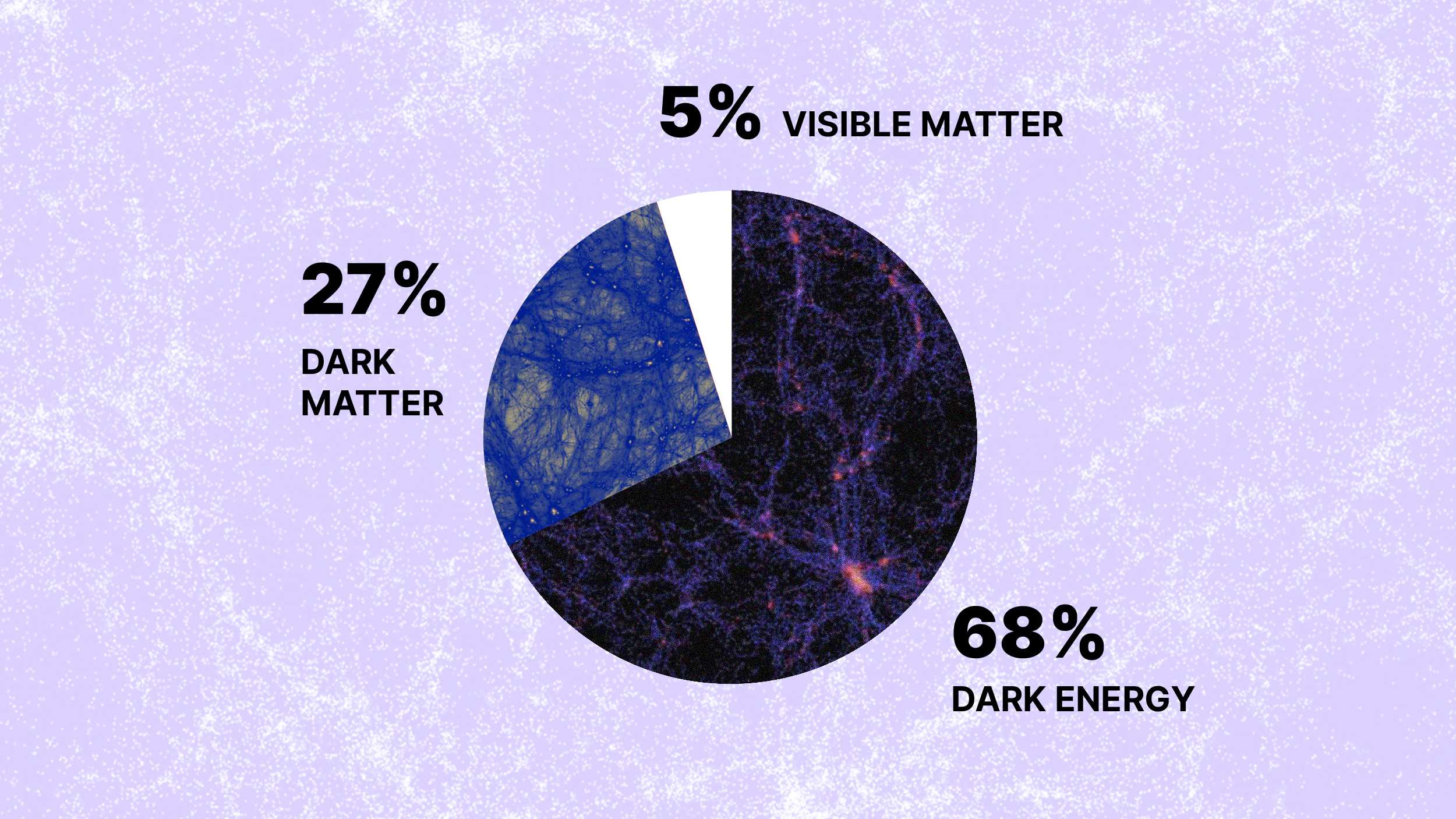
Early on, only matter and radiation were important for the expanding Universe. After a few billion years, dark energy changed everything.
With a record-setting $1.9 billion jackpot, you’d think it’s a no-brainer to buy a Powerball ticket. But the math truly shows otherwise.
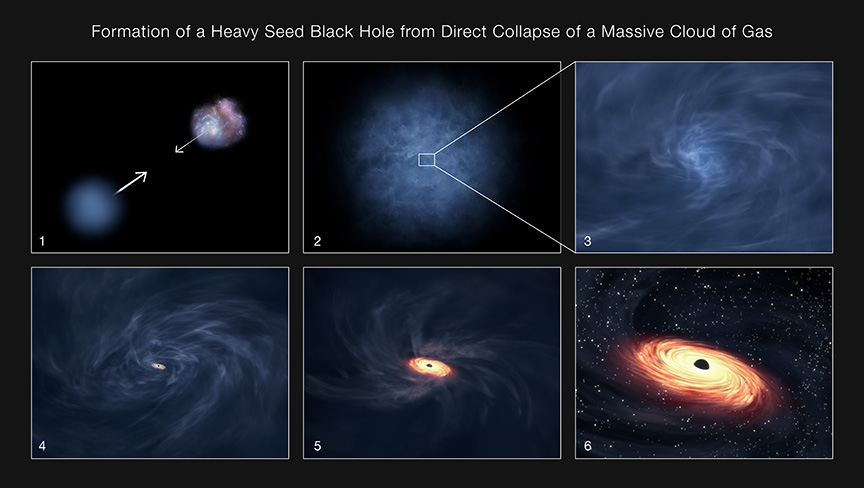
Even in the very early Universe, there were heavy, supermassive black holes at the centers of galaxies. How did they get so big so fast?
It’s deceptively tricky to distinguish living systems from non-living systems. Physics may be key to solving the problem.
Welcome to The Nightcrawler — a weekly newsletter from Eric Markowitz covering tech, innovation, and long-term thinking.
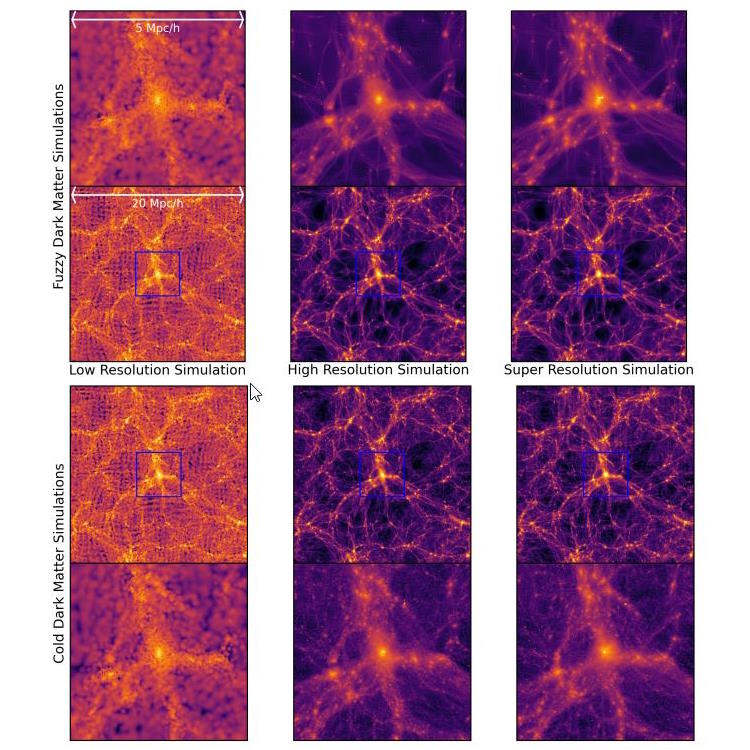
In a far-reaching discovery with astrophysicist Karolina Garcia, we discuss what’s in the Universe and how it grew up.
In this preview from “The Saucerian,” author Gabriel Mckee explains how the combination of fantastical stories and obscure bureaucracy launched the “space age of the imagination.”
Science news presents a flood of breakthroughs and discoveries that promise to change our lives. They rarely do.
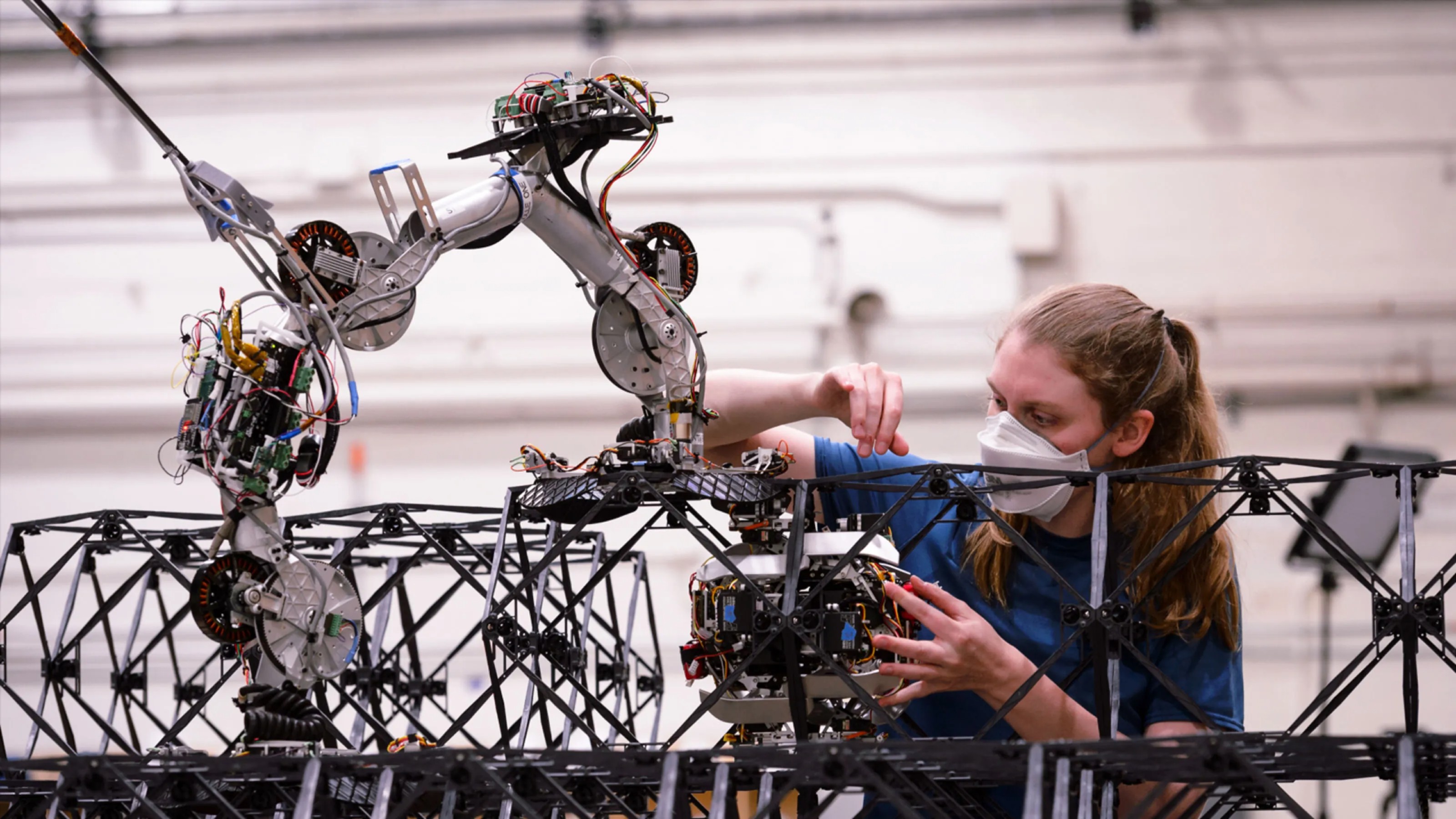
NASA gave three robots plans for a moon shelter, and the robots figured out how to build it.