The Universe is out there, waiting for you to discover it.
Our mission: to answer, scientifically, the biggest questions of all.
- What is our Universe made of?
- How did it become the way it is today?
- Where did everything come from?
- What is the ultimate fate of the cosmos?
For countless generations, these were questions without resolutions. Now, for the first time in history, we have scientific answers. Starts With A Bang, written by Dr. Ethan Siegel, brings these stories — of what we know and how we know it — directly to you.
Featured

Why power generated through nuclear fusion will be the future, but not the present, solution to humanity’s energy needs.
It’s a strange idea to consider: that a tiny building block of matter, the atomic nucleus, holds the greatest potential for energy release.
And yet, it’s true; while electron transitions in atoms or molecules typically release energy on the order of ~1 electron-Volt, nuclear transitions between different configurations release energies a million times as great, on the order of ~1 Mega-electron-Volt.


Popular
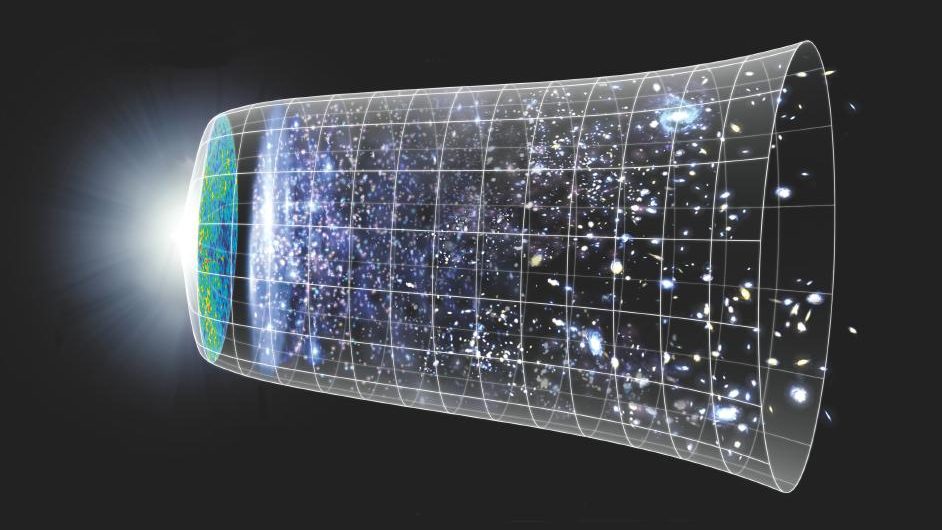
From before the Big Bang to the present day, the Universe goes through many eras. Dark energy heralds the final one.
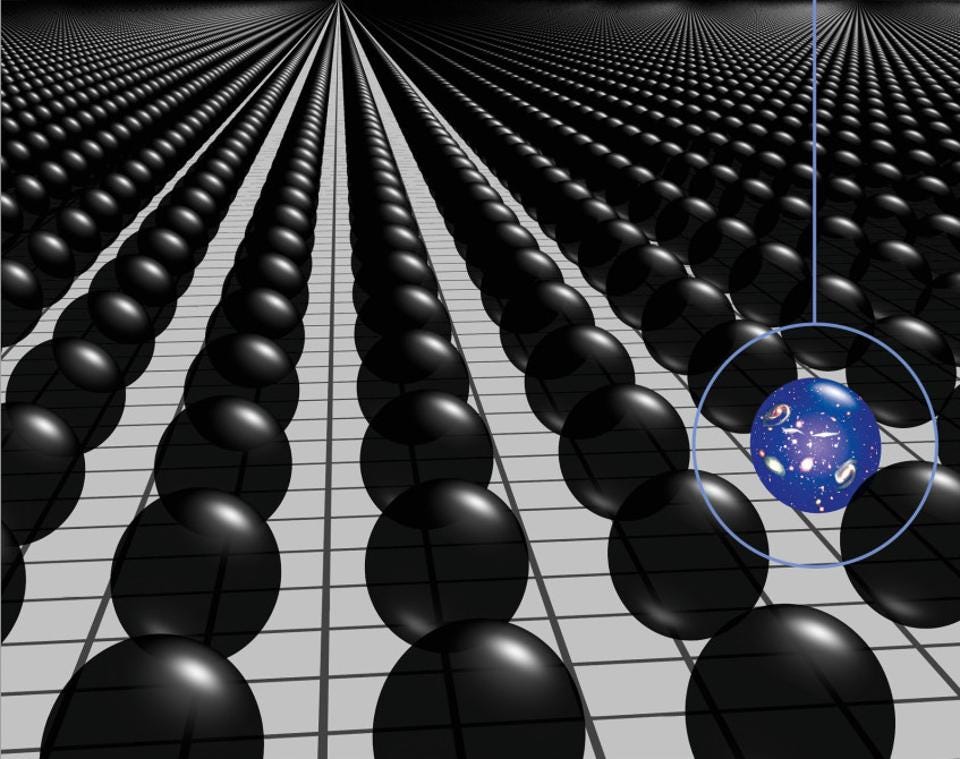
A wild, compelling idea without a direct, practical test, the Multiverse is highly controversial. But its supporting pillars sure are stable.

The surface and atmosphere is colored by ferric oxides. Beneath a very thin layer, mere millimeters deep in places, it’s not red anymore.
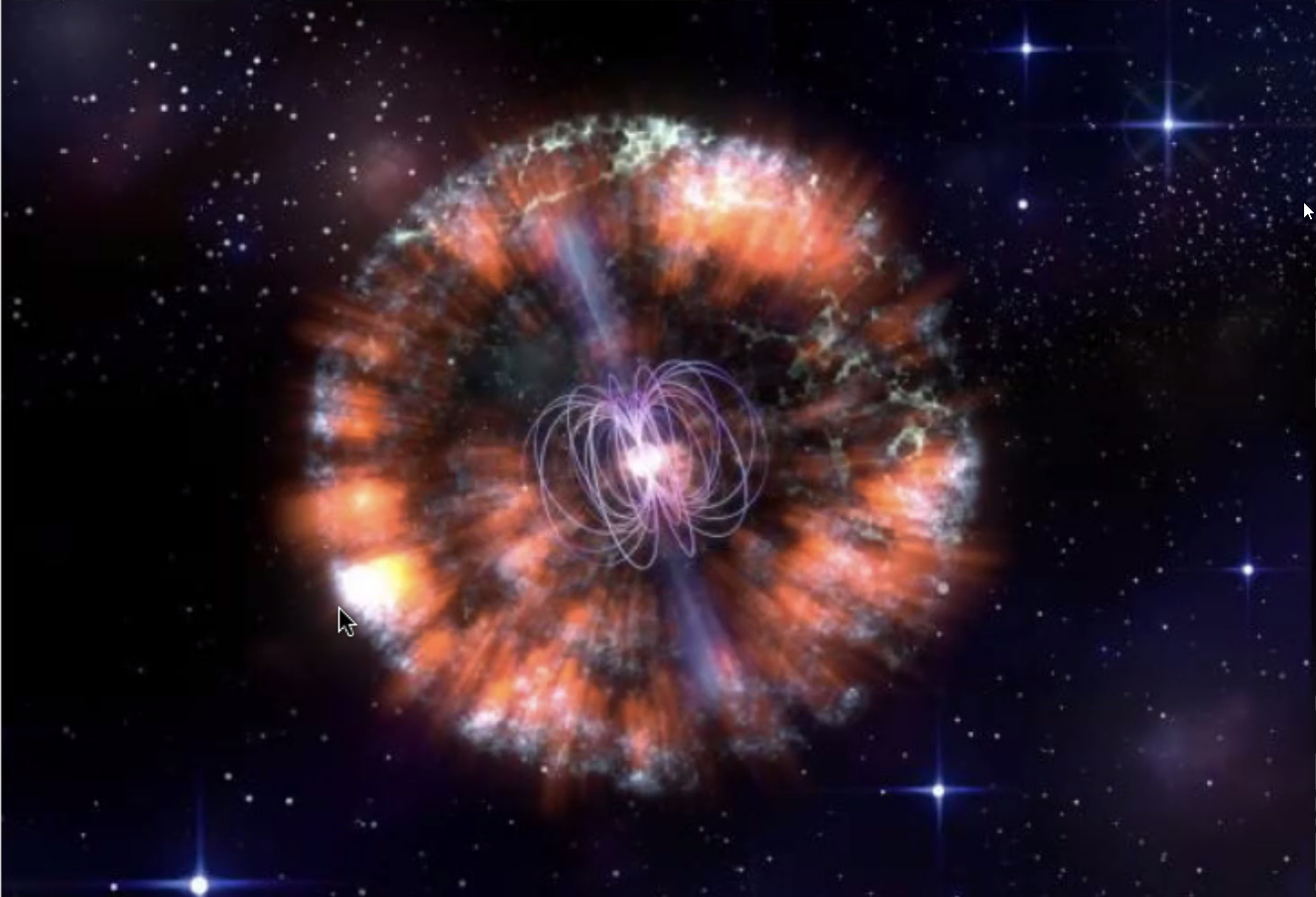
The first supernova ever discovered through its X-rays has an enormously powerful engine at its core. It’s unlike anything ever seen.
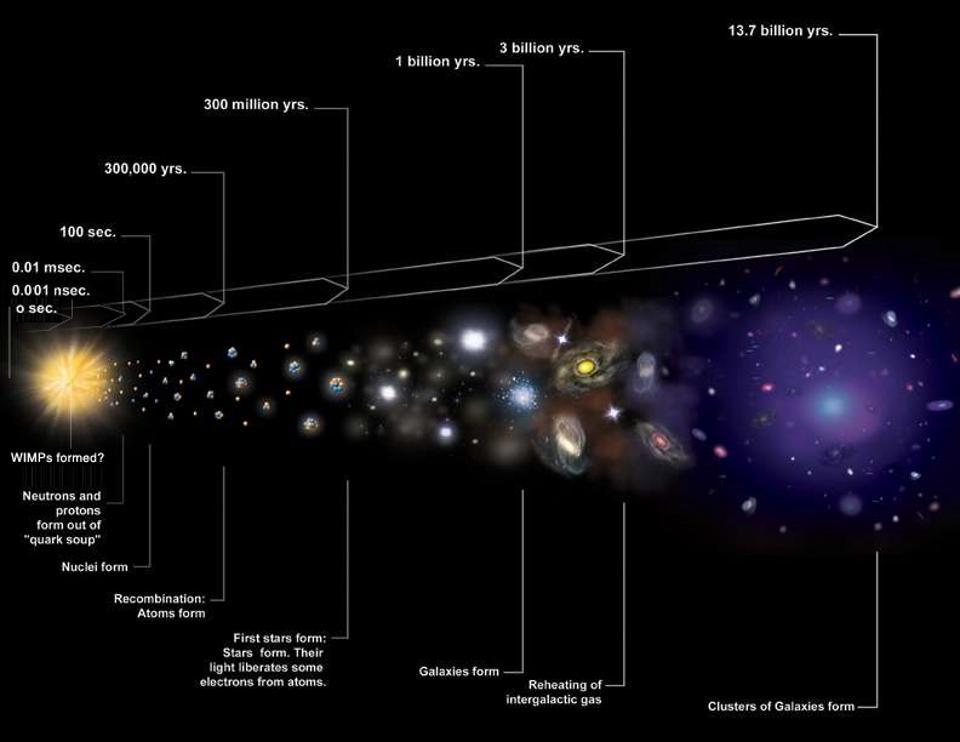
Just 13.8 billion years after the hot Big Bang, we can see 46.1 billion light-years away in all directions. Doesn’t that violate…something?
All Stories
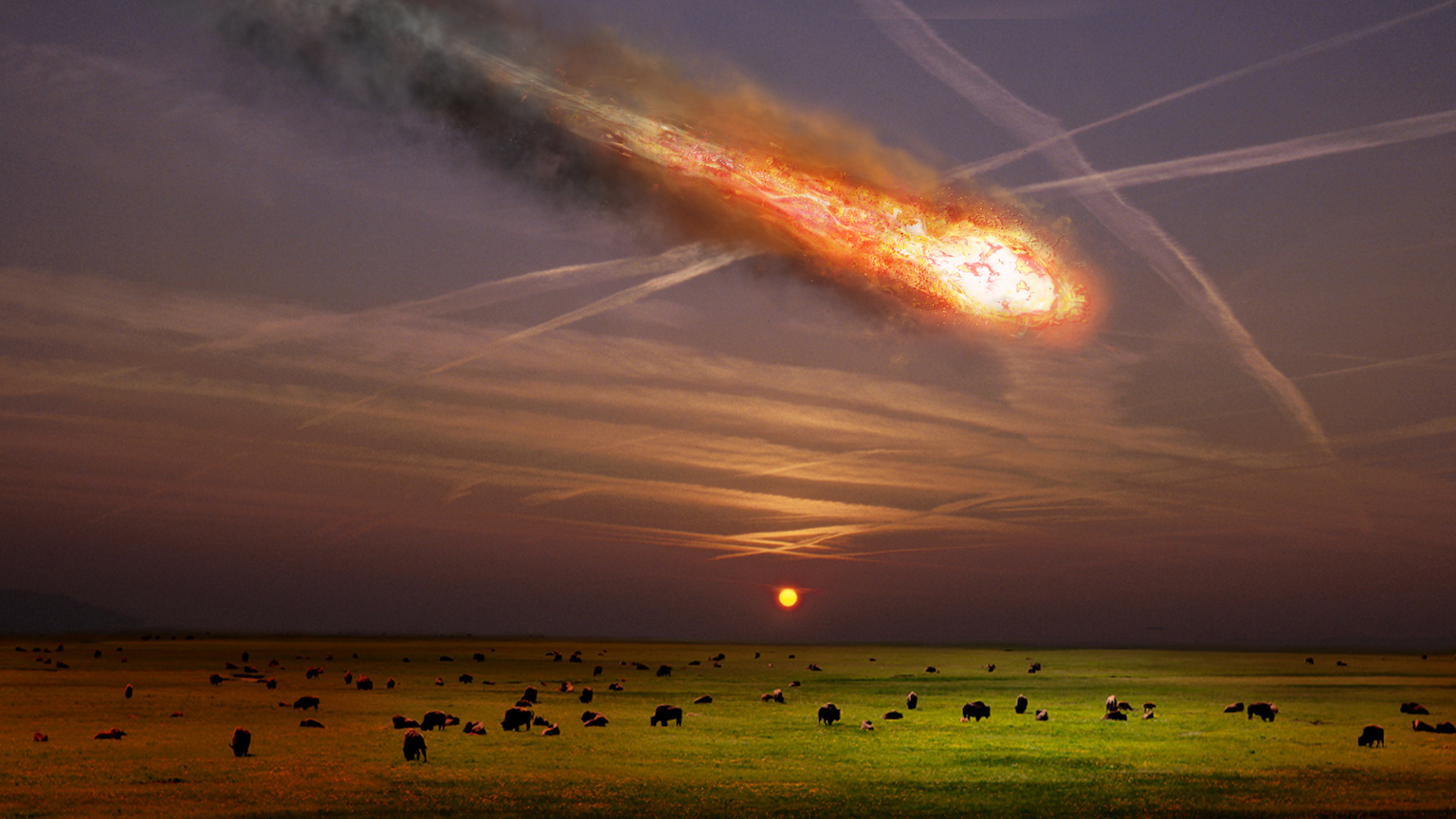
Asteroid 2024 YR4, which could devastate a city’s worth of humans, has gone from 1.2% to 2.3% to 2.6% to 3.1% chances of impact. Here’s why.

At extremely close distances to their stars, even rocky planets can be completely disintegrated. We’ve just caught our first one in action.
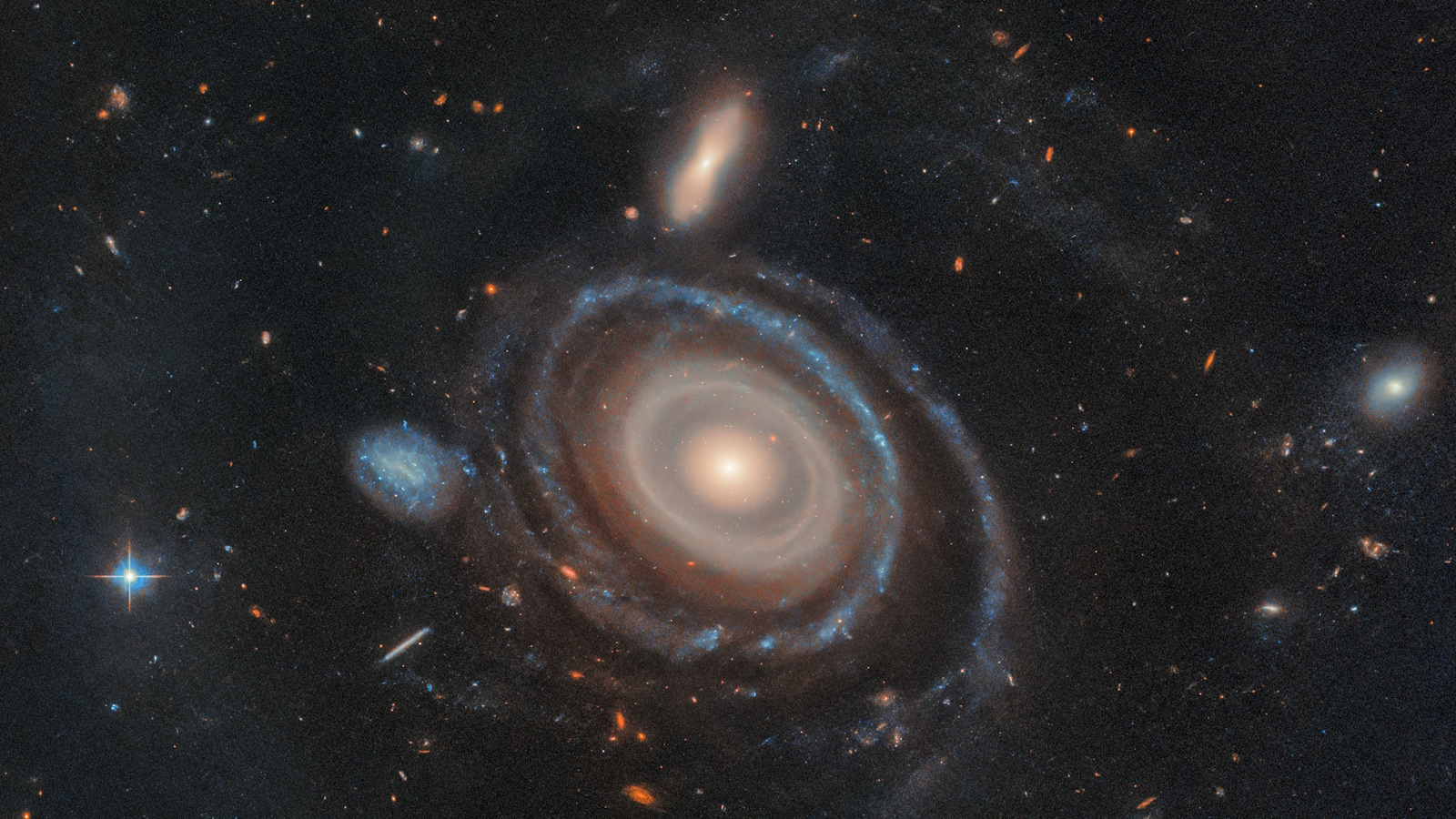
Ring galaxies are rare, but we think we know how they form. A new, early-stage version, the Bullseye galaxy, provides a new testing ground.
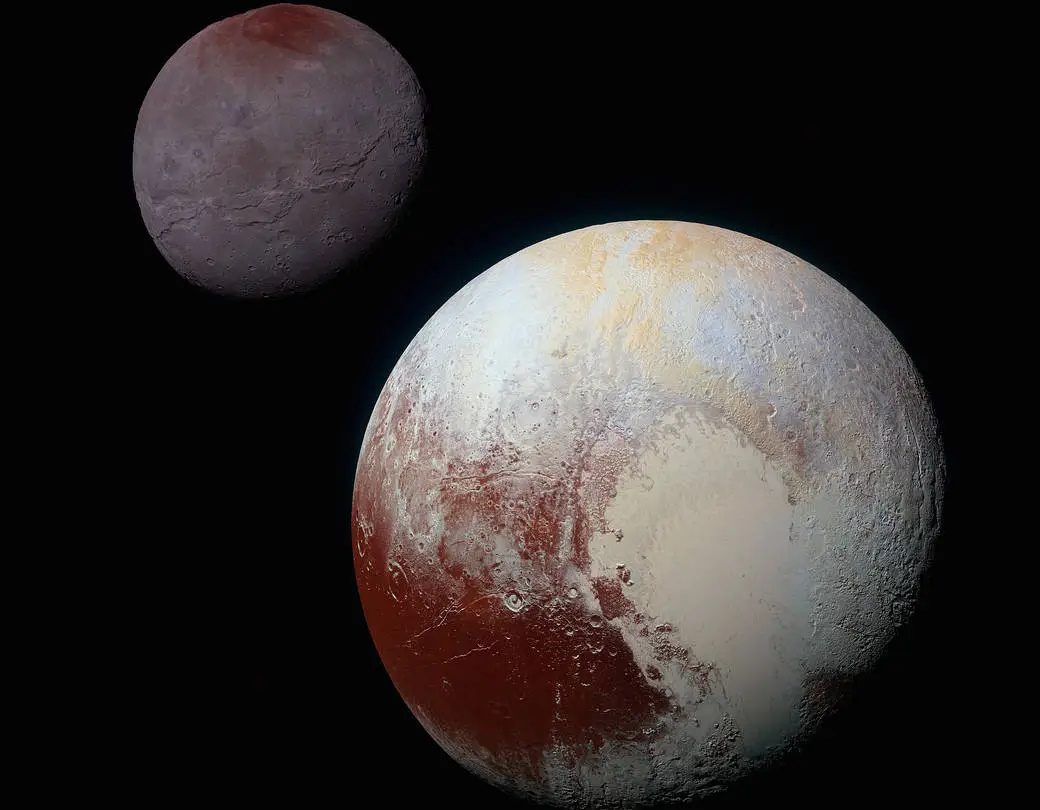
Here in our Solar System, terrestrial bodies get moons from gravitational capture or collisions. The Pluto-Charon system? It was both.
Only 5% of the Universe is made of normal “stuff” like we are. Could there be dark matter or dark energy life, or even aliens, out there?

When we divide matter into its fundamental, indivisible components, are those particles truly point-like, or is there a finite minimum size?

The primary causes of global climate change are all due to human activity. Adding aerosols to our atmosphere only exacerbates the problem.

The ultimate multi-messenger astronomy event would have gravitational waves, particles, and light arriving all at once. Did that just occur?
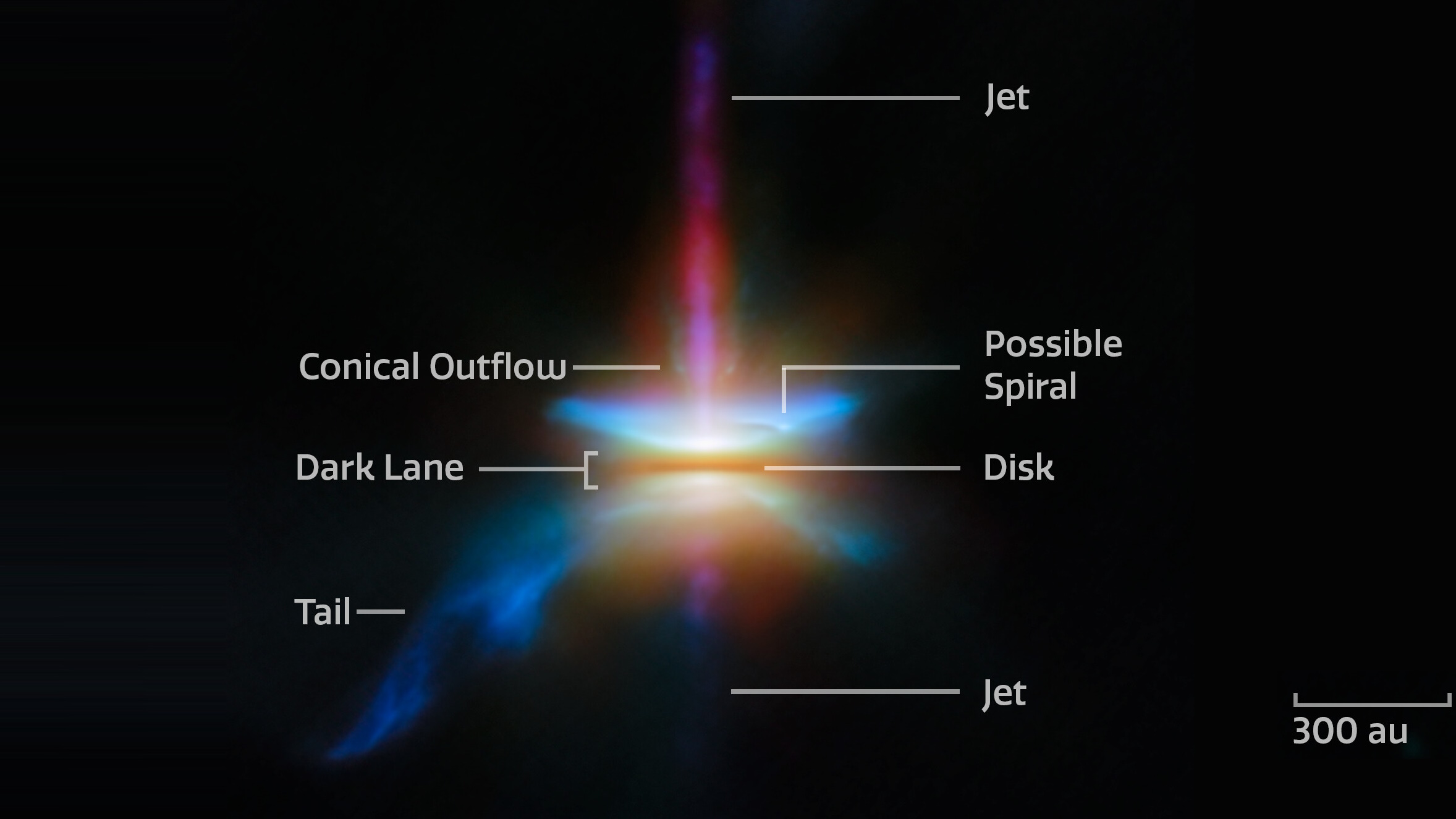
A young, nearby, massive star, whose protoplanetary disk appears perfectly edge-on, was just viewed by JWST, with staggering implications.

Historically, astronomers have often named things creatively, bizarrely, and often inaccurately. But which terms are the most egregious?

If we wish to tackle the very real problems society faces, we require expert-level knowledge. Valuing it starts earlier than we realize.
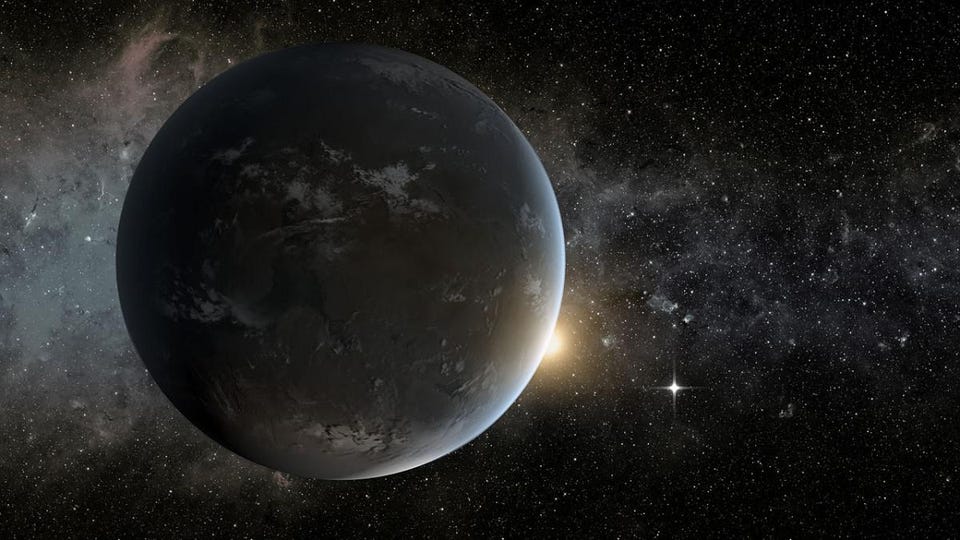
Seeking life beyond the Solar System, we first look to the closest star systems with Earth-like planets. Here’s why that’s not good enough.

Our Moon is full of craters, basins, and ancient lava flows. But two large lunar Grand Canyons have the same origin: a single, giant impact.
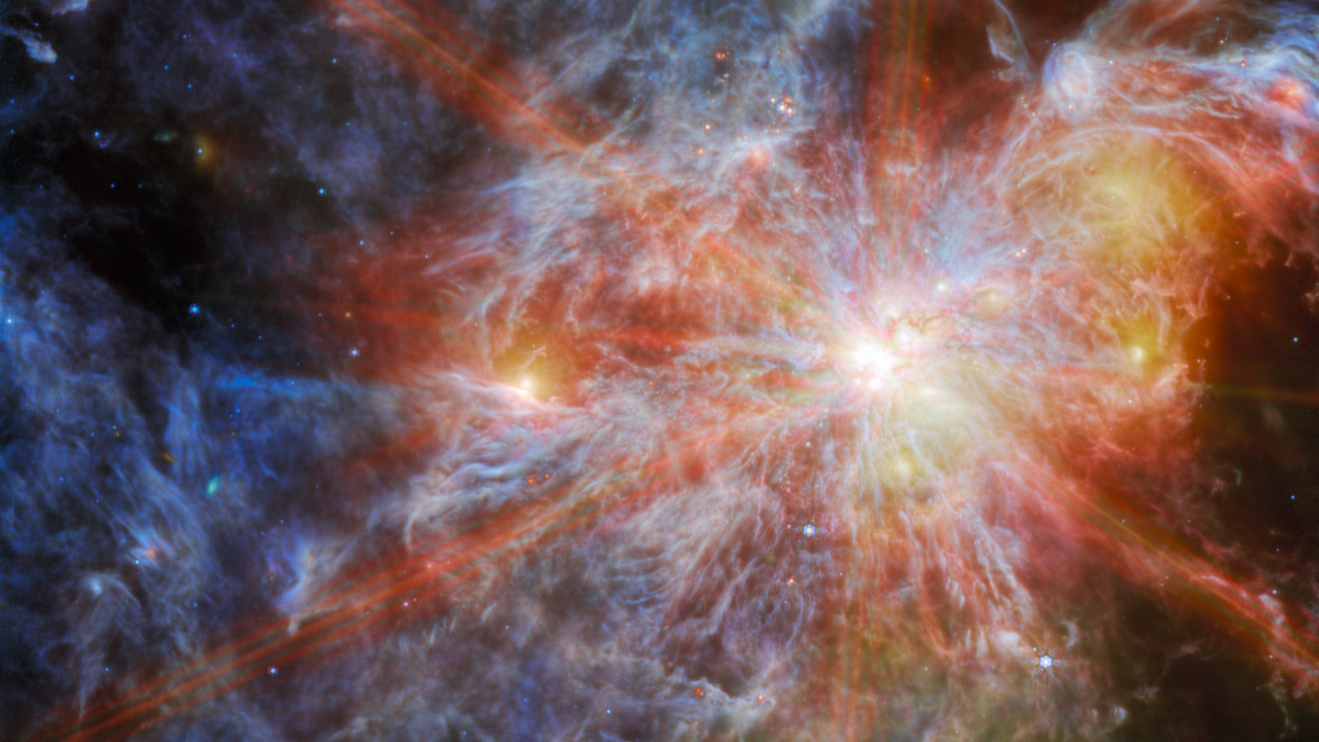
There are only four super star clusters in all the Local Group: rarities today. Here’s what the youngest, the just-discovered N79, shows us.

Here in our Universe, both normal and dark matter can be measured astrophysically. But only normal matter can collapse. Why is that?

With a flurry of threats to scientists, science funding, and health policy, the USA now faces a crisis reminiscent of Soviet-era Lysenkoism.
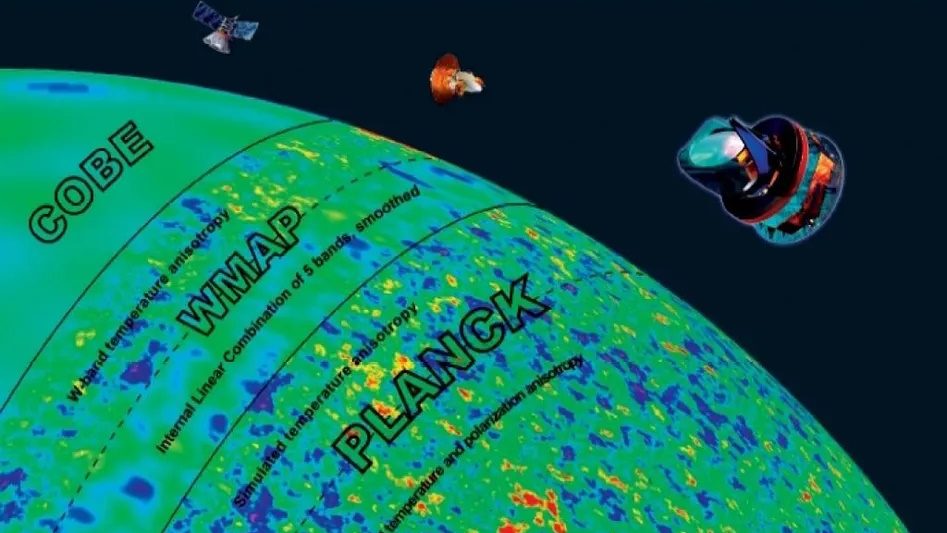
First discovered in the mid-1960s, no cosmic signal has taught us more about the Universe, or spurred more controversy, than the CMB.
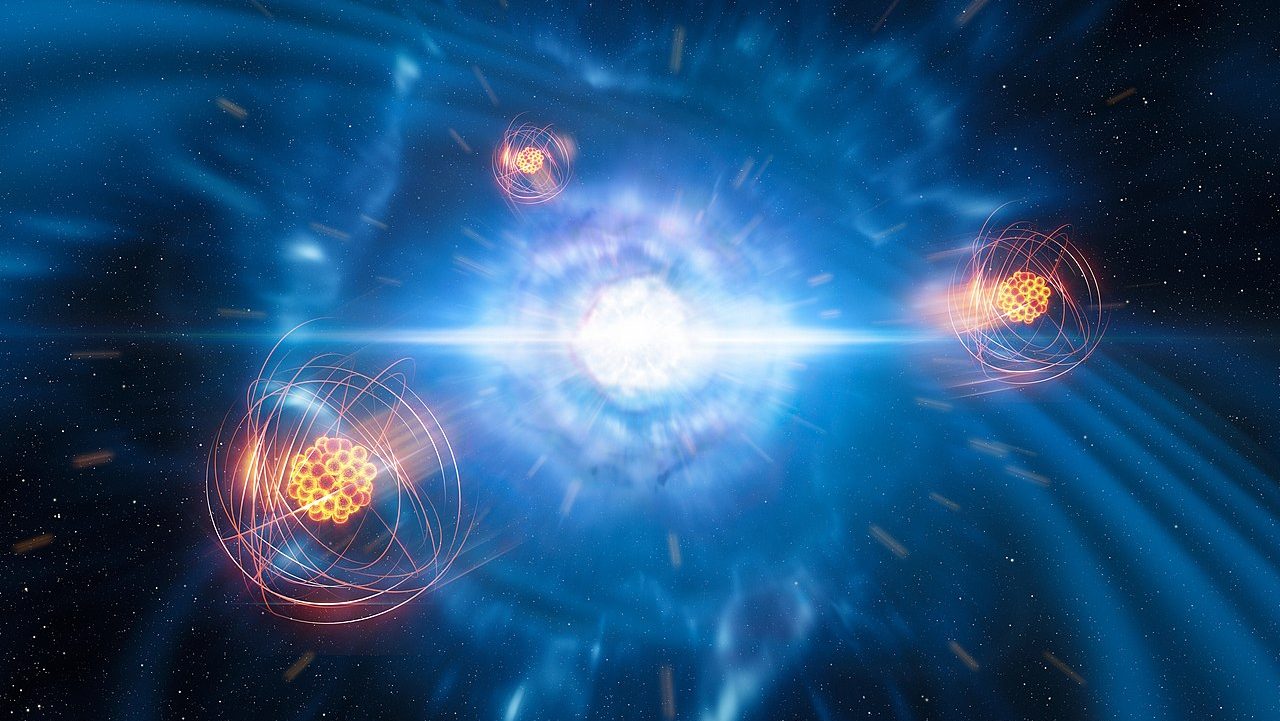
From LIGO, there weren’t enough neutron star-neutron star mergers to account for our heavy elements. With a JWST surprise, maybe they can.
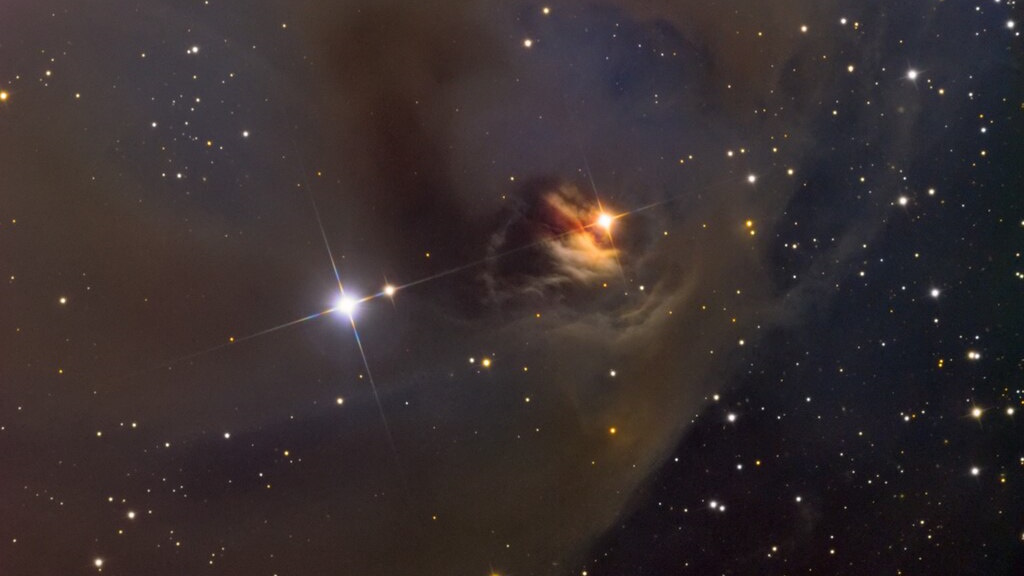
It’s the ultimate game of cosmic “cover up,” as the dimming occurs when a circumbinary disk from a nearby star passes in front of T Tauri North.

Matter is made up largely of atoms, where atomic nuclei can contain up to 100 protons or more. But how were the heaviest elements made?