communication

A conversation with the legendary VC on his latest book, his work at Techstars, and why “give first” is more than a motto — it’s a mindset.

From Apple to Airbnb to OpenAI the generalist mindset has been an invaluable source of advantage — and we can all learn from these successes.

Most of us think we’re good listeners, but we’re wrong — and it’s ruining our relationships.
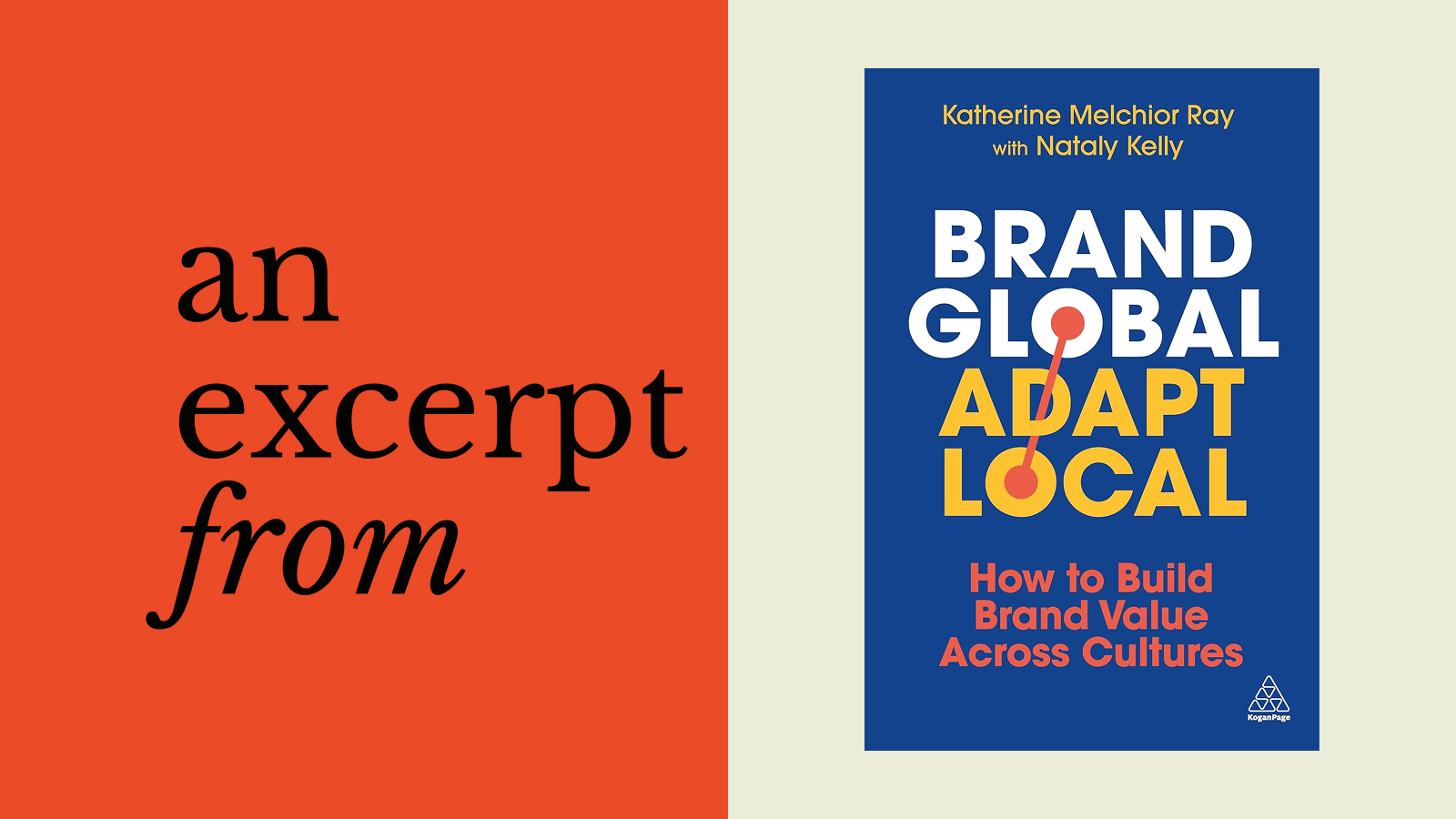
To be culturally intelligent, you must be curious and open-minded — and the benefits can be transformative.
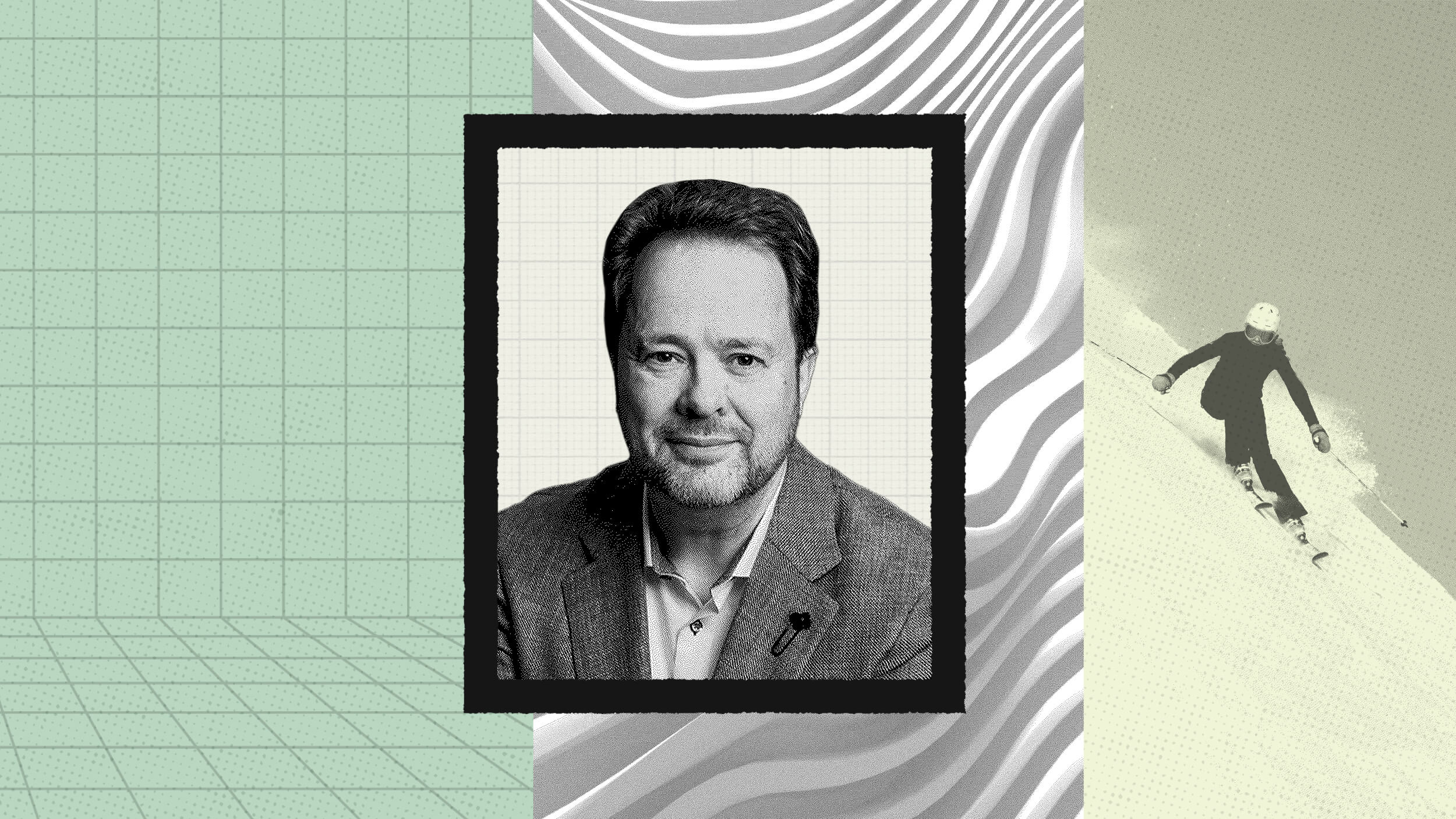
Snorre Kjesbu — SVP & GM of Cisco’s Employee Experience group — has a bold vision for the future of human interaction.

Leaders may not realize it — they’re not just being watched, they’re being interpreted, filtered, and judged, frame by frame.

The “primacy/recency effect” is used by celebrated movie-makers, Broadway composers, and restaurateurs — it can work for you too.

The veteran economist joins Big Think to unpack the new rules of social media, explain tariffs, and recount his adventures in Albania.

The outrageously accomplished magician-inventor-author chats to Big Think about fear, multitasking, and successful work-life reinvention.

A thesaurus isn’t for finding fancy words; it’s a resource to help you keep your rhythm.

You no longer need an army of followers to stand out as a writer — “one great piece is all it takes,” says Perell.

English could settle into a state of “diglossia” where a gulf exists between the written form and its spoken varieties, but the two are bound into a single tongue.

Andreessen Horowitz cofounder Ben Horowitz thought that “blowing sunshine” was the right way to handle pressure — here’s how he corrected his mistake.

The rapid crash of Nokia was triggered when key information gatekeepers became bottlenecks. Here’s the key lesson.

Want to know how to handle work-life pressure? Big Think asked Warfare co-directors Alex Garland and Ray Mendoza.

In “Enough Is Enuf,” Gabe Henry traces the history of simplified spelling movements and the lessons they teach us about language.

Bestselling author Seth Godin urges us to rethink our definition of longevity — and to step back and measure what matters.

Networking — not zombie-crunching your job applications — gives you a better chance of getting sourced or referred for a role.
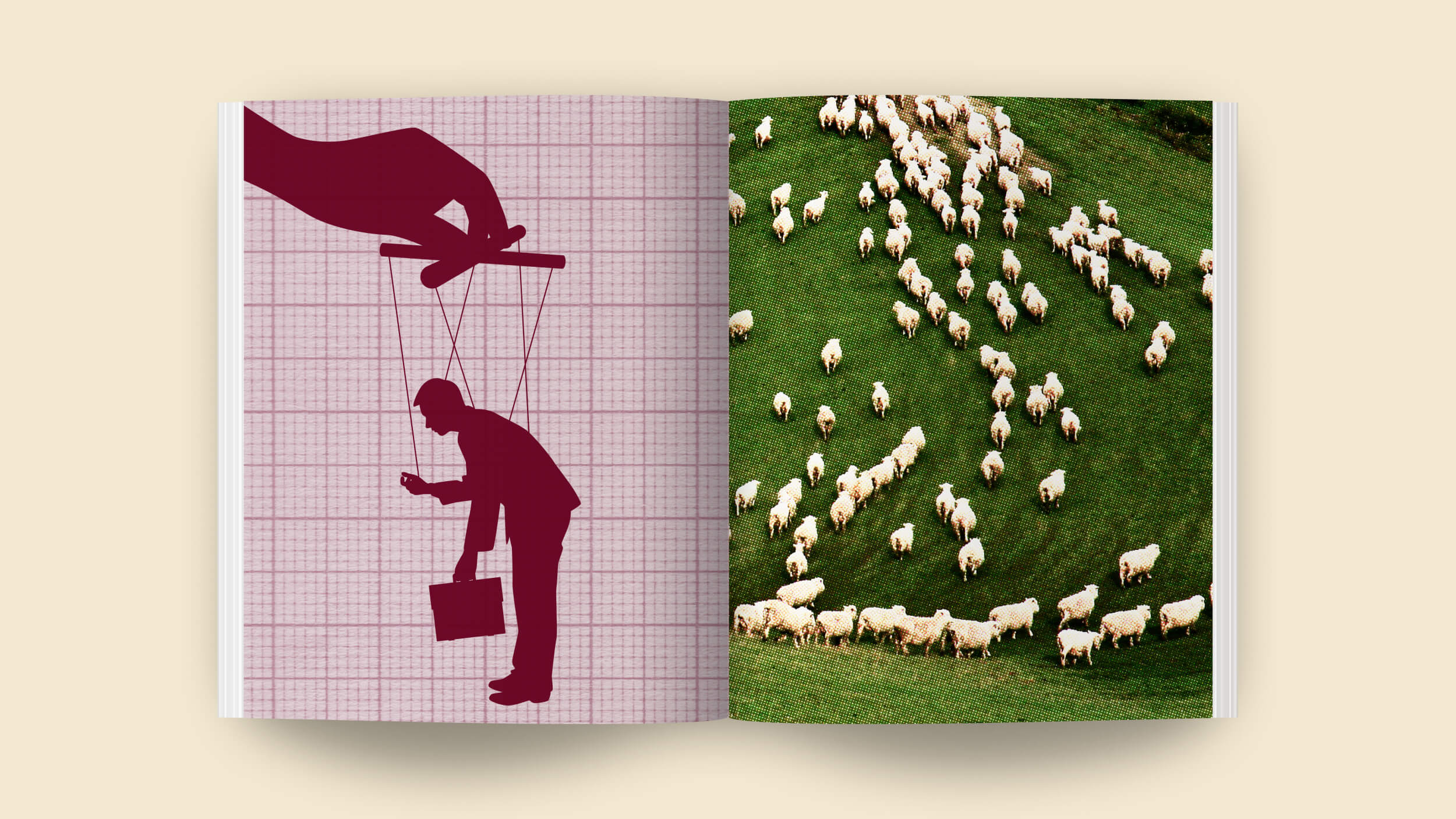
We manipulate constantly — but few of us want to be called “manipulative.” Here, ex-Google executive Jenny Wood redefines an unfairly maligned trait.

Professor of leadership Michael D. Watkins identifies ways high-performing teams can be sabotaged — and offers simple fixes for each.

Jono Hey — whose sketches have been shared by the likes of Bill Gates and Steven Bartlett — draws some of his most valued leadership insights.

While death-bed utterances are more famous, baby’s first words have influenced us too.

Stockholm has been called a “unicorn factory” for its success with new businesses. A unique connection with sports philosophy helps explain why.

The legendary investor explains the transformative Objectives and Key Results goal-setting framework with an imaginary Super Bowl strategy.

George Raveling — the iconic leader who brought Michael Jordan to Nike — shares with Big Think a lifetime of priceless wisdom learned at the crossroads of sports and business.

Rebuilding the NFL franchise in the early 2020s echoed the corporate overhauls that had transformed Boeing and Ford.

Radically improve your work-life speaking and presentation skills with a technique used by musicians and brand-name politicians.

Hawking’s refusal to upgrade his communication system preserved a voice that became iconic, not just for its sound, but for the profound identity it conveyed.

You’re a moody person. You have to be — because understanding moods philosophically can be crucial to your work-life.

Don’t become one of those organizations that slouches toward positive behavioral change — here’s how to move fast.