environment
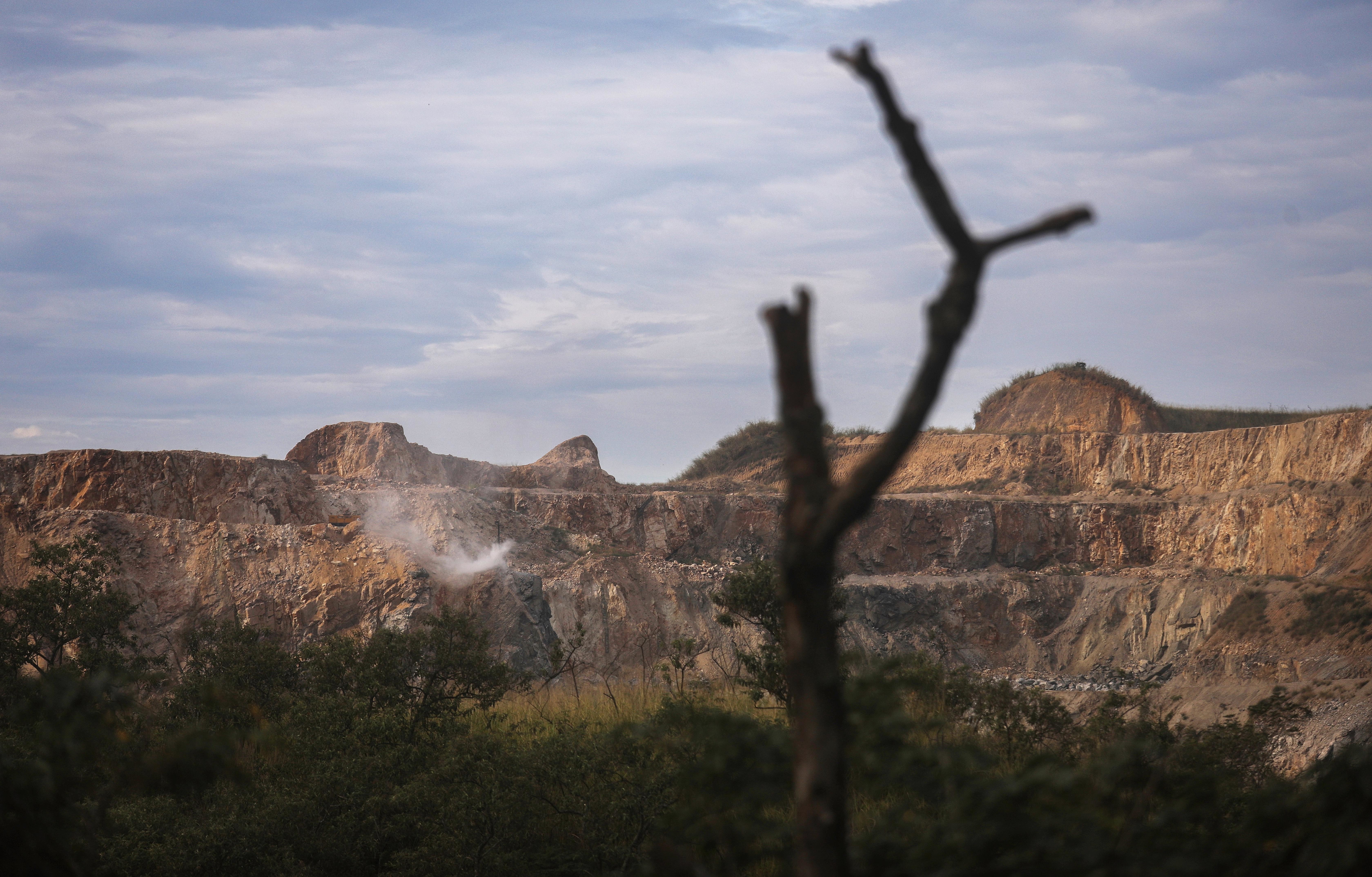
“This is a great example of a forest restoration plan which is both good for the people and good for nature,” one researcher said.
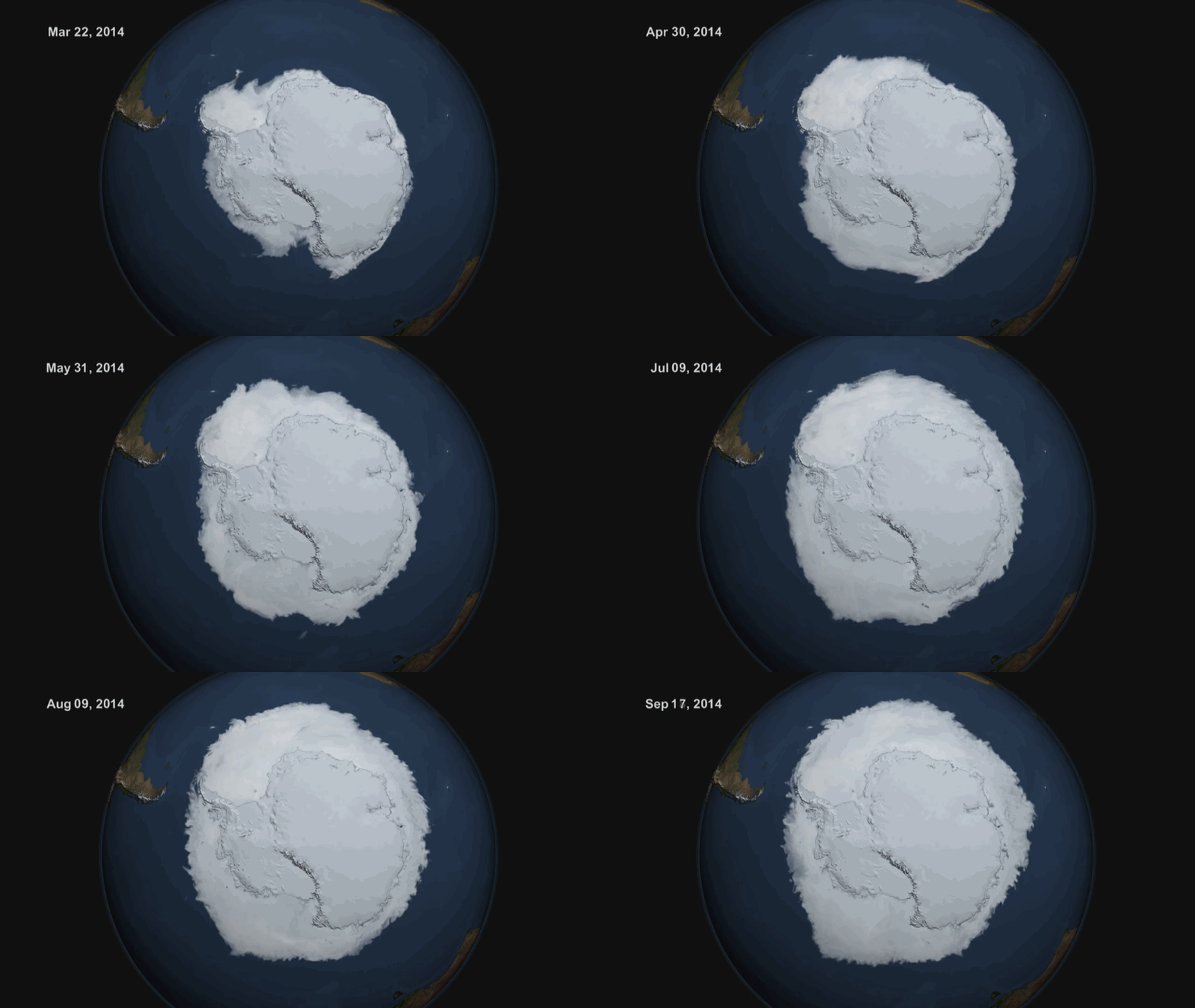
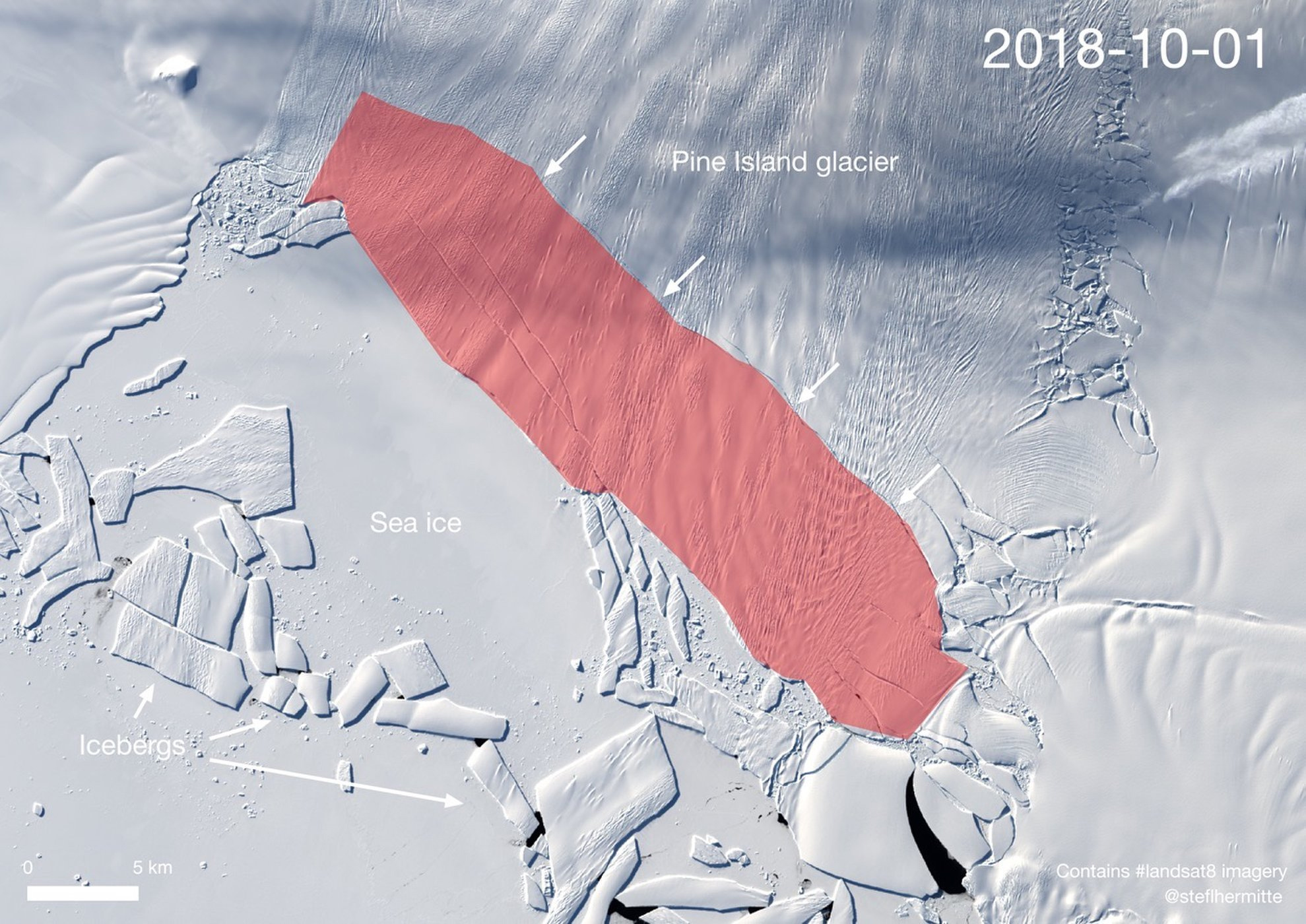
The findings of the controversial study flew in the face of past research on ice gains in Antarctica.

Zoologist Lucy Cooke explains why humans are totally wrong about panda sex, and why captive breeding backfires.
▸
10 min
—
with
Whether or not there are tropical islands in 50 years might depend on whether or not we can eat fewer hamburgers.

Luxembourg will offer the world’s first fare-free public transit system, but is there really such a thing as a free ride?

Australia’s two largest supermarkets led the ban, which has so far prevented some 1.5 billion plastic bags from entering the environment.
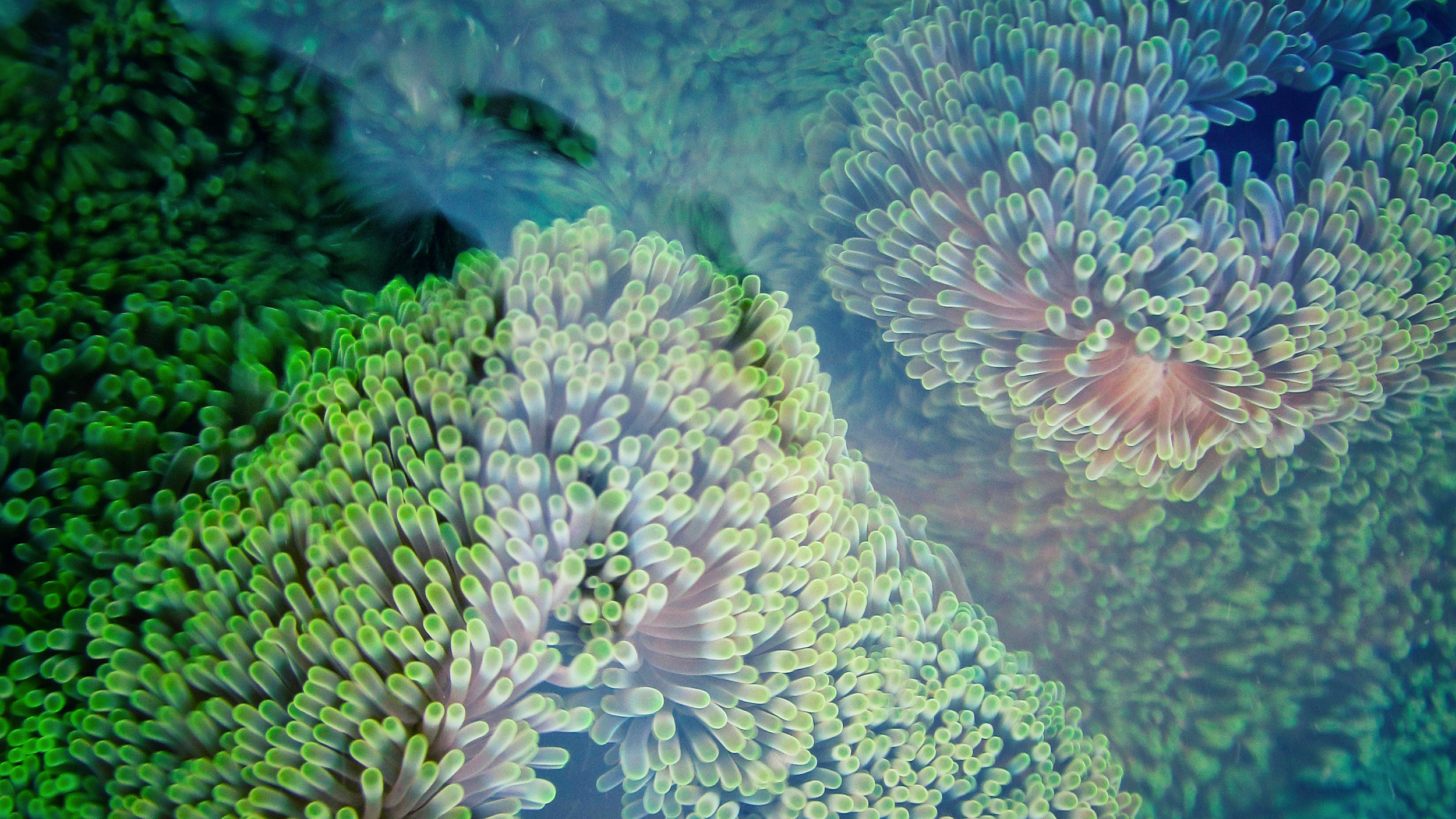
There might be hope for our oceans, thanks to one clumsy moment in a coral tank.

A trio of scientists from Harvard hopes to do this in 2019.
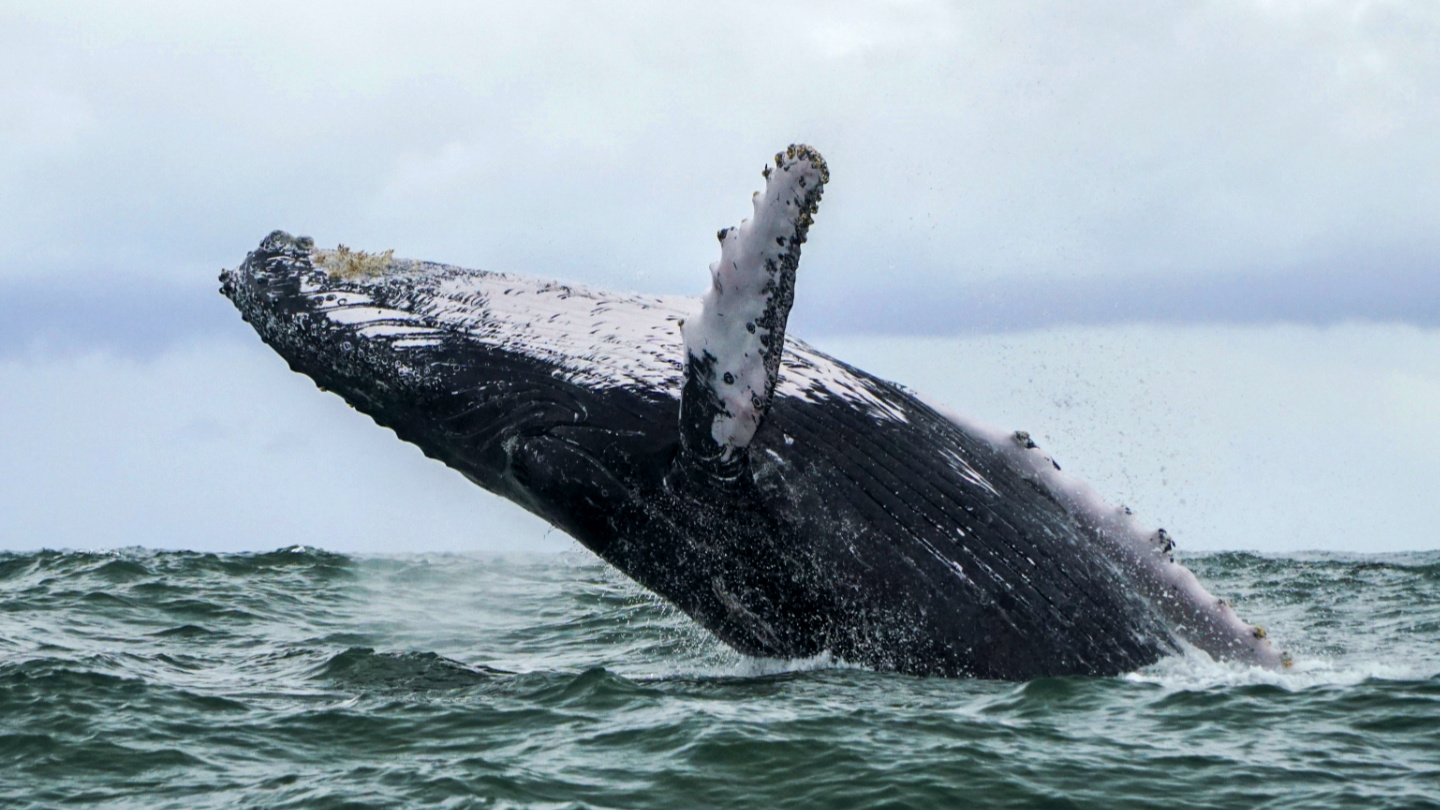
Thanks to museum curators, there’s no shortage of the stuff.

As the world gets hotter, men may have fewer and fewer viable sperm
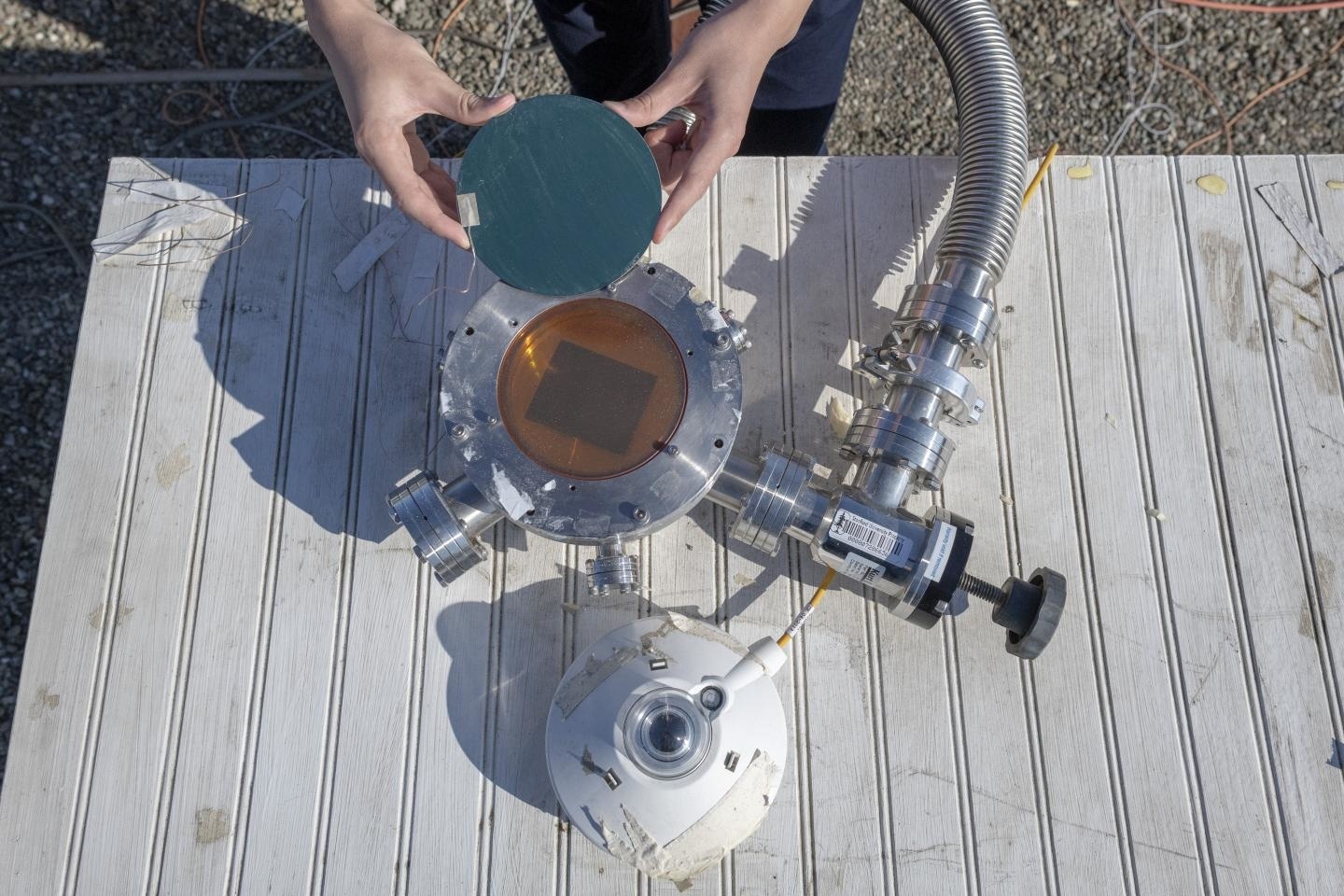
Is the future with radiative cooling?
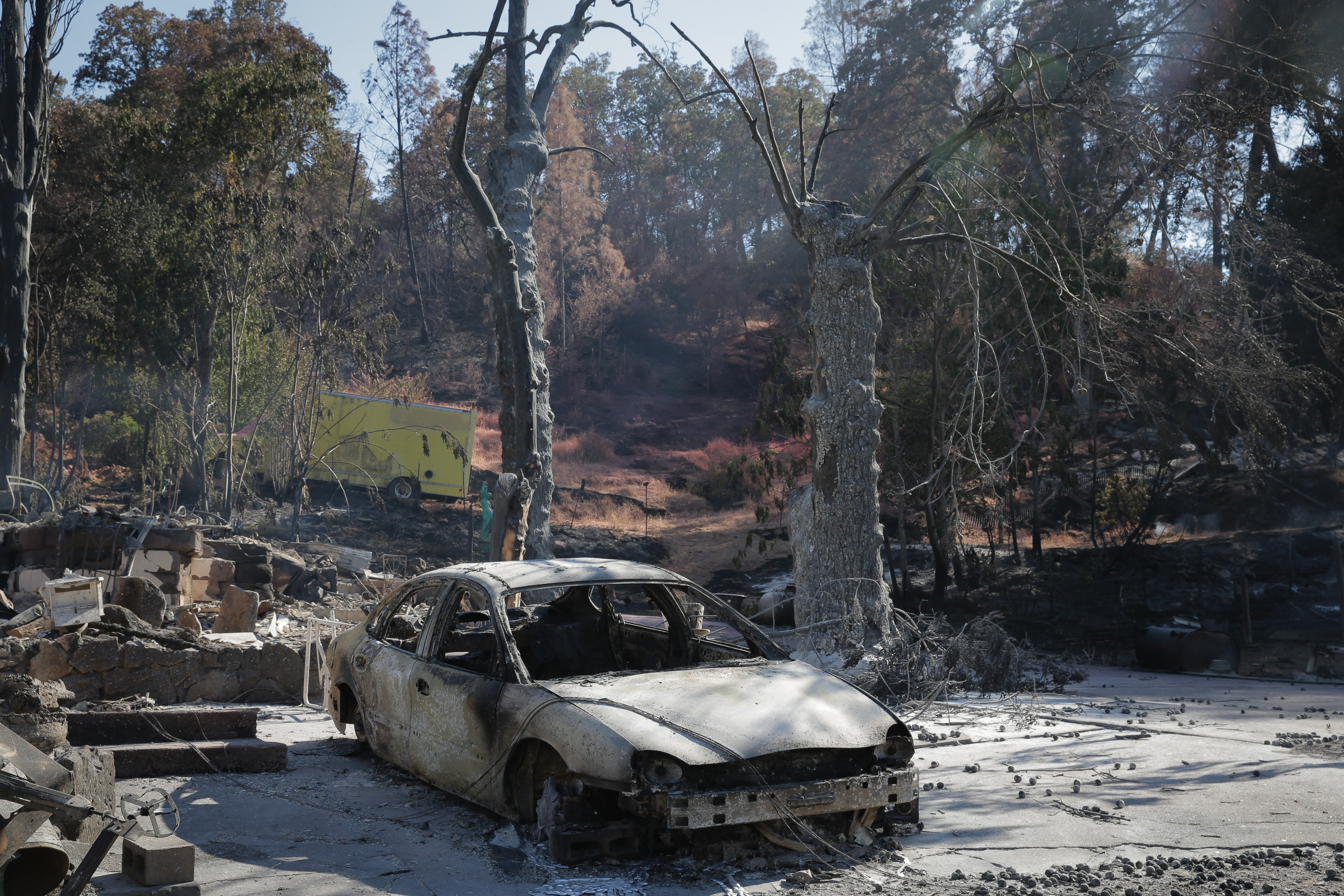
Firefighters in California are still struggling to contain several wildfires nearly one week after they broke out.
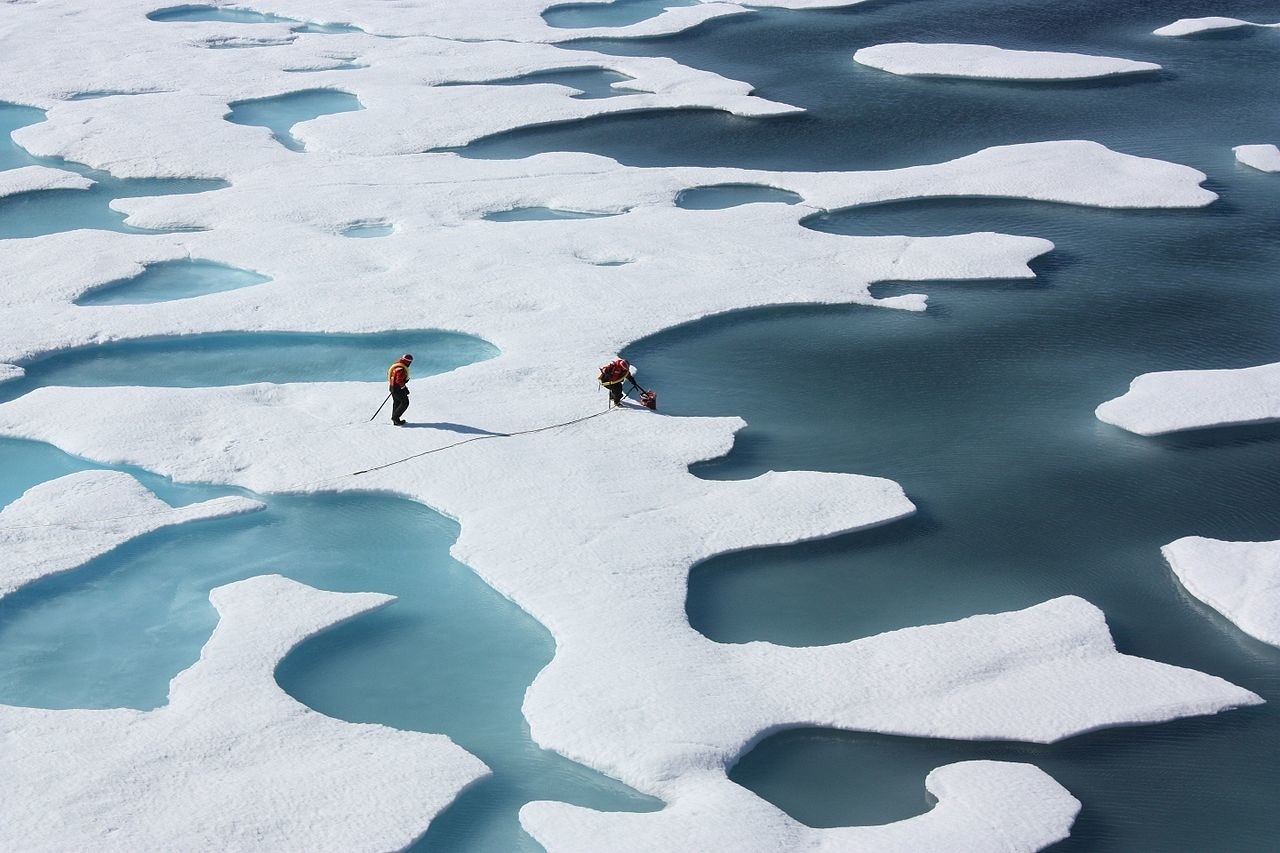
The climate change we’re witnessing is more dramatic than we might think.
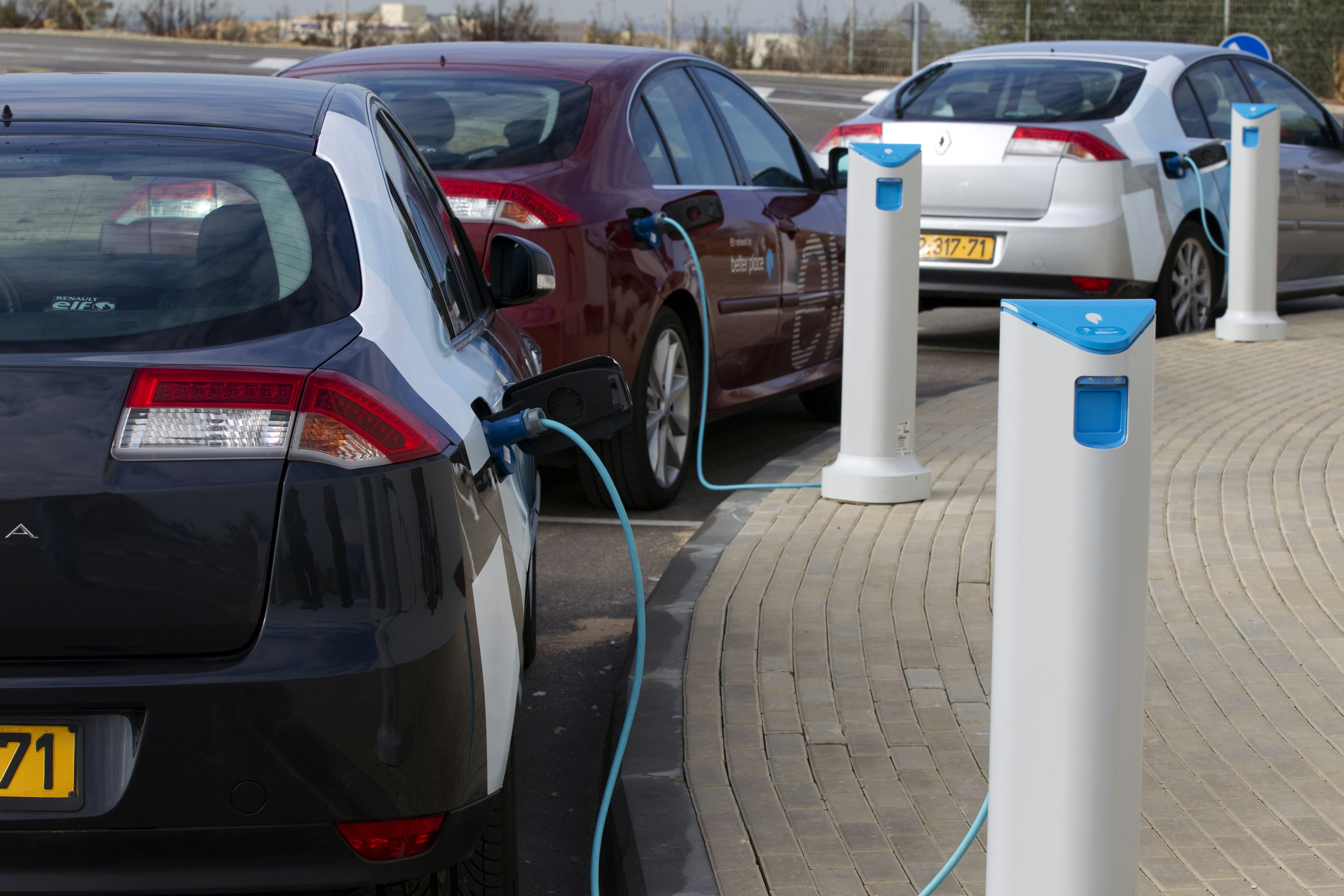
The government hopes to see 1.5 million electric cars on roads by 2030.

The next gold rush might take place in our sewers.
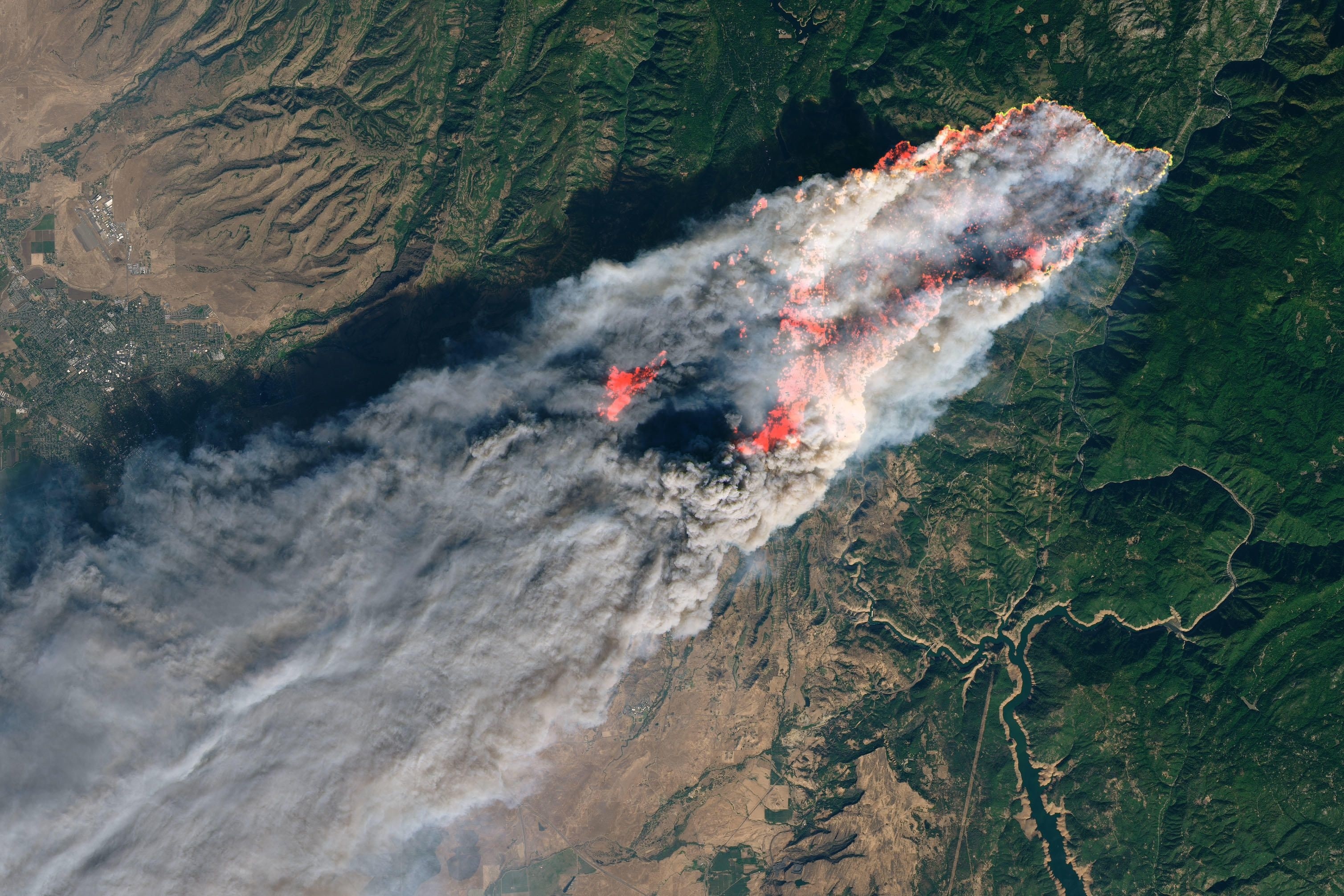
Firefighters in Northern and Southern California are struggling to contain three wildfires that have forced more than 100,000 residents to evacuate.

On Tuesday, eight science-credentialed candidates were elected to the House of Representatives.

What does it mean for the future of the cryptocurrency movement and its impact on the environment?

Using terrifying language when talking about climate change may be scaring people into inaction.
▸
4 min
—
with

A new paper in Nature adds urgency to the fight against climate change.

A French study of nearly 70,000 people yielded startling results for two forms of cancer.
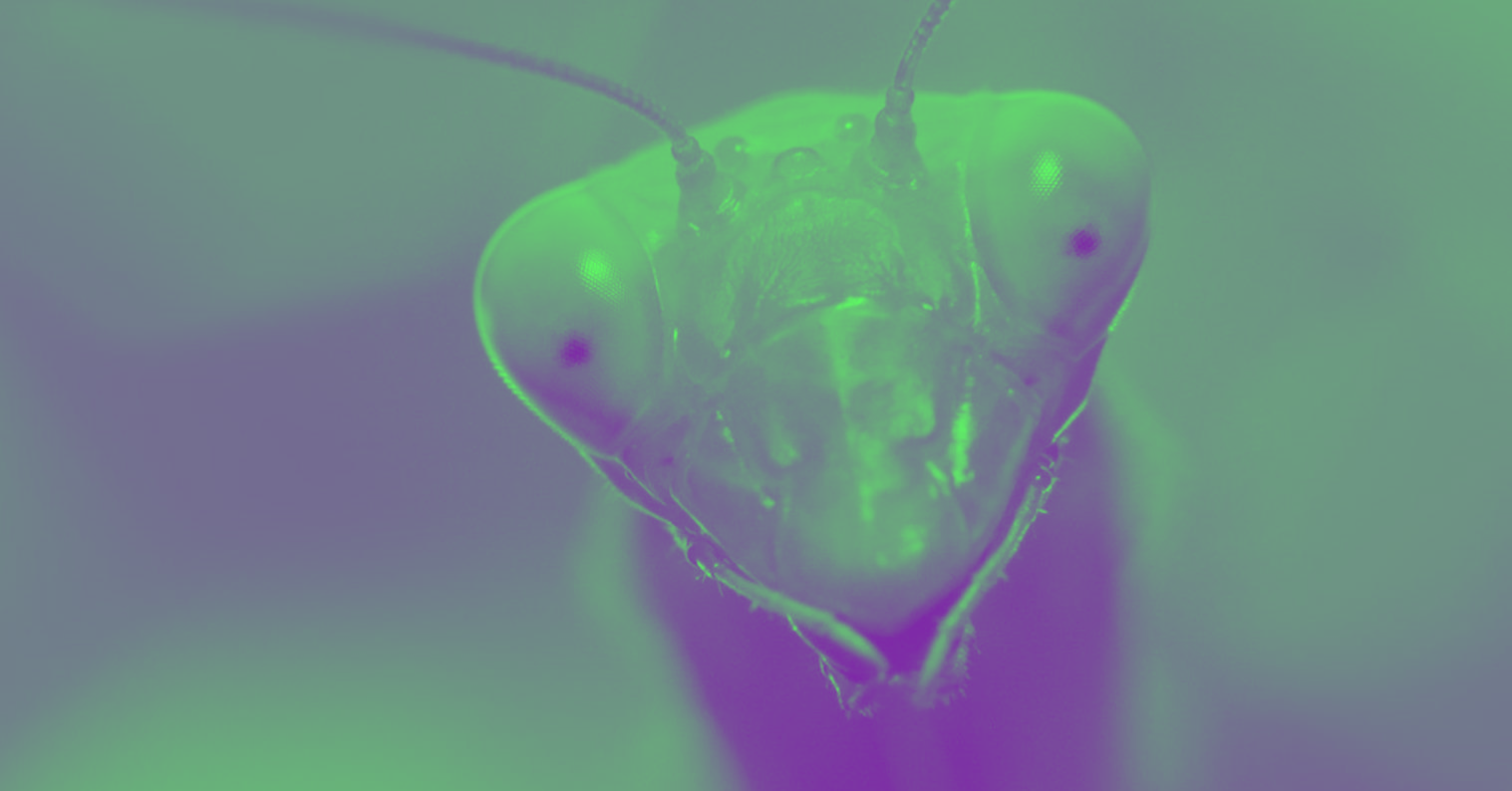
How psilocybin evolved has more to do with sending insects on terrifying trips than it does making Phish sound good.
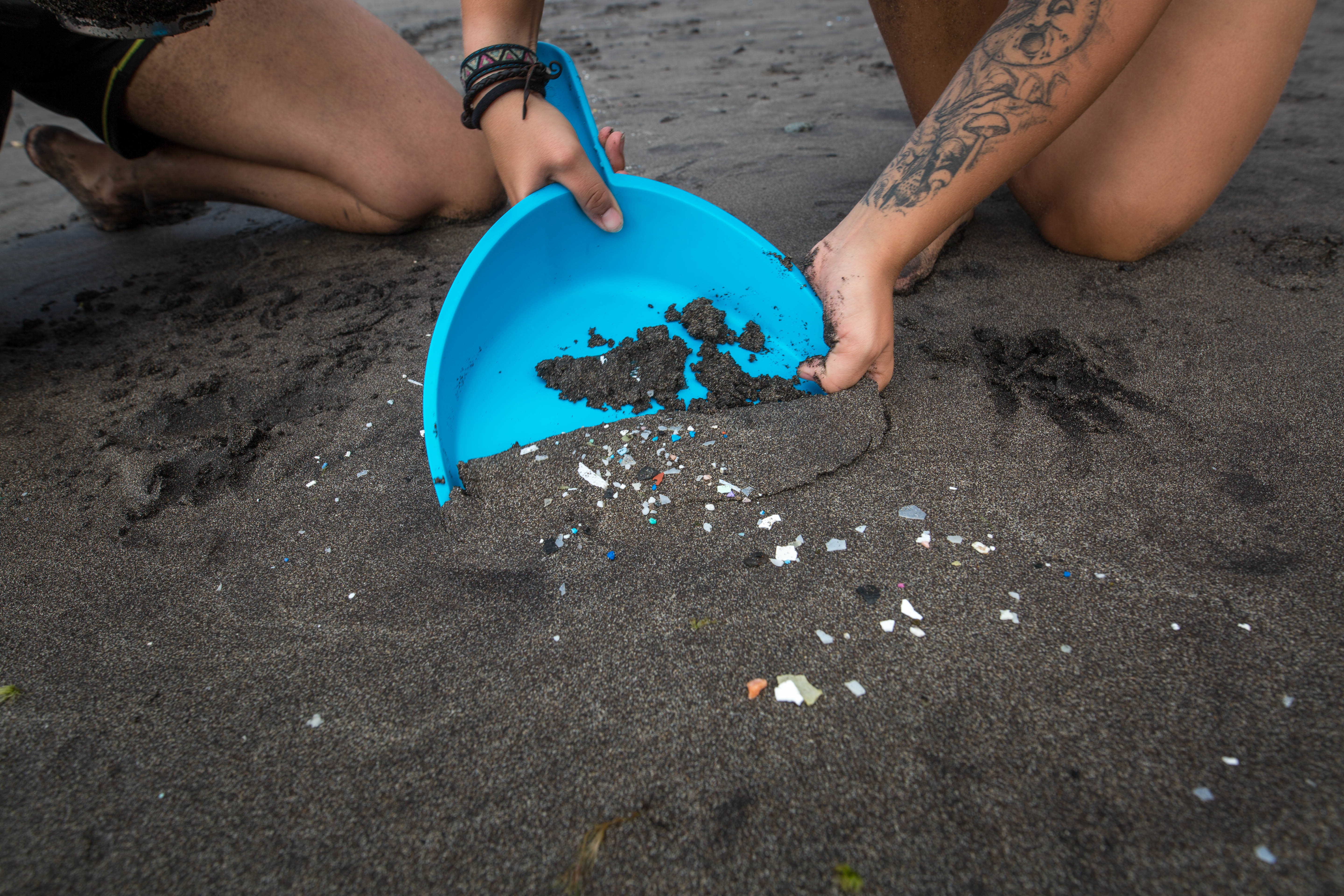
The study was small: 8 people from 8 different countries. But the findings have alarmed scientists.
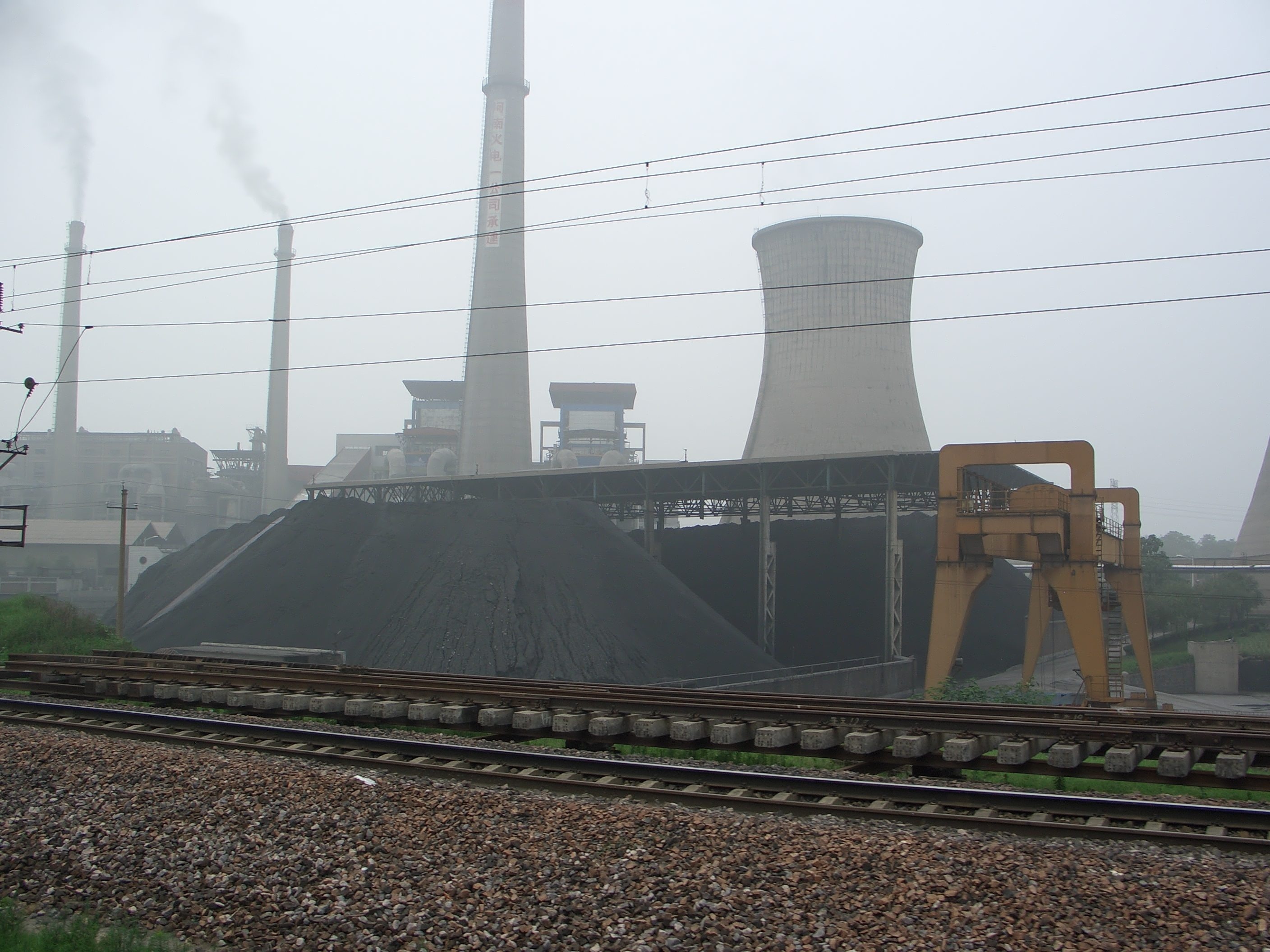
Pay attention to the decisions made by the provinces.

Climate change stands to take the one thing away from us that might make it easier to deal with, cheap beer.
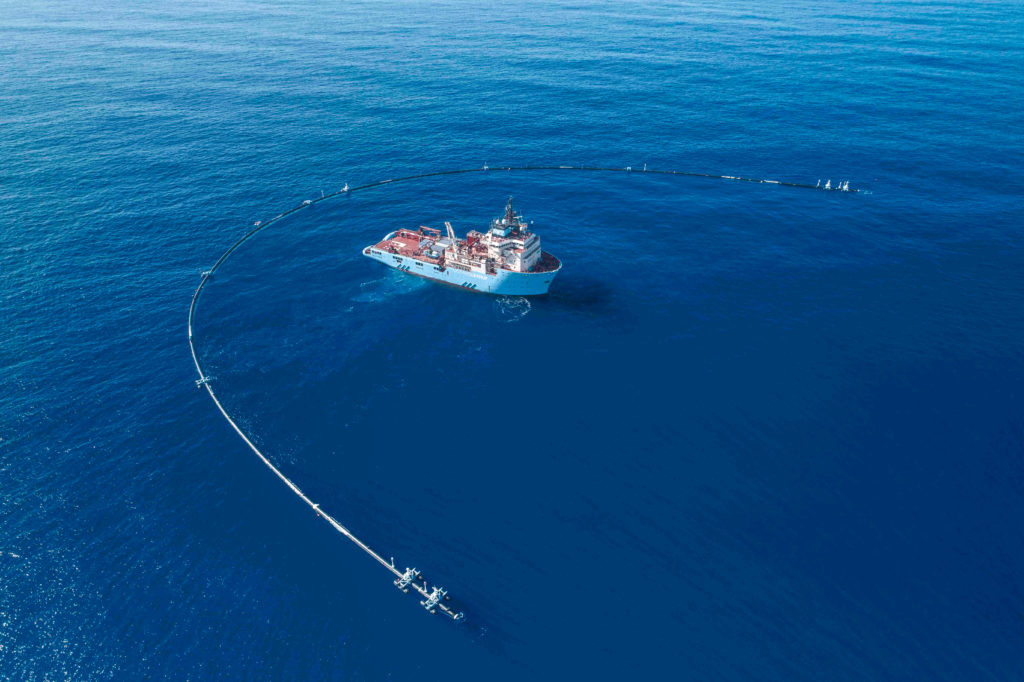
The Ocean Cleanup’s System 001 is being deployed at Great Pacific Garbage Patch.
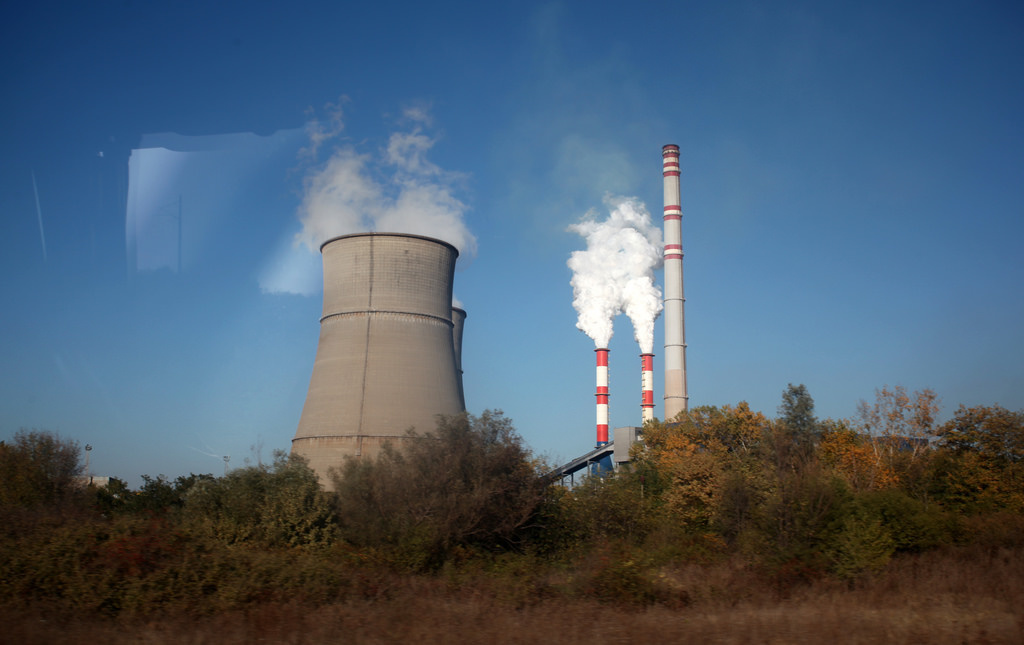
But they are only taking the CO2 equivalent of 32 cars off the road every year.
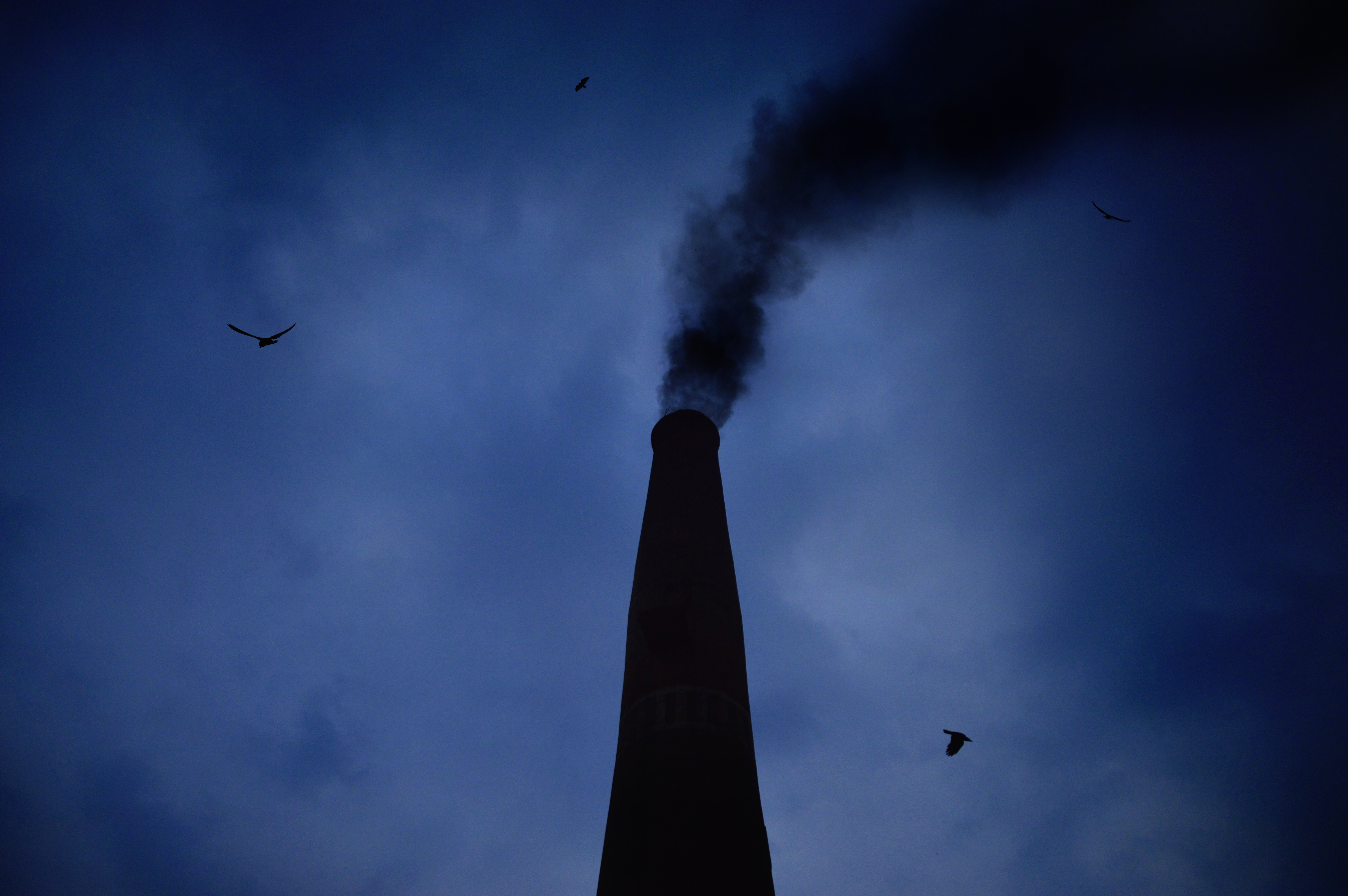
This is doubly worrisome on the heels of the recent UN climate change report, which gave humanity an urgent deadline to cut carbon emissions: just 12 years.
Most of us will still be alive then. Maybe.