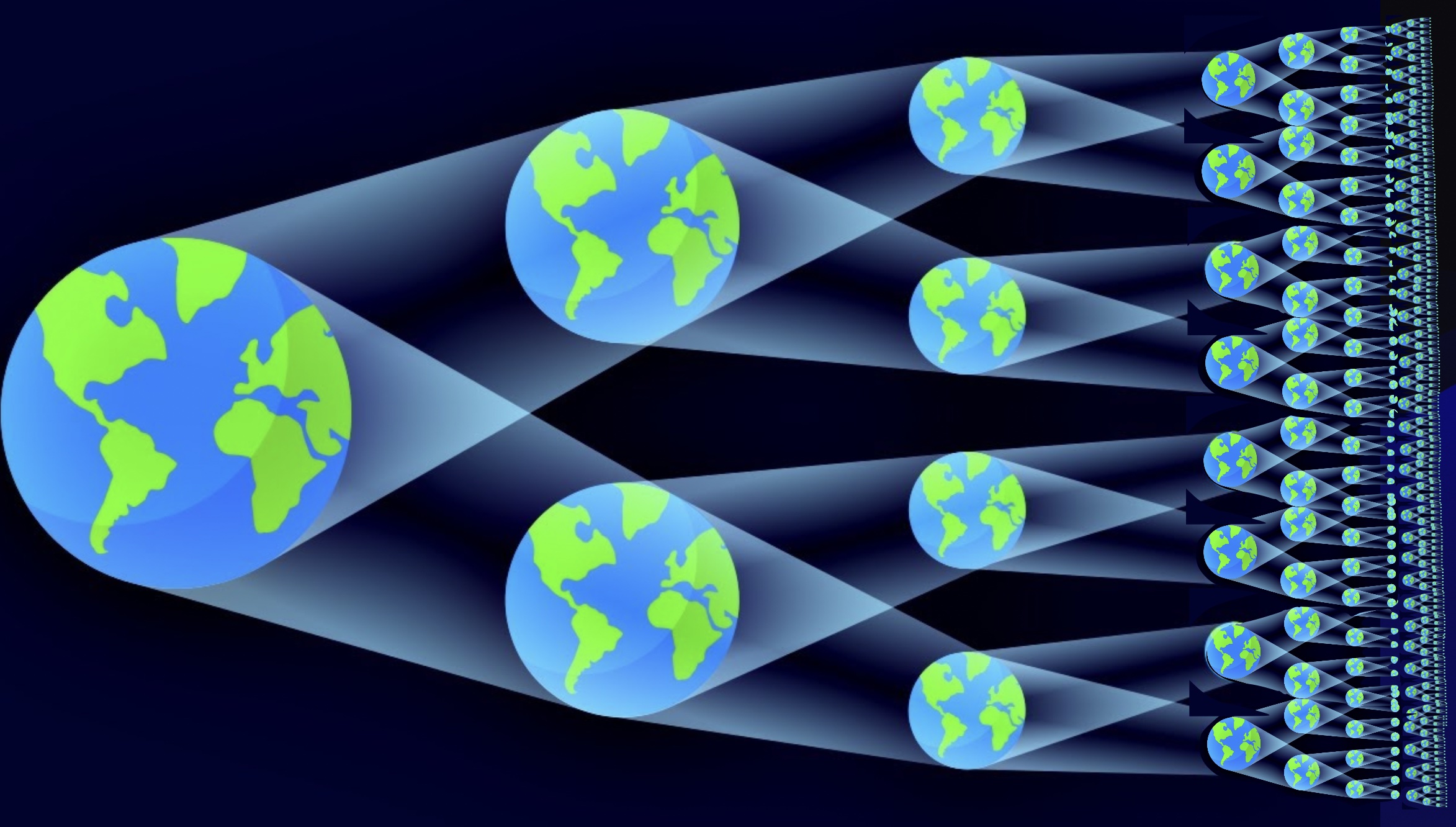
Starts With A Bang 10 reality-bending facts about the scientific Multiverse The Multiverse isn’t just a staple of science fiction; there’s real-life science behind it, too. Here are 10 facts to expand your mind.
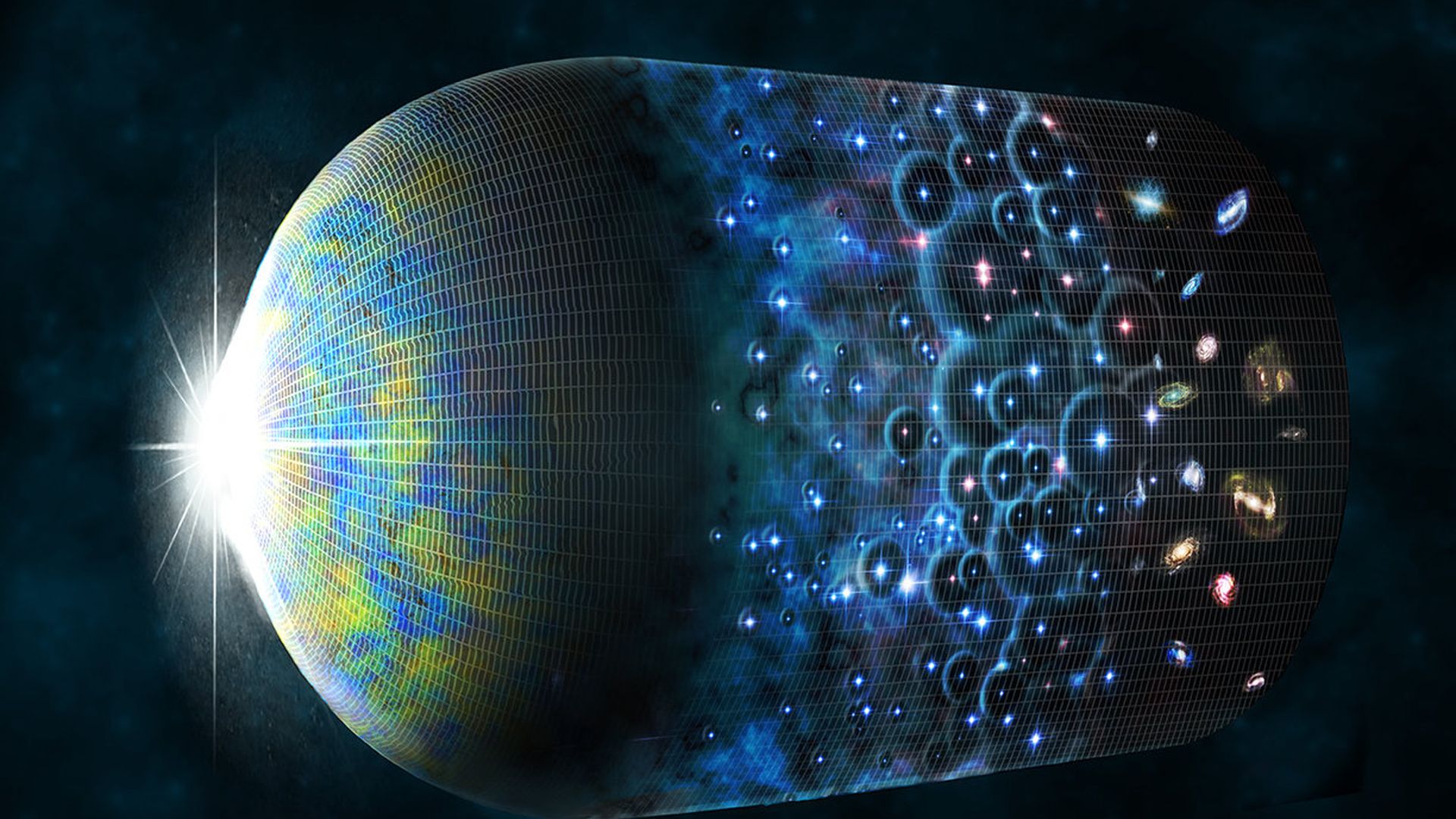
Starts With A Bang Busting the top 5 myths about the Big Bang For over 50 years, it’s been the scientifically accepted theory describing the origin of the Universe. It’s time we all learned its truths.
Thinking Exploring the wild and disturbing world of “scienceploitation” Timothy Caulfield, a leading science communicator, discusses the challenges of combatting misinformation in an age of information overload.
Business The Andrew Mayne interview: How to succeed as a polymath The outrageously accomplished magician-inventor-author chats to Big Think about fear, multitasking, and successful work-life reinvention.
Business A deep dive into Amazon robotics and AI Welcome to The Nightcrawler — a weekly newsletter from Eric Markowitz covering tech, innovation, and long-term thinking.
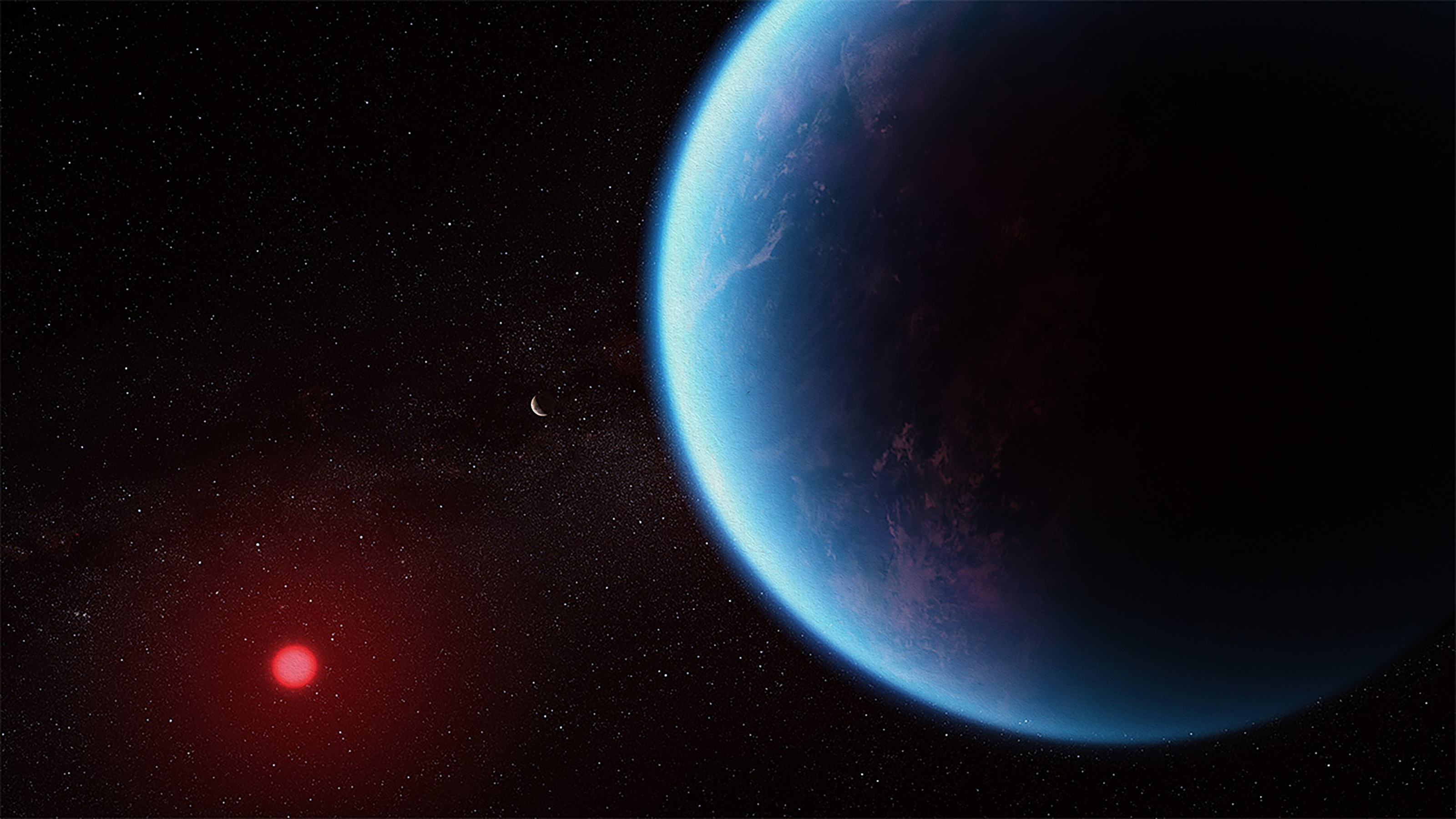
Starts With A Bang The evidence for biosignatures on K2-18b is flimsy, at best A Cambridge-based team claims to find molecules on an exoplanet that are only produced by life on Earth. Don’t fall for the unfounded hype.
Books Why your microbiome may matter more than DNA for your lifelong health In “The Microbiome Master Key,” Brett and Jessica Finlay argue that we need to stop waging war on all germs and start working with the microbes that make us who we are.
Starts With A Bang New science facilities are needed to keep America great New telescopes, radio dishes, and gravitational wave detectors are needed for next-generation science. Will the USA lead the way?
Business How to create an “idea generation assembly line” Welcome to The Nightcrawler — a weekly newsletter from Eric Markowitz covering tech, innovation, and long-term thinking.
Neuropsych Anesthesia “super dream” technique seems to soothe PTSD “Upon emergence, these patients are sincerely unsure what was reality and what was a ‘dream.'”
Starts With A Bang The secret reason the USA beat the USSR to the Moon Sixty years ago, the Soviet Union was way ahead of the USA in the space race. Then one critical event changed everything.
Business 5 proven CEO strategies for riding any wave of innovation The successful tactics of big-name leaders — including Bob Iger, Mary Barra, and Satya Nadella — reveal key approaches to innovation.
The Future Why AI playing video games is a big deal Finally, an AI that can drive a digital car as a goat.
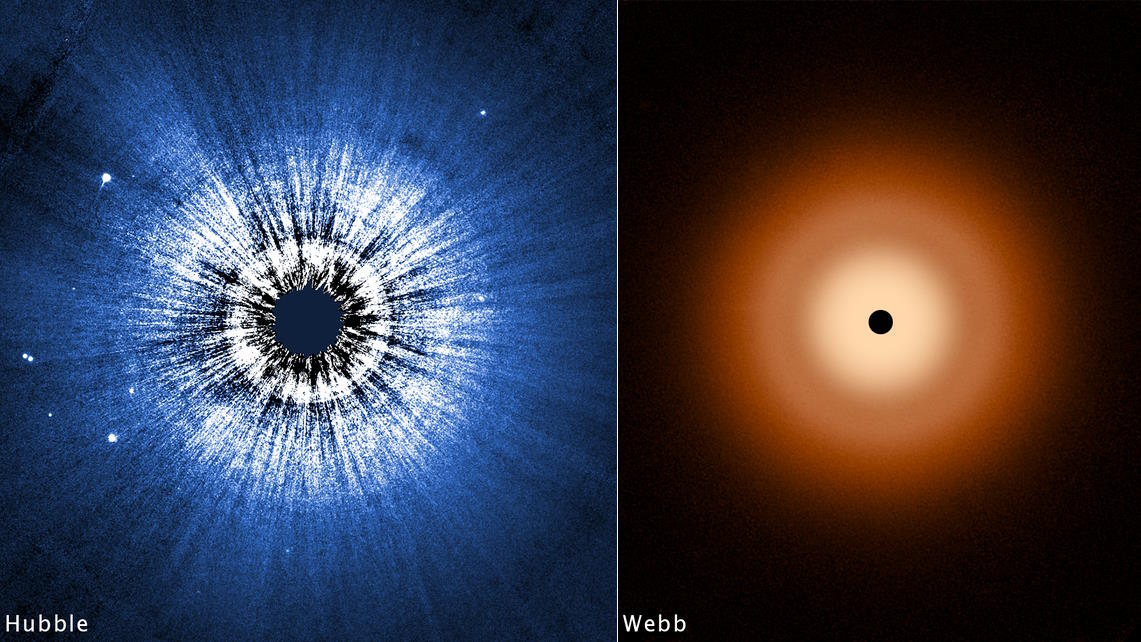
Starts With A Bang JWST compels us to ask: what’s wrong with Vega? The 5th brightest star in our night sky is young, blue, and apparently devoid of massive planets. New JWST observations deepen the mystery.
Business 4 ways to turn workplace happiness into a competitive advantage Taco Thursdays and free yoga have their limits — for lasting workplace happiness leaders need to think about purpose.
High Culture “Crazy Rich Asians” director Jon Chu on the American Dream and silencing your inner critic “No matter how long you’ve been doing a job or how good people say you are, you need to care as if you’ve never done it before.”
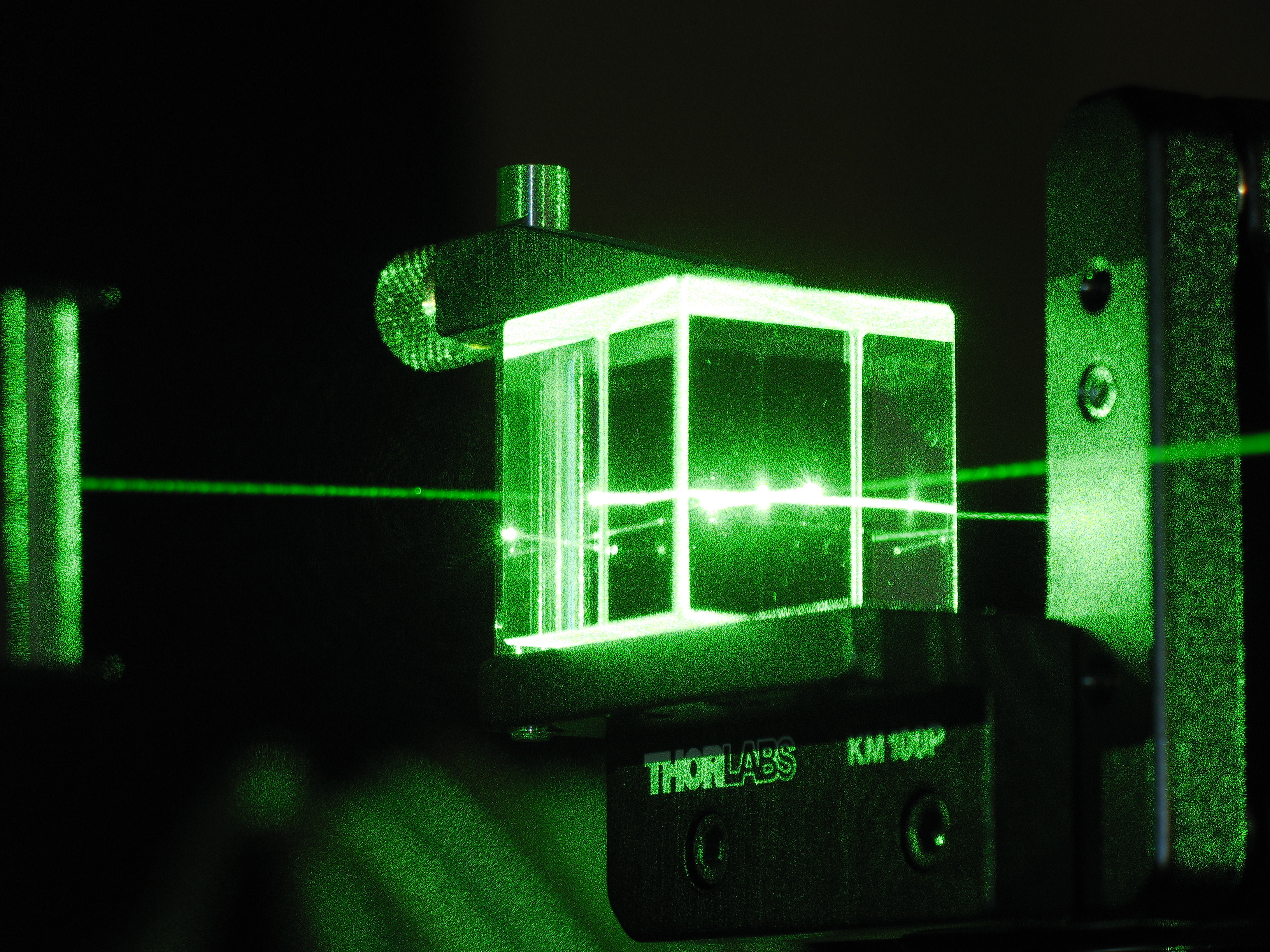
Starts With A Bang Ask Ethan: What does it mean to live in a quantum universe? Over a century after we first unlocked the secrets of the quantum universe, people find it more puzzling than ever. Can we make sense of it?
Business Why the only way to ride the company AI wave is experimentation AI is both a tool and a catalyst — and the key to successful integration is to rewrite your rule book and tinker.
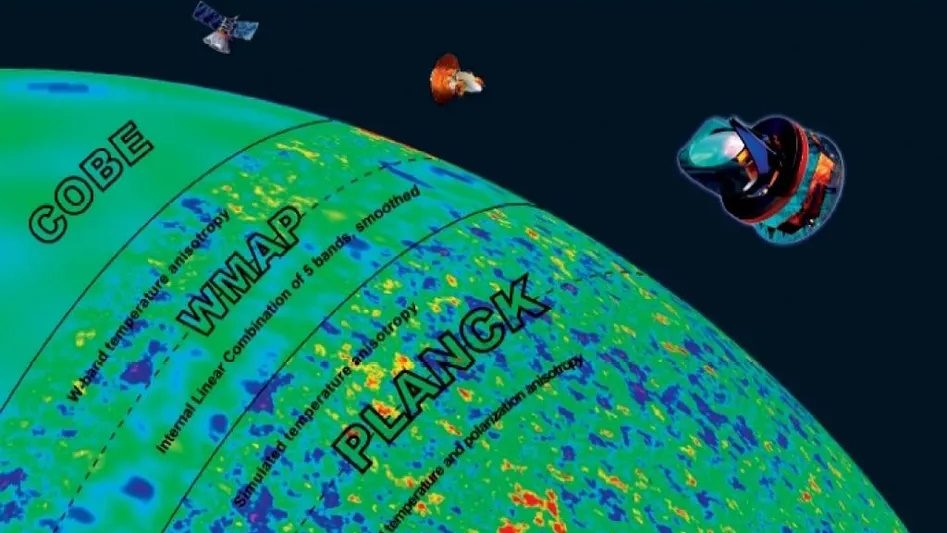
Starts With A Bang The CMB: The most important discovery in cosmic history First discovered in the mid-1960s, no cosmic signal has taught us more about the Universe, or spurred more controversy, than the CMB.
Starts With A Bang Is it true that photons truly live forever? In all the Universe, only a few particles are eternally stable. The photon, the quantum of light, has an infinite lifetime. Or does it?
Starts With A Bang The future of US astronomy just dimmed by half Ground-based facilities enable the greatest scientific production in all of astronomy. The NSF needs to be ambitious, and it’s now or never.
Starts With A Bang 10 thoughtful insights about the great cosmic unknowns An in-depth interview with astronomer Kelsey Johnson, whose new book, Into the Unknown, explores what remains unknown about the Universe.
Starts With A Bang Ask Ethan: What are the biggest JWST discoveries so far? Since mid-2022, JWST has been showing us how the Universe grows up, from planets to galaxies and more. So, what’s its biggest find of all?
Starts With A Bang The better way to measure cosmic time For some reason, when we talk about the age of stars, galaxies, and the Universe, we use “years” to measure time. Can we do better?
Starts With A Bang What happens if you deep fry a frozen turkey? It’s the ultimate setup for a Thanksgiving Day disaster. The physics of water and its solid, liquid, and gas phases compels us not to do it.
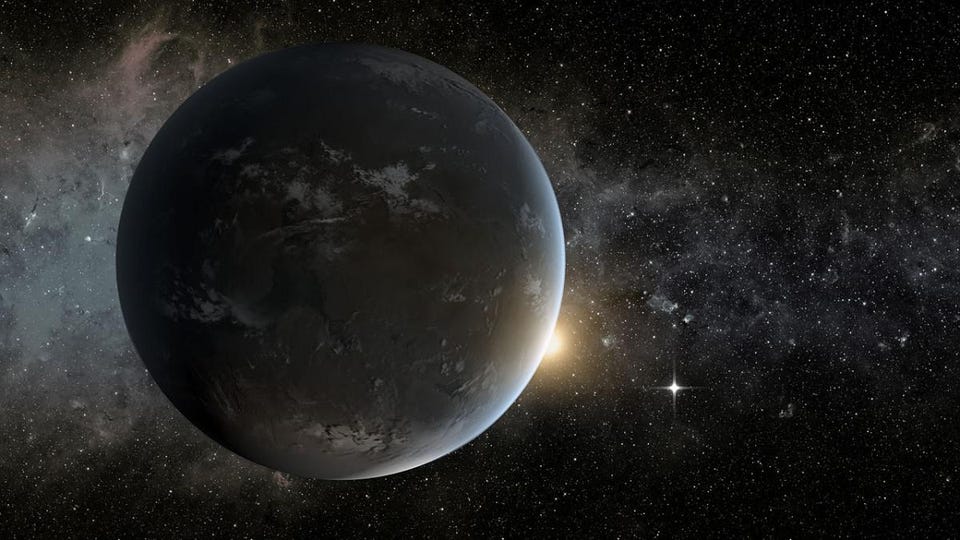
Starts With A Bang Our first “Earth-like” exoplanets probably won’t have atmospheres Seeking life beyond the Solar System, we first look to the closest star systems with Earth-like planets. Here’s why that’s not good enough.
Starts With A Bang Does light itself truly have an infinite lifetime? In all the Universe, only a few particles are eternally stable. The photon, the quantum of light, has an infinite lifetime. Or does it?
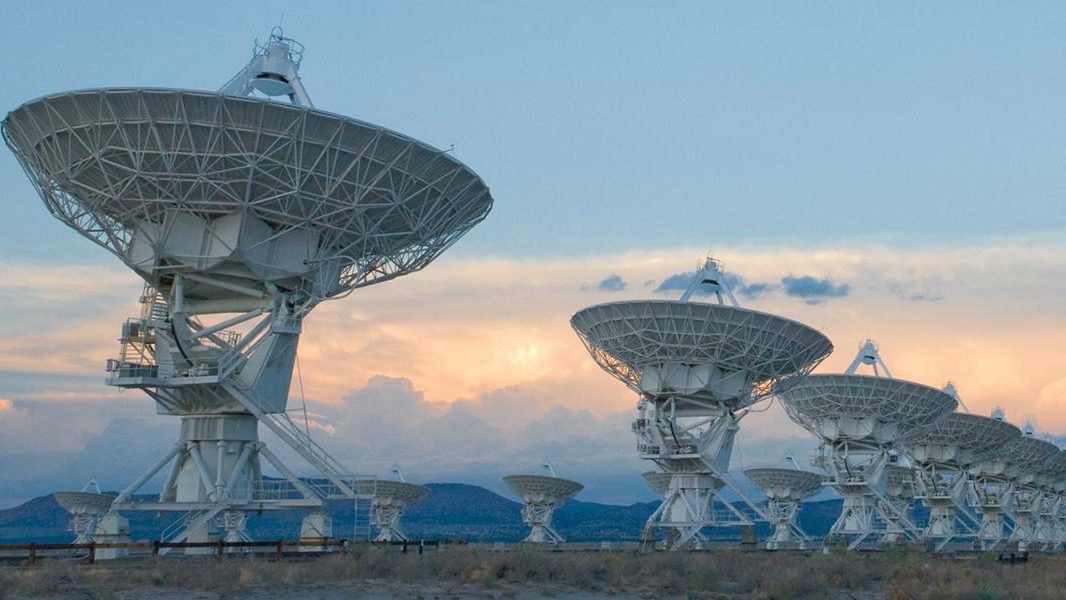
Starts With A Bang Astronomy’s secret weapon in the resolution wars: interferometry The sharpest optical images, for now, come from the Hubble Space Telescope. A ground-based technique can make images over 100 times sharper.
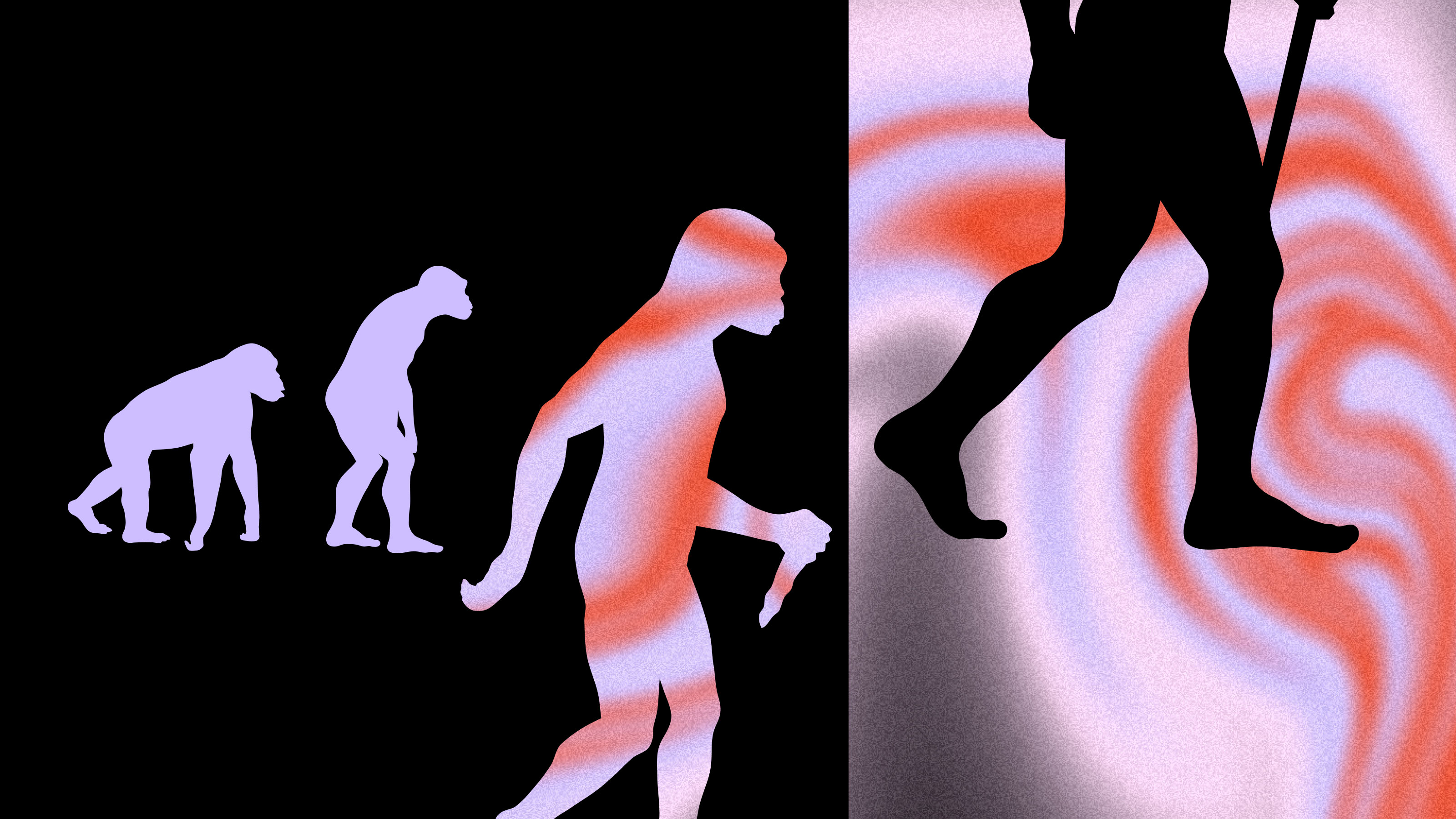
The Past A new spin on the “Stoned Ape Hypothesis” The controversial theory about magic mushrooms and human evolution gets a much-needed update.
The Learning Curve 5 rules for how to read the news — the Big Think way We can no longer approach the news as passive consumers.