The Past Technology over the long run: See how dramatically the world can change within a lifetime It is easy to underestimate how much the world can change within a lifetime.
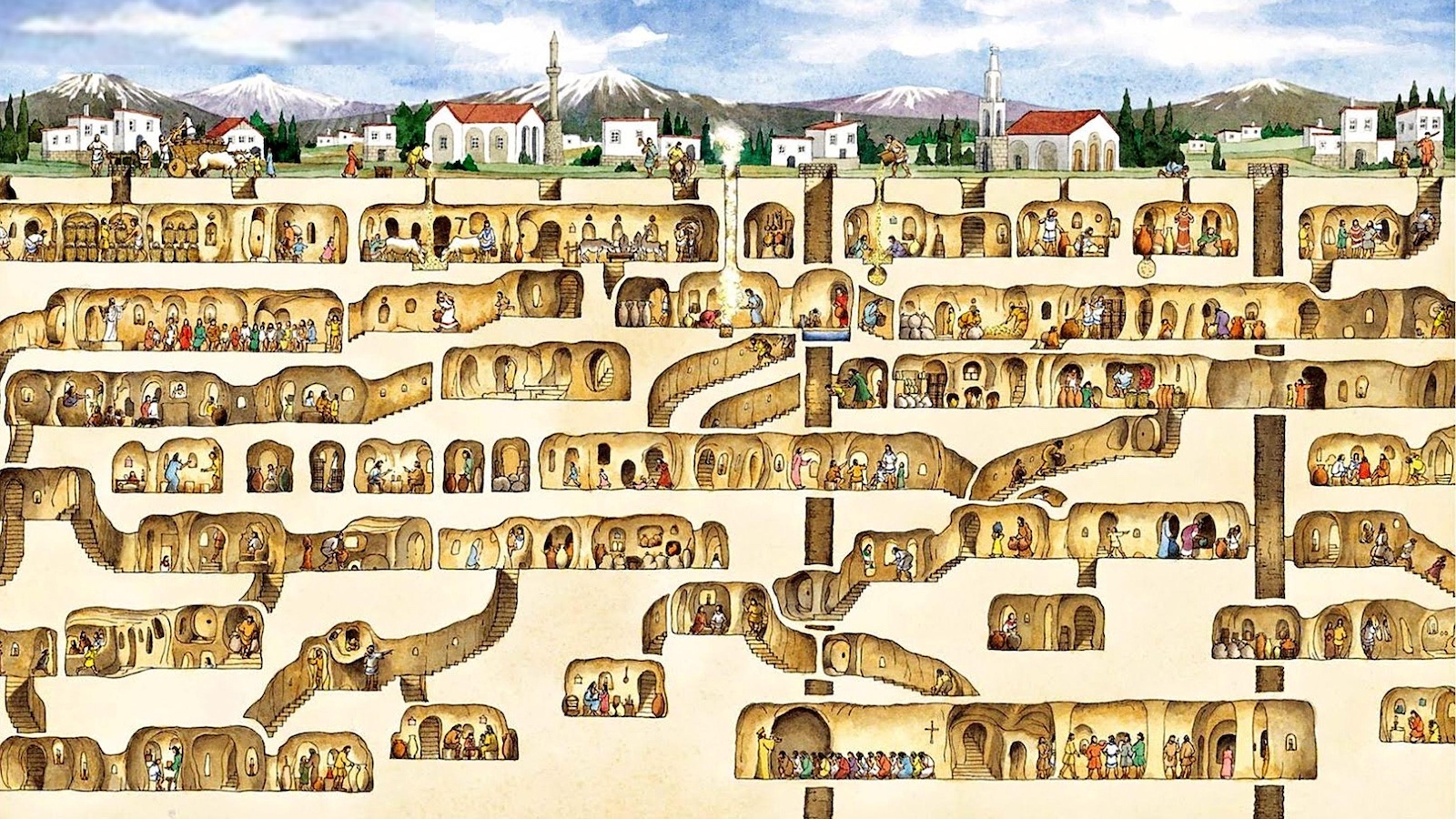
Strange Maps Derinkuyu: Mysterious underground city in Turkey found in man’s basement A basement renovation project led to the archaeological discovery of a lifetime: the Derinkuyu Underground City, which housed 20,000 people.
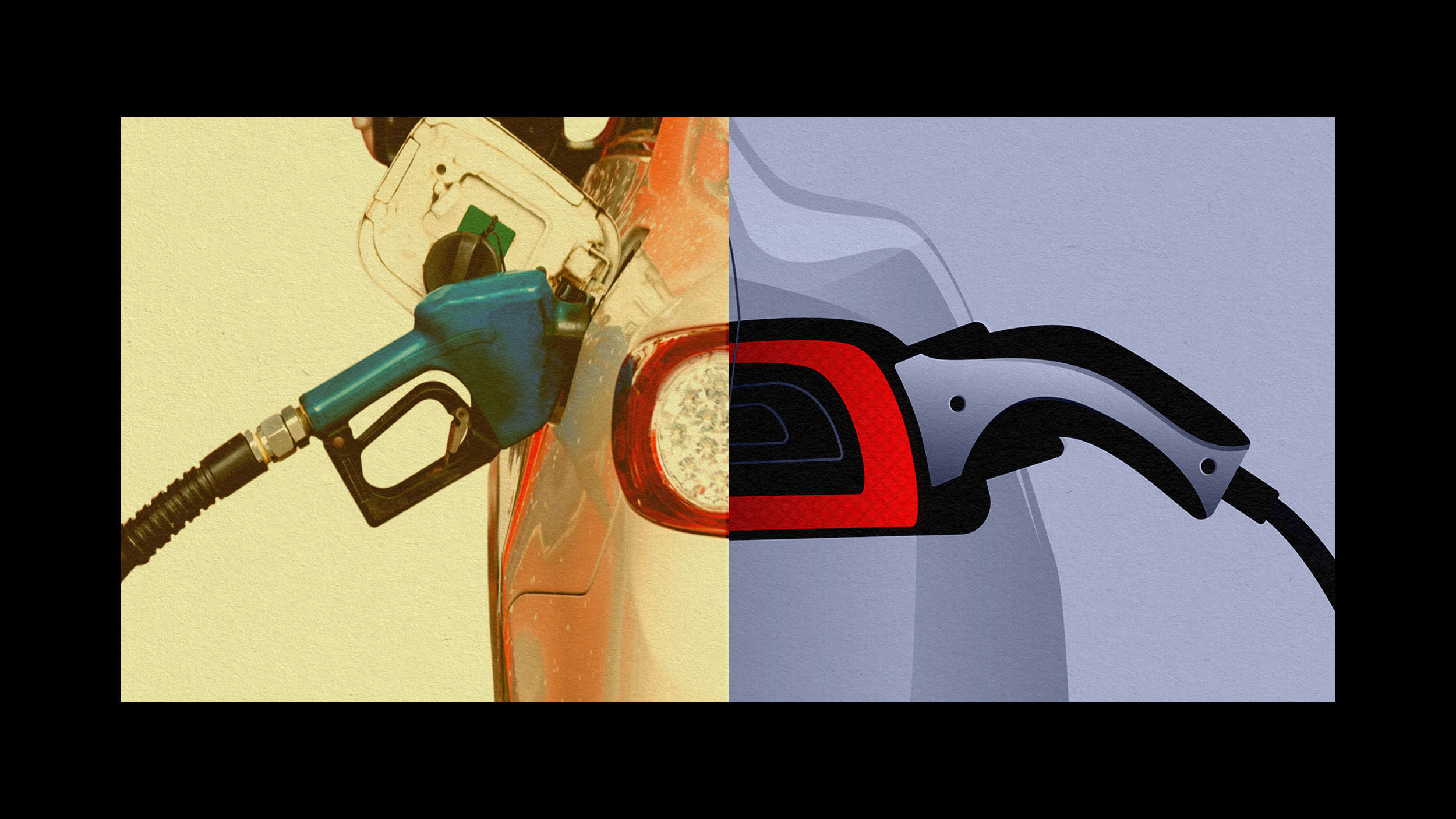
The Present Are electric vehicles really cheaper to own? Maybe not. A new analysis suggests previous “total cost of ownership” studies overlooked key factors.
All Videos NASA astronaut explains humanity’s trajectory to Mars The first human that isn’t an Earthling could be in our lifetime. ▸ 5 min — with Robert Curbeam
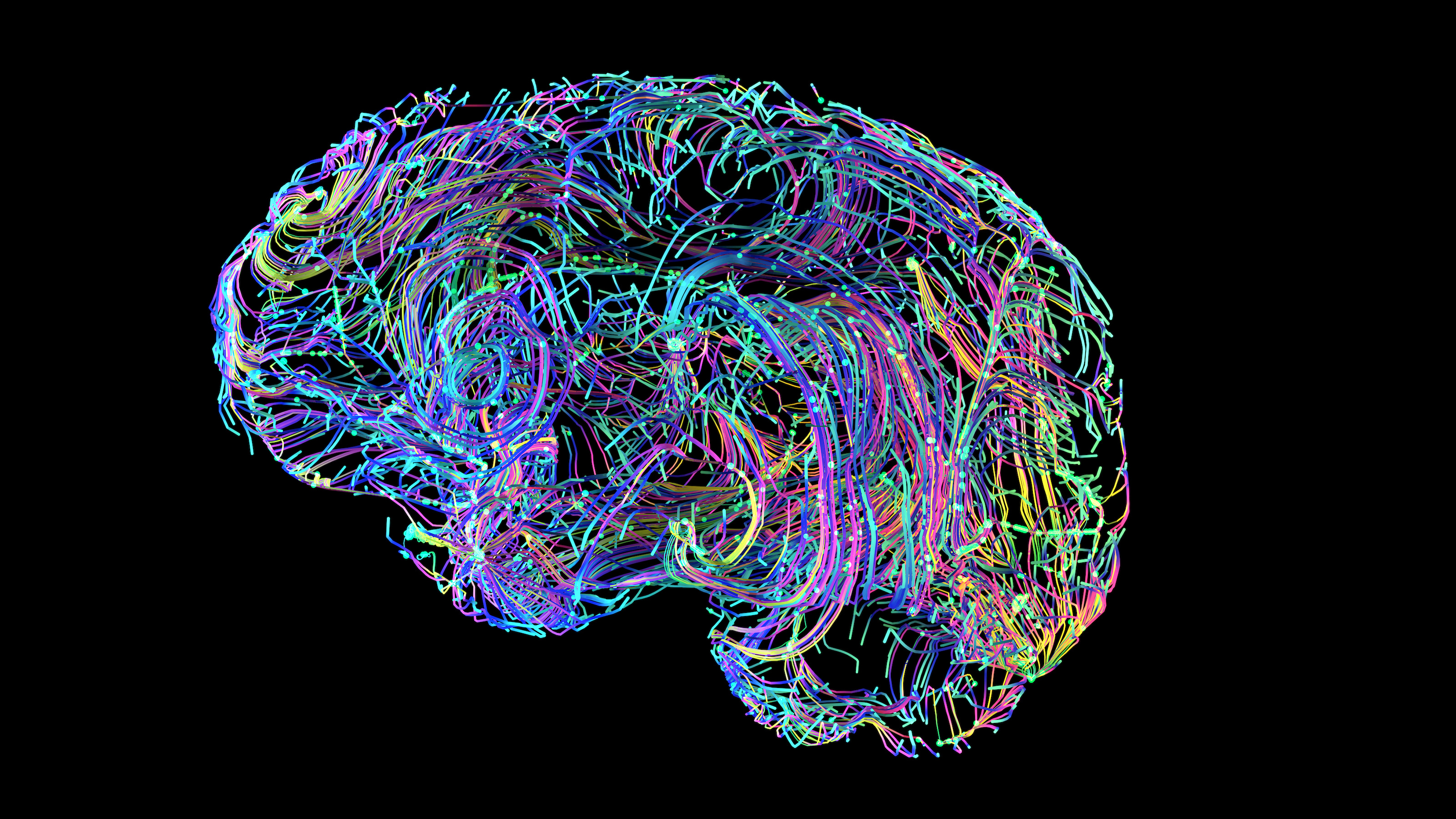
Neuropsych The brain undergoes a great “rewiring” after age 40 The aging brain is networked differently.
Starts With A Bang What is the longest a star can live? Sun-like stars live for around 10 billion years, but our Universe is only 13.8 billion years old. So what’s the maximum lifetime for a star?
Health What is your lifetime risk of depression? It’s estimated that one-in-three women and one-in-five men have an episode of major depression by the age of 65.
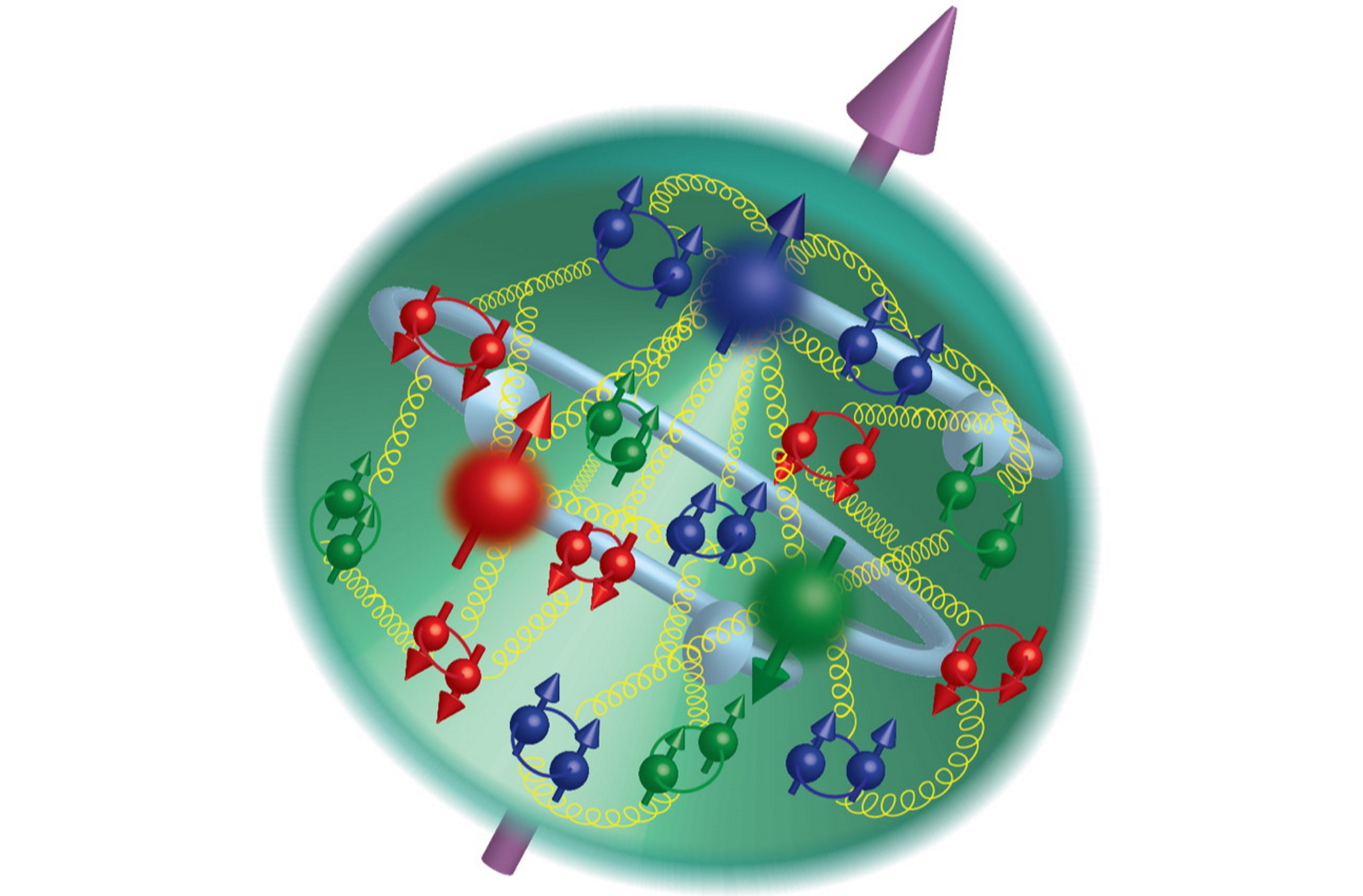
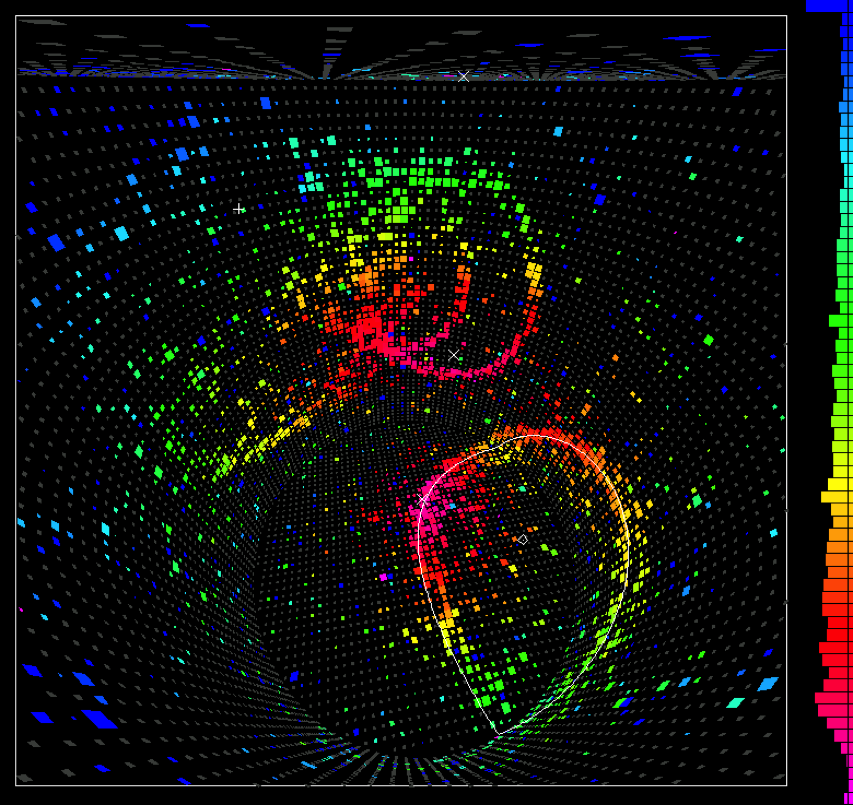
Starts With A Bang Ask Ethan: Is the proton stable or unstable? If we waited long enough, would even protons themselves decay? The far future stability of the Universe depends on it.
Starts With A Bang Ask Ethan: Does light really live forever? In all the Universe, only a few particles are eternally stable. The photon, the quantum of light, has an infinite lifetime. Or does it?
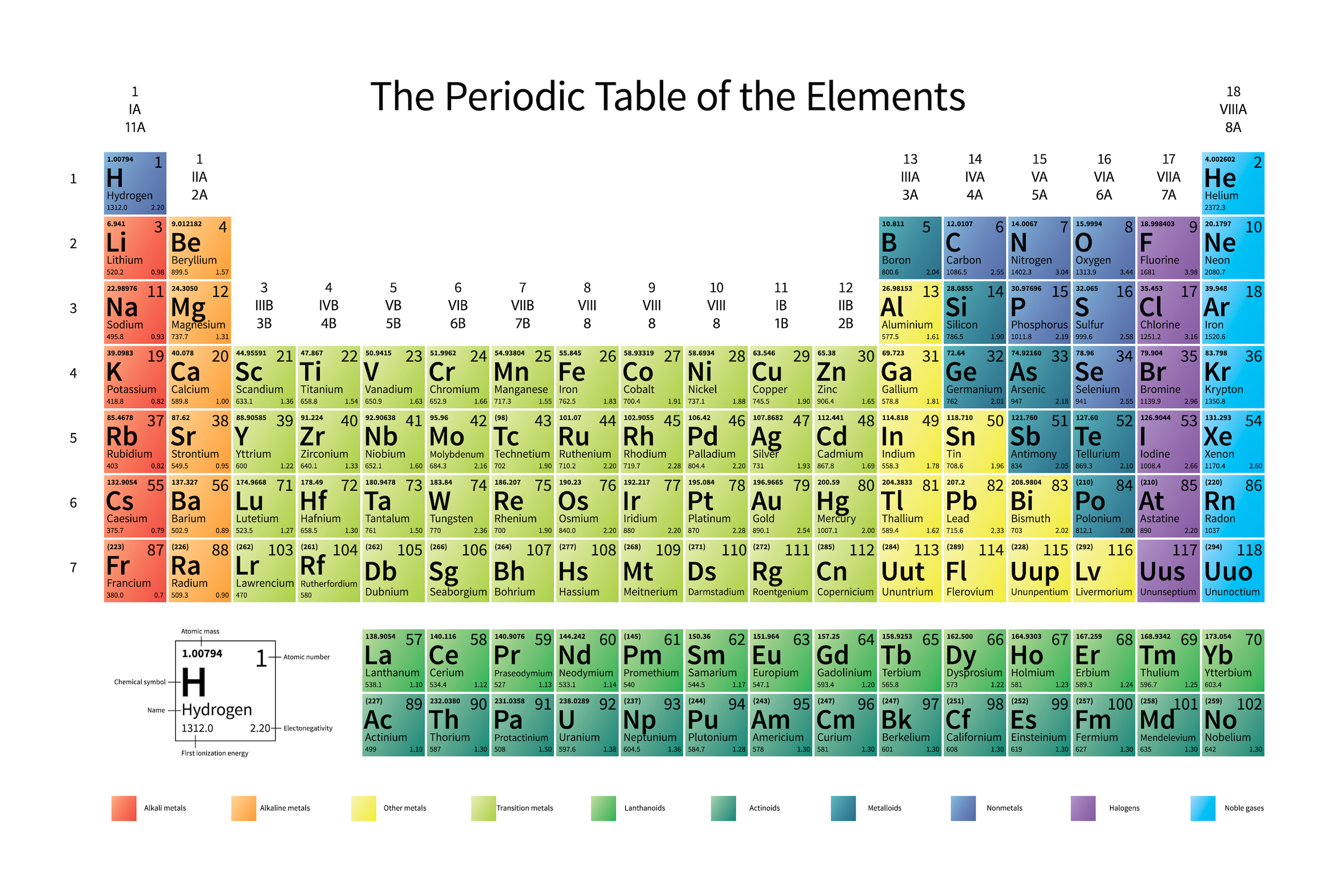
Starts With A Bang The periodic table you grew up with is wrong Up until 2002, we thought that the heaviest stable element was bismuth: #83 on the periodic table. That’s absolutely no longer the case.
Business The conversation that shook the life of Panera Bread founder Ron Shaich Every opportunity seized is another lost — but not choosing is the worst choice of all.
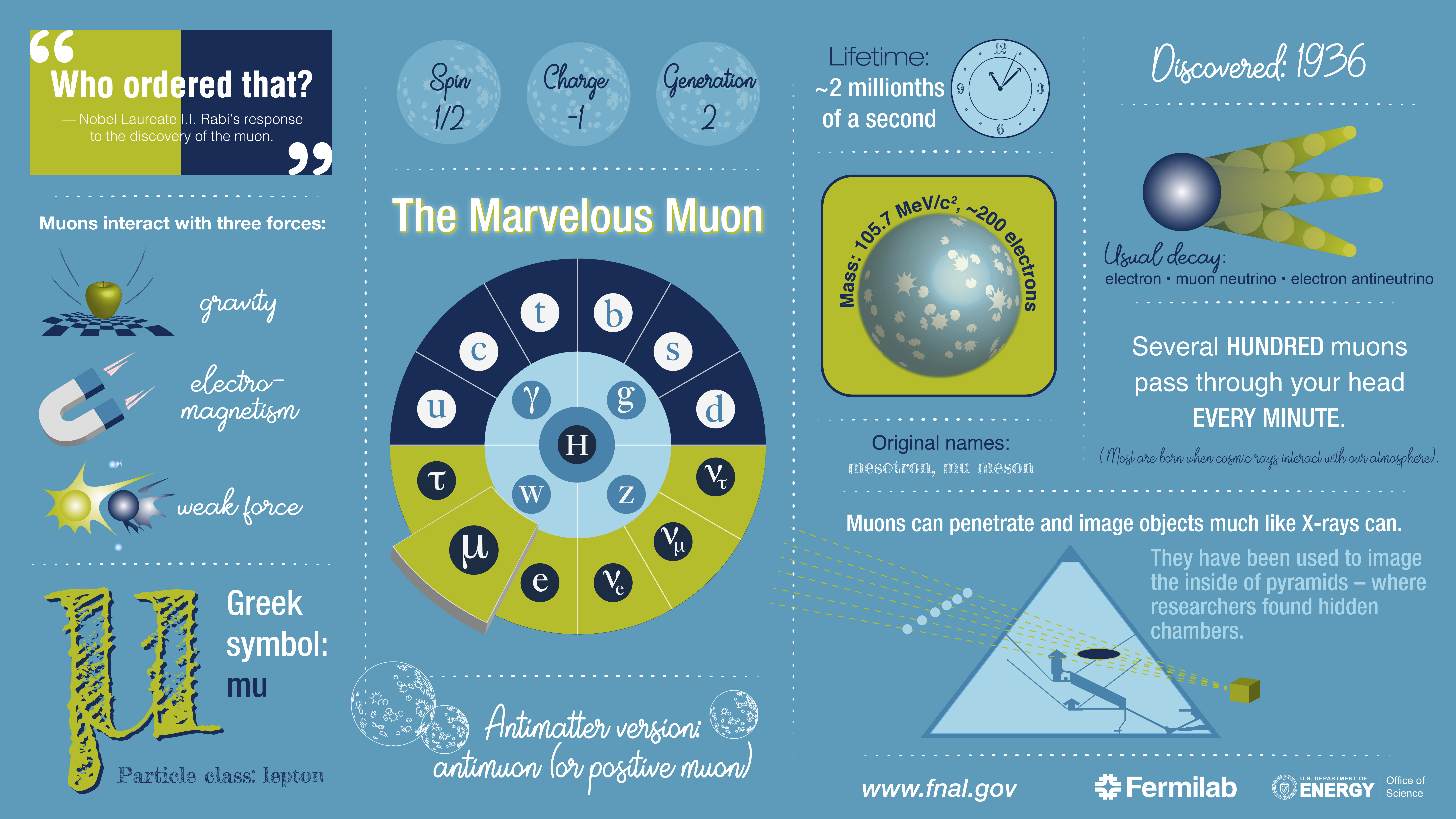
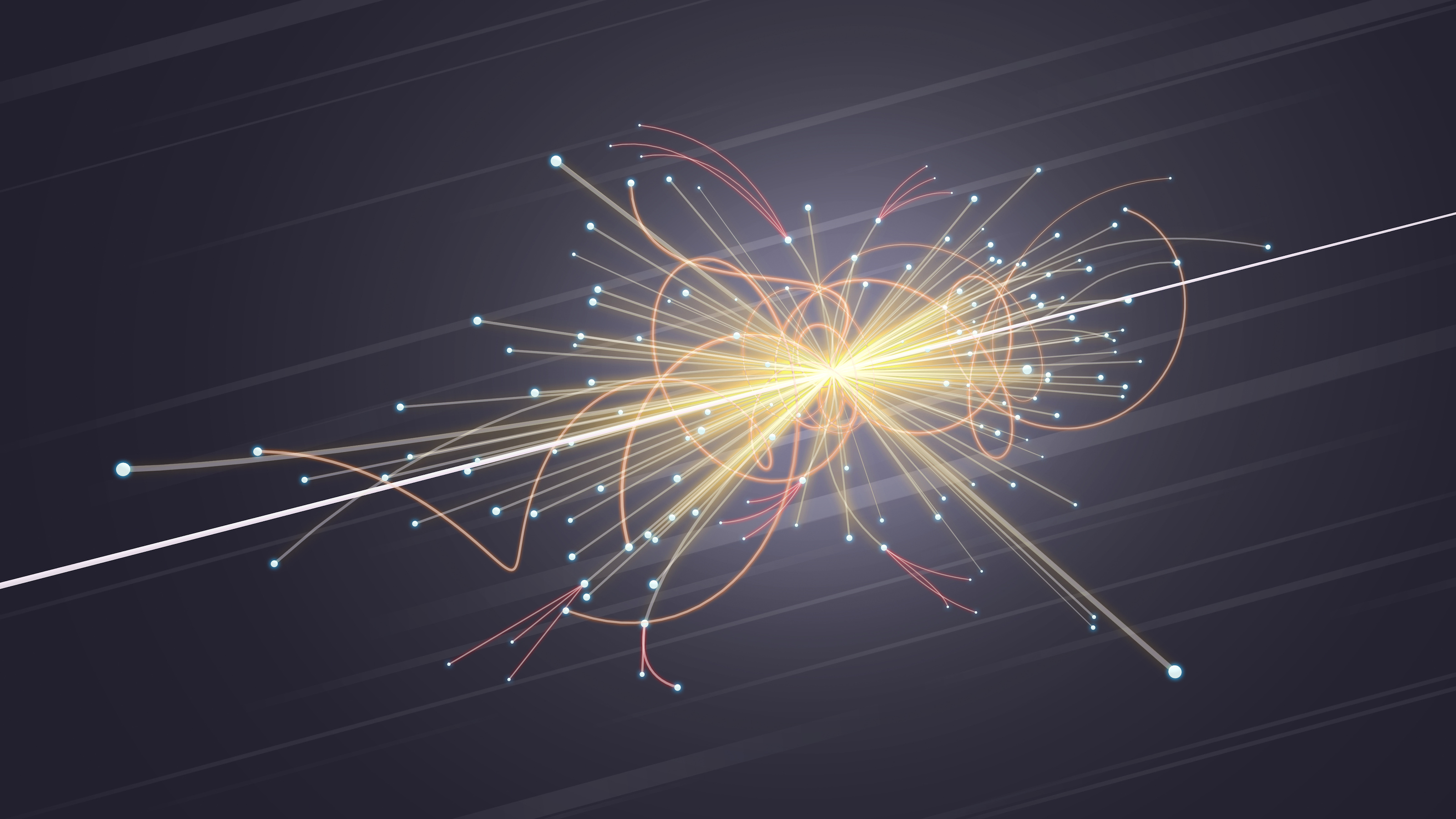
Starts With A Bang How the surprising muon revolutionized particle physics From unexplained tracks in a balloon-borne experiment to cosmic rays on Earth, the unstable muon was particle physics’ biggest surprise.
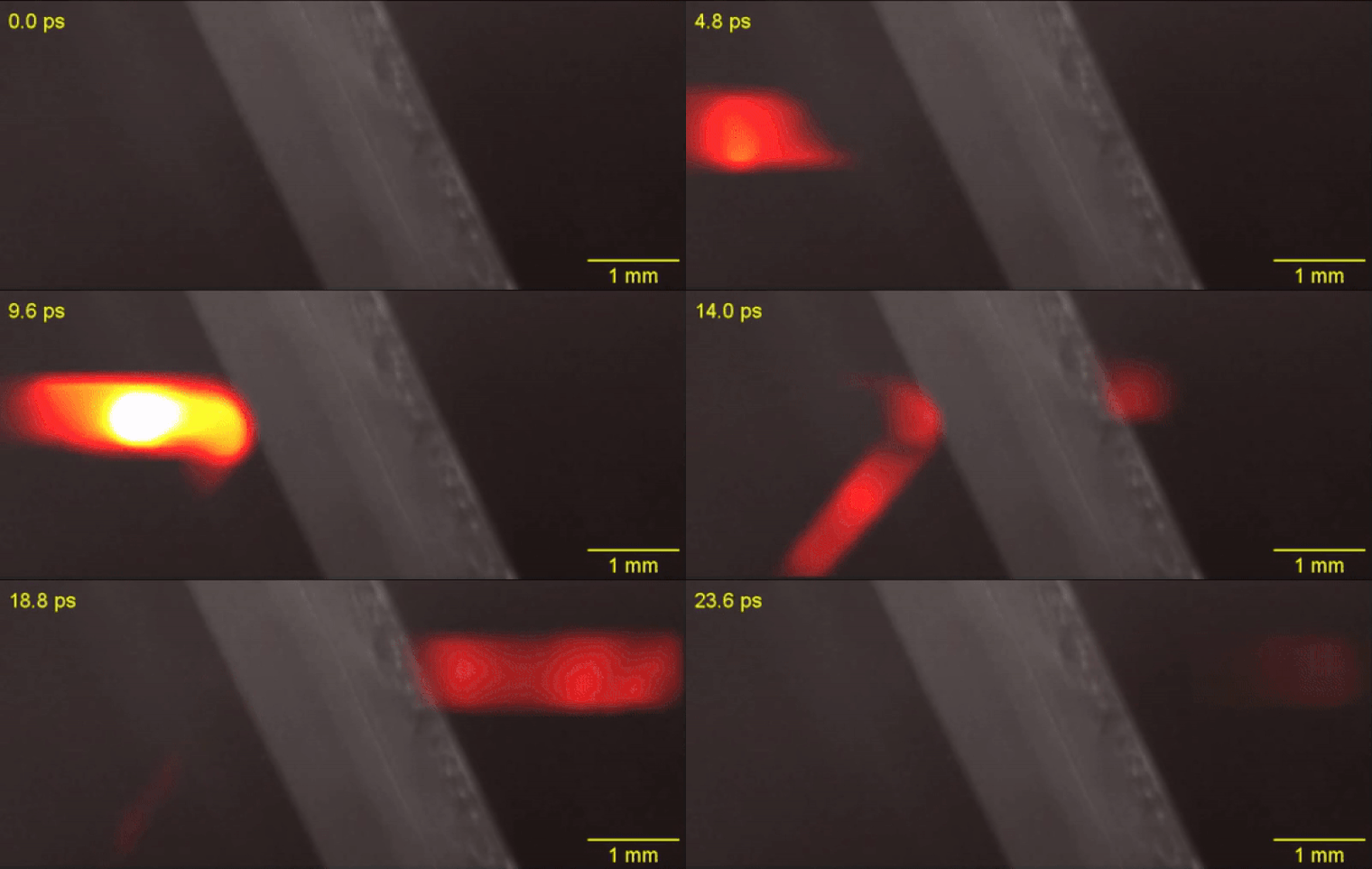
Starts With A Bang Attoseconds aren’t fast enough for particle physics 2023’s Nobel Prize was awarded for studying physics on tiny, attosecond-level timescales. Too bad that particle physics happens even faster.
Starts With A Bang Have any stars visible to human eyes already died? All stars, eventually, run out of fuel and die. Given all the stars we can see and the vast distance to them, are any of them already dead?
The Well A futurist sets the stage for the next 1,000 years We don’t need one Elon Musk. We need 8 billion empathic futurists. ▸ 8 min — with Ari Wallach
The Past “Once-in-a-lifetime” Roman mosaics found in South London In the shadow of the Shard, the mosaics help paint a picture of Roman London.
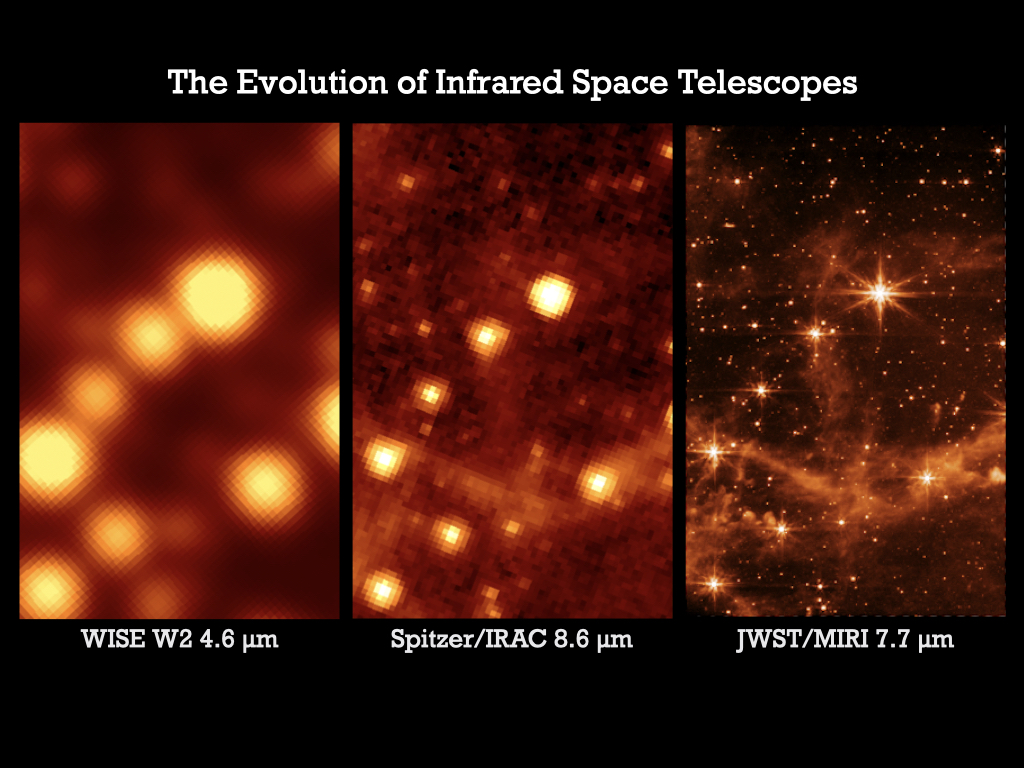
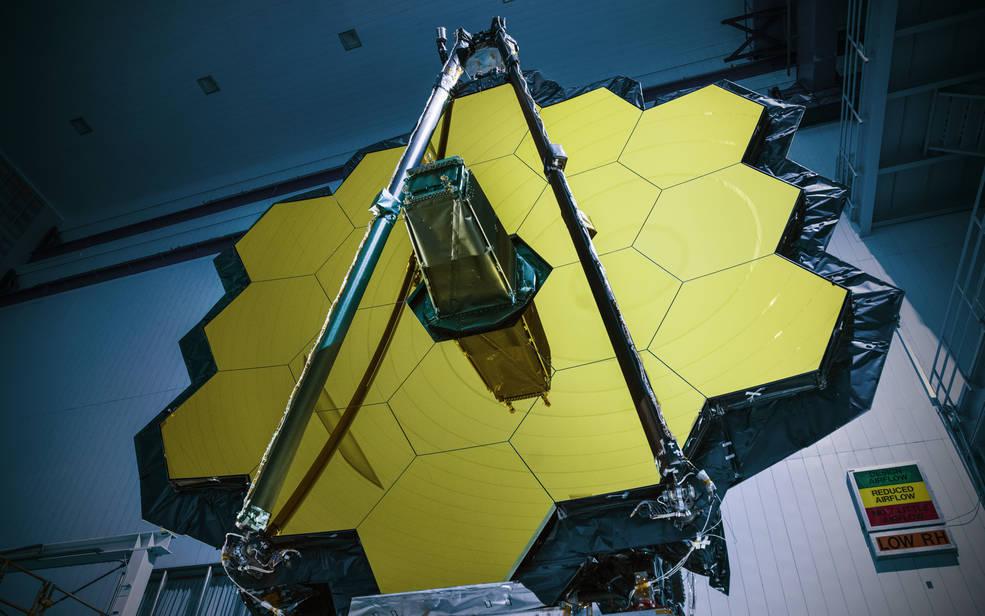
Starts With A Bang How the James Webb Space Telescope beat all expectations It was supposed to have a 5.5-10 year lifetime, and take 6 months to calibrate. It’s performing better than anyone anticipated.
40,000 years of music explained in 8 minutes The history of music from bone flutes to Beyoncé. ▸ 9 min — with Michael Spitzer
Starts With A Bang A failed proton decay search accidentally birthed neutrino astronomy Before we discovered gravitational waves, multi-messenger astronomy got its start with light and particles arriving from the same event.
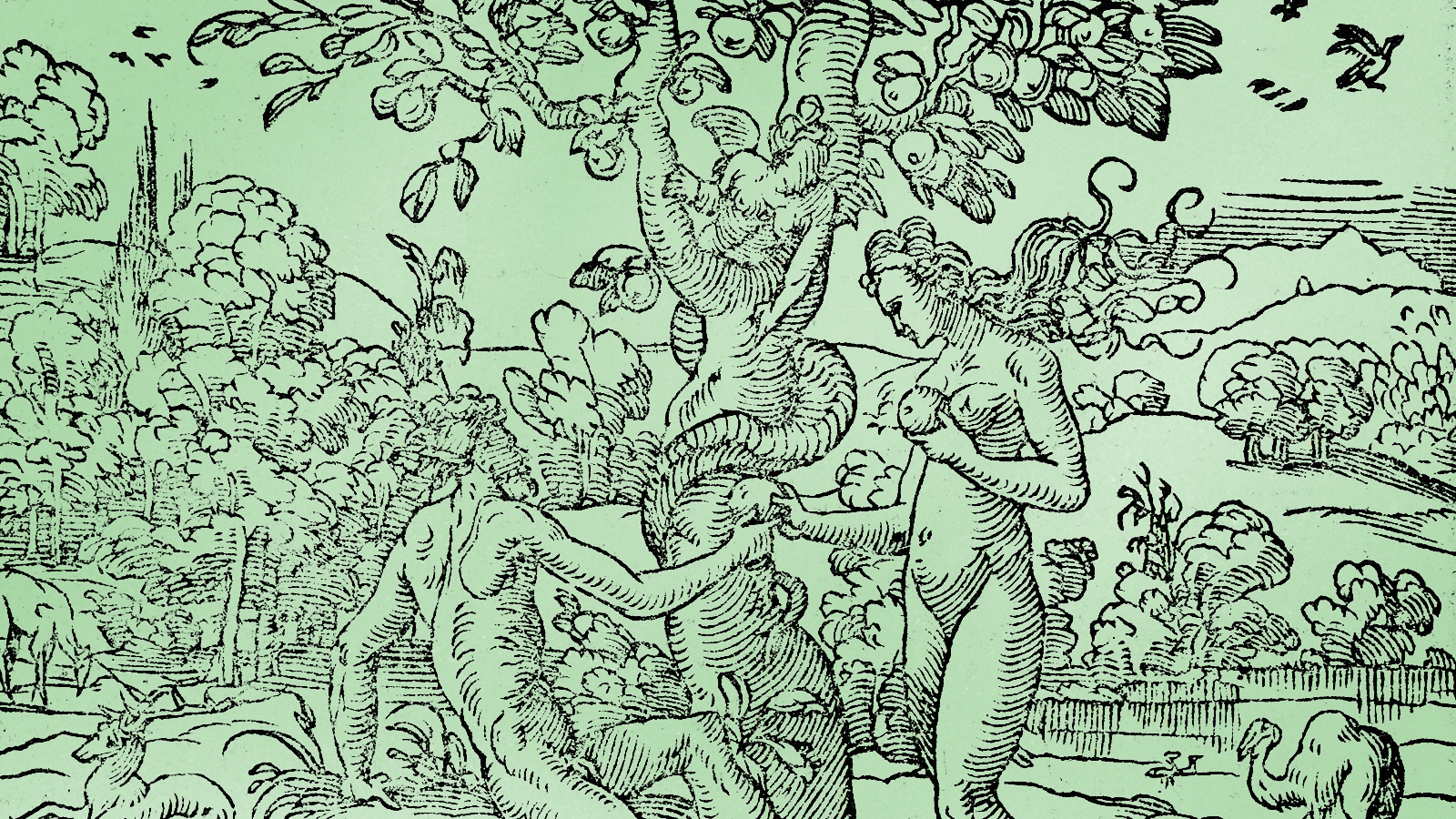
Culture & Religion This ancient Greek thought experiment will have you questioning your identity How much can something change and still be the same thing?
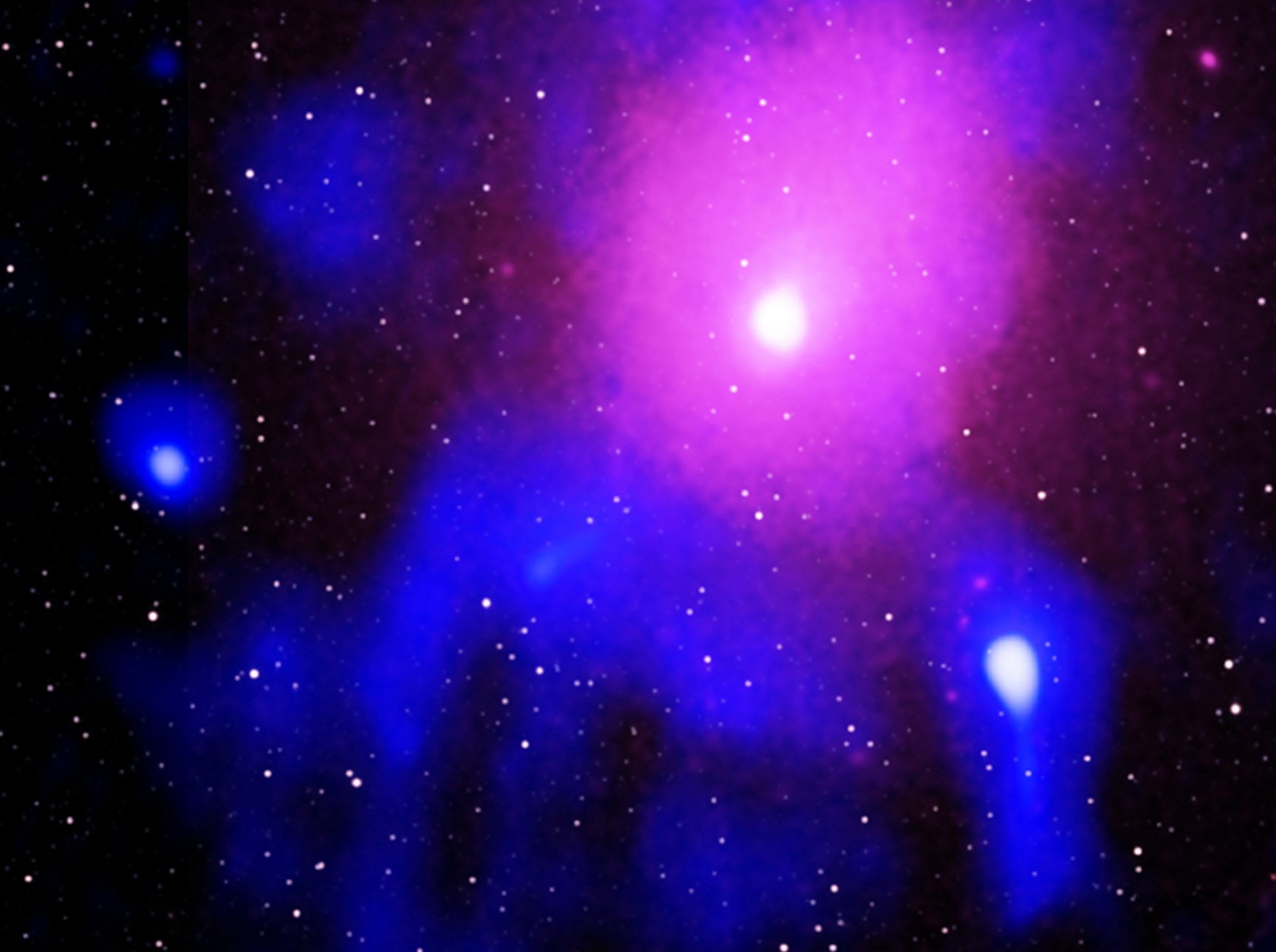
Starts With A Bang What was the biggest explosion in the Universe? Ever since the Big Bang, cataclysmic events have released enormous amounts of energy. Here’s the greatest one ever witnessed.
Starts With A Bang How logic and reasoning can fail as scientific tools In logic, ‘reductio ad absurdum’ shows how flawed arguments fall apart. Our absurd Universe, however, often defies our intuitive reasoning.
Progress A guide to surviving humanity’s tipping point Futurist Ari Wallach asks, “how do we want to be remembered?” ▸ 8 min — with Ari Wallach
13.8 A new window to the early universe (and aliens?) The upcoming launch of the James Webb Space Telescope is the event of a lifetime.
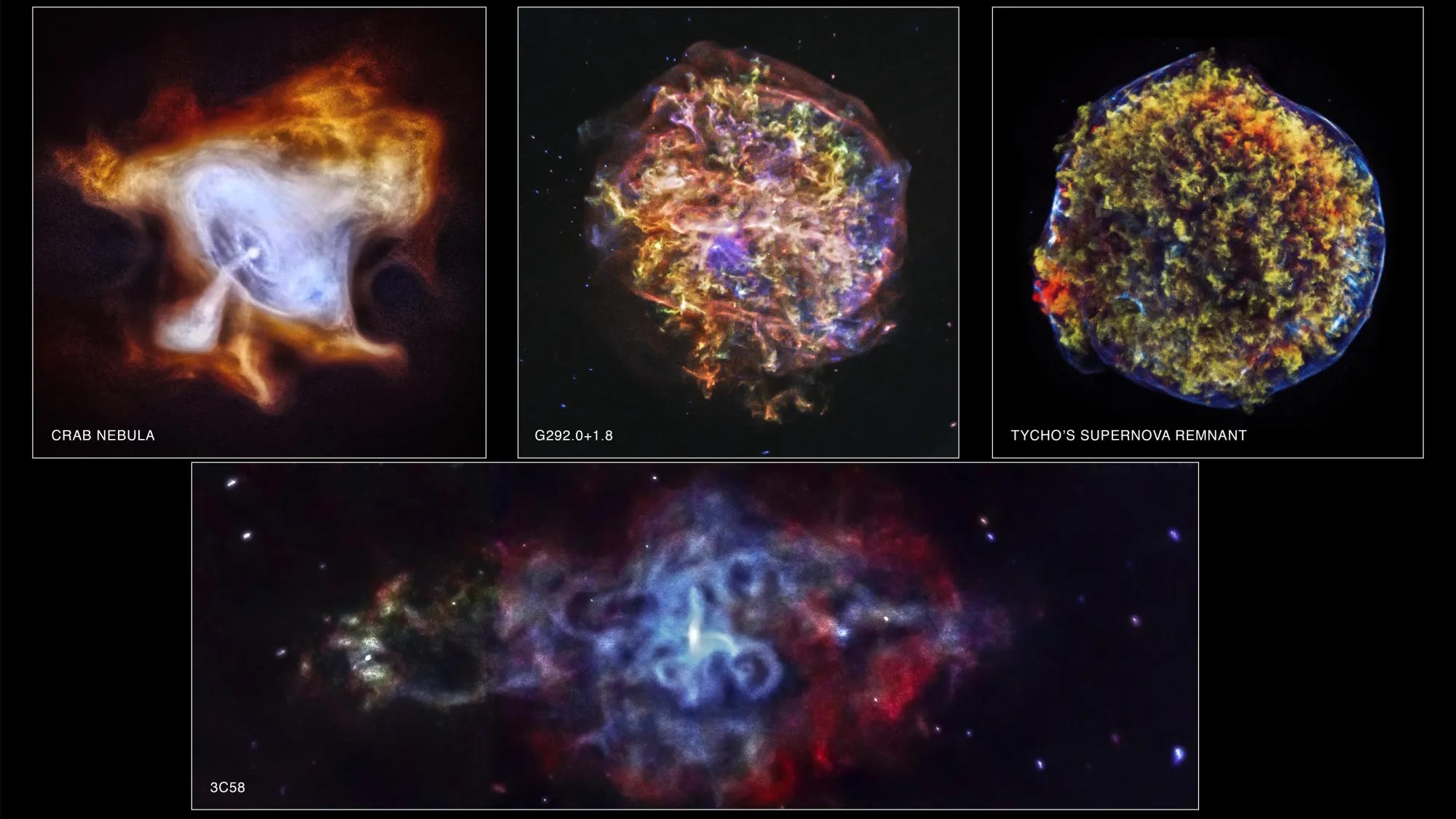
Starts With A Bang What was it like when the very first stars died? The first stars took tens or even hundreds of millions of years to form, and then died in the cosmic blink of an eye. Here’s how.
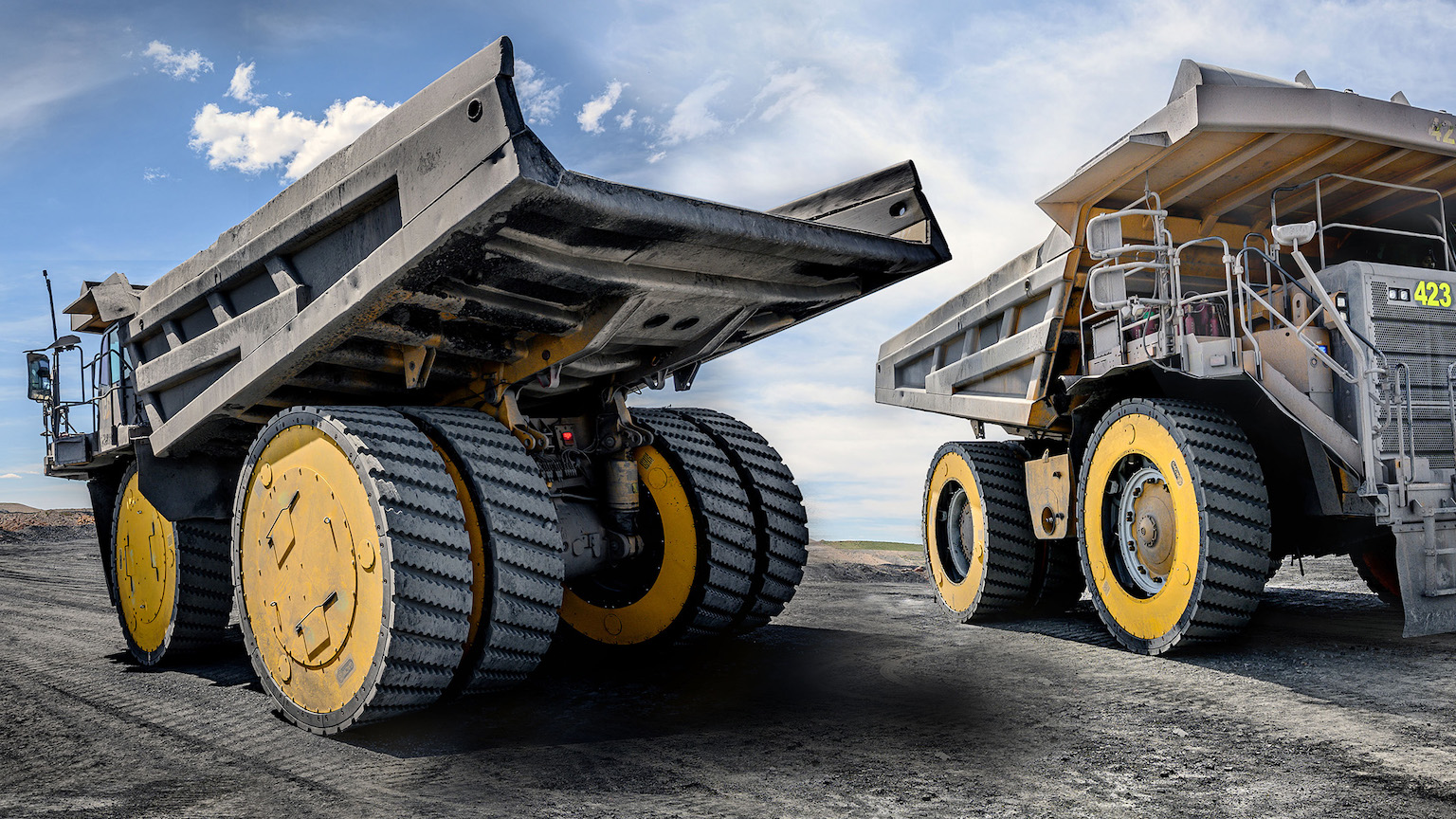
The Future Goodbye, rubber. These new steel tires last a lifetime. Steel tires may be better for the planet and could replace rubber.
Health Defying science, American parents are turning away from male circumcision “Our risk-benefit analysis showed that benefits exceeded procedural risks… by up to 200 to 1.”
Health CRISPR cure for HIV now tested in 3 patients EBT-101 is not the only candidate for an HIV cure. Stem cell transplants, medications, and other CRISPR therapies are being researched.
Neuropsych Your personality is linked to risk of dementia and cognitive decline A study involving nearly 2,000 people found links between personality traits and the likelihood of moving toward or away from dementia.