In his book, “Birds, Sex and Beauty,” Matt Ridley explores why learning isn’t always nature versus nurture.
Search Results
You searched for: D
Are fava beans and chianti really the best pairing for human liver?
There were many similarities, but also some profound differences.
Known as orphaned planets, rogue planets, or planets without parent stars, these “outliers” might be the most common type of planet overall.
Can two planets stably share the same orbit? Conventional wisdom says no, but a look at Saturn’s moons might tell a different story.
We knew we’d find galaxies unlike any seen before in its first deep-field image. But the other images hold secrets even more profound.
When is a rabbit not a rabbit? When it’s a thought experiment designed to reveal the tricky tango of language and concepts.
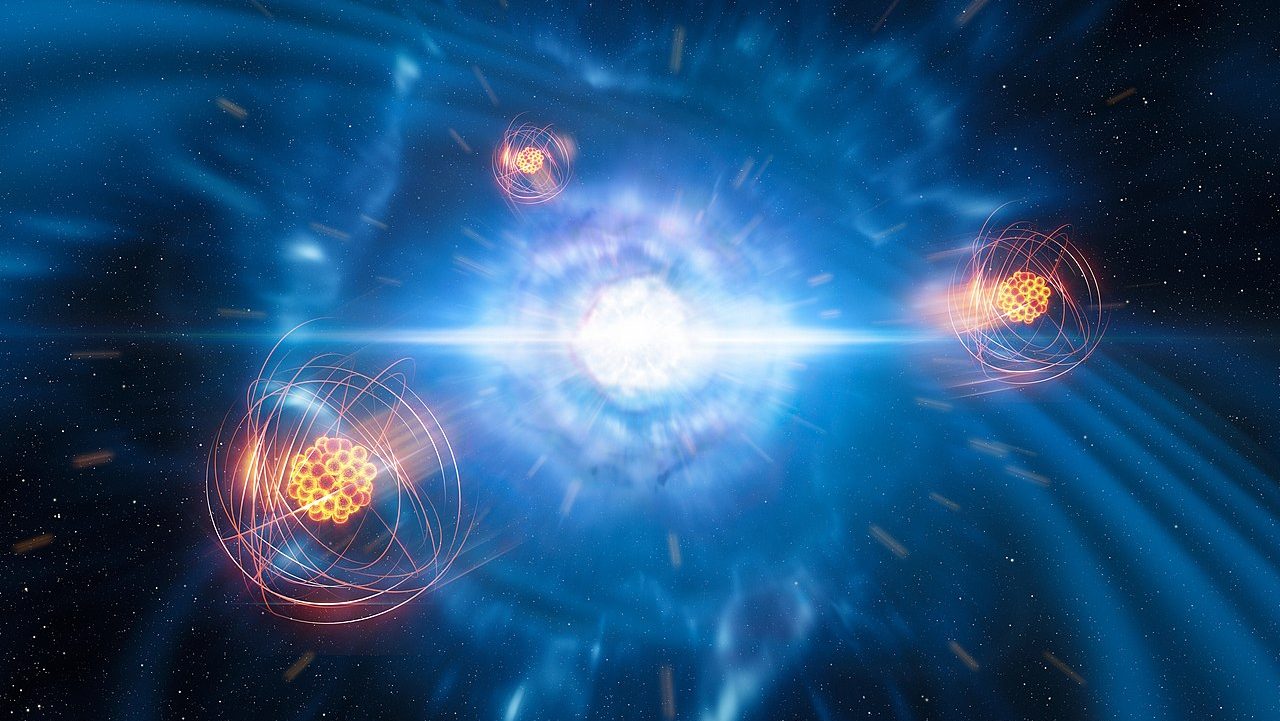
When three wise men gifted baby Jesus with gold, frankincense, and myrrh, they had no idea one was made from colliding neutron stars.
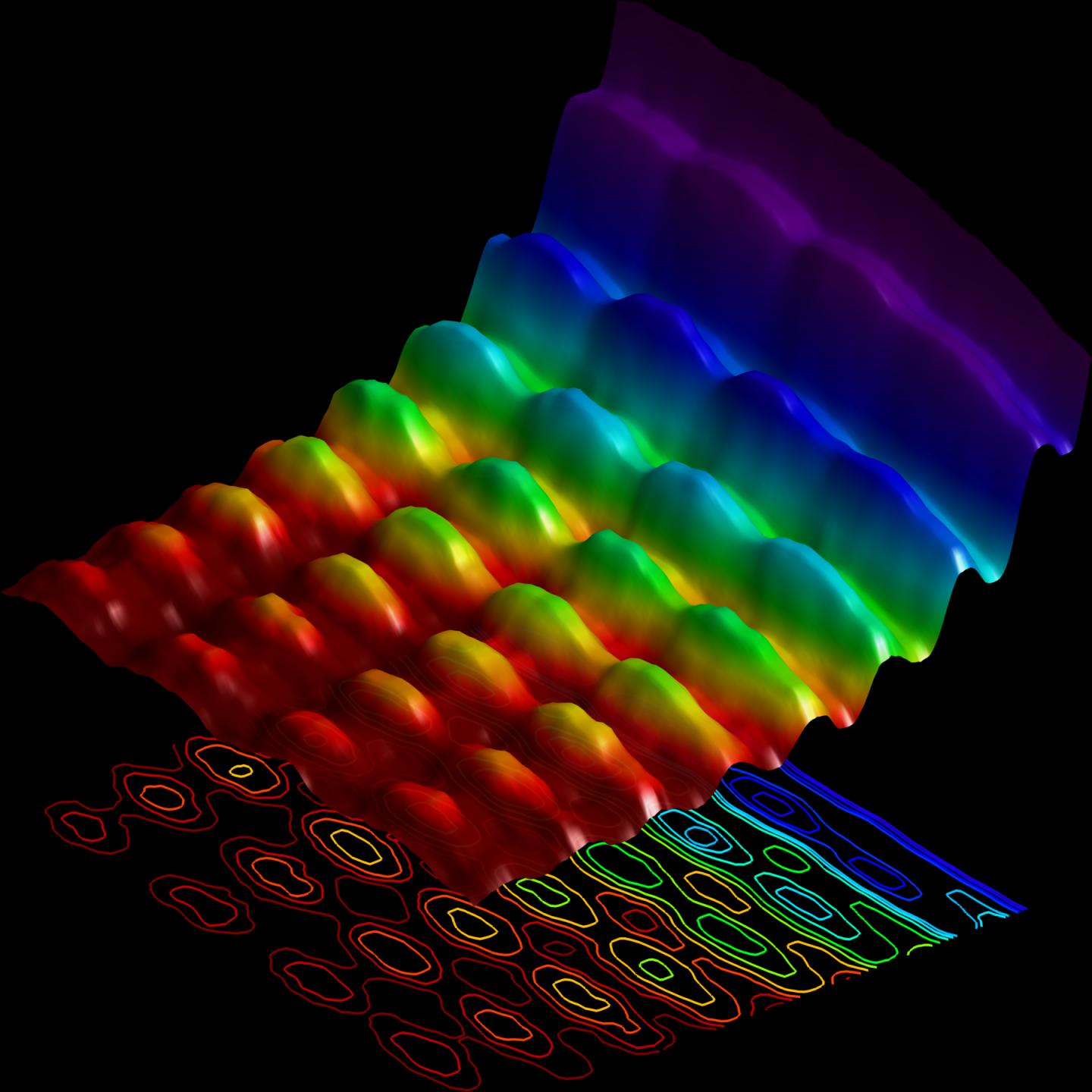
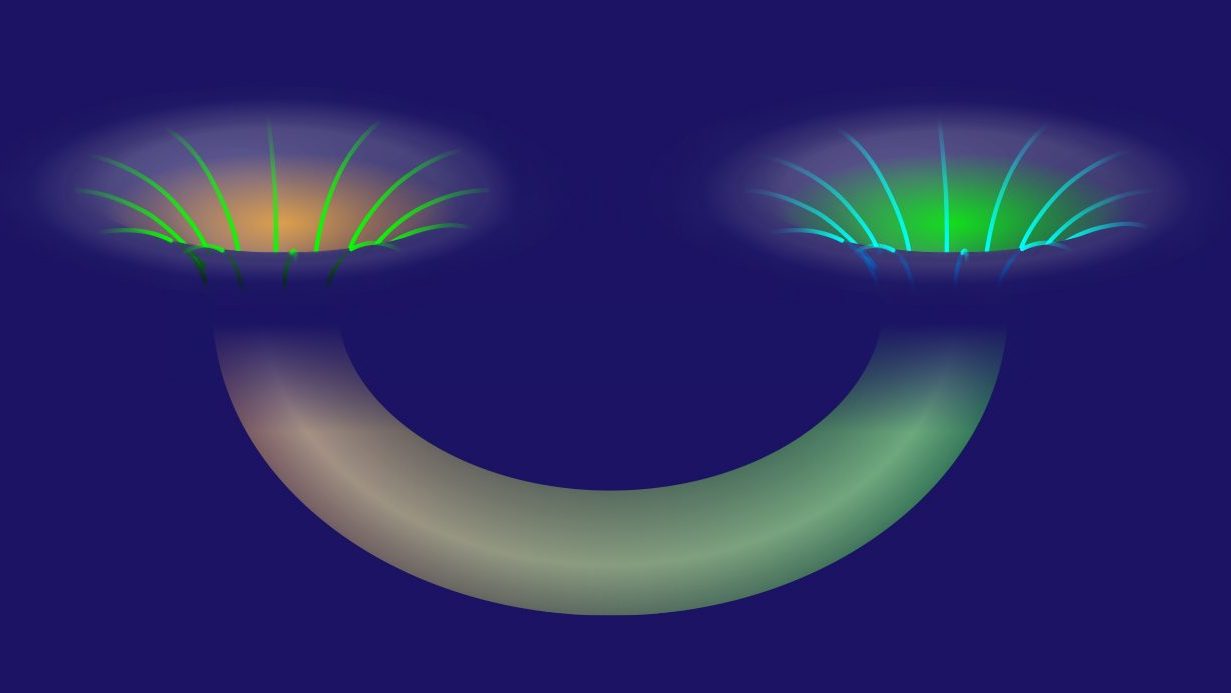
There could be variables beyond the ones we’ve identified and know how to measure. But they can’t get rid of quantum weirdness.
Balancing realism and optimism in a dire situation is a key to success.
“Business Adventures” by John Brooks was first published in 1969 and remains a must-read for all CEOs.
With no reliable way to discern the author of an artwork, we may eventually abandon the question of whether something was made by humans or not.
You could send your potential paramour a perfume bottle, a cigar cutter, travel plans — or maybe some cocaine.
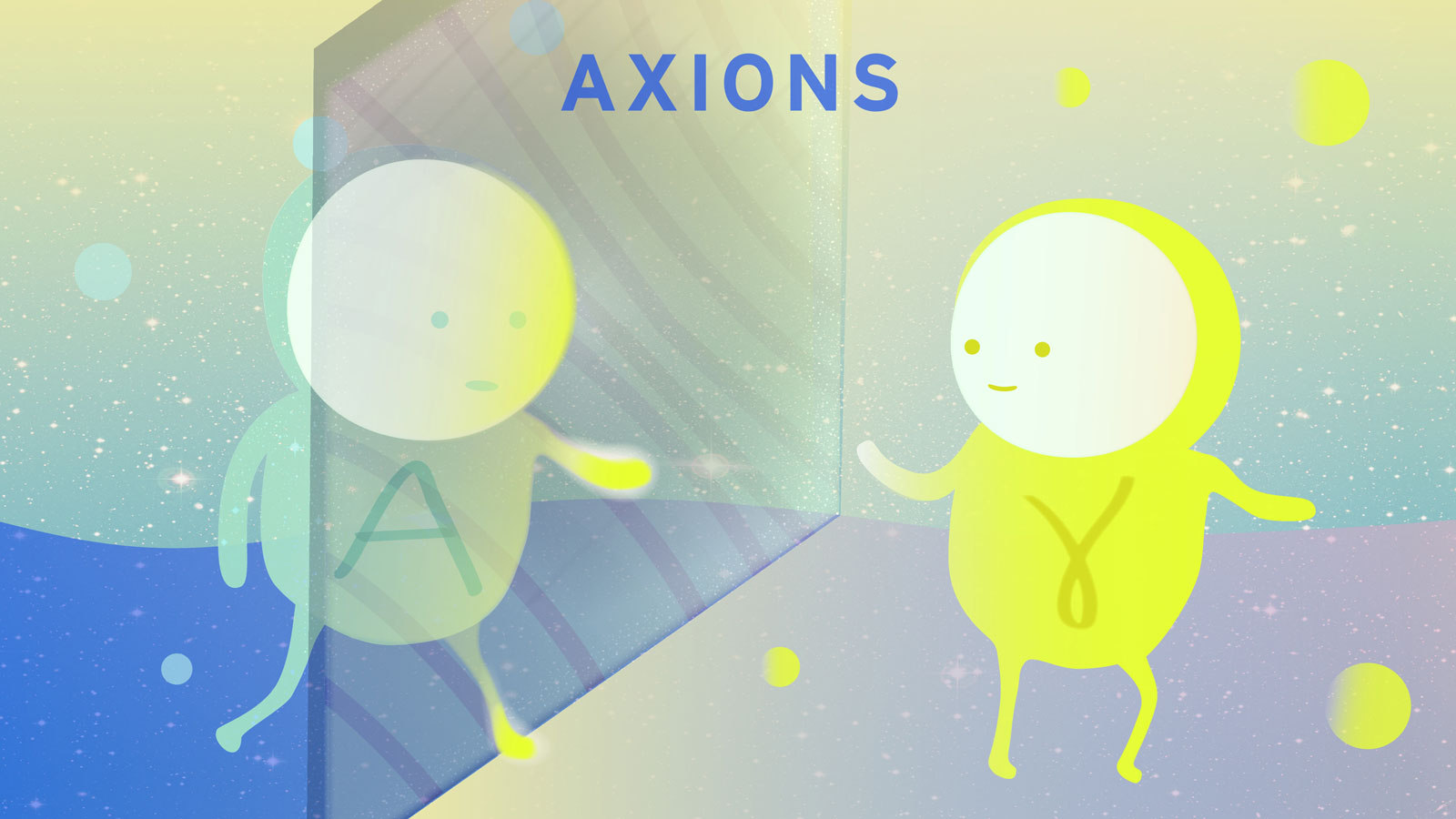
The majority of the matter in our Universe isn’t made of any of the particles in the Standard Model. Could the axion save the day?
To keep up with the pace of change, organizations that haven’t already can benefit greatly from exploring skills-based training.
Scientists can make substantial progress without fully understanding exactly what they’re doing.
Neuroscientist and author Anne-Laure Le Cunff discusses the lasting benefits of uncertainty, curiosity, and the experimental mindset.
Why should anyone care about the metaverse? Expert Matthew Ball explains what it is, what it isn’t, and why it matters.
▸
15 min
—
with
“We can build AI scientists that are better than we are… these systems can be superhuman,” says the FutureHouse co-founder.
Do we actually live in a deterministic Universe, despite quantum physics? An alternative, non-spooky interpretation has now been ruled out.
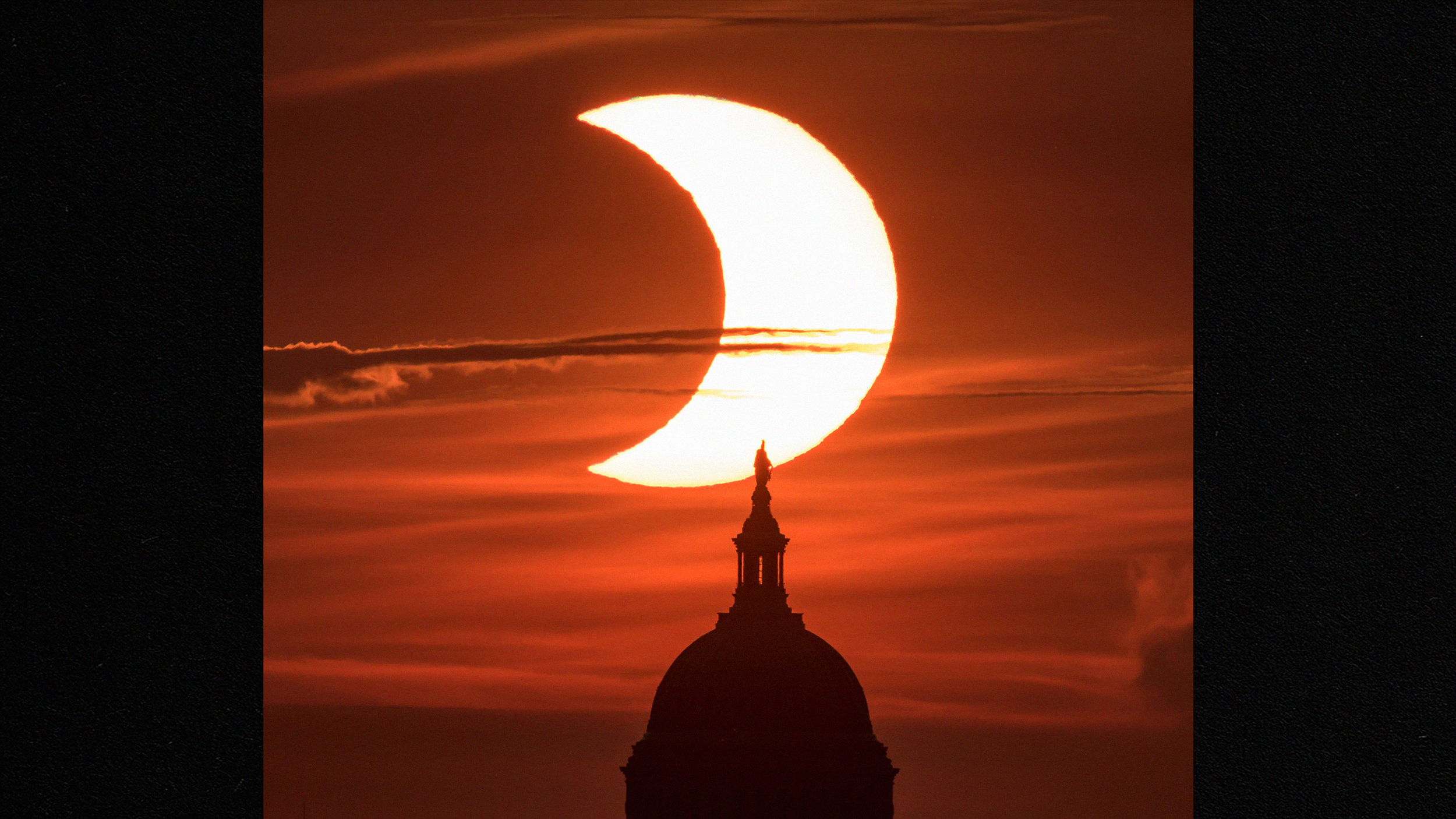
Even if you aren’t in the path of totality, you can still use the solar eclipse to measure how long it takes the Moon to orbit Earth.
While we’re busy wondering whether machines will ever become conscious, we rarely stop to ask: What happens to us?
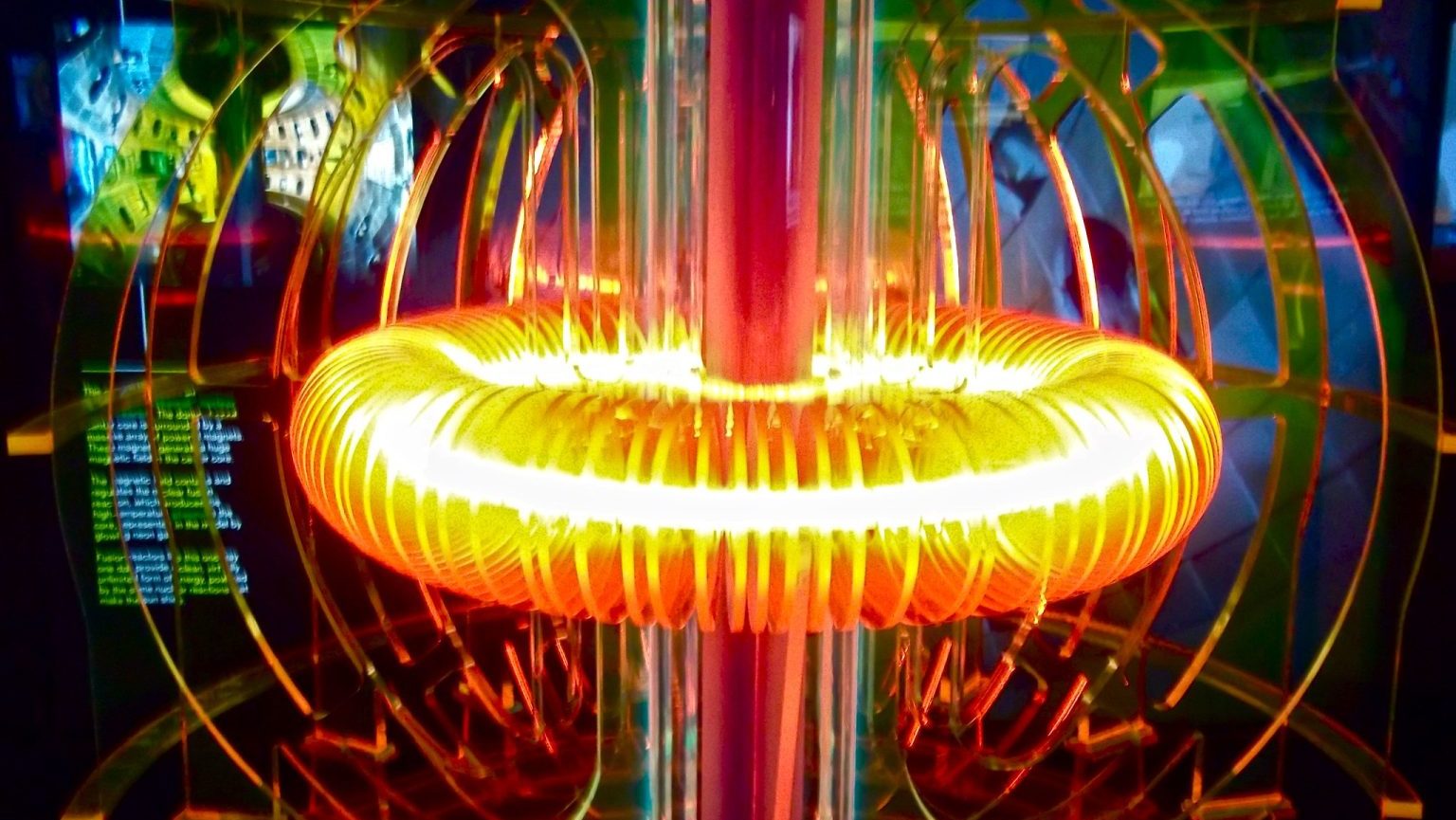
Scientists have been chasing the dream of harnessing the reactions that power the Sun since the dawn of the atomic era. Interest, and investment, in the carbon-free energy source is heating up.
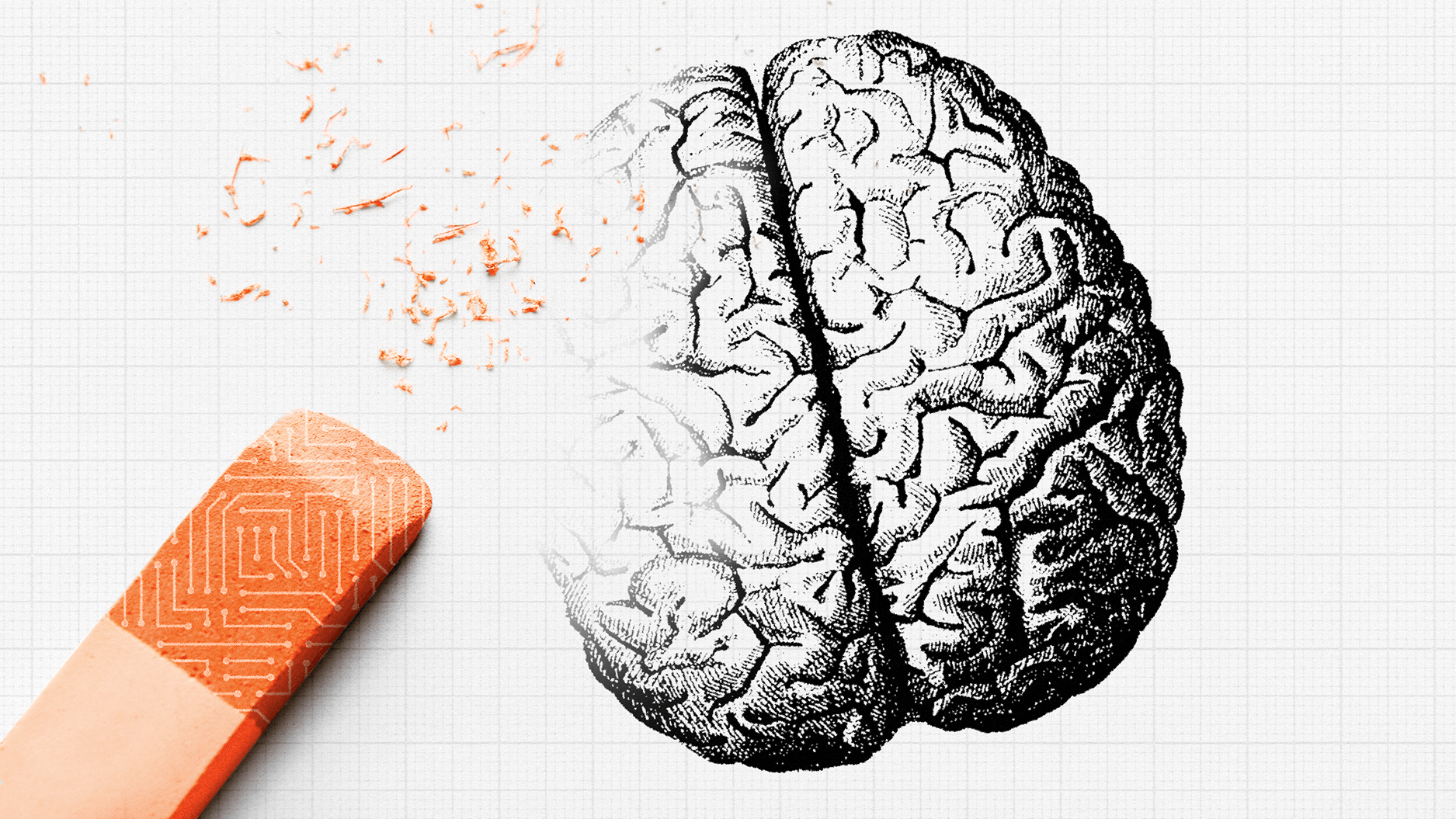
“Ultimately, the choice rests with each individual: whether to take the convenient route of allowing AI to handle our critical thinking, or to preserve this essential cognitive process for ourselves.”
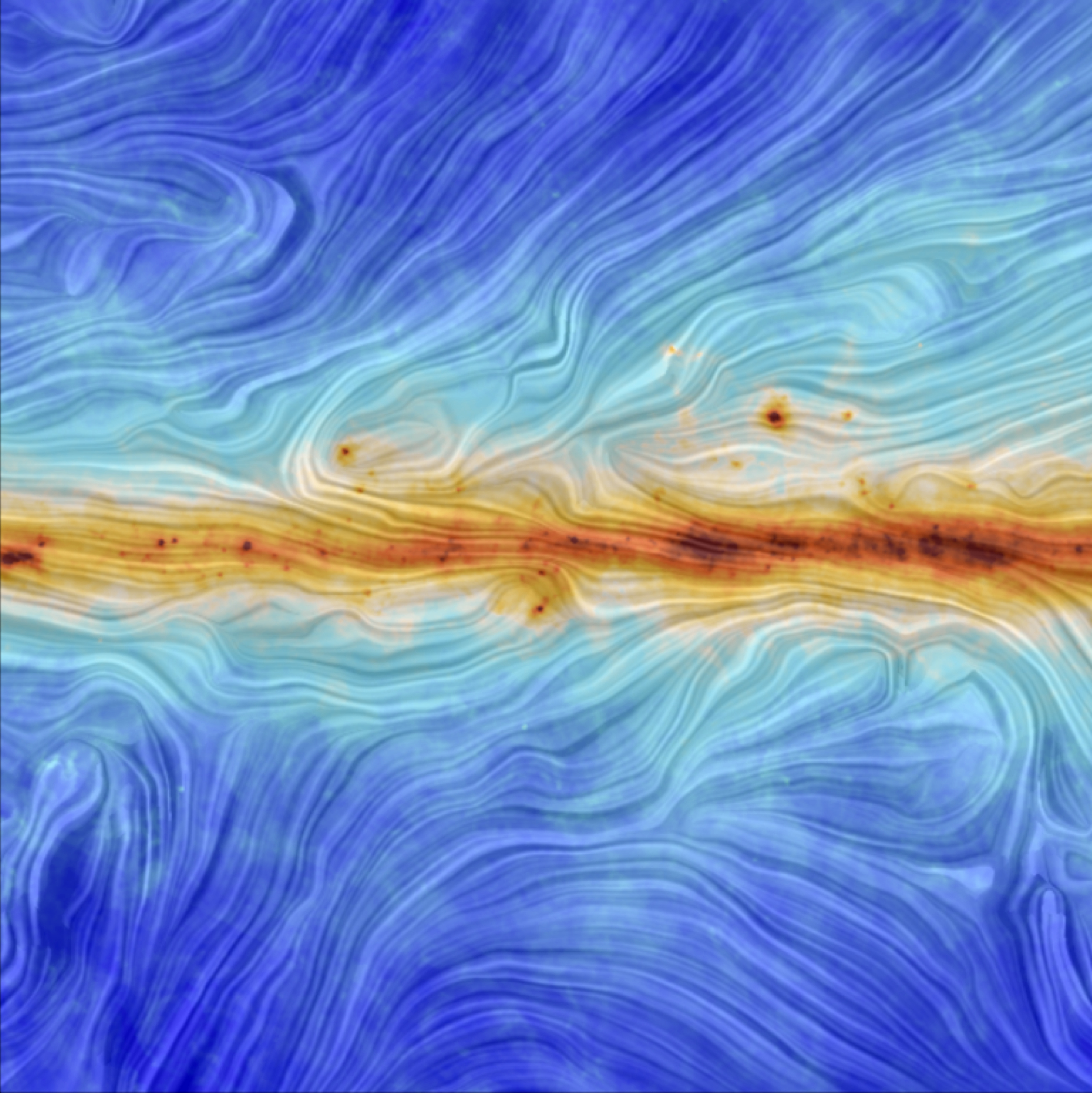
The very dust that blocks our view of the distant, luminous objects in the Universe is responsible for our entire existence.
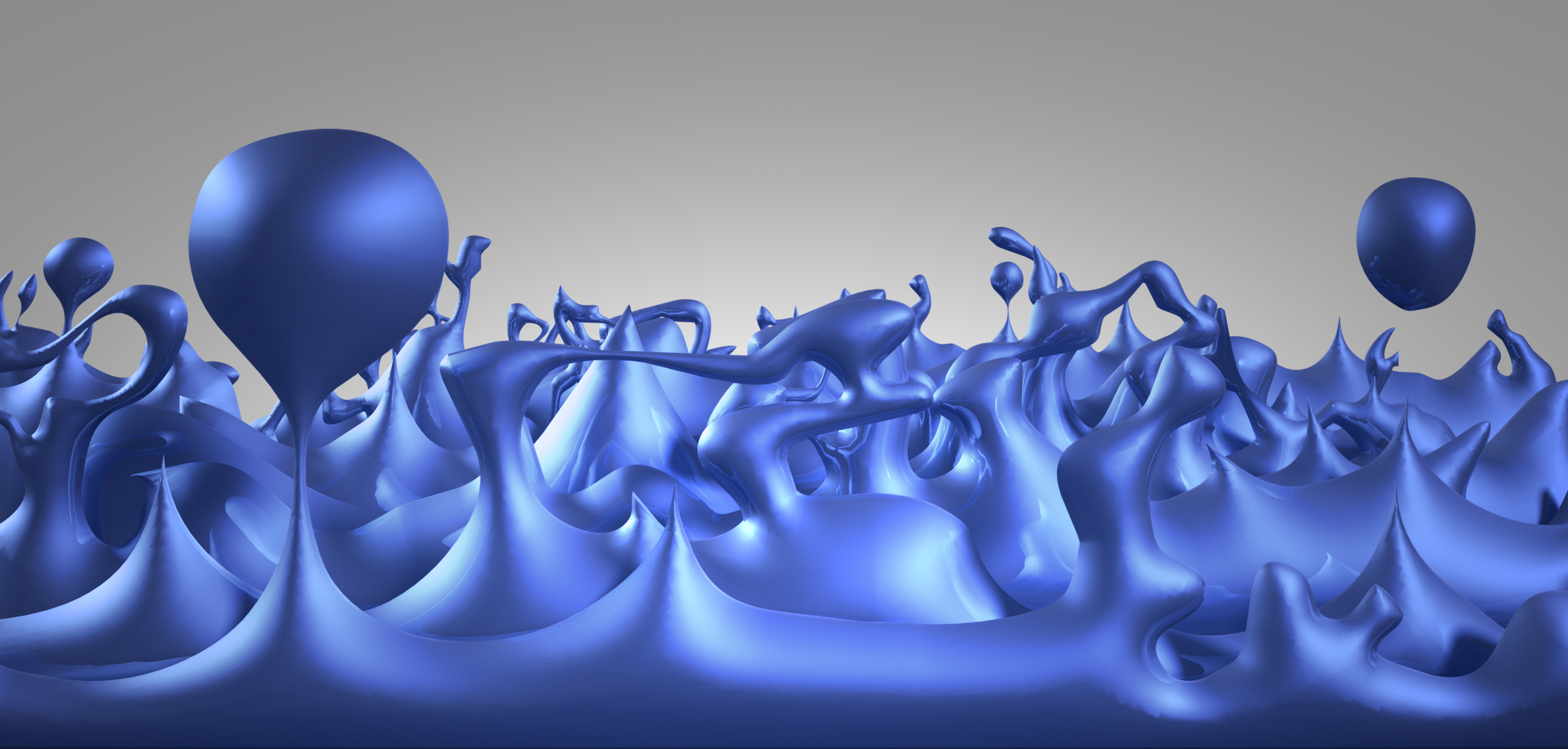
The very word “quantum” makes people’s imaginations run wild. But chances are you’ve fallen for at least one of these myths.
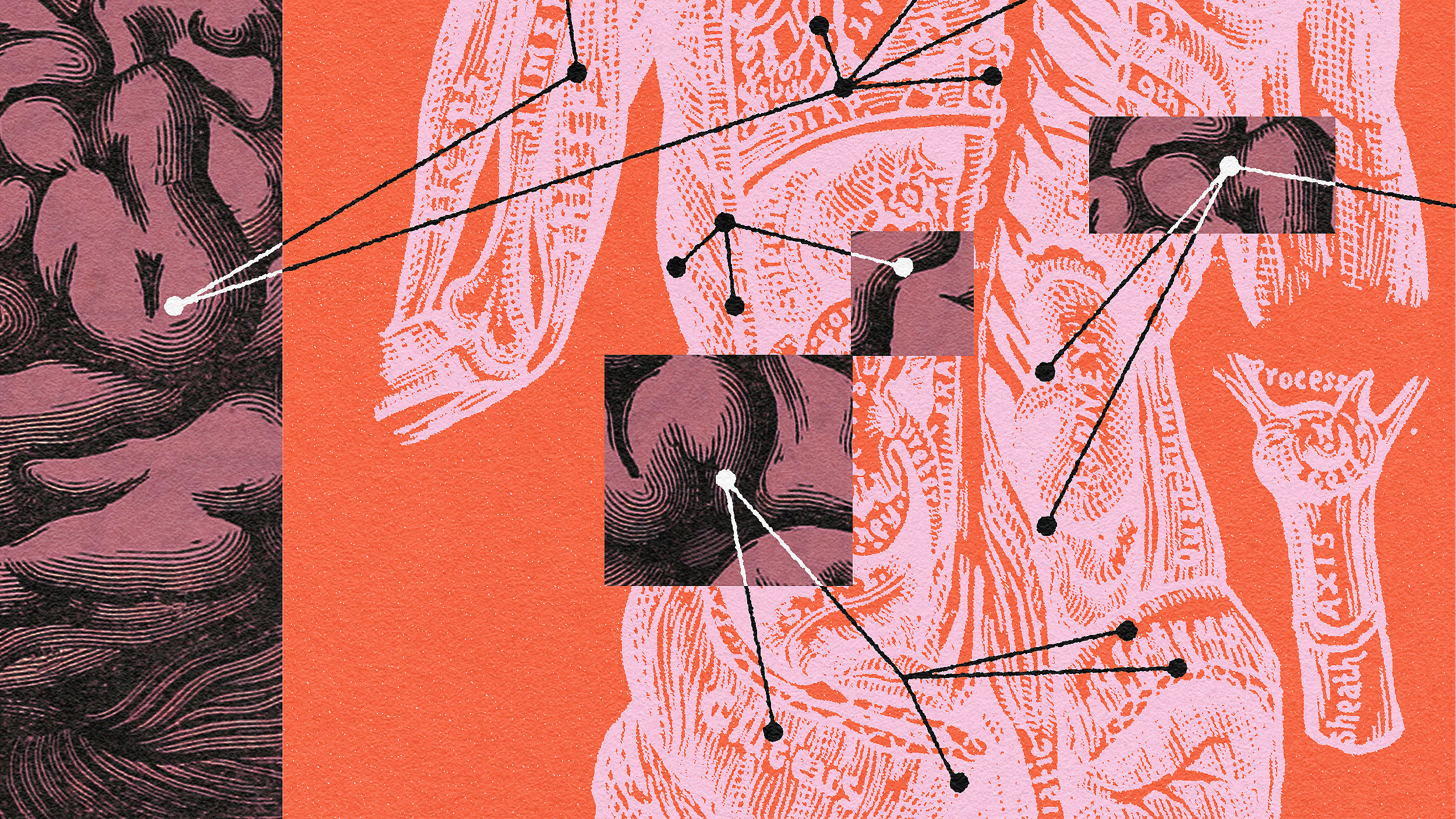
“If we could target those circuits very precisely, then there’s great potential to block the inflammation response for many diseases.”
With a telescope at just the right distance from the Sun, we could use its gravity to enhance and magnify a potentially inhabited planet.
With the right prompts, large language models can produce quality writing — and make us question the limits of human creativity.
Hang on to something — or ride the wave — because three big tech trends are about to converge.