A team of scientists has warned that marketers seek to advertise in our dreams. Will our sleep be commercialized against our wishes?
Search Results
You searched for: D
When high-anxiety situations arise in the workplace, we tend to react by fighting, fleeing, freezing, or fawning — but there’s a hidden fifth option.
If you give yourself and others space to tinker and experiment, then you might create something incredible. Here’s how to do it well.
AI looks like a natural and inevitable fit for business coaching — but some humans are wary. Here are the pros and cons.
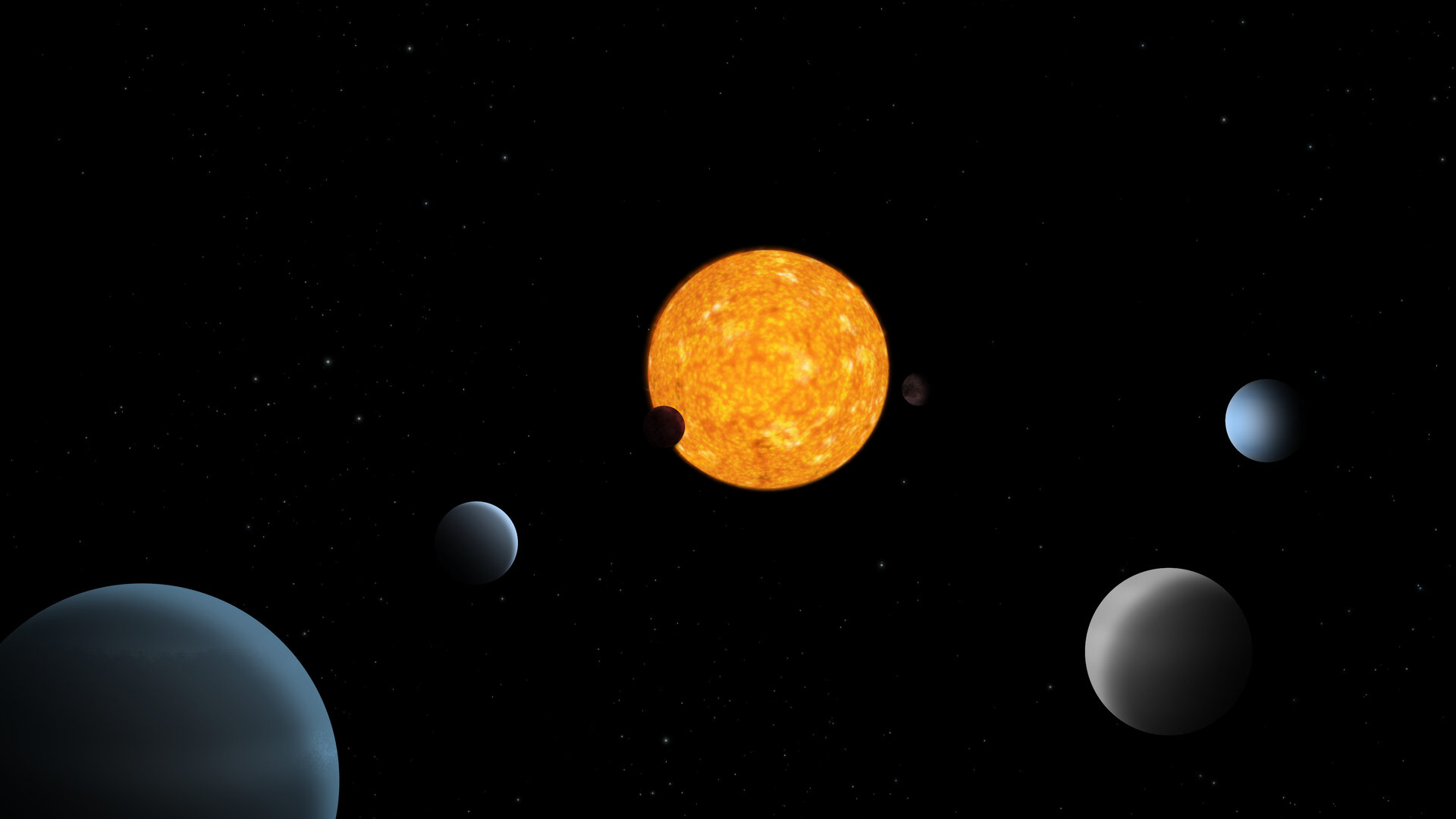
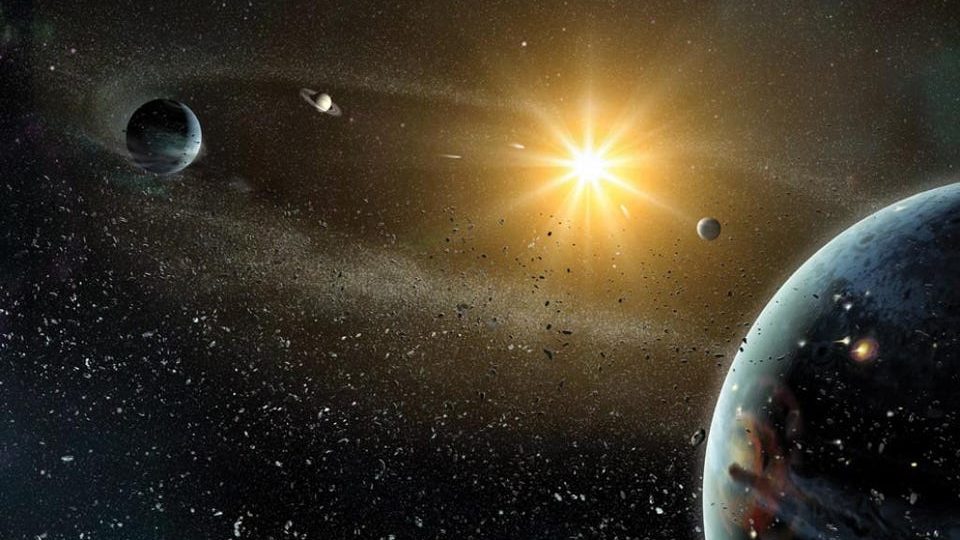
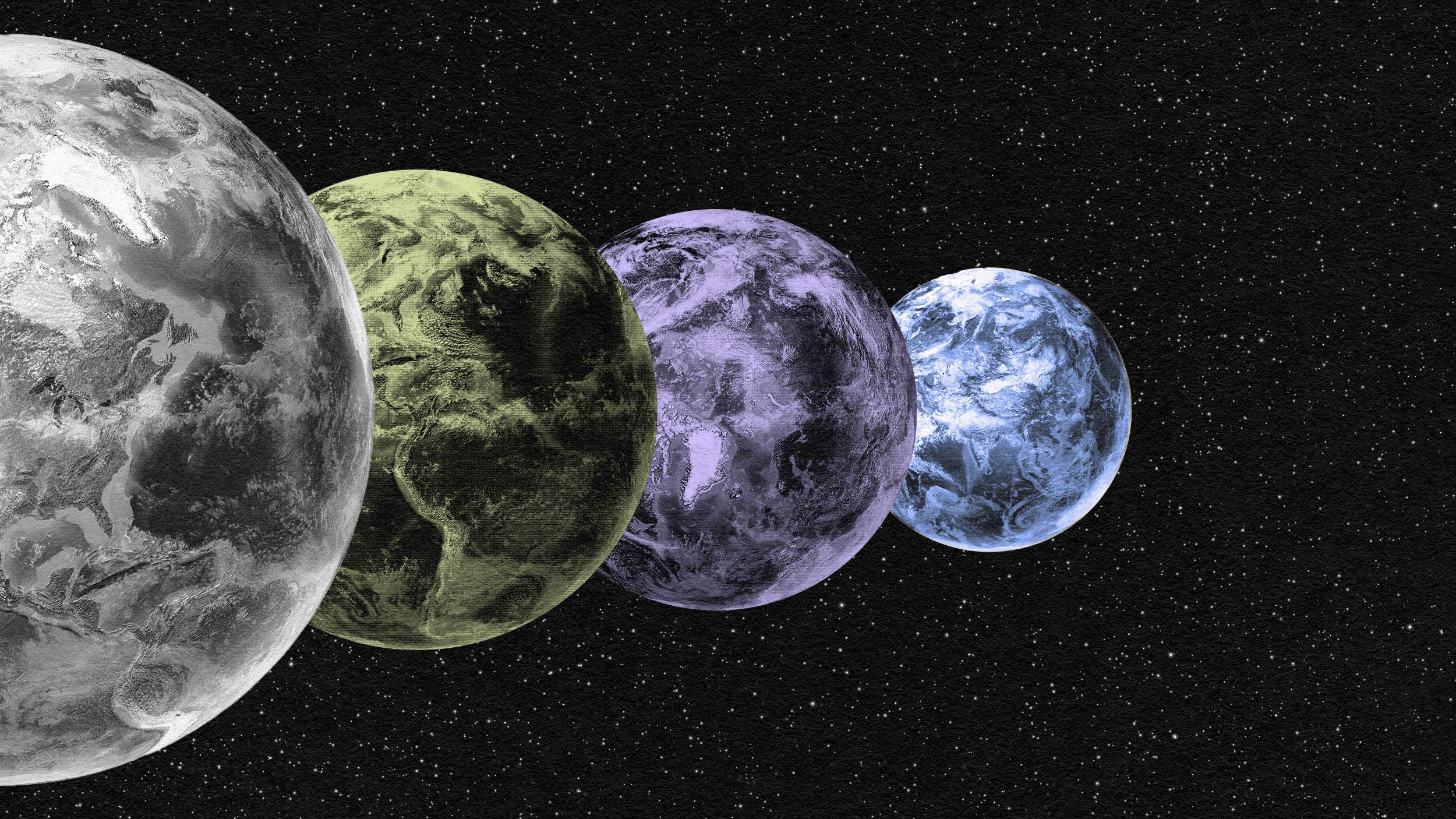
Red dwarf stars were supposed to be inhospitable. But TOI-700, now with at least two potentially habitable worlds, is quite the exception.
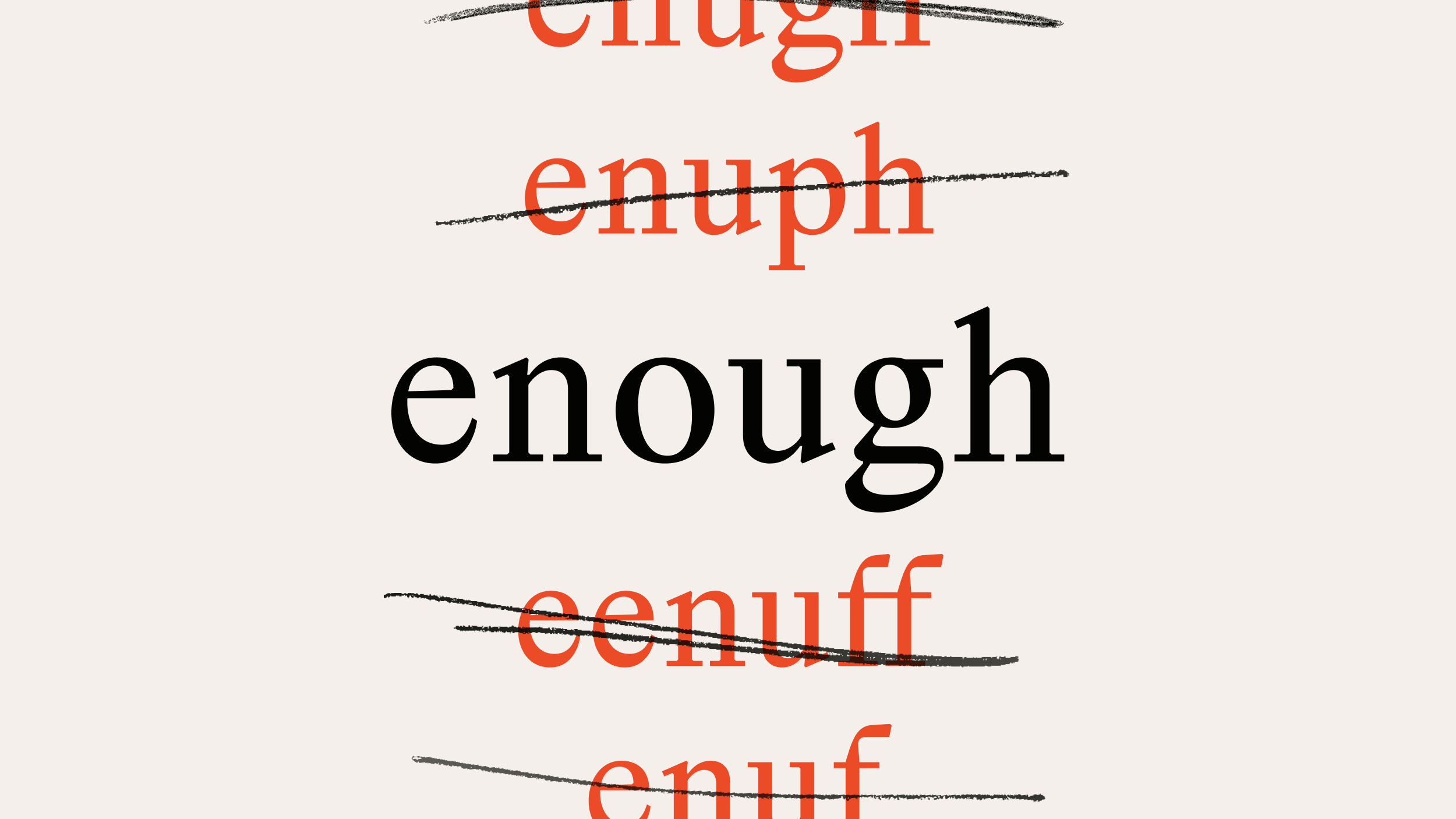
In “Enough Is Enuf,” Gabe Henry traces the history of simplified spelling movements and the lessons they teach us about language.
Smarter building materials can control indoor temperatures without external power.
A battle between different kinds of love.
Presidential gravesites are spread out “democratically” — but this is more by accident than design.
Two scientists recently wagered a bottle of whiskey. The bet? Whether we’ll find evidence of advanced extraterrestrial life in the next 15 years.
Inside the “out there” quest for a drug that would help doctors save lives before it’s too late.
All the things that surround and compose us didn’t always exist. But describing their origin depends on what ‘nothing’ means.
A conversation with the legendary VC on his latest book, his work at Techstars, and why “give first” is more than a motto — it’s a mindset.
When organized effectively, peer mentoring programs can offer substantial benefits for organizations and their employees.
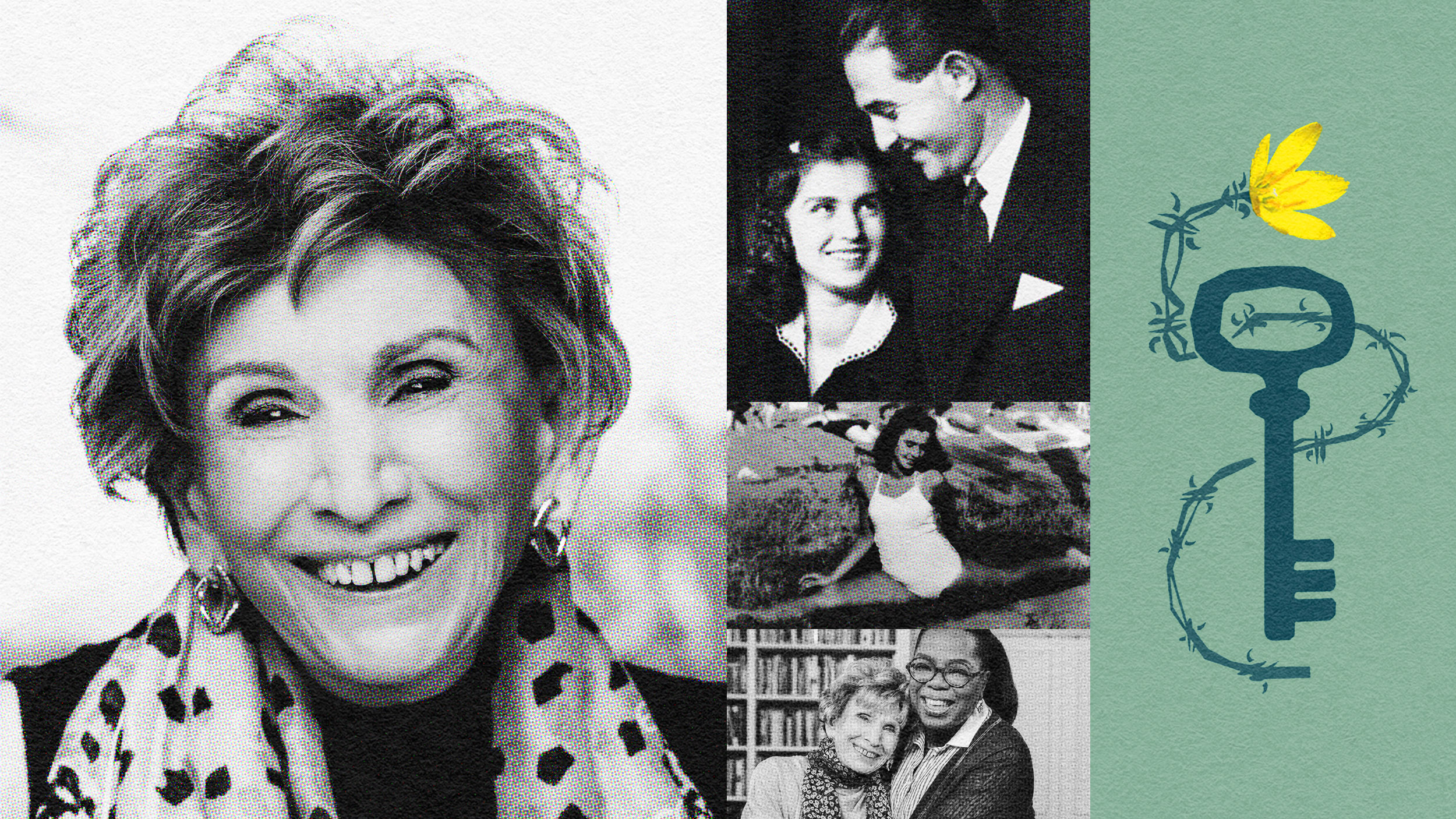
“I am free. It’s a lot of effort to be free from the prison that is in your mind, and the key is in your pocket.” – Edith Eva Eger
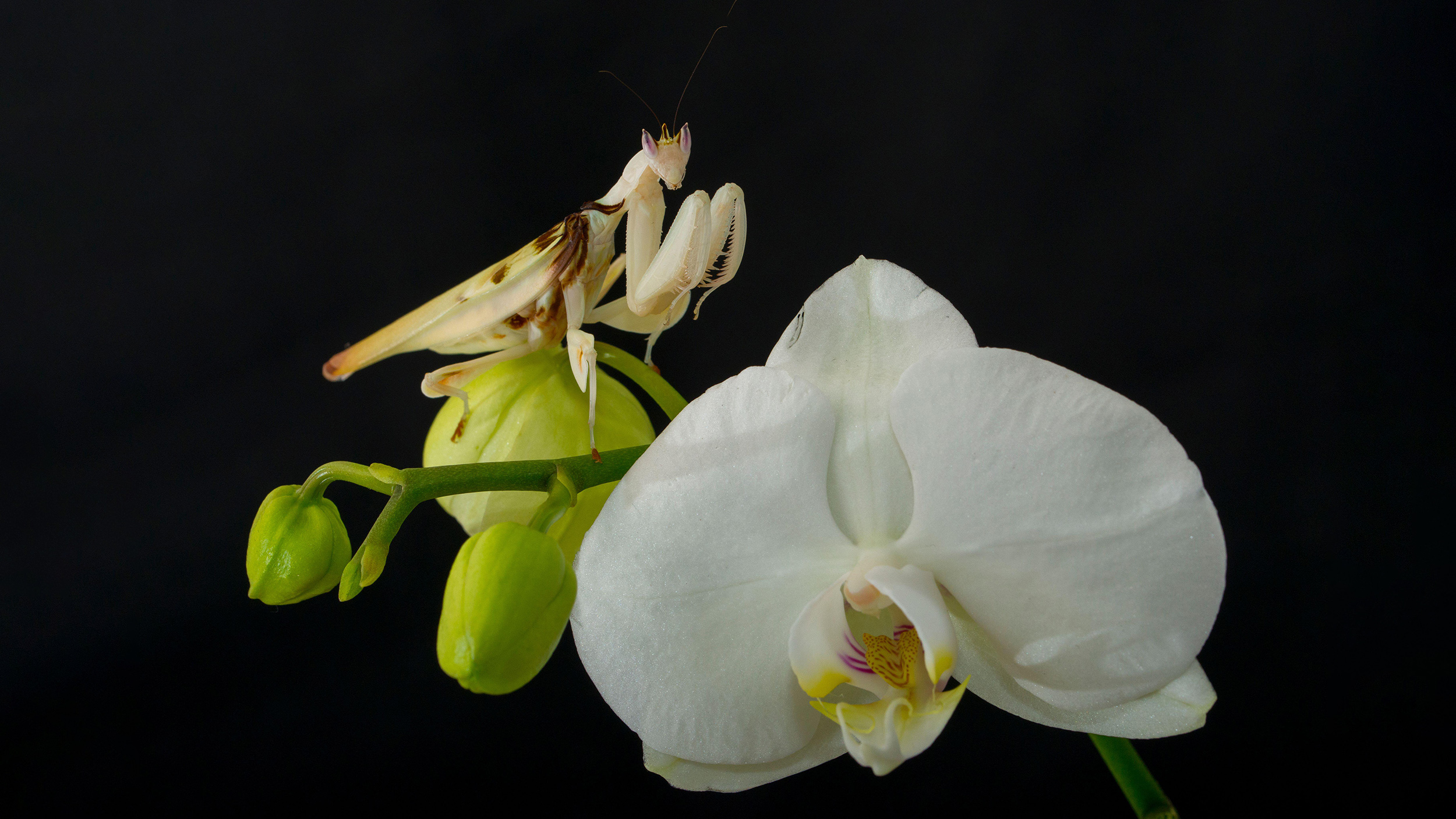
Why the advertising legend — and author of Alchemy — believes that inefficiency can be genius and insects can unlock innovation.
There is one House member for every 761,169 people, which isn’t exactly representative.
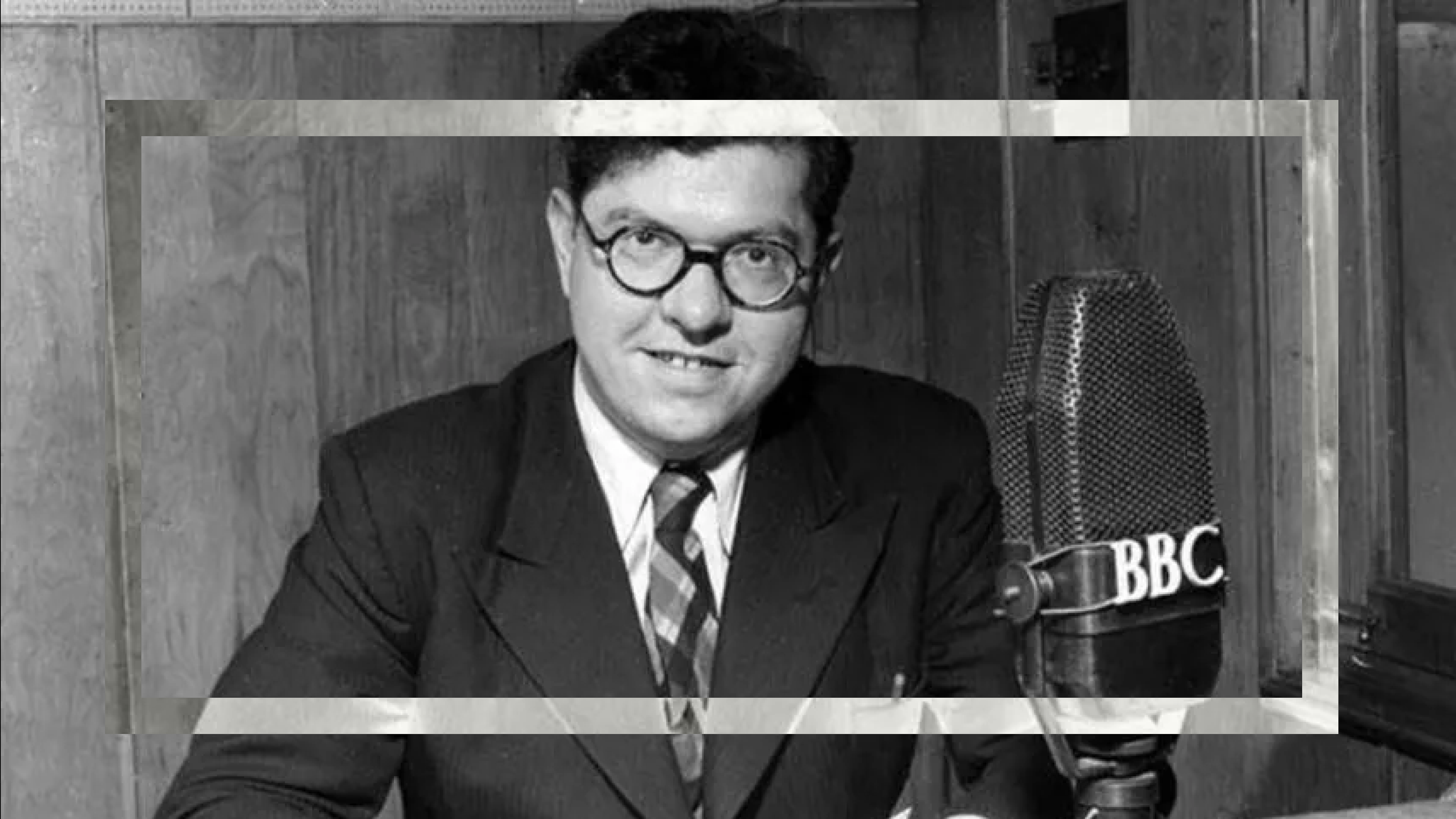
To Fred Hoyle, the Big Bang was nothing more than a creationist myth. 75 years later, it’s cemented as the beginning of our Universe.
For some reason, when we talk about the age of stars, galaxies, and the Universe, we use “years” to measure time. Can we do better?
Alex Edmans, professor of finance at the London Business School, warns us to be mindful of the incentives surrounding misinformation — including our desire to believe it.
A recent study suggests that exposure to visual stimuli can diminish the effects of psychedelic drugs.
The veteran economist joins Big Think to unpack the new rules of social media, explain tariffs, and recount his adventures in Albania.
In “Raising AI,” De Kai argues that today’s AIs are already more like us than we think they are.
82% of professionals say they’d take a lower-paying job to work for an organization with more ethical business practices. This is just one of the reasons to offer ethics training for employees.

Fixing chronic pain in the body may sometimes require a treatment focused on the brain.
Executive advisor Tiffani Bova wants leaders to value their employees as much as their customers.
The curiosity of children is a national resource. Adults destroy it.
All matter particles can act as waves, and massless light waves show particle-like behavior. Can gravitational waves also be particle-like?
Some biologists believe natural selection produces animals that are just good enough. Dawkins disagrees.
Some physicists are besot with the multiverse, but if we can’t detect these other universes, how seriously should we take them?