Awe-inspiring moments can be found in our daily lives, and they have surprising benefits for our health and sense of well-being.
Search Results
You searched for: D
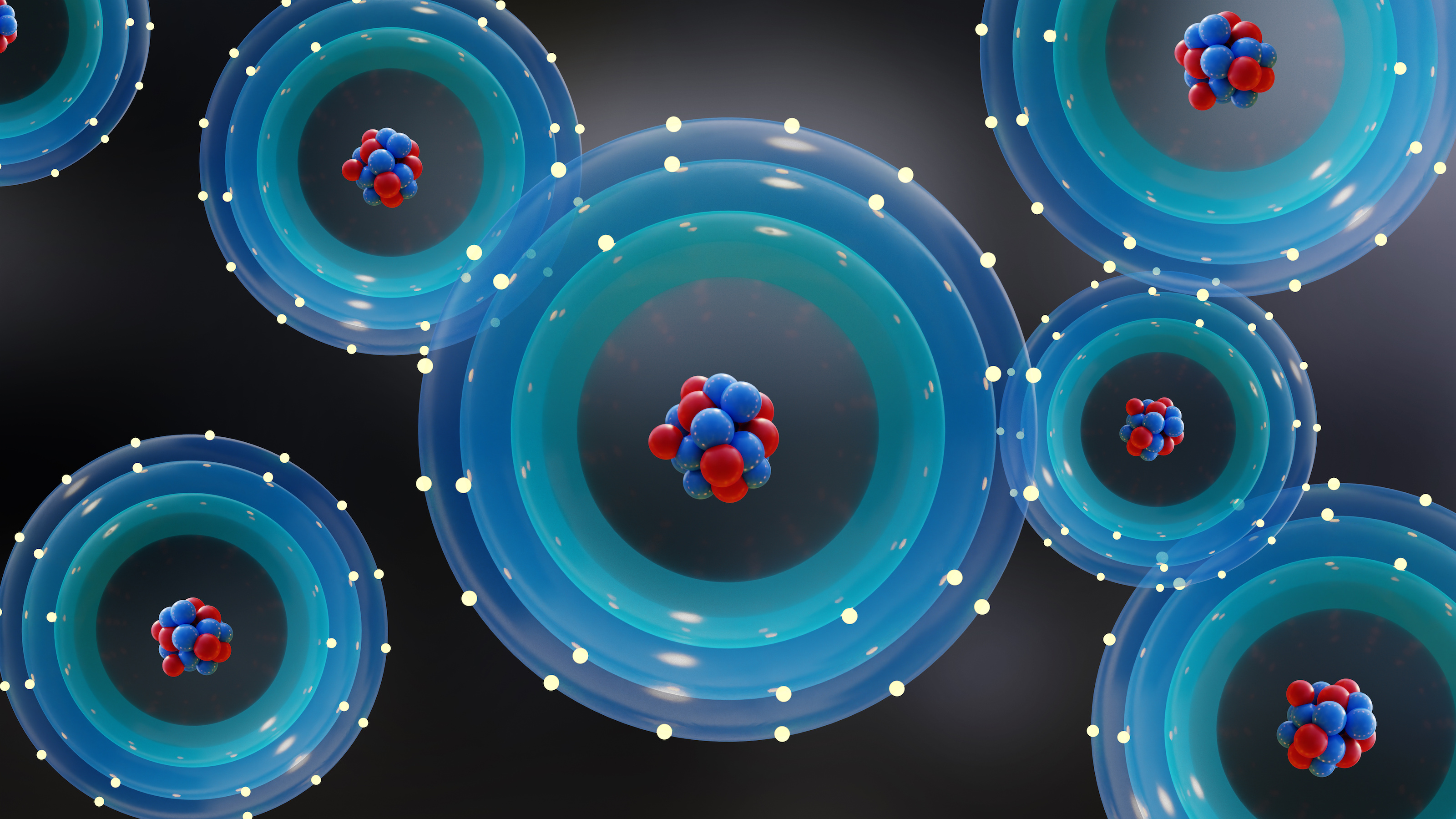
With a massive, charged nucleus orbited by tiny electrons, atoms are such simple objects. Miraculously, they make up everything we know.
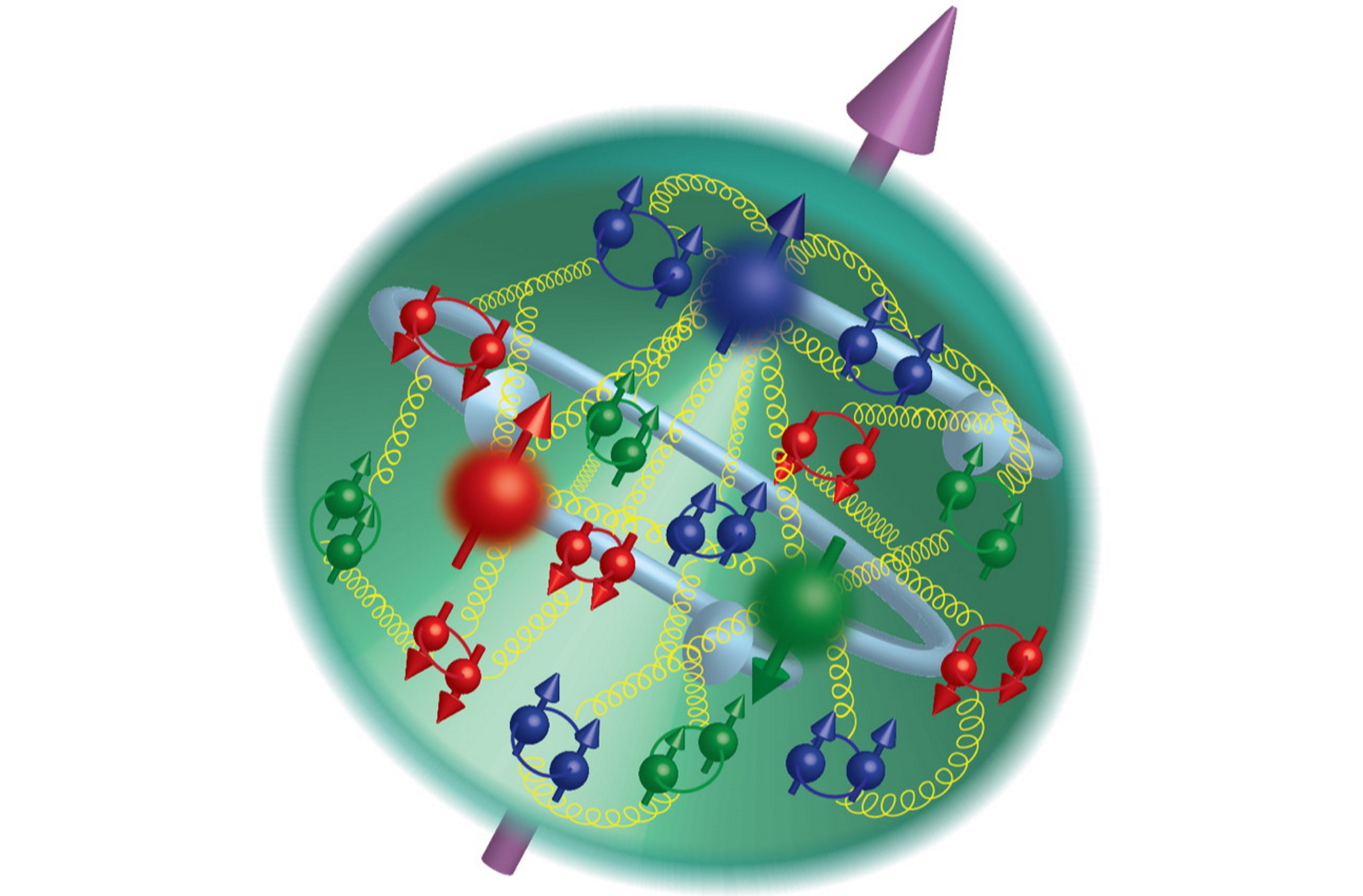
If we waited long enough, would even protons themselves decay? The far future stability of the Universe depends on it.
For years and over three separate experiments, “lepton universality” appeared to violate the Standard Model. LHCb at last proved otherwise.
Radical Emotional Acceptance calls on you to celebrate all of life’s emotions — even the negative ones.
A brief look at the six-decade challenge to psychiatry.
Today, the star-formation rate across the Universe is a mere trickle: just 3% of what it was at its peak. Here’s what it was like back then.
The Antarctic Treaty of 1959 prohibited nations from making new land claims on the continent. But it never mentioned claims from private individuals.
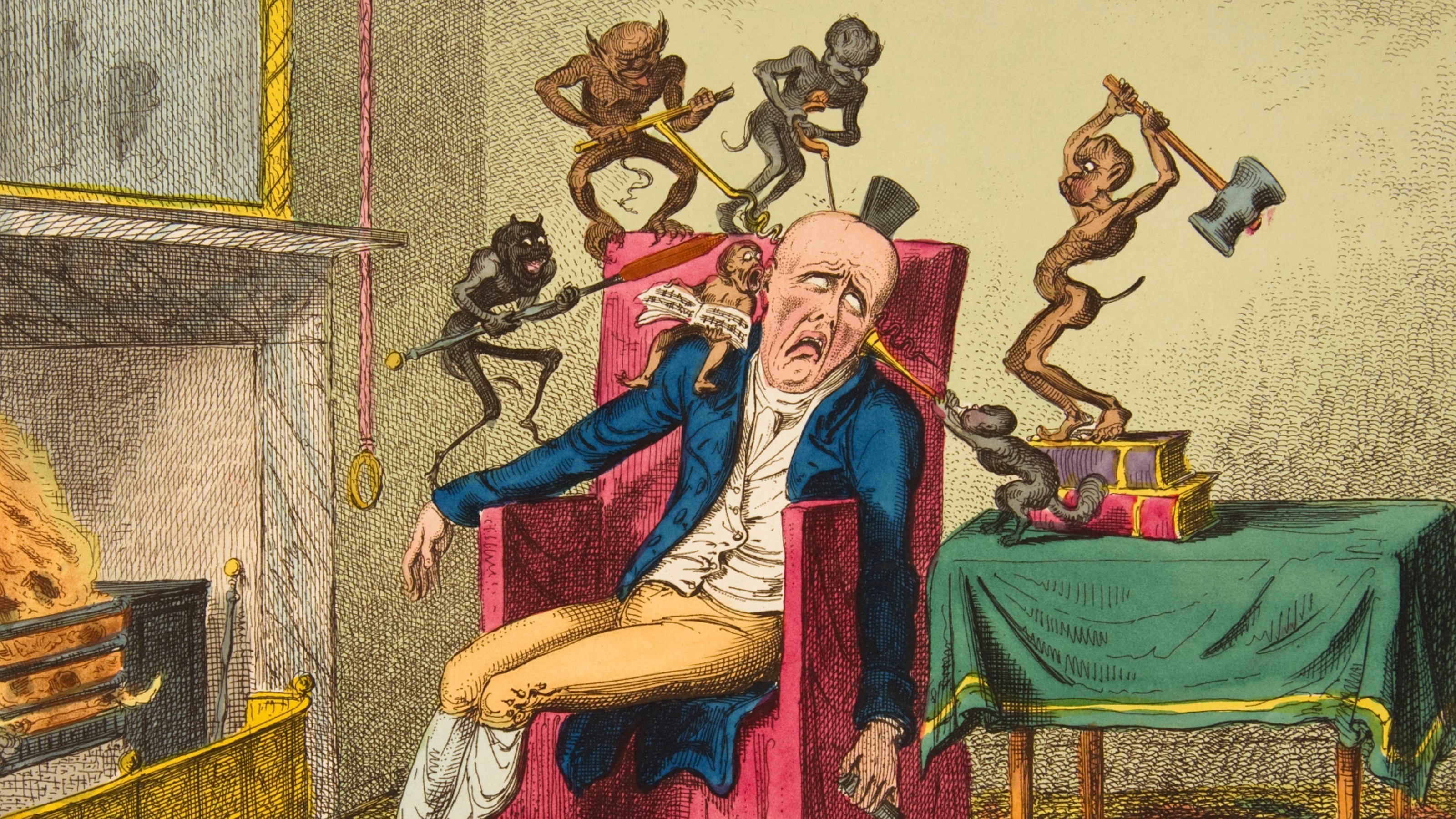
In “The Headache,” Tom Zeller Jr. explores one of the human brain’s most enduring, and painful, enigmas.
It might seem petty and shallow to get upset over a bad gift, but there’s often a deeper reason behind the feeling.
In “After the Spike,” Dean Spears and Michael Geruso show why policy, rather than high population density, has the most significant impact on the environment.
Some think the reason fundamental scientific revolutions are so rare is because of groupthink. It’s not; it’s hard to mess with success.
Leading a scientific revolution is easy: you just have to succeed where the current theory fails while equaling its successes. Good luck!
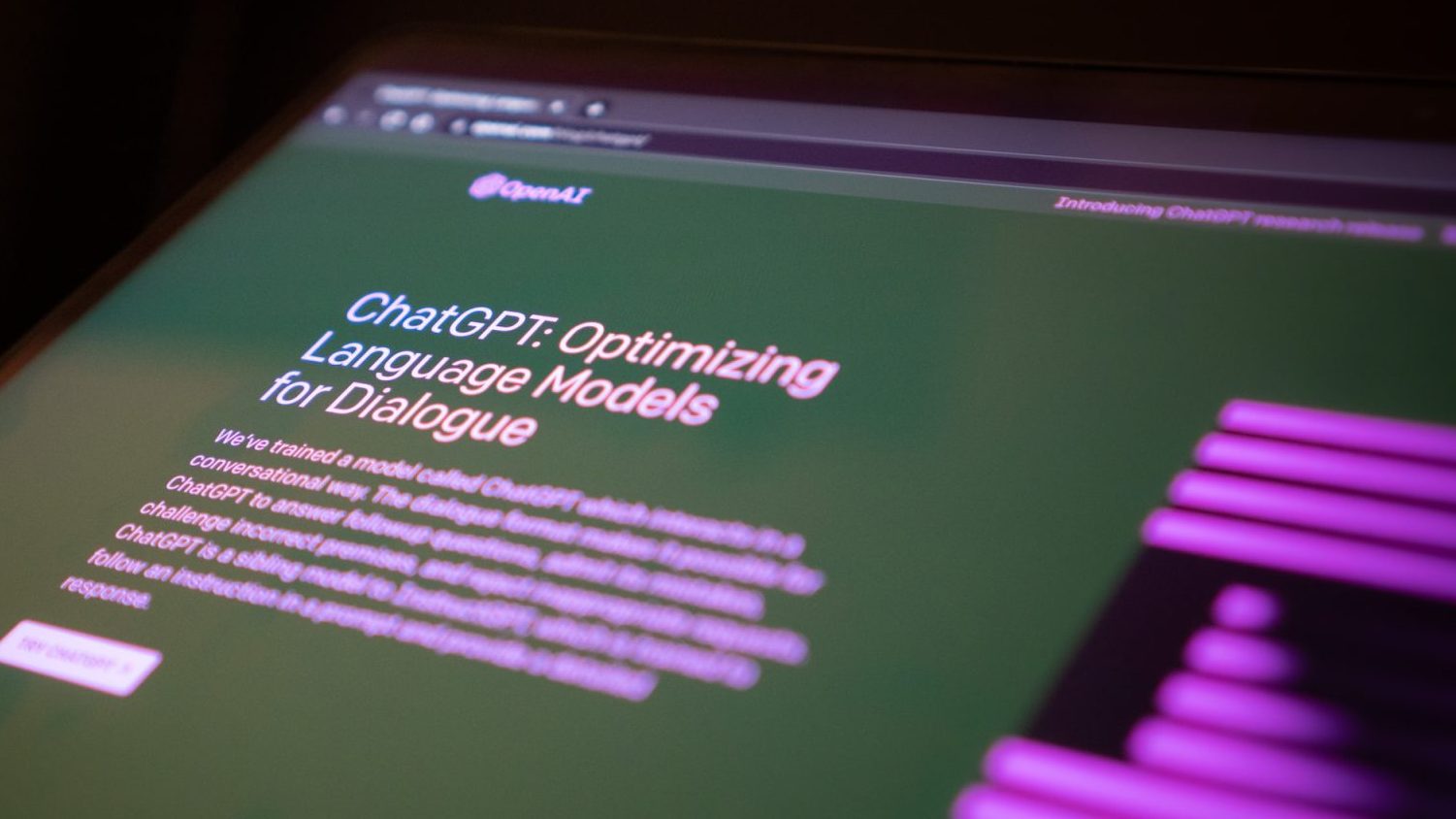
Can ChatGPT help you power through writer’s block?
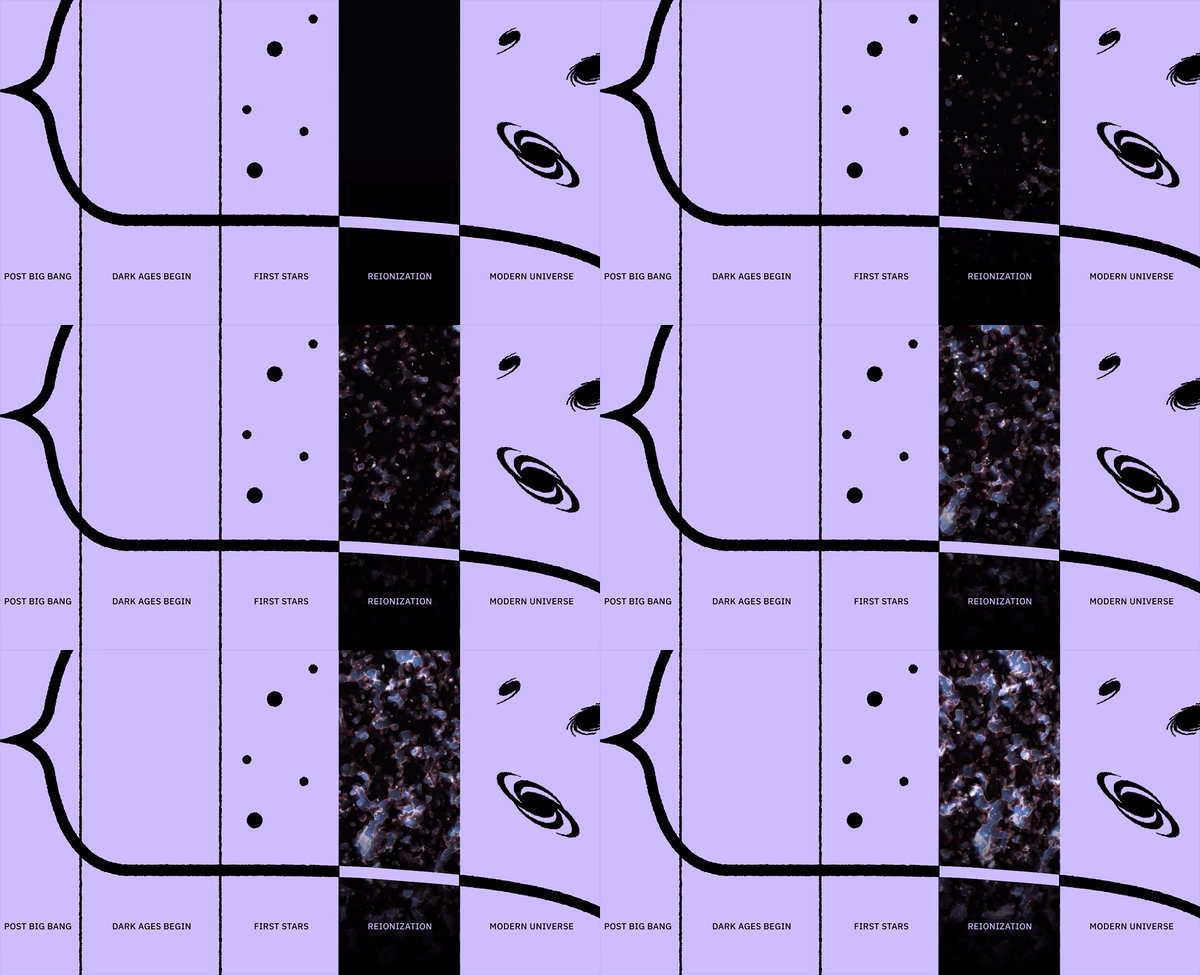
For 550 million years, neutral atoms blocked the light made in stars from traveling freely through the Universe. Here’s how it then changed.
Despite the Sun’s high core temperatures, atomic nuclei repel each other too strongly to fuse together. Good thing for quantum physics!
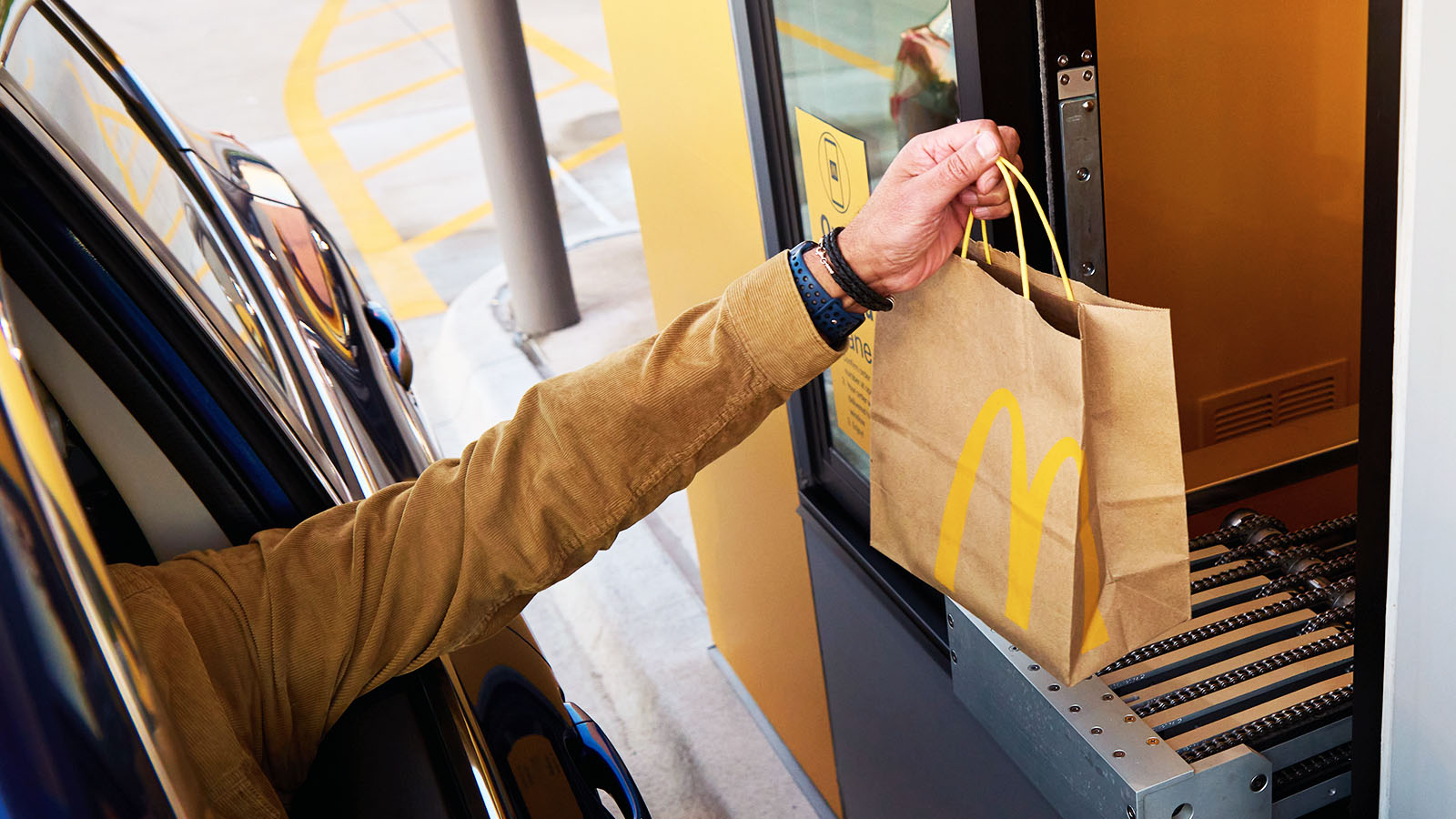
The automated McDonald’s has a staff comparable to other stores. But the crew members are all focused on making and packaging orders instead of delivering them.
How scientists found out that we live in a cosmic aquarium.
Voyage into the lawless world of experimental literature.
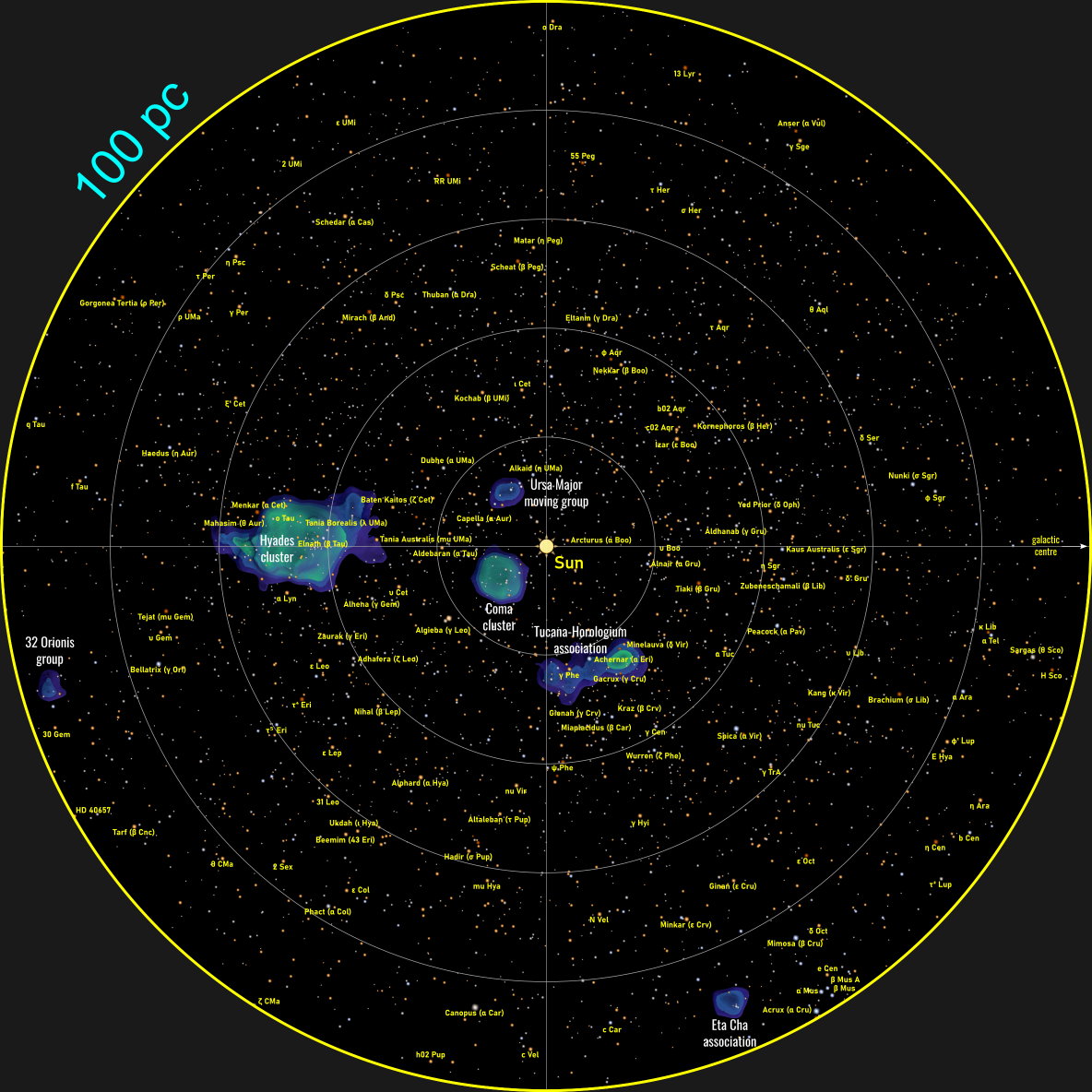
It’s the very closest stars to us that hold the key to unlocking the possibilities for life in star systems all throughout the Universe.
It turns out it’s hard to make work at an Amazon warehouse fun.
Still, the author’s main argument wasn’t totally discredited.
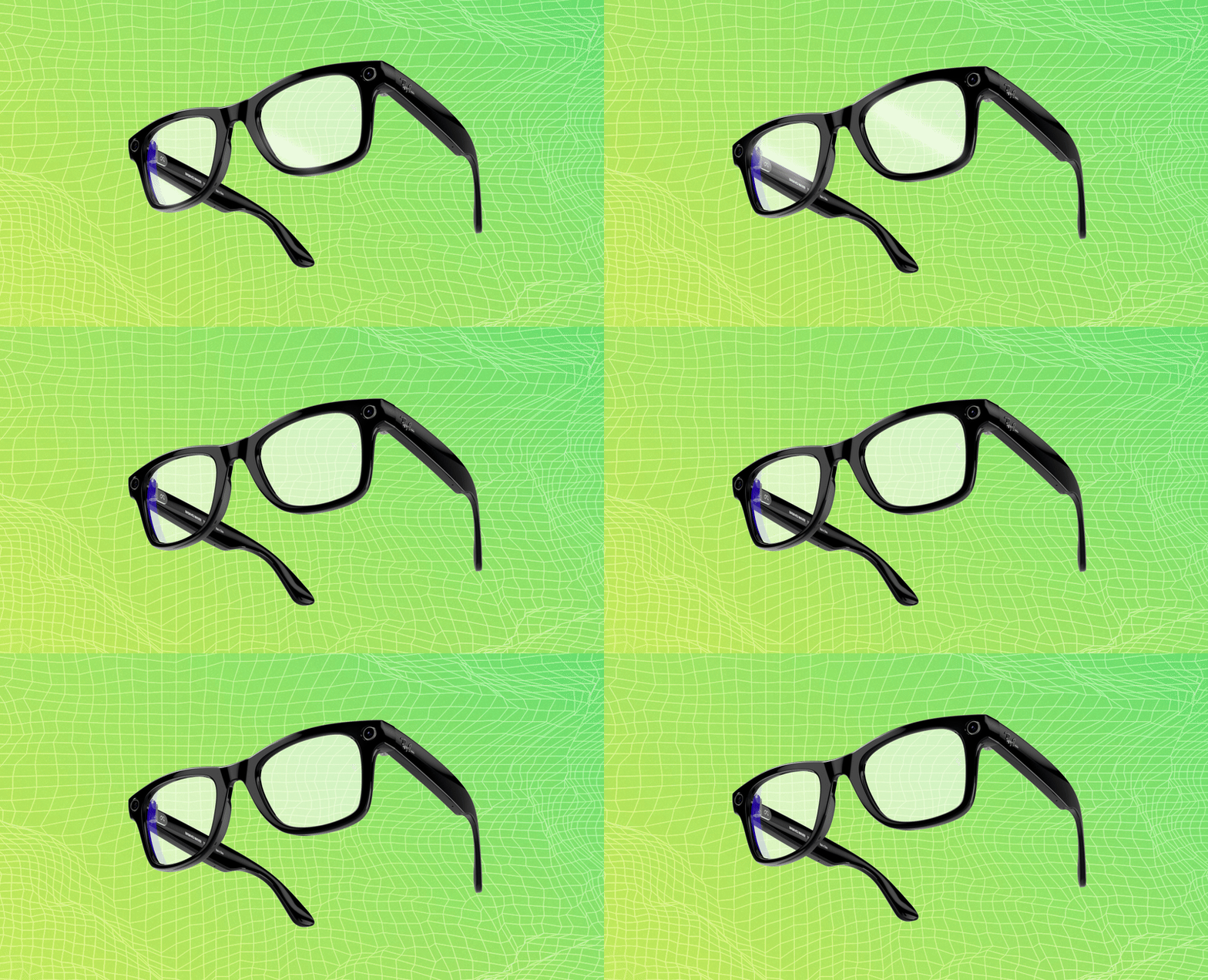
Smart glasses have flopped before. AI could finally make them mainstream.
If our goal is to effect the greatest possible progress, what would it look like to approach this holistically? What might need to dispositionaly in how we approach solving our most important problems—at an individual level, a community level, or at a civilizational or global one? We asked our experts to think big picture about how what new thinking would be required to create a larger pro-progress framework.
2023 will see an “arms race” in mixed reality hardware and software. This truly will revolutionize our society.
Carl Sagan was far from the first to declare we are the children of ancient stars.
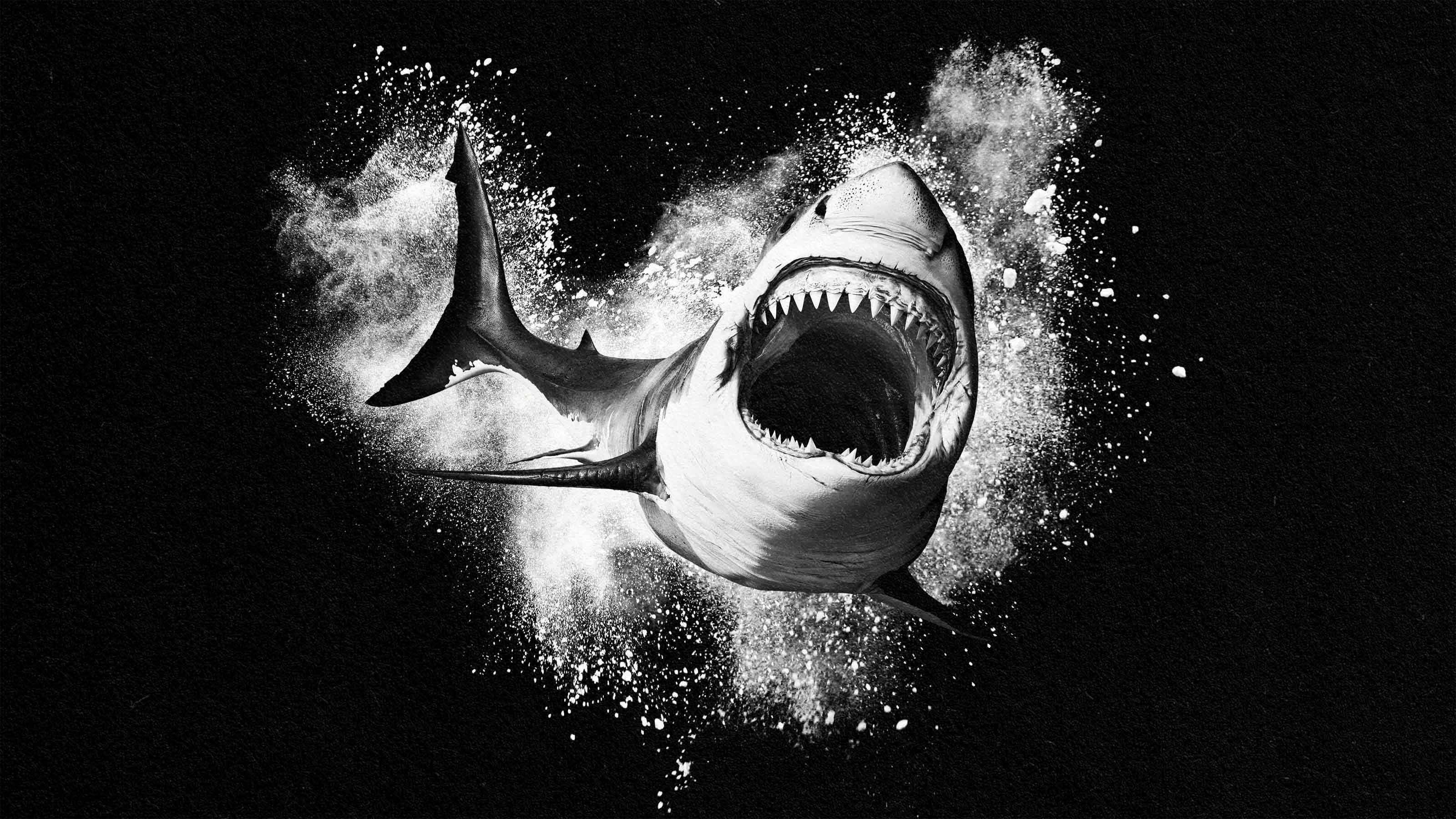
If cocaine affects sharks at all, it does so as an anesthetic, not as a stimulant.
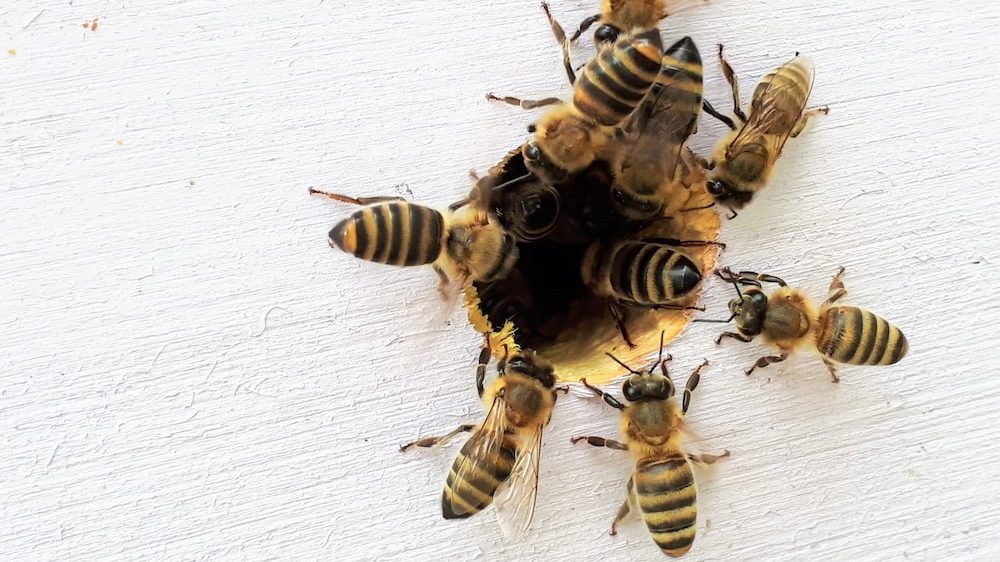
Parity tasks (such as odd and even categorisation) are considered abstract and high-level numerical concepts in humans.
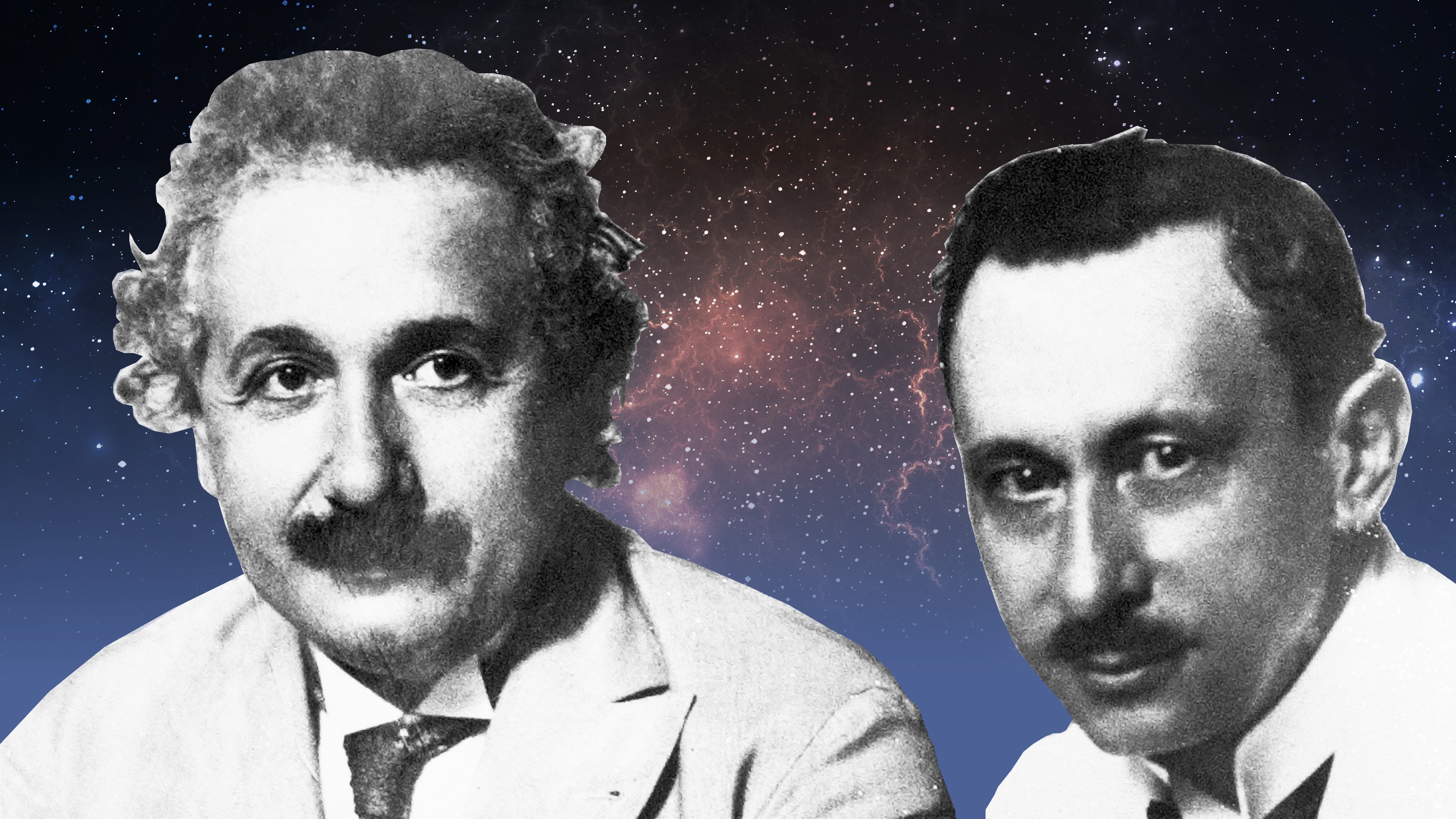
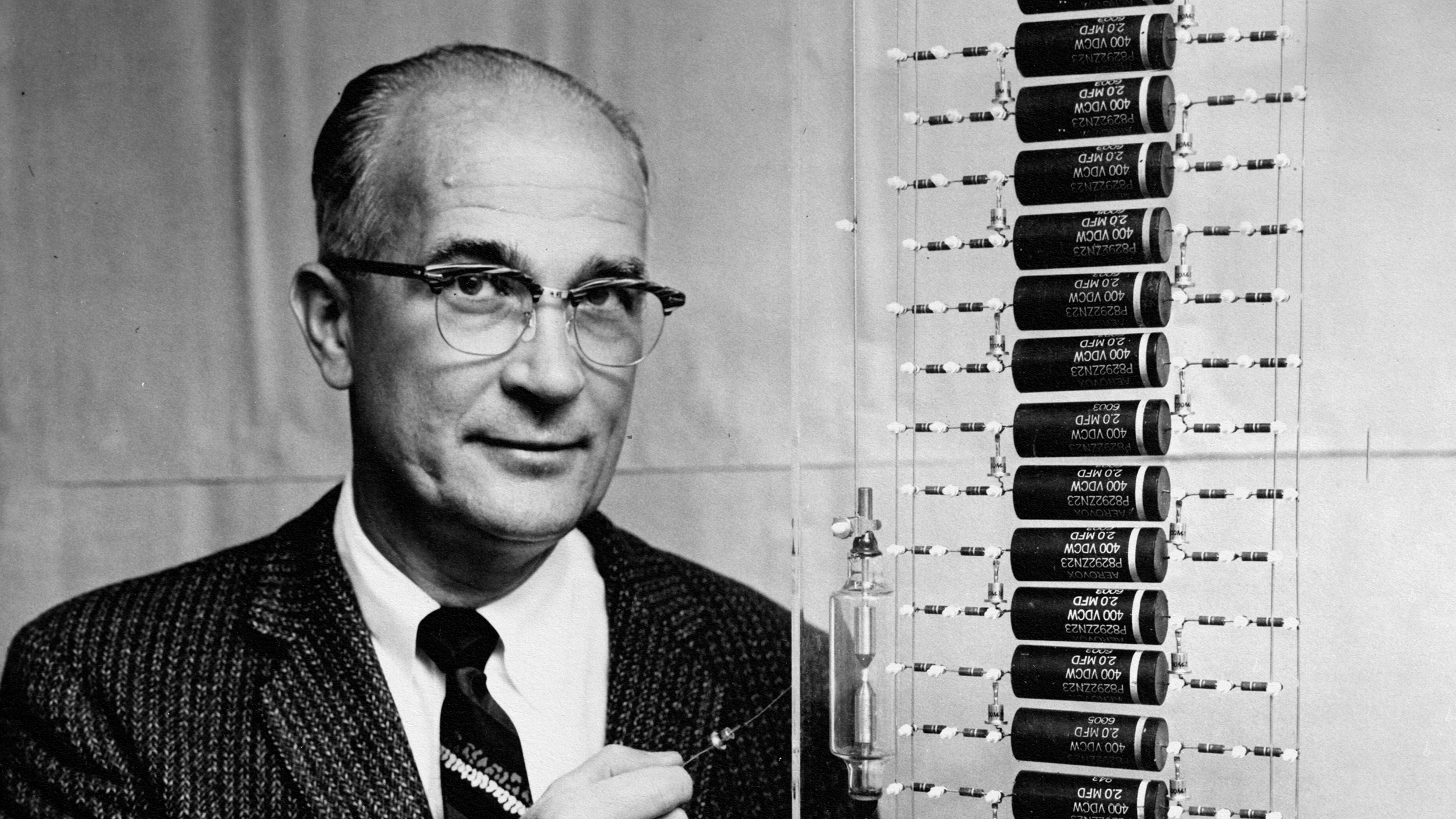
It is easy to mock Nobel Laureates who go astray, but eccentricity often accompanies brilliance. We should have some sympathy.
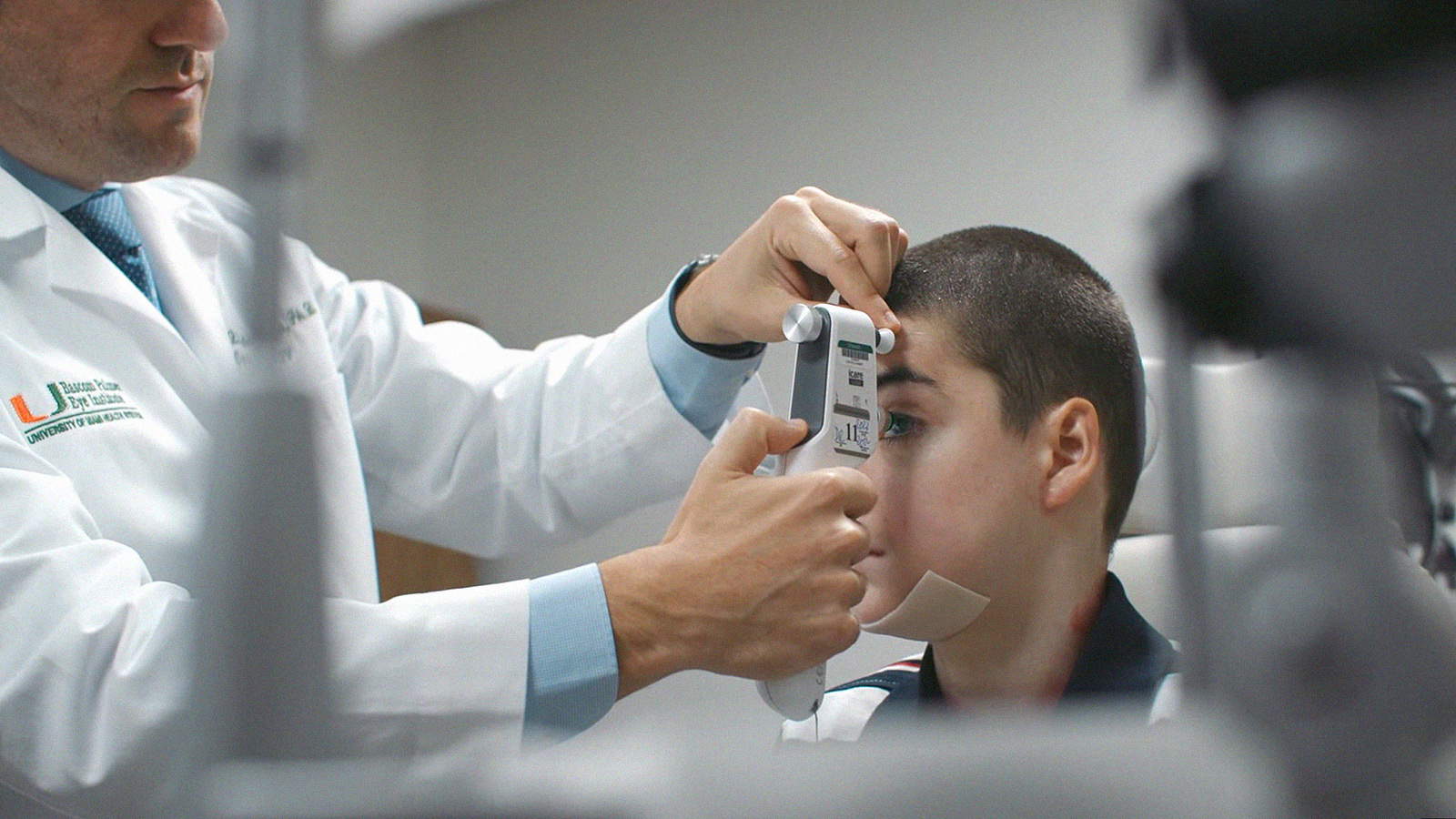
The topical gene therapy could one day help millions regain their vision.