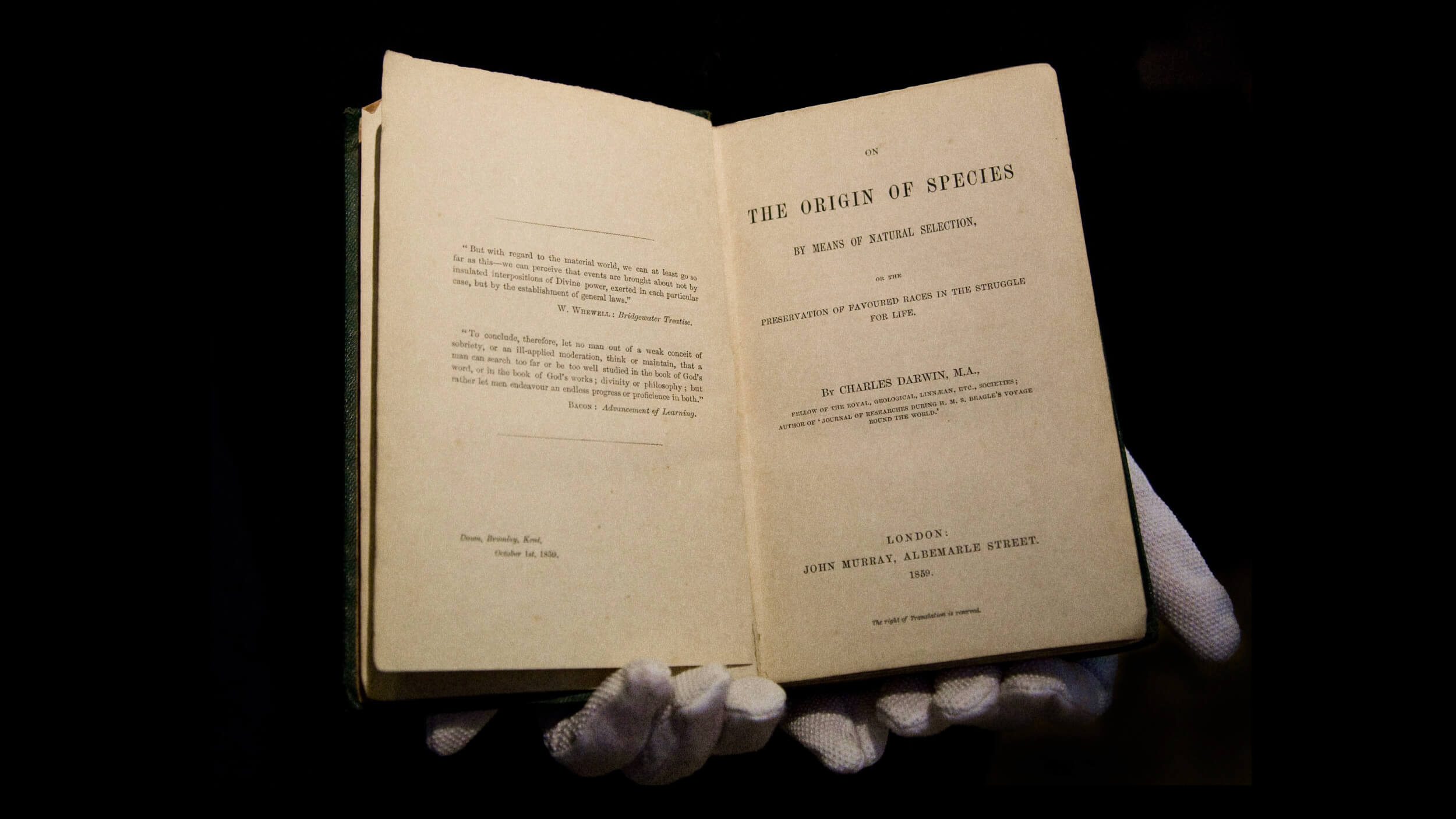
High Culture 5 books that changed our understanding of the origin of life These books helped build the empirical case that life’s origins differ from those described in myths and legends.
Business Why a neurodivergent team will be a golden asset in the AI workplace The transformational change driven by AI will elevate neurodiversity inclusion as an organizational asset, argues Maureen Dunne.
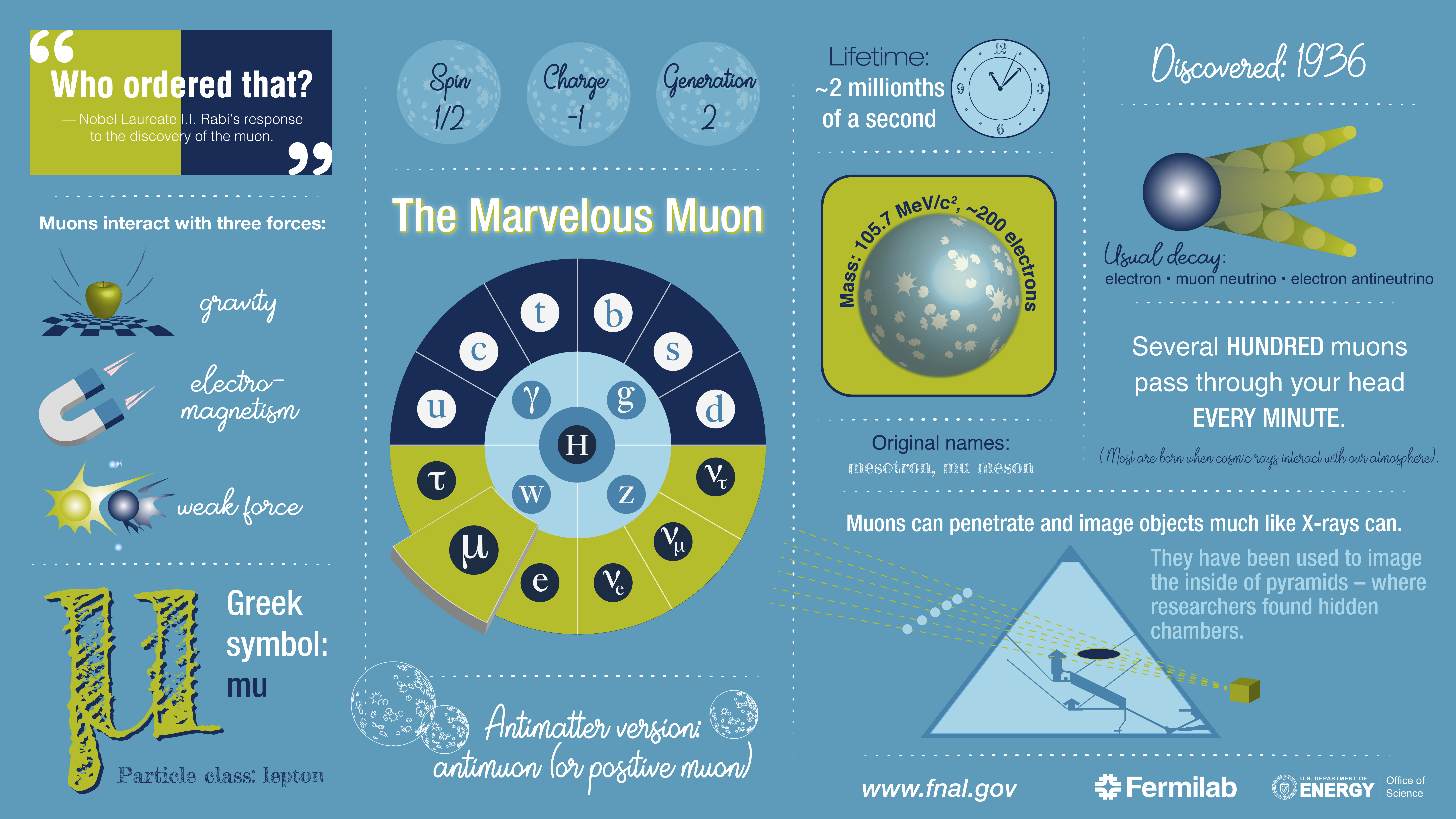
Starts With A Bang How the surprising muon revolutionized particle physics From unexplained tracks in a balloon-borne experiment to cosmic rays on Earth, the unstable muon was particle physics’ biggest surprise.
Neuropsych Anxiety always lies: Martha Beck on overcoming fear and finding purpose When your life’s truth and the reality you live become out of sync, you risk falling into an “anxiety spiral.”
Starts With A Bang The biggest difference between physics and mathematics If you can model anything in the Universe with an equation, mathematics is how you get the solution(s). Physics must go a step further.
Smart Skills Social media influencers are selling “success” to their followers. Don’t buy it Self-help gurus for the digital age.
Starts With A Bang Can science ever discover the absolute truth about reality? Is science absolute? Its truths and discoveries guide us toward the nature of reality, but we must always remain open-minded to revisions.
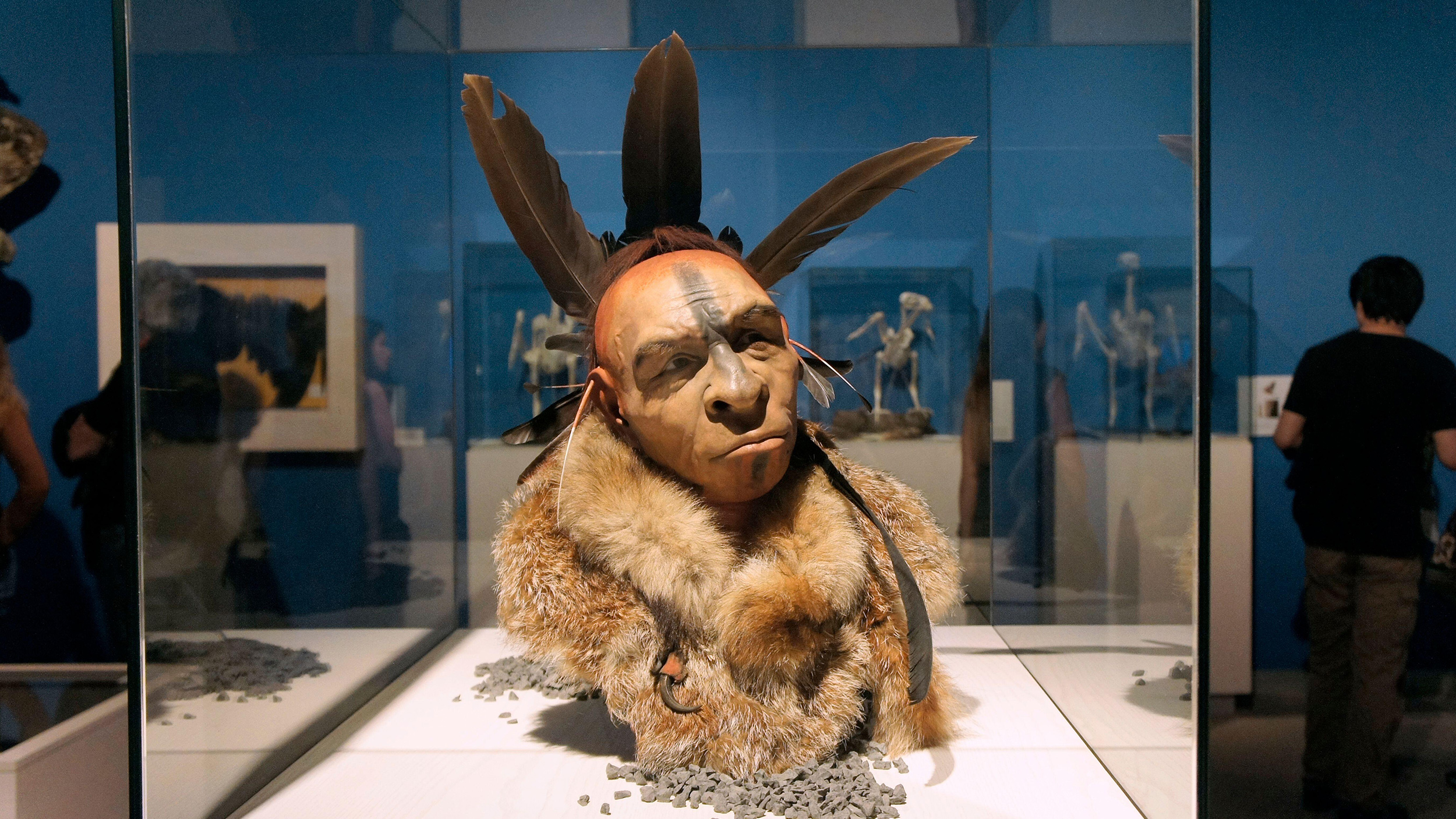
The Past Neanderthals: More knowable now than ever They have held our fascination ever since we first identified their remains.
Neuropsych Cary Grant made LSD therapy fashionable Benjamin Breen on his greatest revelations while writing about the birth of psychedelic science.
Smart Skills Using big words doesn’t make you sound smarter George Orwell got it right: “Never use a long word where a short one will do.”
Health Lab-grown blood used in transfusion for first time What if you could just grow your own blood?
Starts With A Bang How humanity’s most enduring calendar failed us all With the invention of the leap year, the Julian calendar was used worldwide for over 1500 years. Over time, it led only to catastrophe.
Starts With A Bang The quantum physics behind fireworks displays From the explosions themselves to their unique and vibrant colors, the fireworks displays we adore require quantum physics.
Neuropsych Falsely accused? Stay calm, because anger makes you look guilty Anger and silence are the two worst reactions.
L&D strategy How Agile learning could revolutionize training and development Agile learning enables an organization to pivot quickly in response to changes in technology, economic conditions, market demand, and more.
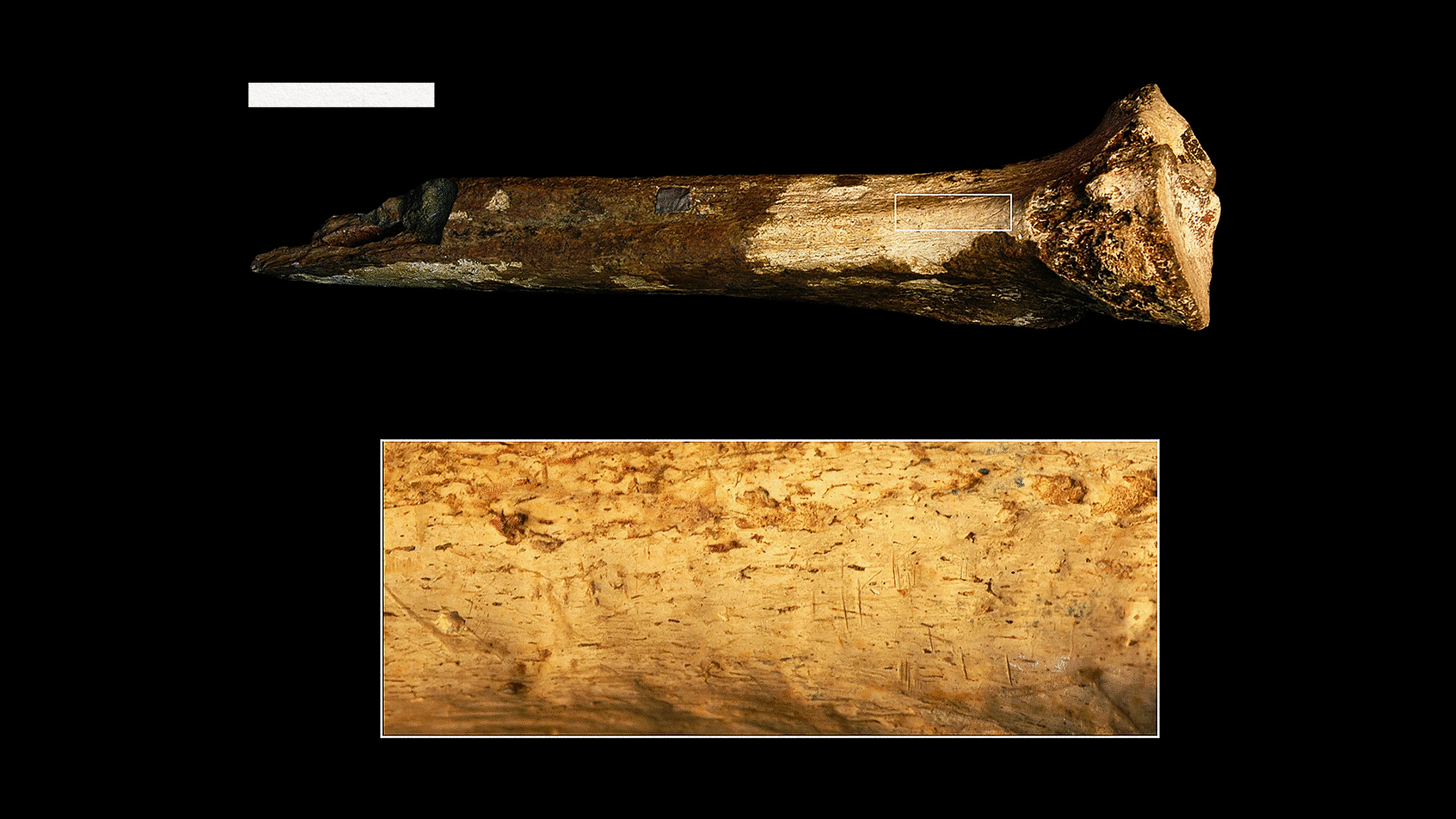
The Past Found: One of the earliest signs of ancient human cannibalism A 1.5-million-year-old hominin bone shows signs that the victim was eaten by lions — and humans.
Business The nuances of “founder mode”: Boundaries and empowerment Semyon Dukach — founding partner of VC firm One Way Ventures — adds balance to the founder mode debate.
Starts With A Bang Rainbows are actually full circles. A physicist explains Most of us only ever see a fraction of a full rainbow: an arc. But optically, a full rainbow makes a complete circle. Physics explains why.
Neuropsych How much do you have to play with your kids? Plenty of parents feel guilty about wanting to skip playtime, but there’s no need.
L&D strategy Transformative learning 101 Understanding Mezirow’s theory of transformative learning can help you become a catalyst of change.
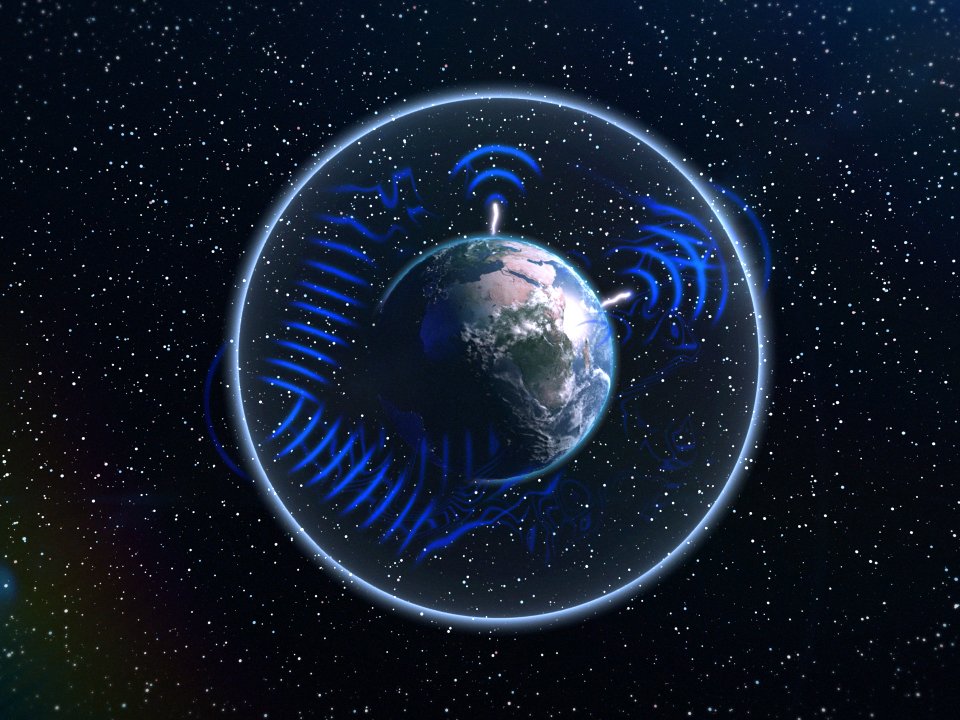
Starts With A Bang Schumann resonances: Amazing physics, sham medicine The Schumann resonances are the background hum of the entire planet. But they don’t affect humans in any way.
The Present The race against radon Scientists are working to map out the risks of the permafrost thaw, which could expose millions of people to the invisible cancer-causing gas.
Business Leadership masterclass: Nike, Jordan, and James Baldwin George Raveling — the iconic leader who brought Michael Jordan to Nike — shares with Big Think a lifetime of priceless wisdom learned at the crossroads of sports and business.
Trends & insights 5 ways corporate training has gotten it wrong Why do some corporate training programs fail? Here are five reasons.
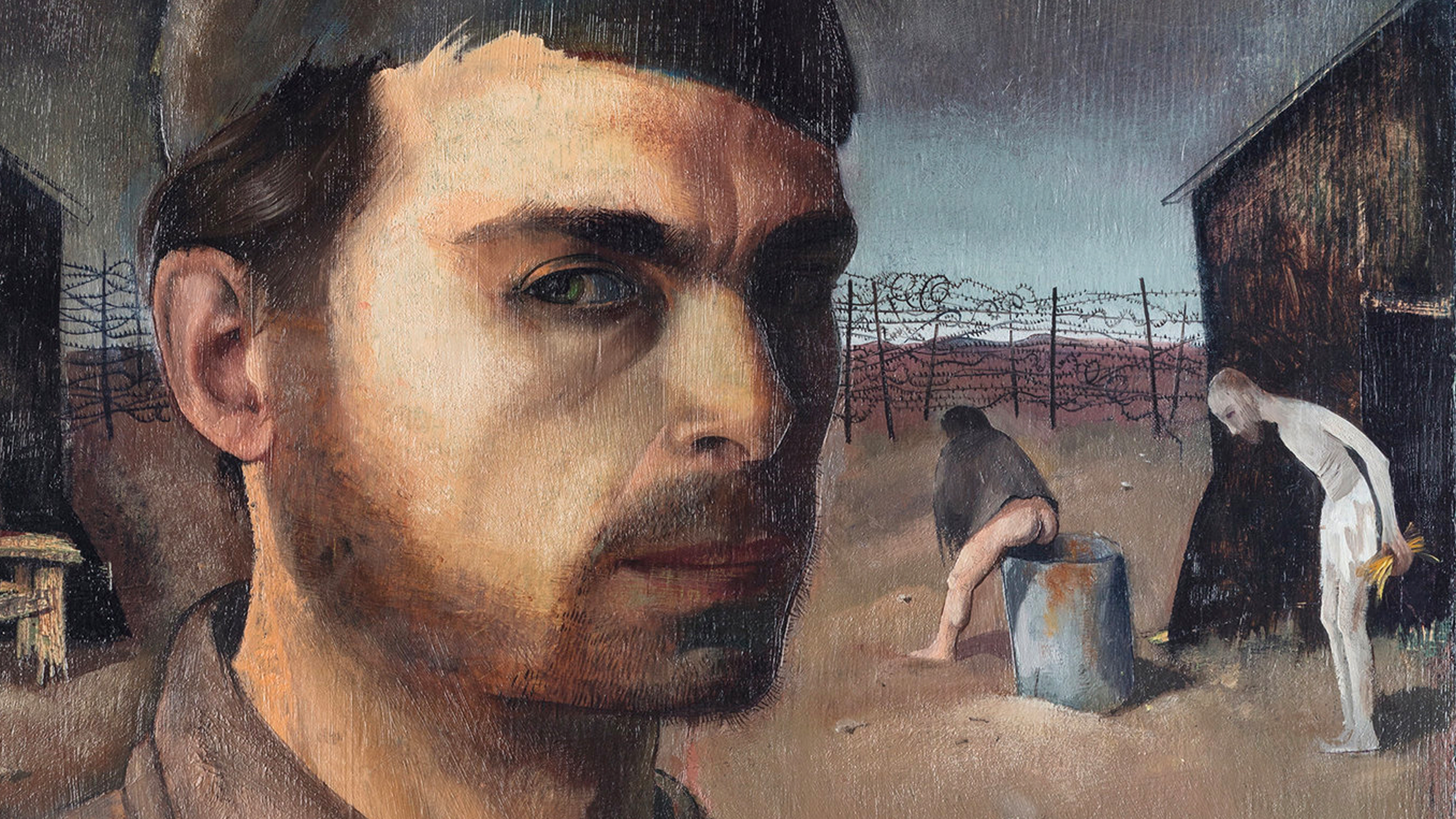
High Culture “You need resilience”: How a genocide scholar faces history’s darkest moments Omer Bartov, who spent decades studying the unspeakable horrors of genocide, shares how his studies have impacted his own mental health.
13.8 10 of the most mystifying open questions in science From how life emerged on Earth to why we dream, these unanswered questions continue to perplex scientists.
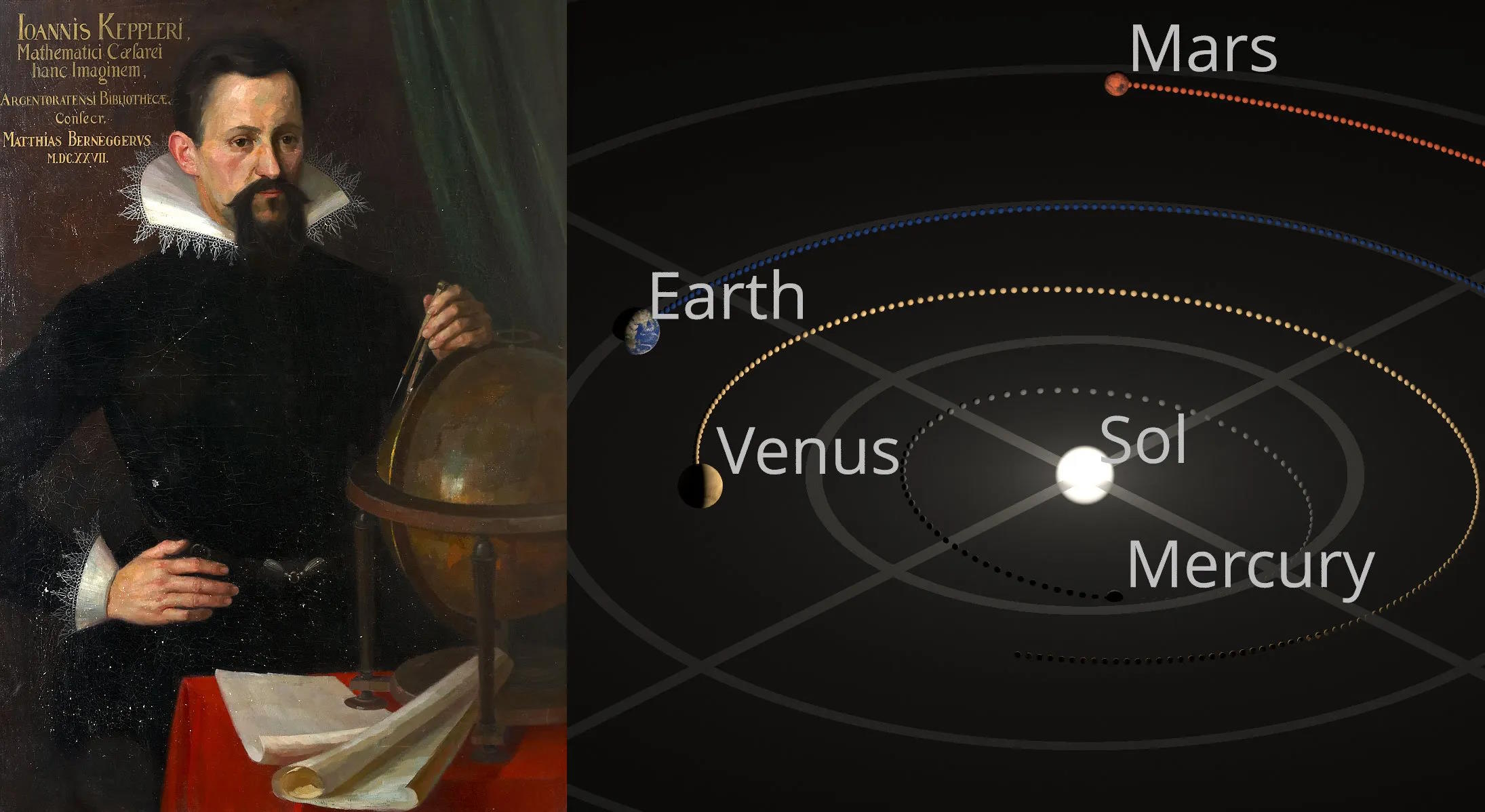
Starts With A Bang Astronomer Johannes Kepler solved life’s hardest problem: marriage How can you maximize the amount of love and happiness in your life? One of history’s greatest scientists found the answer: with math.
L&D strategy mLearning: A guide to mobile learning strategies and trends Here’s how learning leaders can best take advantage of the technology that employees carry with them everywhere.
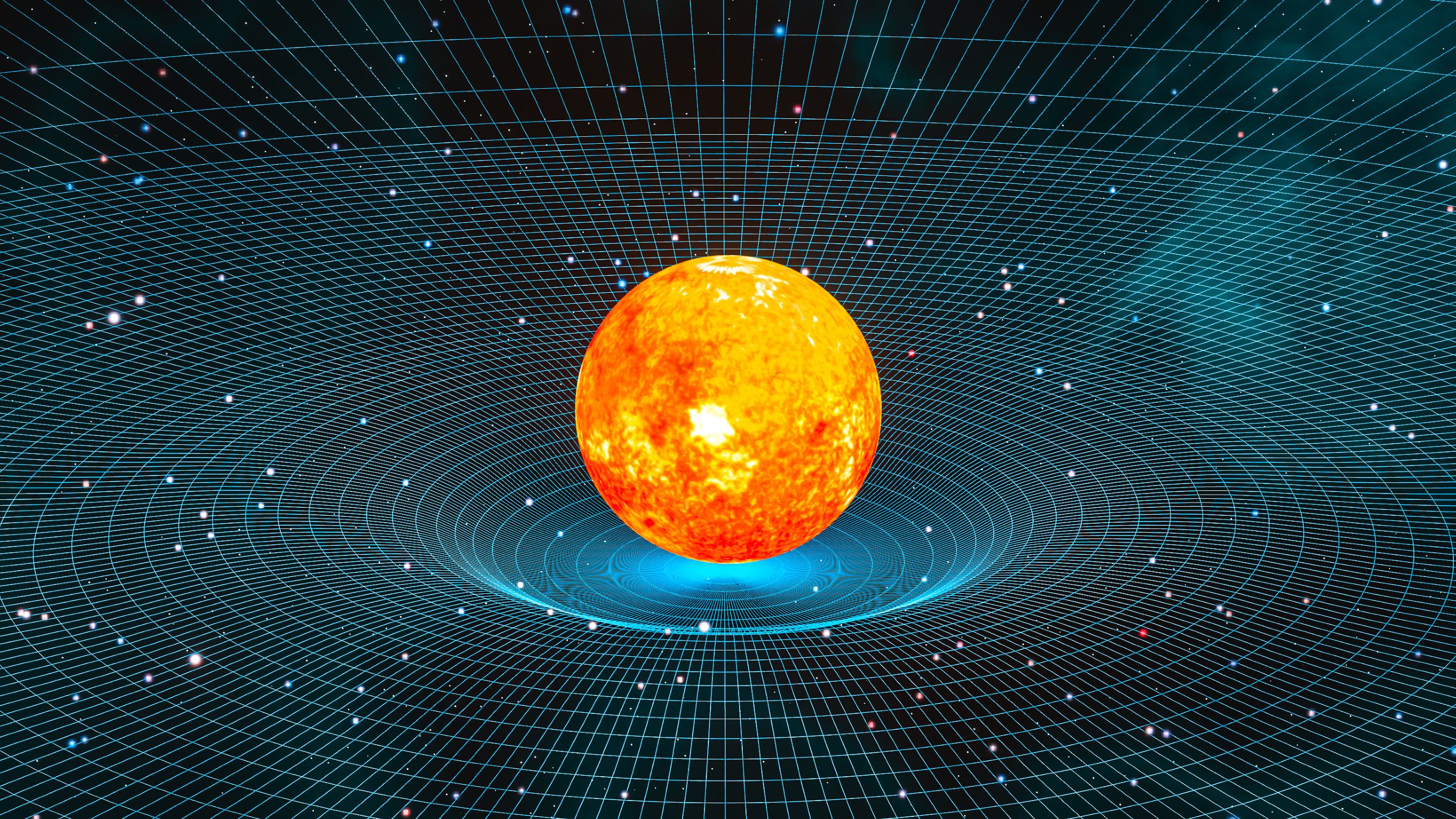
Hard Science How fast is gravity, exactly? Thanks to observations of gravitational waves, scientists were able to settle a longstanding debate over the speed of gravity.
Starts With A Bang Laniakea, our home supercluster, is already being torn apart On the largest scales, galaxies don’t simply clump together, but form superclusters. Too bad they don’t remain bound together.