The Universe is out there, waiting for you to discover it.
Our mission: to answer, scientifically, the biggest questions of all.
- What is our Universe made of?
- How did it become the way it is today?
- Where did everything come from?
- What is the ultimate fate of the cosmos?
For countless generations, these were questions without resolutions. Now, for the first time in history, we have scientific answers. Starts With A Bang, written by Dr. Ethan Siegel, brings these stories — of what we know and how we know it — directly to you.
Featured

Why power generated through nuclear fusion will be the future, but not the present, solution to humanity’s energy needs.
It’s a strange idea to consider: that a tiny building block of matter, the atomic nucleus, holds the greatest potential for energy release.
And yet, it’s true; while electron transitions in atoms or molecules typically release energy on the order of ~1 electron-Volt, nuclear transitions between different configurations release energies a million times as great, on the order of ~1 Mega-electron-Volt.


Popular
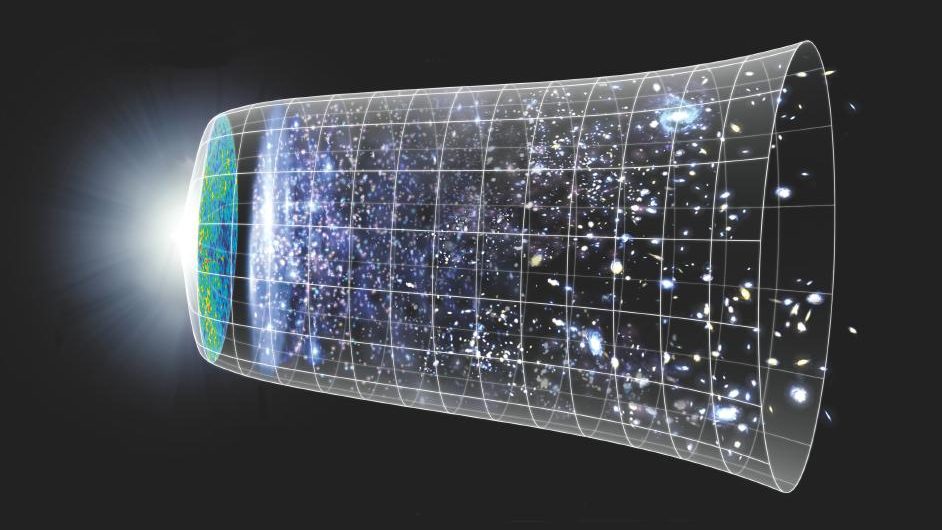
From before the Big Bang to the present day, the Universe goes through many eras. Dark energy heralds the final one.
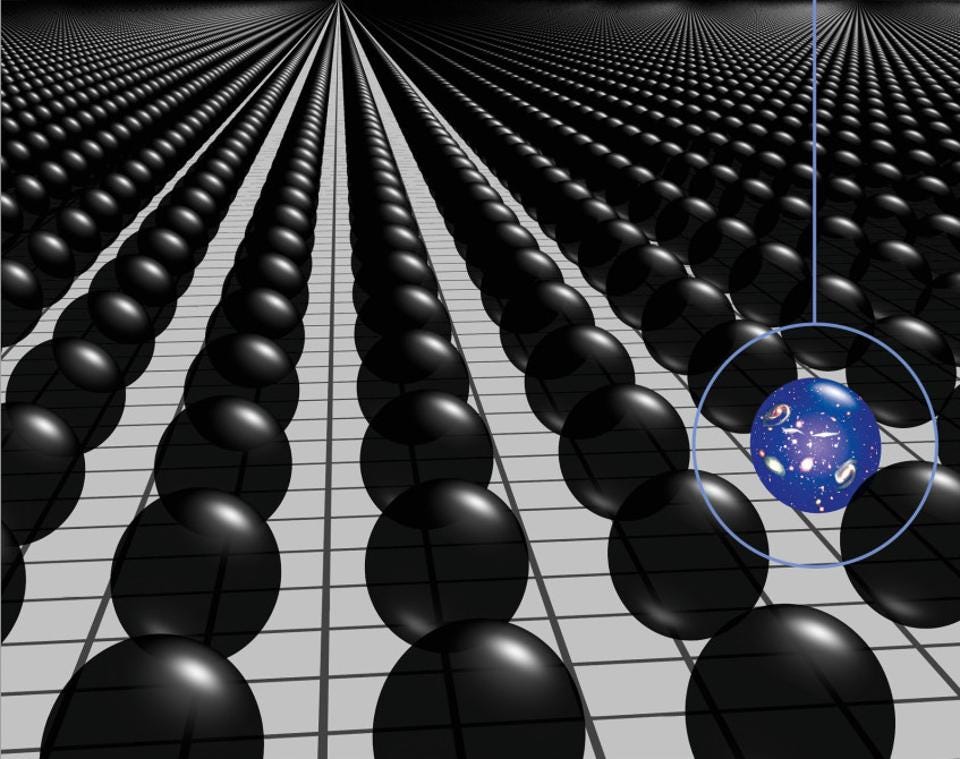
A wild, compelling idea without a direct, practical test, the Multiverse is highly controversial. But its supporting pillars sure are stable.
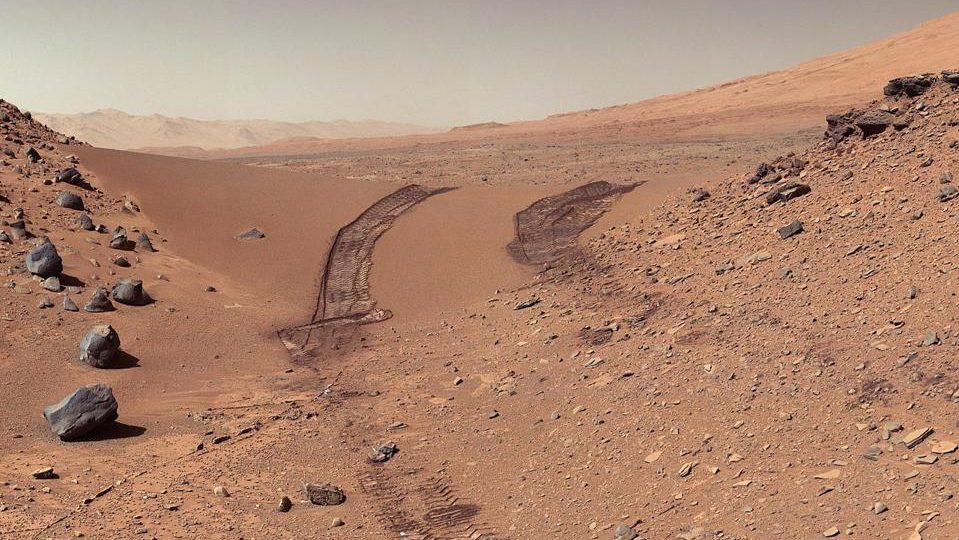
The surface and atmosphere is colored by ferric oxides. Beneath a very thin layer, mere millimeters deep in places, it’s not red anymore.
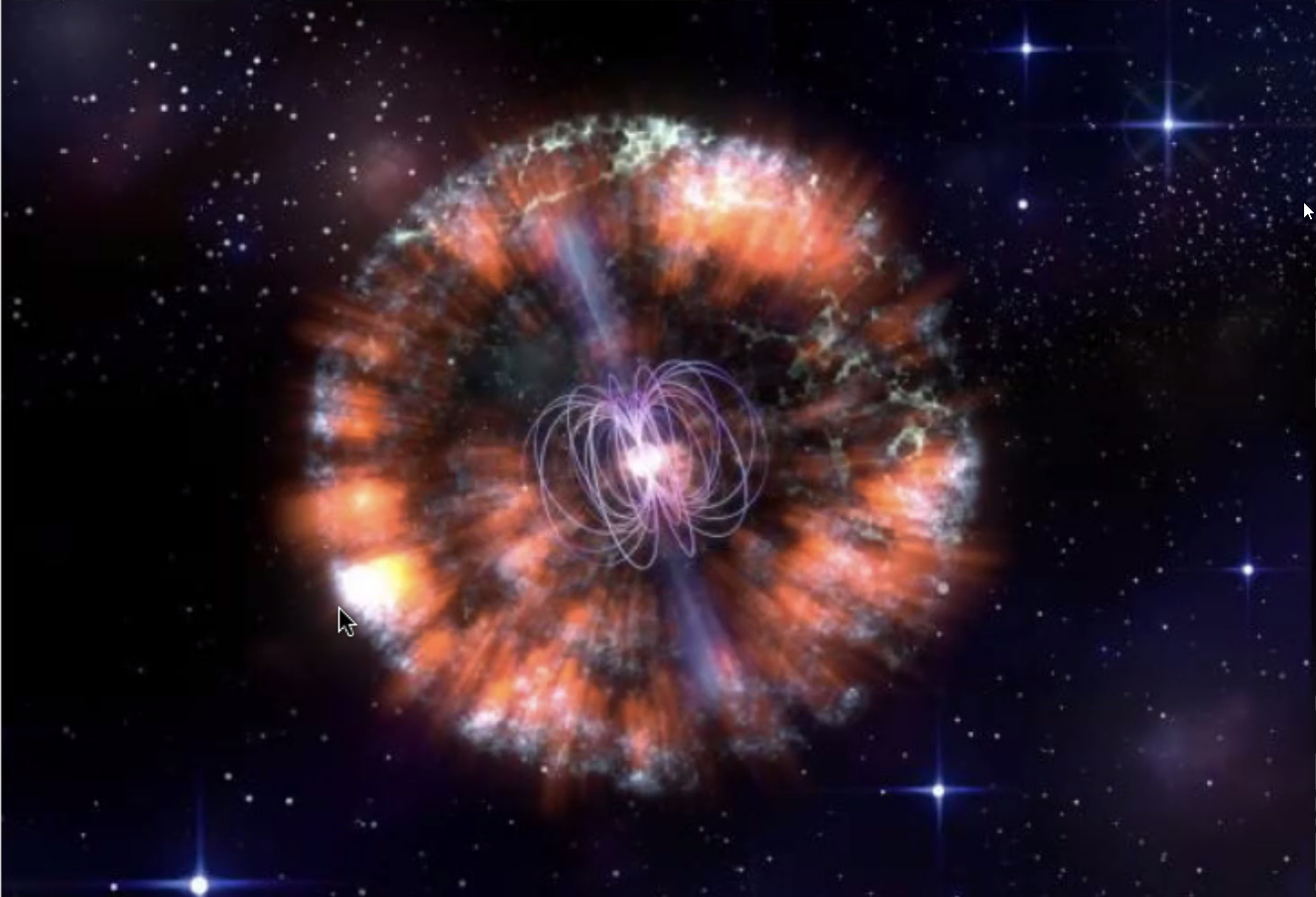
The first supernova ever discovered through its X-rays has an enormously powerful engine at its core. It’s unlike anything ever seen.
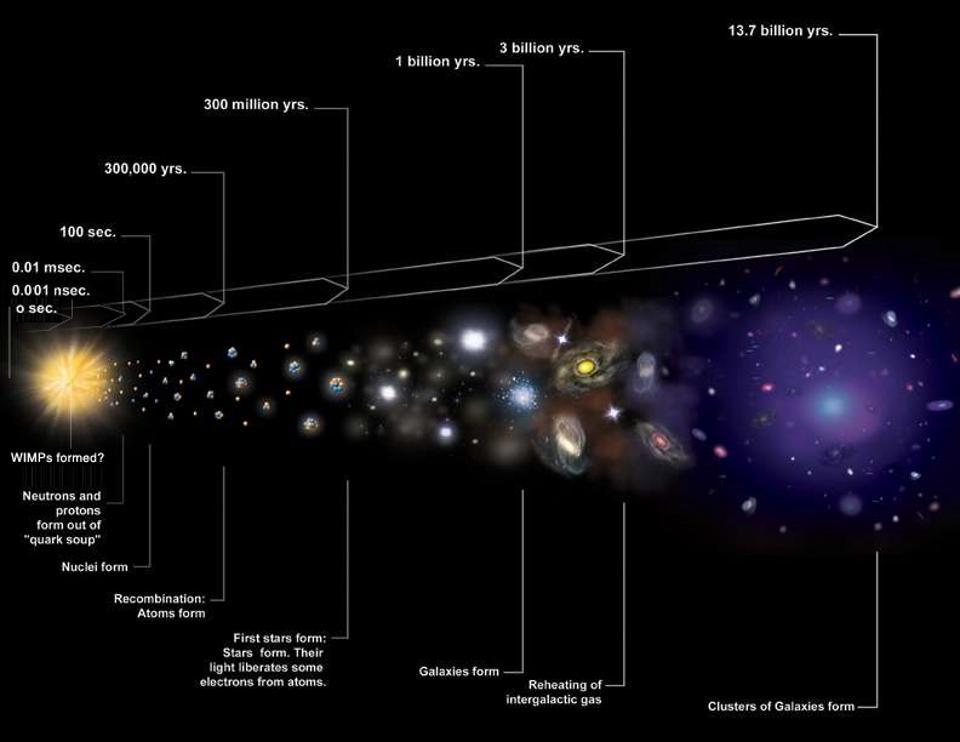
Just 13.8 billion years after the hot Big Bang, we can see 46.1 billion light-years away in all directions. Doesn’t that violate…something?
All Stories
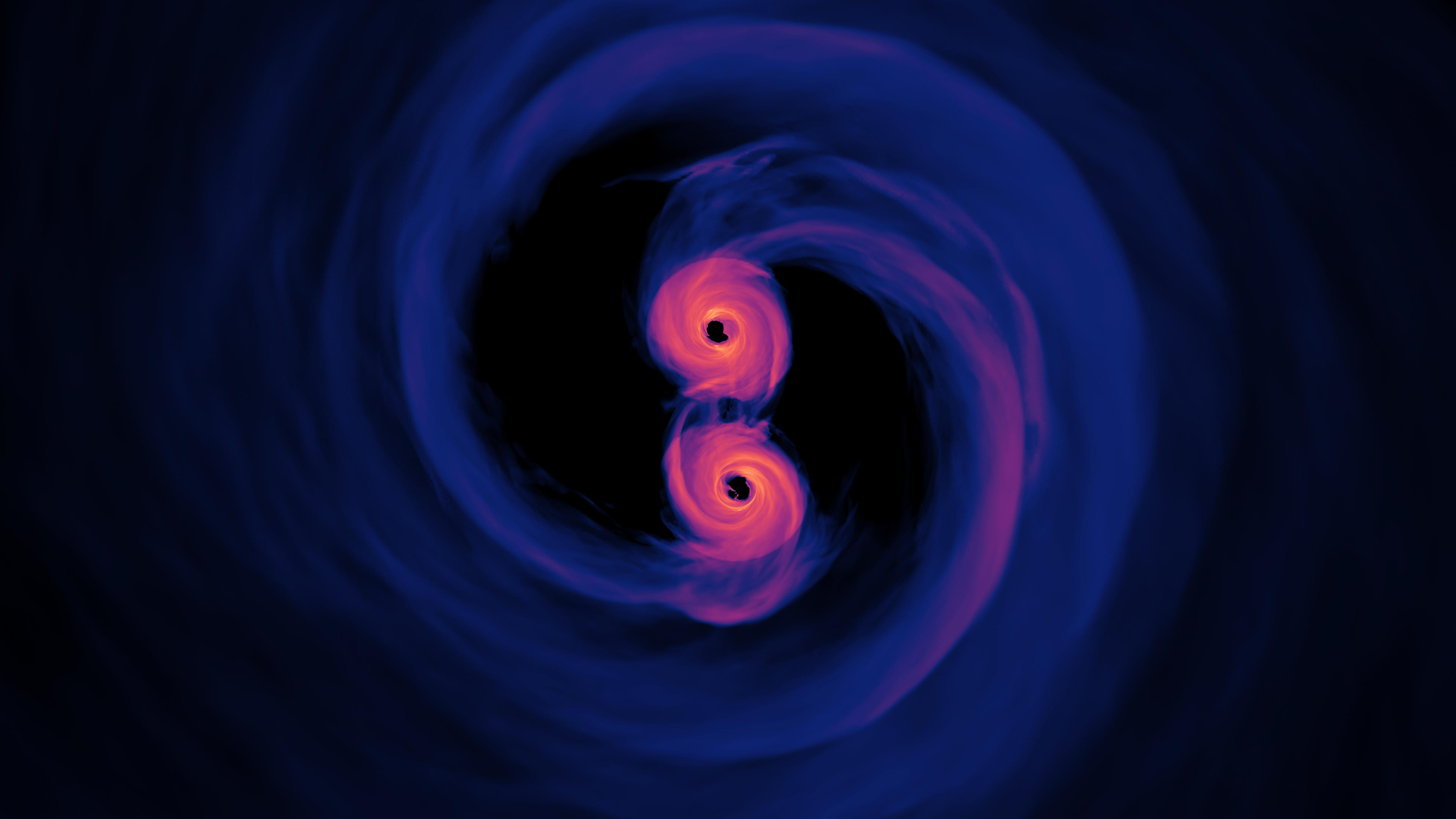
Gravitational waves carry enormous amounts of energy, but spread out quickly once they leave the source. Could they ever create black holes?
Traveling back in time is a staple of science fiction movies. But according to Einstein, it’s a physical possibility that’s truly allowed.
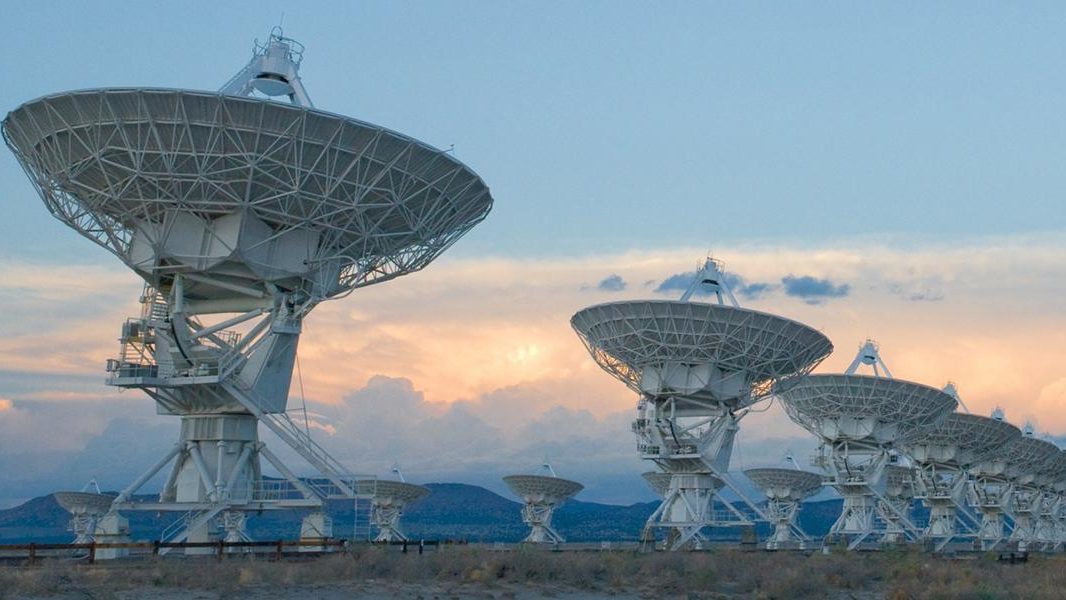
The sharpest optical images, for now, come from the Hubble Space Telescope. A ground-based technique can make images over 100 times sharper.
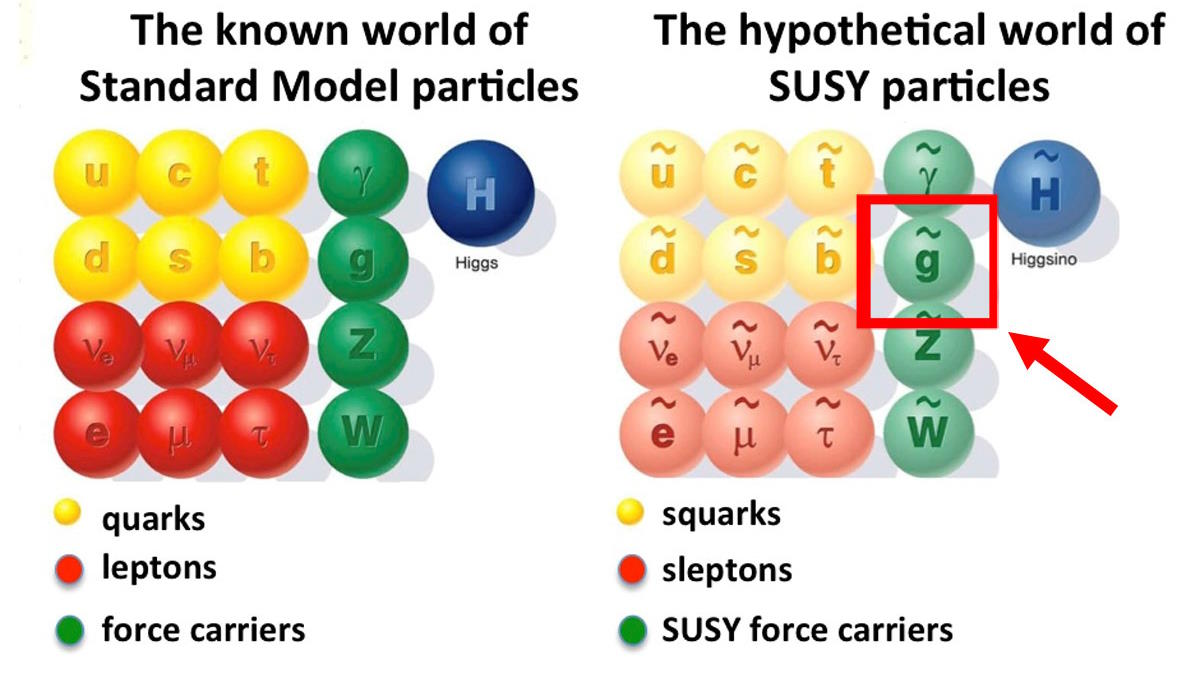
Almost 100 years ago, an asymmetric pathology led Dirac to postulate the positron. A similar pathology could lead us to supersymmetry.
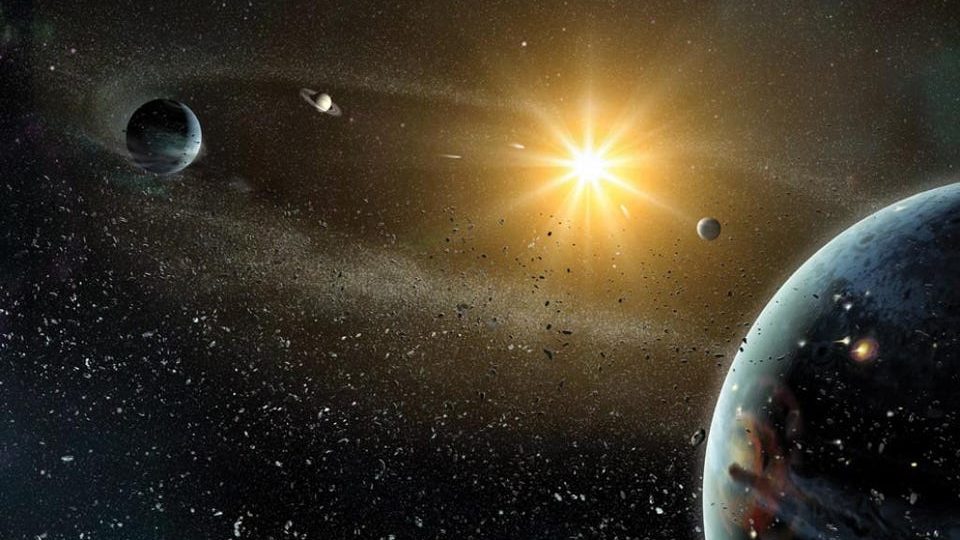
From the coldest planets to spacecraft that have exited the Solar System, these little-known facts stump even many professional astronomers.
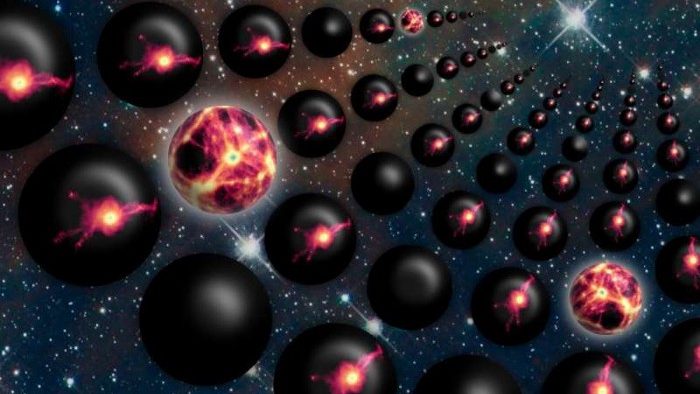
The Universe’s history, from cosmic inflation to the Big Bang to the present, is known. But whether it’s infinite or not is still a mystery.
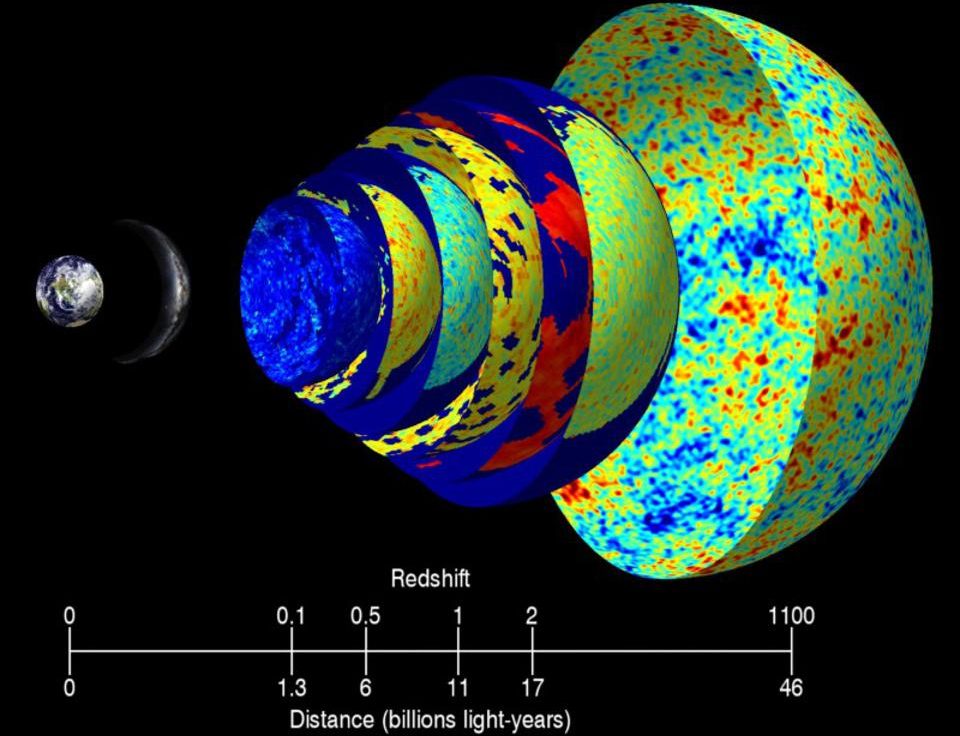
Although the Big Bang occurred at an instant in time long ago, we still see the light from it. Will the evidence ever disappear completely?
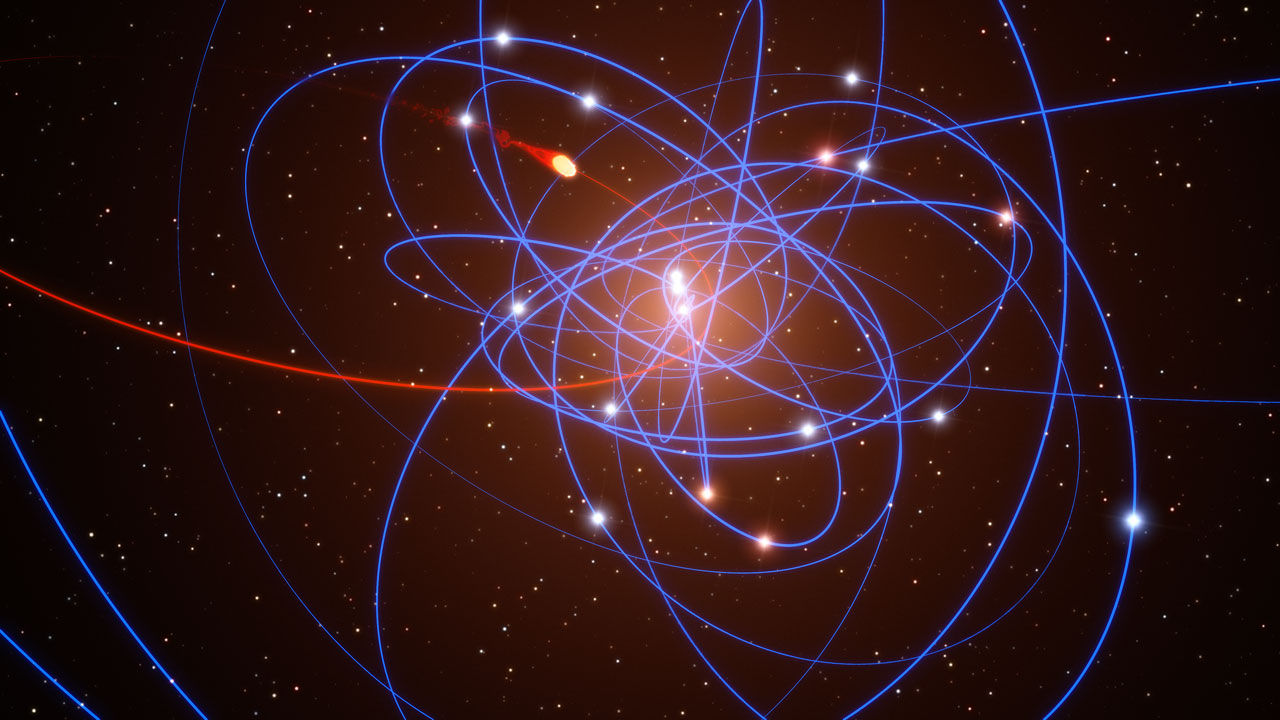
Known as hypervelocity stars, we originally thought just one would be ejected every 100,000 years. The real number is much greater.
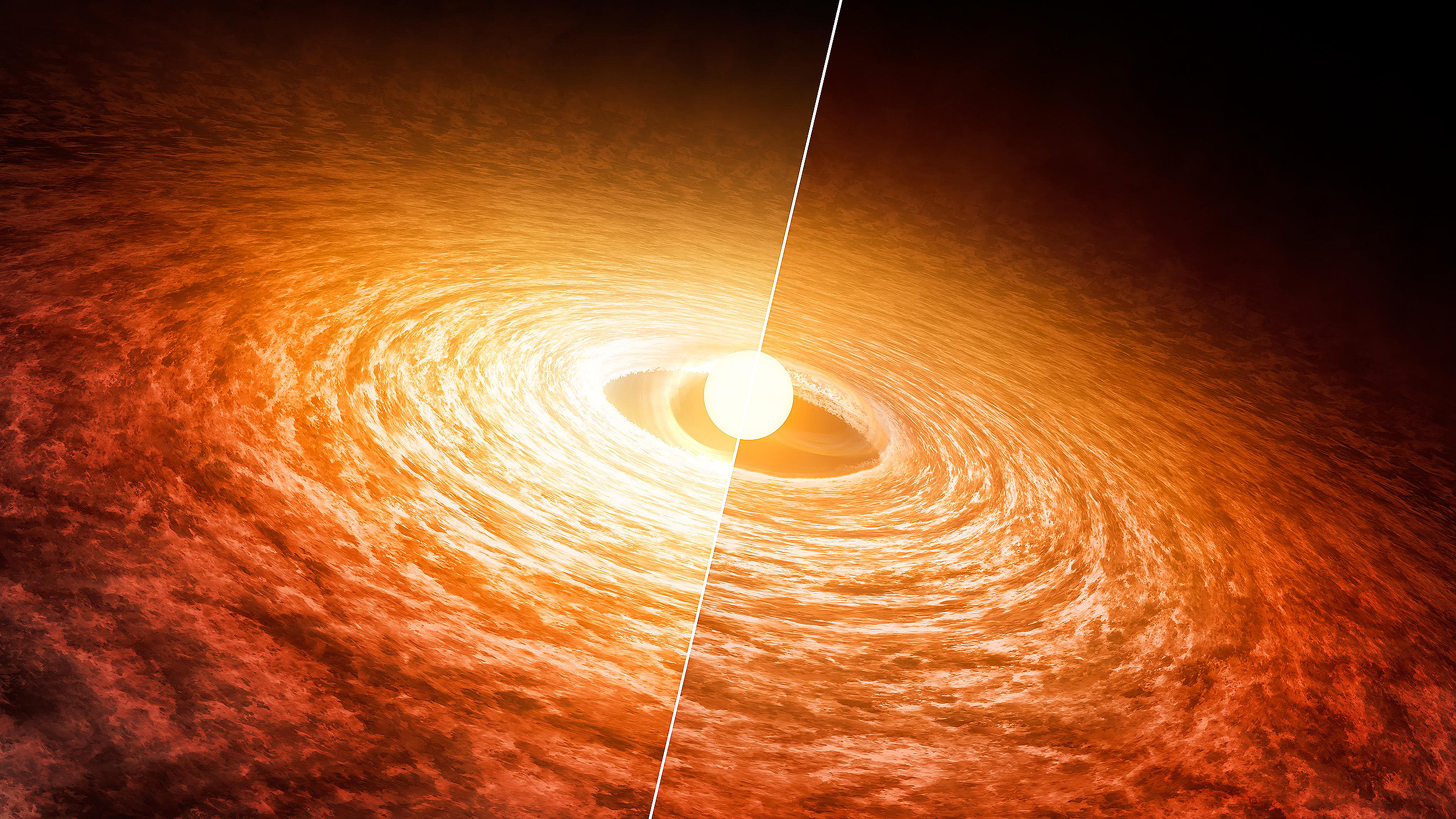
Newborn stars are surrounded only by a featureless disk. Debris disks persist for hundreds of millions of years. So when do planets form?
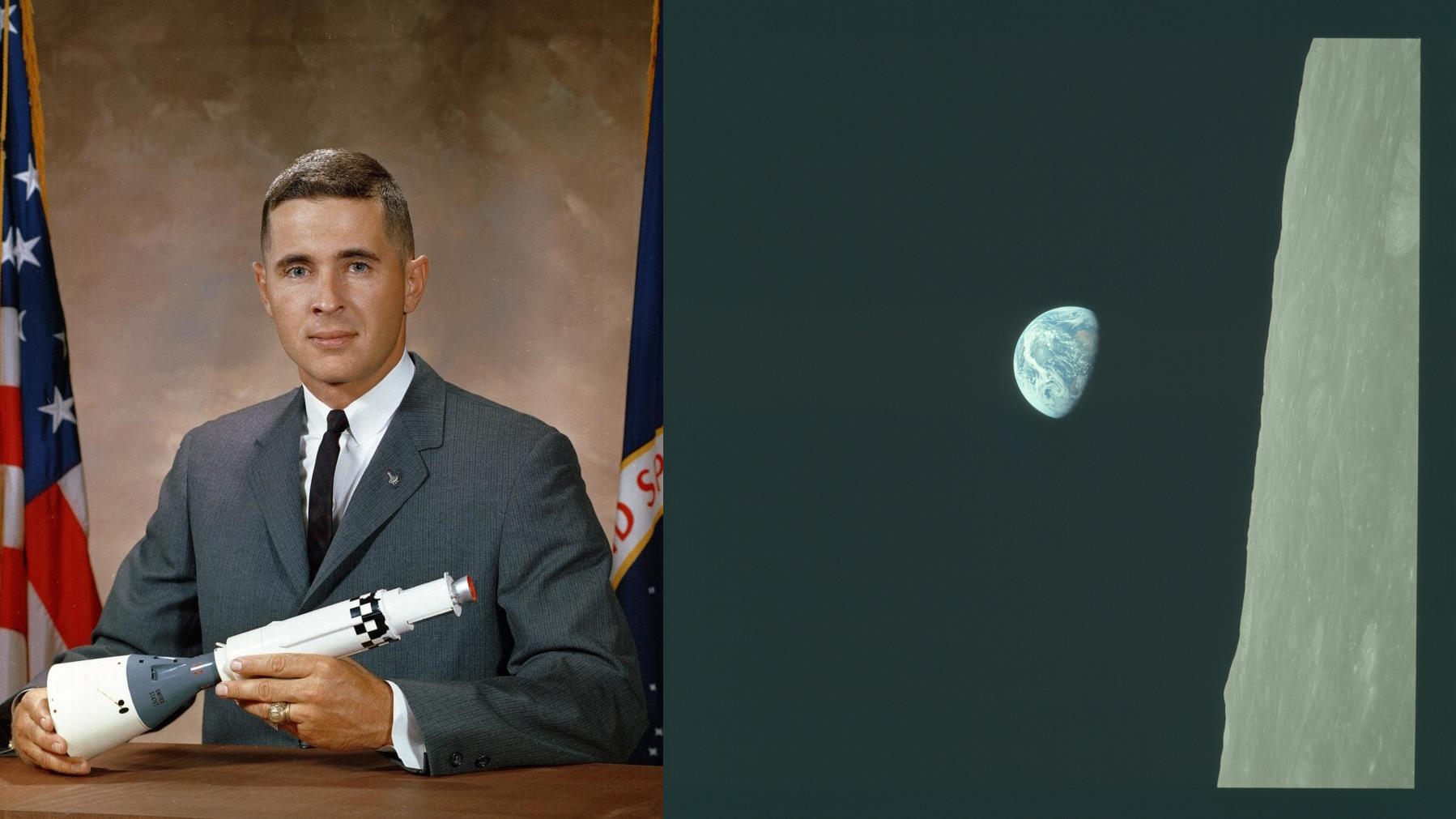
In December 1968, human beings made their first-ever journey to the Moon aboard Apollo 8. Their most important discovery? Planet Earth.
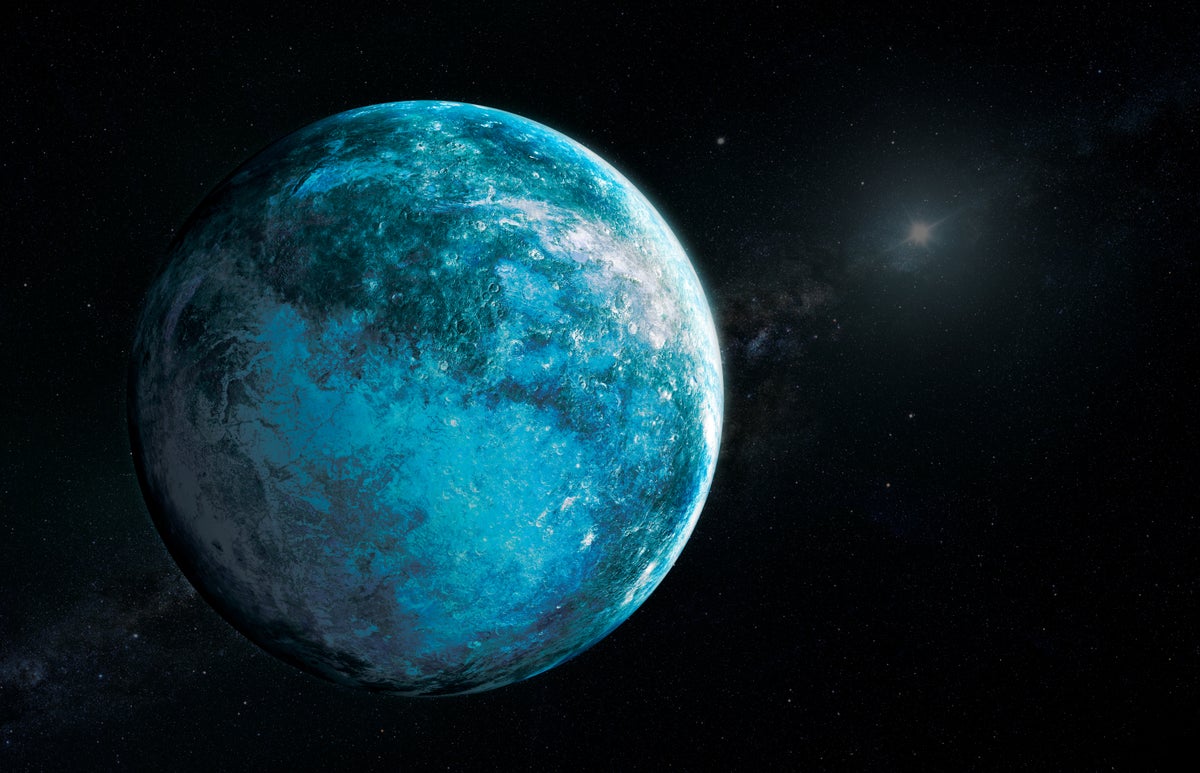
Out beyond Neptune are some fascinating bodies left over from our Solar System’s formation. Could one of them truly be spectacular?

From forming bound states to normal scattering, many possibilities abound for matter-antimatter interactions. So why do they annihilate?
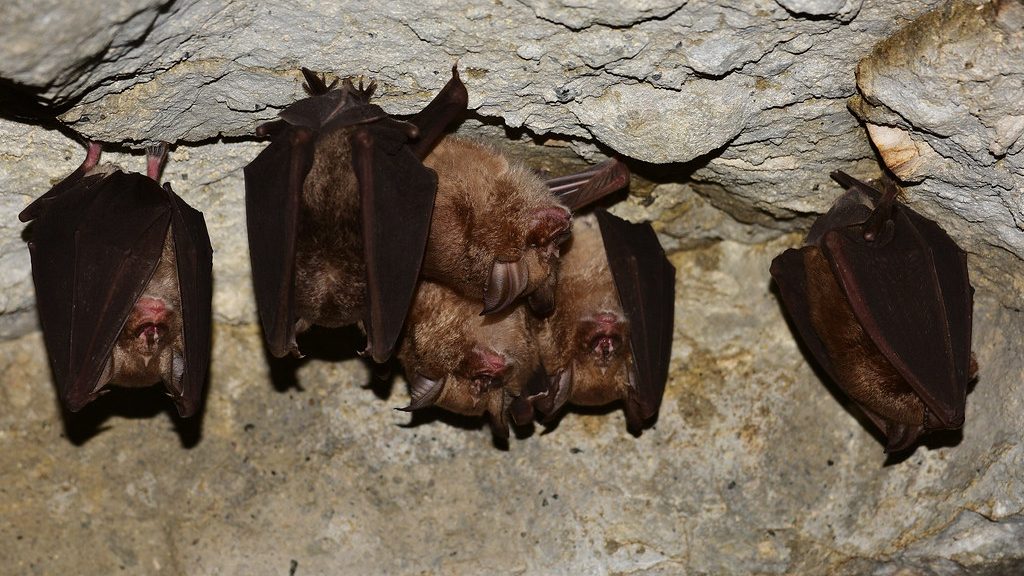
SARS-CoV-2 first emerged in humans in 2019. Despite much noise generated by lab leak proponents, the evidence indicates a natural origin.
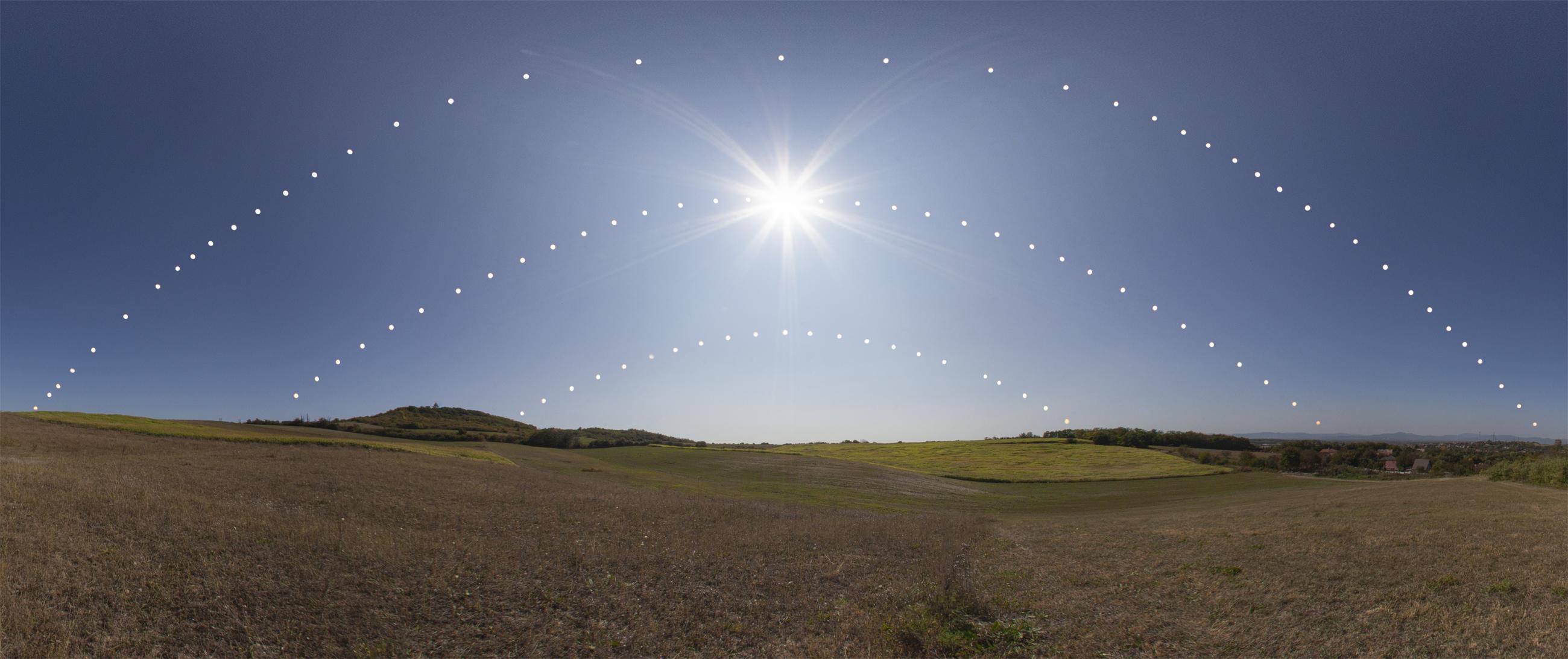
On June 20, 2024, the summer solstice occurs at its earliest moment since 1796: when George Washington was President of the USA. Here’s why.
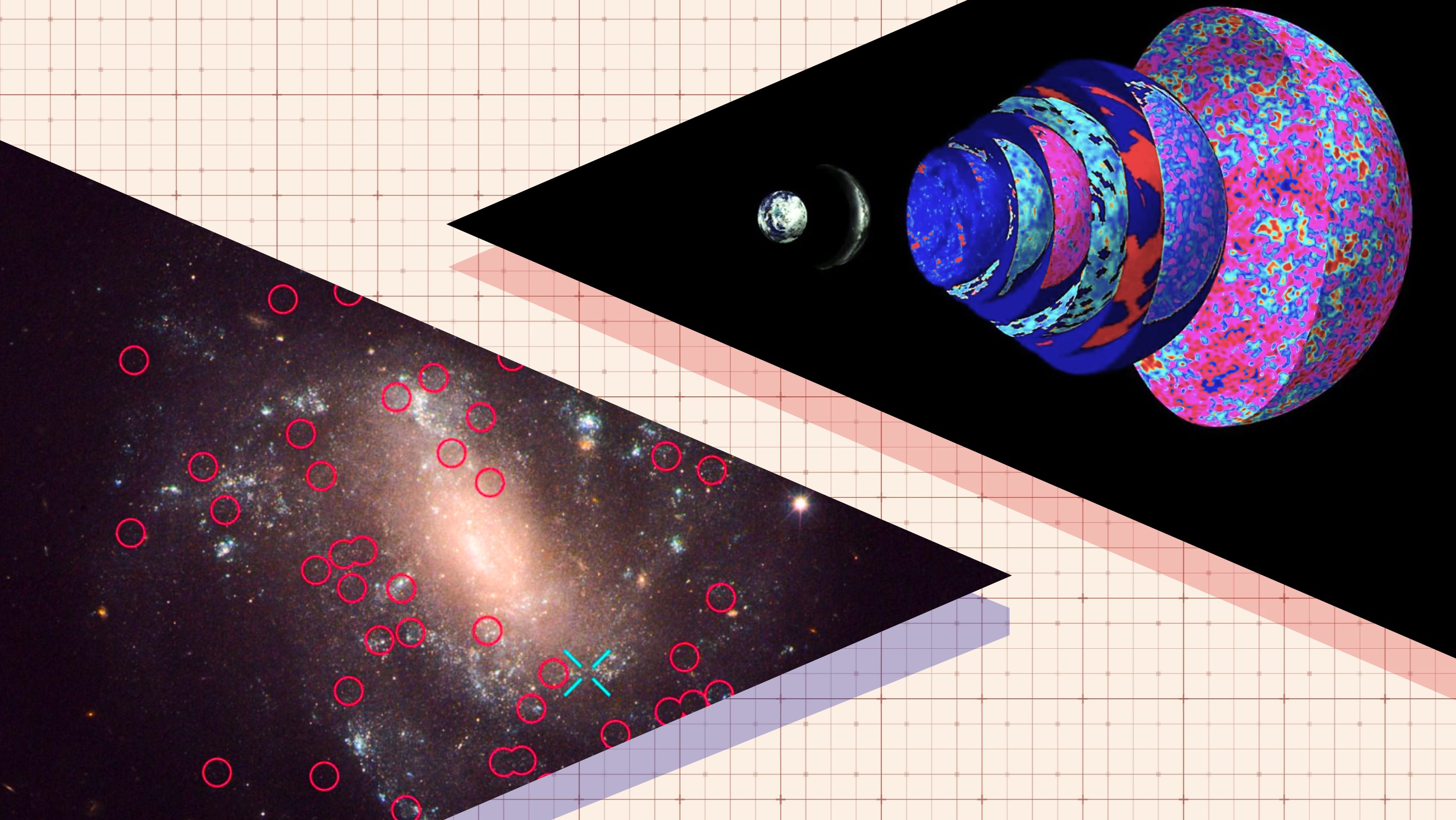
There are two different ways to measure the expansion rate of the Universe, and they don’t agree. And no, new measurements don’t help.
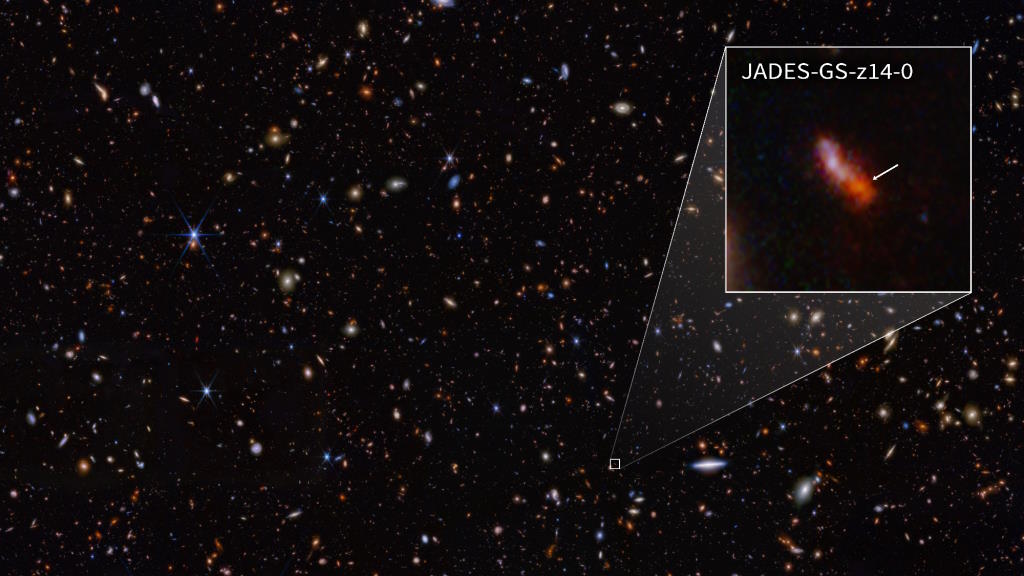
A new all-time record! JWST’s discovery of JADES-GS-z14-0 pushes the earliest galaxy ever seen to just 290 million years after the Big Bang.
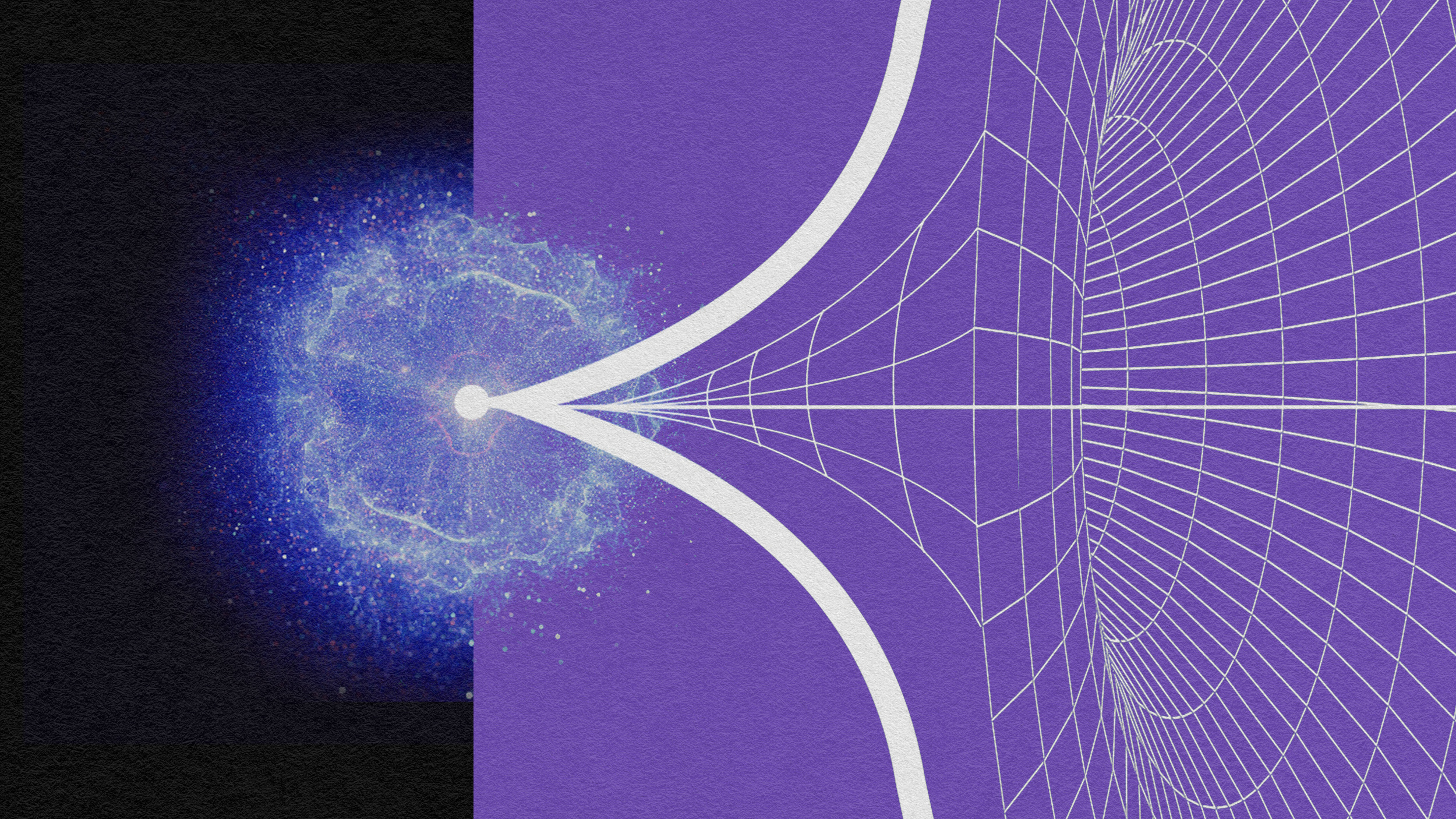
If you bring too much mass or energy together in one location, you’ll inevitably create a black hole. So why didn’t the Big Bang become one?
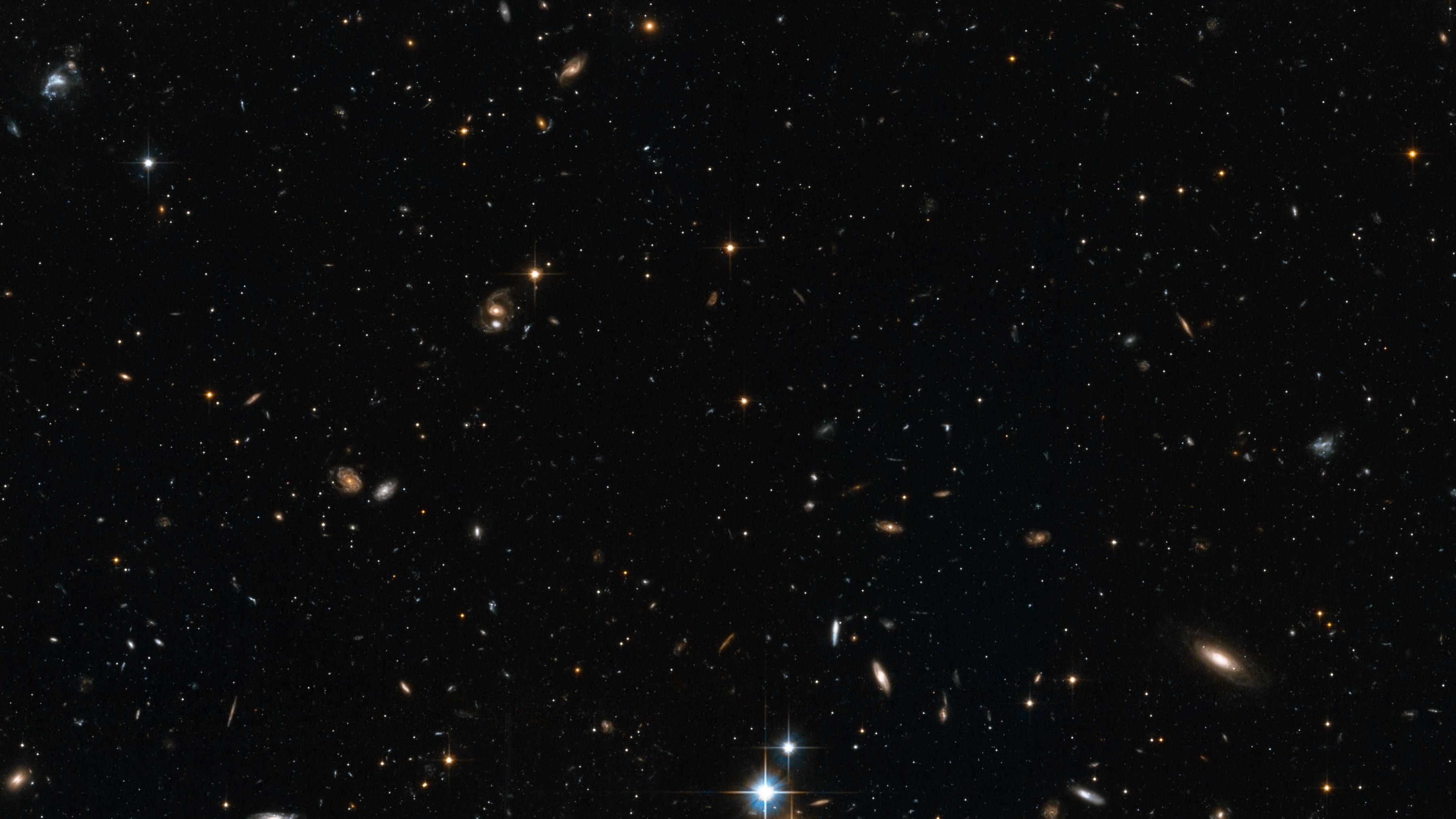
The Universe is precisely dated at 13.8 billion years old, but astronomers claim the Methuselah star is 14.5 billion years old. What gives?
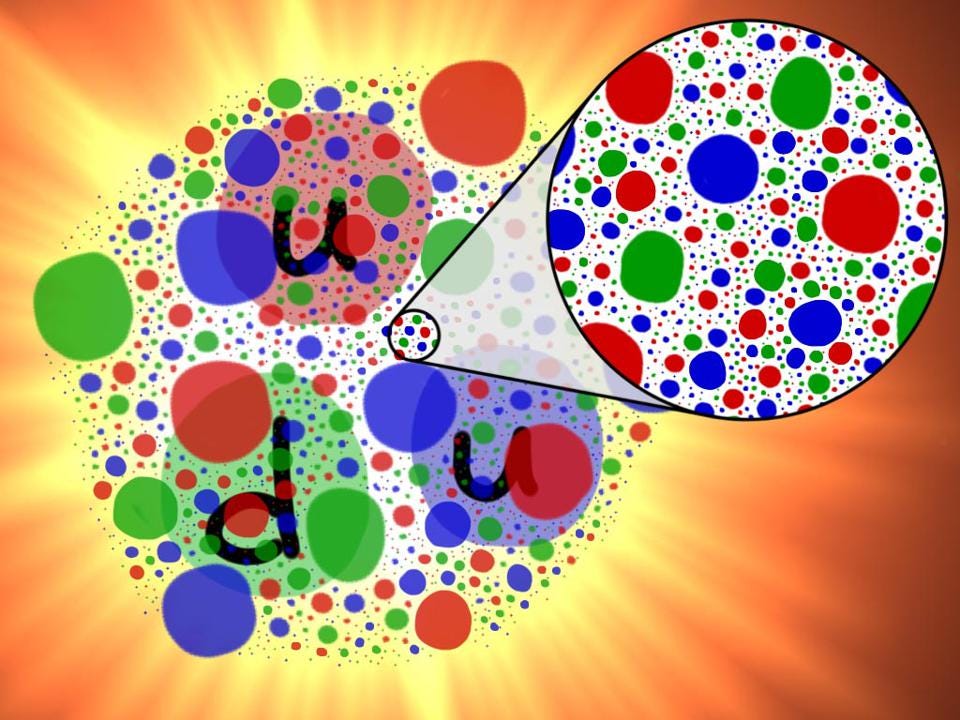
It’s 2024, and we still only know of the fundamental particles of the Standard Model: nothing more. But these 8 unanswered questions remain.
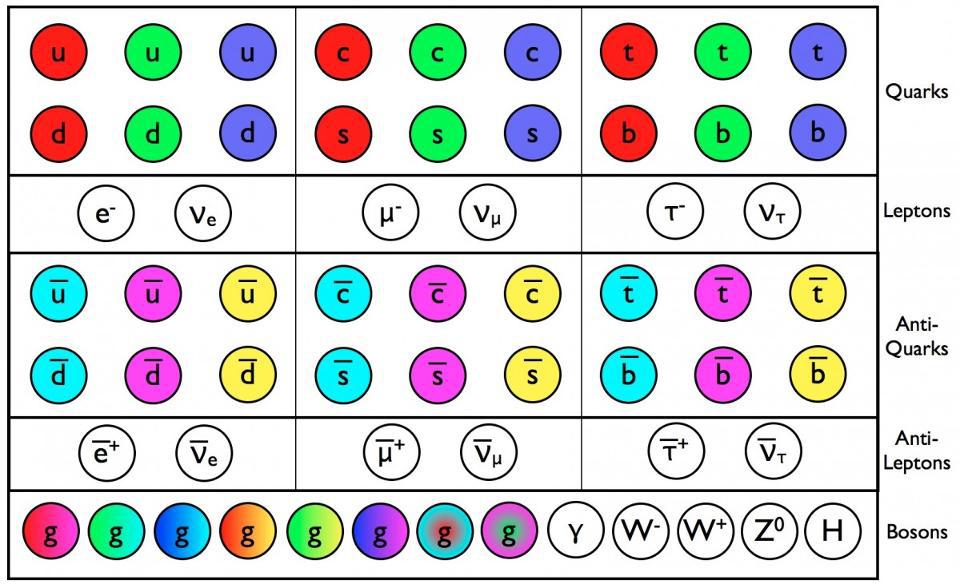
Predicted way back in the 1960s, the discovery of the Higgs boson in 2012 completed the Standard Model. Here’s why it remains fascinating.