particle physics
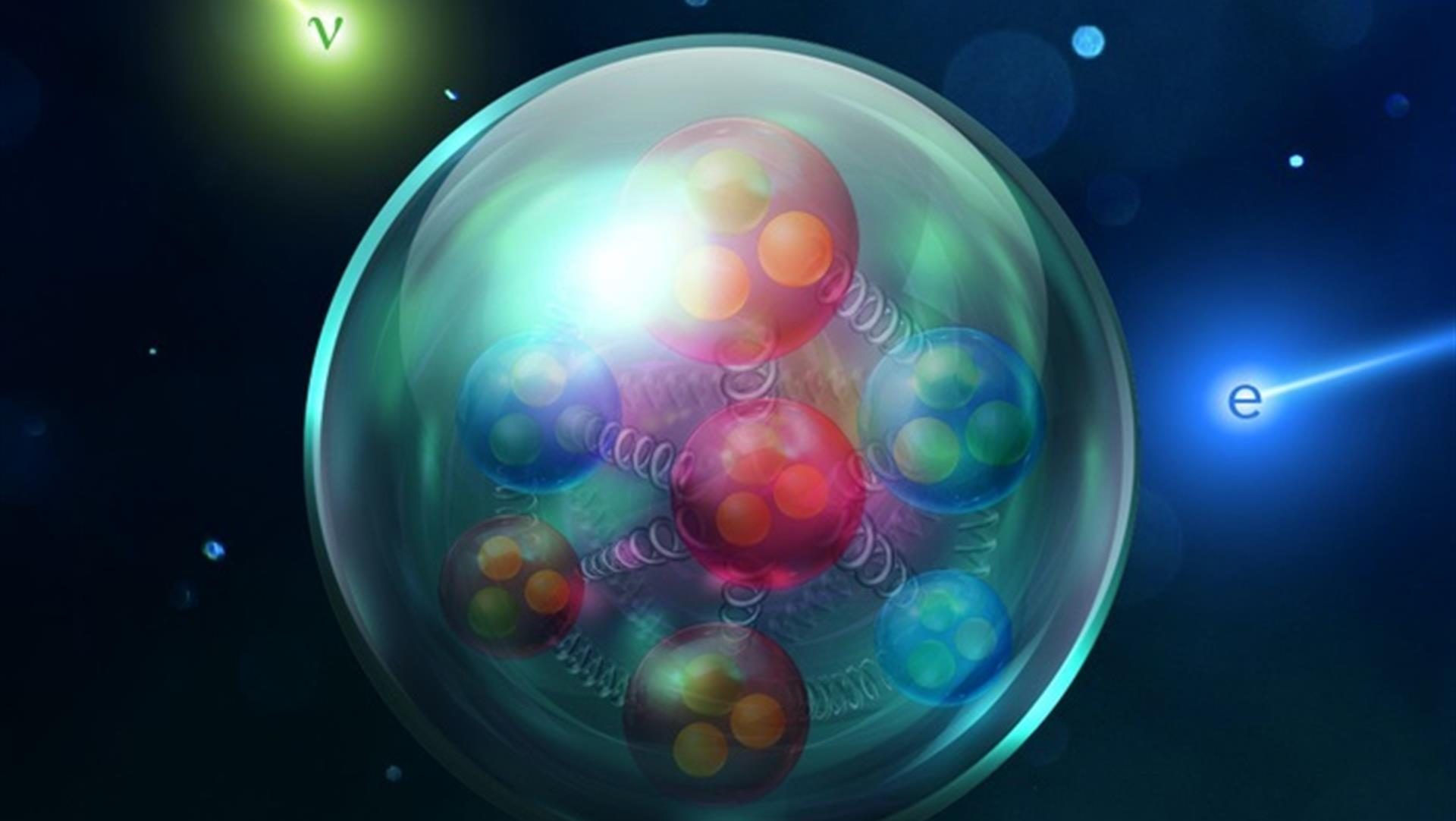
Realizing that matter and energy are quantized is important, but quantum particles aren’t the full story; quantum fields are needed, too.

With the right material at the right temperature and a magnetic track, physics really does allow perpetual motion without energy loss.

Whether you run the clock forward or backward, most of us expect the laws of physics to be the same. A 2012 experiment showed otherwise.
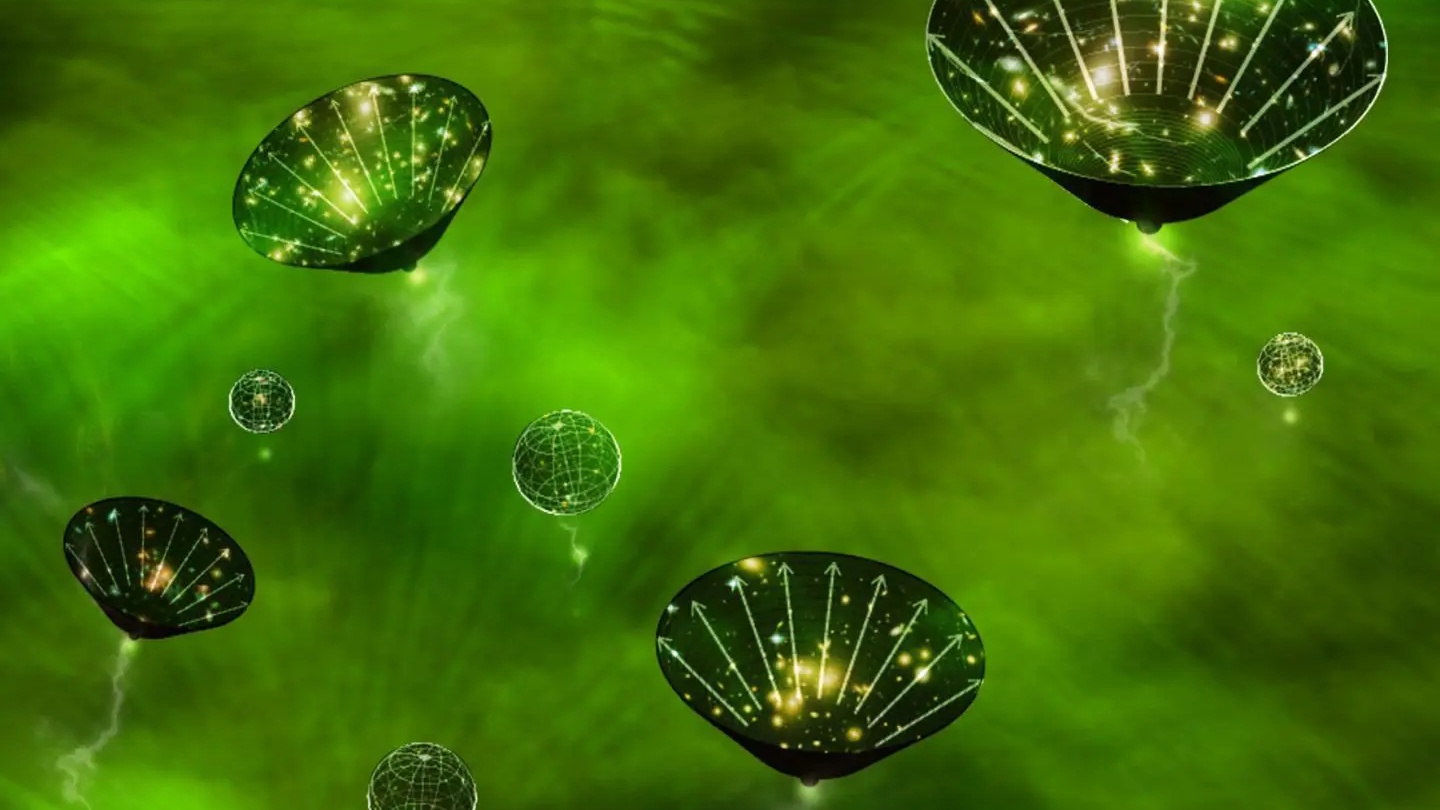
Once you cross a black hole’s event horizon, there’s no going back. But inside, could creating a singularity give birth to a new Universe?

From high school through the professional ranks, physicists still take incredible lessons away from Newton’s second law.
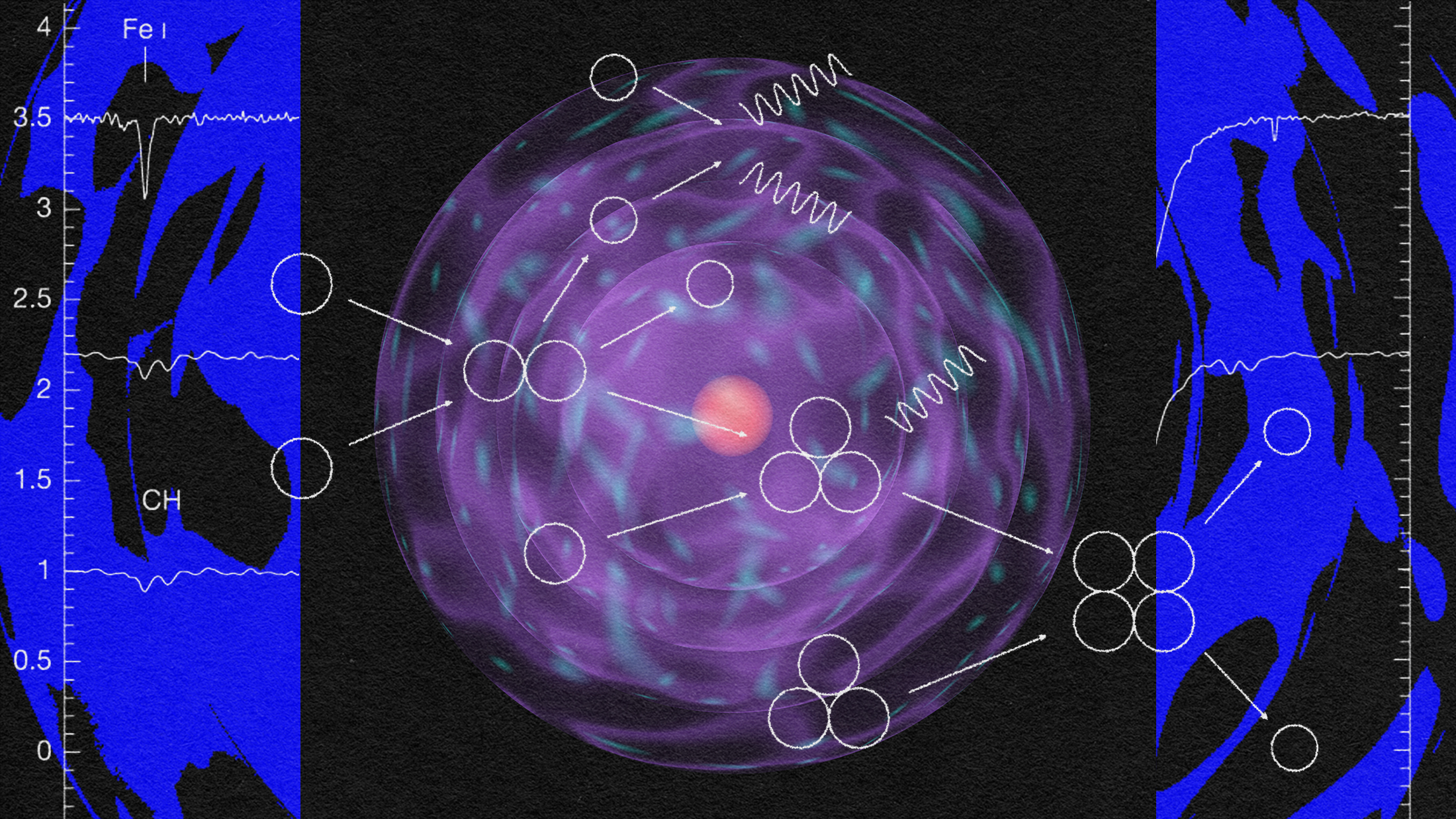
No matter what it is that we discover about reality, the fact that reality itself can be understood remains the most amazing fact of all.
Will we build a successor collider to the LHC? Someday, we’ll reach the true limit of what experiments can probe. But that won’t be the end.
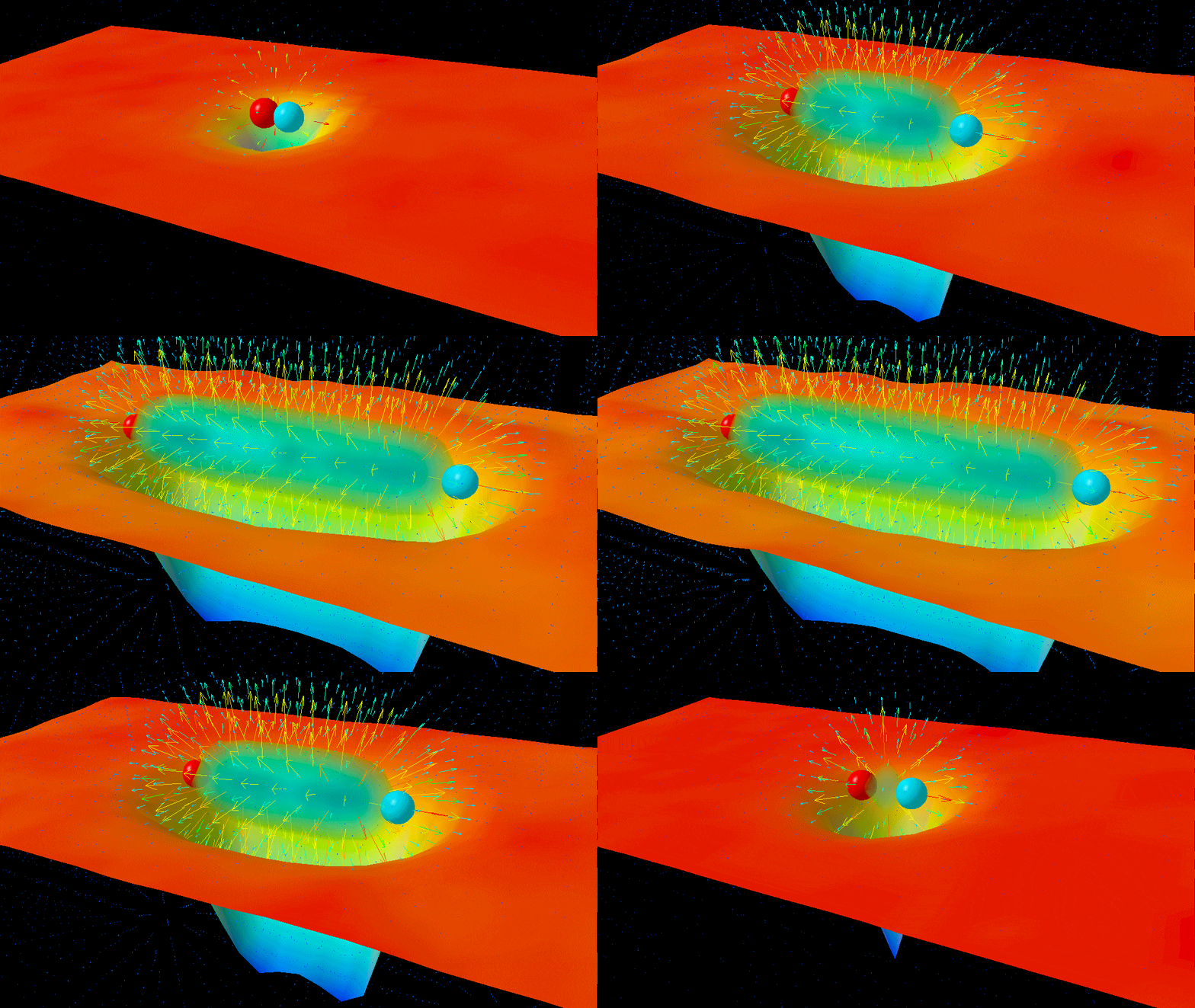
The measured value of the cosmological constant is 120 orders of magnitude smaller than what’s predicted. How can this paradox be resolved?

Can the top quark, the shortest-lived particle of all, bind with anything else? Yes it can! New results at the LHC demonstrate toponium exists.
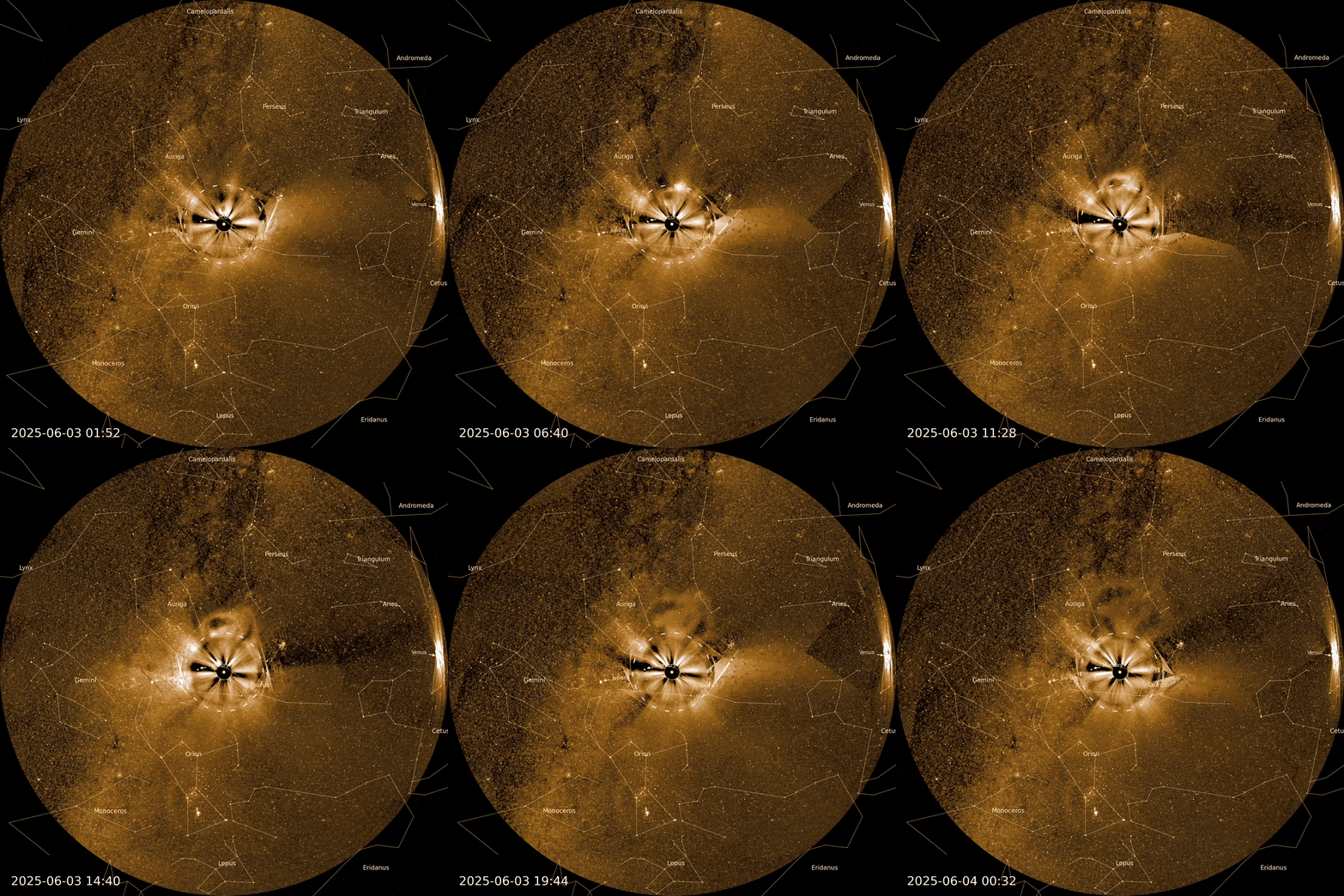
Launched in March, the PUNCH mission has viewed two incredible coronal mass ejections, tracking them farther from the Sun than ever before.
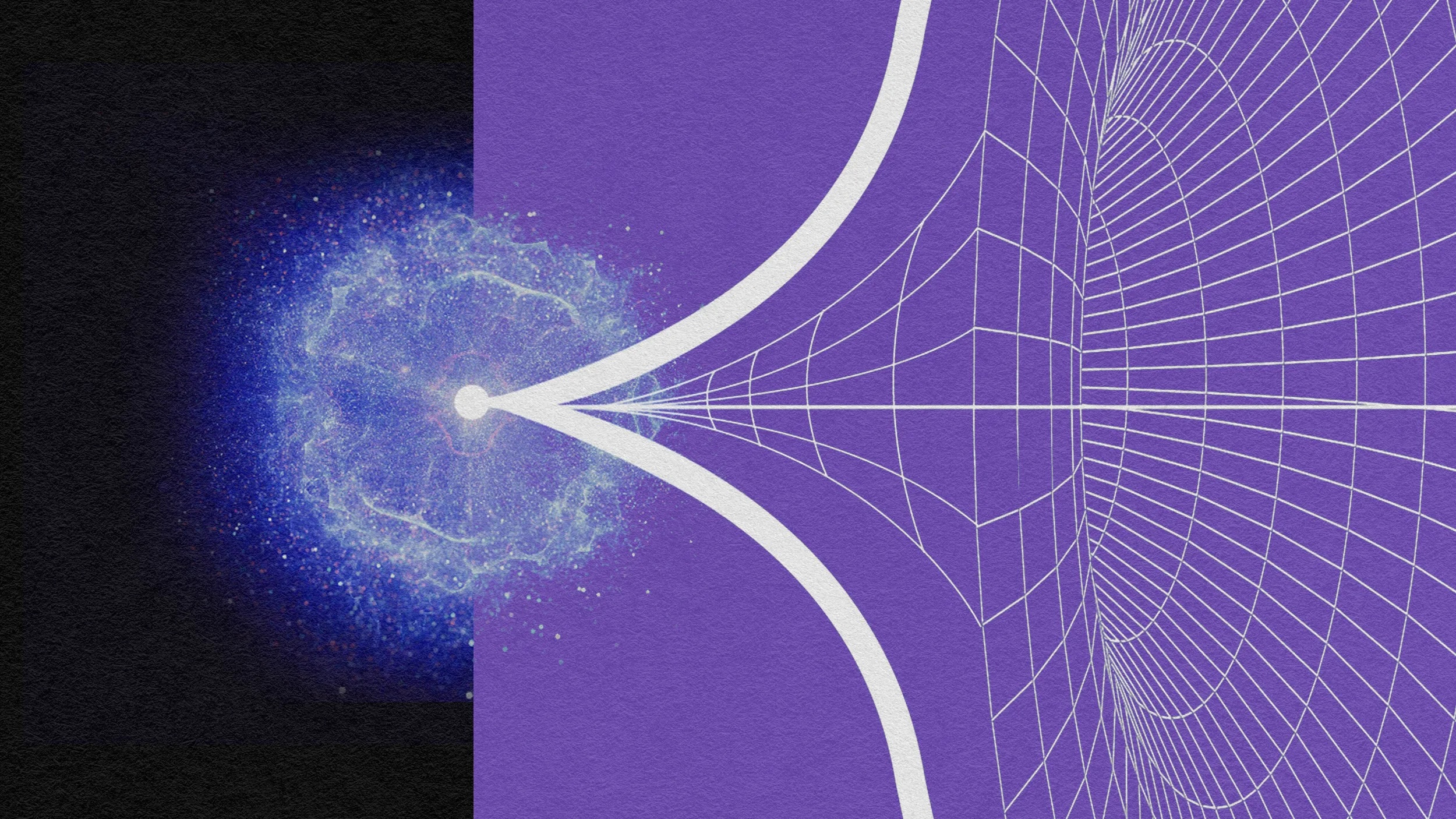
A few physical quantities, in all laboratory experiments, are always conserved: including energy. But for the entire Universe? Not so much.
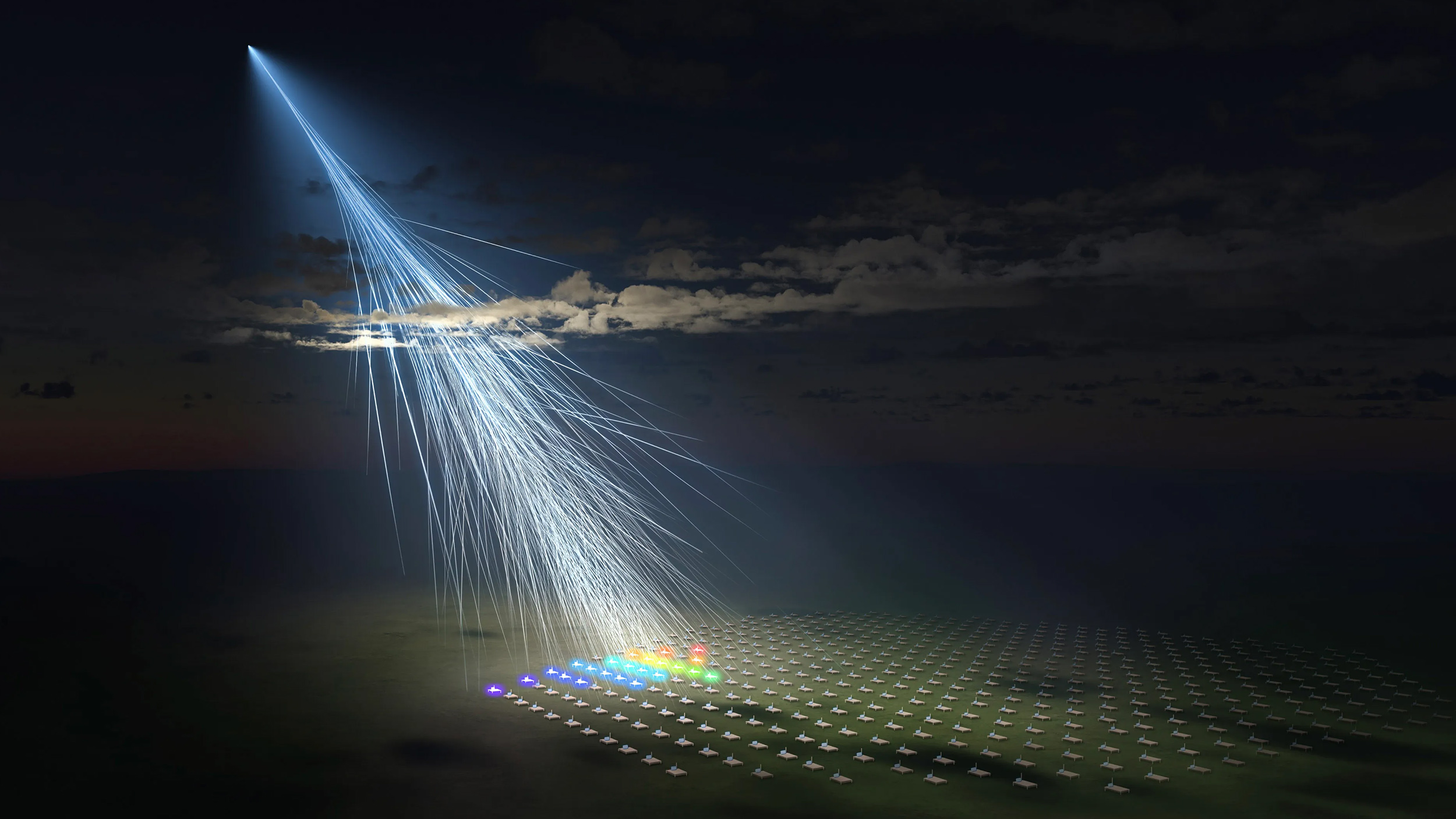
On Earth, our particle accelerators can reach tera-electron-volt (TeV) energies. Particles from space are thousands of times as energetic.

When theory and experiment disagree, it could mean new physics. This time, they solved the muon g-2 puzzle, and saved the Standard Model.

In our Universe, dark matter outmasses normal matter by a 5-to-1 ratio, shaping the Universe as we know it. What if it simply weren’t there?

The long-elusive neutrino was shown to have a bizarre property no one expected: mass. New, tightest-ever limits have profound implications.
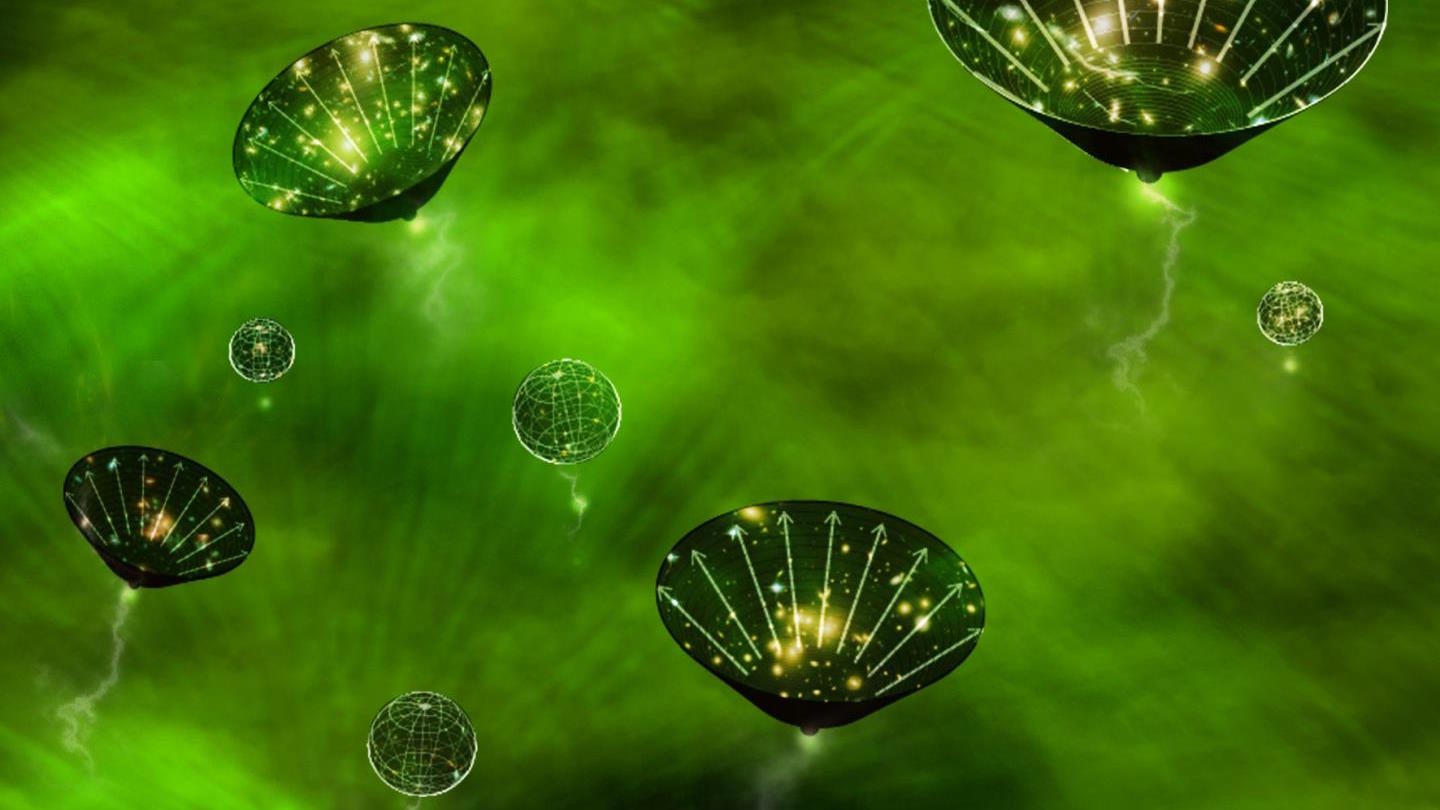
Here in our Universe, time passes at a fixed rate for all observers: one second-per-second. Before the Big Bang, things were very different.
If it weren’t for the intricate rules of quantum physics, we wouldn’t have formed neutral atoms “only” ~380,000 years after the Big Bang.
If all massive objects emit Hawking radiation, not just black holes alone, then everything is unstable, even the Universe. Can that be true?
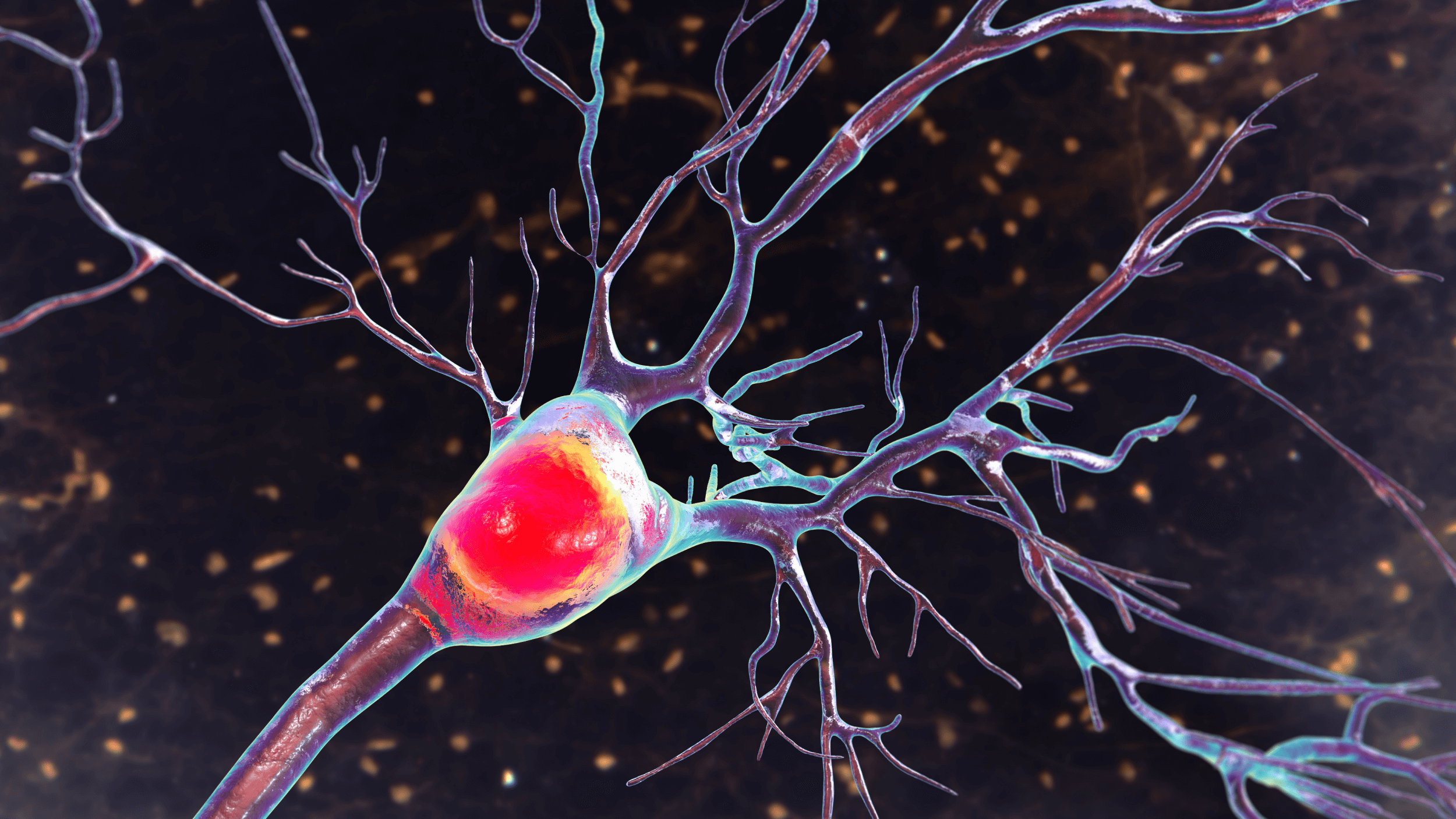
Many, from neuroscientists to philosophers to anesthesiologists, have claimed to understand consciousness. Do physicists? Does anyone?
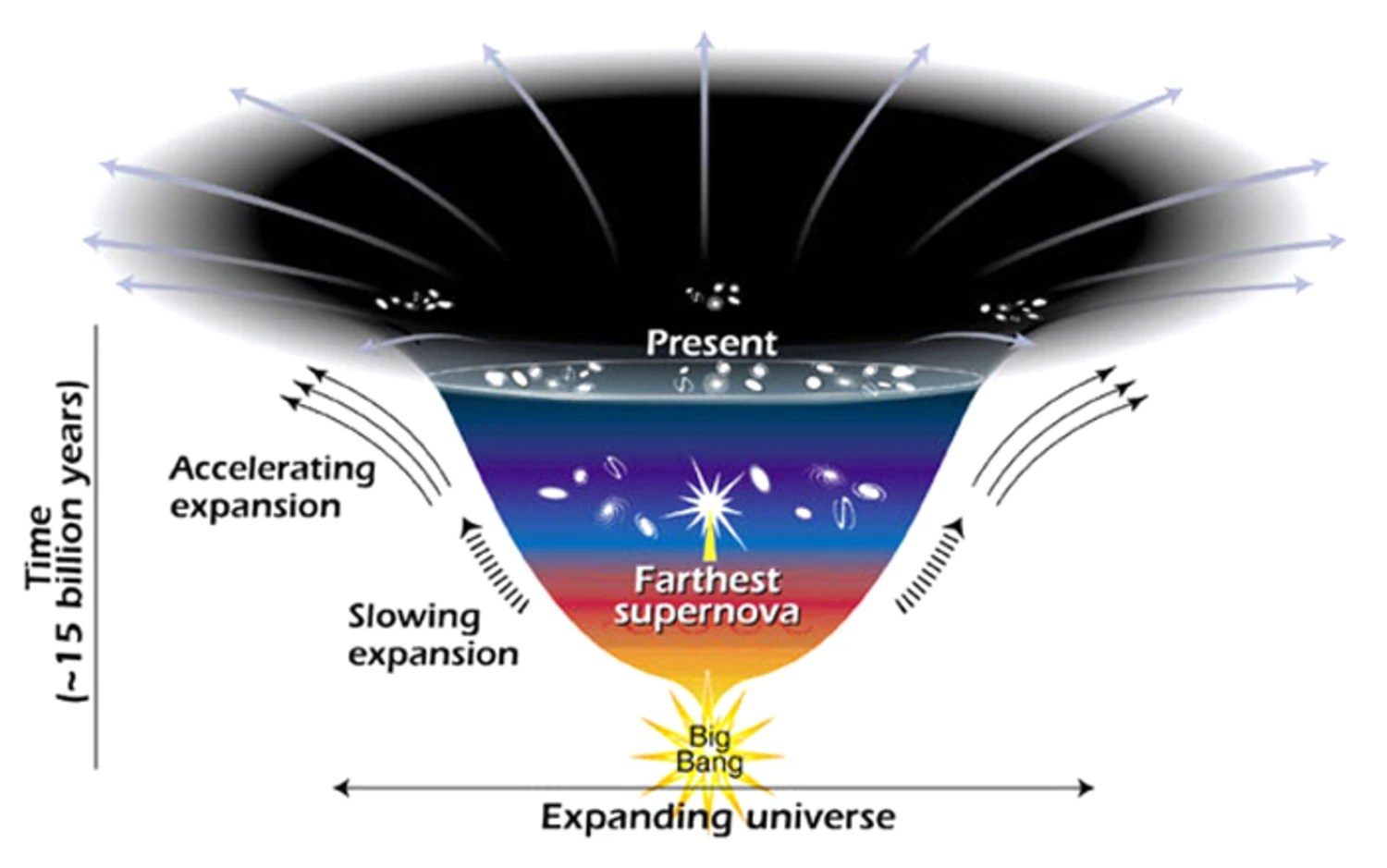
The fact that our Universe’s expansion is accelerating implies that dark energy exists. But could it be even weirder than we’ve imagined?

The laws of physics obey certain symmetries and defy others. It’s theoretically tempting to add new ones, but reality doesn’t agree.

The laws of nature are almost perfectly symmetric between matter and antimatter, and yet our Universe is made ~100% of matter only. But why?

There are limits to where physics makes meaningful predictions: beyond the Planck length, time, or energy. Here’s why we can’t go further.

All stars shine due to an internal source of energy. Usually, it’s nuclear fusion: converting mass into energy. What makes them most bright?

Empty space itself, the quantum vacuum, could be in either a true, stable state or a false, unstable state. Our fate depends on the answer.

Planets can create nuclear power on their own, naturally, without any intelligence or technology. Earth already did: 1.7 billion years ago.
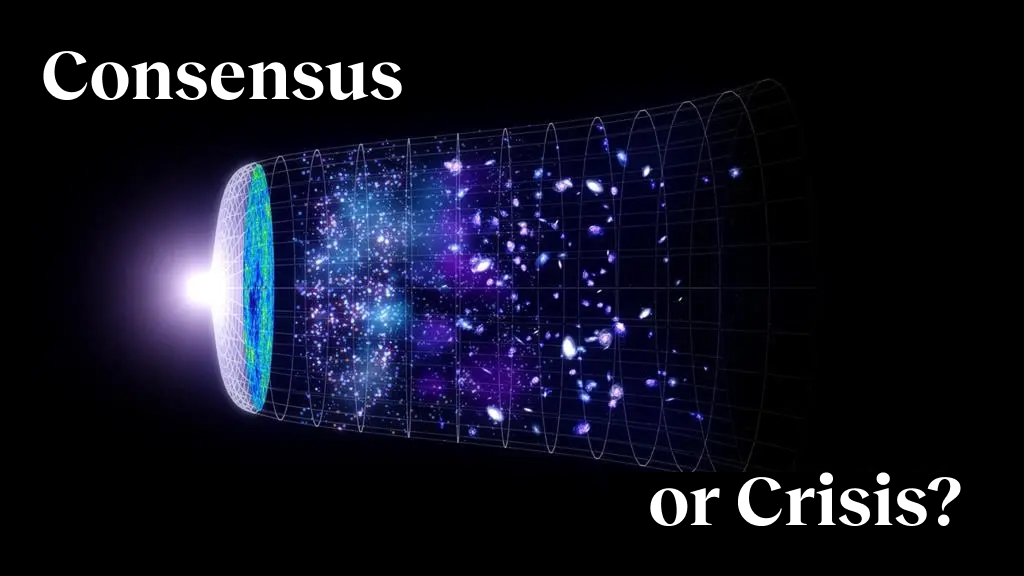
25 years ago, our concordance picture of cosmology, also known as ΛCDM, came into focus. 25 years later, are we about to break that model?

The Multiverse isn’t just a staple of science fiction; there’s real-life science behind it, too. Here are 10 facts to expand your mind.
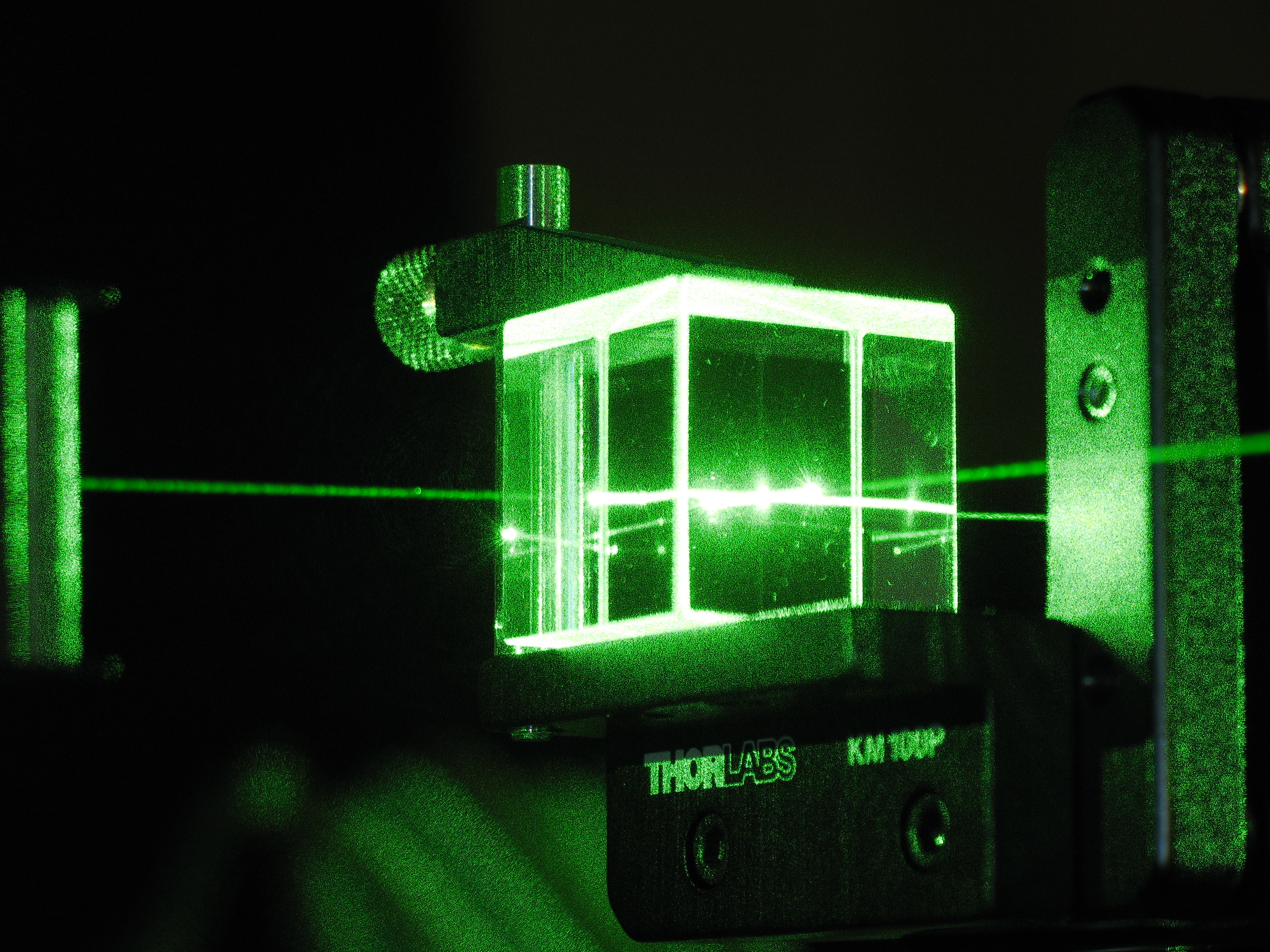
Over a century after we first unlocked the secrets of the quantum universe, people find it more puzzling than ever. Can we make sense of it?
Since the dawn of history, humans have pondered our ultimate cosmic origins. Now in the 21st century, science has gone beyond the Big Bang.