science
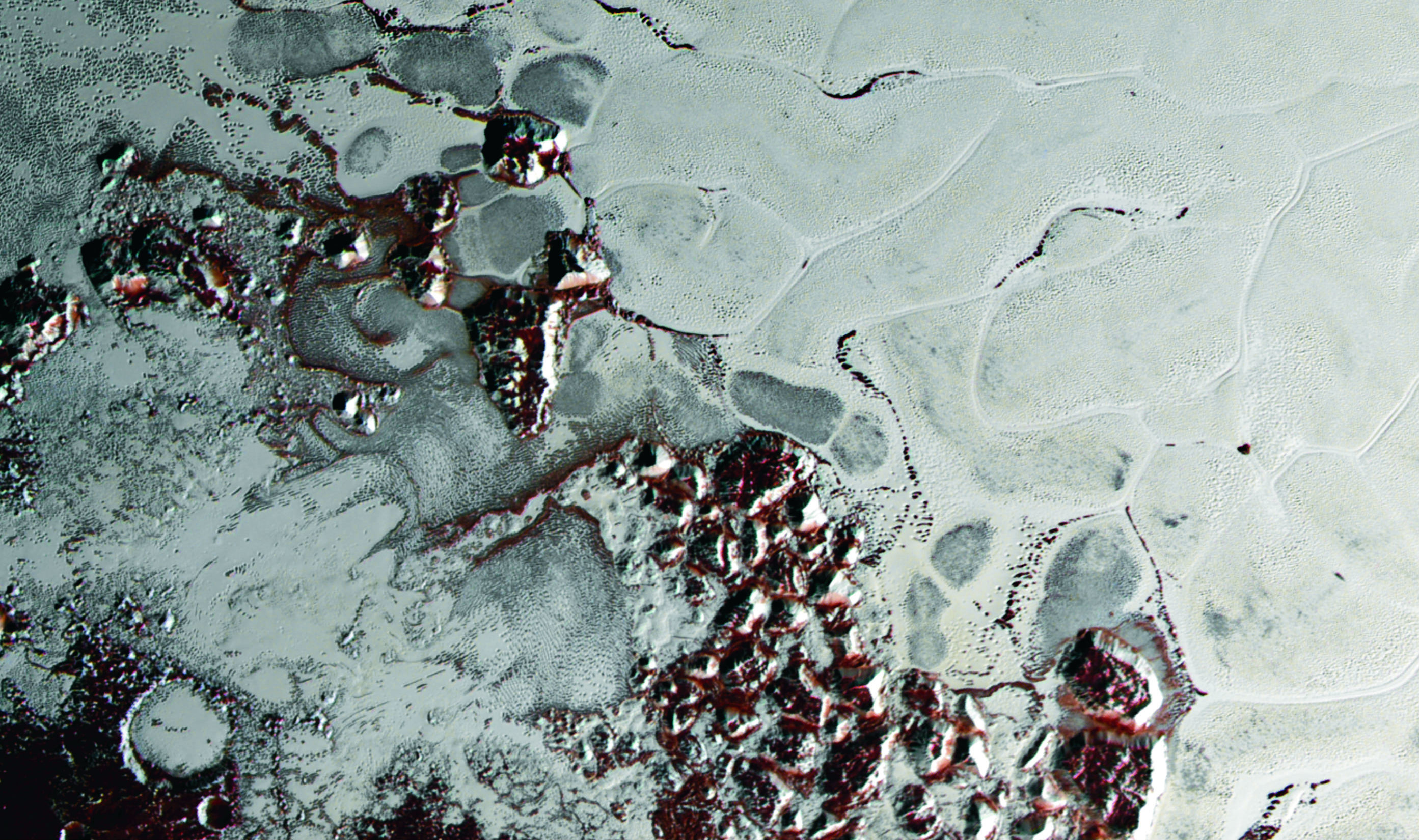
Carl Sagan—who first coined the term—was tempted to call them “star-tar.”

That disastrous rock may now looks to have been a Beta Taurid passenger

NASA’s Michelle Thaller explains how an accidental discovery led to the 1978 Nobel Prize in Physics.
▸
2 min
—
with

Recipe for awe: Coat one egg with Starlite. Blast it with a ridiculous amount of heat until charred black. Crack it open.

The secret to a calmer trip to work could be hidden in plain sight.

Psychedelics are crude drugs. Could neuroscience and super-intelligent AI help us design something better?
▸
6 min
—
with
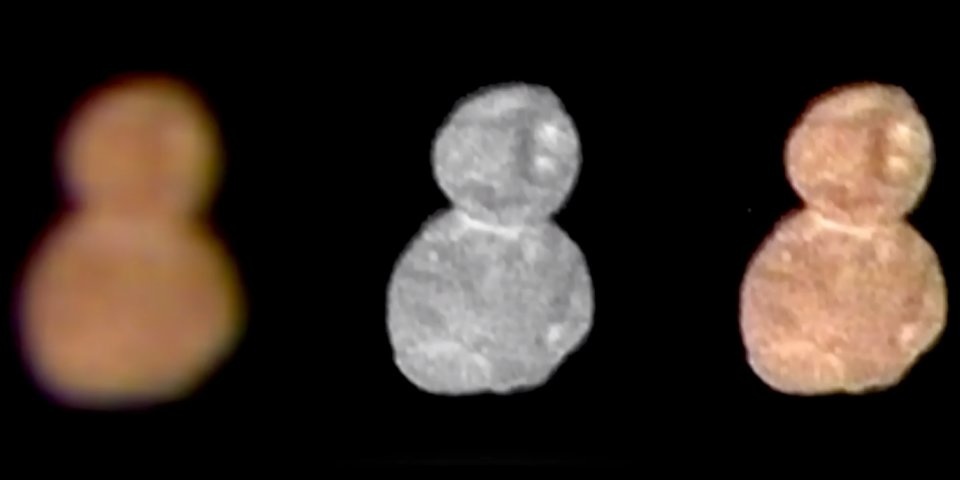
On Tuesday, NASA’s New Horizons spacecraft flew by the space rock, located some 4 billion miles away from Earth.

Three study participants described their own memories as almost completely lacking a first-person perspective or involving any sense of “re-experiencing.”

We’re finally here! We’ve been counting down the 10 most popular videos of 2018. This is #1…
▸
7 min
—
with

The countdown continues! This is the #3 most popular video of 2018.
▸
3 min
—
with
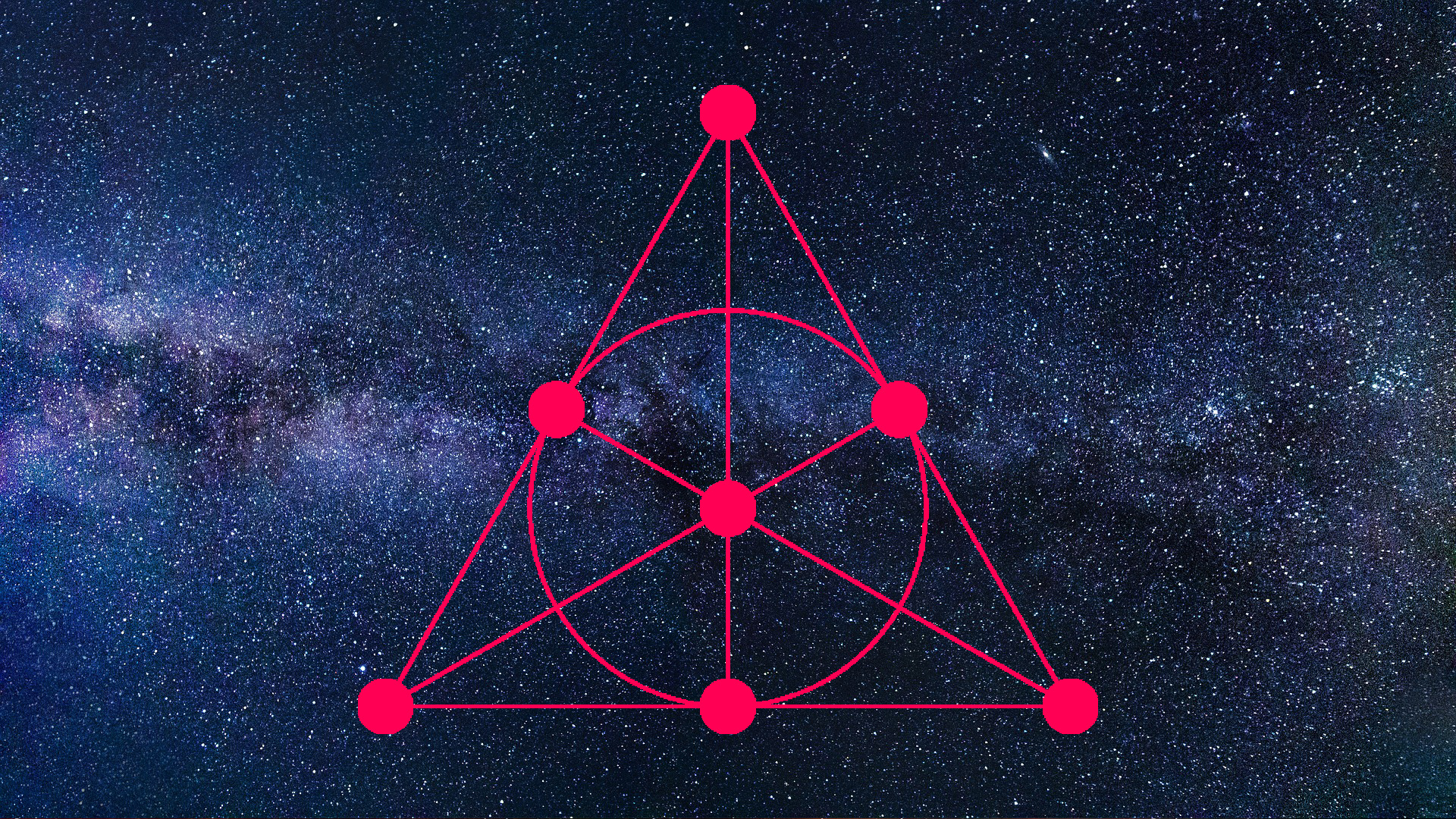
Eight-dimensional octonions may hold the clues to solve fundamental mysteries.

The countdown continues! The 4th most popular video from 2018 involves humanity hiding behind a tree.
▸
4 min
—
with

Some of them were surprisingly astute.

The countdown continues! This is the 7th most popular video of 2018.
▸
4 min
—
with
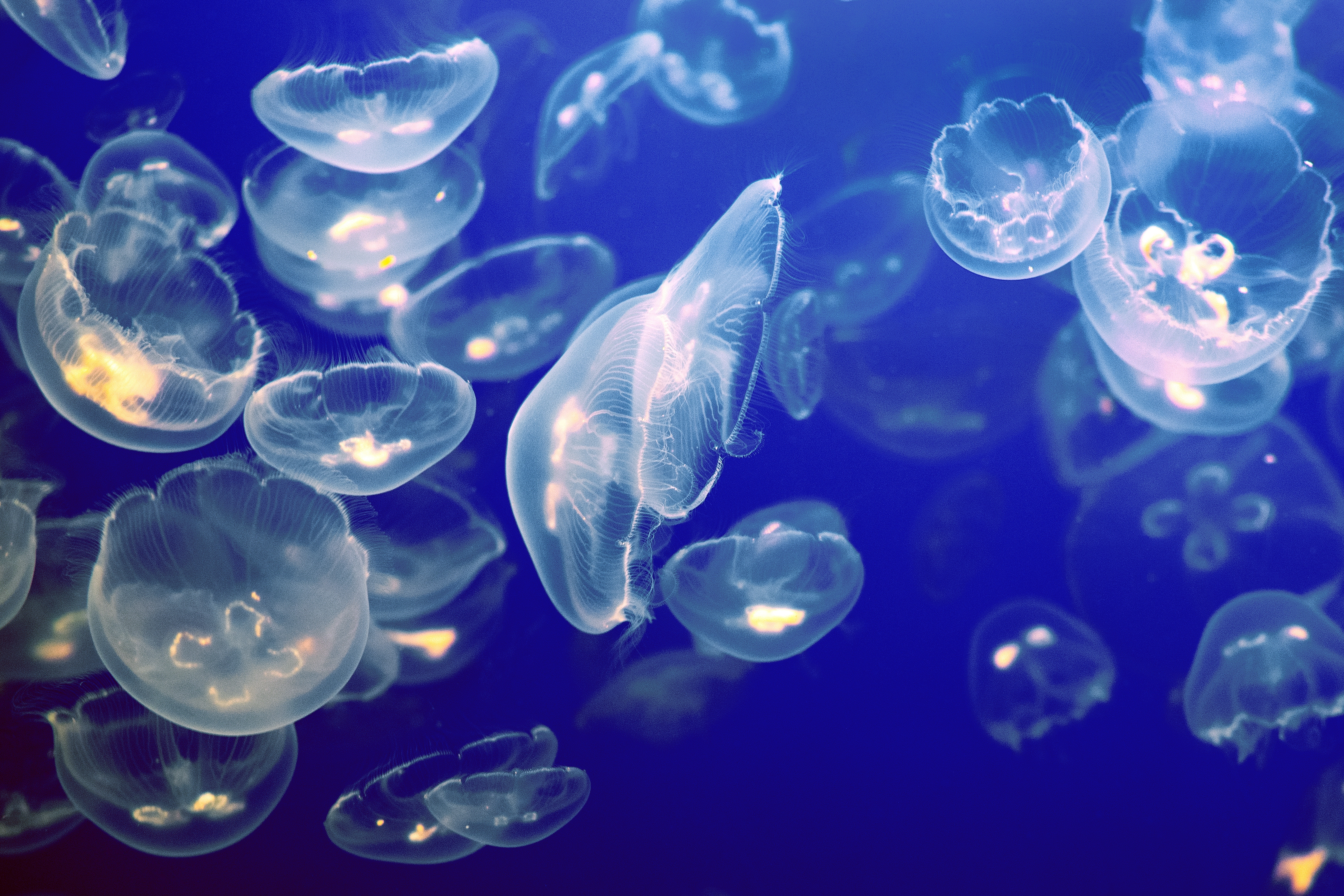
This technology could close the gap between nature and the man-made environment.

The relationship between our genotypes and our psychological traits, while substantial, is highly indirect and emergent.
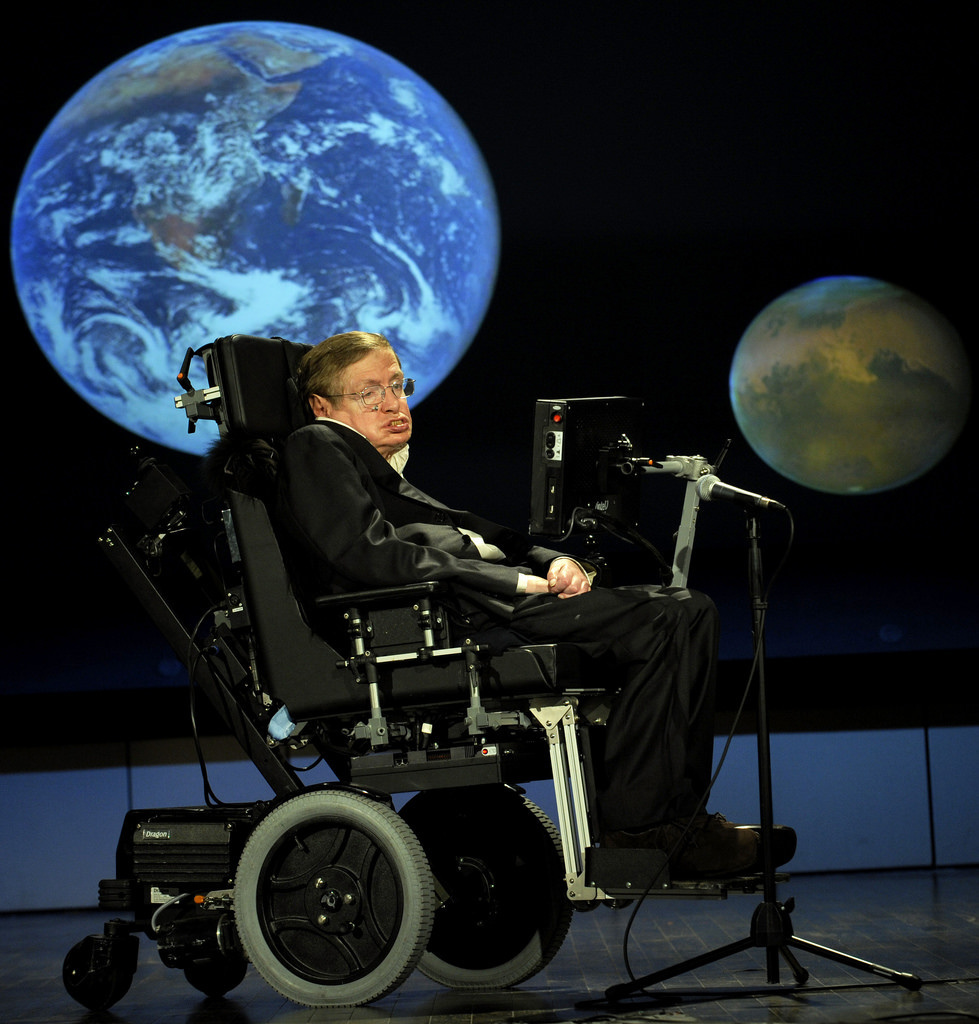
Renowned scientists and technologists who’ve passed away in 2018.
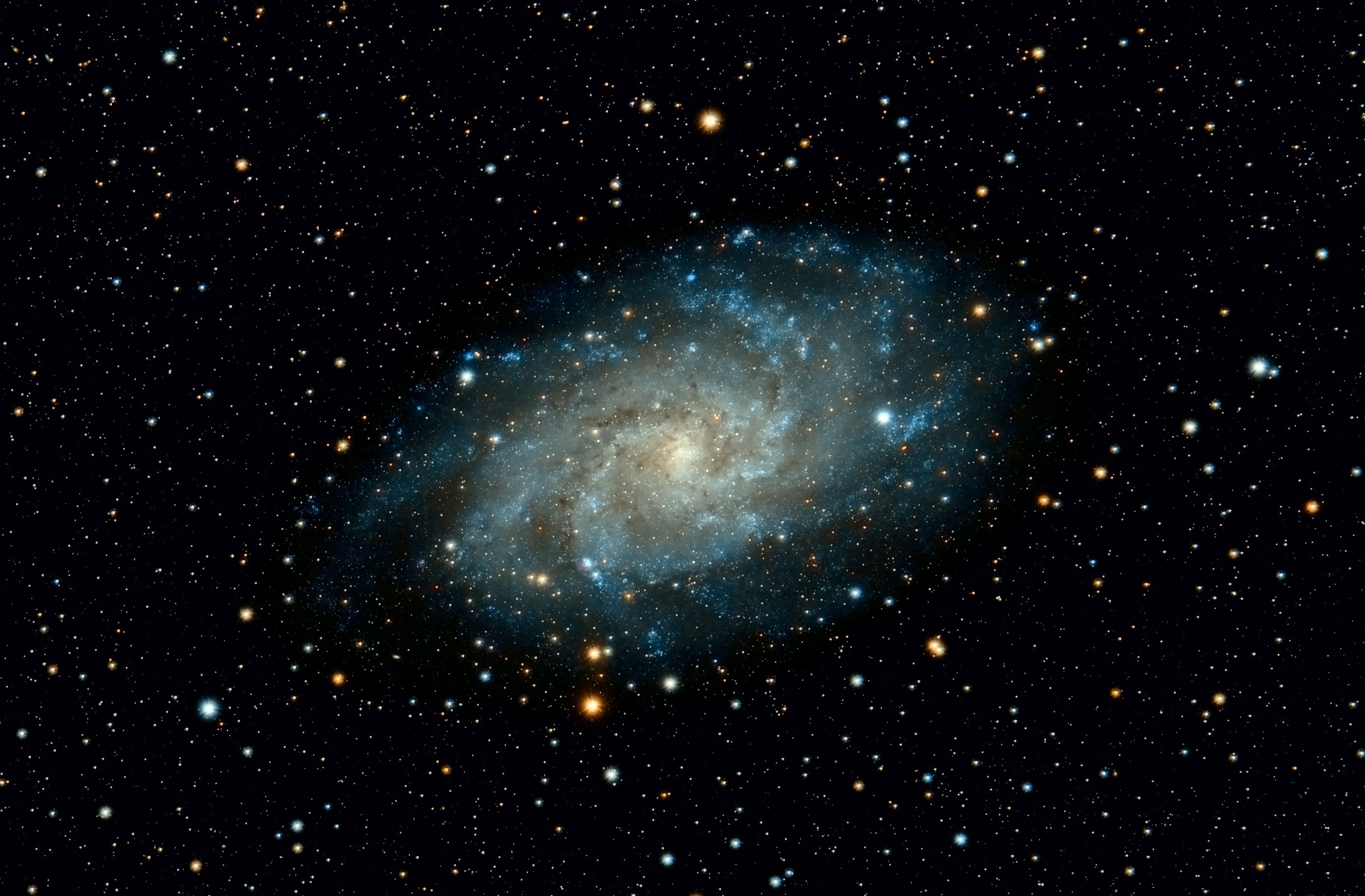
A new study may change the face of astrophysics.

Having a dog may be one way to curb lonelieness.

Feathery dinosaurs are the perfect case study of how scientific revolutions happen.
▸
6 min
—
with

What if consciousness isn’t all about the brain?
▸
6 min
—
with

A new study flies in the face of anecdotal evidence and raises questions about how we read data.
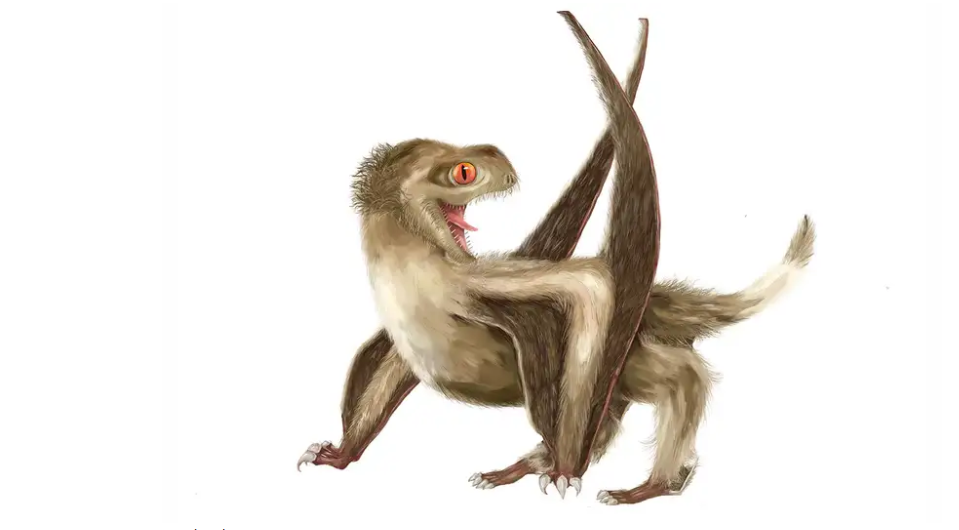
The discovery could potentially bush pack the evolution of feathers on vertebrates by 70 million years.
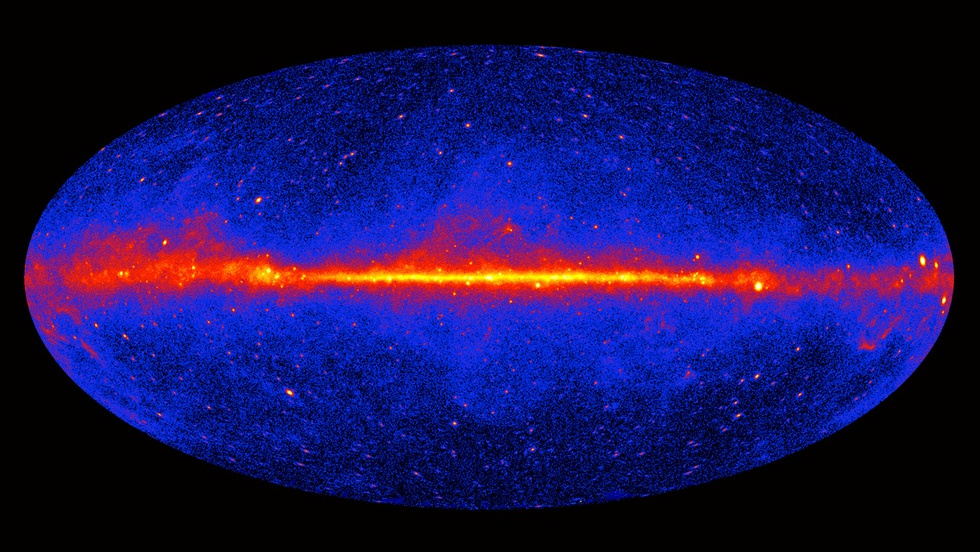
Star production peaked three billion years after the Big Bang.

Zoologist Lucy Cooke explains why humans are totally wrong about panda sex, and why captive breeding backfires.
▸
10 min
—
with
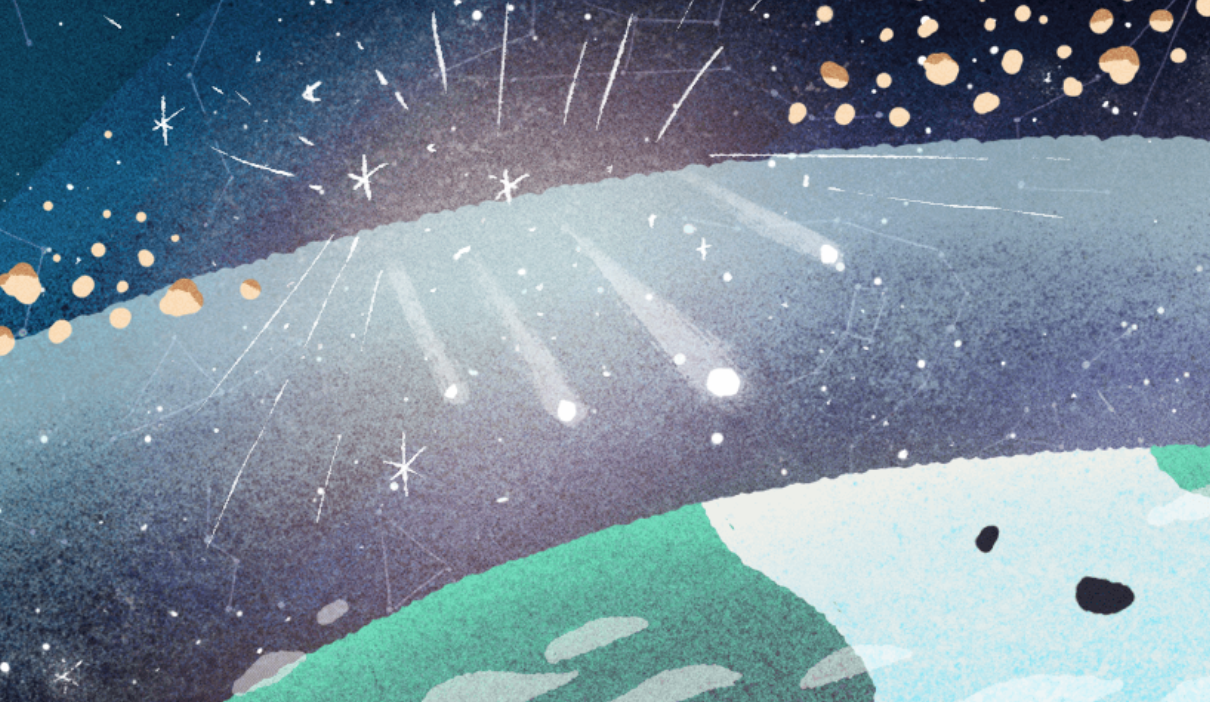
The Geminid meteor shower grows more intense with every year, and it’s expected to be particularly bright in 2018.
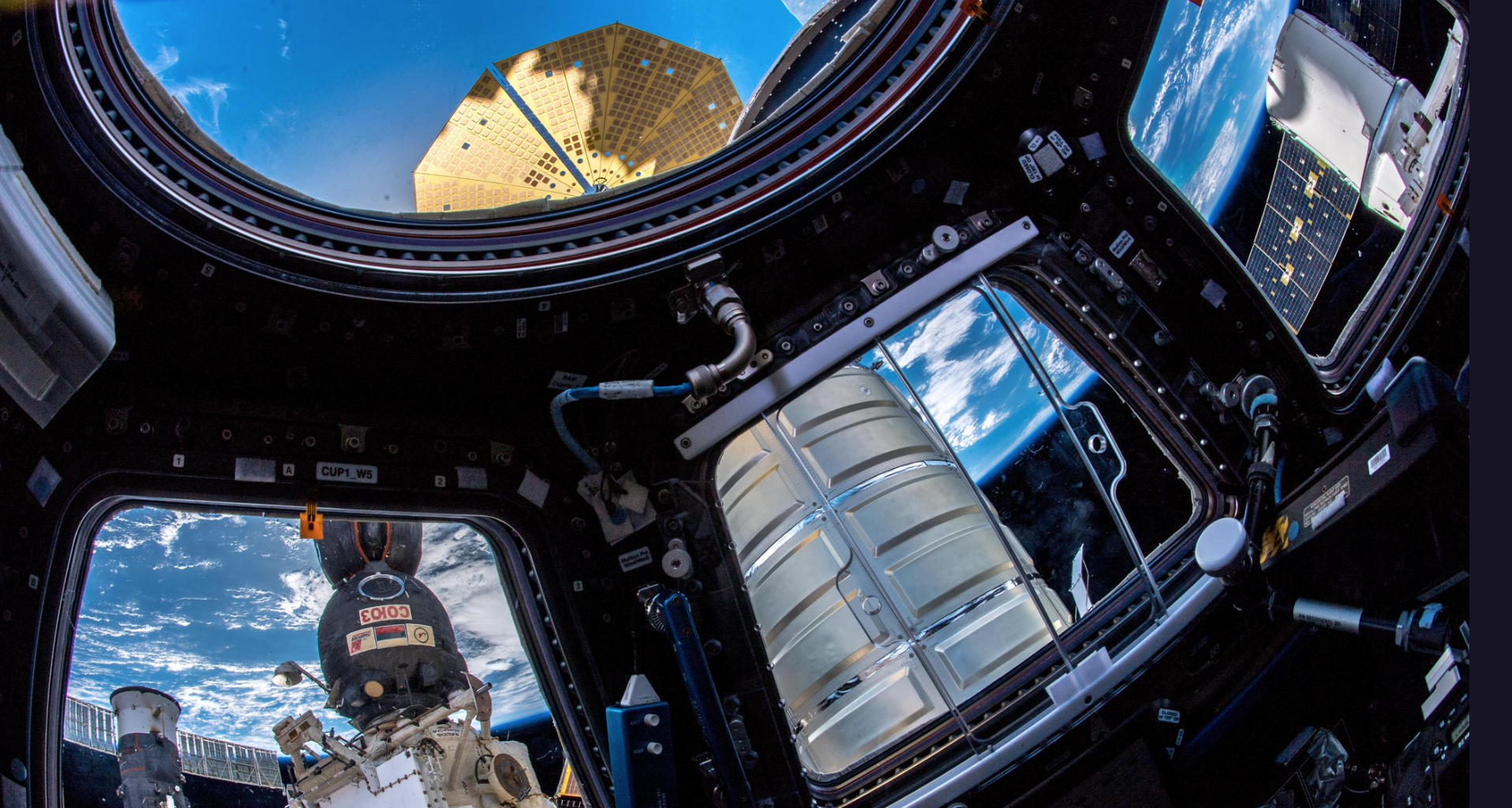
The photos were taken the same day as Russian cosmonauts investigated a mysterious hole discovered in one of the craft.
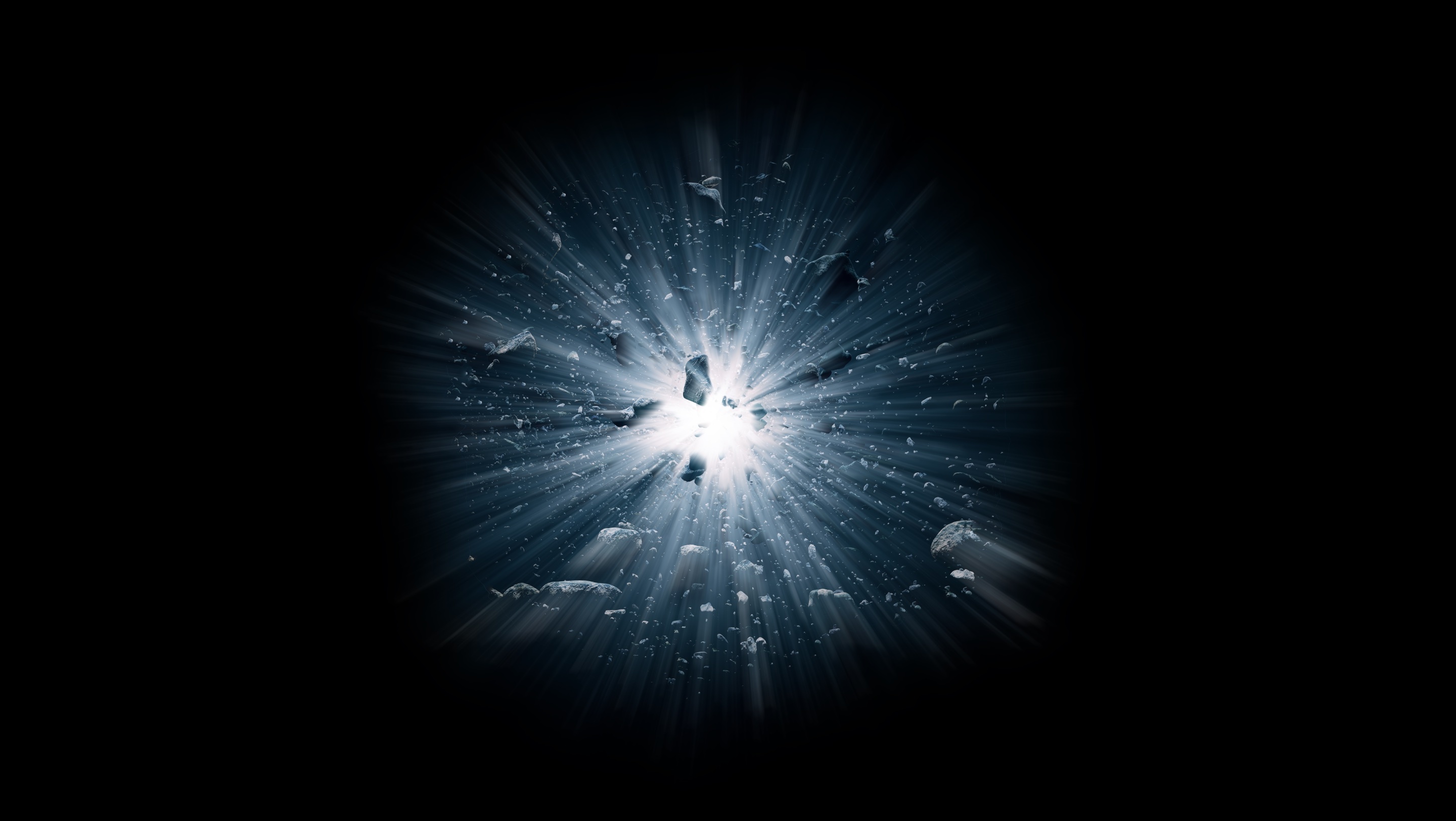
Matter from the first few microseconds after the Big Bang.

That’s a sharp increase from the 1960s when it took the same share of scientists an average of 35 years to drop out of academia.