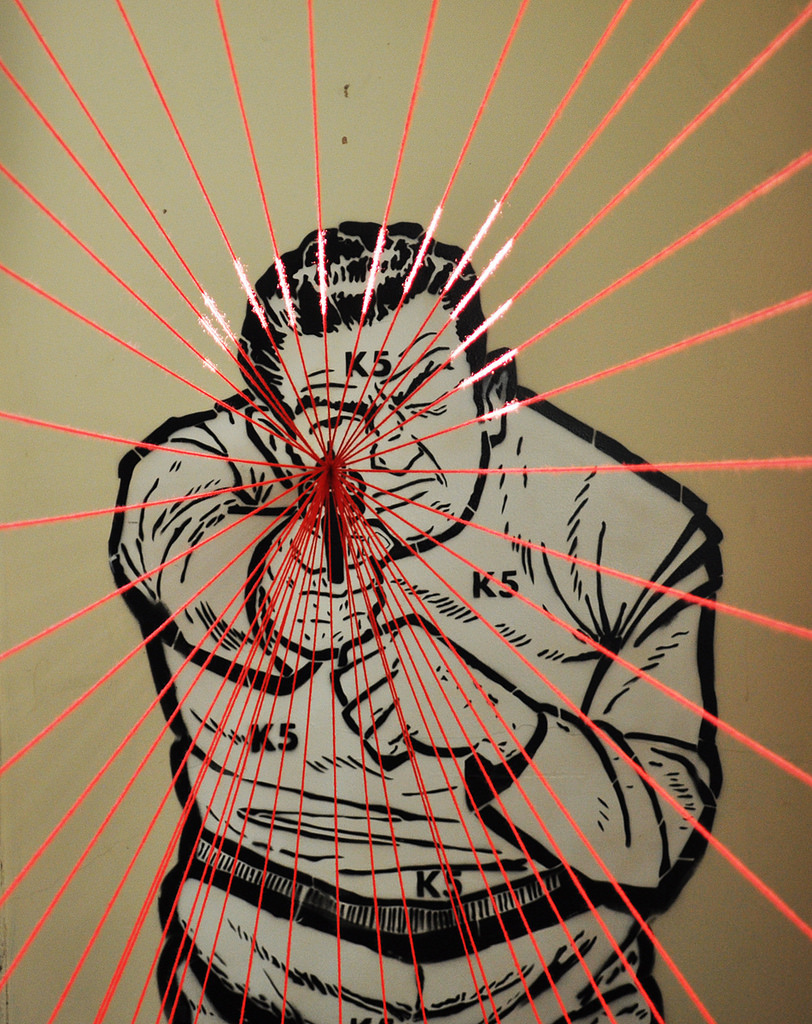
You might say members of the Intellectual Dark Web don’t fit in. They might say, “exactly.”
▸
5 min
—
with
Sign up for Big Think on Substack
The most surprising and impactful new stories delivered to your inbox every week, for free.
[jwplayer cizckQ2w player_id=”FvQKszTI” expand=1 js=”1″]
[jwplayer rqVytjg3 player_id=”FvQKszTI” expand=1 js=”1″]
[jwplayer sjlvhjPI player_id=”FvQKszTI” expand=1 js=”1″]
[jwplayer ECbMYn81 player_id=”FvQKszTI” expand=1 js=”1″]
[jwplayer 6bYupAoh player_id=”FvQKszTI” expand=1 js=”1″]
[jwplayer ok3cZW5a player_id=”FvQKszTI” expand=1 js=”1″]
[jwplayer RBgyFQ8S player_id=”FvQKszTI” expand=1 js=”1″]
[jwplayer vudbCnbn player_id=”FvQKszTI” expand=1 js=”1″]

▸
5 min
—
with