environment
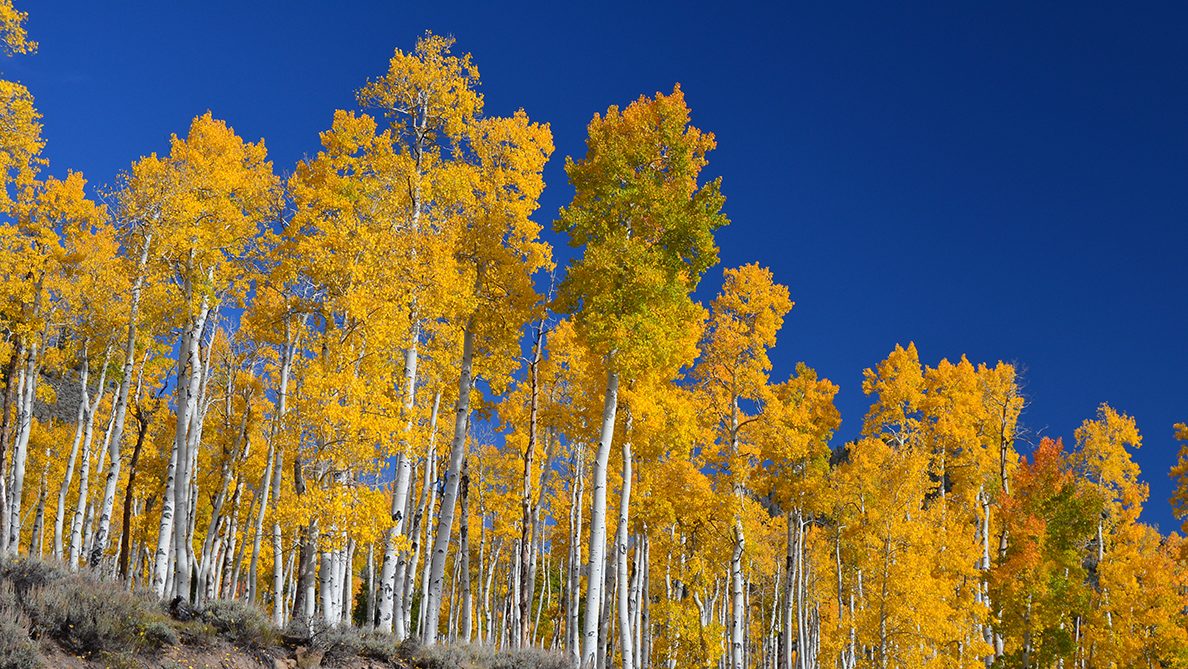
Pando, which is Latin for “I spread,” is a single organism spanning some 106 acres.
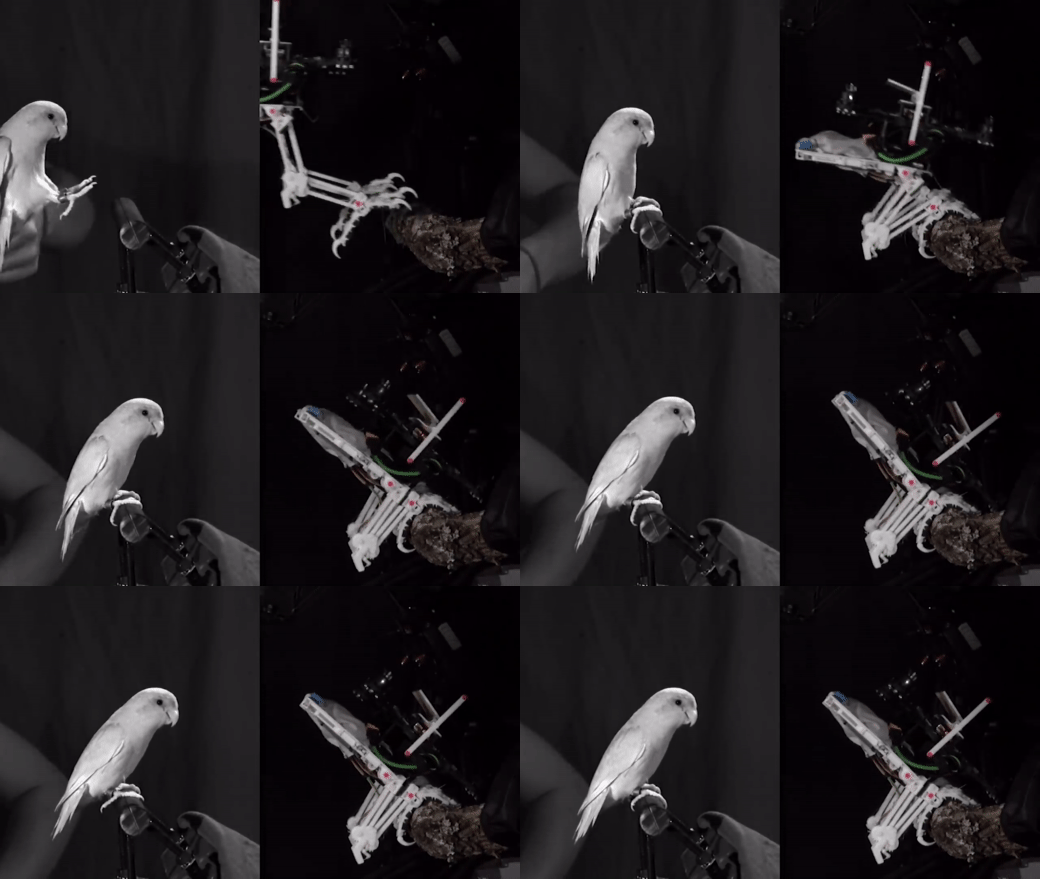
Drones have a lot to learn from the landing abilities of birds.
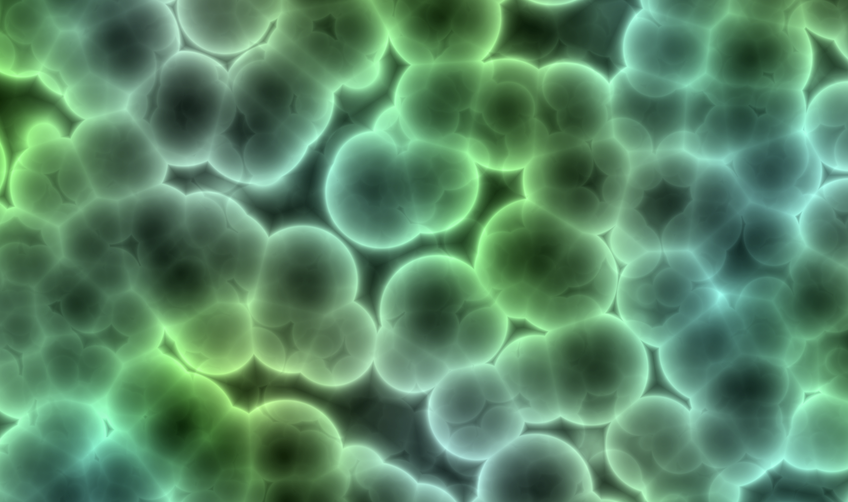
Forget little green men: These scientists say we should be more worried about little green germs.
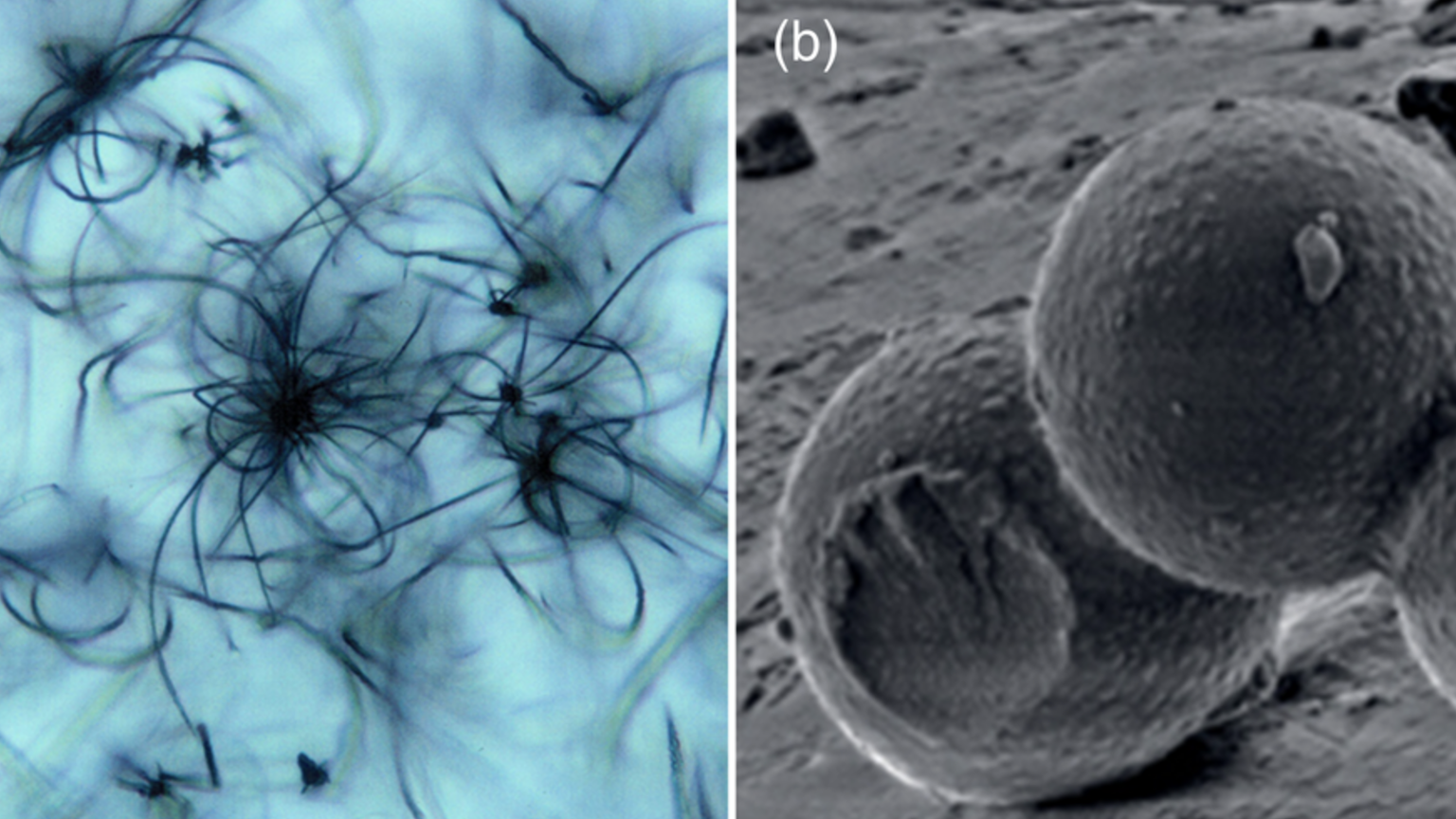
Purely physical and chemical processes can deceive us into thinking that life is present, when it actually is not.
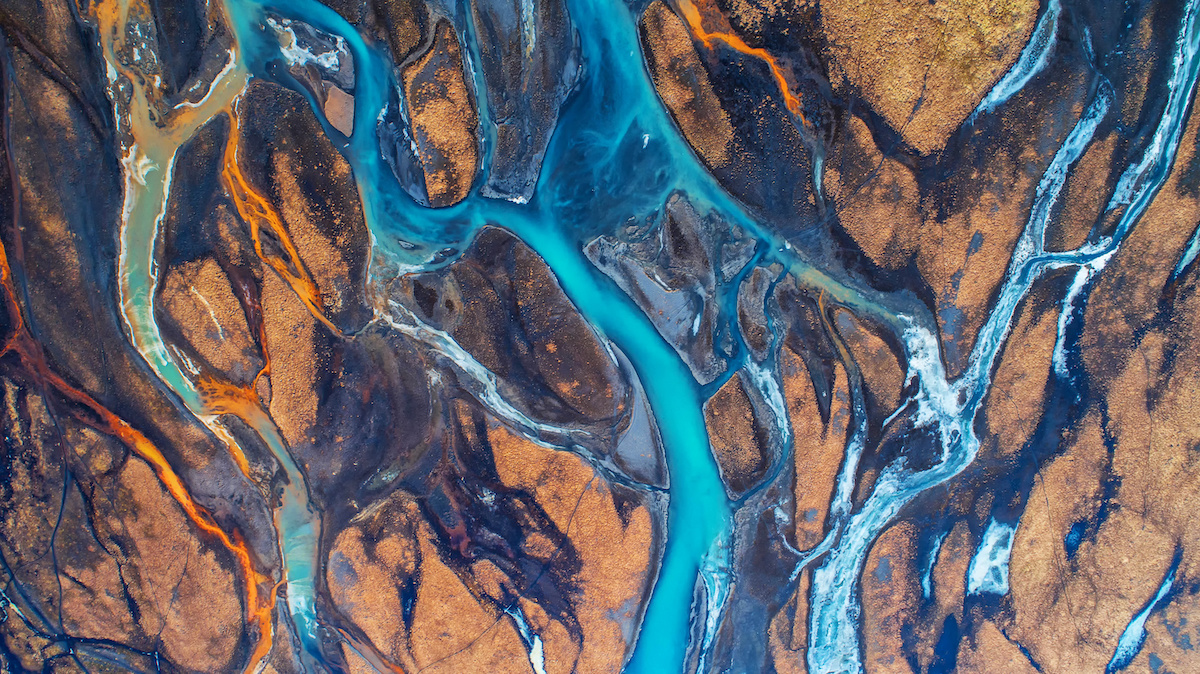
When we try to recreate simpler versions of natural ecosystems, we invariably make mistakes, argues author and biologist Rob Dunn.

Using DNA from samples of extinct flowers, synthetic biologists managed to approximate long-lost floral scents.
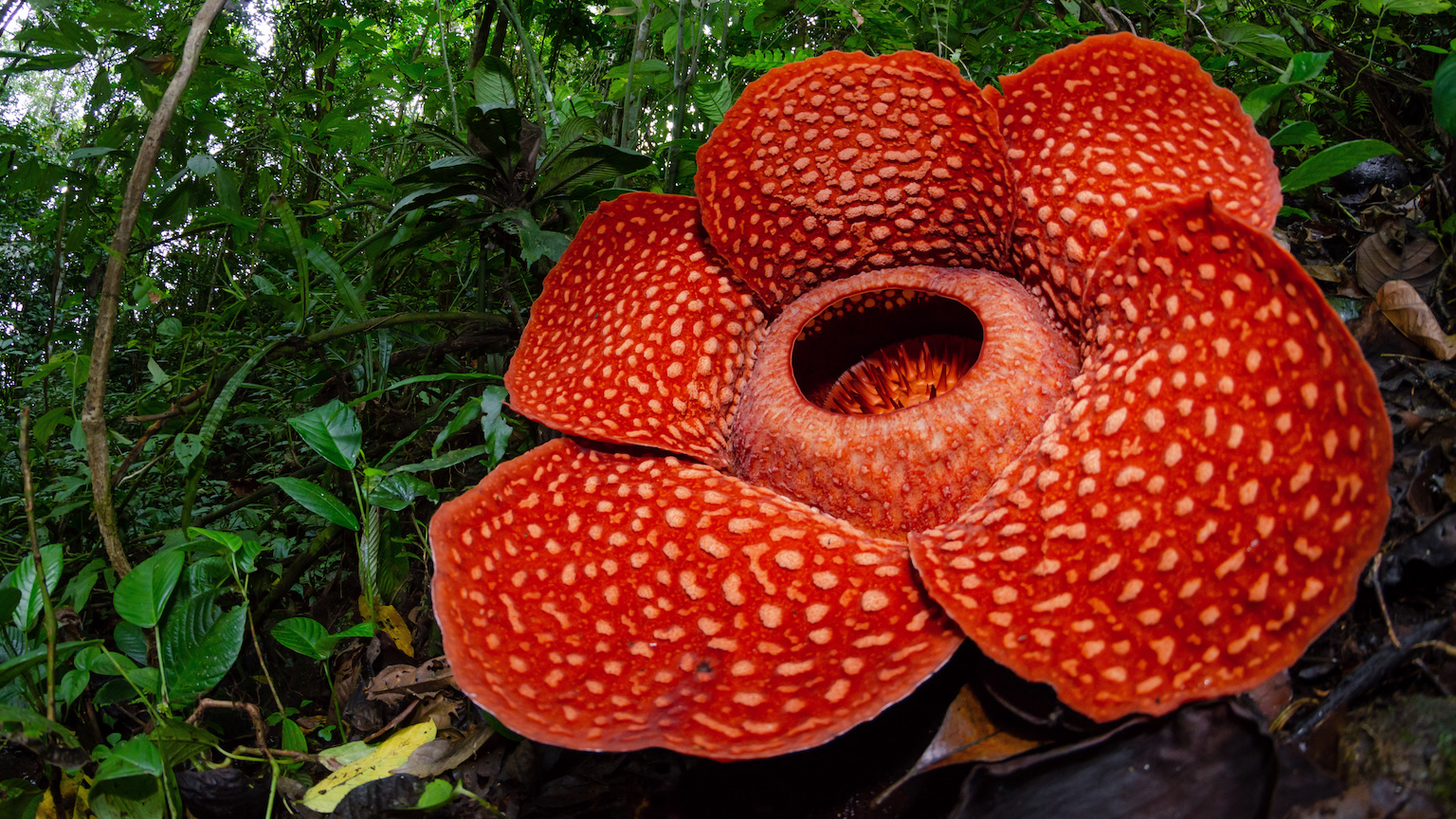
Parasites aren’t limited to just worms and ticks. Even some plants like to feed off others — and they perhaps could help fight invasive species.
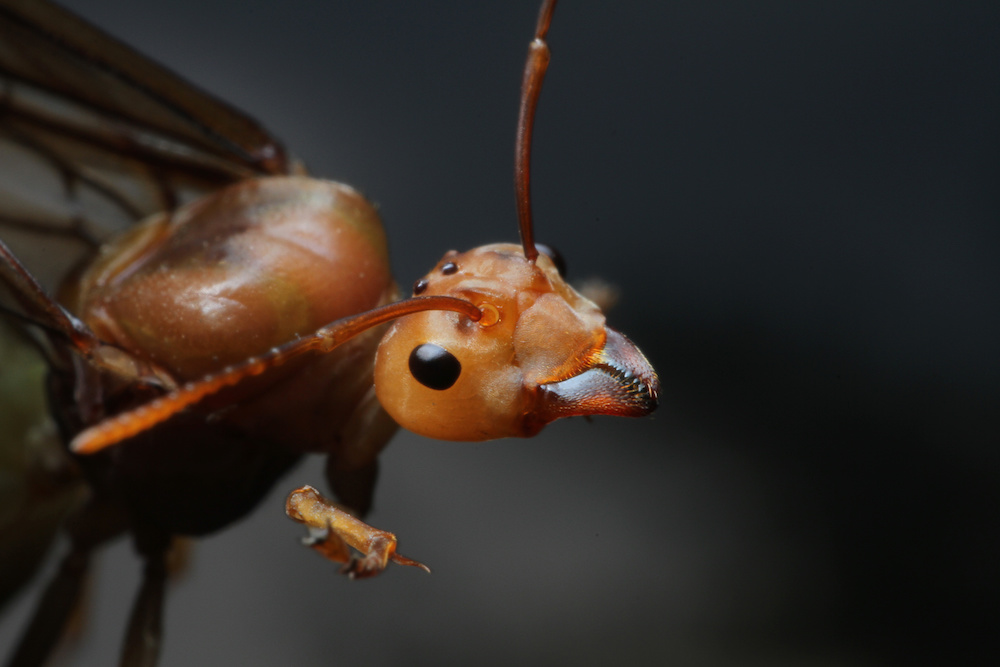
Social conflicts can leave molecular marks on animals, according to recent research on the ant species Harpegnathos saltator.
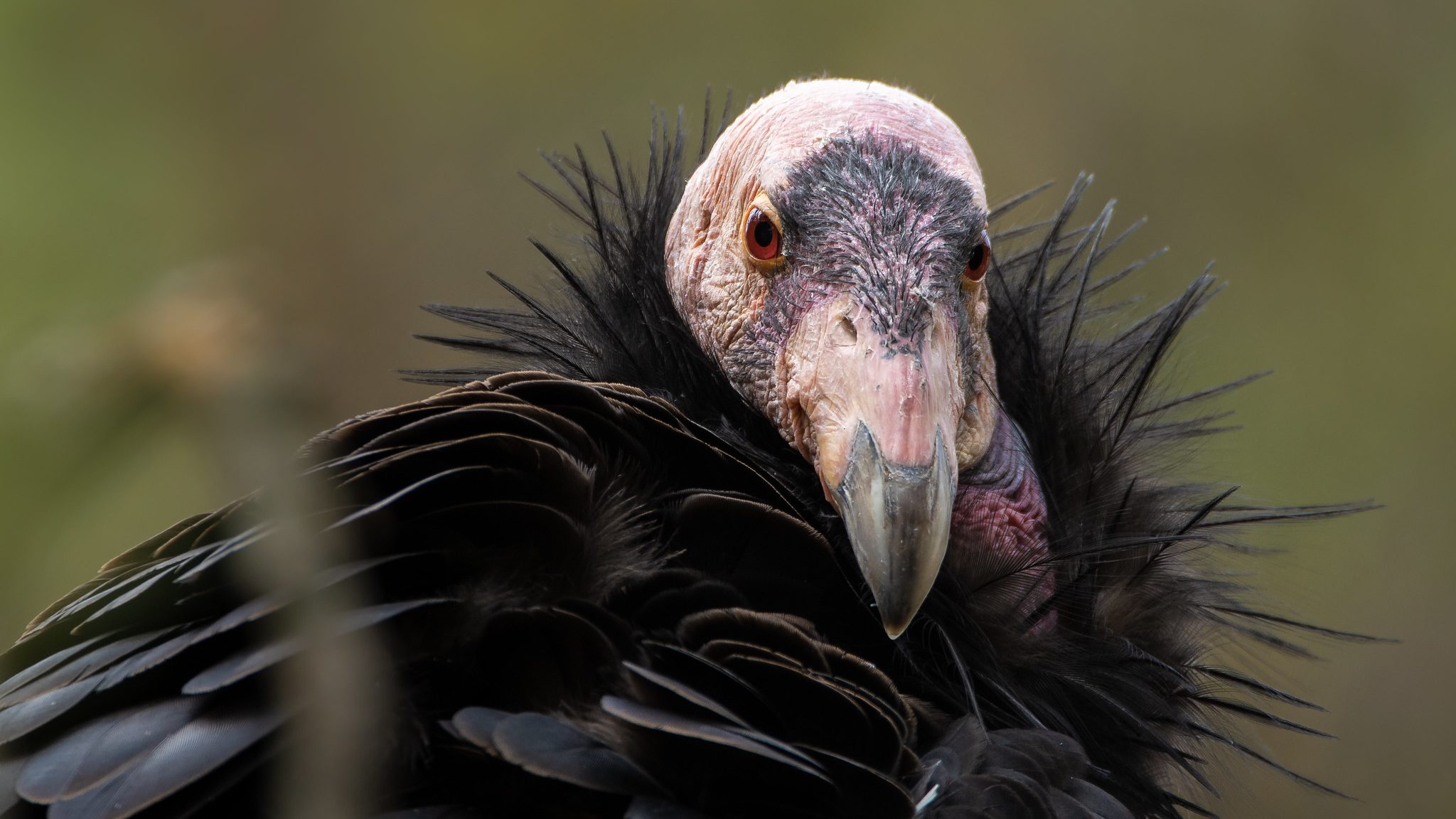
Virgin birth – which involves the development of an unfertilised egg – has preoccupied humans for aeons. And although it can’t happen in mammals, it does seem to be possible in […]
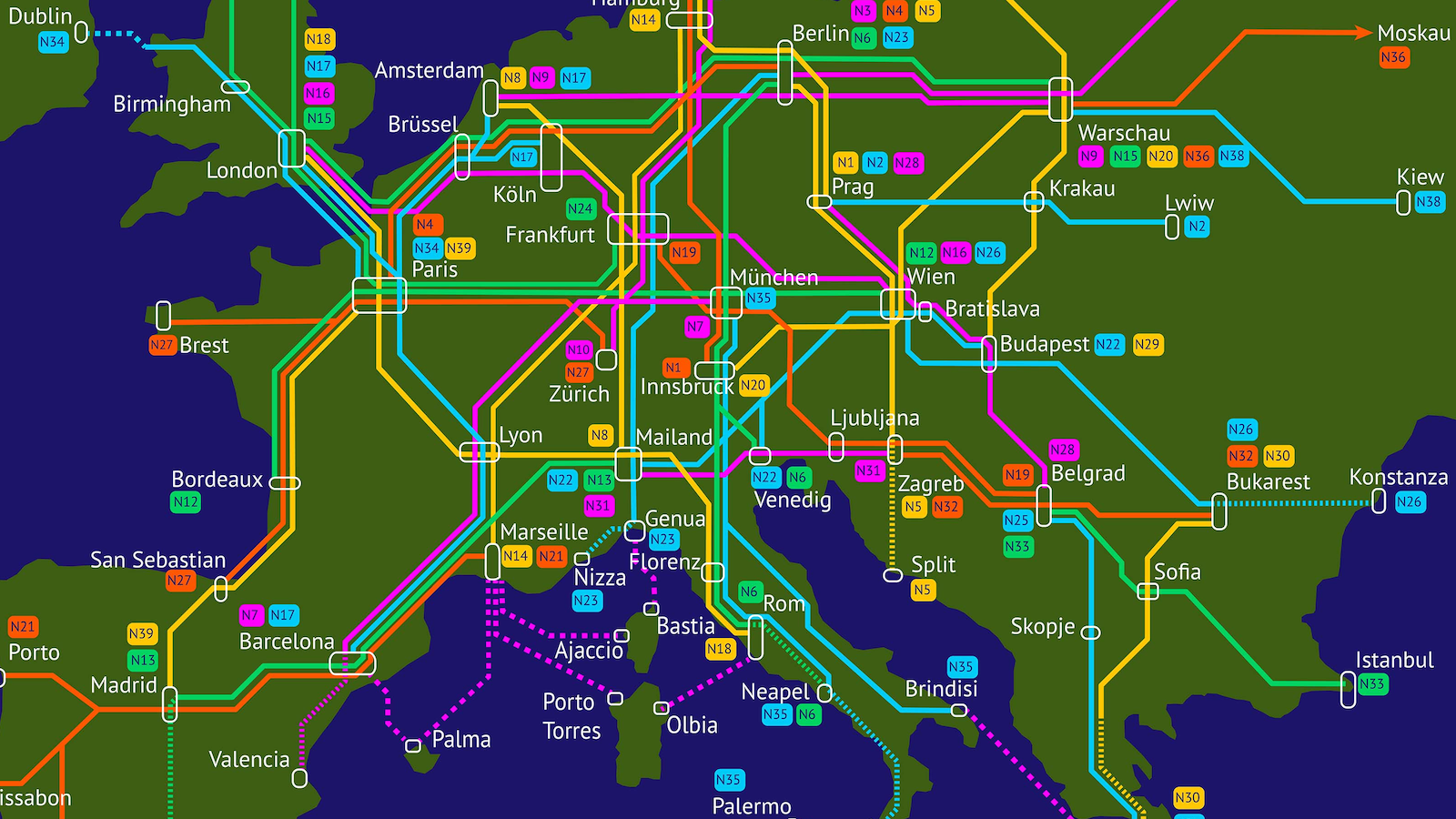
The “Euro Night Sprinter” map is utopian, but Europe’s rail future could look a lot like it.
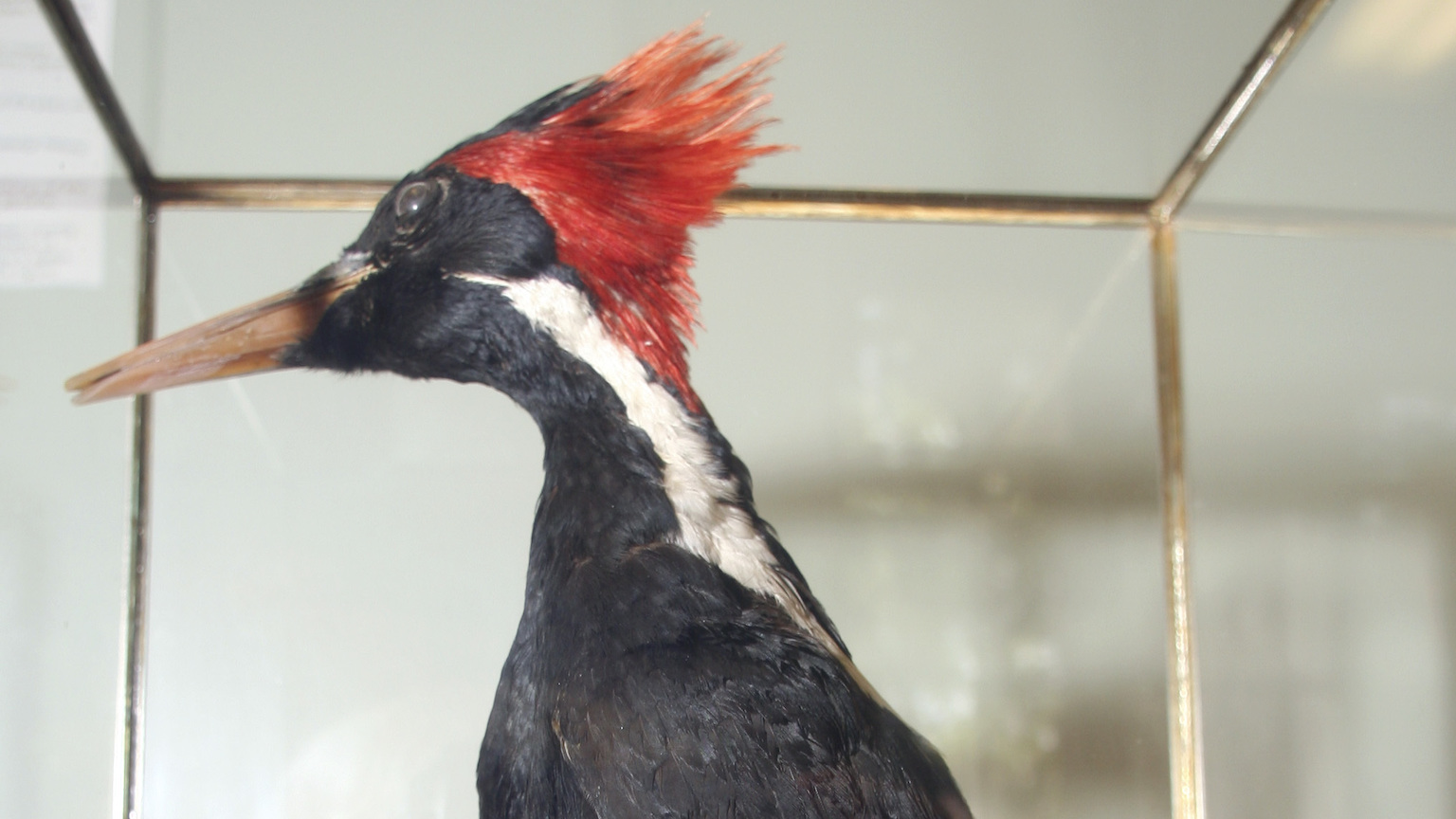
The list includes eleven species of birds, eight species of freshwater mussels, two fish, a bat, and a plant from the mint family.
Linguistic laws are remarkably versatile and have applications in ecology, microbiology, epidemiology, demographics, and geography.
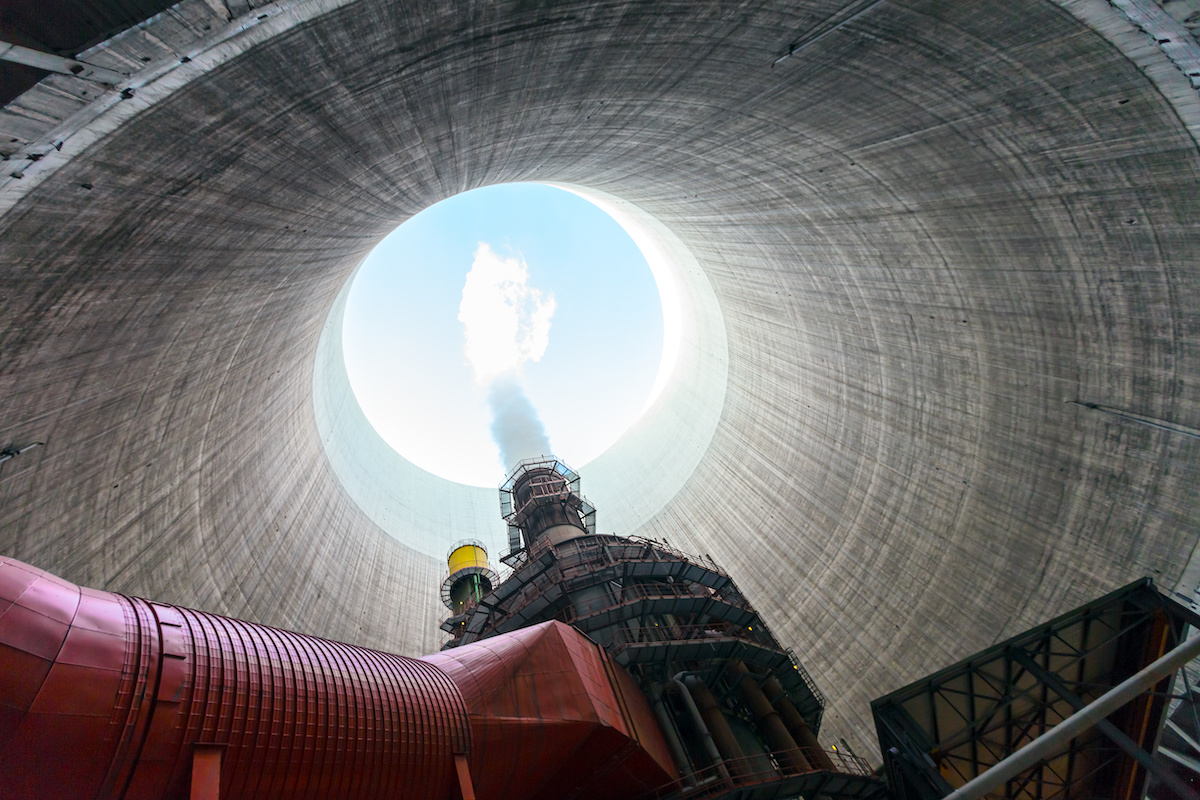
After the 2011 Fukushima disaster, it was Germany, not Japan, that cracked down most severely on nuclear power plants.
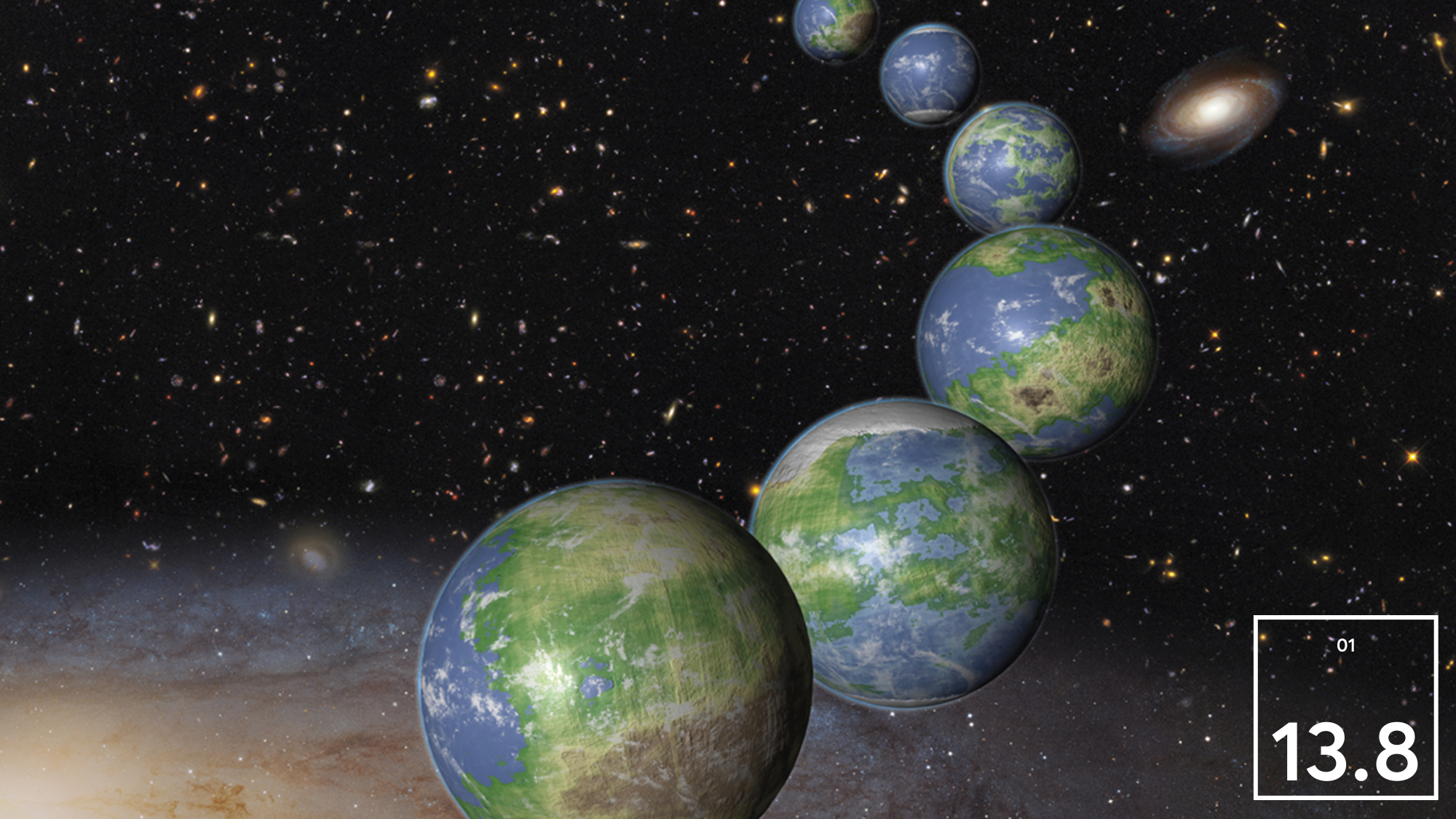
The mediocrity principle is often used to make claims about the abundance of life across the universe, but these claims are likely unfounded.
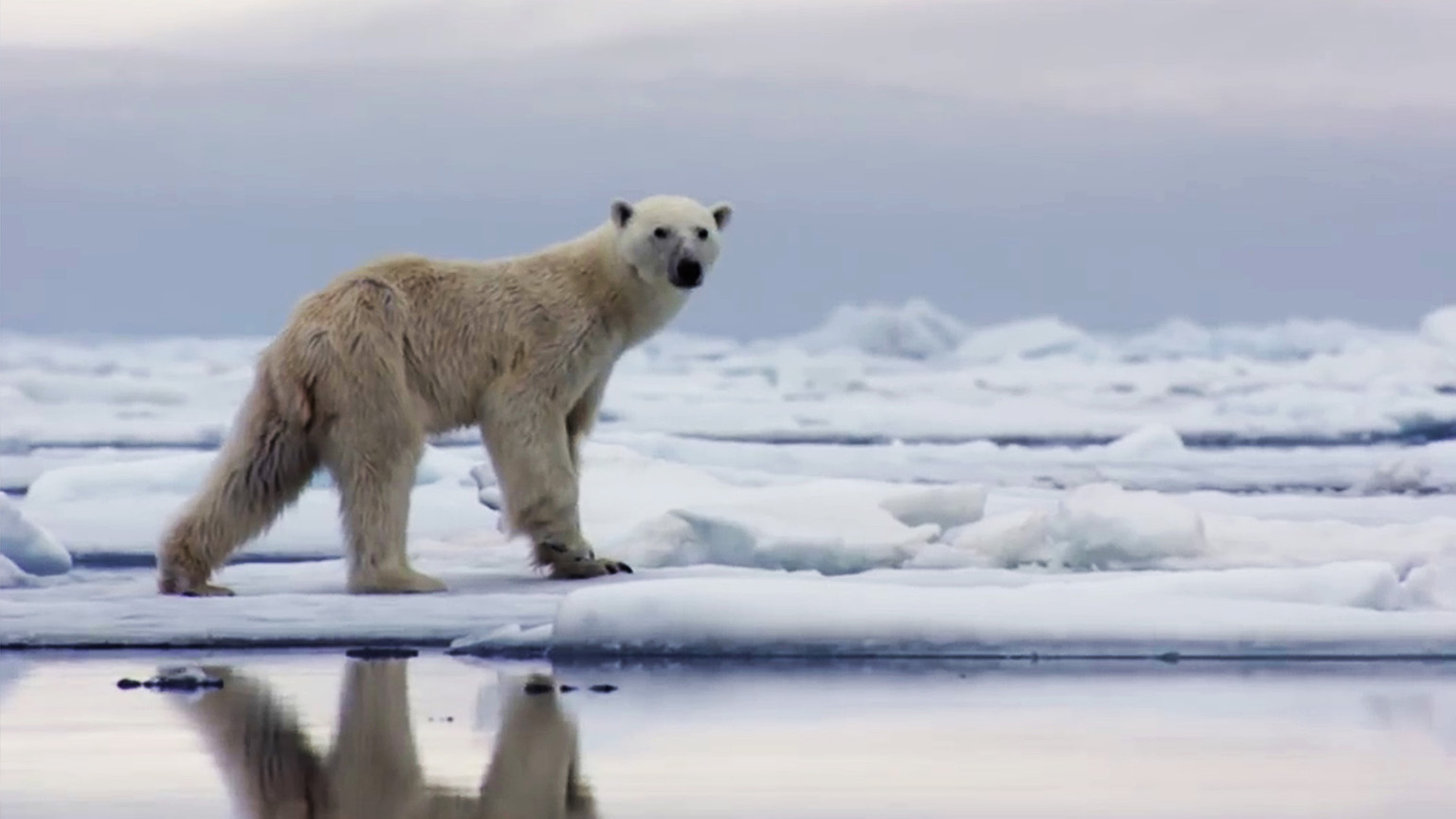
Civilization is facing an existential threat from climate change. Will we humans make it? Does anyone in the universe make it?
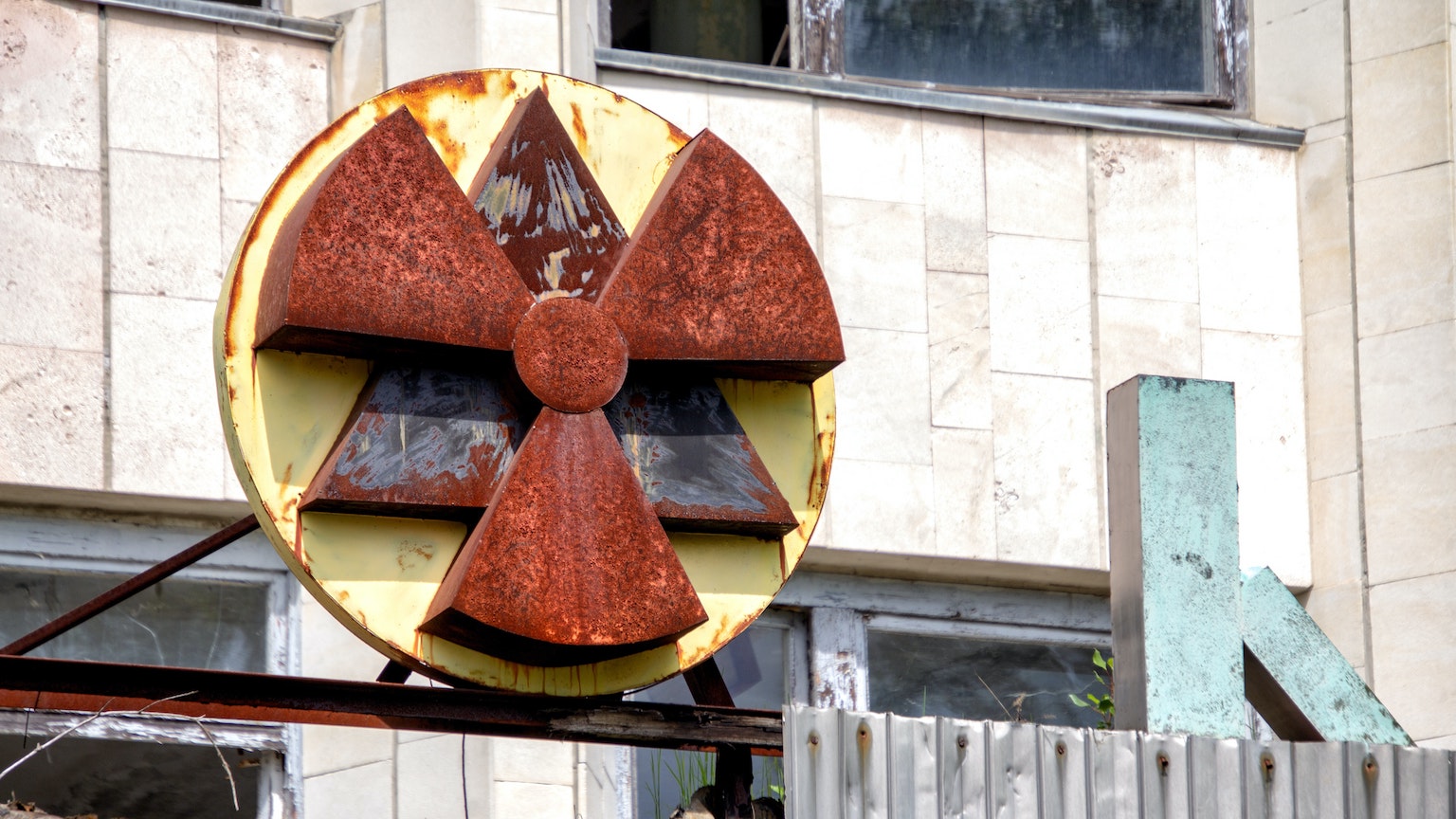
The cause of the recent uptick in radiation is unknown, but speculation about another catastrophe at Chernobyl is hyperbolic.
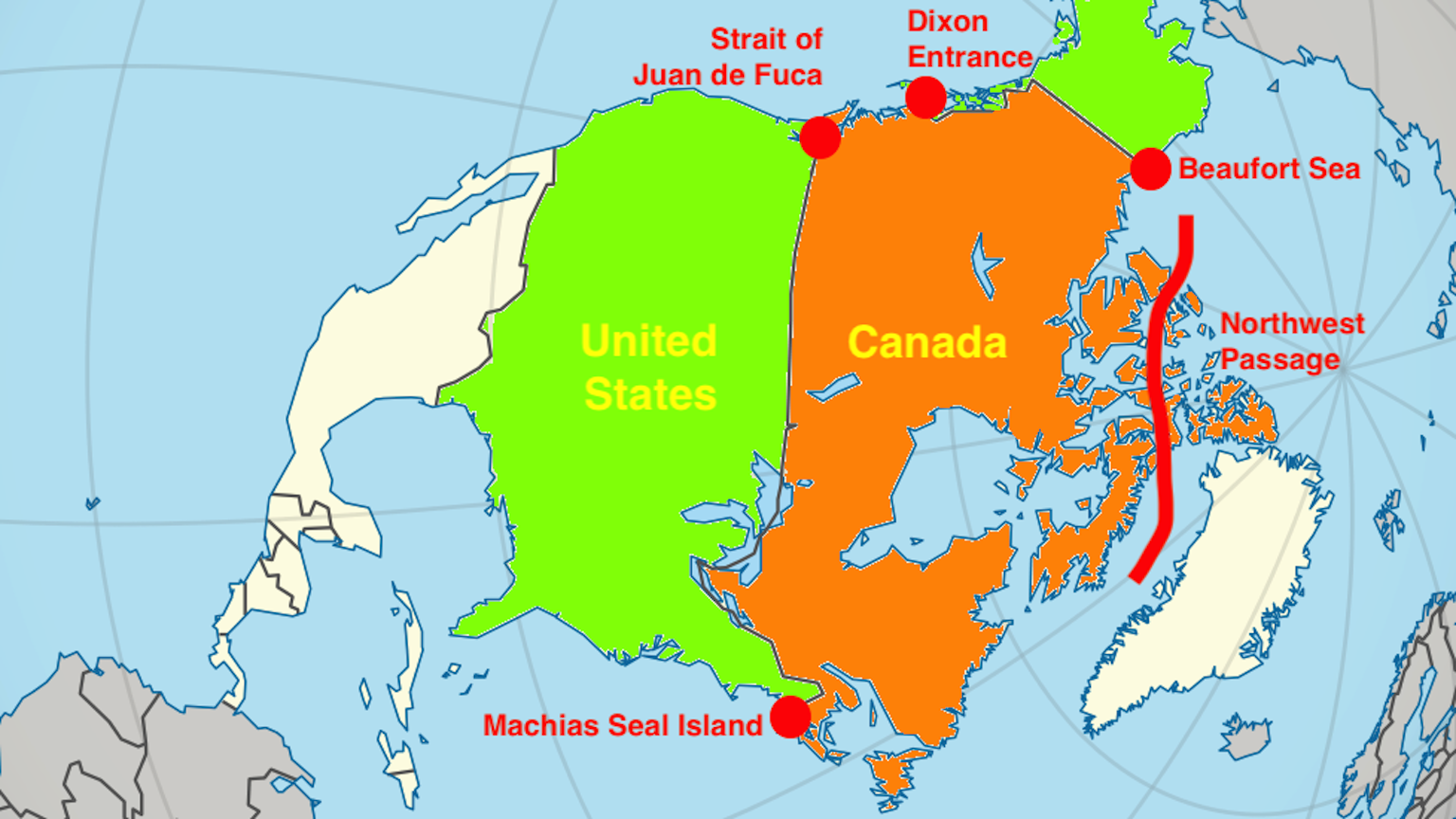
All of these conflicts have a long history. They may also have a long future.
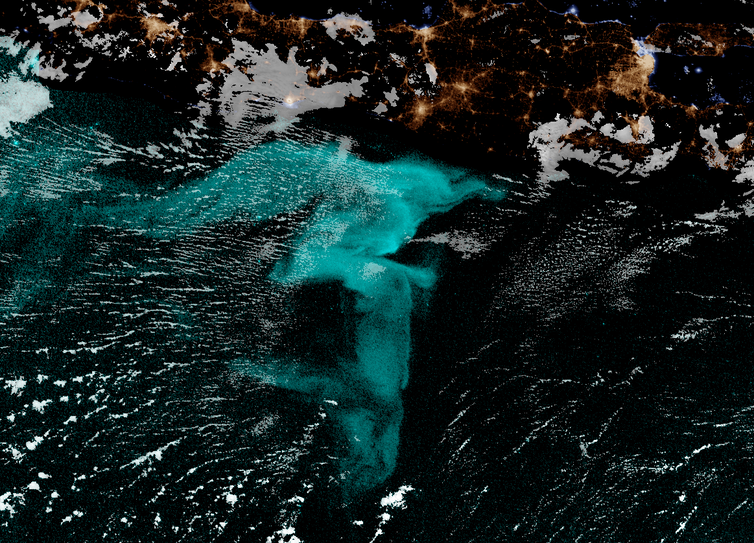
To date, only one research vessel has ever encountered a milky sea.
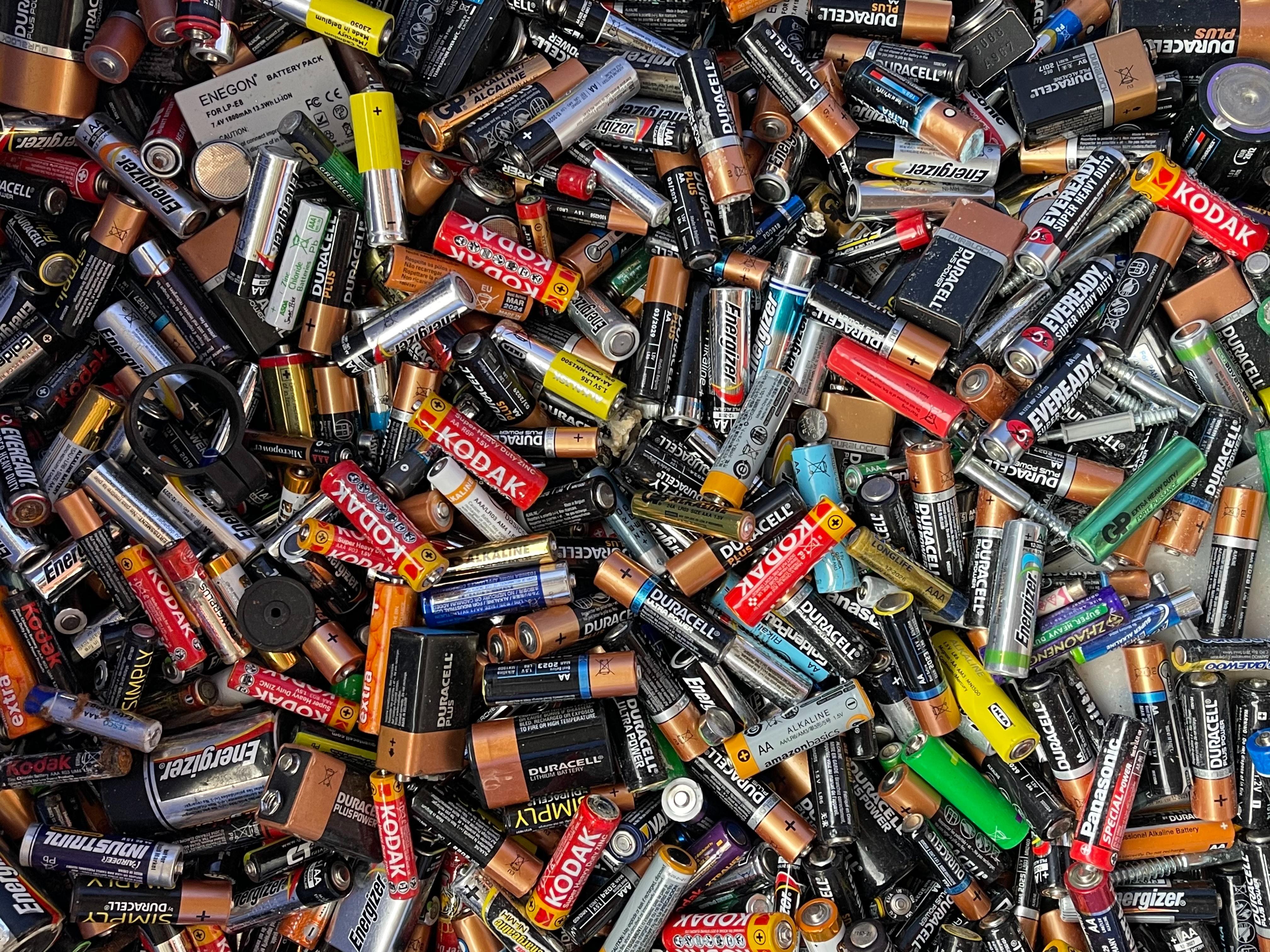
Scientists are solving the problem of costly energy storage.
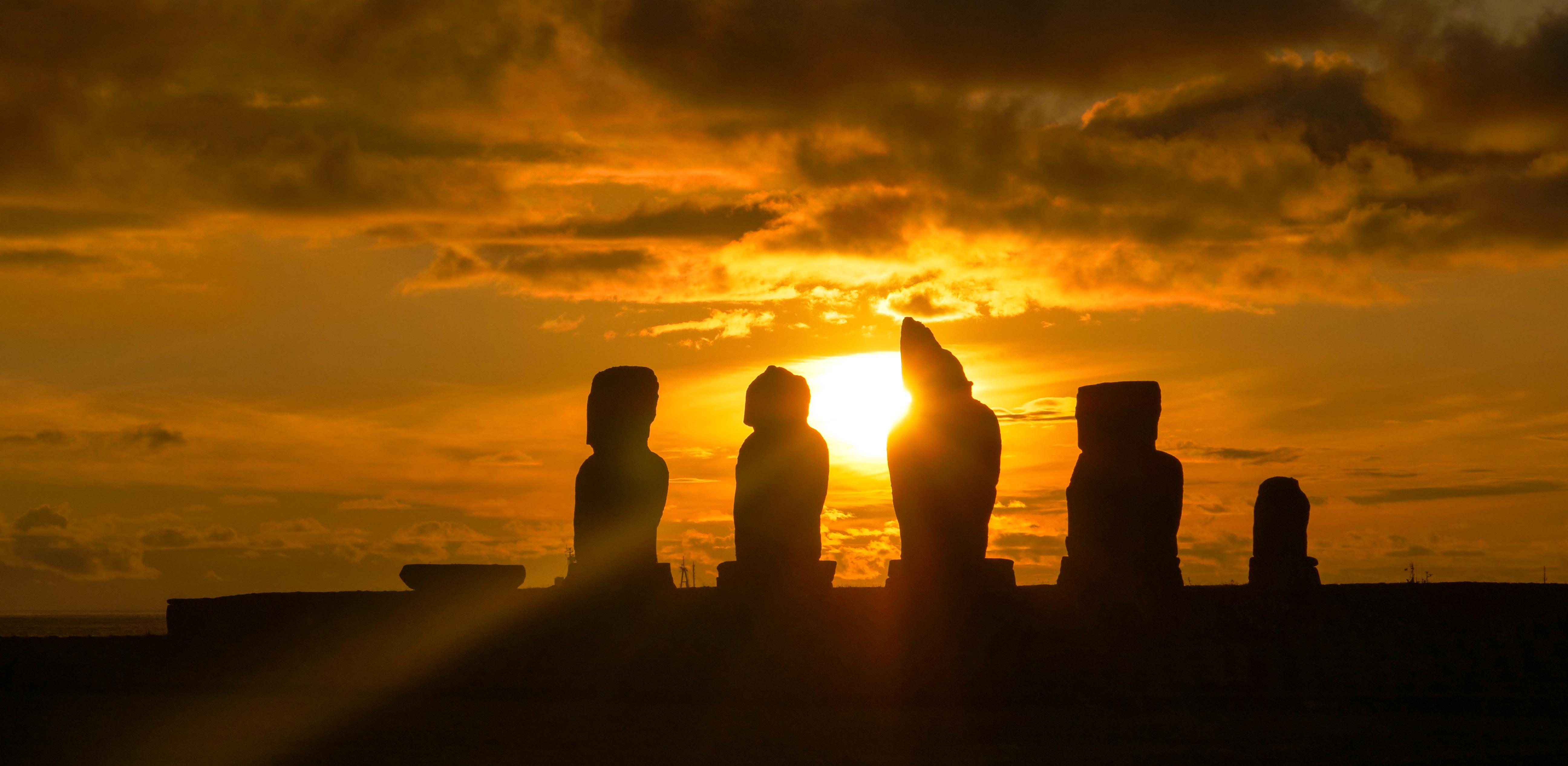
For decades, researchers have proposed that climate change and human-caused environmental destruction led to demographic collapse on Easter Island. That’s probably false, according to new research.
Trees store carbon dioxide, have a cooling effect in cities, and reduce flood risks.
As air pollution increases, so does violent crime.
Buildings don’t have to be permanent — modular construction can make them modifiable and relocatable.
Too few babies — not overpopulation — is likely to be a major problem this century.
As droughts threaten water supplies across the planet, some municipalities aim to utilize an untapped resource: sewage water.
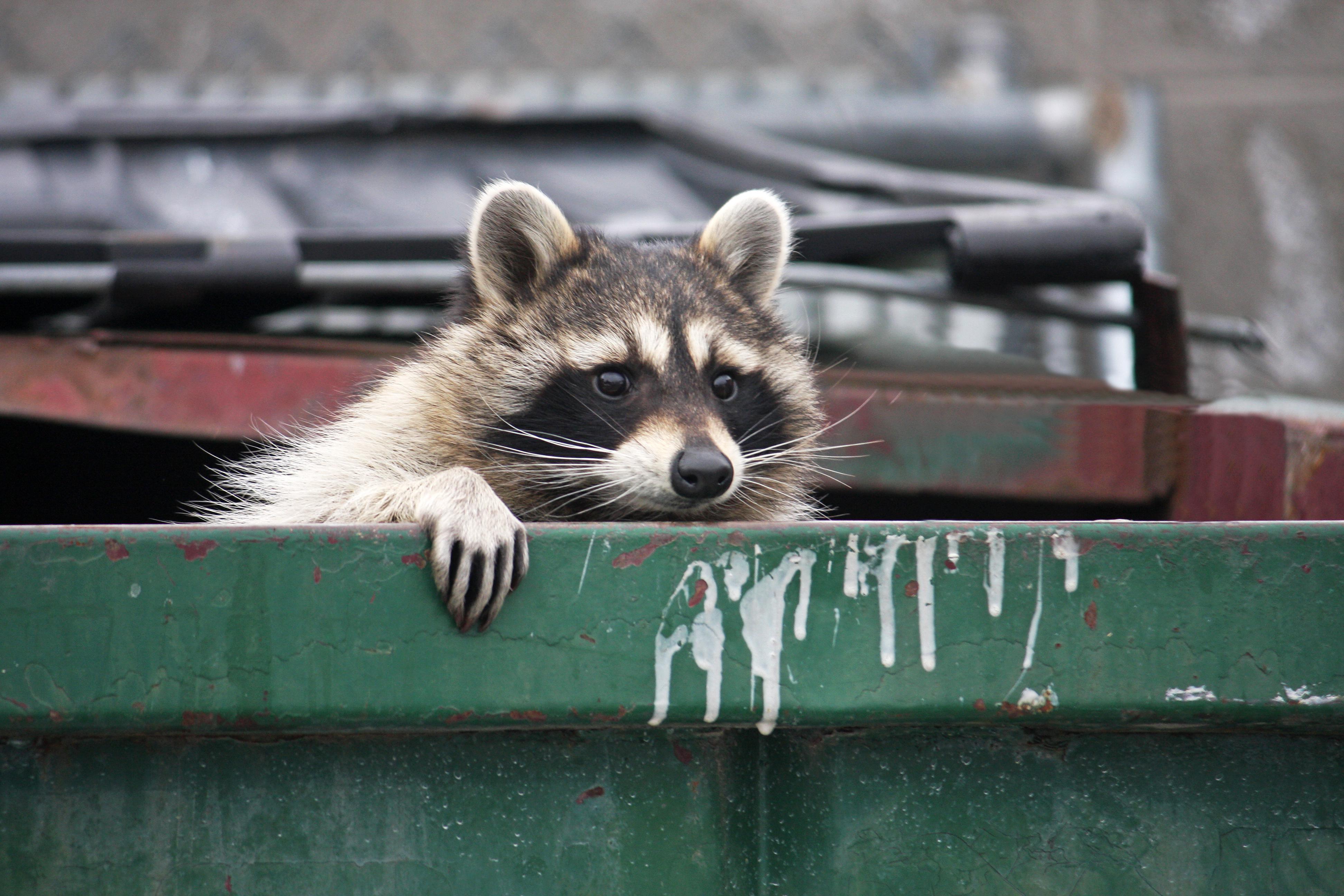
Some wild animals thrive near humans, but only up to a point.
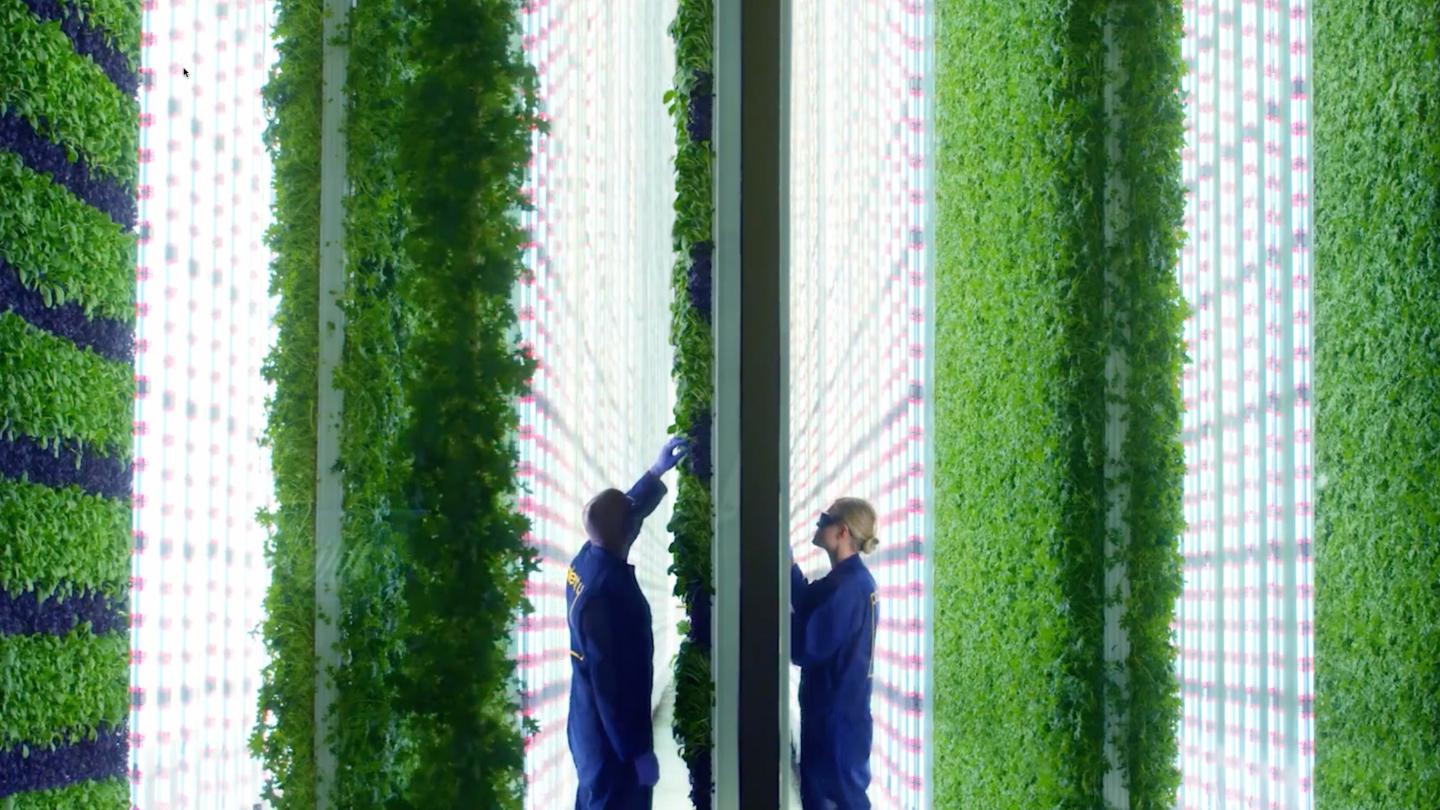
A new agricultural revolution could forever change the planet.
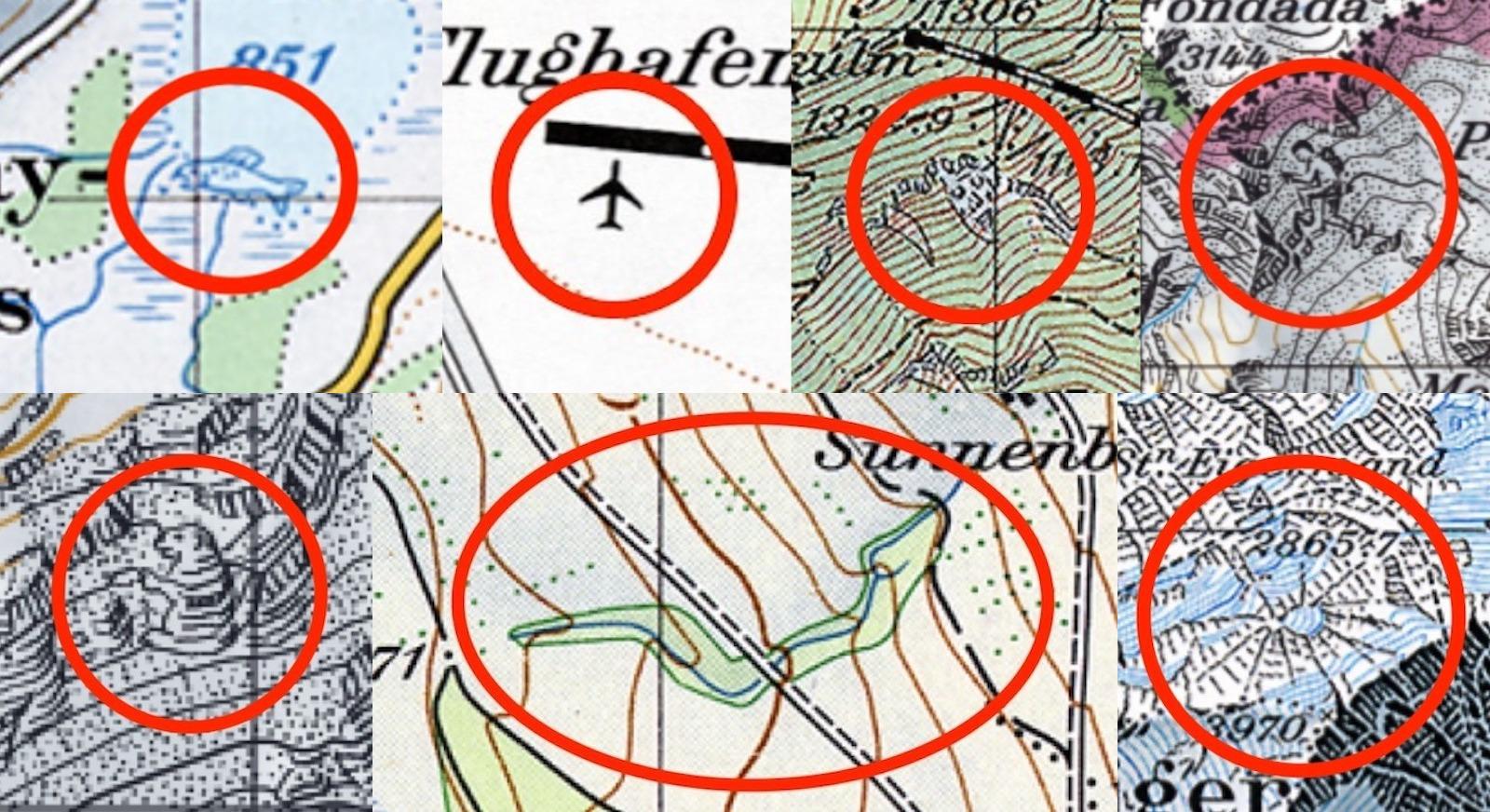
Cartography is serious business in Switzerland — but once in a while, the occasional map gag slips through.
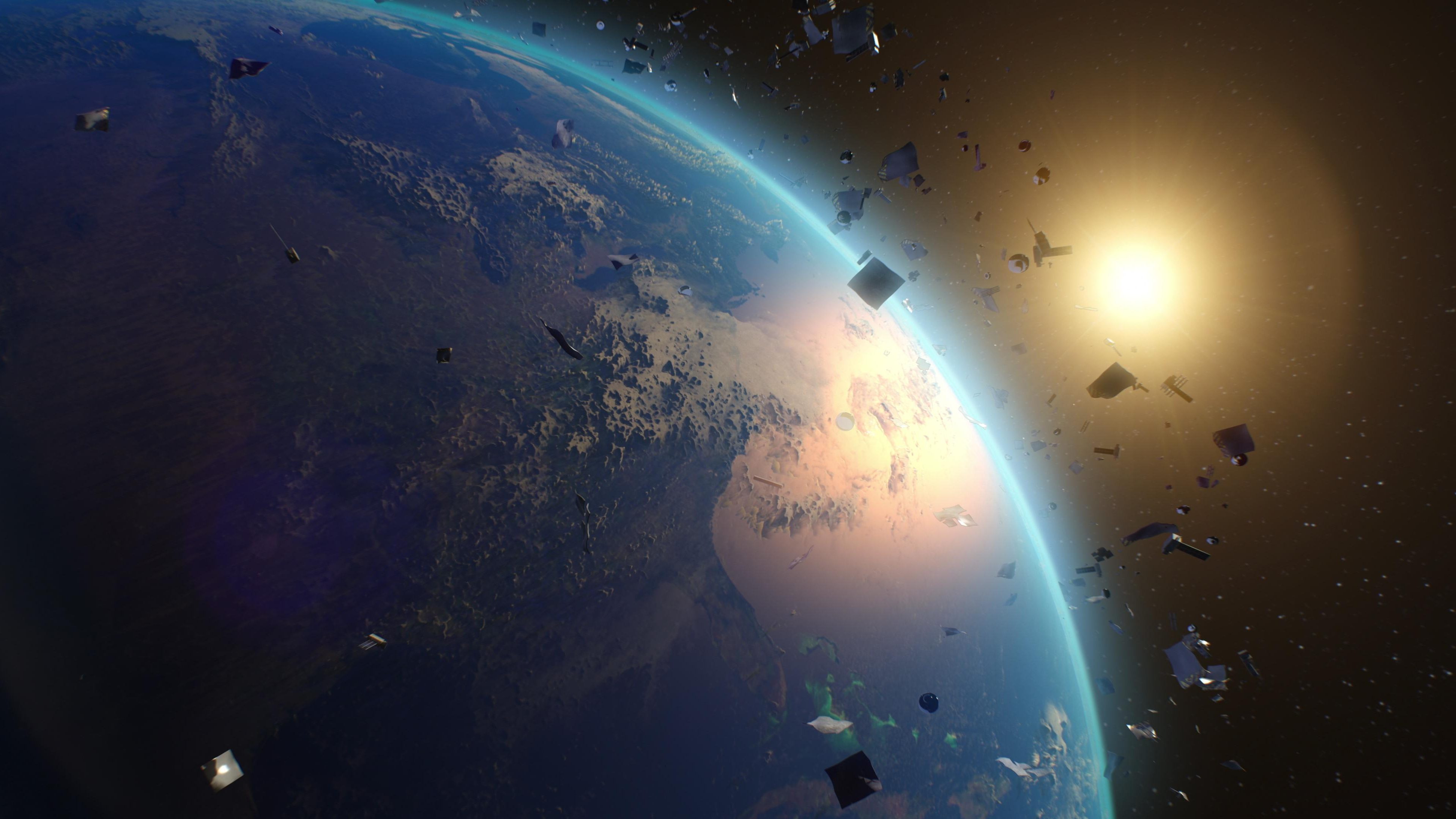
Since 1957, the world’s space agencies have been polluting the space above us with countless pieces of junk, threatening our technological infrastructure and ability to venture deeper into space.
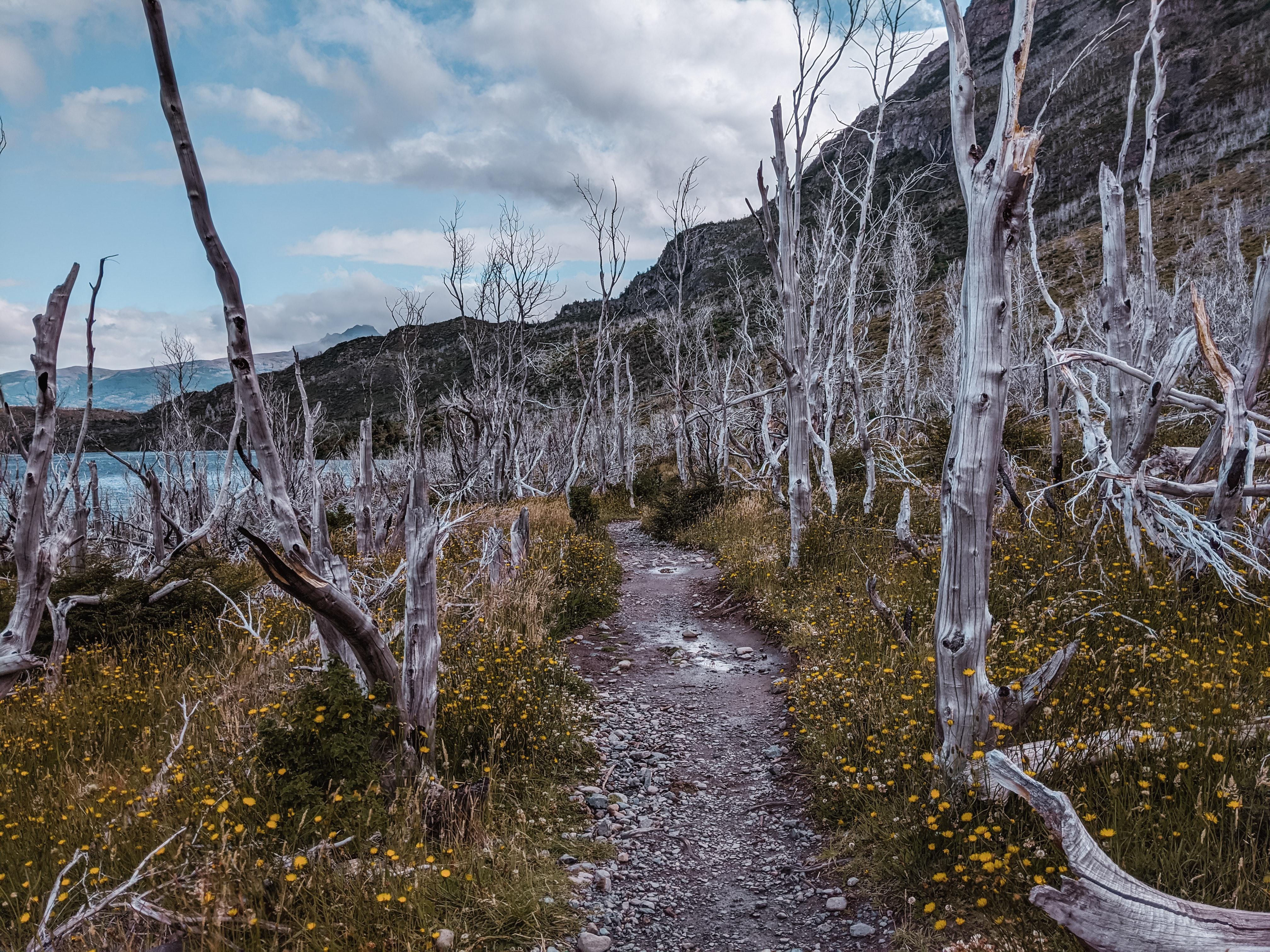
Seawater is raising salt levels in coastal woodlands along the entire Atlantic Coastal Plain, from Maine to Florida.