innovation
Welcome to The Nightcrawler — a weekly newsletter from Eric Markowitz covering tech, innovation, and long-term thinking.
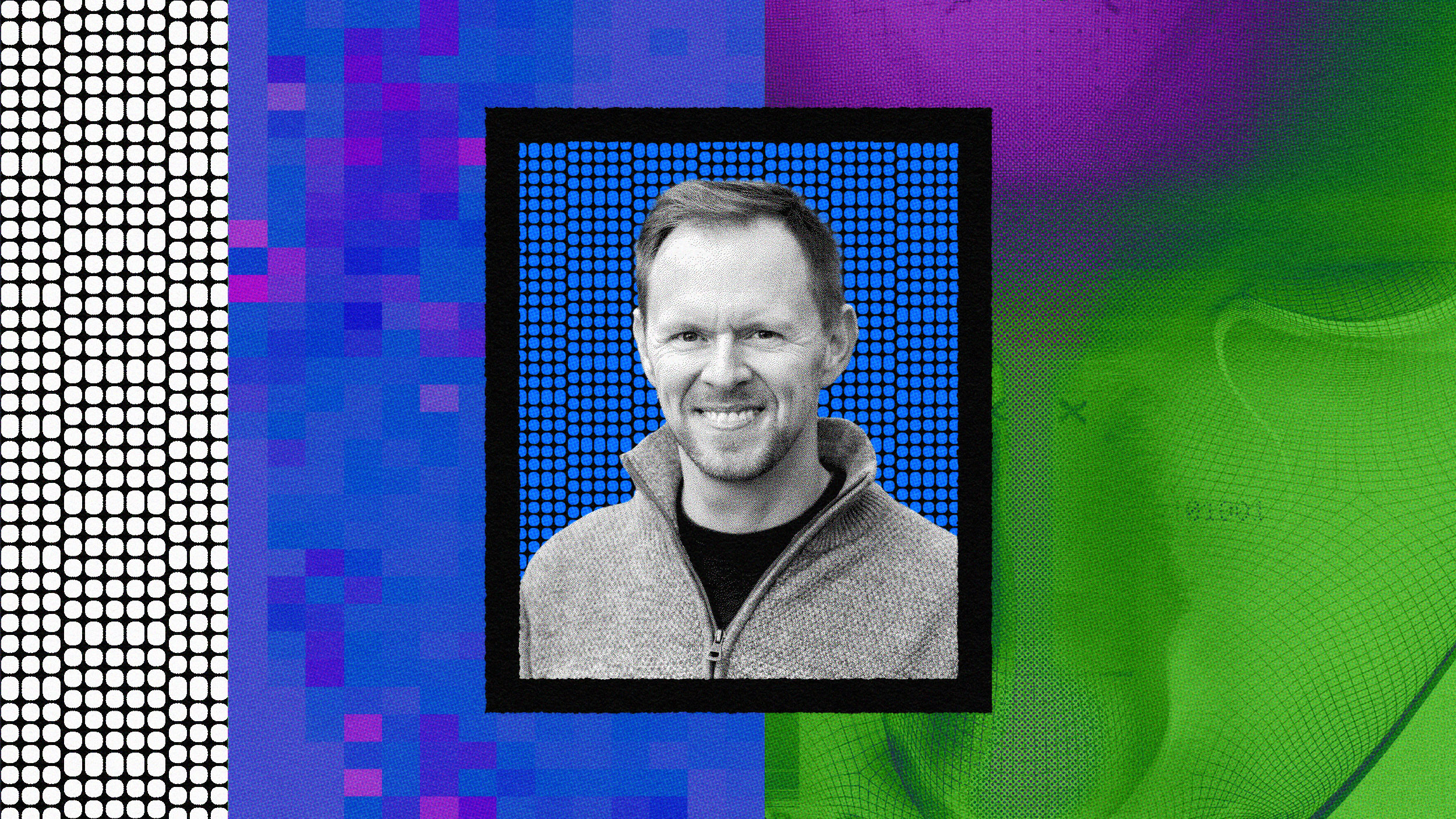
Mike Bechtel, chief futurist with Deloitte Consulting LLP, joins Big Think for a wide-ranging look at what’s next — and why.
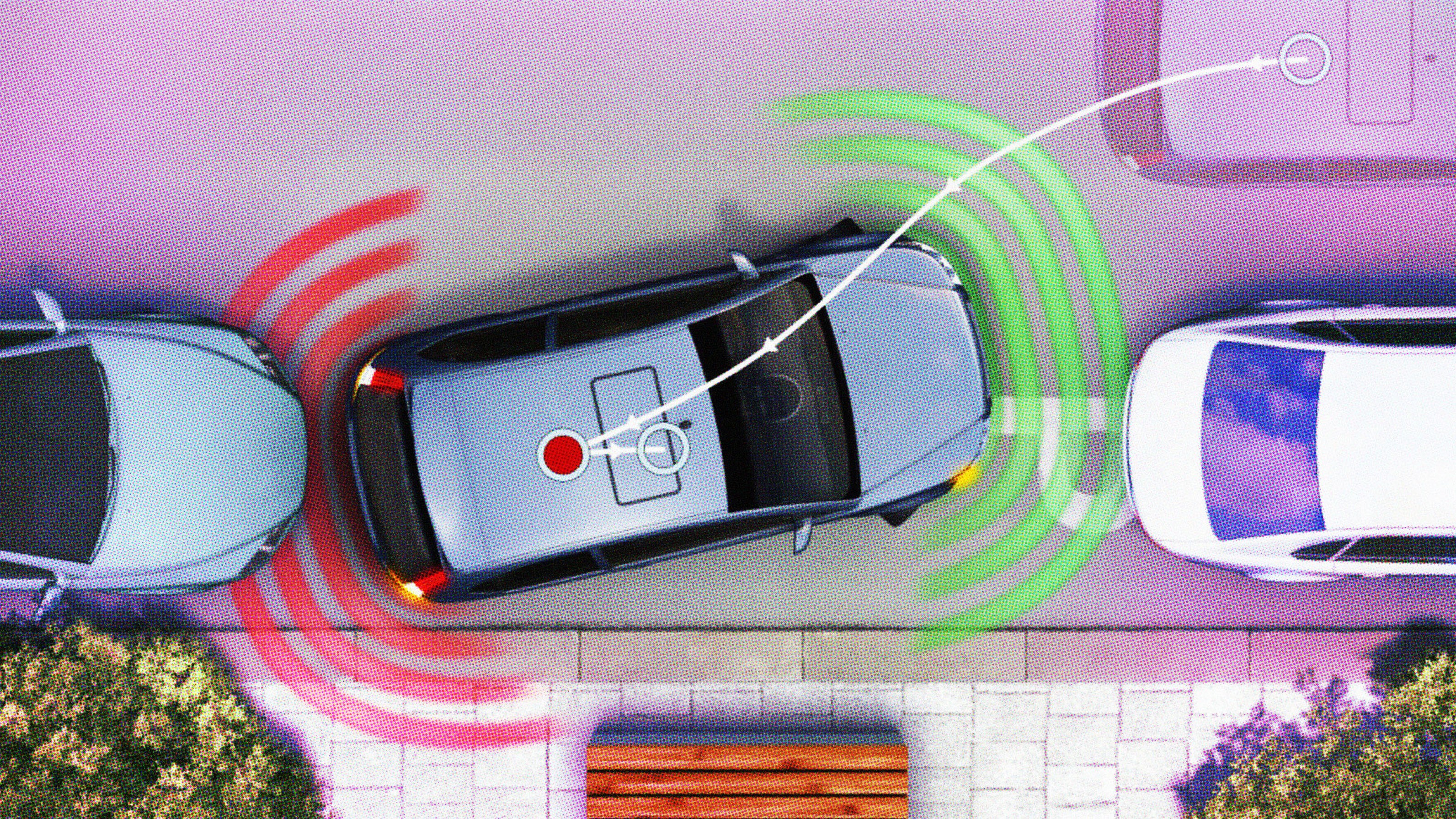
Why the road to self-driving vehicles is paved with smarter “dumb” cars.
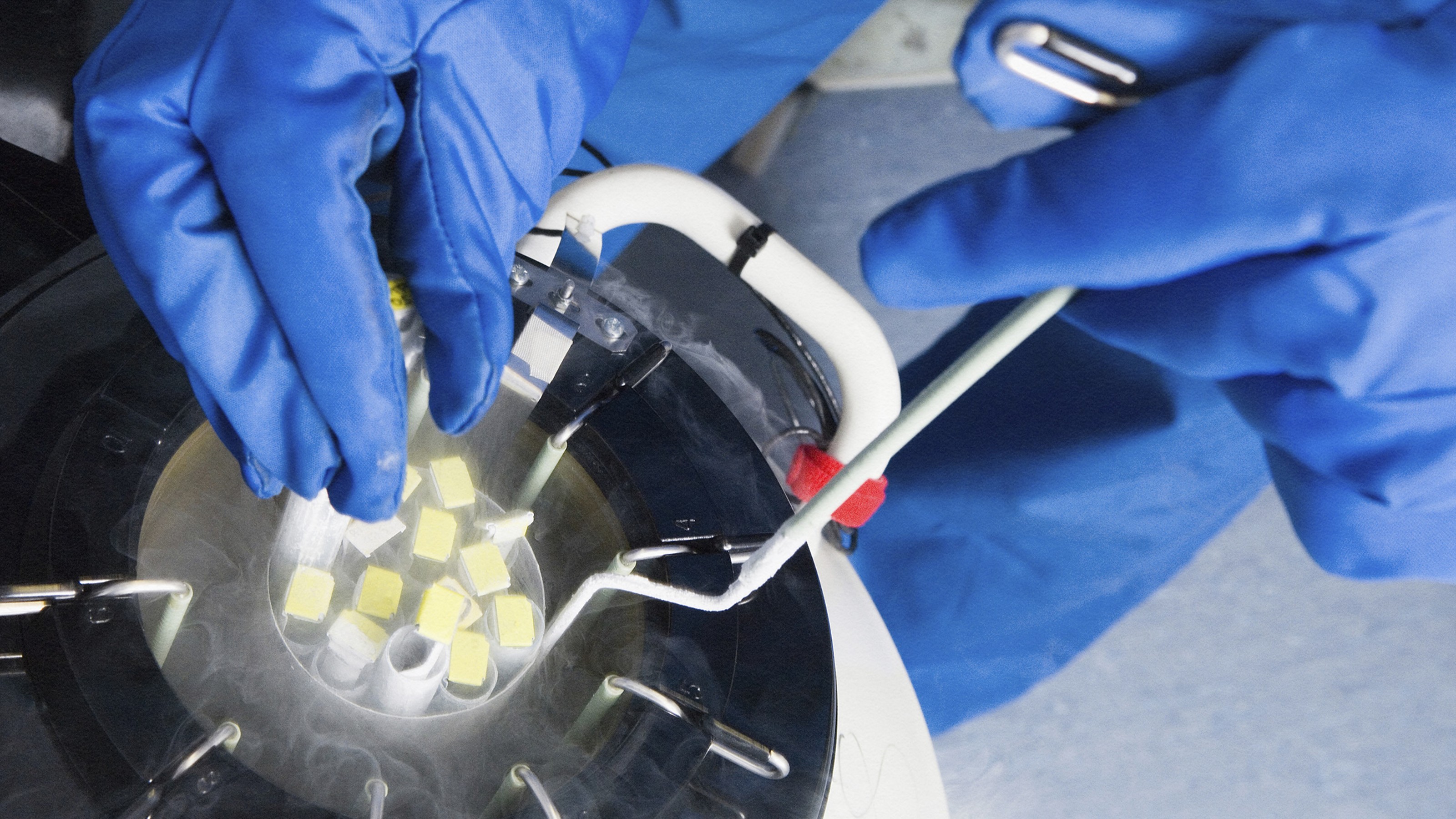
How technology could change everything we thought we knew about reproduction.
These startups, space agencies, and aerospace giants are building humanity’s next off-world homes.

Quantum computing brings significant opportunities — but equally significant cybersecurity risks.

In a world of distractions, several remarkable companies show why focus is the ultimate strategy for endurance.

When AI eats its own product, it gets sick.
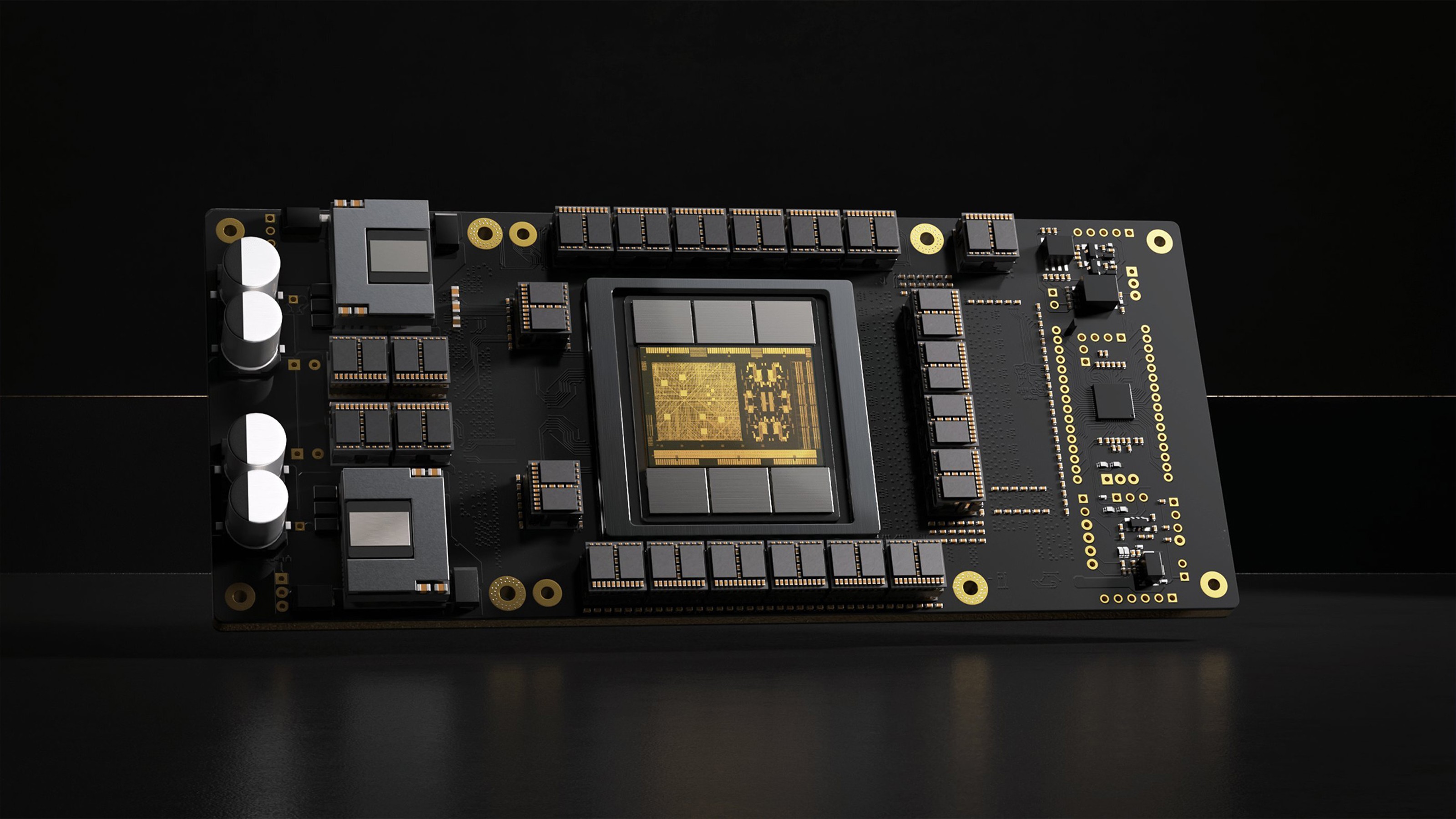
Just eight of Etched’s Sohu chips could replace 160 Nvidia GPUs.
Welcome to The Nightcrawler — a weekly newsletter from Eric Markowitz covering tech, innovation, and long-term thinking.
For extraordinary long-term success in business we can look to insights from British Olympic cycling, Roger Federer and neuroeconomics.

Evidence shows that “centaurs” — human–AI teaming — produce better performance than either people or software can achieve alone.
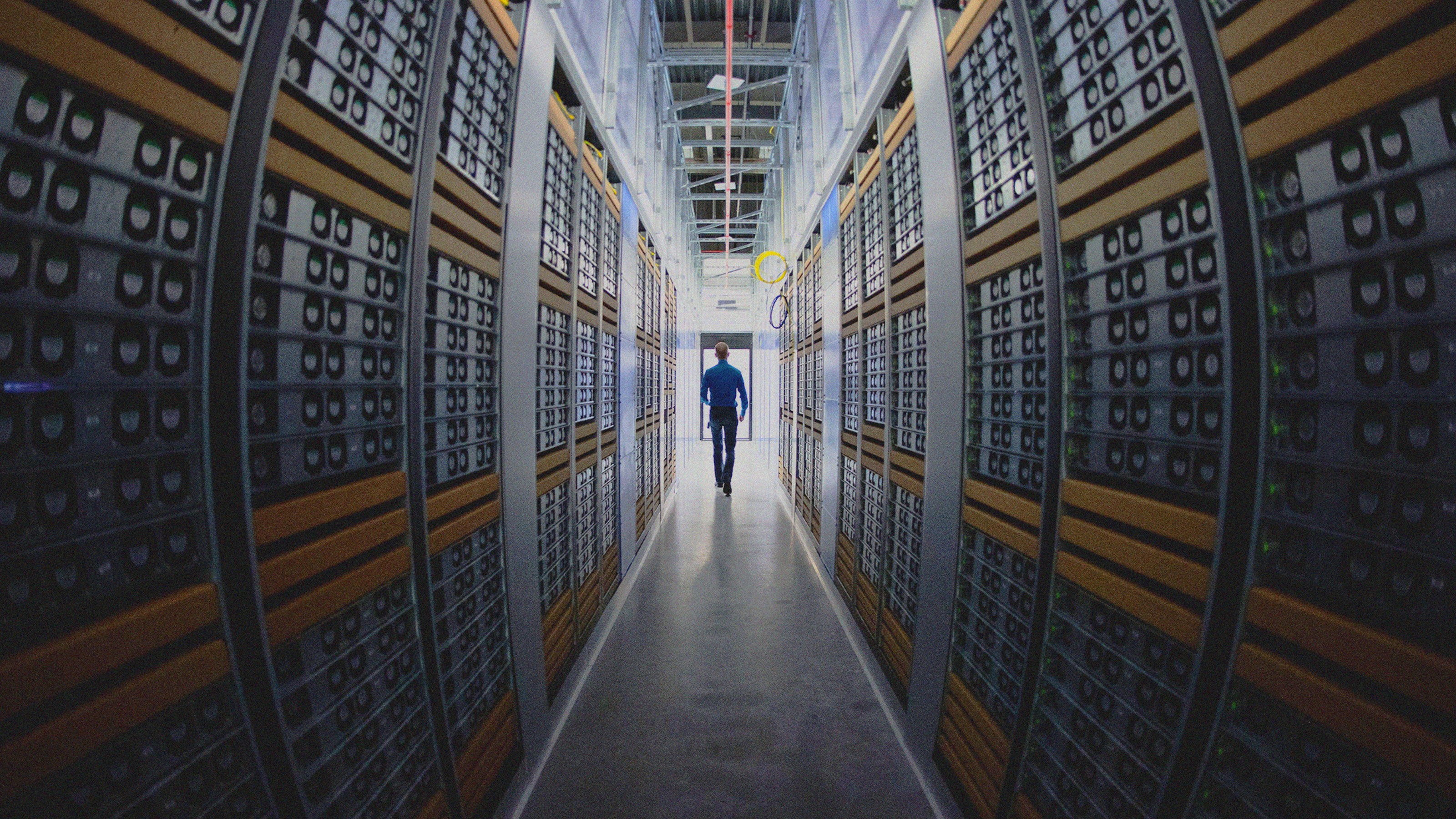
We need more data centers for AI. Developers are getting creative about where to build them.
There is one obstacle that reliably blocks innovative ideas: how we fund science.
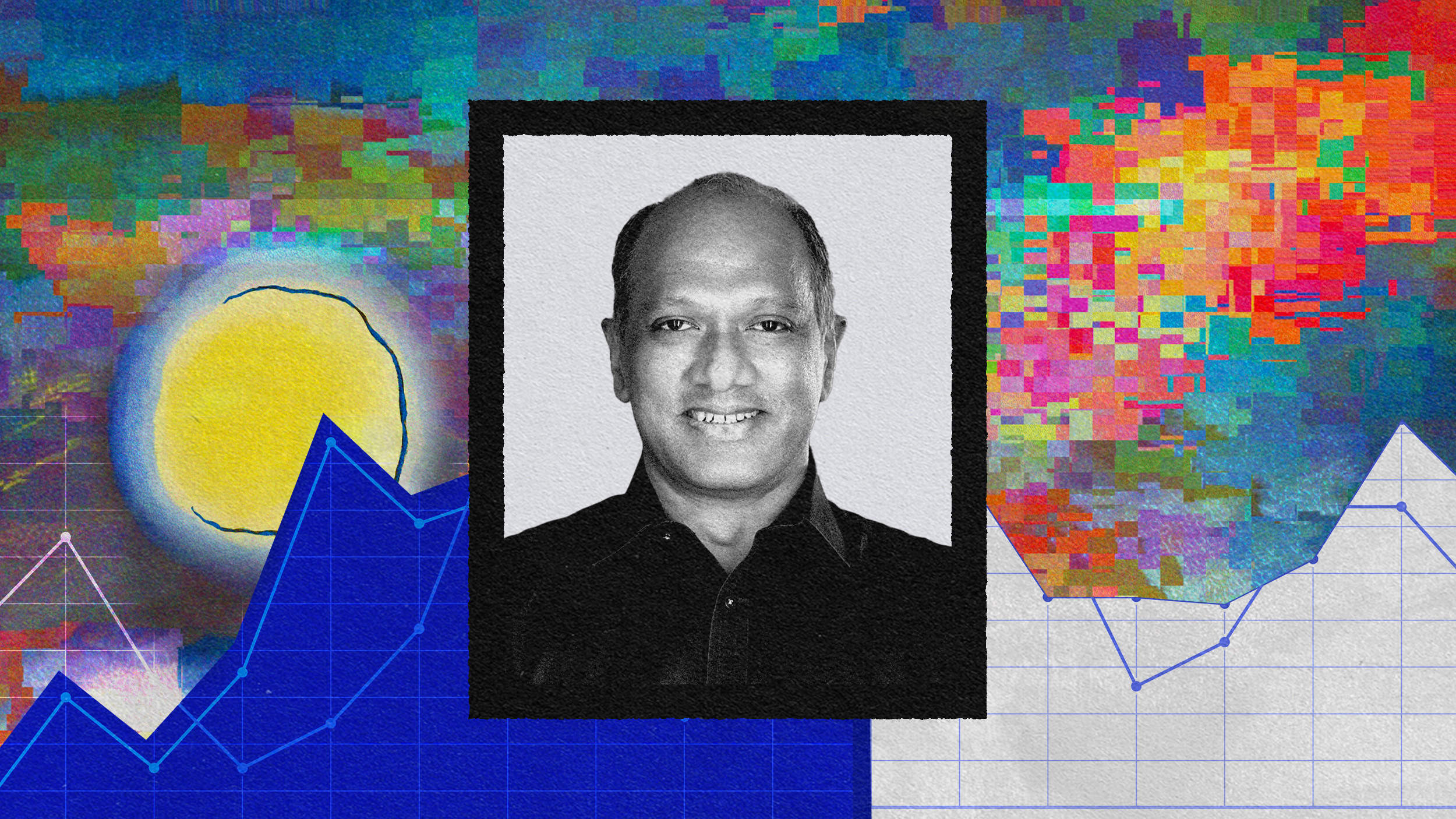
Vijay Tella — CEO of enterprise orchestration unicorn Workato — joins Big Think Business for an exploration of our “agentic” future.

These missions will put us one step closer to the ultimate goal: crewed trips to Mars.

His $1 million ARC Prize competition is designed to put us on the right path.

More accurate uncertainty estimates could help users decide about how and when to use machine-learning models in the real world.

The lithium-ion alternatives could help create a safer, greener future.
Quibi was so focused on foresight they forgot the basics of hindsight.
AI researcher and author Ken Stanley wonders how our rear-view perspective on success fits into a serendipitous mode of innovation.

Can AI-powered “answer engines” replace the 10 blue links model?
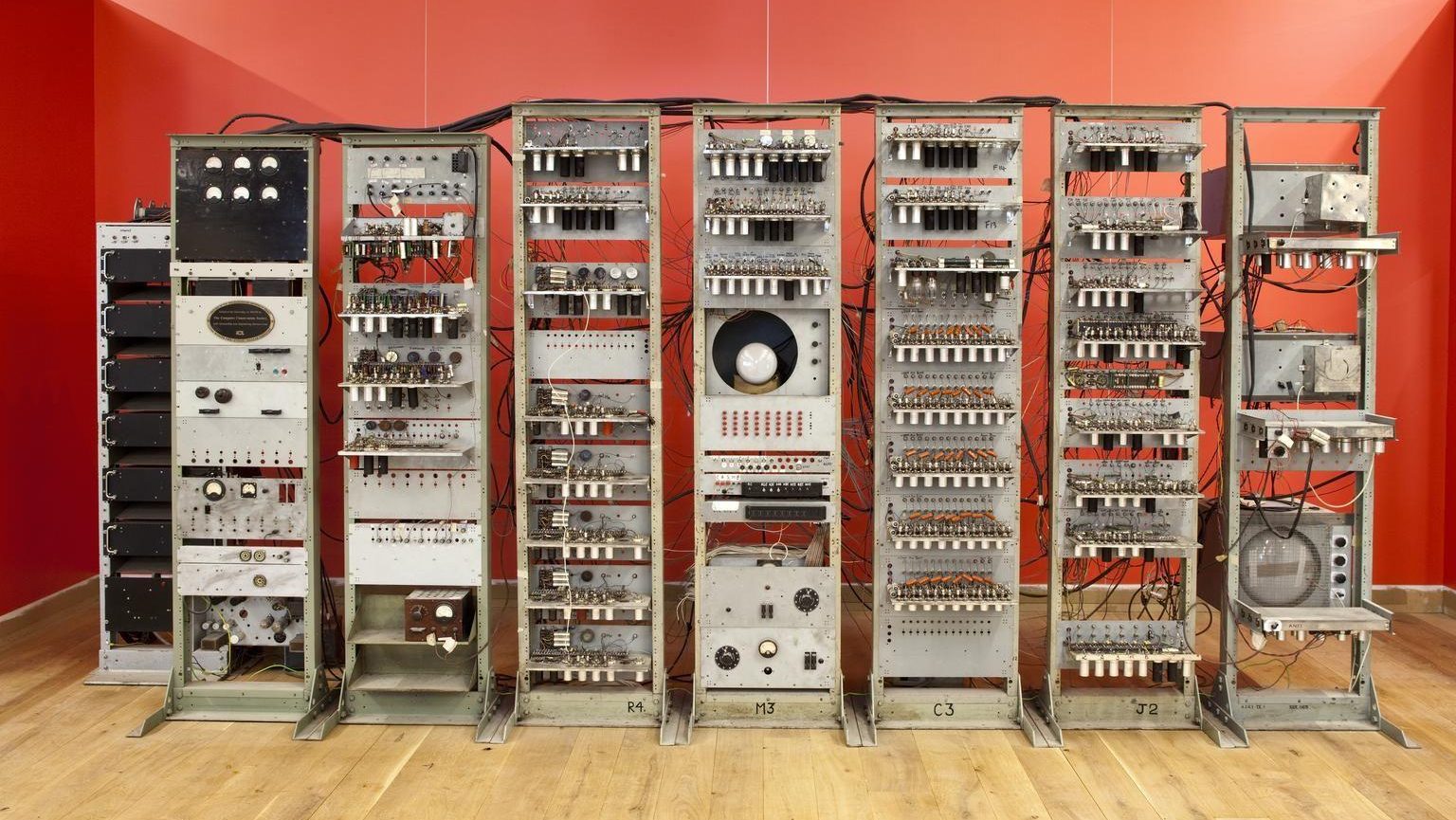
Alan Turing and Christopher Strachey created a ground-breaking computer program that allowed them to express affection vicariously when so doing publicly, as gay men, was criminal.
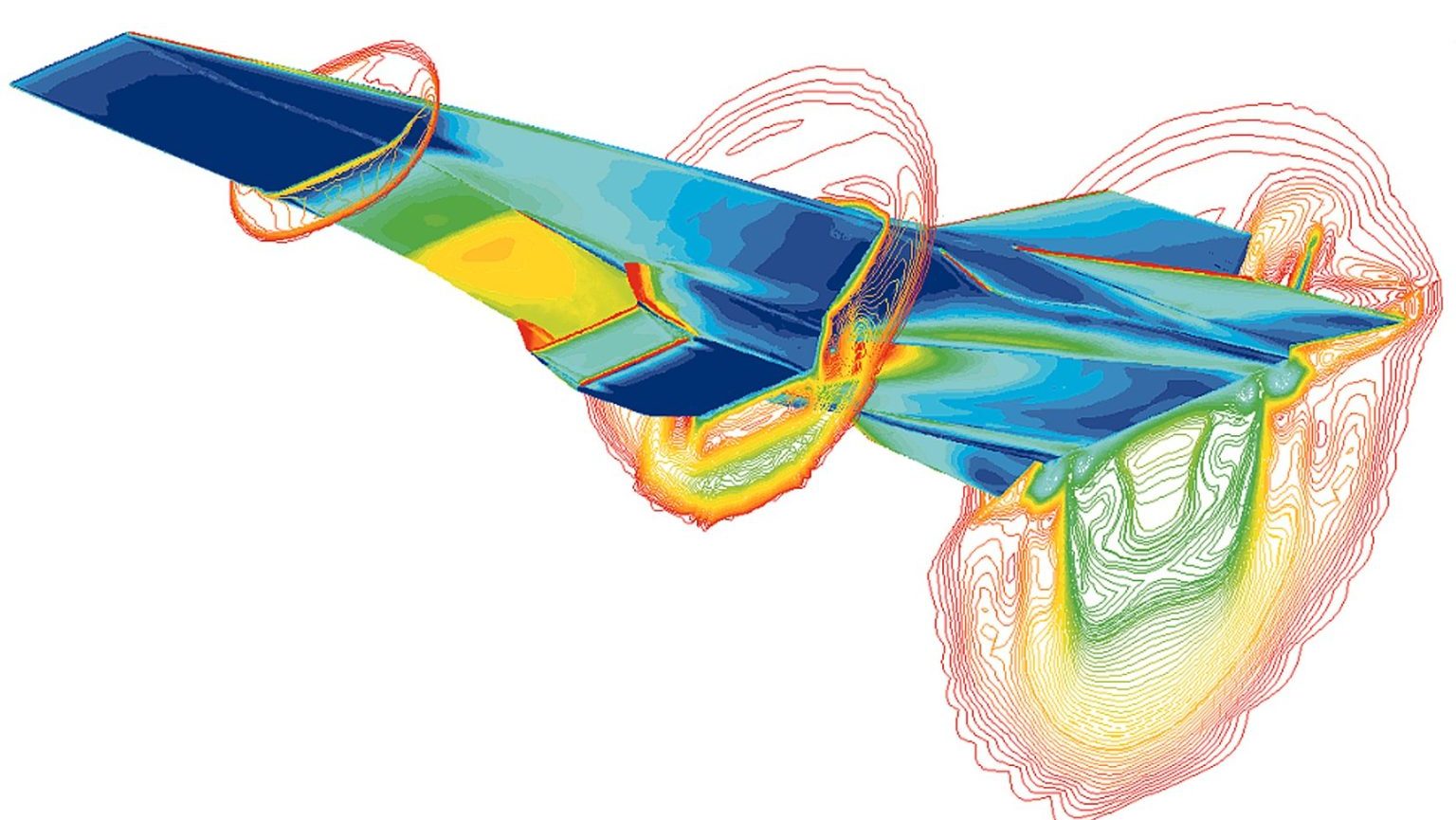
Hypersonic aircraft can fly at least five times the speed of sound. They would make for terrifying weapons.
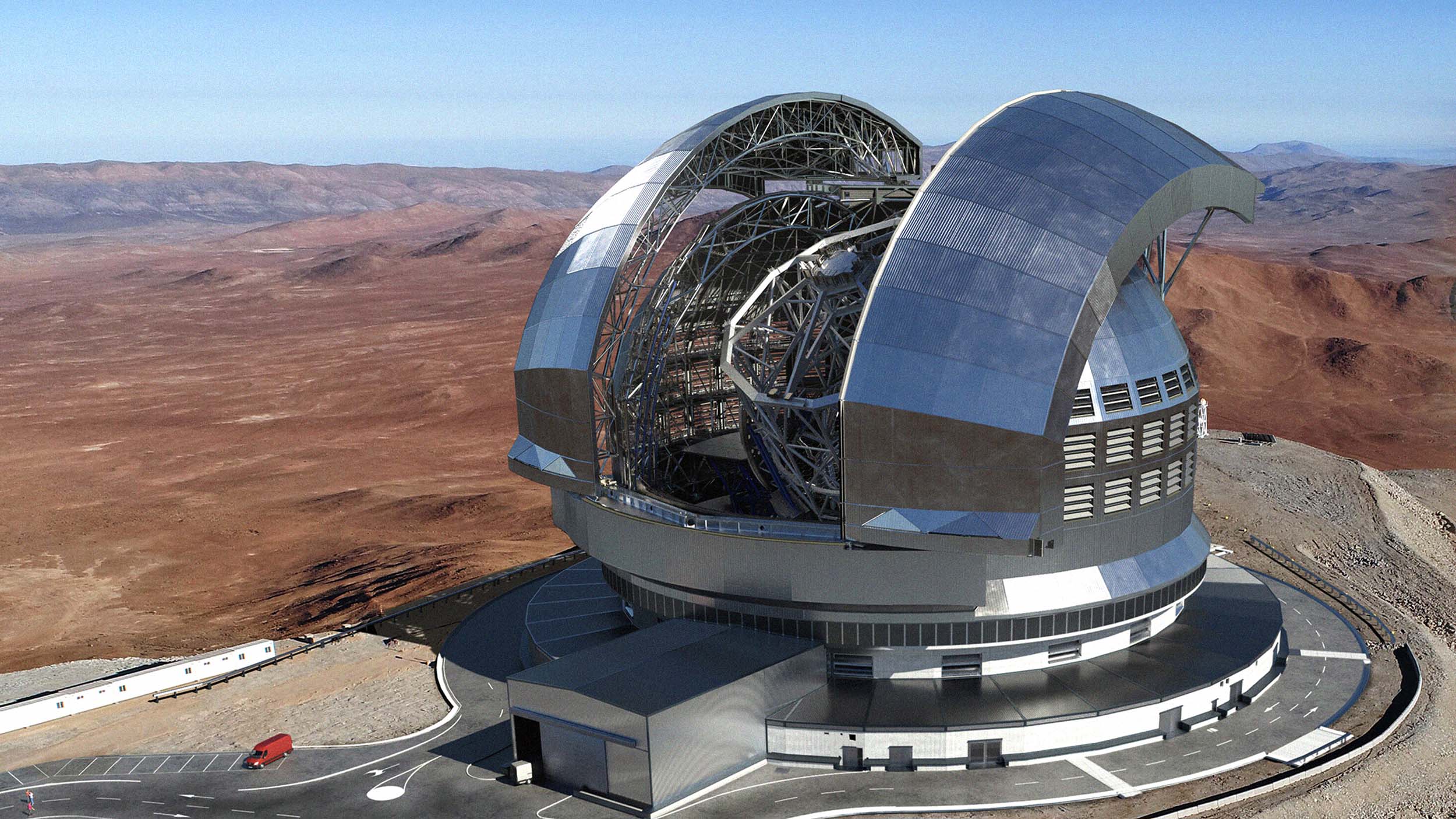
The Extremely Large Telescope (ELT) will have a light-collecting power 10 times greater than today’s best telescope.
Cam Lawrence — CEO of international venture platform Newlab — joins Big Think Business to discuss his strategic vision for climate tech.
Google’s first Chief Innovation Evangelist — Frederik Pferdt — lays out a map for navigating unprecedented change and innovation.
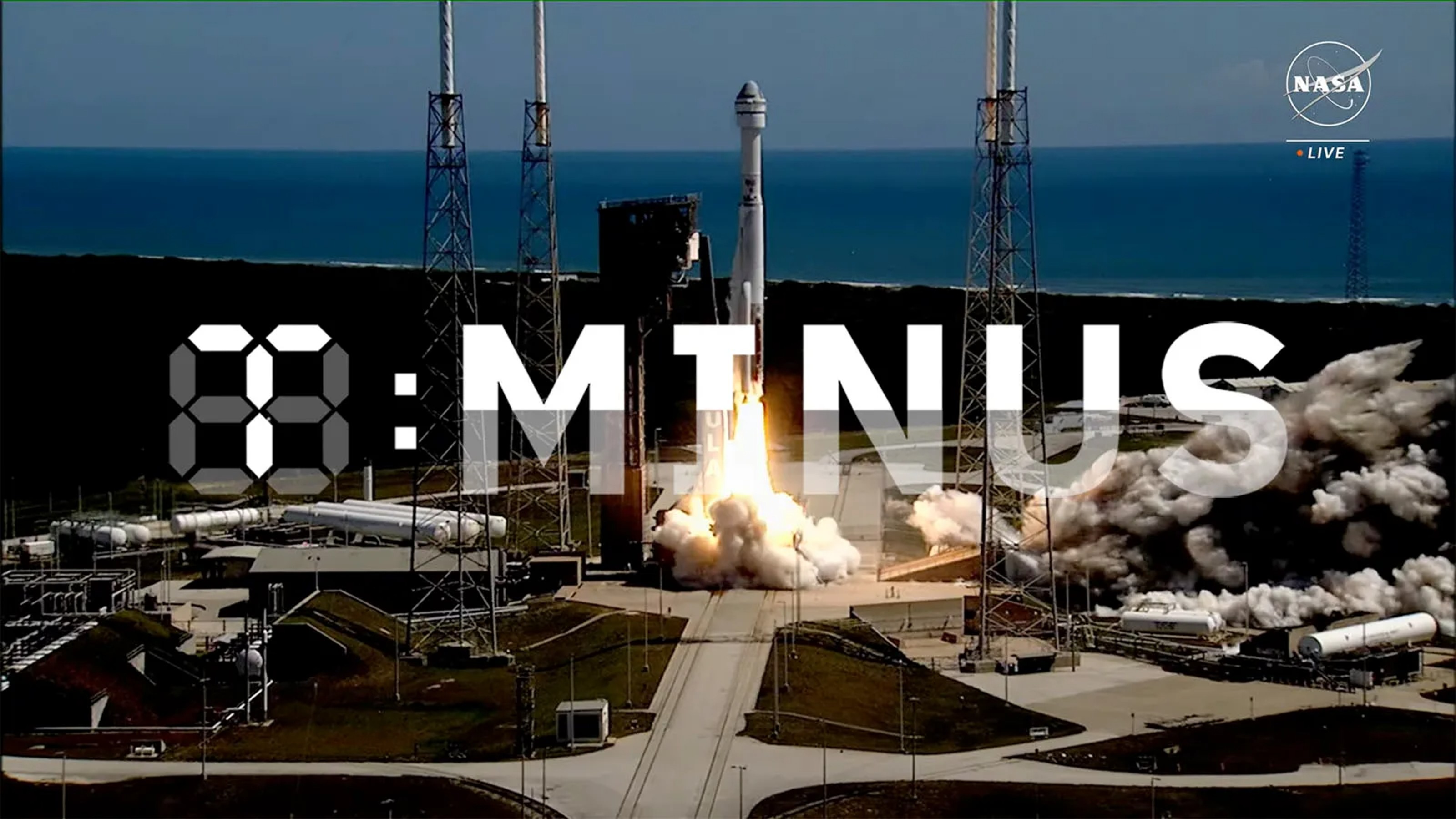
Comparing Elon Musk’s Mars rocket to NASA’s new ride.
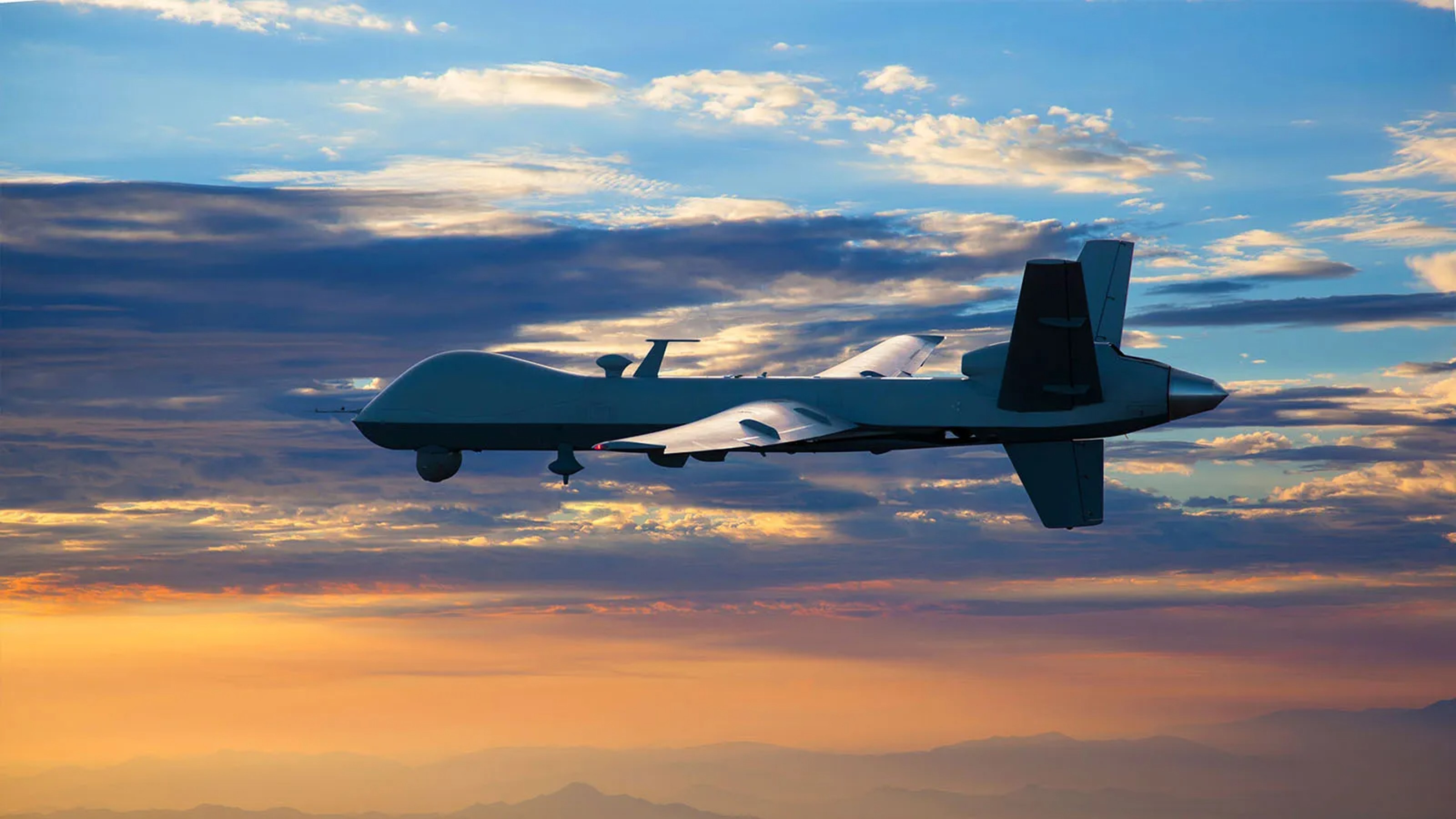
The military is courting tech startups to help it win the AI arms race.
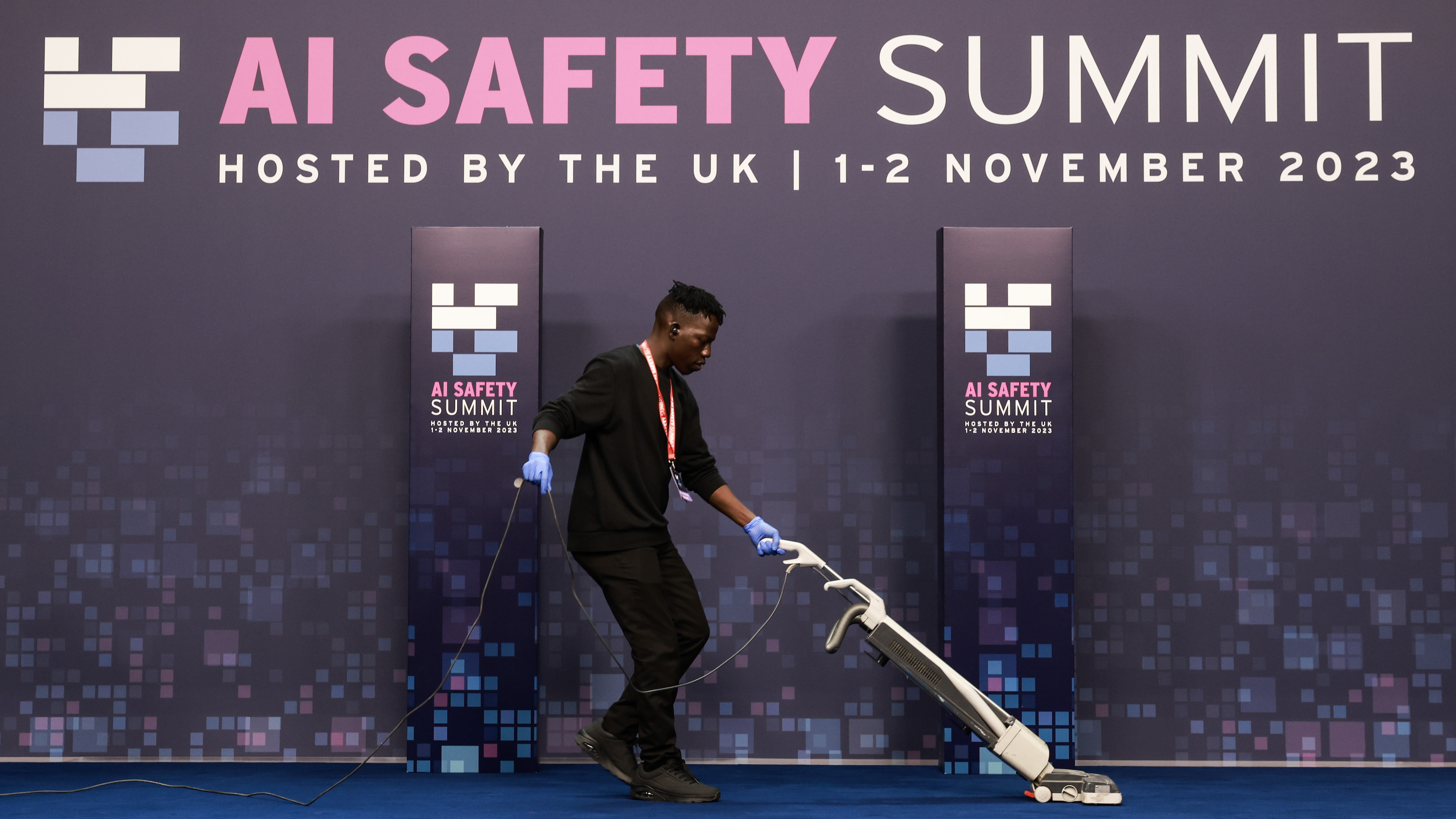
A golden new era of business is within our reach — provided that we harness AI’s potential while mitigating the risks.