science
The answer is surprisingly simple, if cataclysmic.
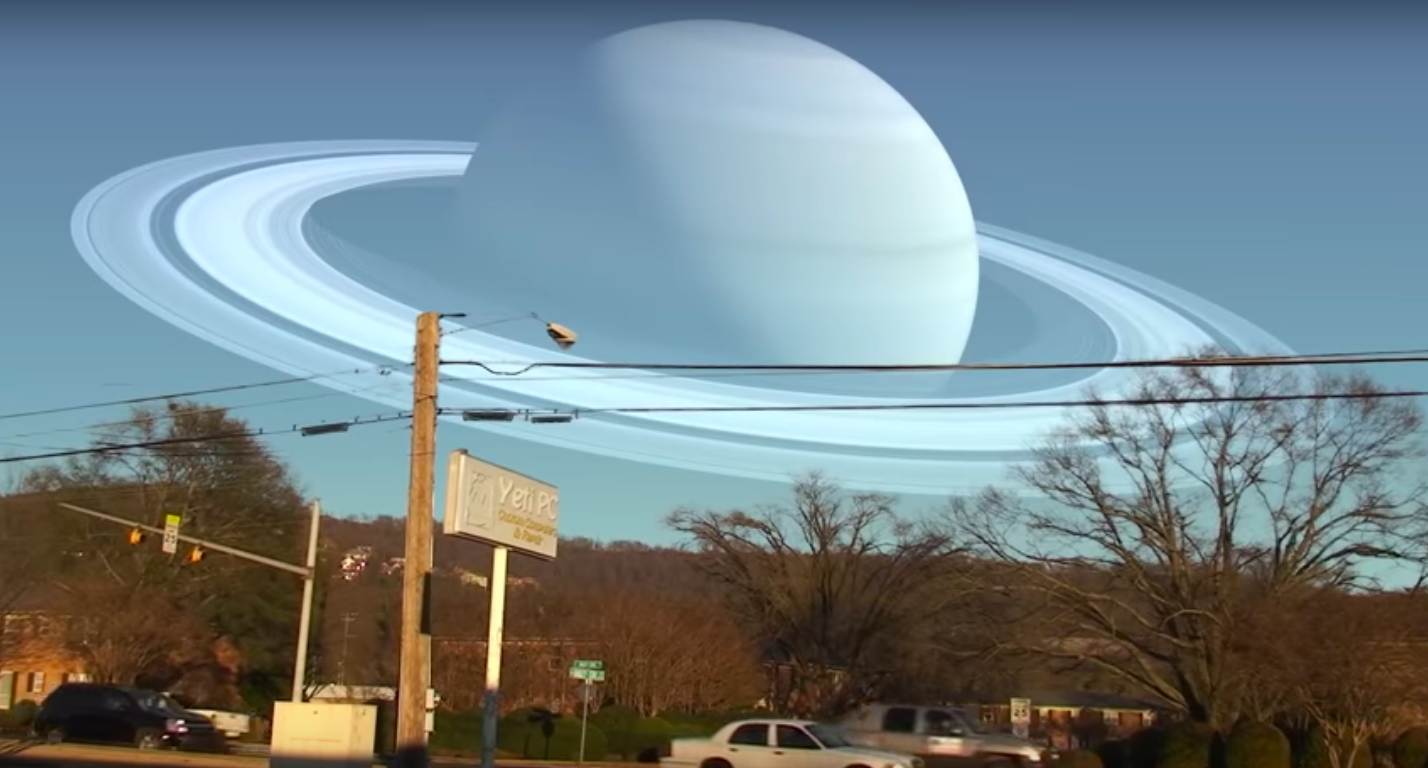
What if all planets were the same distance from Earth as the Moon?
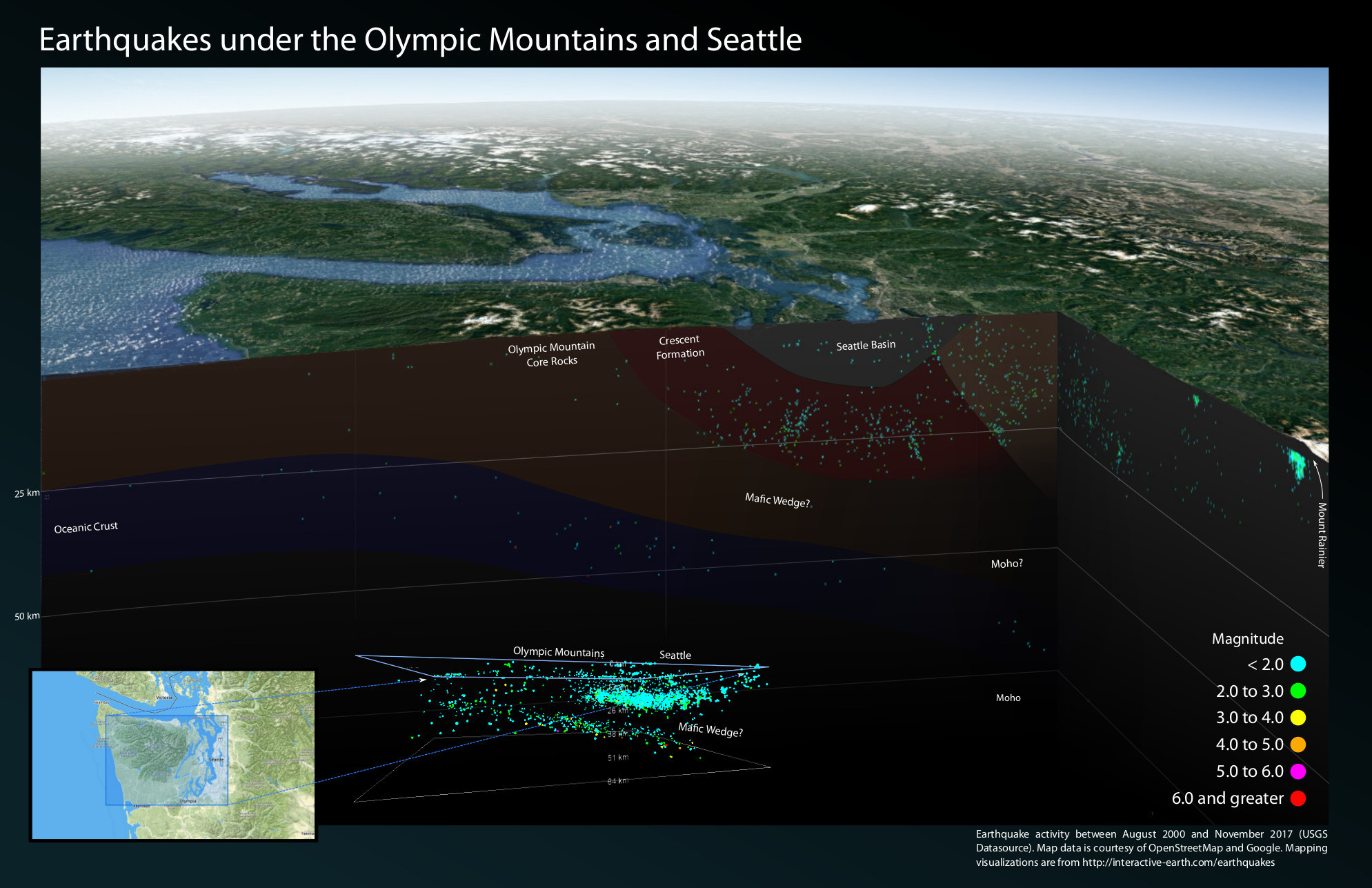
Geologists may have spotted evidence of the beginning stages of a subduction zone, a process that drives the movement of Earth’s tectonic plates.

Light exists outside of time.
▸
4 min
—
with

Here’s why stars fade out — and so do we.
▸
4 min
—
with
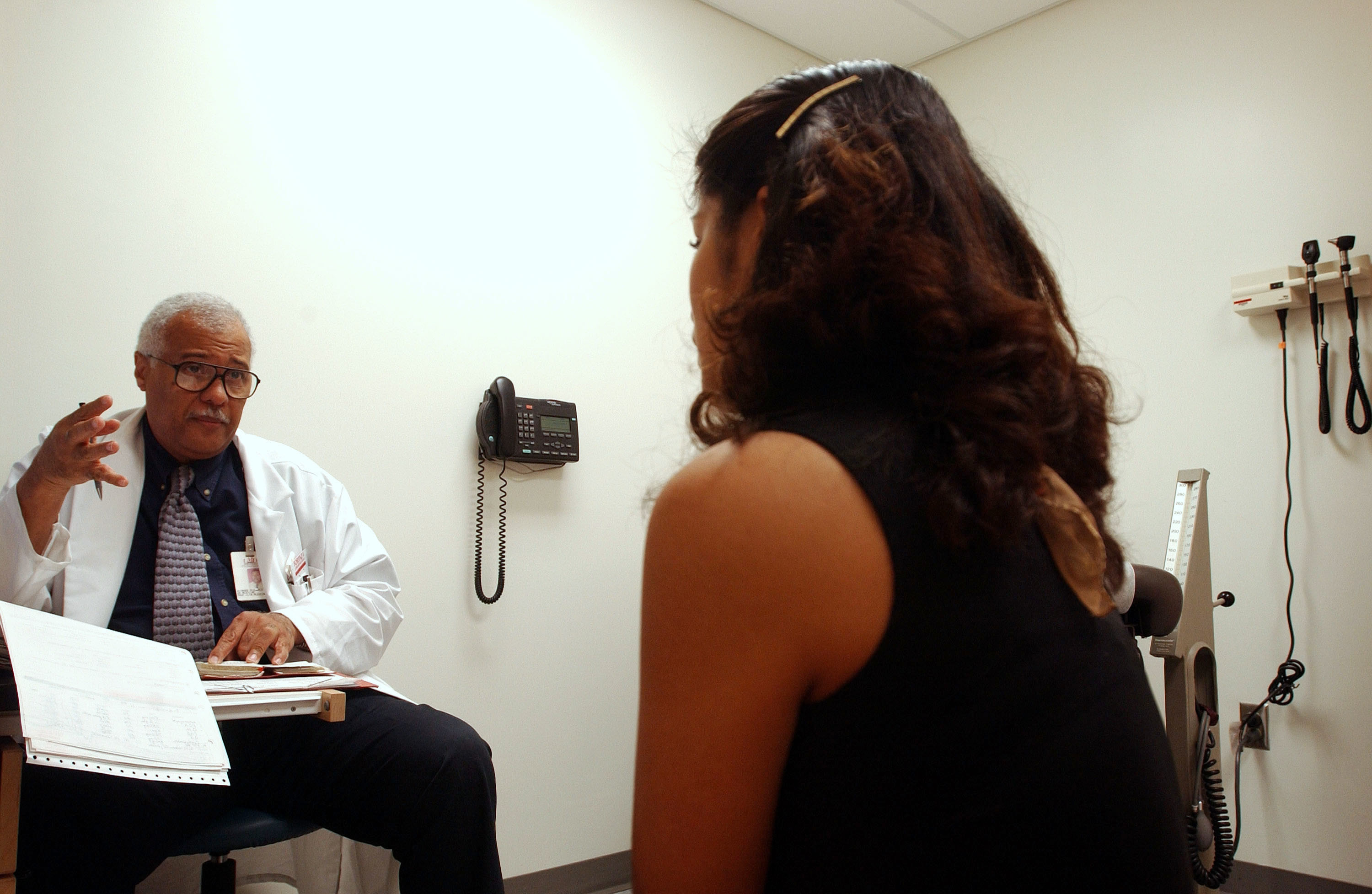
Antibiotics are often the fastest and simplest way for doctors to help their patients. But with the threat of drug-resistant bacteria, how do we stop prescribing antibiotics?
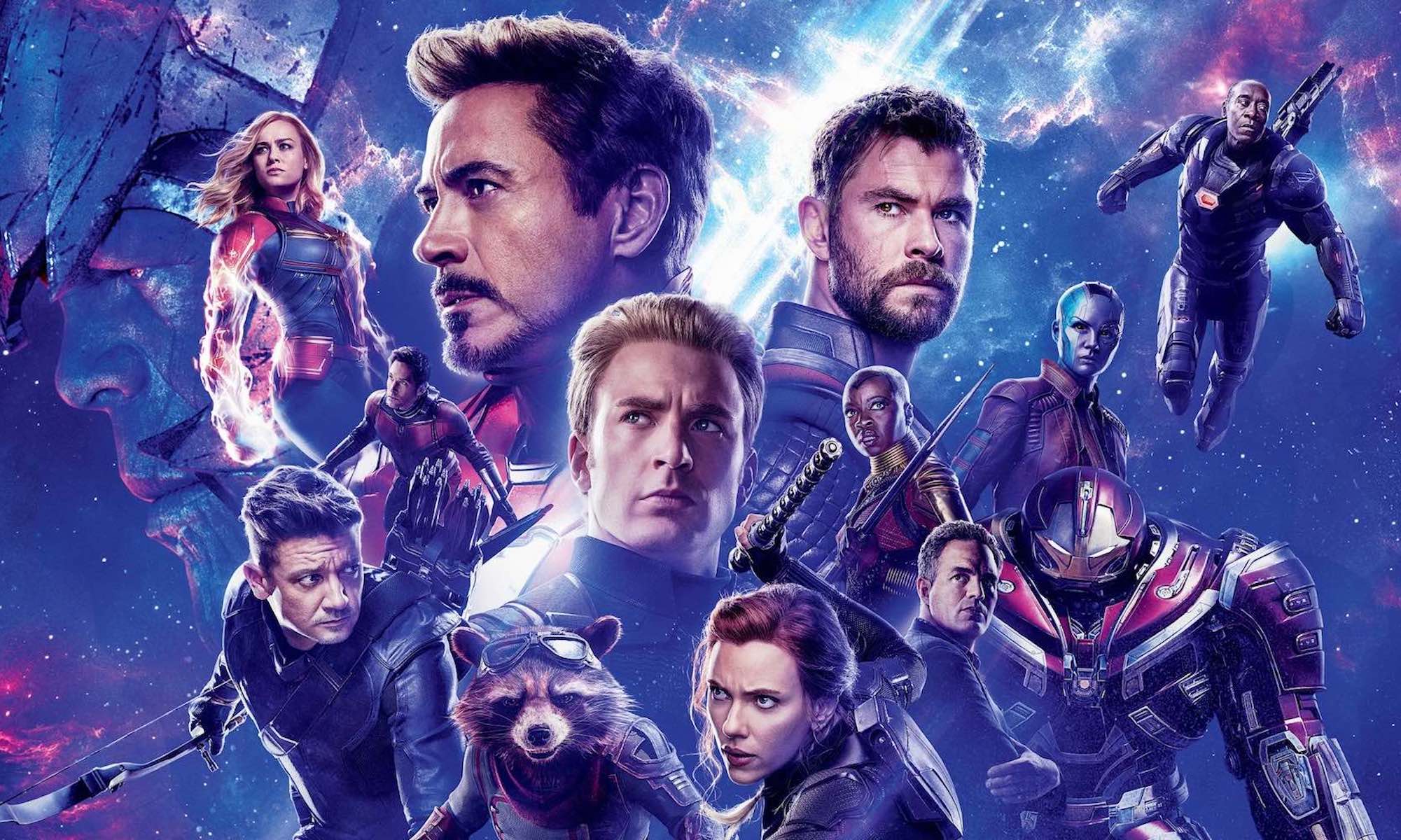
The Avengers movies have done a marvelous job melding science and story.
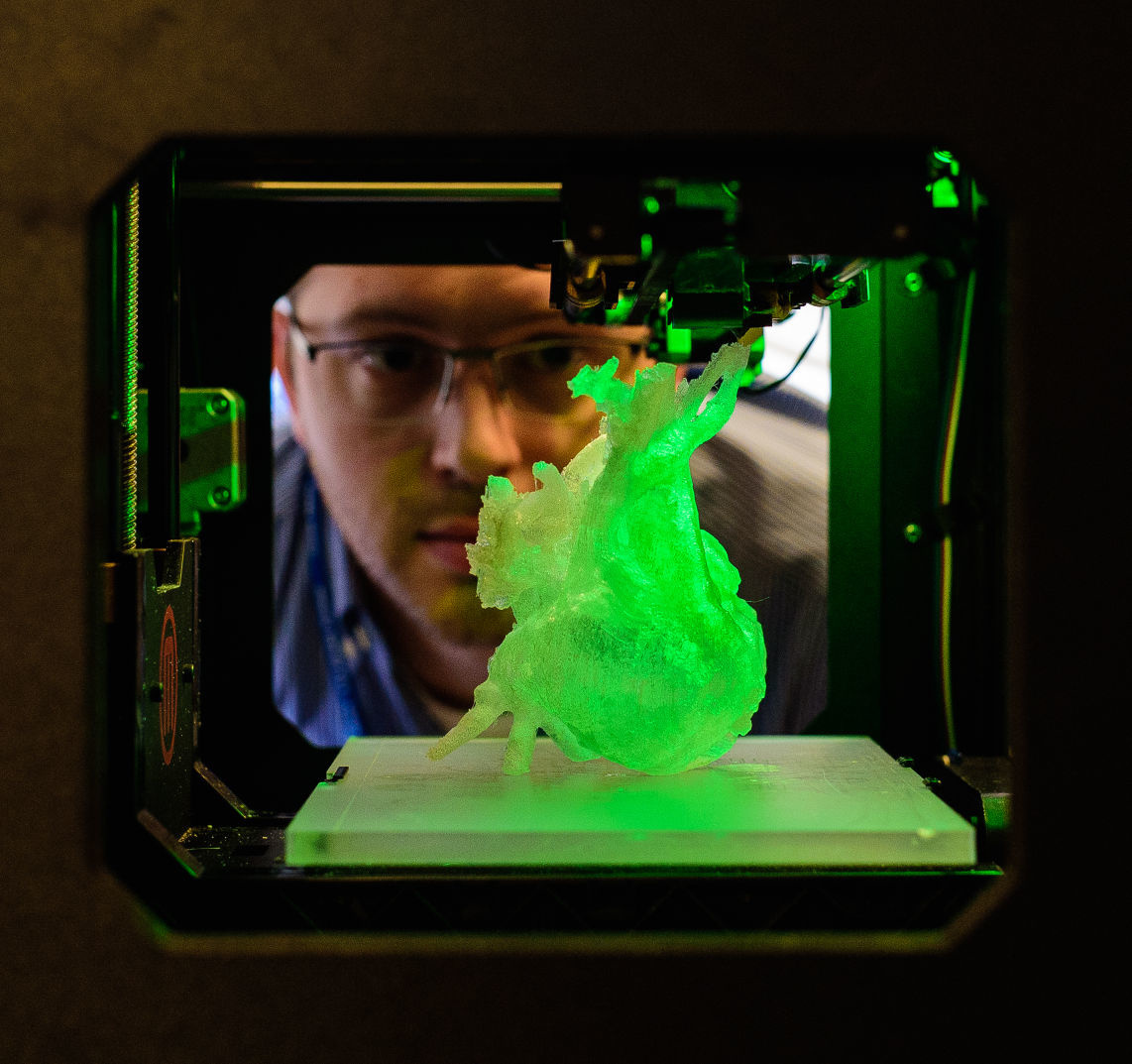
What can 3D printing do for medicine? The “sky is the limit,” says Northwell Health researcher Dr. Todd Goldstein.


Two new studies might have identified whether or not patients will respond to chemotherapy.
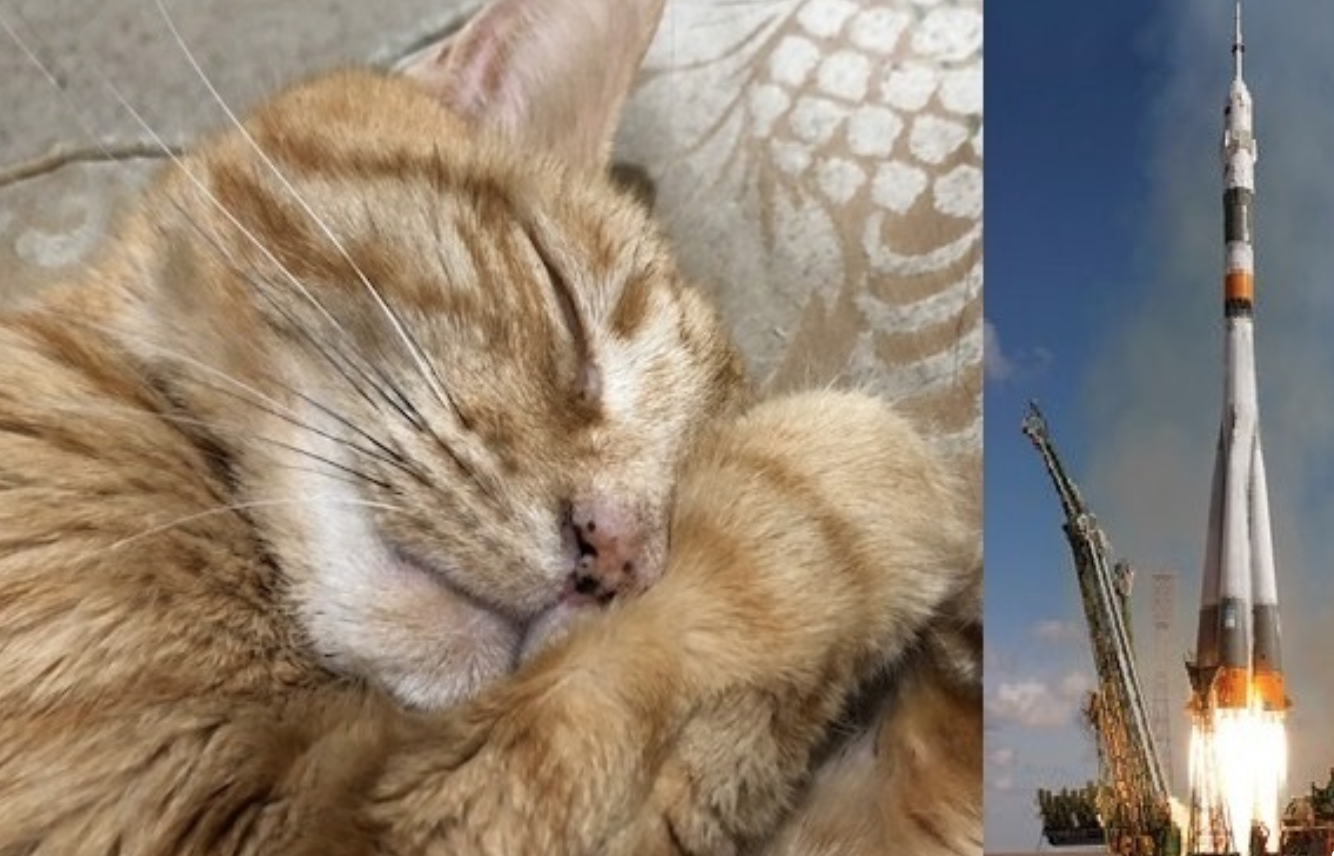
A space memorial company plans to launch the ashes of “Pikachu,” a well-loved Tabby, into space.
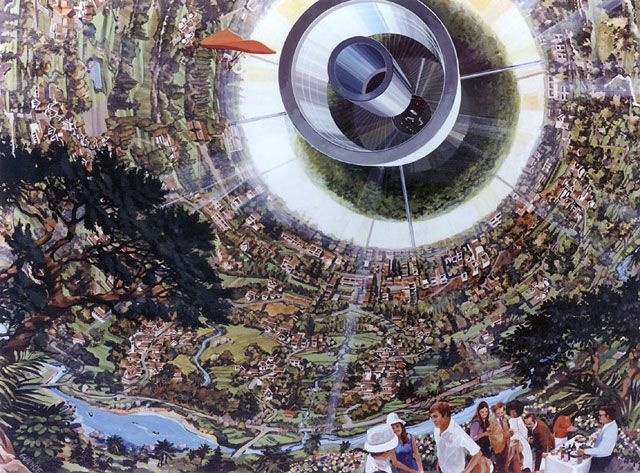
What do the inventions of the future look like?
The team caught a glimpse of a process that takes 18,000,000,000,000,000,000,000 years.

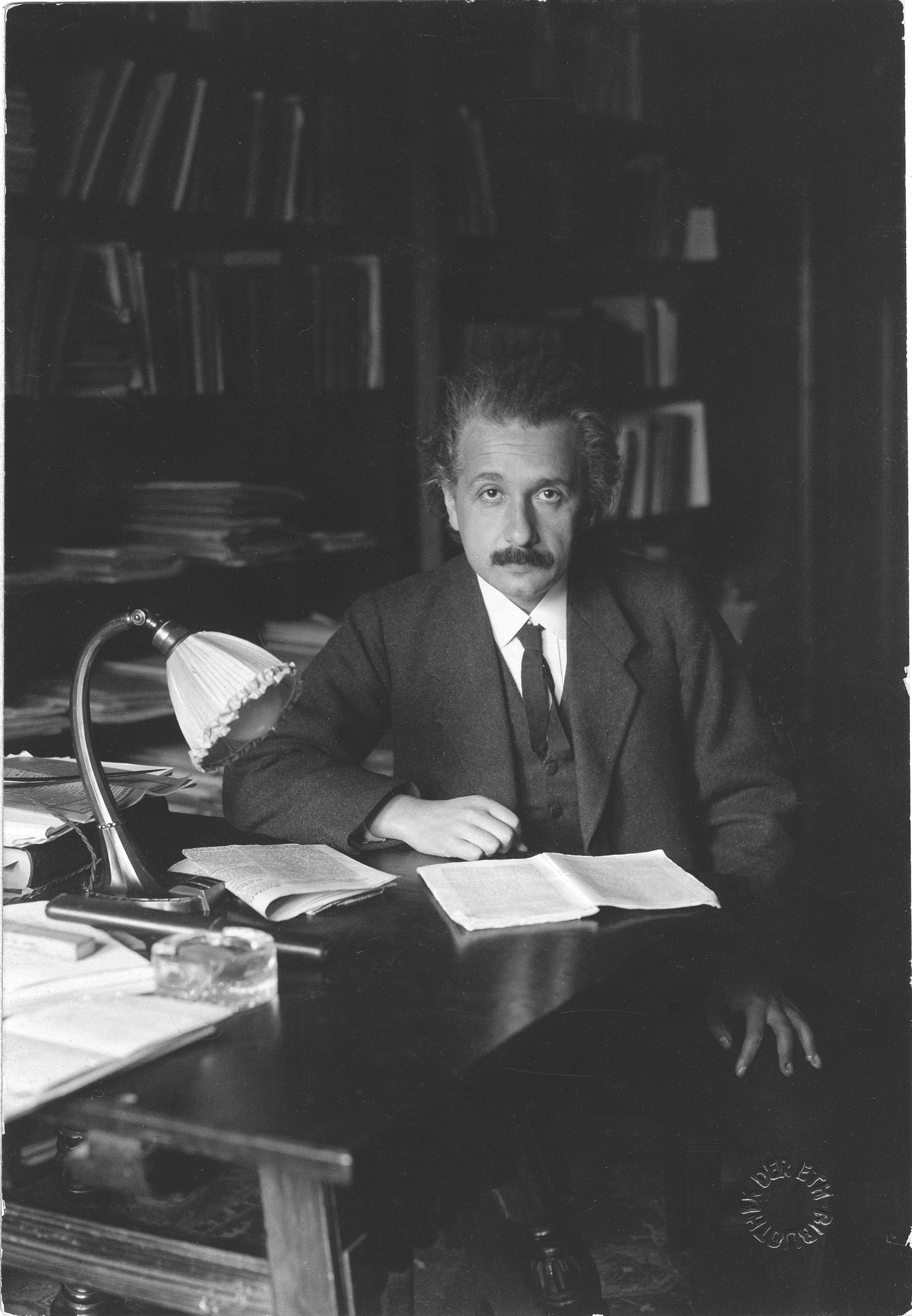
Famous inventors and scientists submission to the daily grind

Believe it or not, for a few decades, giving people “milk transfusions” was all the rage.
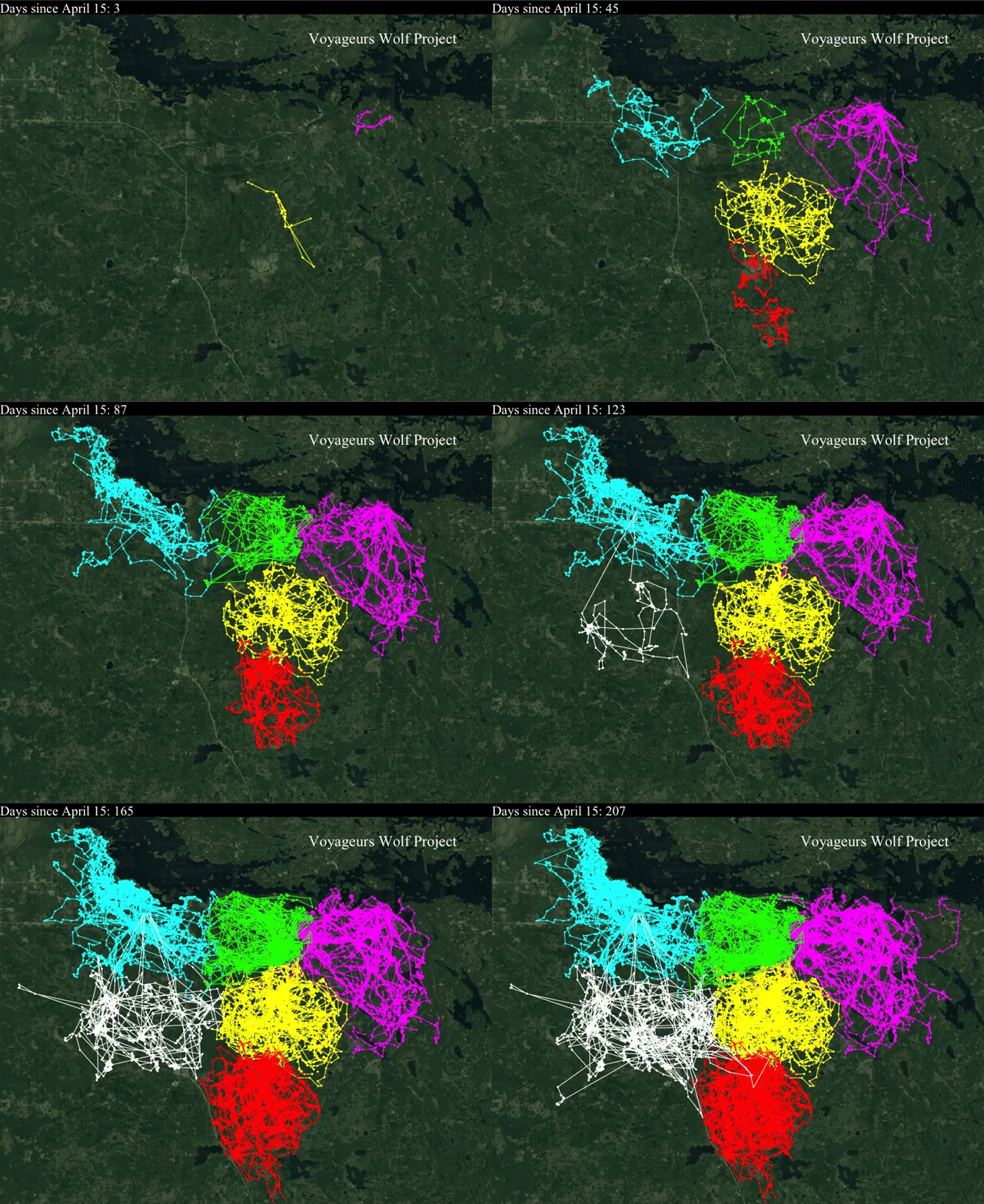
The map shows the movements of seven different wolves over the course of a season.
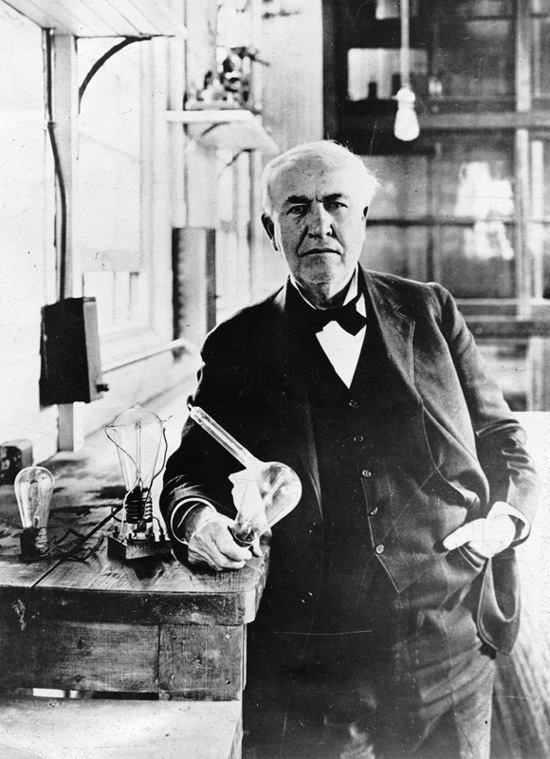

Vitamins do work — when eaten in whole foods, not pills.

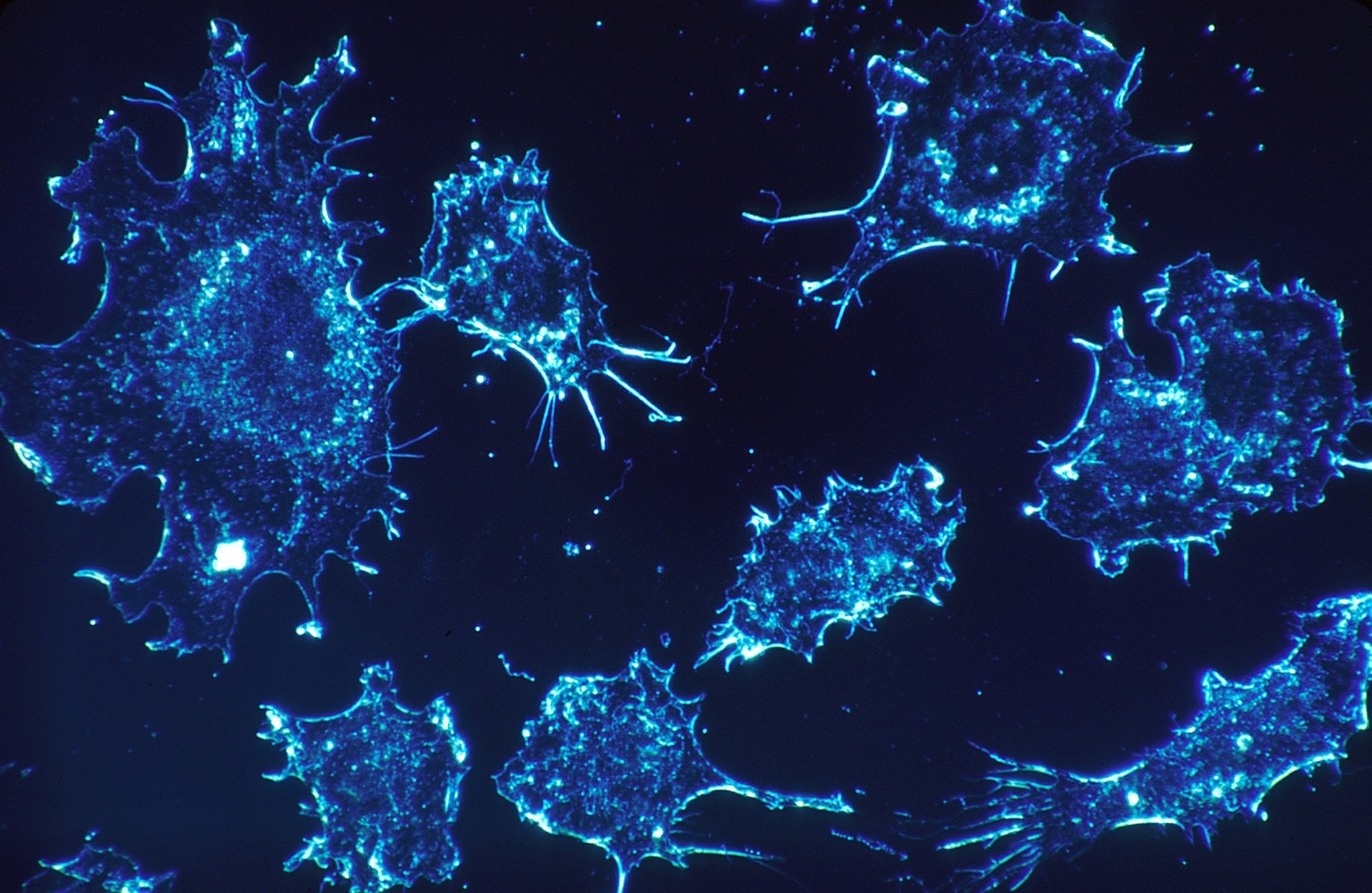
“We inject one tumor and we see all of the other tumors just melt away.”
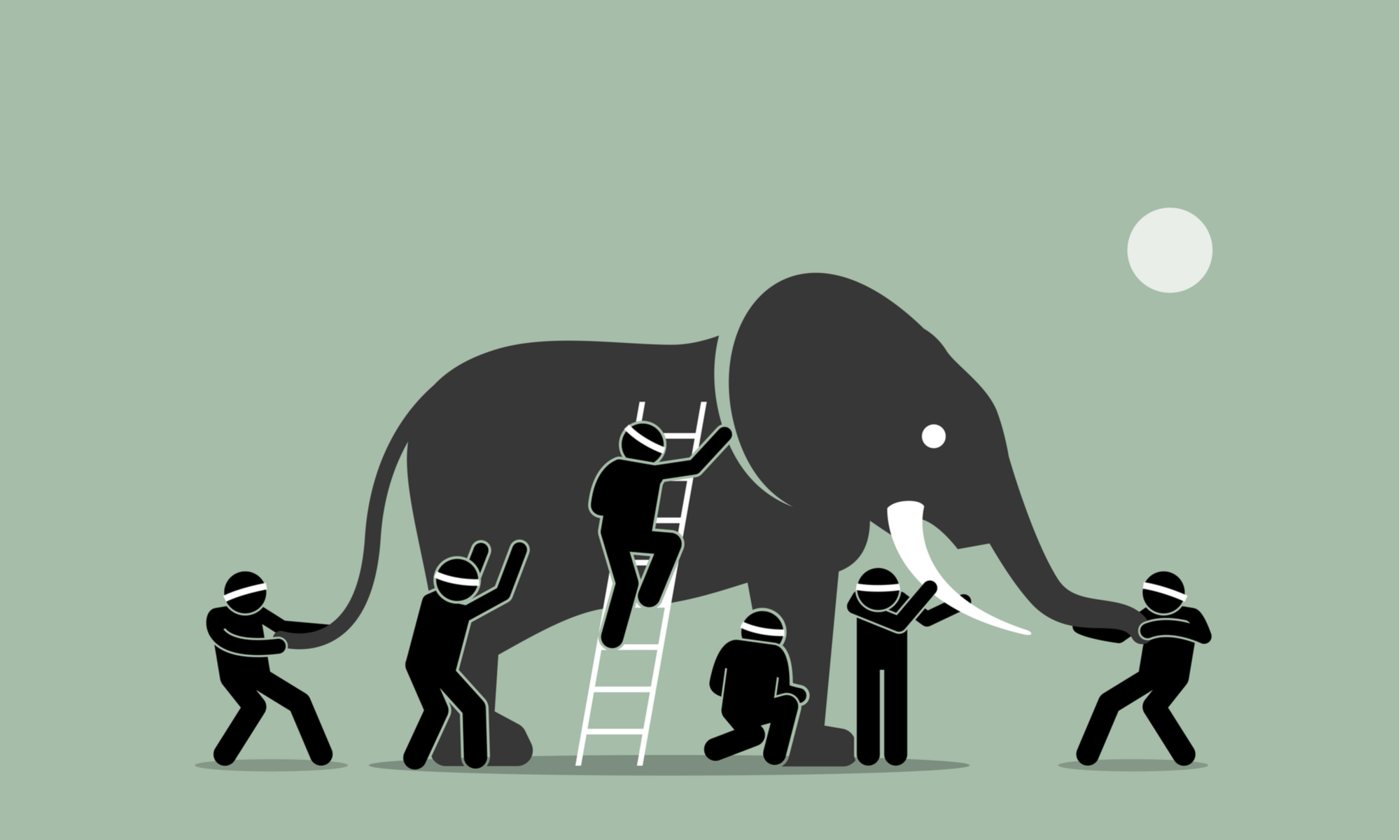
A new experiment shows that two observers can experience divergent realities (if they go subatomic).

There are places in our solar system where you can fly.
▸
2 min
—
with

Artistic depictions of the atom have deceived us all.
▸
3 min
—
with
The diet claims that people with different blood types process their food differently. Does it pass muster?
The discovery could lead to improved treatments for chronic pain.

One group of women still seem to benefit from the popular diet.
Is it saying too much to say something doesn’t exist when you have no evidence either way?