Space & Astrophysics
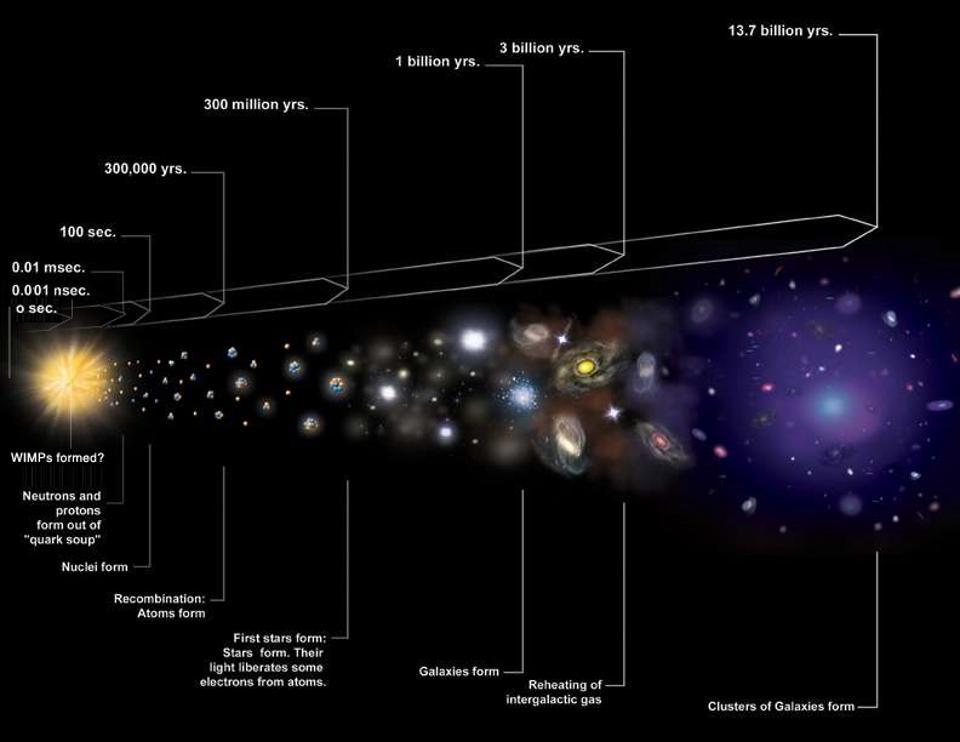
Just 13.8 billion years after the hot Big Bang, we can see 46.1 billion light-years away in all directions. Doesn’t that violate…something?
From hellishly hot planets to water worlds, some distant planets are like nothing in our Solar System.
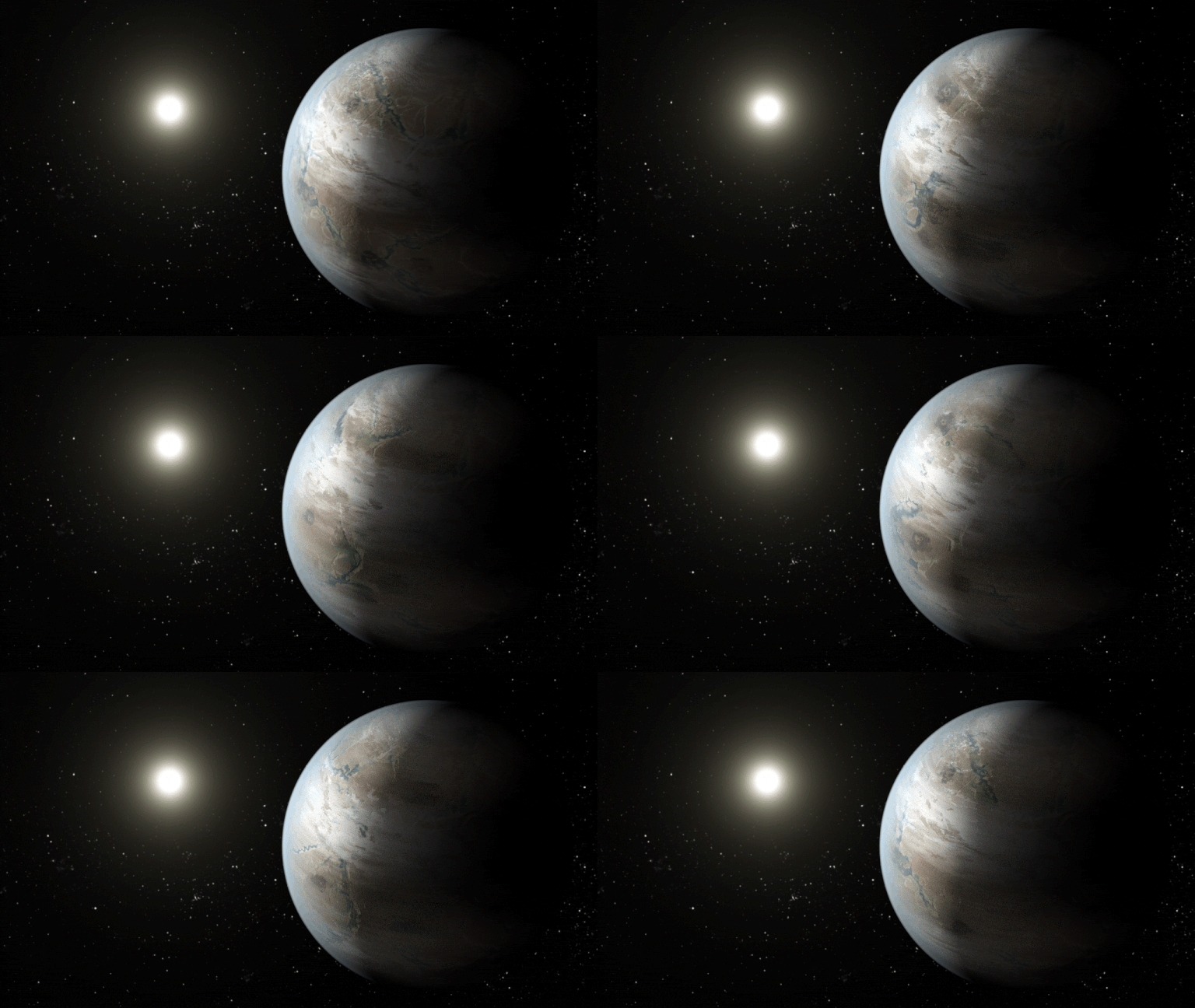
Finding out we’re not alone in the Universe would fundamentally change everything. Here’s how we could do it.
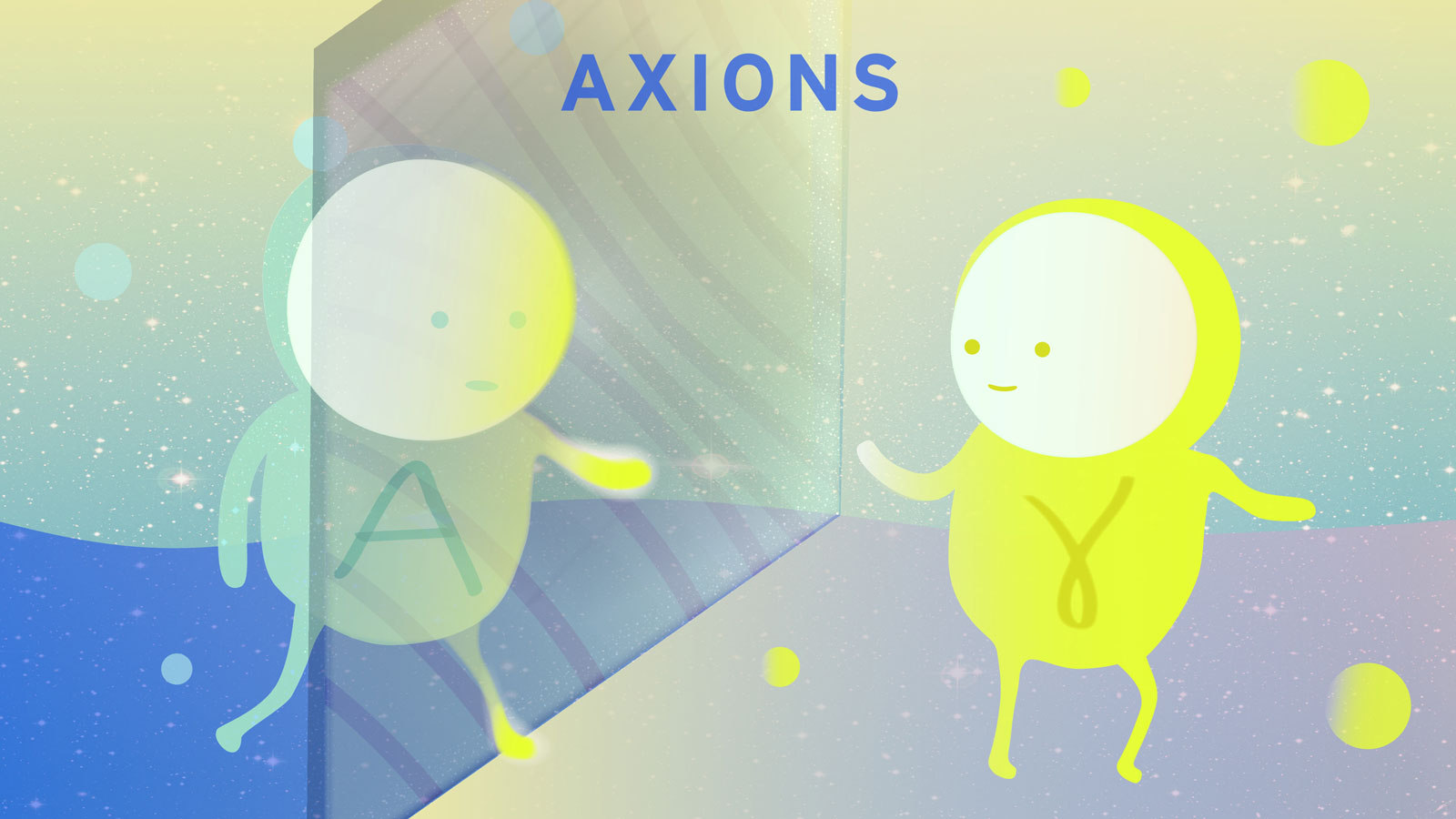
The majority of the matter in our Universe isn’t made of any of the particles in the Standard Model. Could the axion save the day?
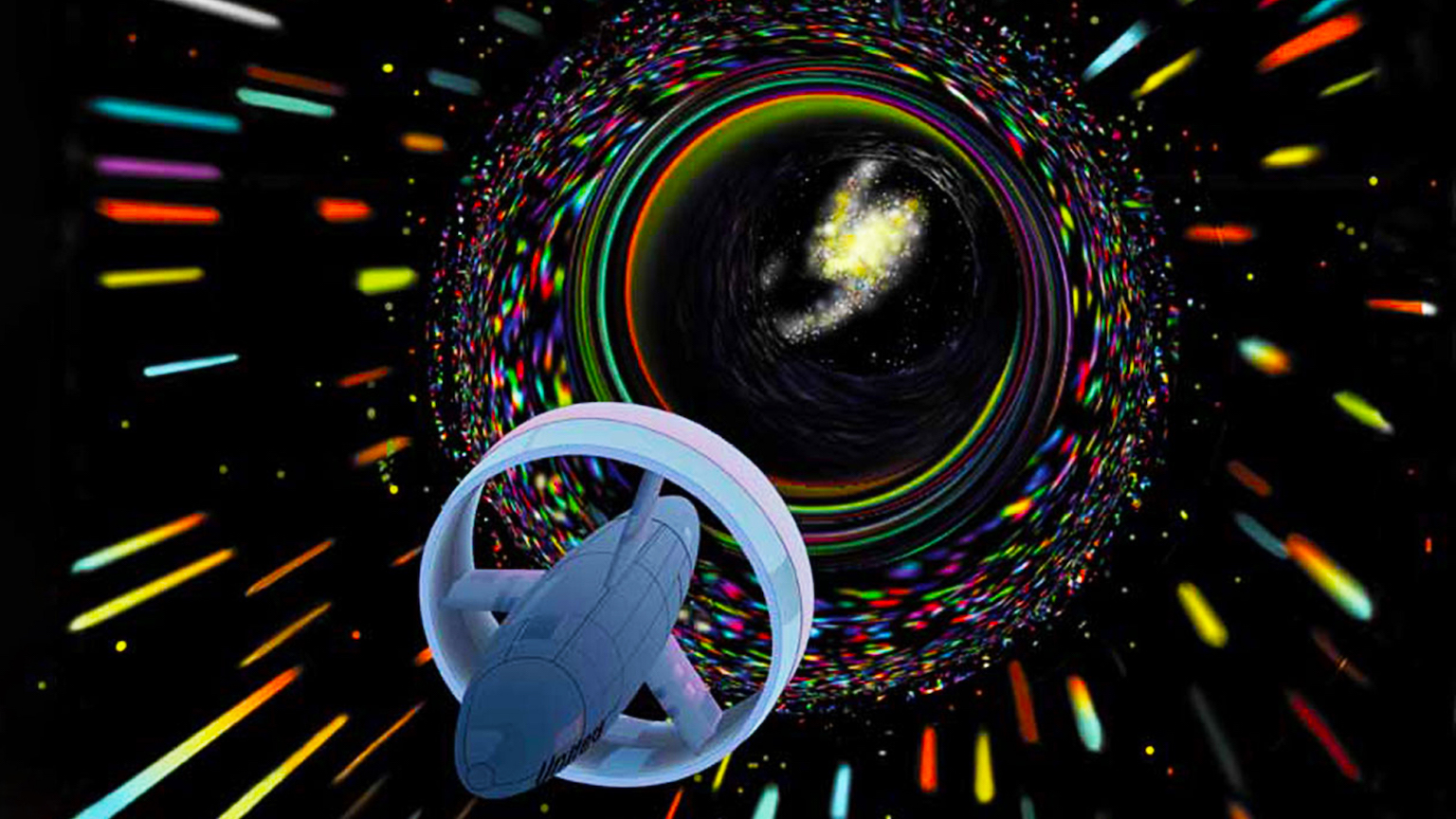
There are a few possible solutions to the problem of interstellar travel, but they largely remain within the realm of science fiction.
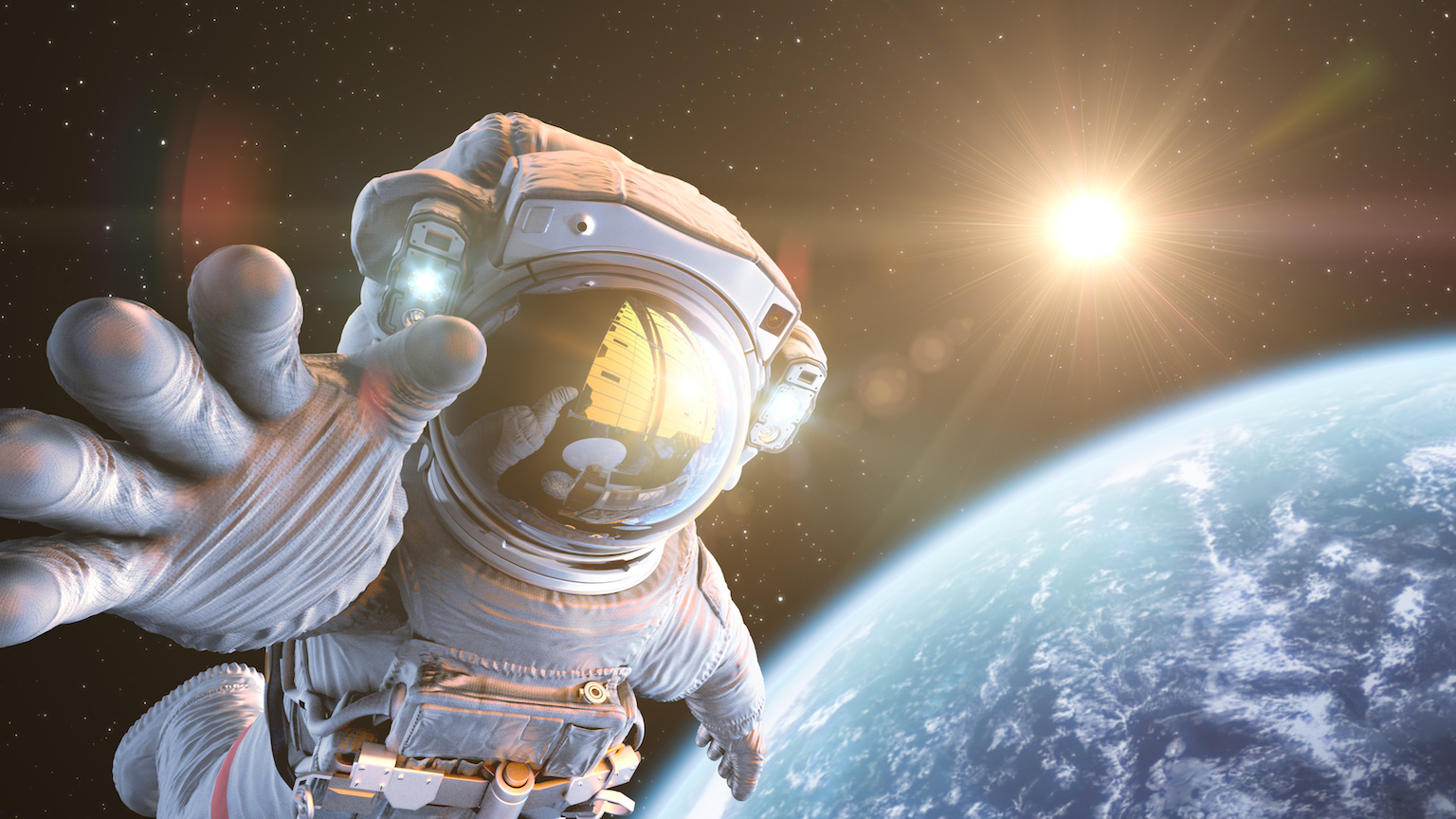
Communication with home will be difficult on long-haul space flights. The longer this isolation goes on, the more detached a crew becomes.
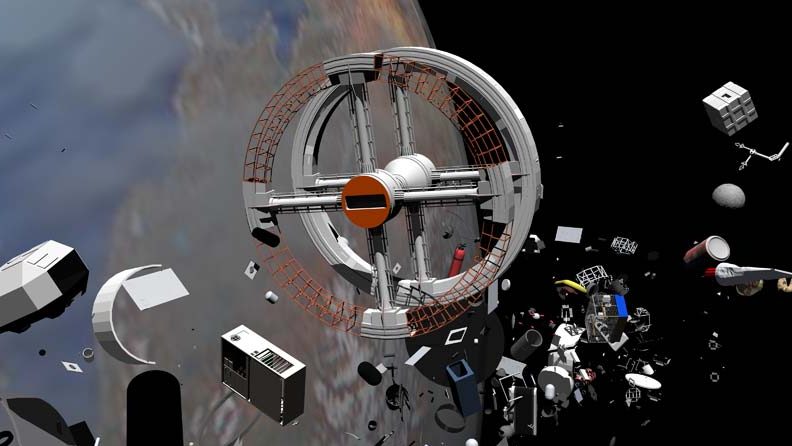
On Nov. 15, 2021, U.S. officials announced that they had detected a dangerous new debris field in orbit near Earth. Later in the day, it was confirmed that Russia had […]
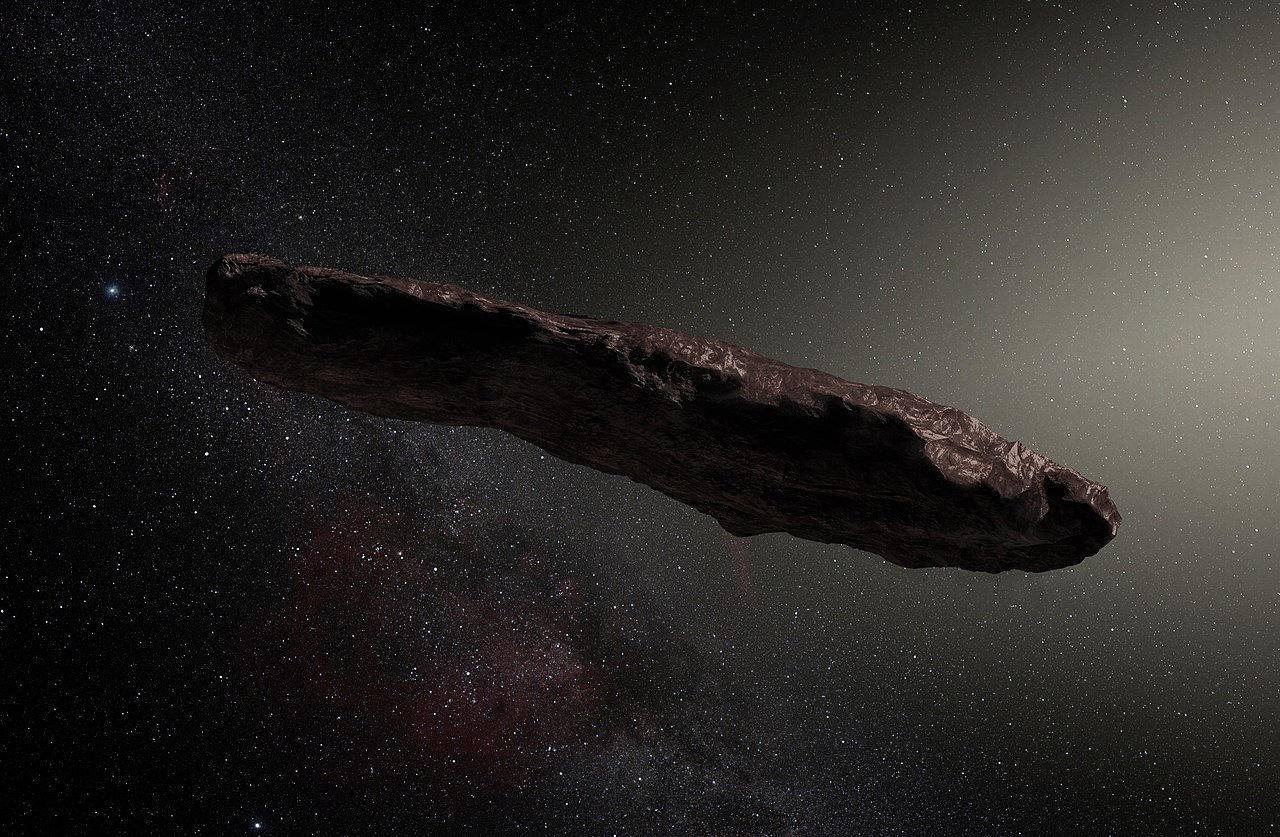
The most unique interloper into our Solar System has a natural explanation that fits perfectly — no aliens required.
Science continues to amplify our view of reality.
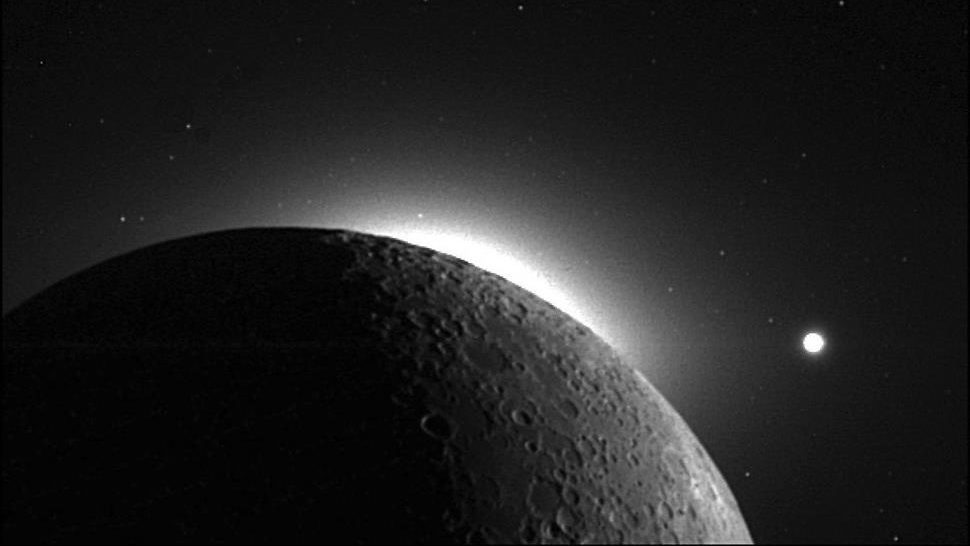
We once thought the Moon was completely airless, but it turns out it has an atmosphere, after all. Even wilder: It has a tail of its own.
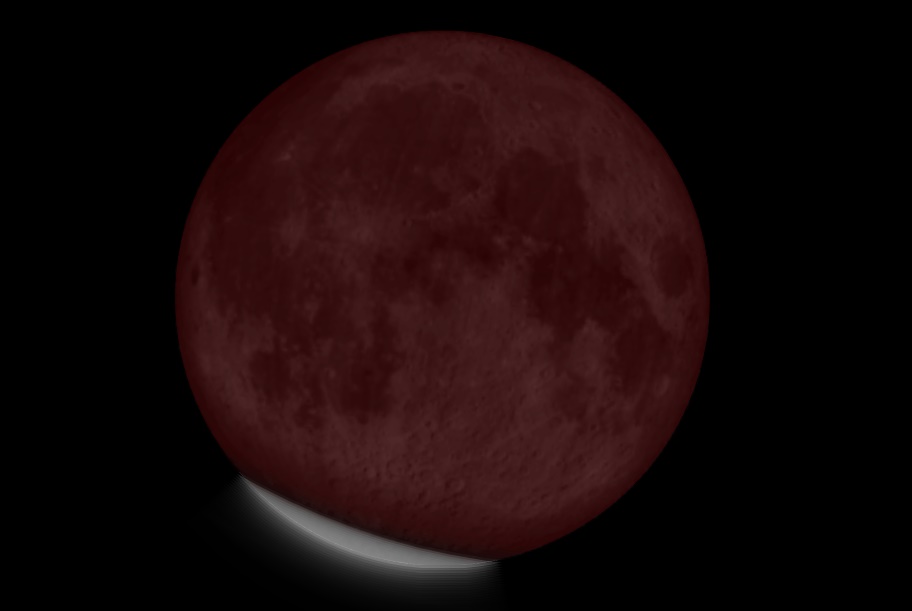
We haven’t seen a partial eclipse lasting this long since 1440, and won’t again until 2669. North America is perfectly positioned for 2021’s.
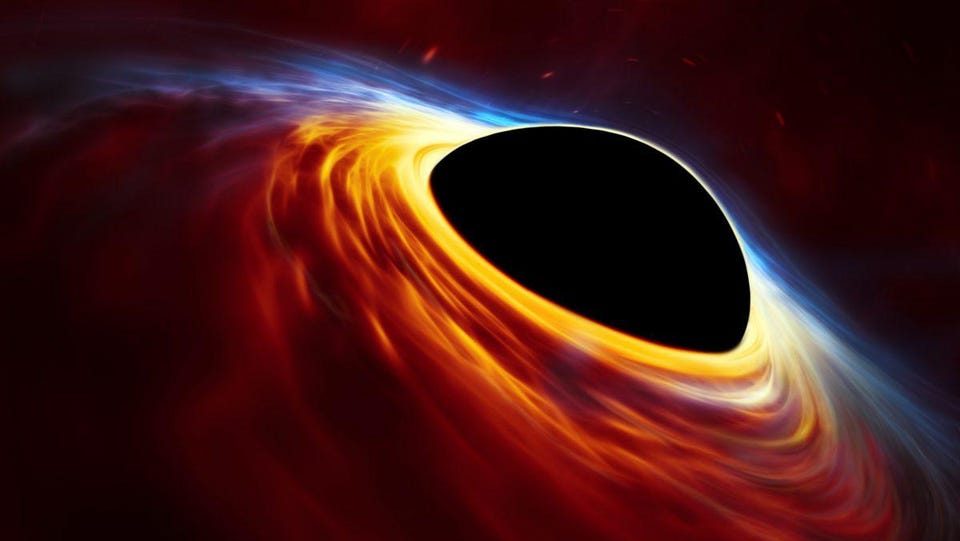
Although most of the Universe’s mass is dark matter, which gravitates just as well as normal matter, it still can’t make black holes.
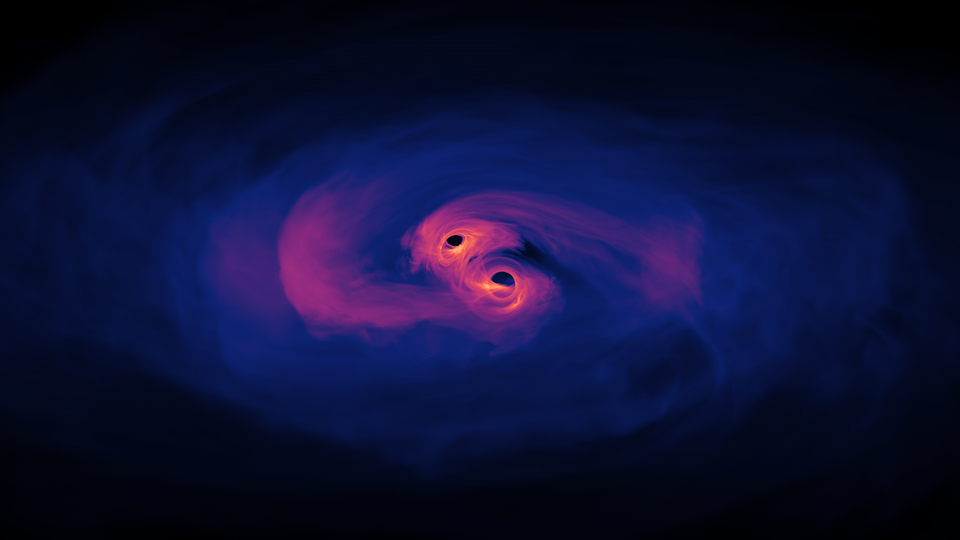
The latest gravitational wave data from LIGO and Virgo finally shows us the truth: there are no “gaps” in the masses of black holes.
Based on the atoms that they’re made out of, the innermost planet should always be the densest. Here’s why Earth beats Mercury, hands down.
“Should they strike, each of them has an energy at impact equal to all of the nuclear weapons on Earth combined.”
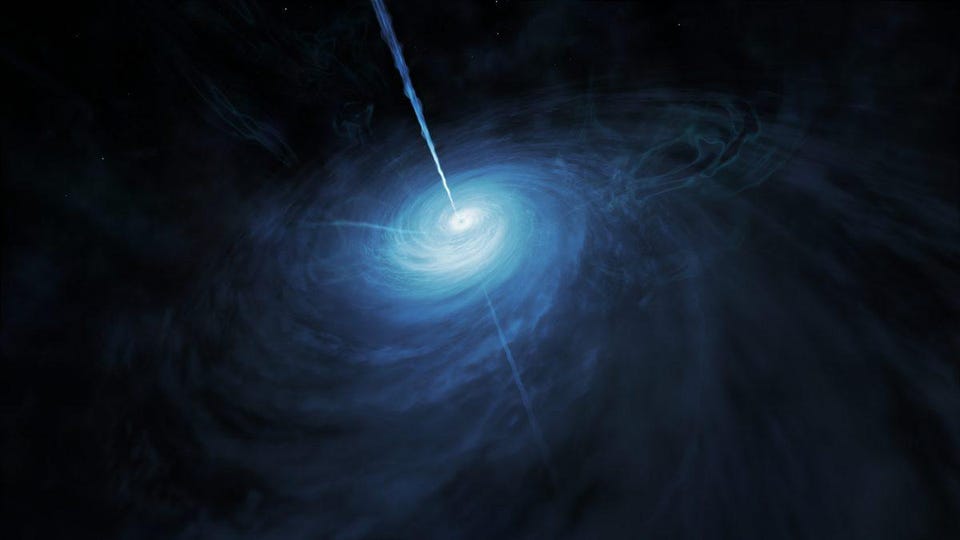
It had long seemed impossible that supermassive black holes could grow to such enormous sizes. But the biggest problem is now solved.
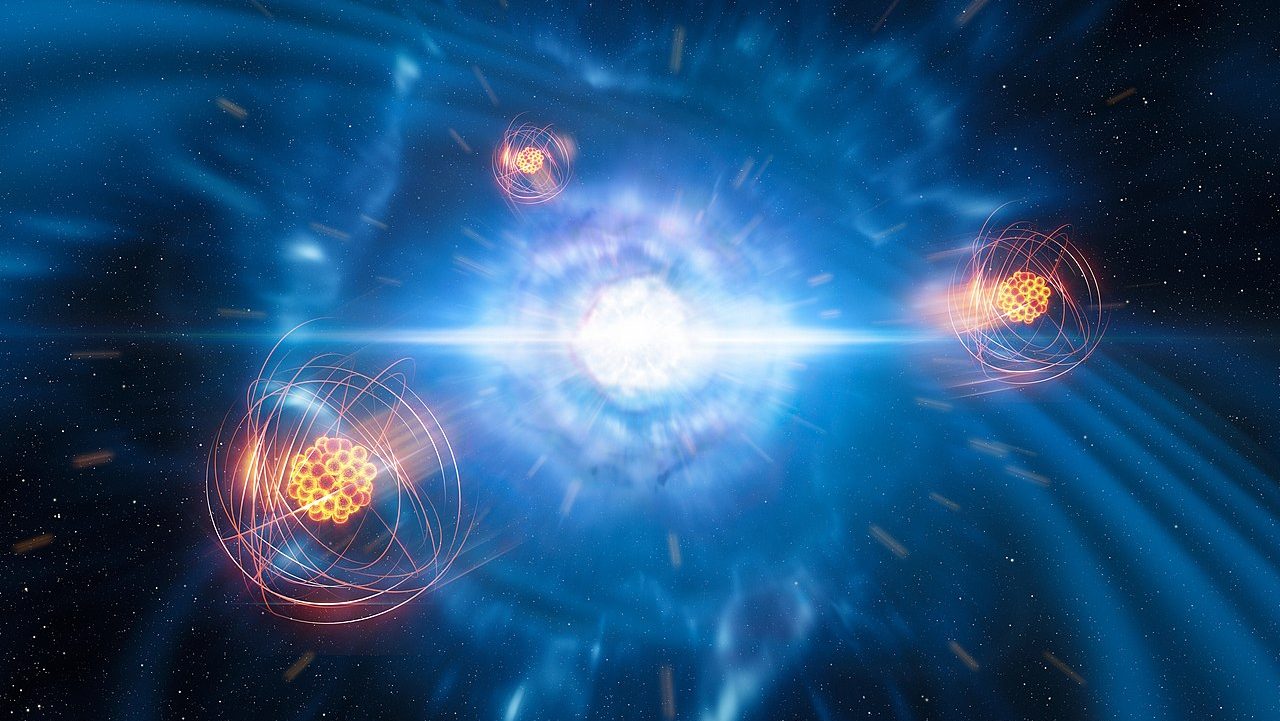
There are over 100 known elements in the periodic table. These 8 ways of making them account for every one.
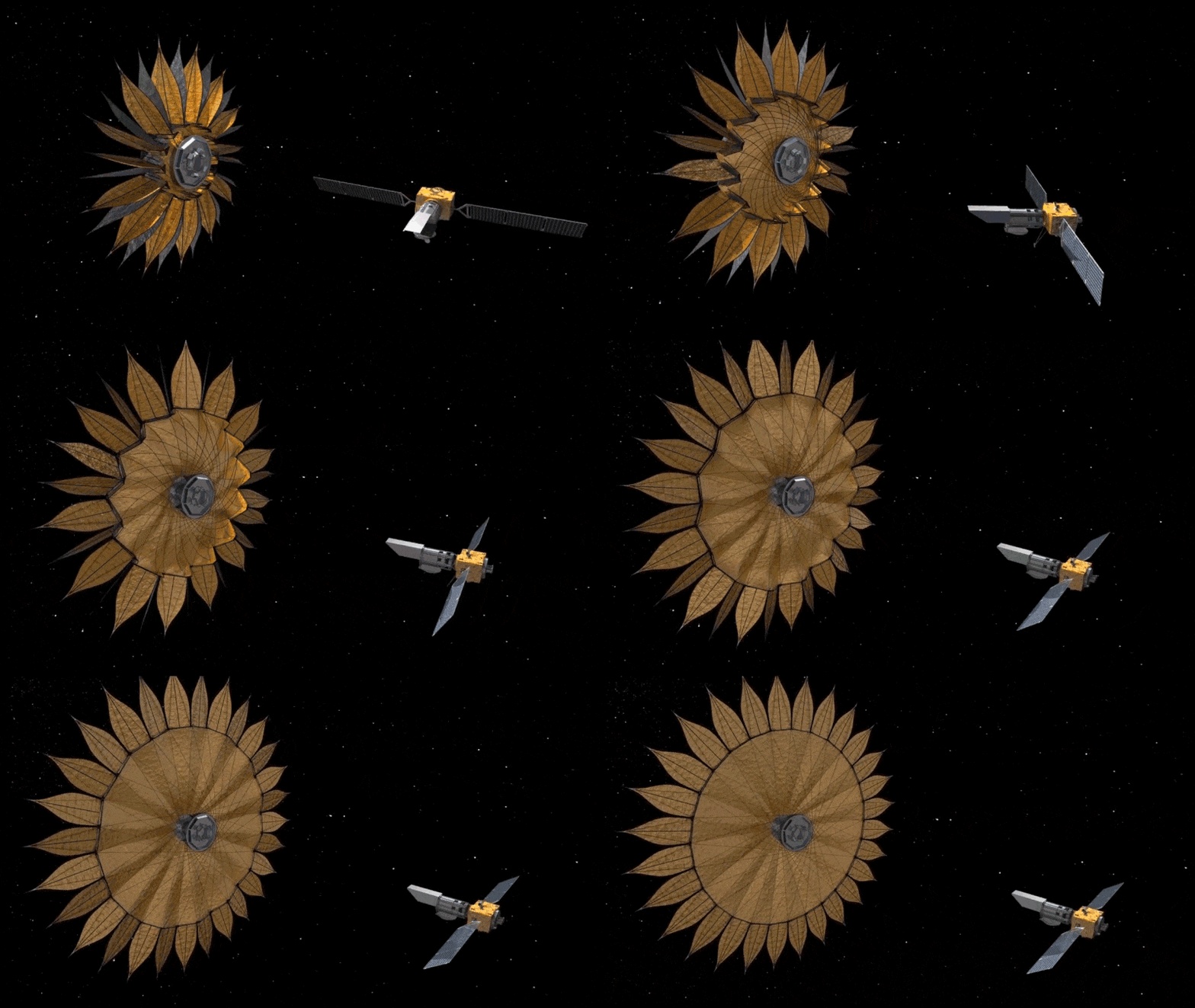
Big dreams and big telescopes are back at last, but everything depends on sufficiently funding NASA, the NSF, and the DOE.
There’s a big difference between the notions of ‘false vacuum’ and ‘true vacuum’ states. Here’s why we don’t want to live in the former.
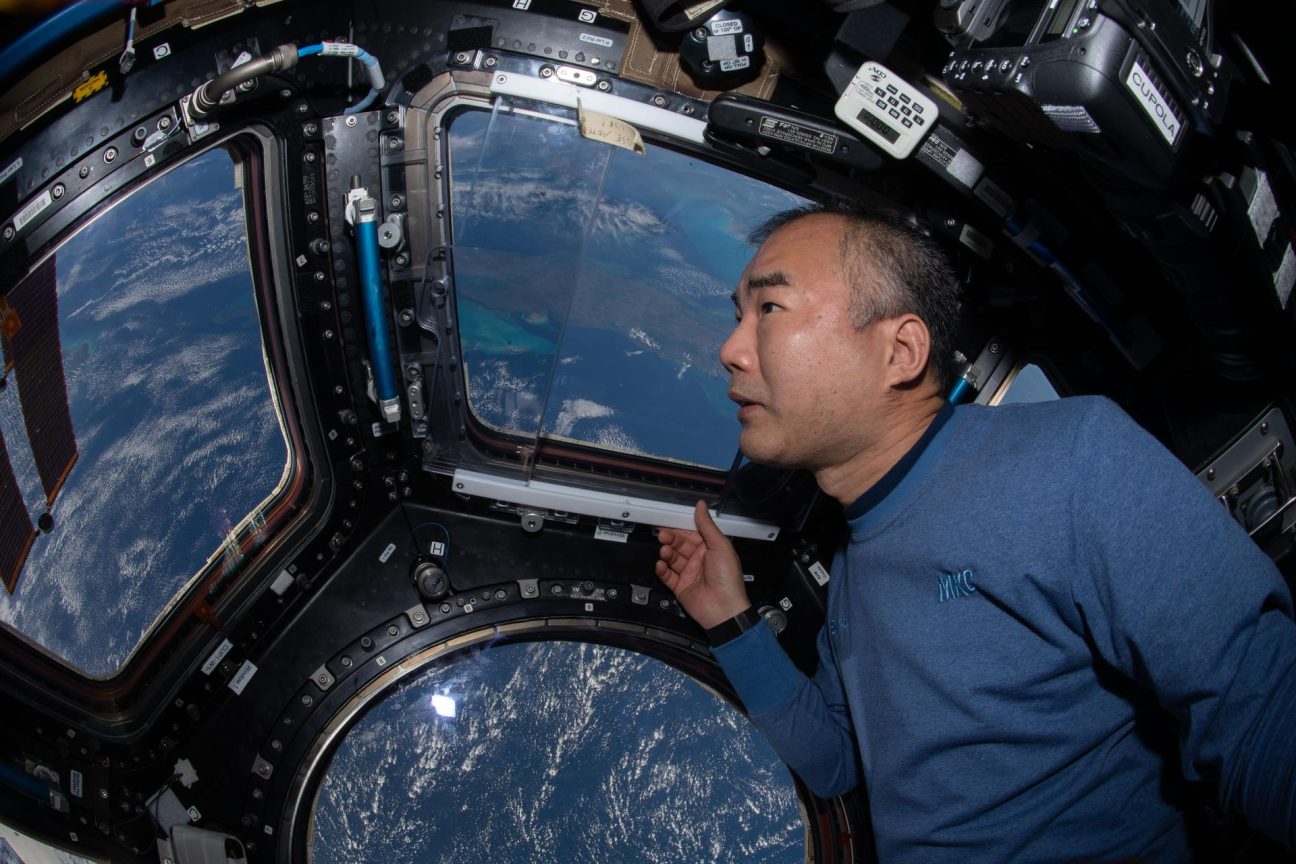
Awe makes us feel smaller but also more connected to life and each other.
The Kalam cosmological argument asserts that everything that exists has a cause, and what caused the Universe? It’s got to be God.
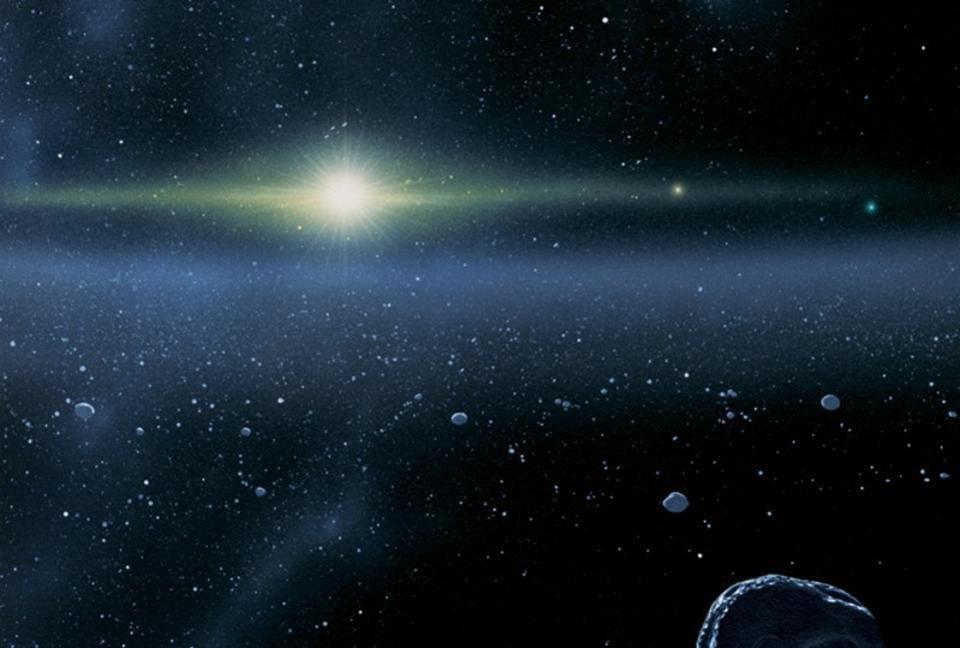
In 2006, Pluto was demoted in a very controversial decision. Unless you ignore nearly all of planetary science, it’ll never be one again.
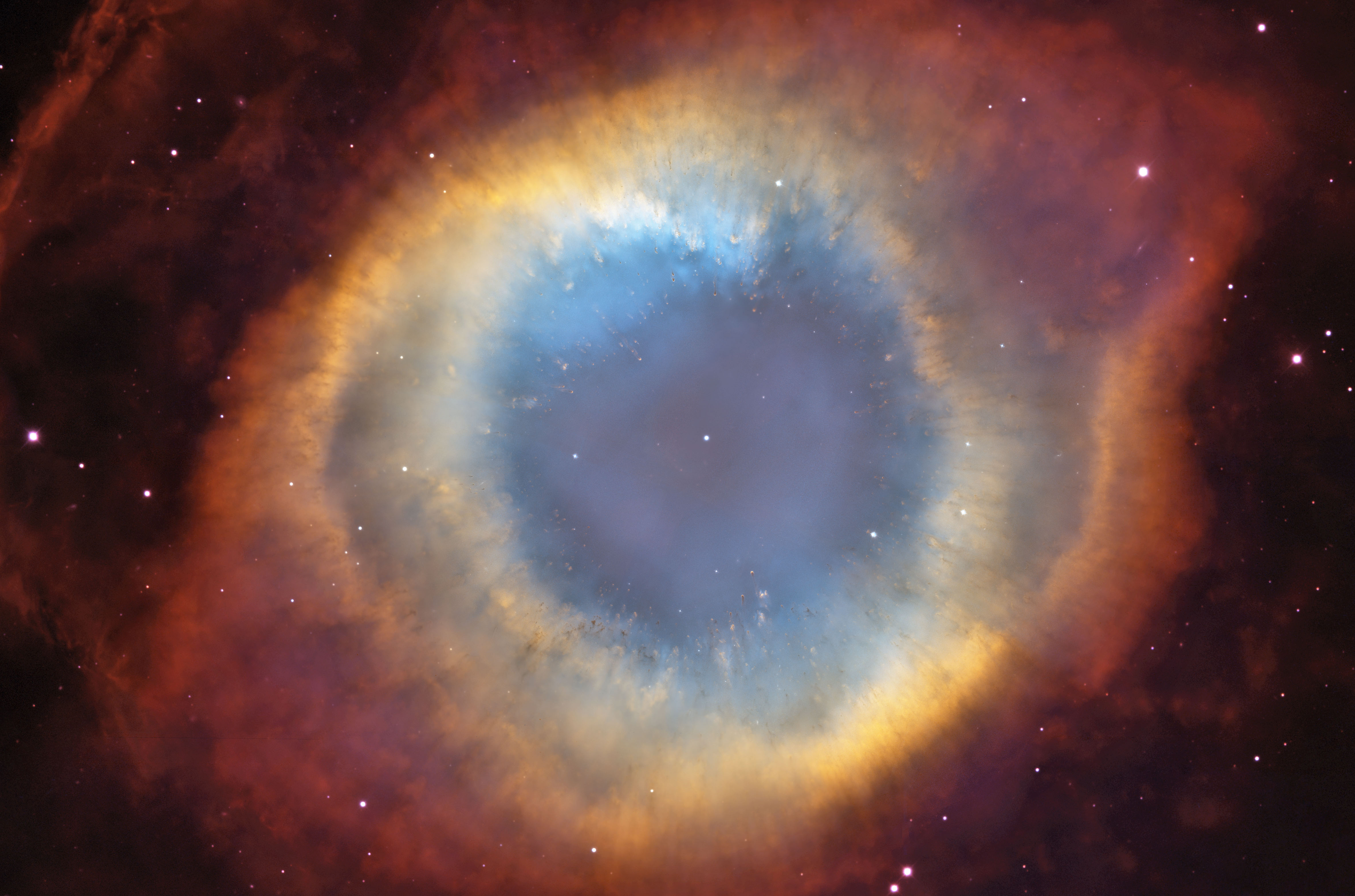
Our Sun will continue to grow, becoming a red giant and then a planetary nebula. Here’s how large it will get.
Technology has advanced at a blinding pace in the past 150 years. That won’t always happen.
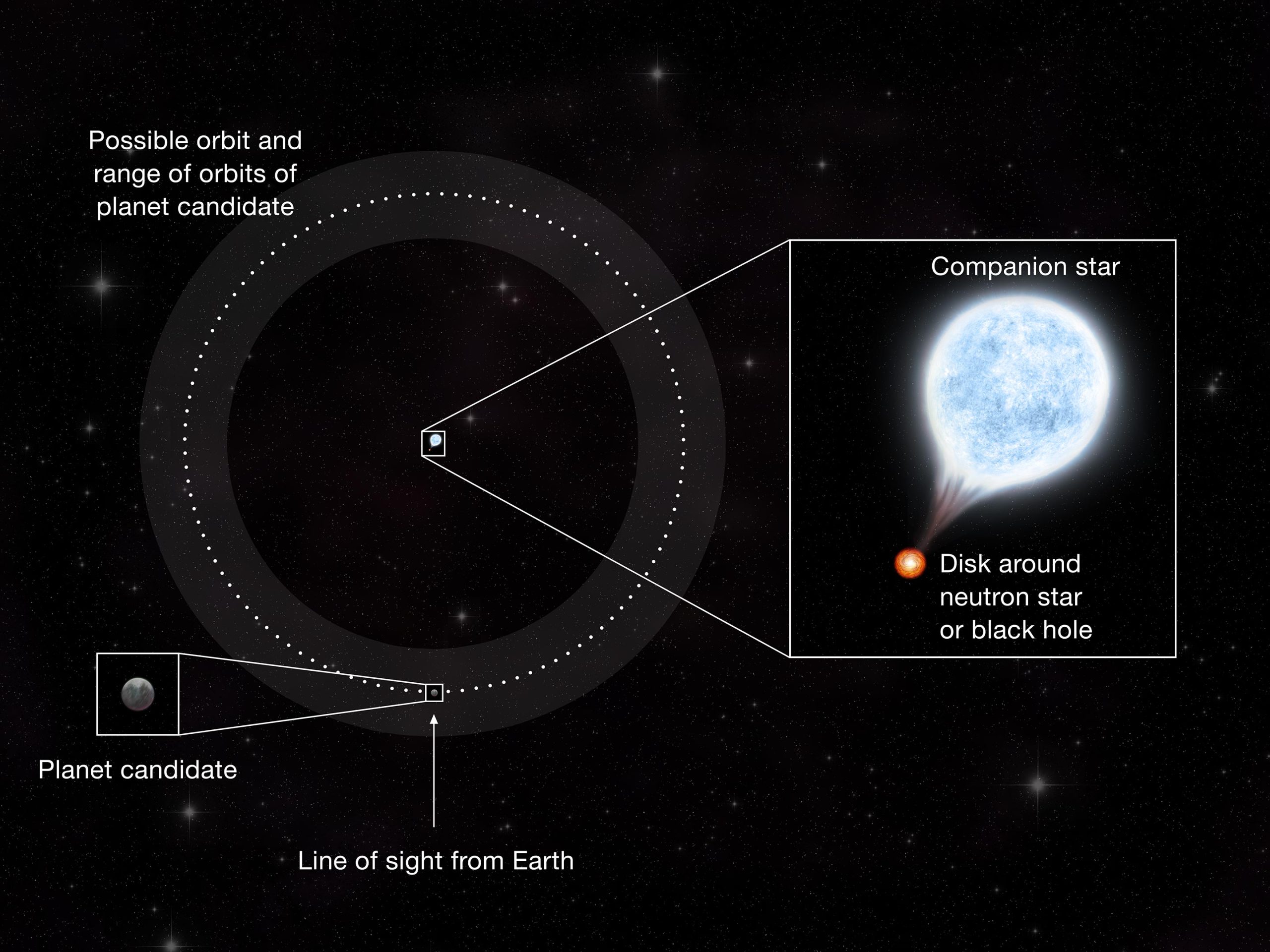
Named M51-ULS-1b, it’s certainly a curious astronomical event. But the evidence is far too weak to conclude “planet.”
Einstein hated “spooky action at a distance,” but much to his chagrin, quantum mechanics remains as spooky as ever.
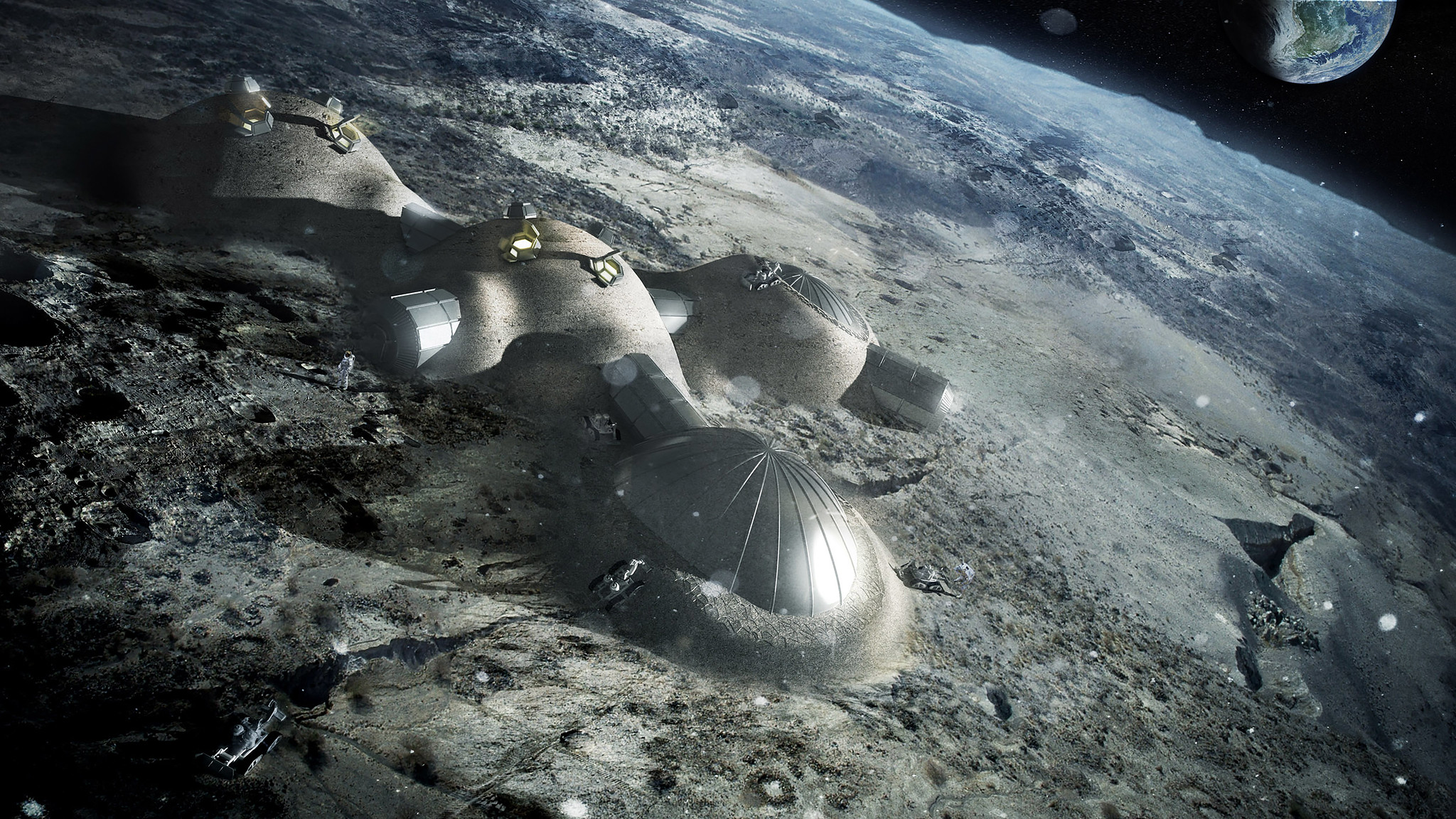
The first world that humans should inhabit beyond the Earth is the Moon, not Mars. Here’s why terraforming our lunar neighbor is so appealing.
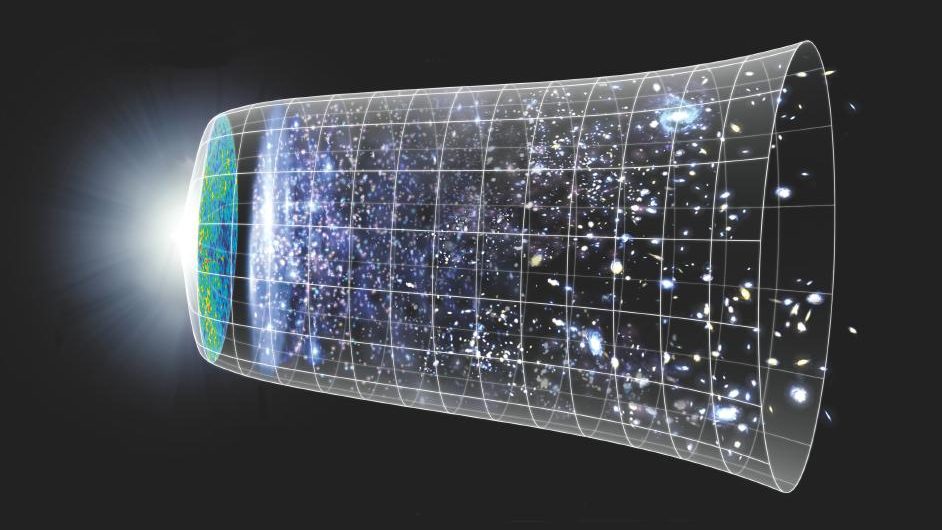
As the first Friedmann equation celebrates its 99th anniversary, it remains the one equation to describe our entire universe.
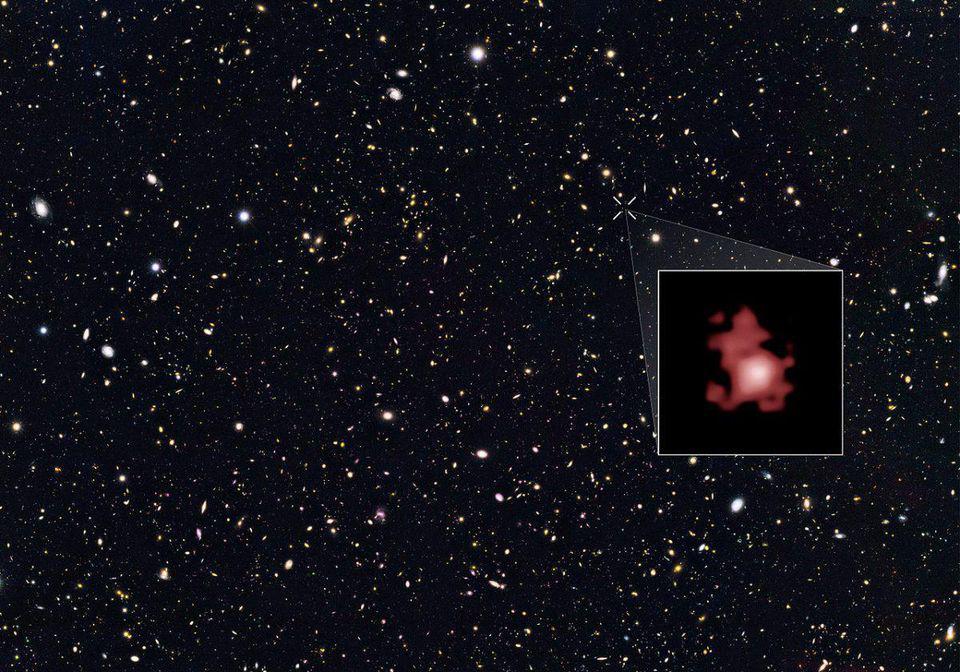
The universe is filled with unlikely events, but is also full of ways to fool ourselves.