Space & Astrophysics
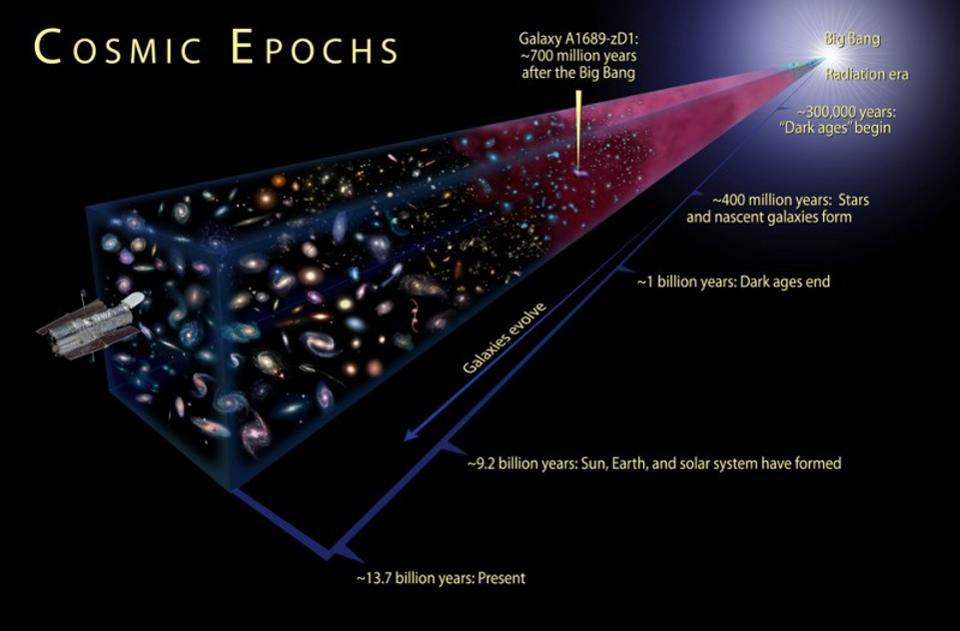
It’s been precisely 13.8 billion years since the Big Bang occurred. Here’s how we know.
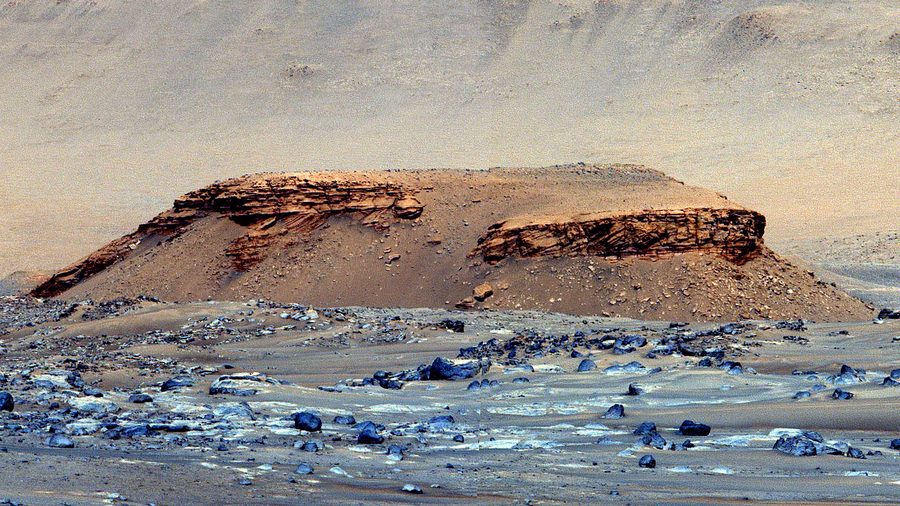
The findings include signs of flash flooding that carried huge boulders downstream into the lakebed.
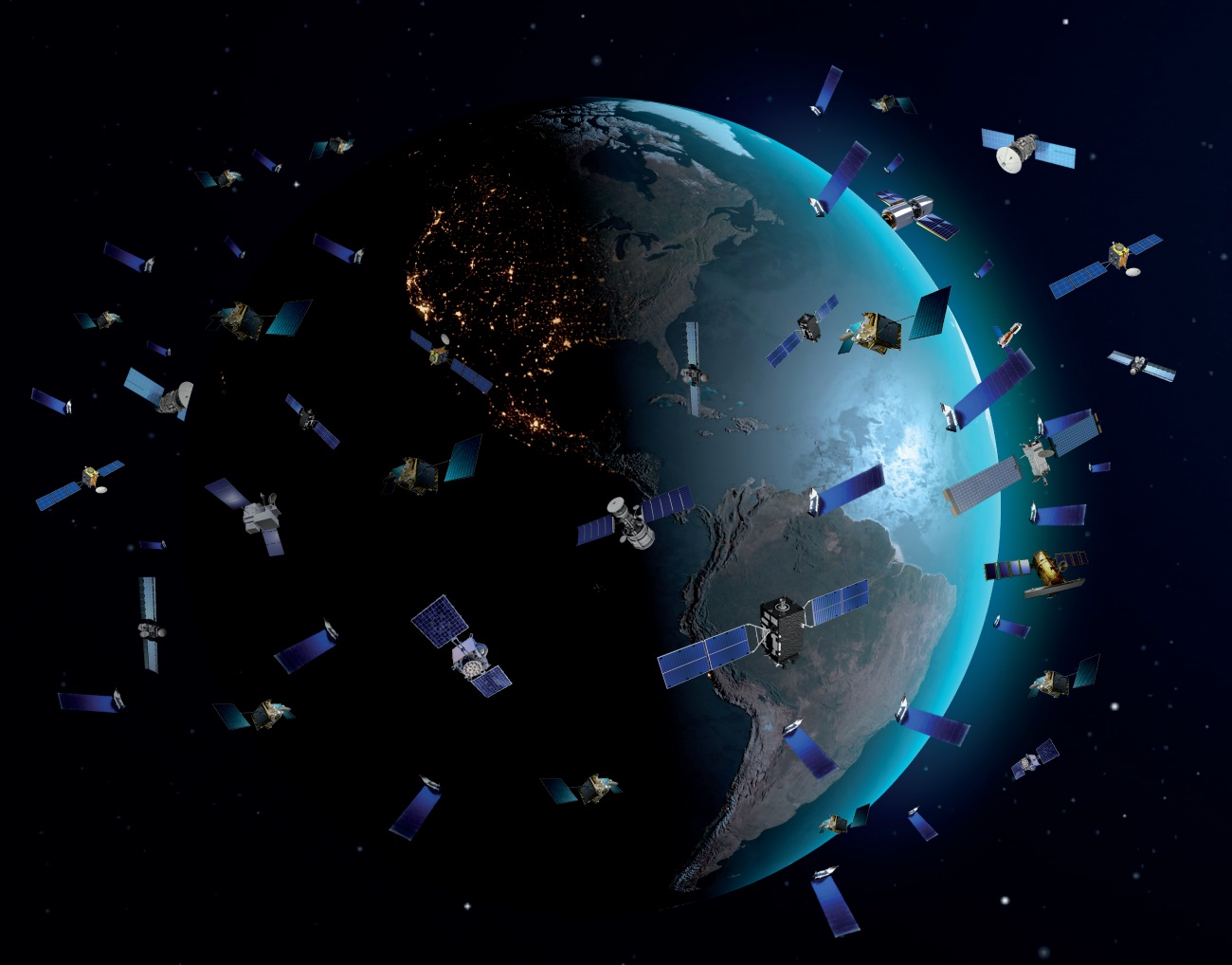
An unprecedented number of new satellites threatens the night sky as we know it. Will we act in time to save it?
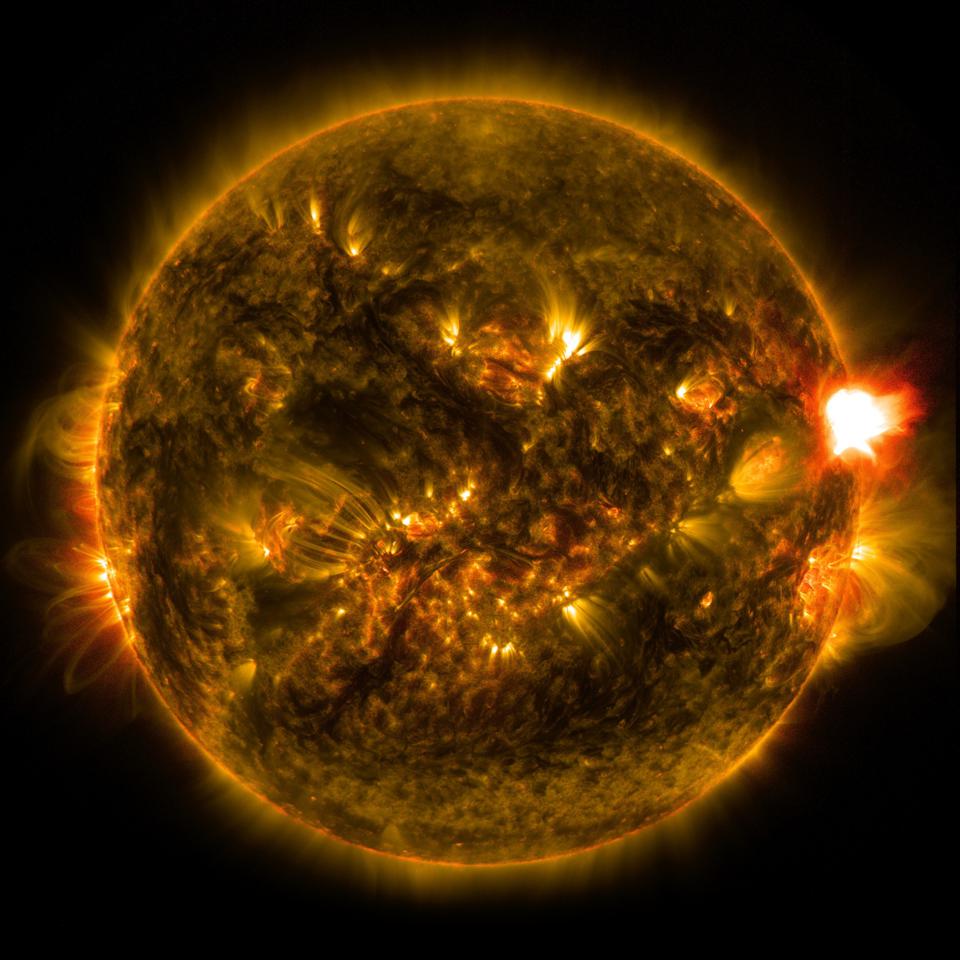
For the past 150+ years, the big ones have all missed us. But at some point, our good luck will run out.
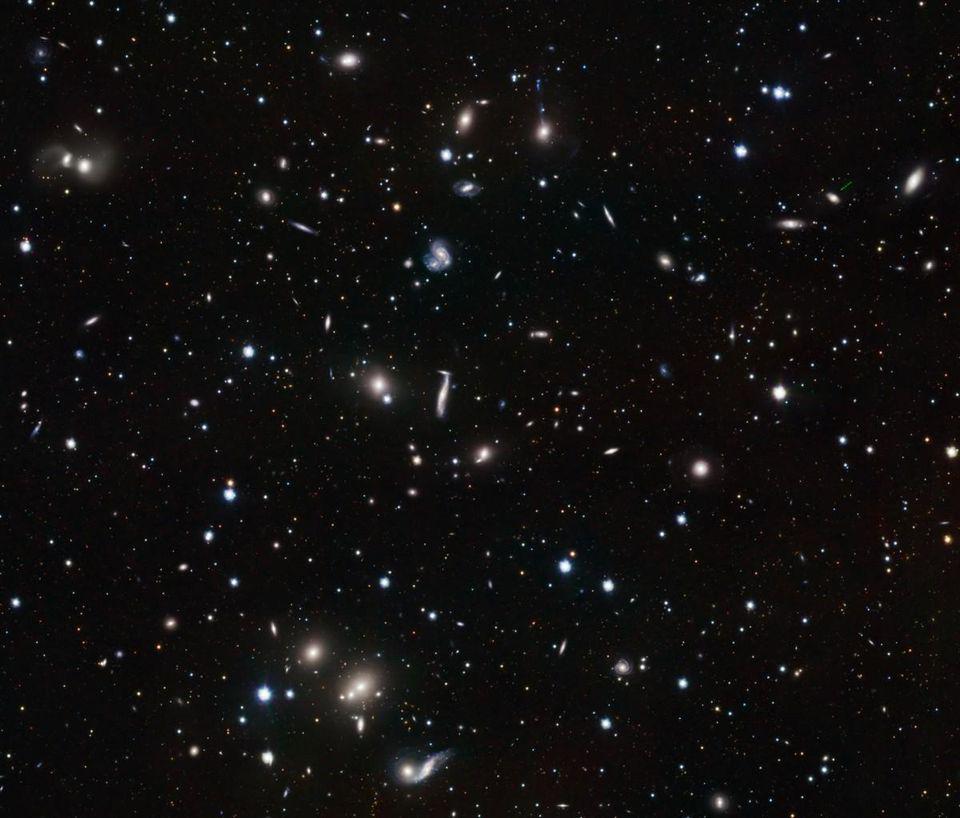
Even if we traveled at the speed of light, we’d never catch up to these galaxies.
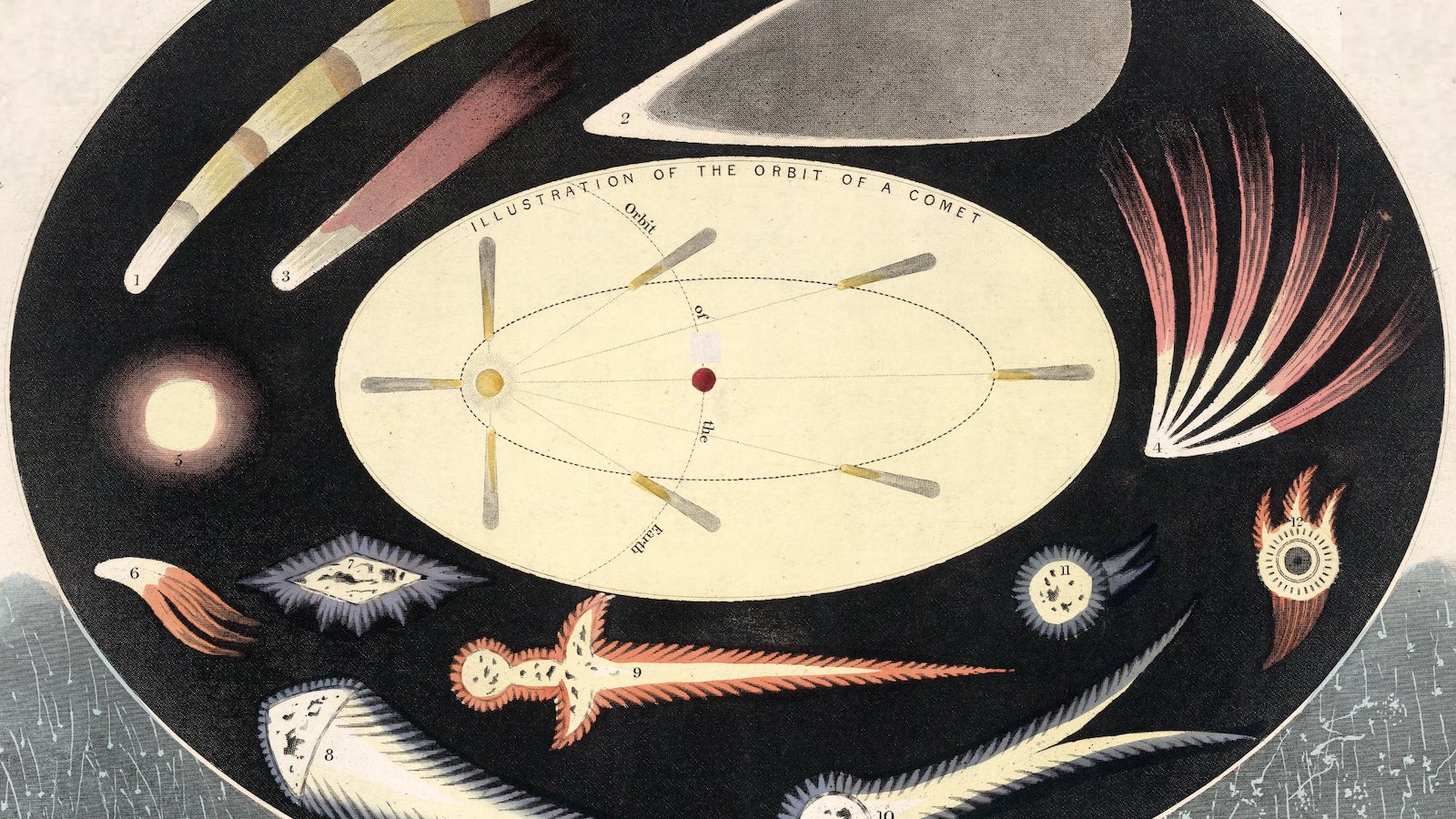
The thrills and horrors of strange heavenly bodies condensed into one attractive snapshot.
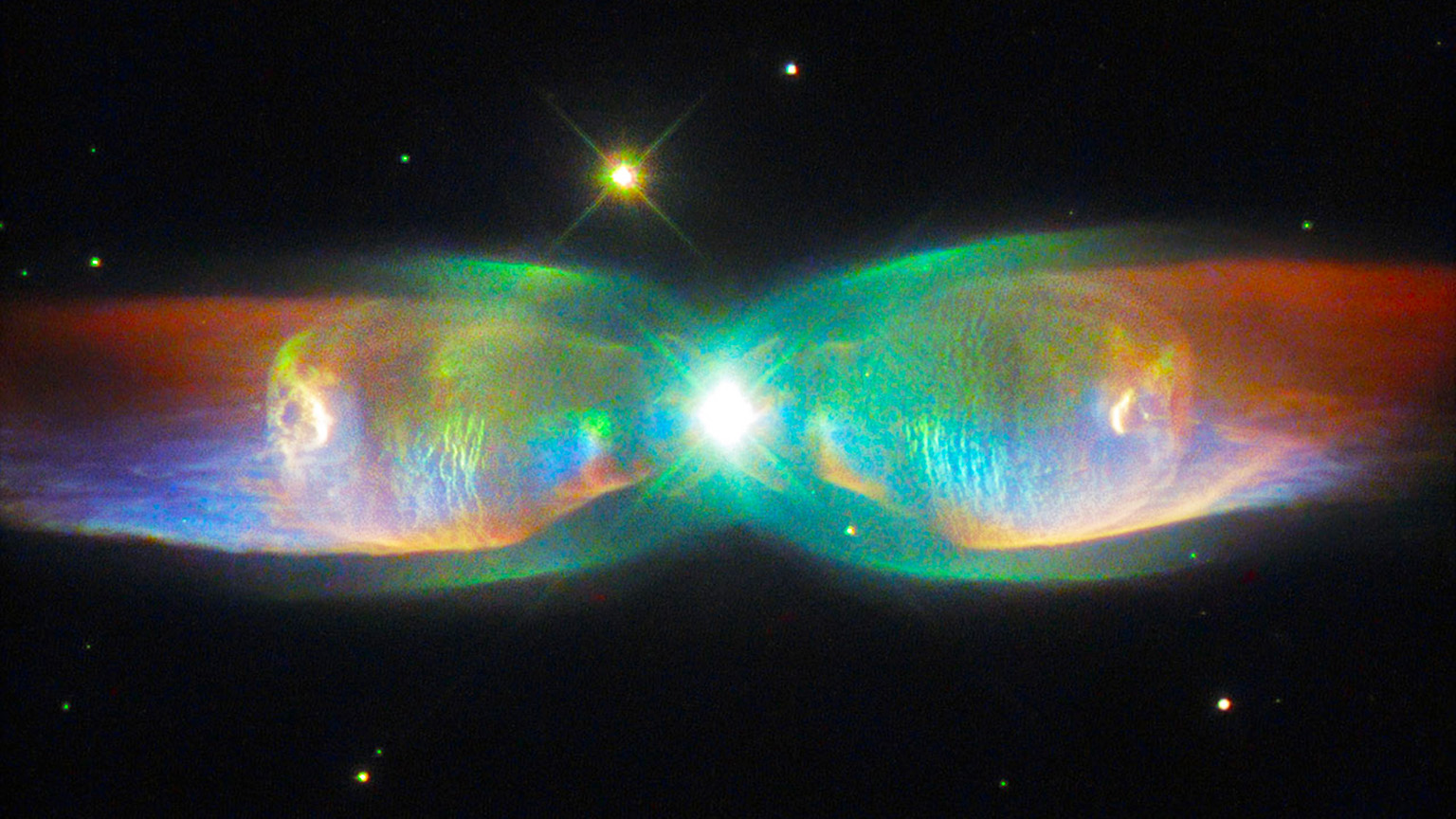
Nebulae are beautiful, but so is the process of science.
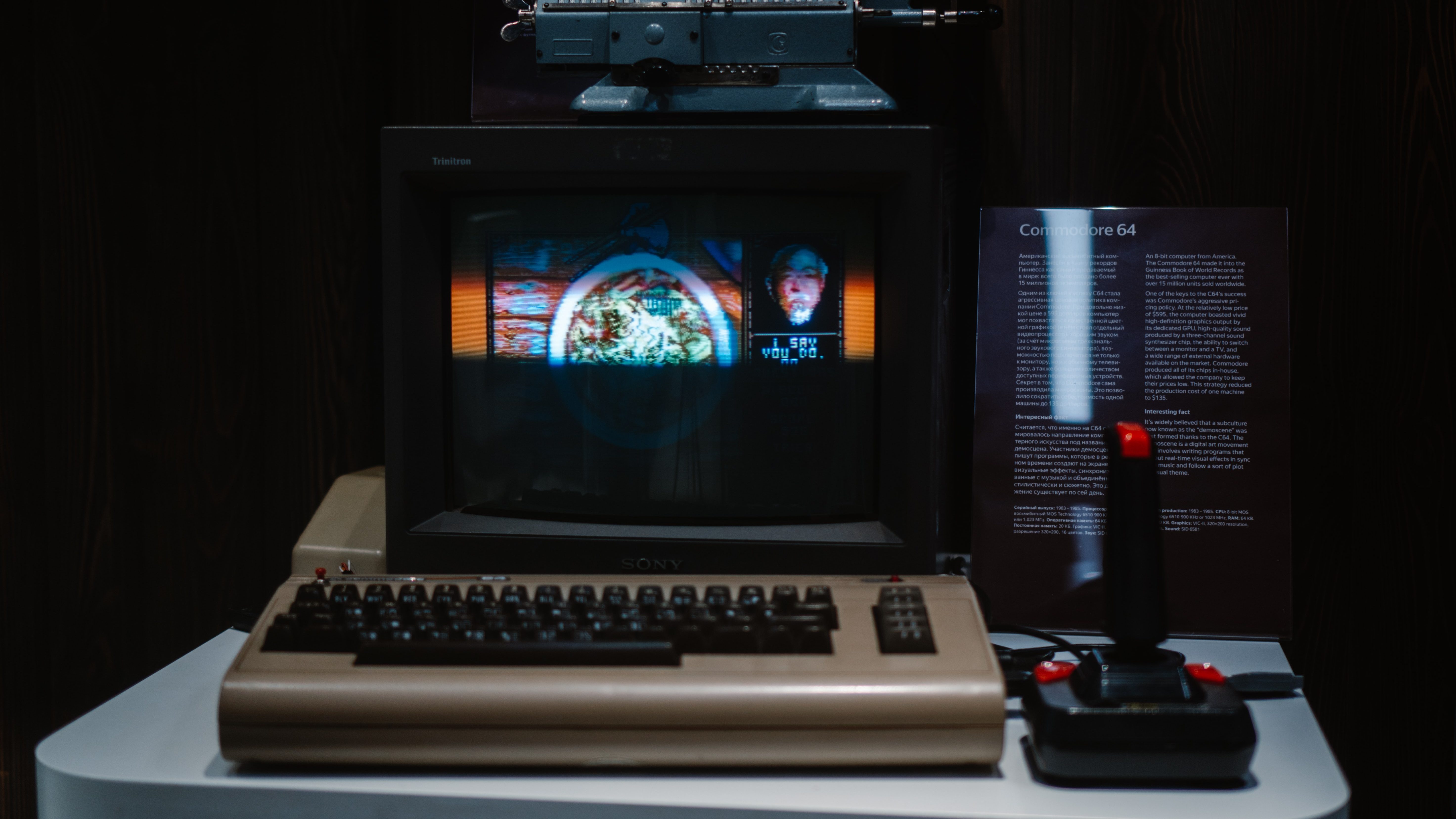
Computer Space lacked a critical ingredient that the other games possessed: gravity.
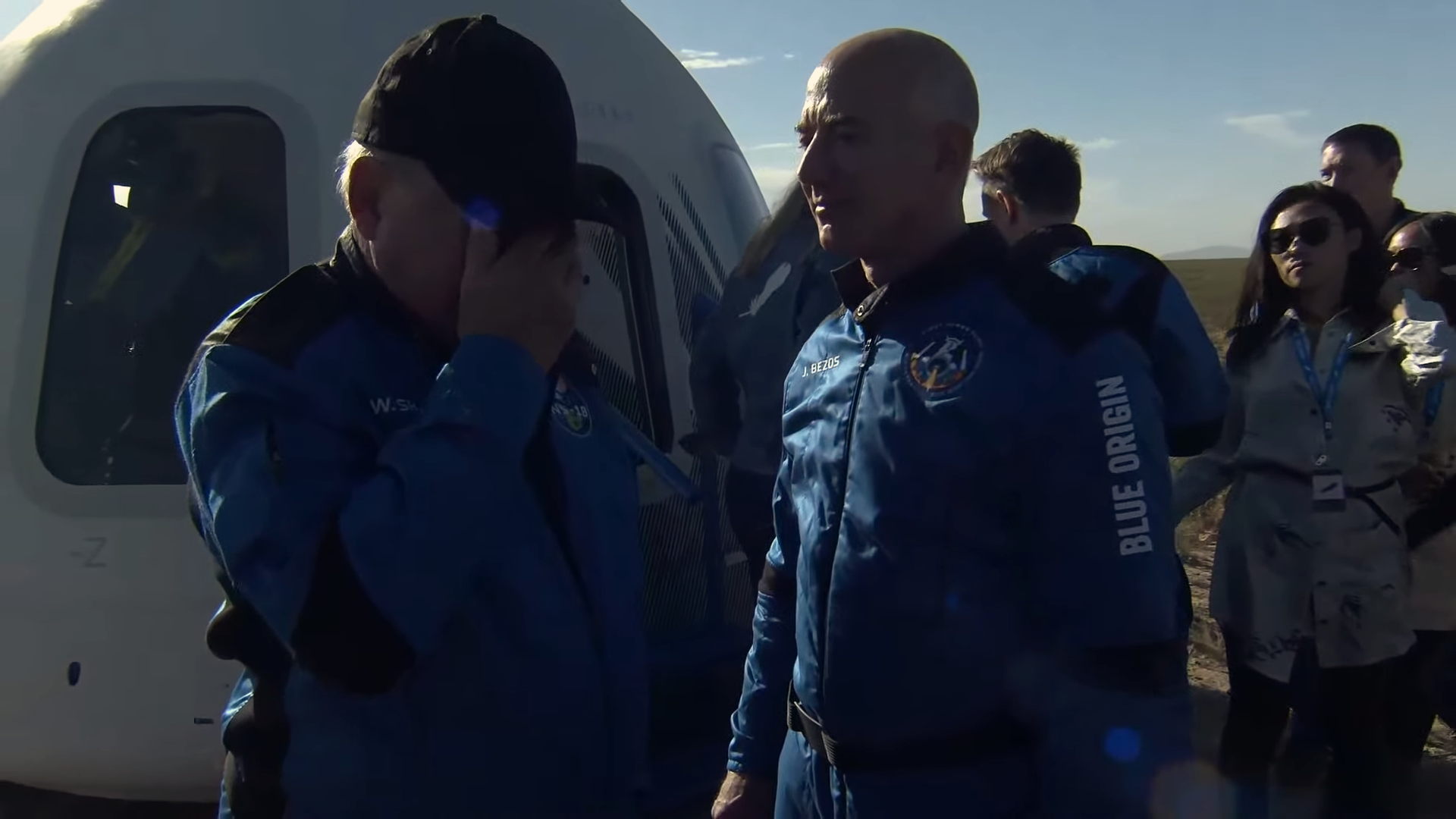
The “overview effect,” experienced by astronauts when they view the Earth from outer space, irrevocably changes your perspective as a human.
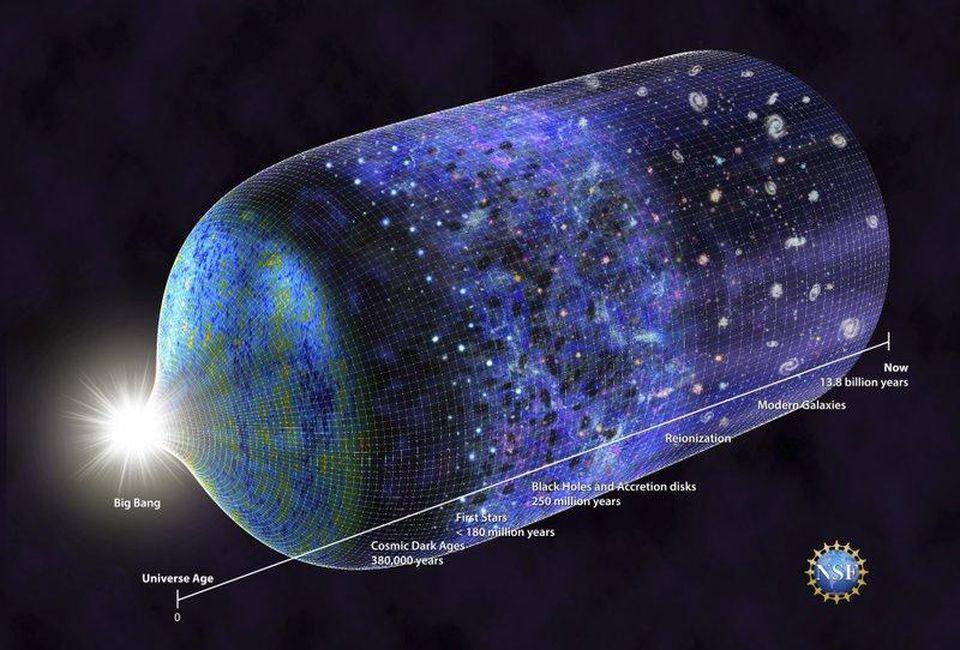
We used to think the Big Bang meant the universe began from a singularity. Nearly 100 years later, we’re not so sure.
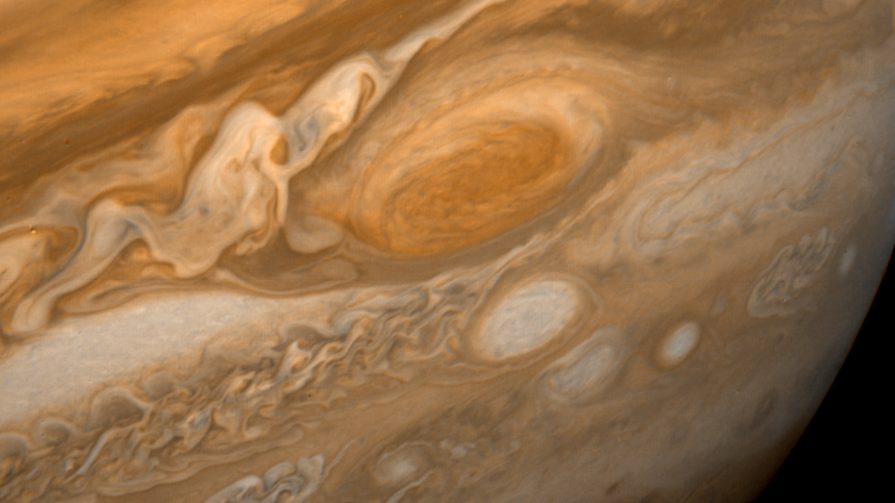
Much like computing technology, the Great Red Spot has been getting smaller and faster over the last few years.
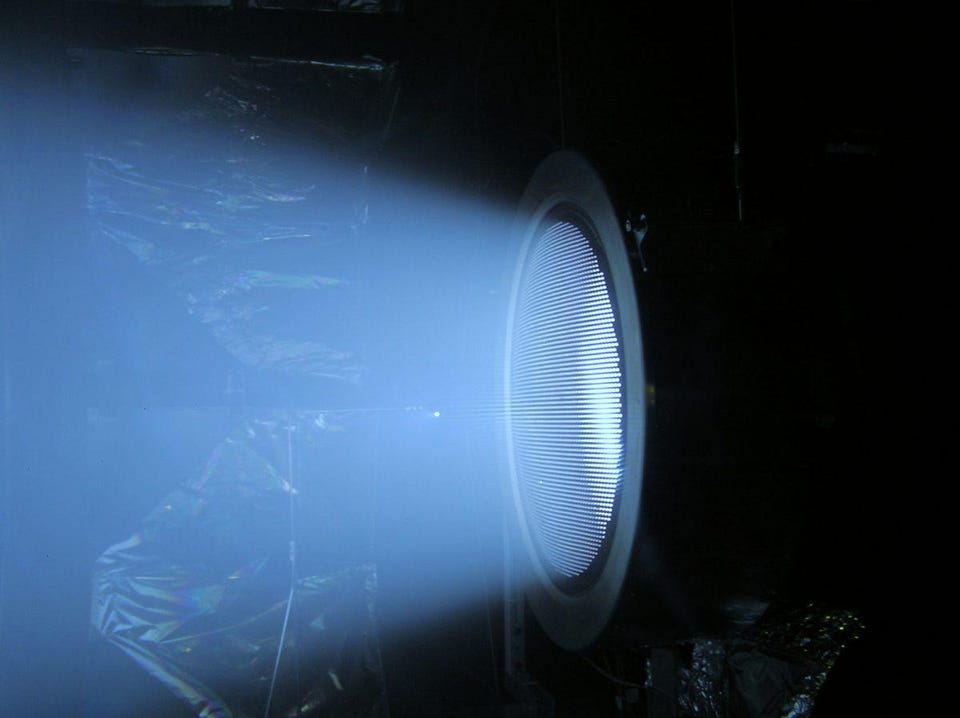
Migrating our planet to a safer orbit might be the only way to preserve Earth after all the ice melts.
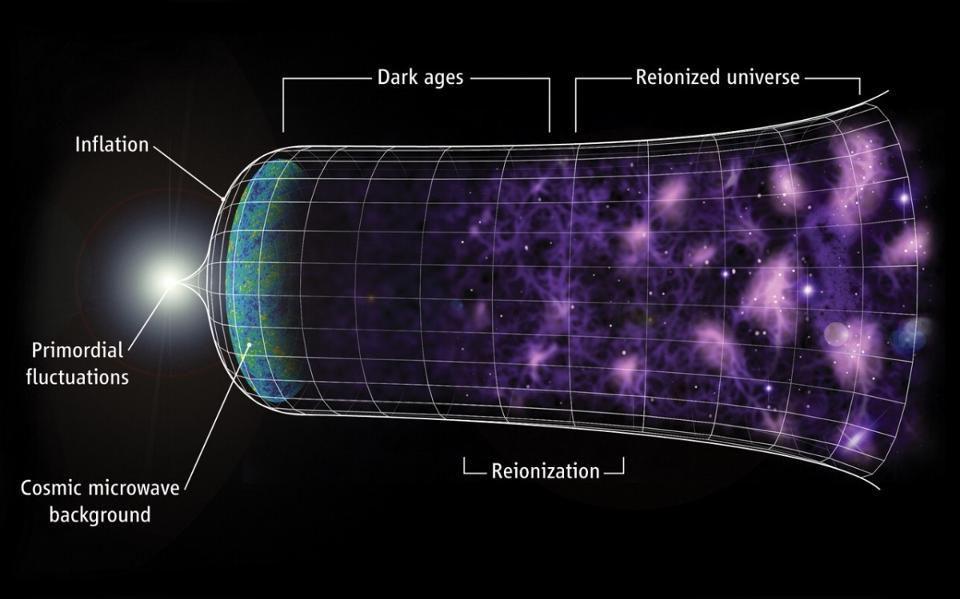
Many contrarians dispute that cosmic inflation occurred. The evidence says otherwise.
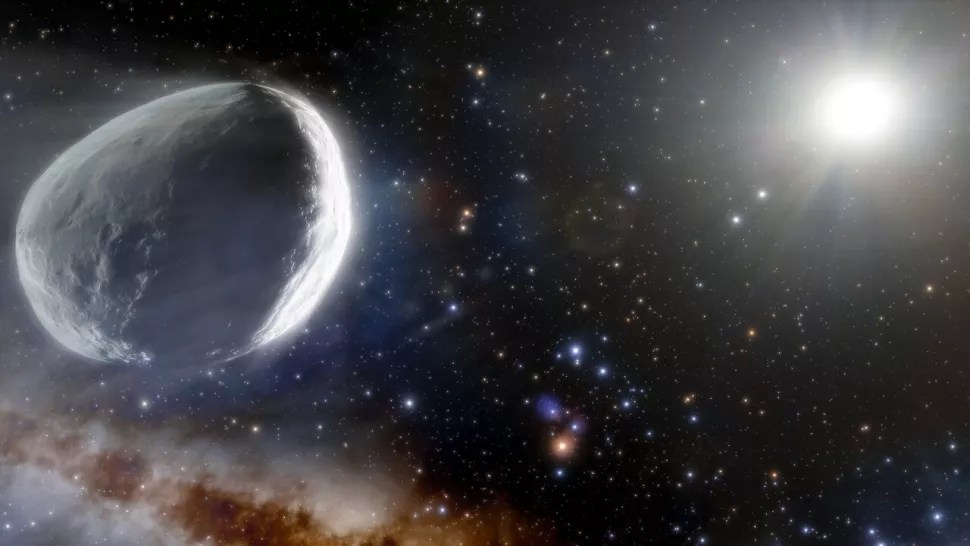
A new study shows that the Bernardinelli-Bernstein Comet is much larger than previously thought — potentially the largest ever spotted.
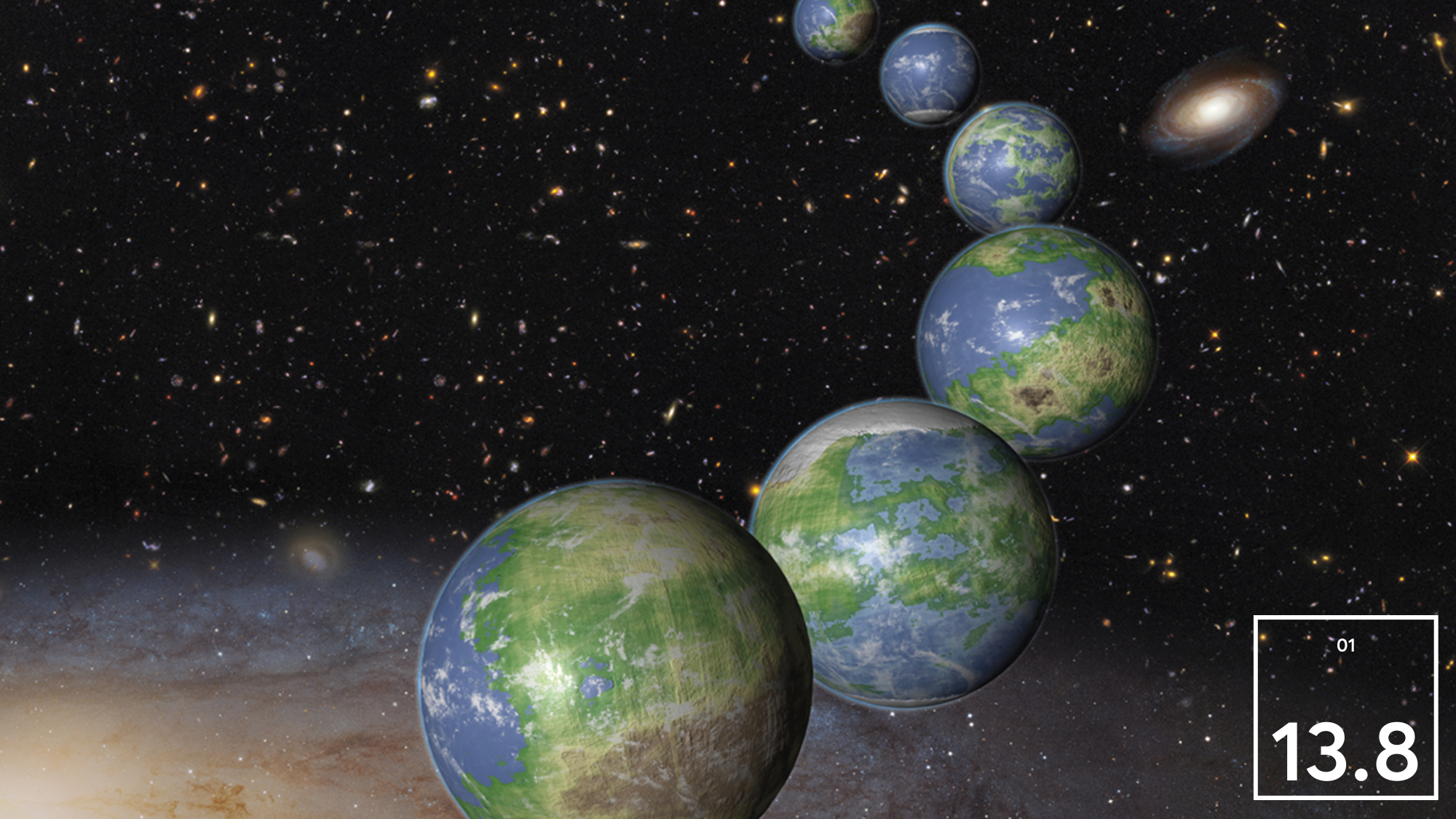
The mediocrity principle is often used to make claims about the abundance of life across the universe, but these claims are likely unfounded.
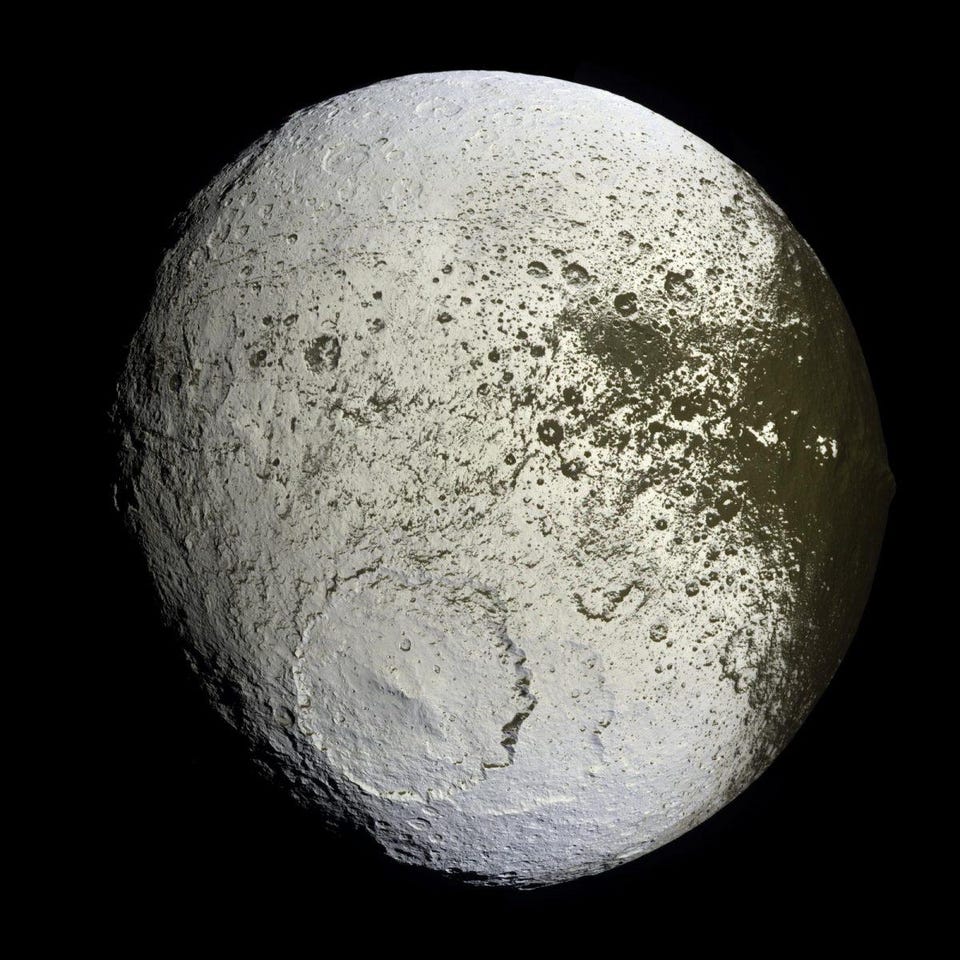
Saturn’s Iapetus, discovered way back in 1671, has three bizarre features that science still can’t fully explain.
Try this: It’s about 10 times the number of cups of water in all the oceans of Earth.
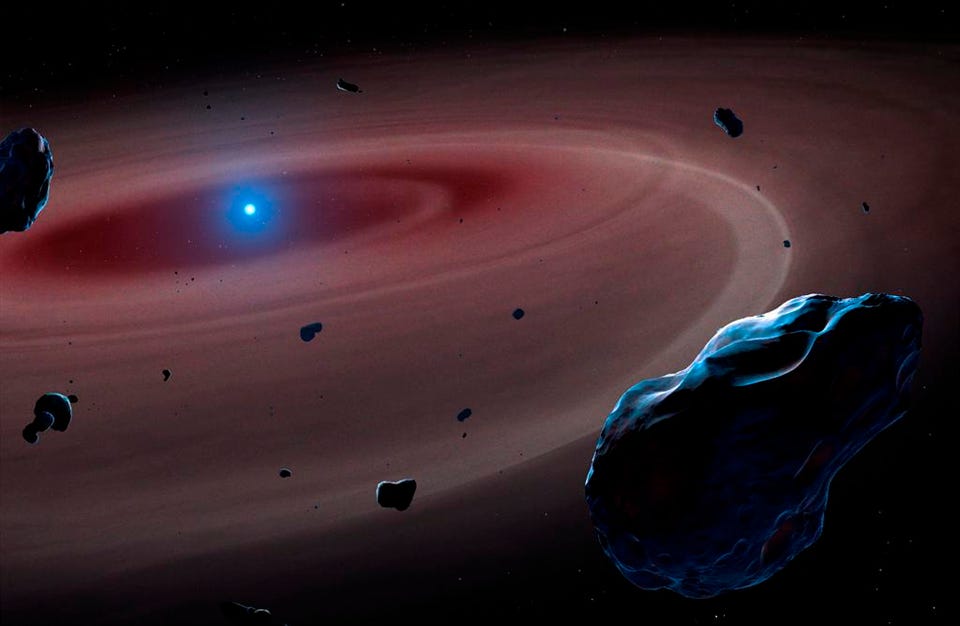
The past ~4 billion years have been an incredibly successful, unbroken run for life on Earth. The future won’t be nearly so bright.
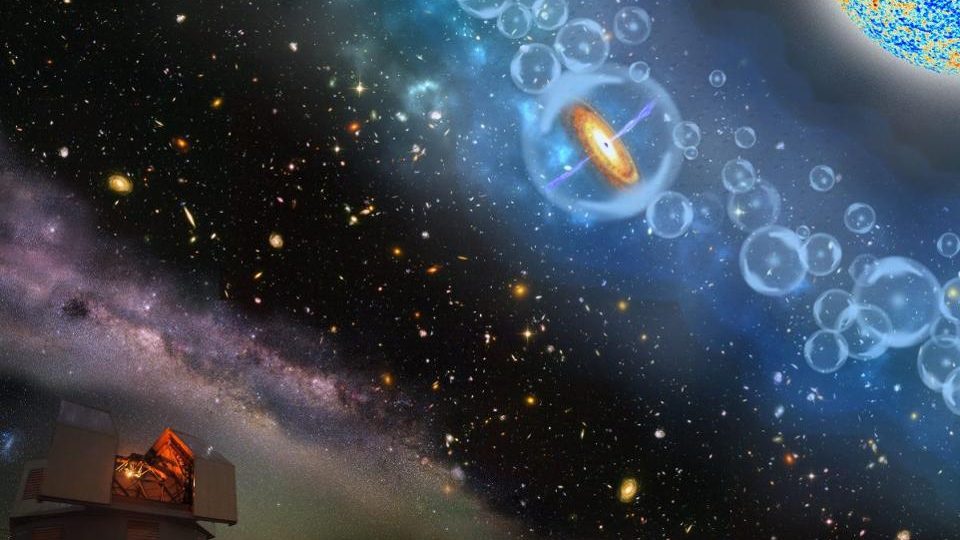
If we were born trillions of years in the future, could we even figure out our cosmic history?
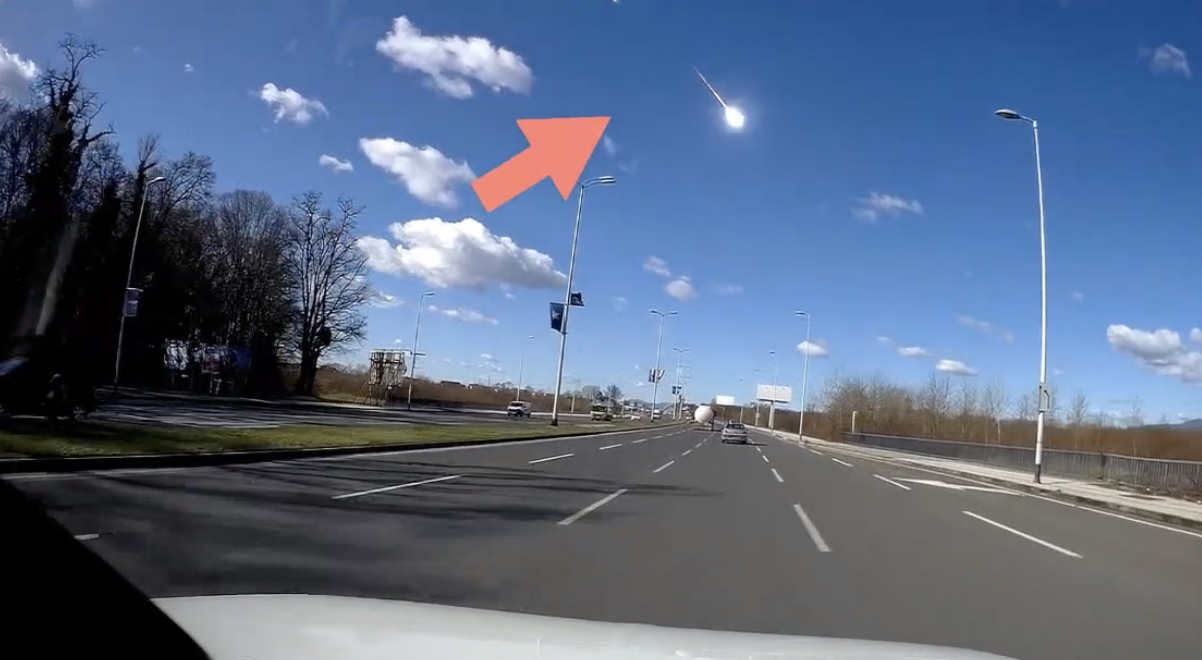
The unconventional method could help astronomers better track meteorites that fall during the daytime.
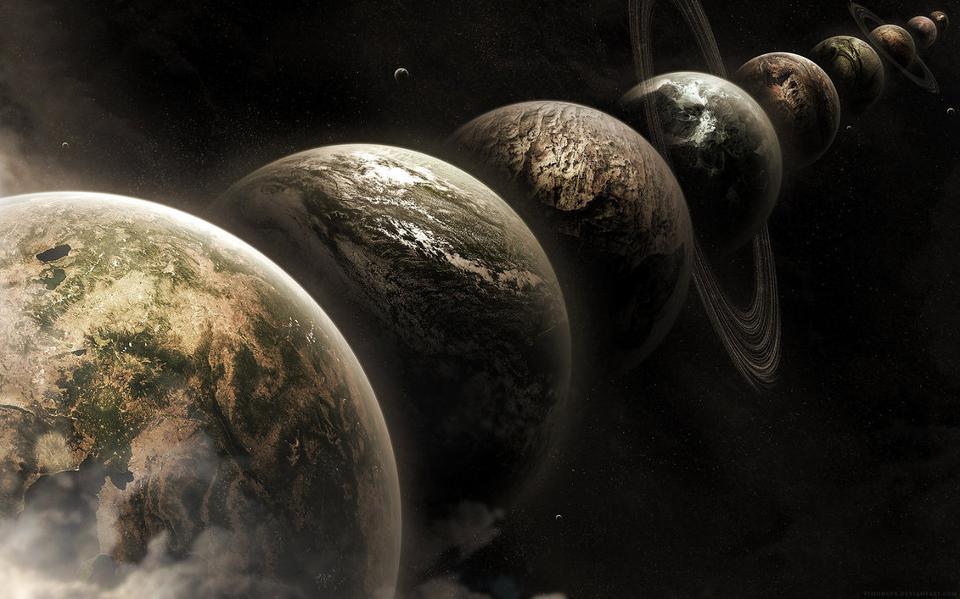
If there really is another version of you out there in a parallel universe, what can that teach us about reality?
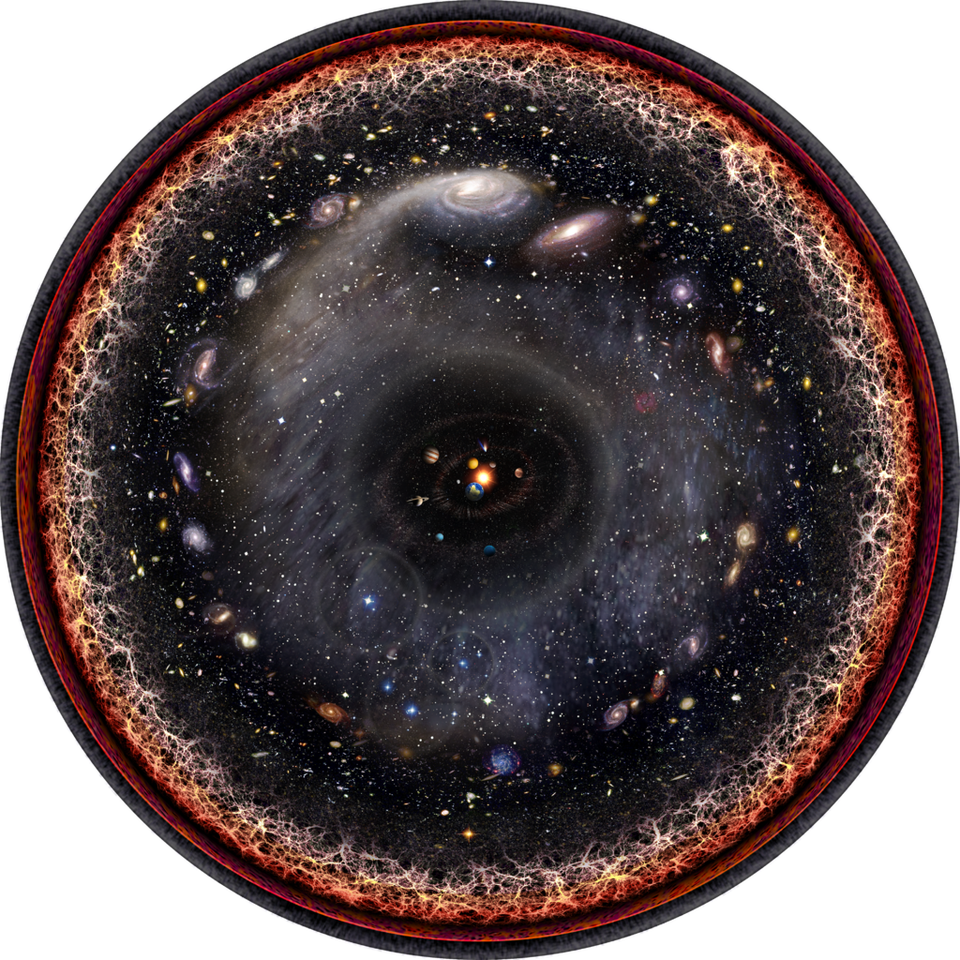
The universe is only 13.8 billion years old, but we can see back 46.1 billion light-years. Here’s how the expanding universe does it.
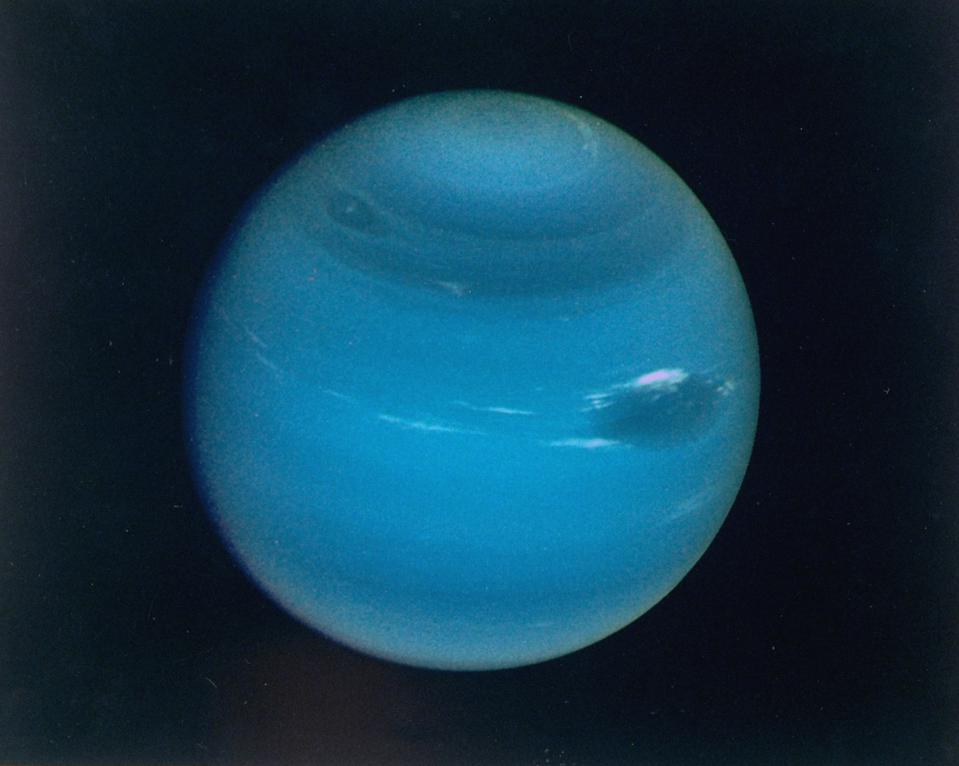
Gravitation, all on its own, can reveal what’s present in the cosmos like nothing else.
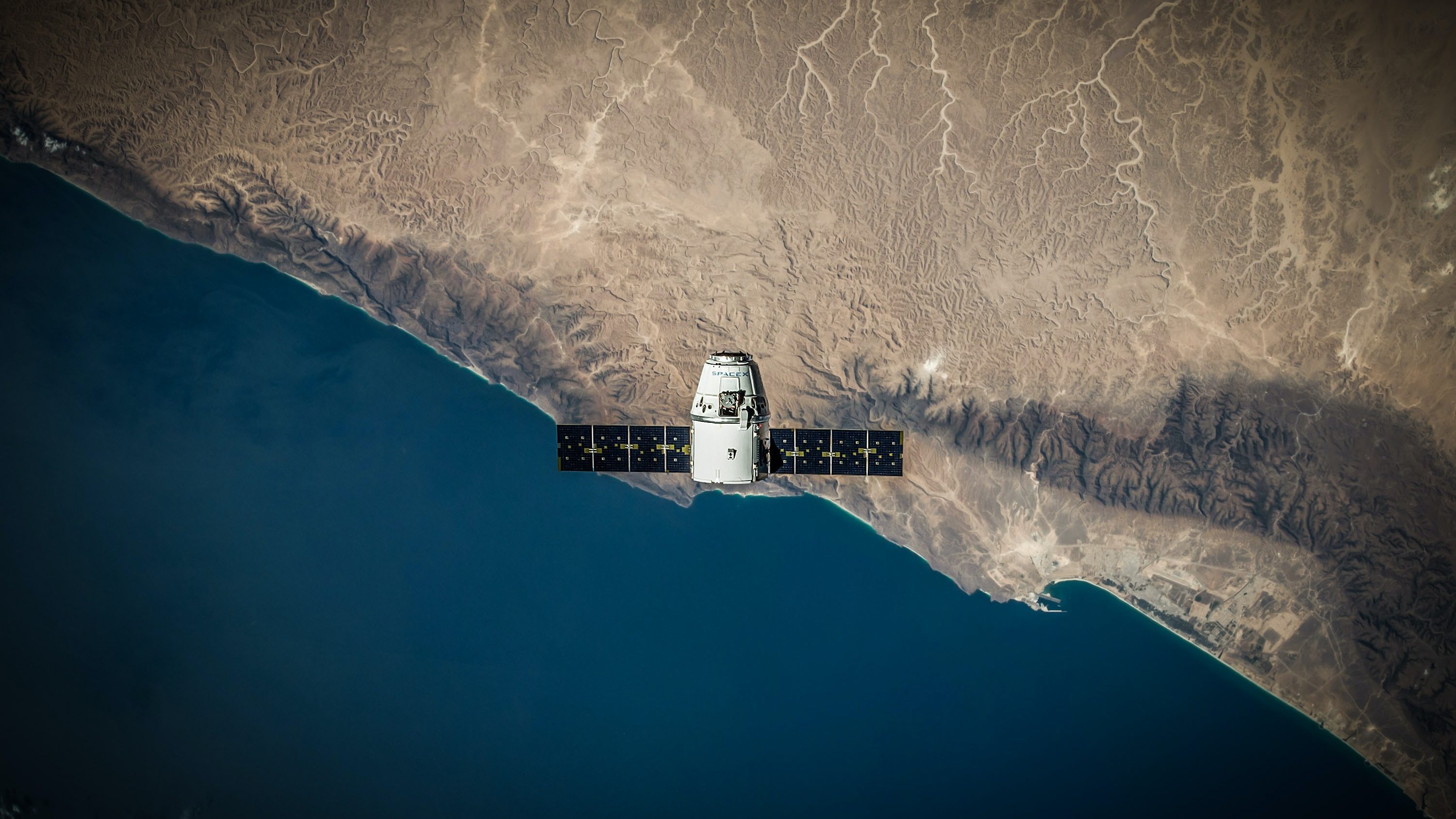
With the huge growth in satellites, fears of a crowded sky are coming true.
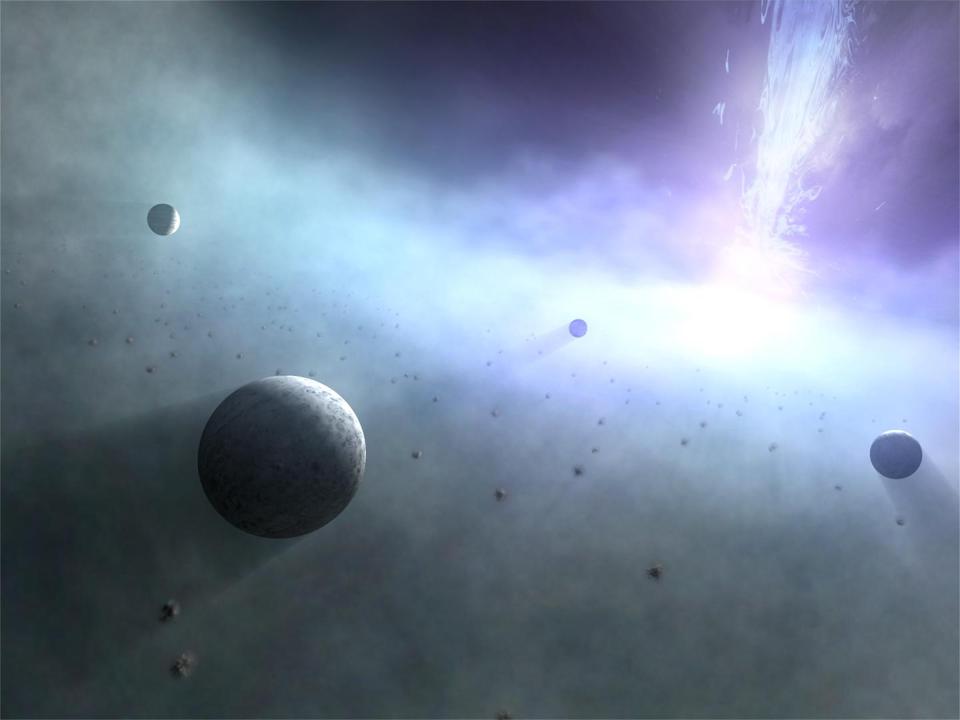
Are the stellar remnants in our cosmic backyard actually our parents and grandparents?
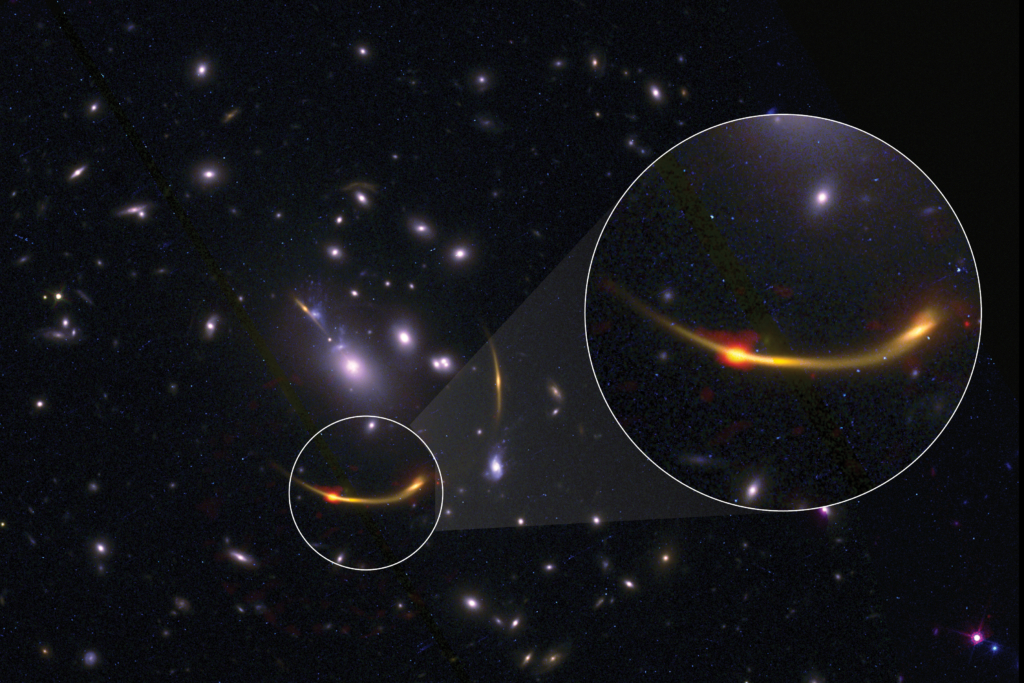
The most massive galaxies lost their star-forming material very early on and never got it back.
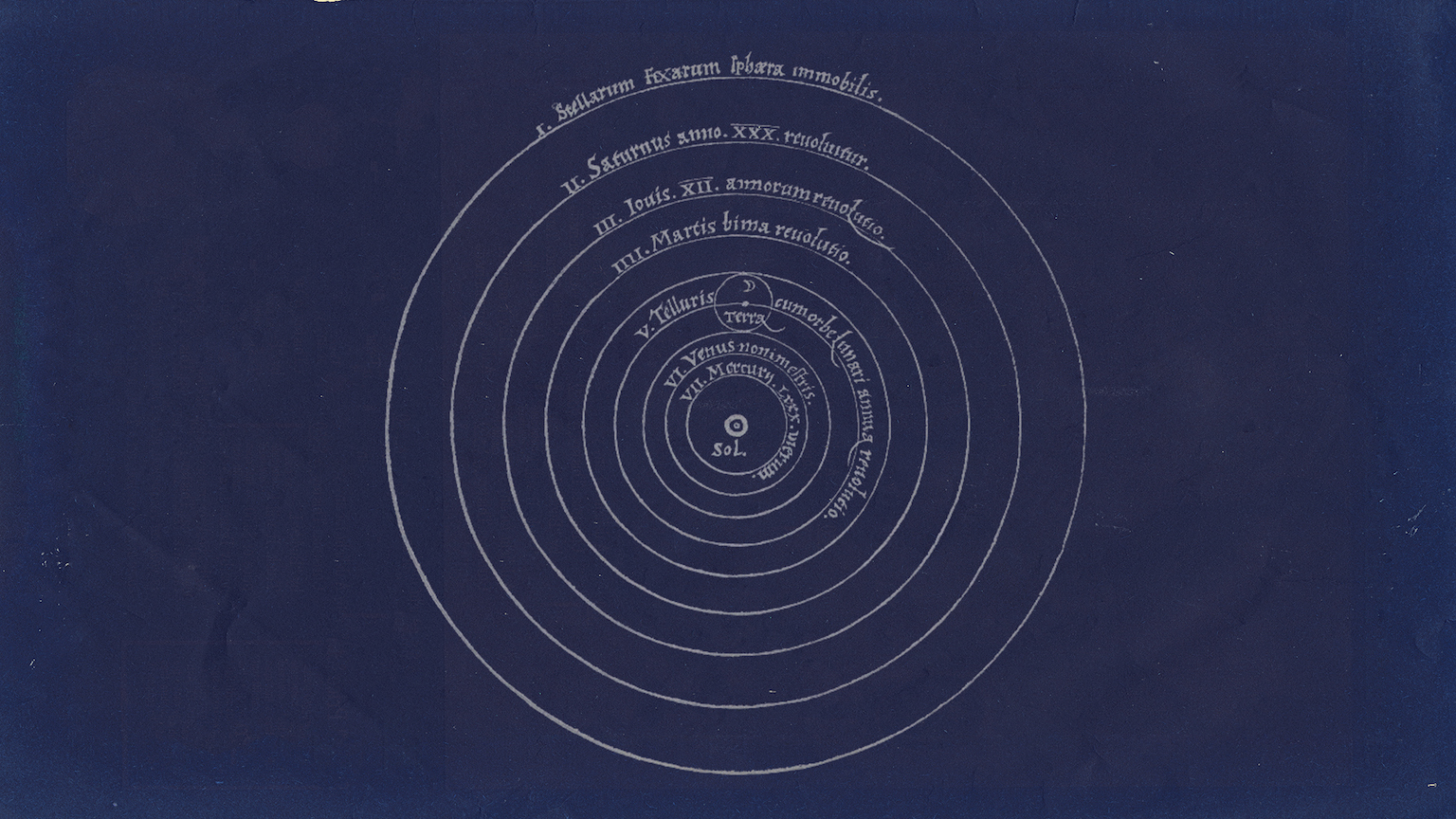
The Copernican principle states that Earth is an ordinary planet, but that does not mean that life is ordinary in the universe.
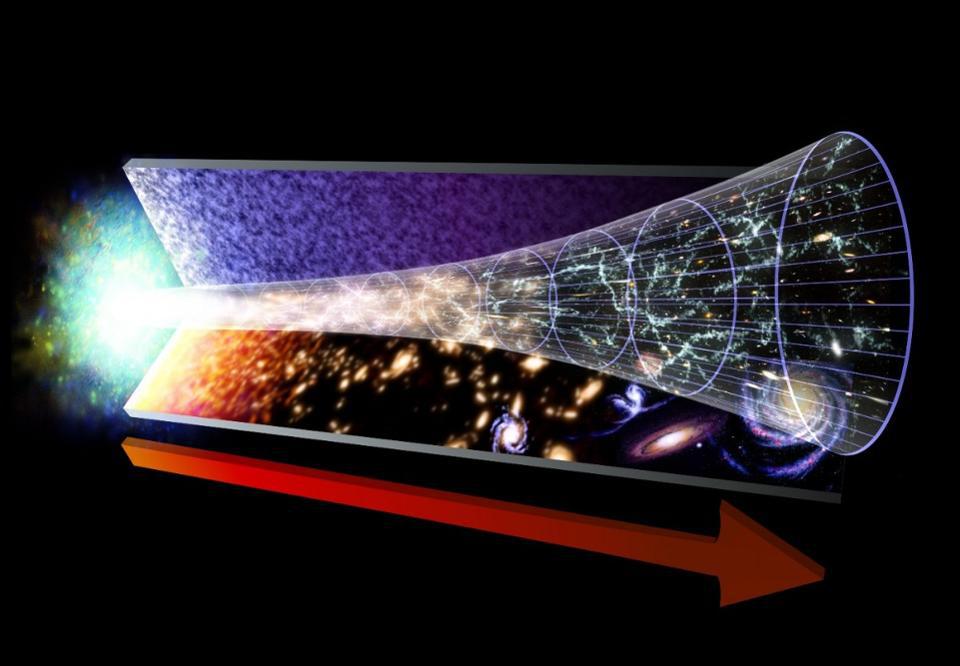
Everything else in the universe is either a particle or field. Dark energy behaves as neither, and it may be a property inherent to space itself.
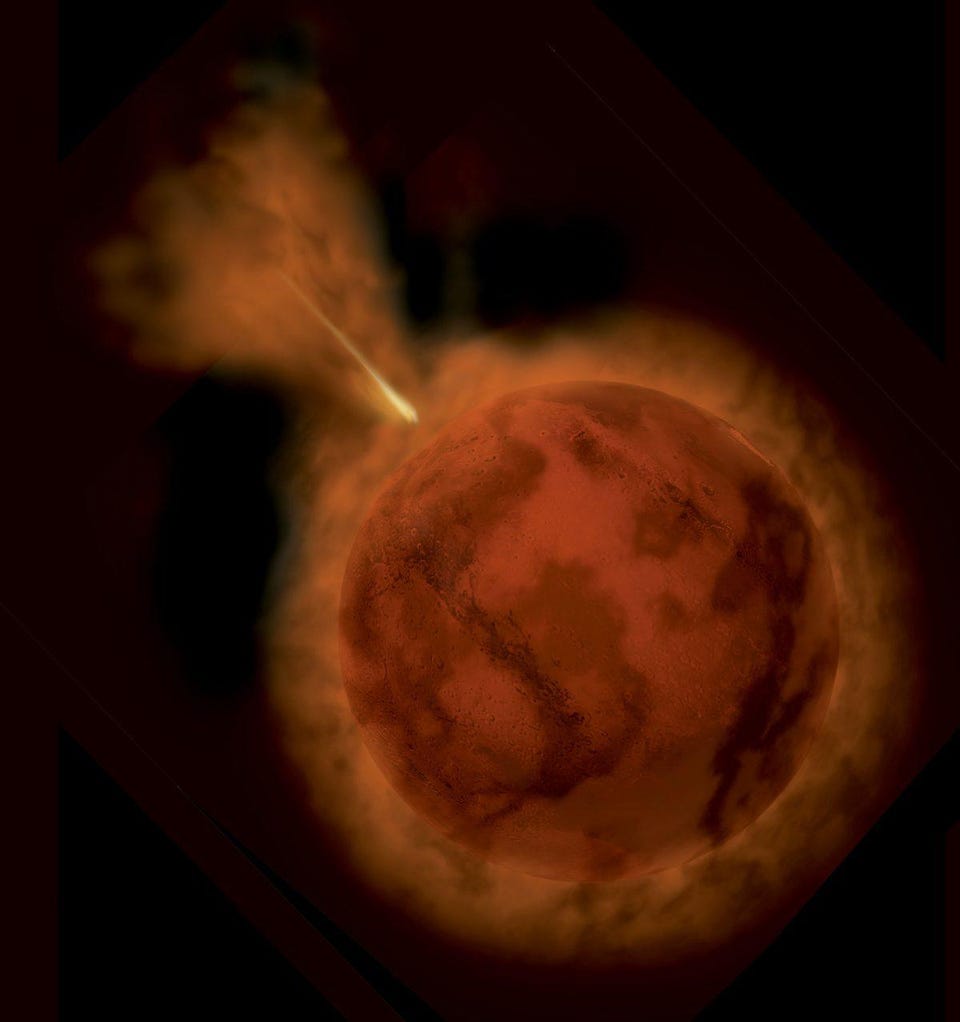
Phobos and Deimos only have two explanations, and neither one adds up.
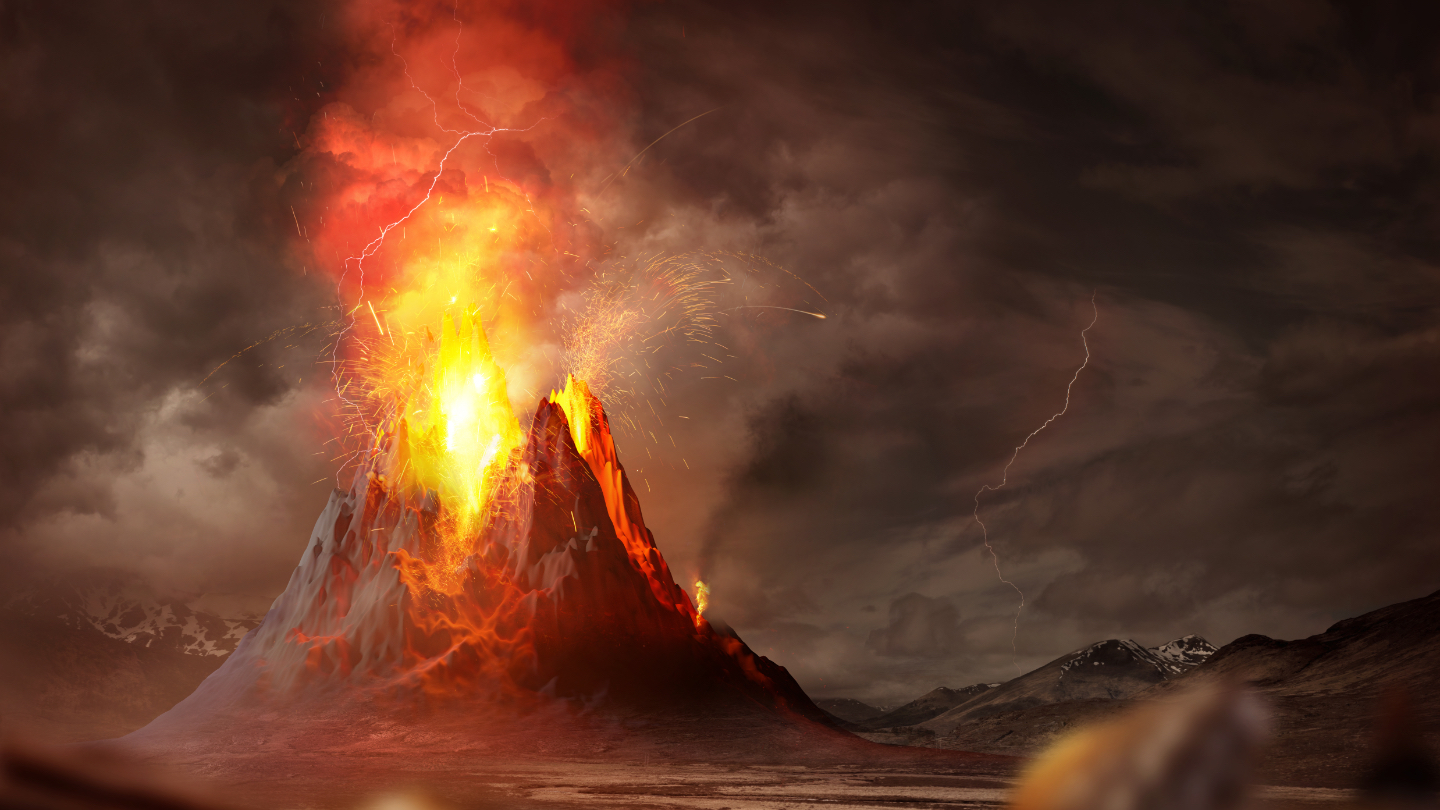
Research from NASA reveals Mars’ spectacular volcanic past.