Space & Astrophysics
The atmosphere’s habitable zone is so small, several mountain ranges extend beyond it.
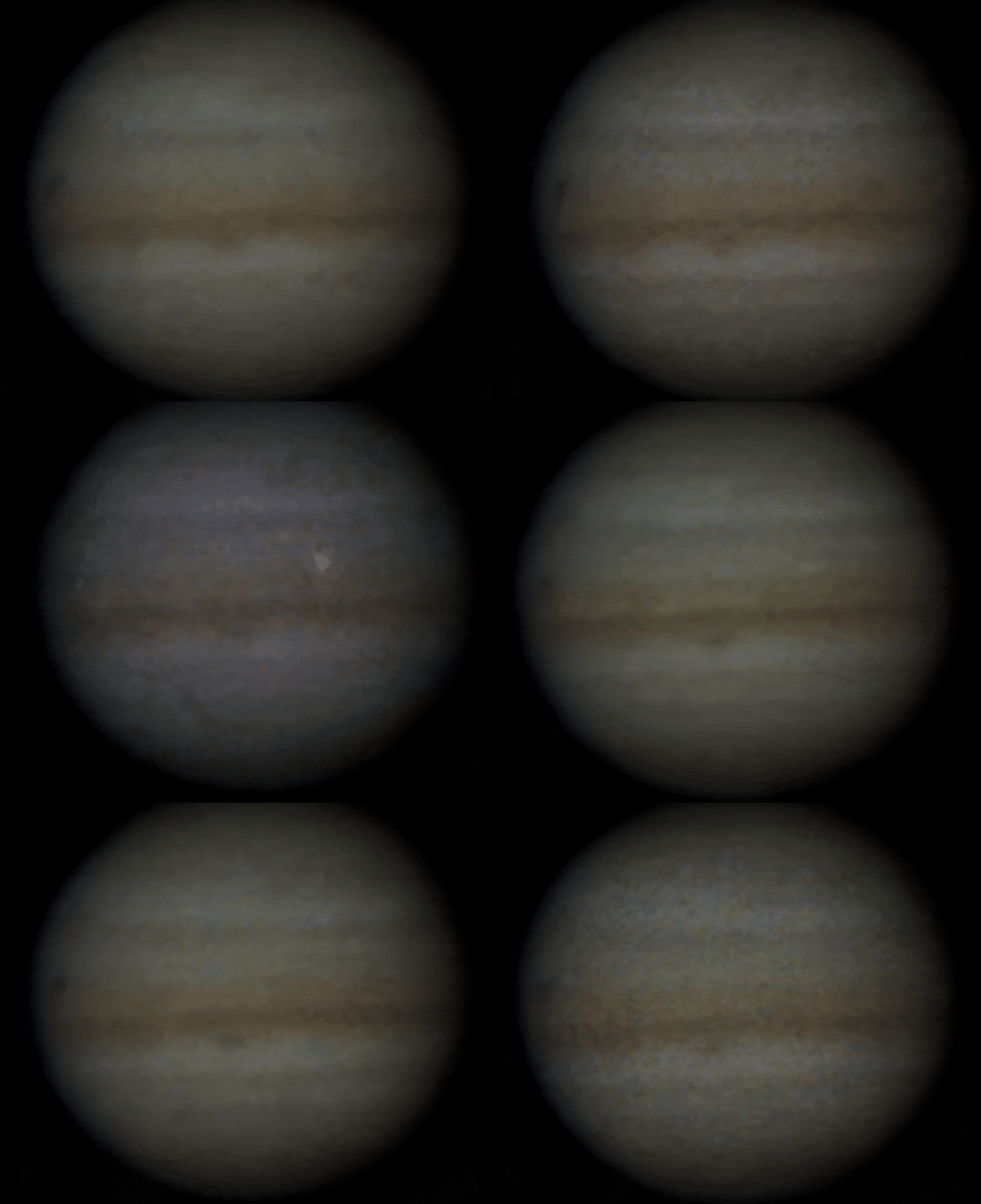
Even with all the recent impacts we’ve seen, it might be more “foe” than “friend” to us.
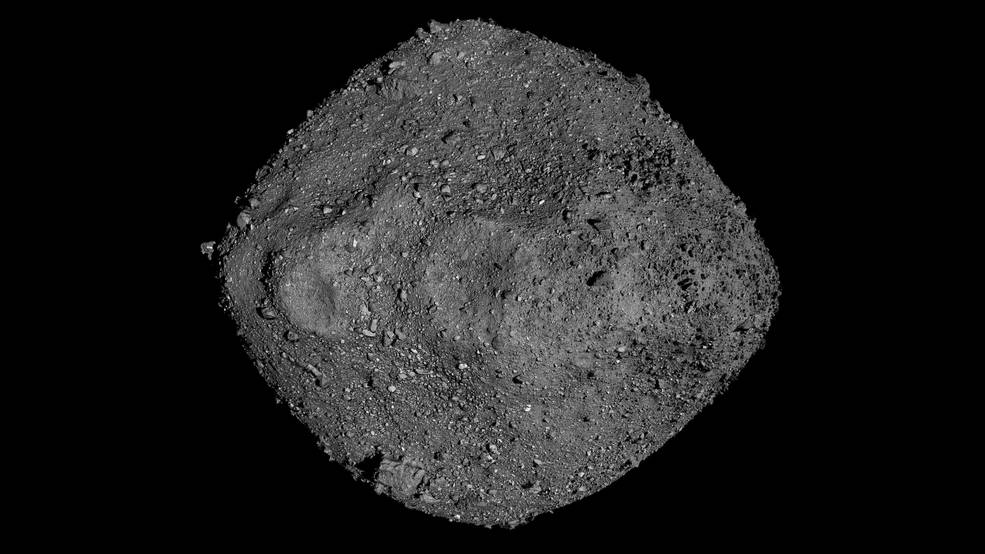
Asteroid Bennu is still far more likely to fly right by us than to make impact.
It does not matter if intelligent life exists elsewhere. We will never find each other.
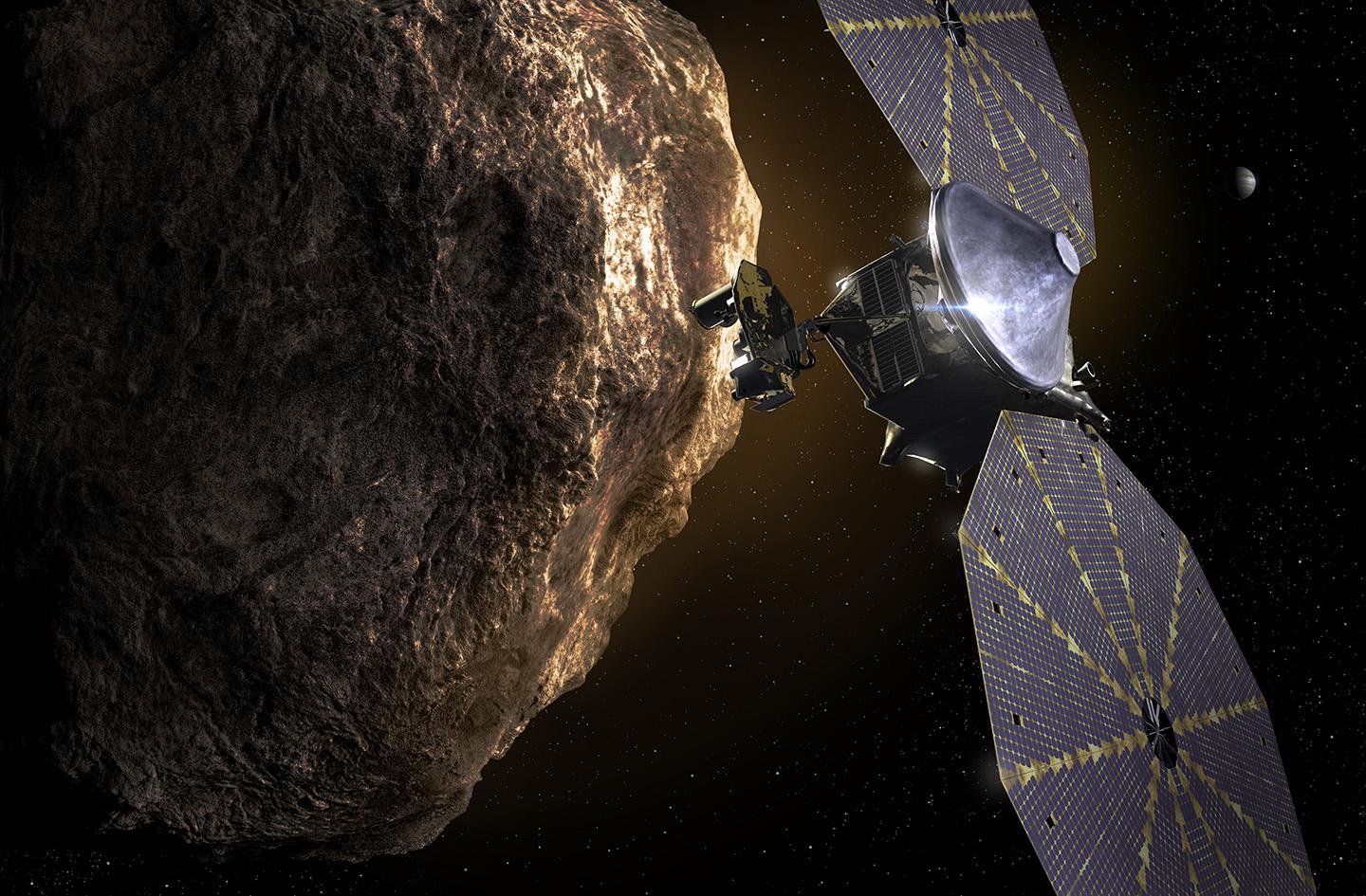
NASA will use energy from Earth’s gravity to launch the Lucy spacecraft in October of this year.
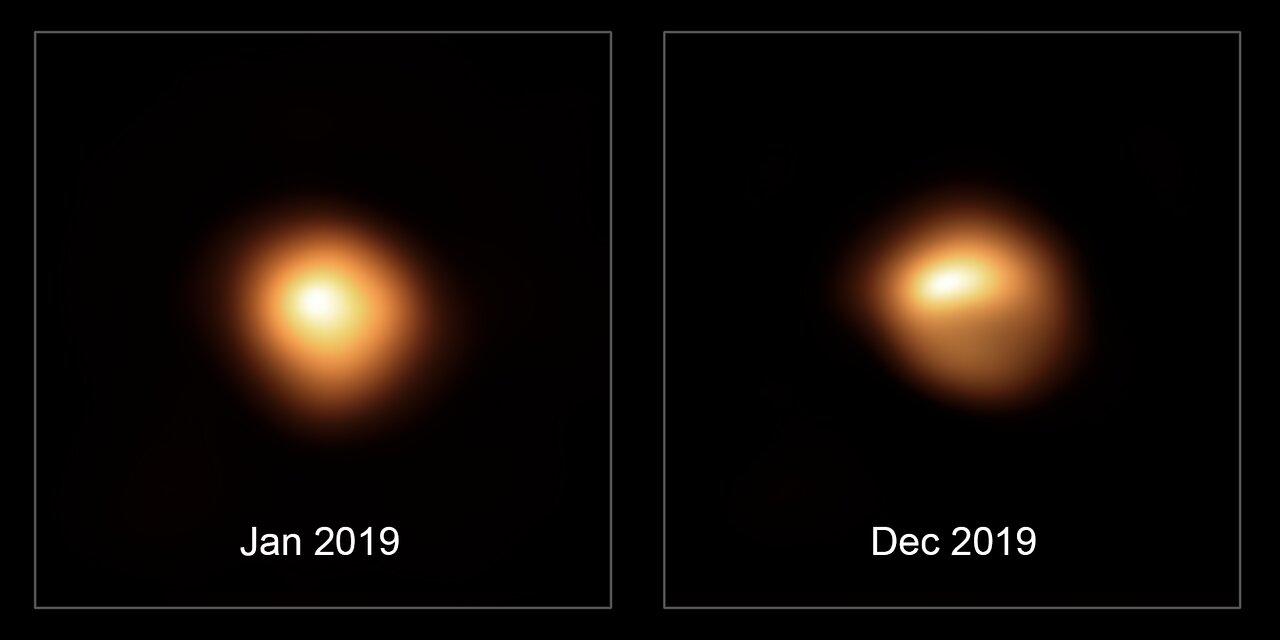
Betelgeuse, the tenth brightest star in the night sky, mysteriously dimmed last year. Now researchers know why.
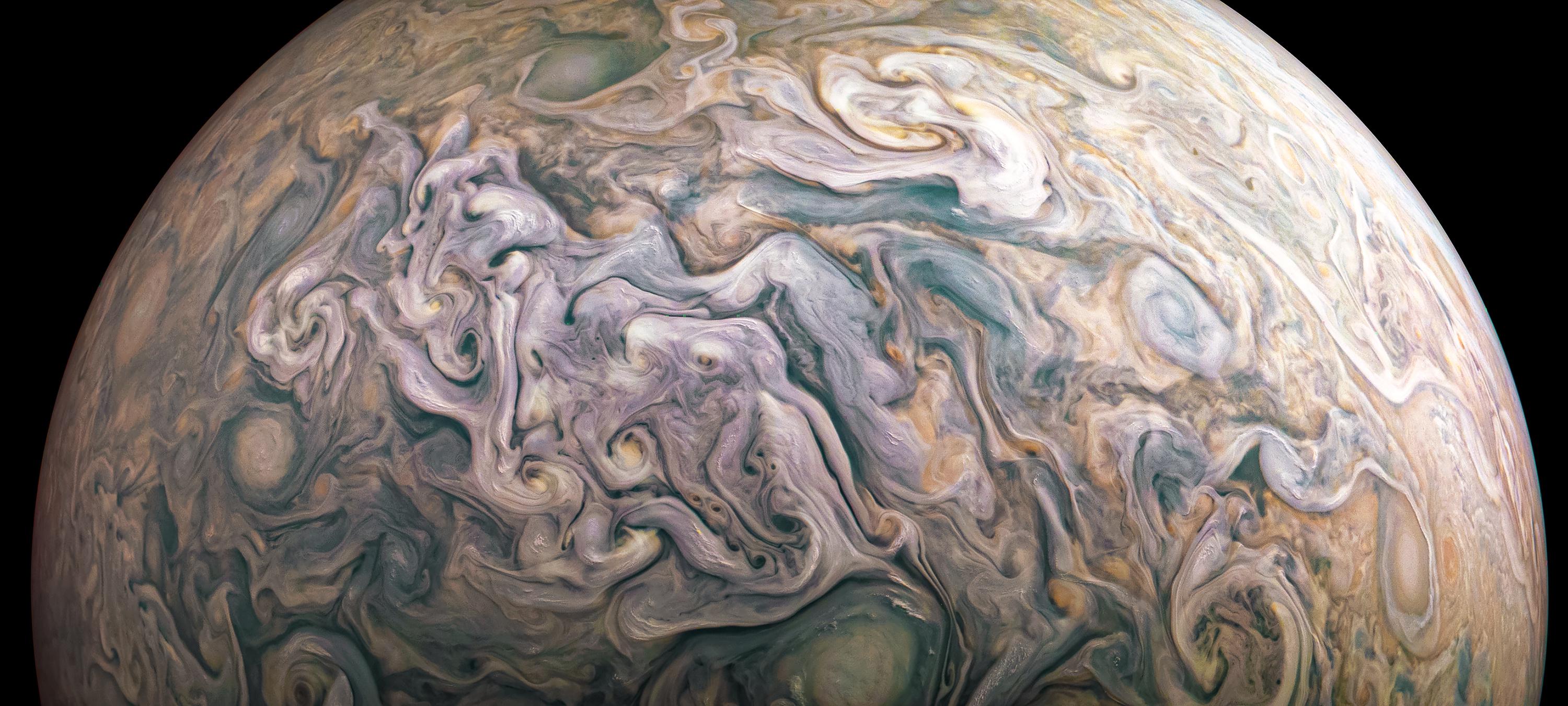
Jupiter’s atmosphere is hotter than it should be, and now we know why.
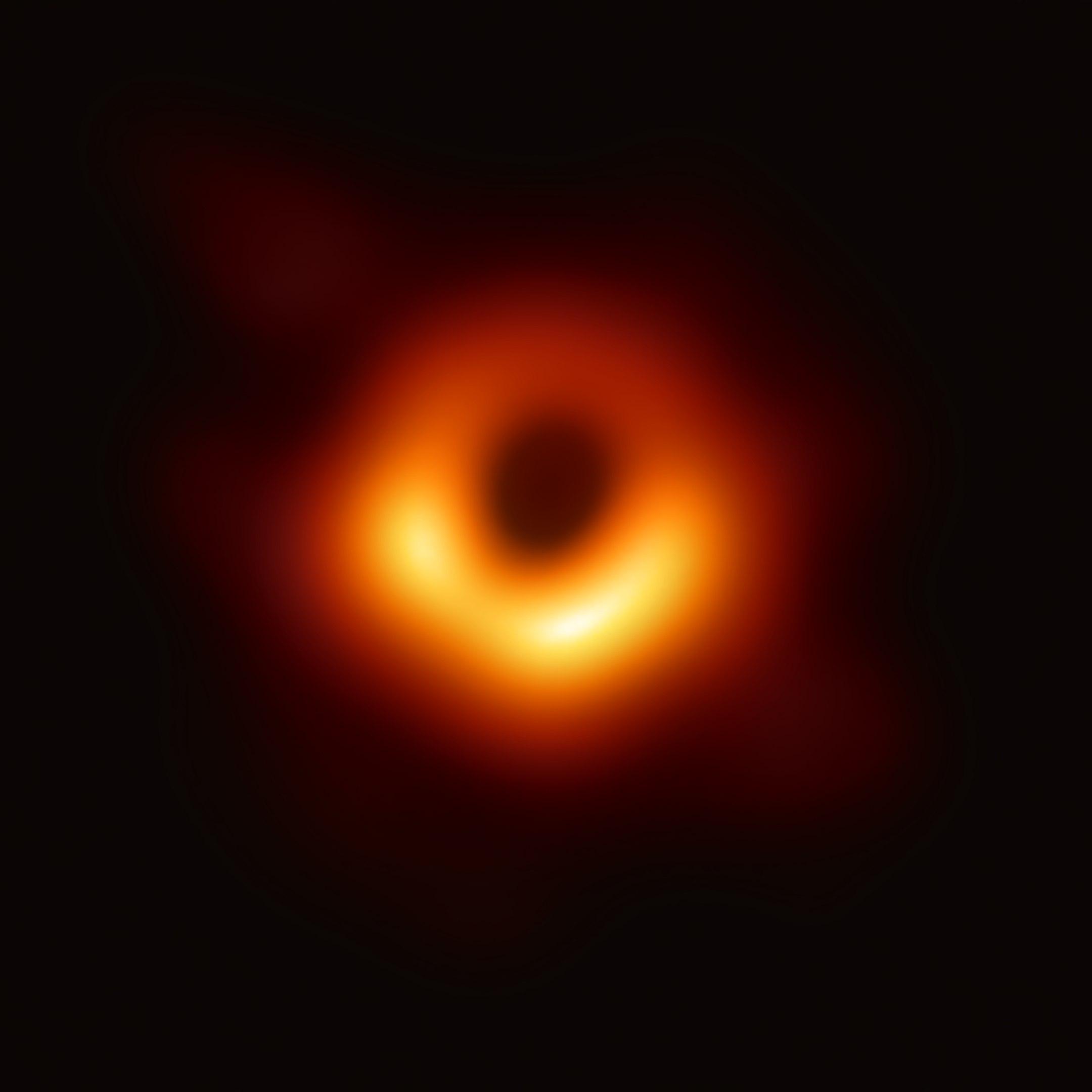
For the first time, light that comes from behind a black hole has been spotted.
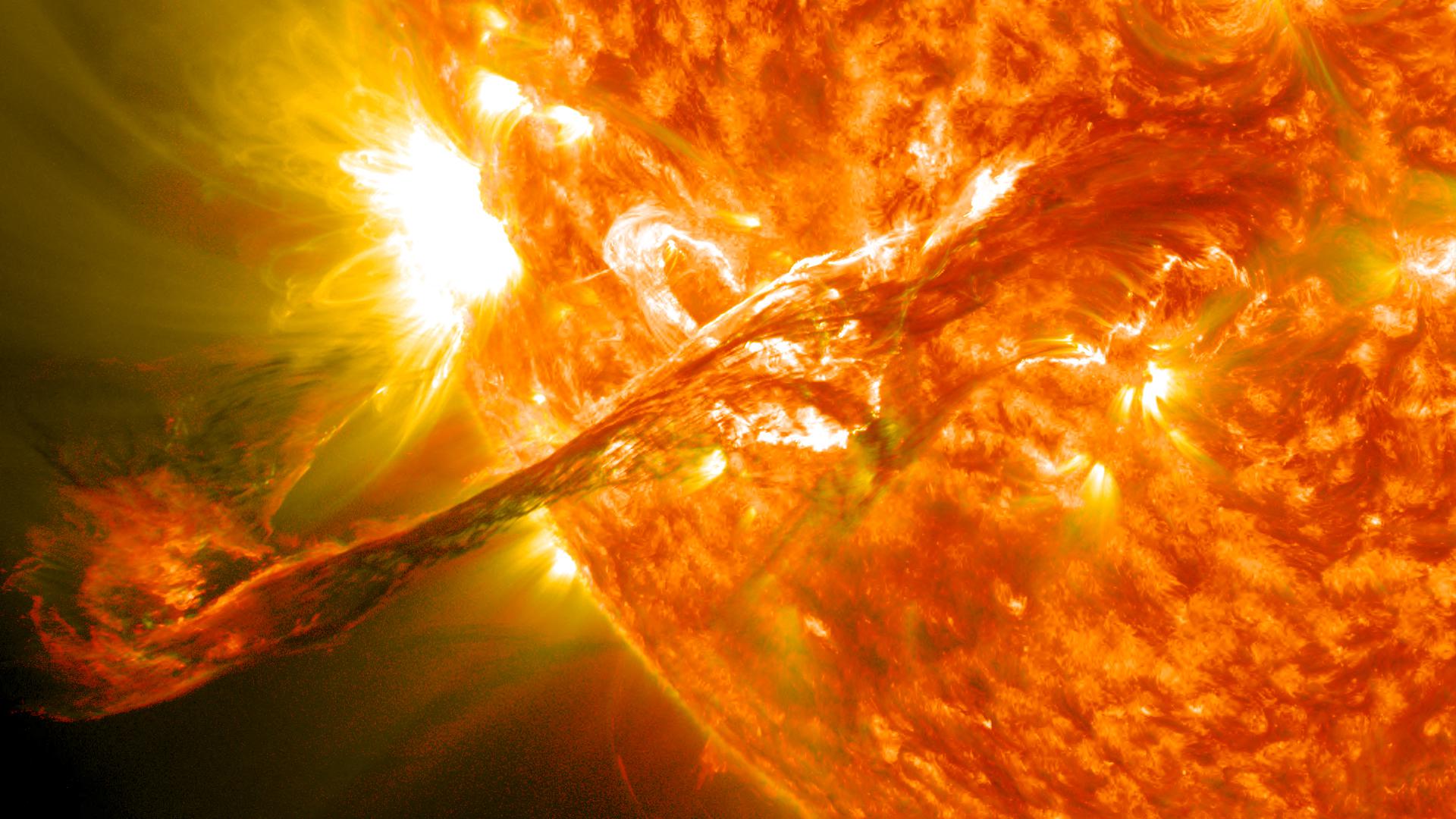
While we can see many solar storms coming, some are “stealthy.” A new study shows how to detect them.
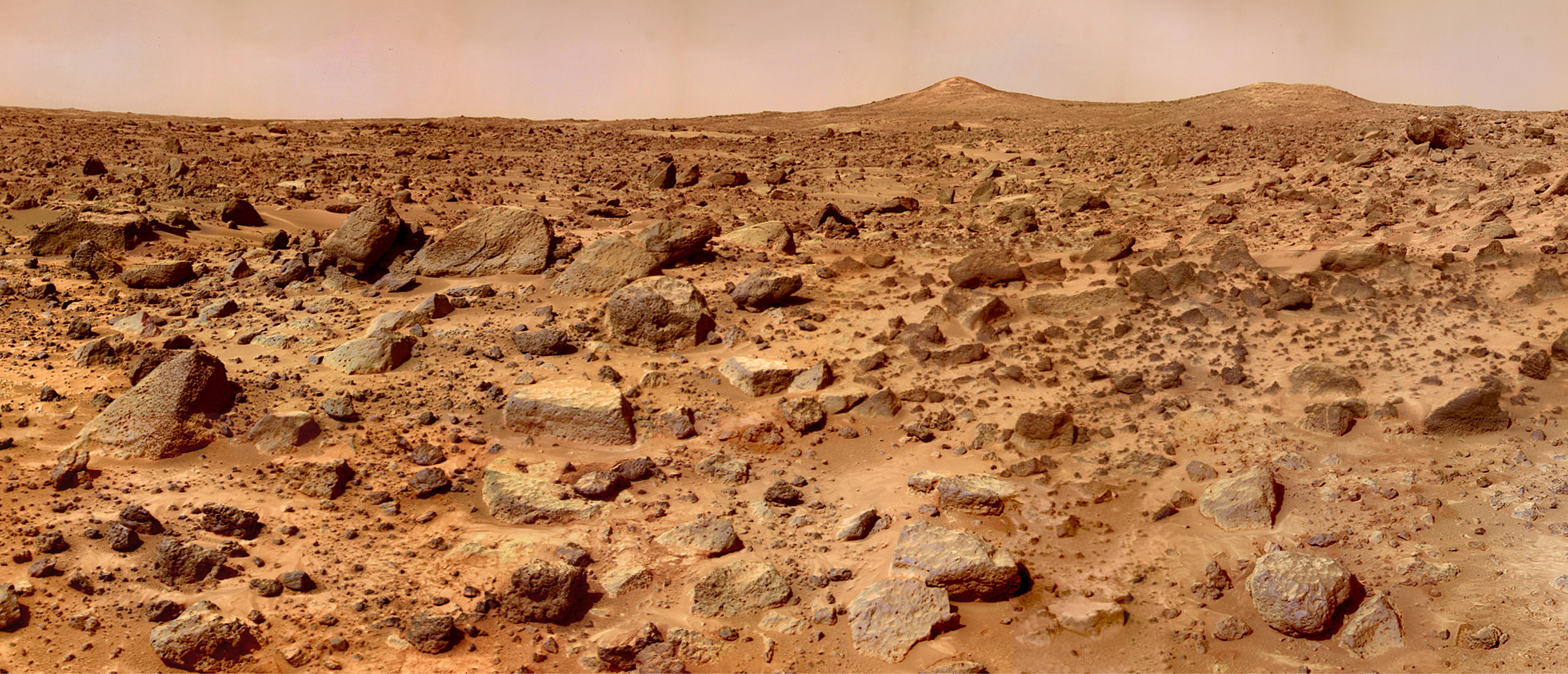
We are likely to see the first humans walk on Mars this decade.
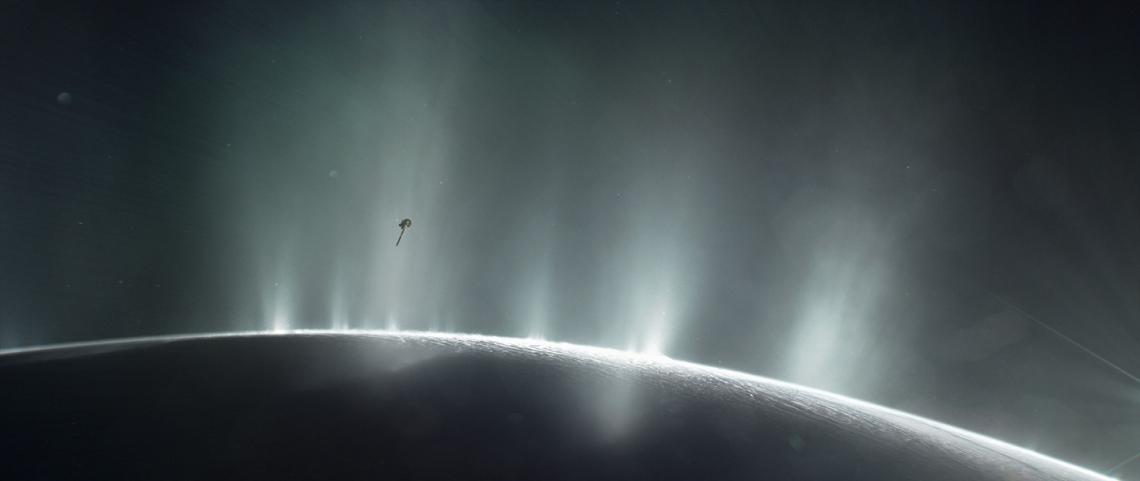
Scientists do not know what is causing the overabundance of the gas.
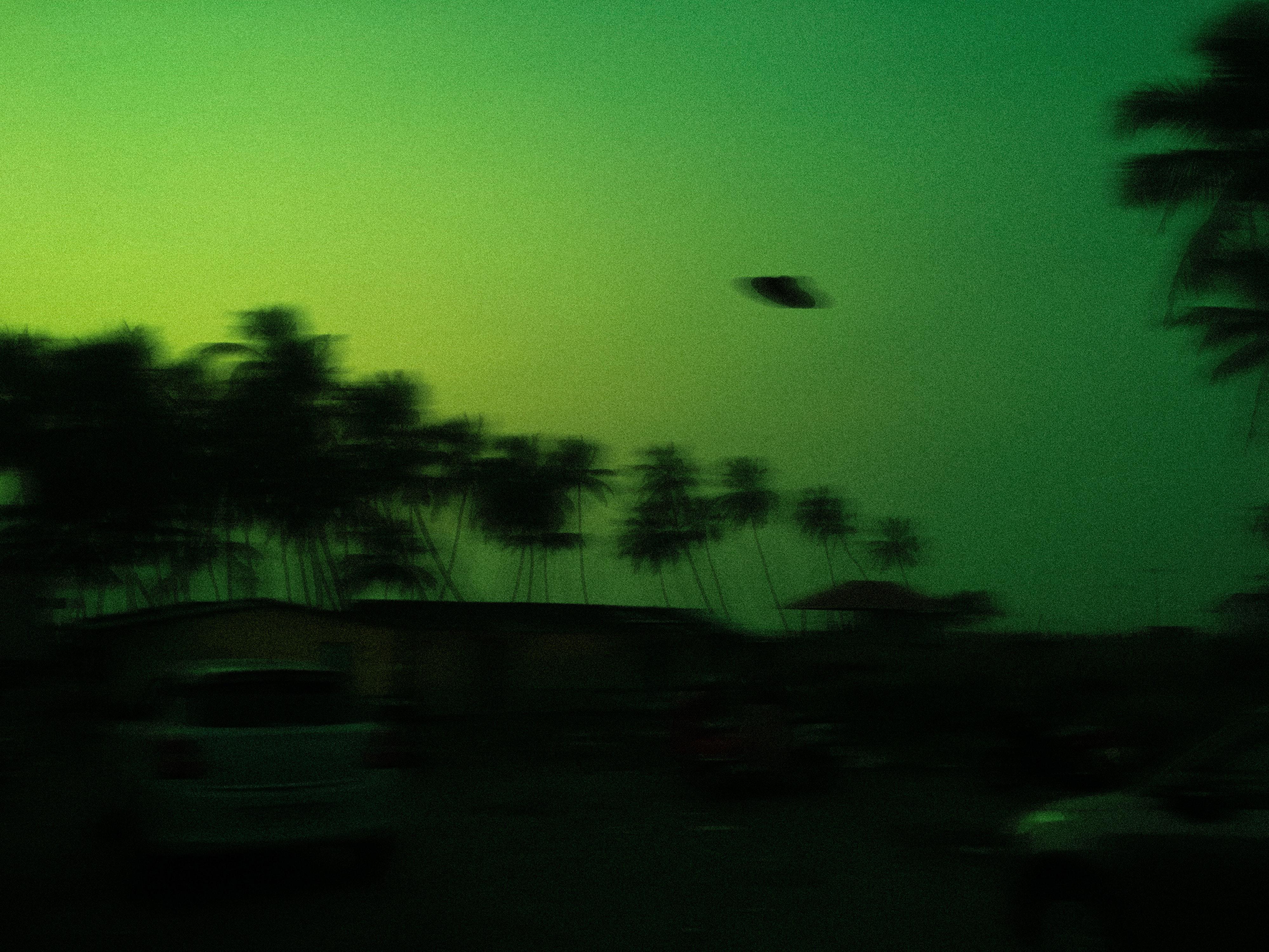
A new government report describes 144 sightings of unidentified aerial phenomena.
Using image analysis tools developed for astronomy, researchers are predicting cancer therapy responses.
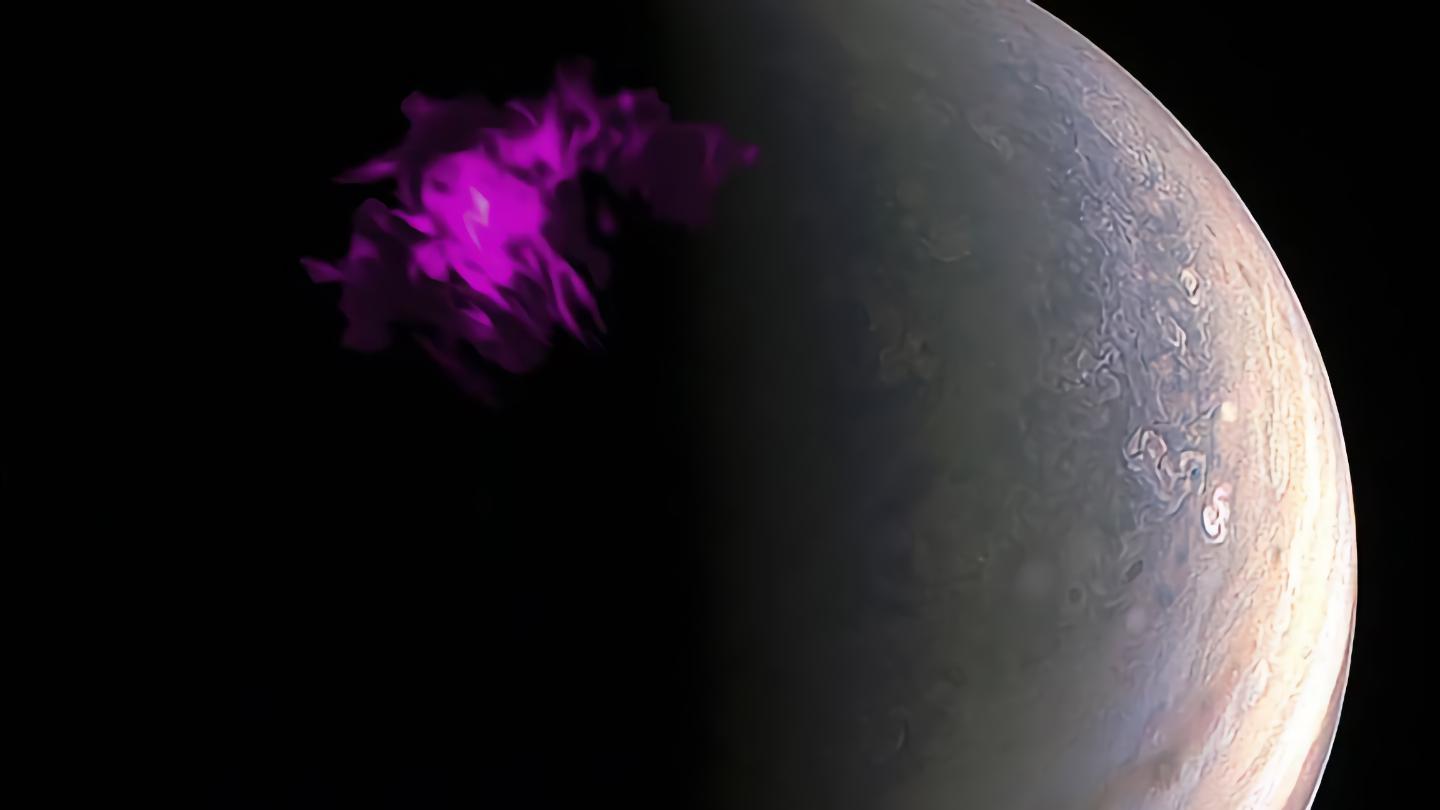
Jupiter’s mysterious auroral events are caused by vibrating waves of plasma.
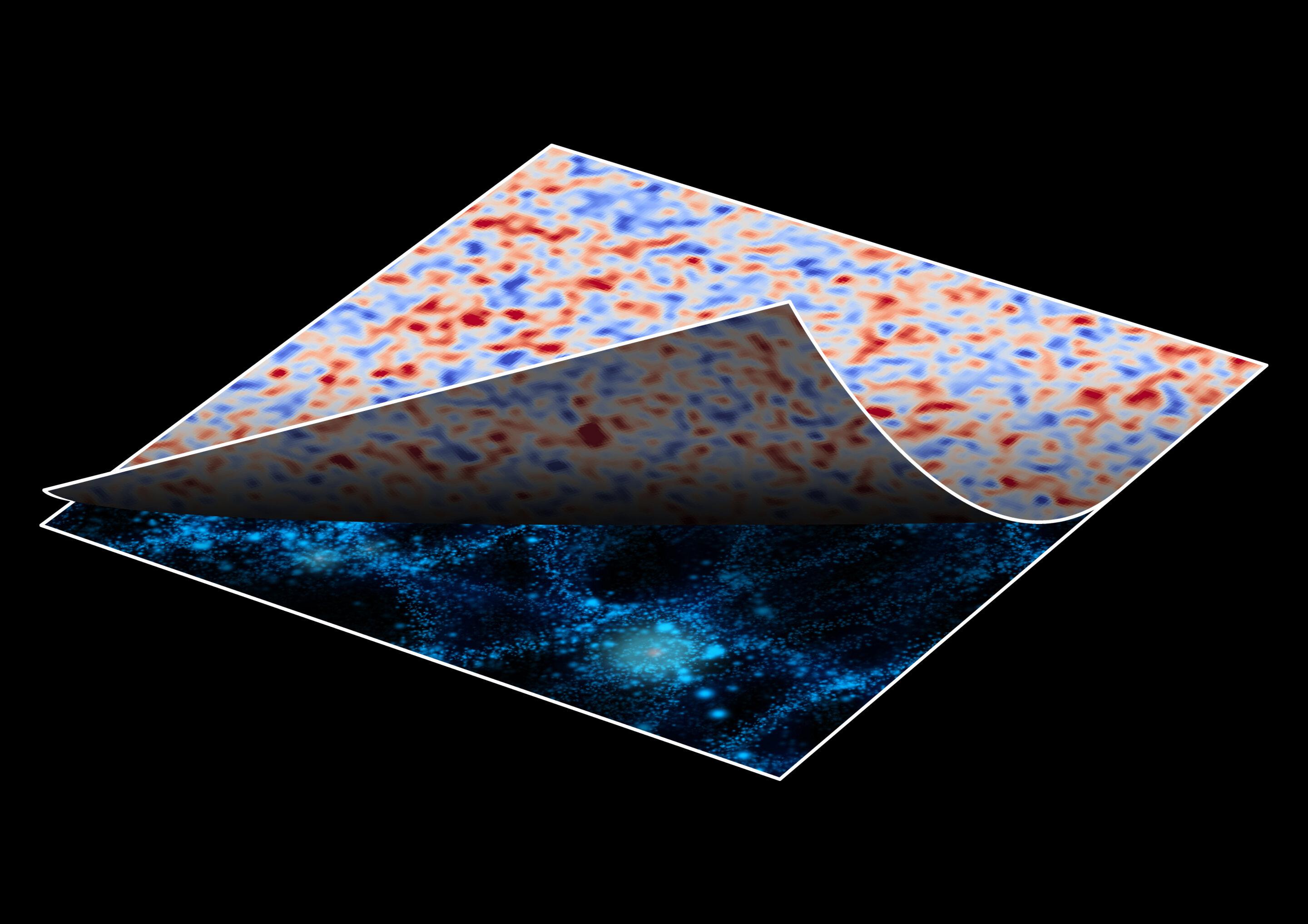
A new artificial intelligence method removes the effect of gravity on cosmic images, showing the real shapes of distant galaxies.
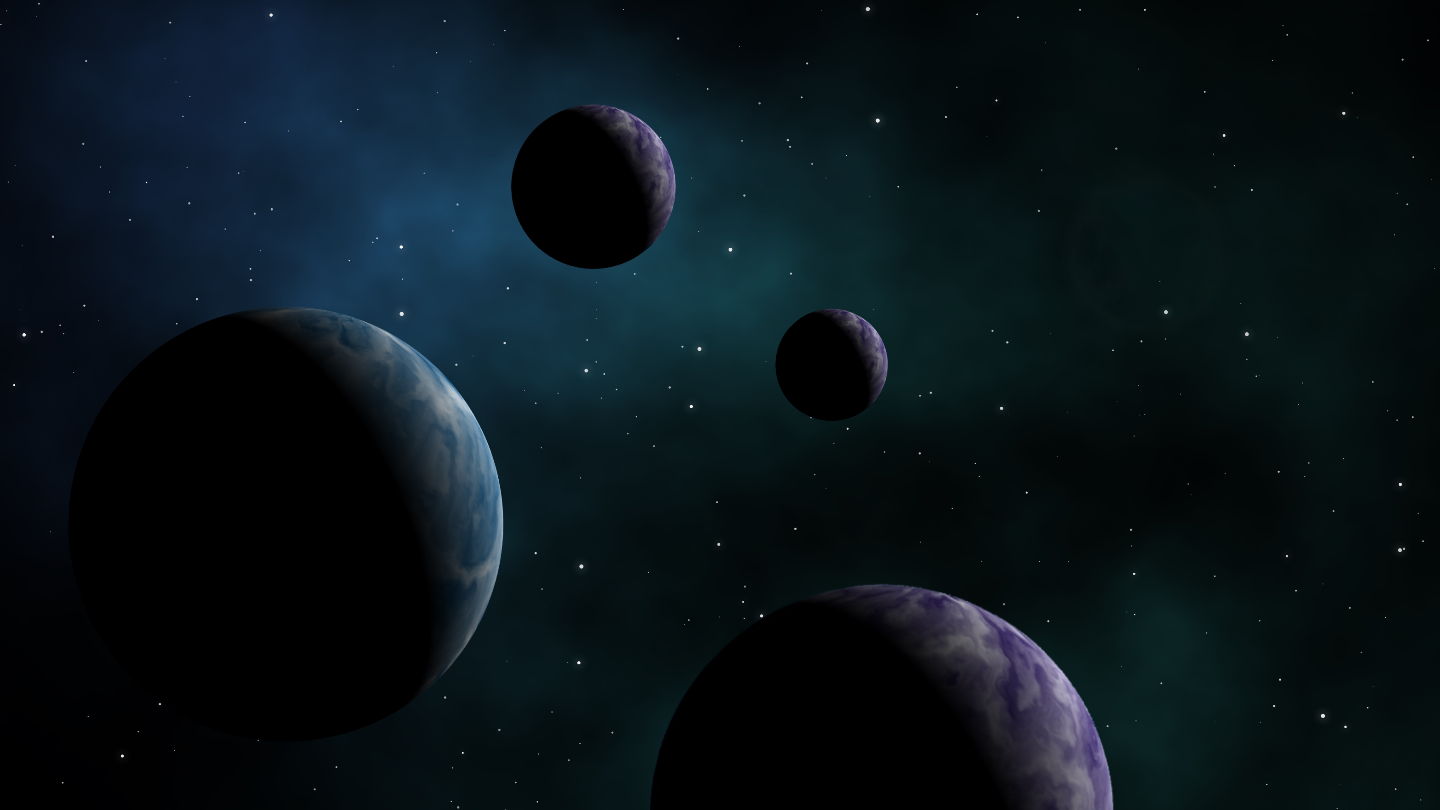
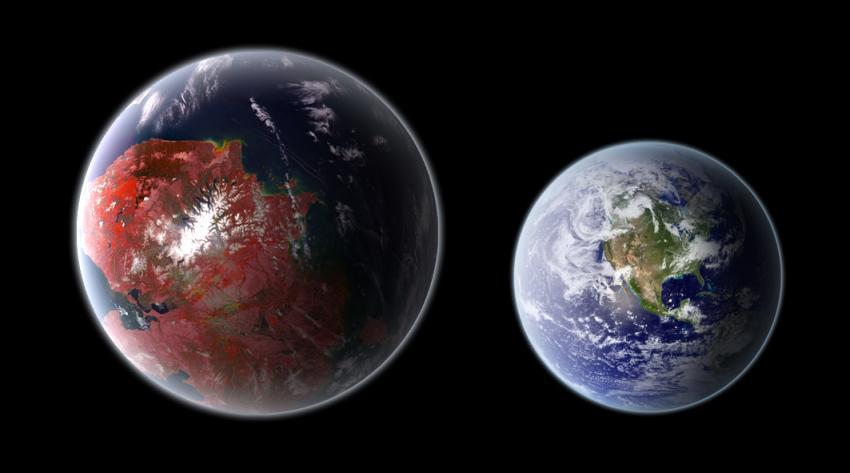
Tiny fluctuations in old Kepler data reveals four runaway planets that are reminiscent of Earth.
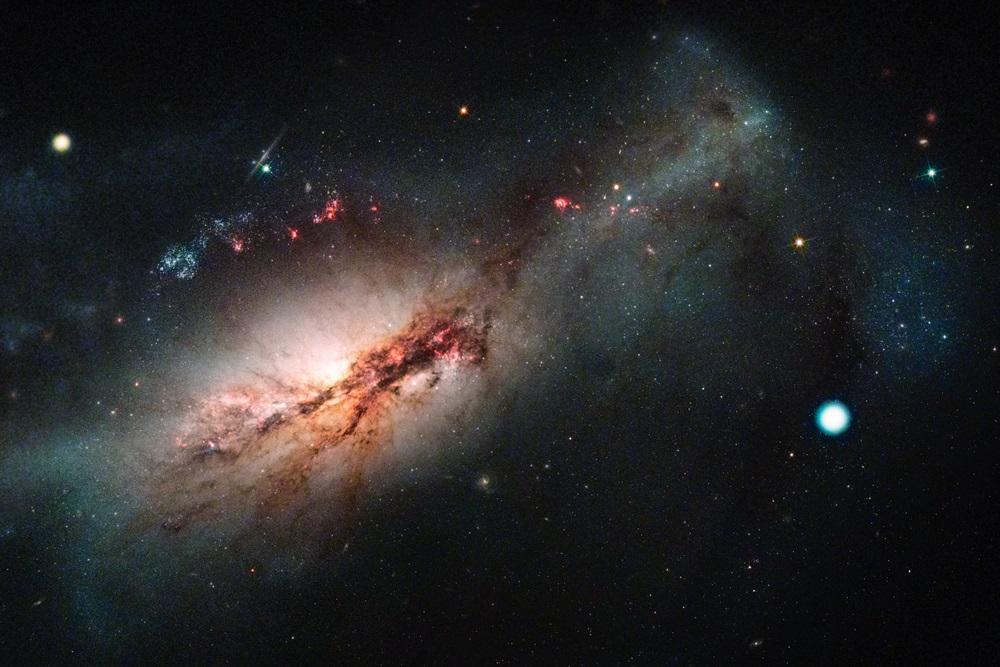
Astronomers find a third type of supernova and explain a mystery from 1054 AD.
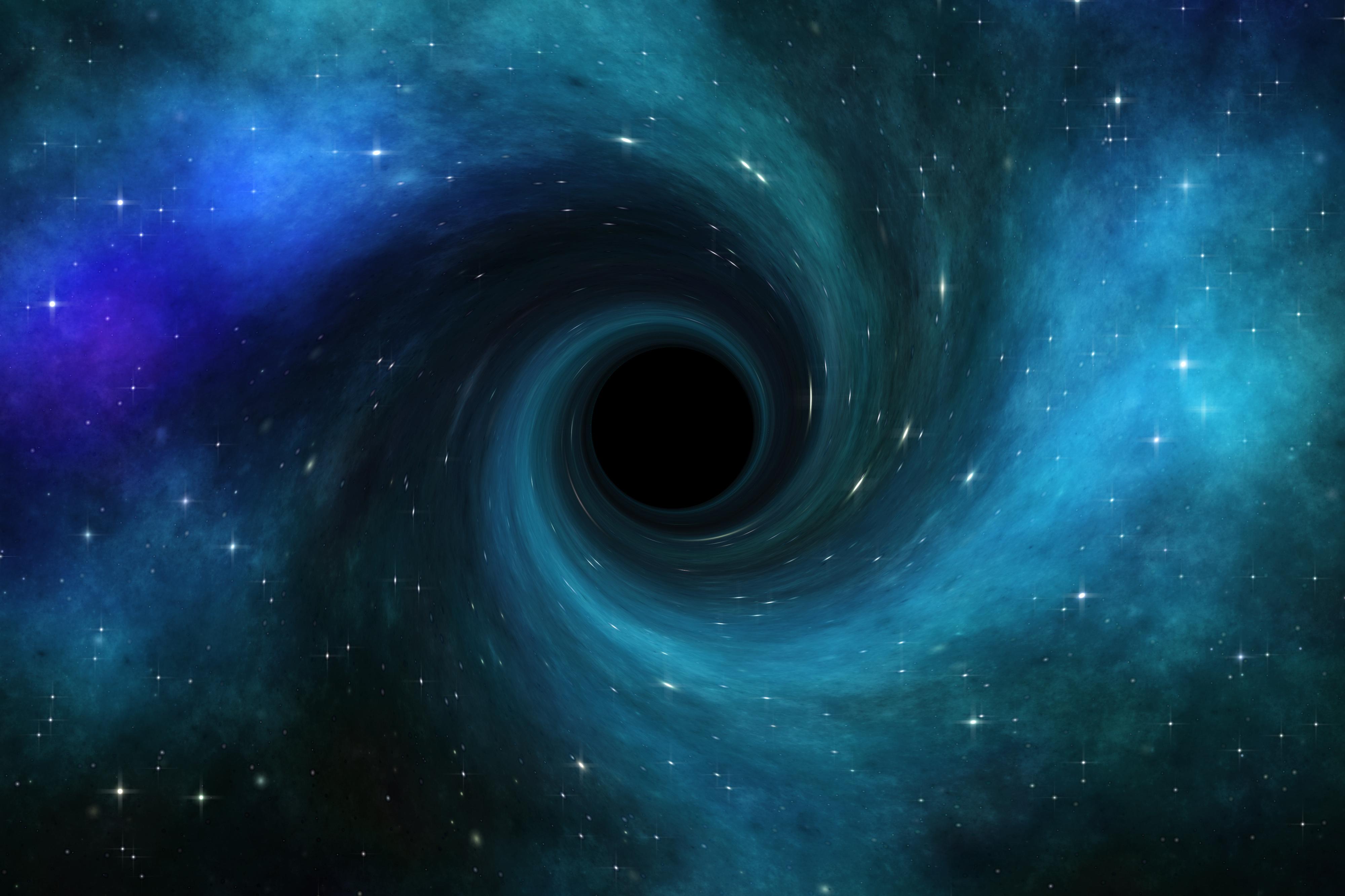
A new study proposes that Hawking radiation could be used to find dark matter in places like primordial black holes.
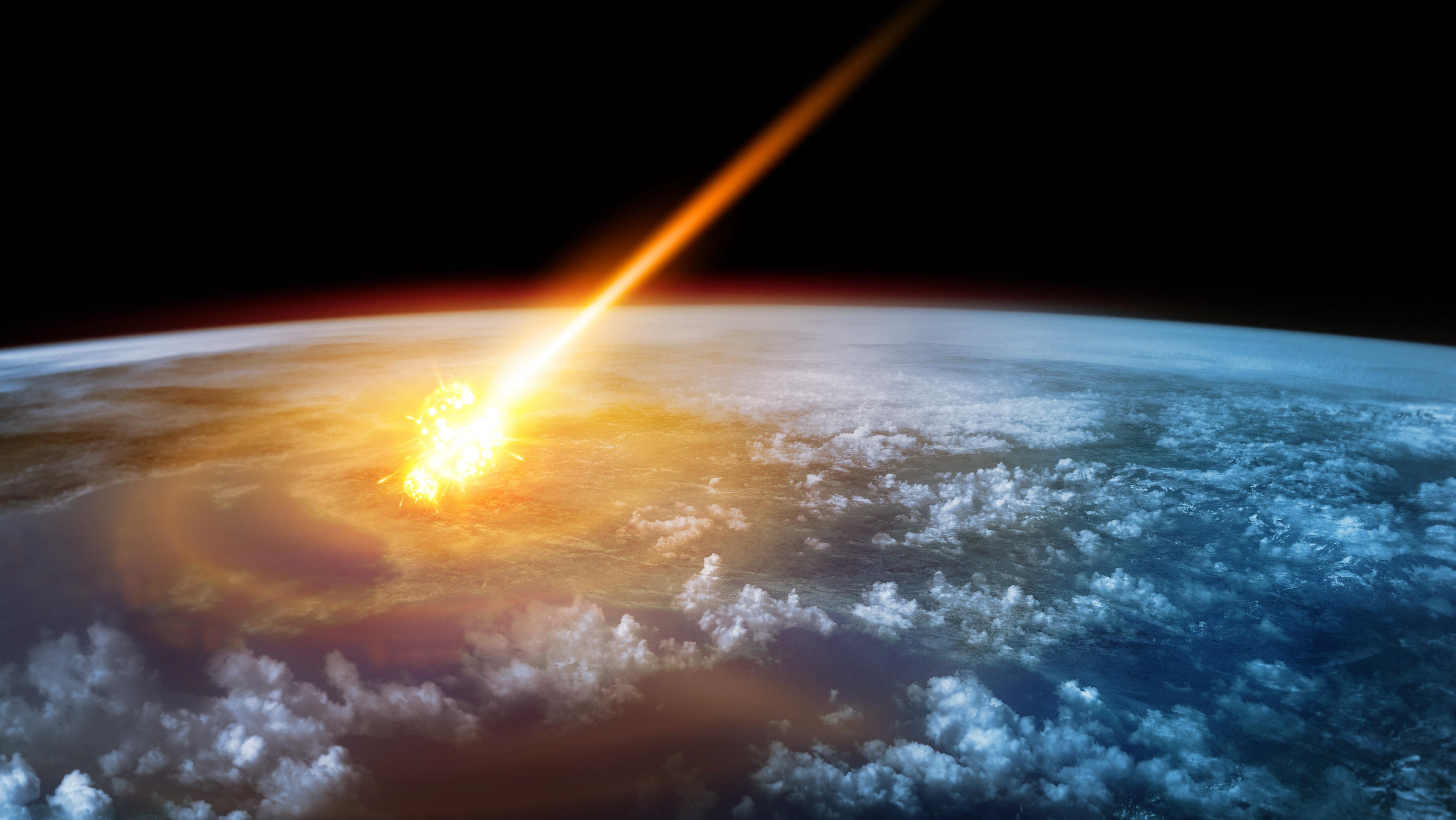
The Younger Dryas impact hypothesis argues that a comet strike caused major changes to climate and human cultures on Earth about 13,000 years ago.

Ernst Chladni proved that sound can be seen, and developed a technique of visualizing vibrations on a metal plate.
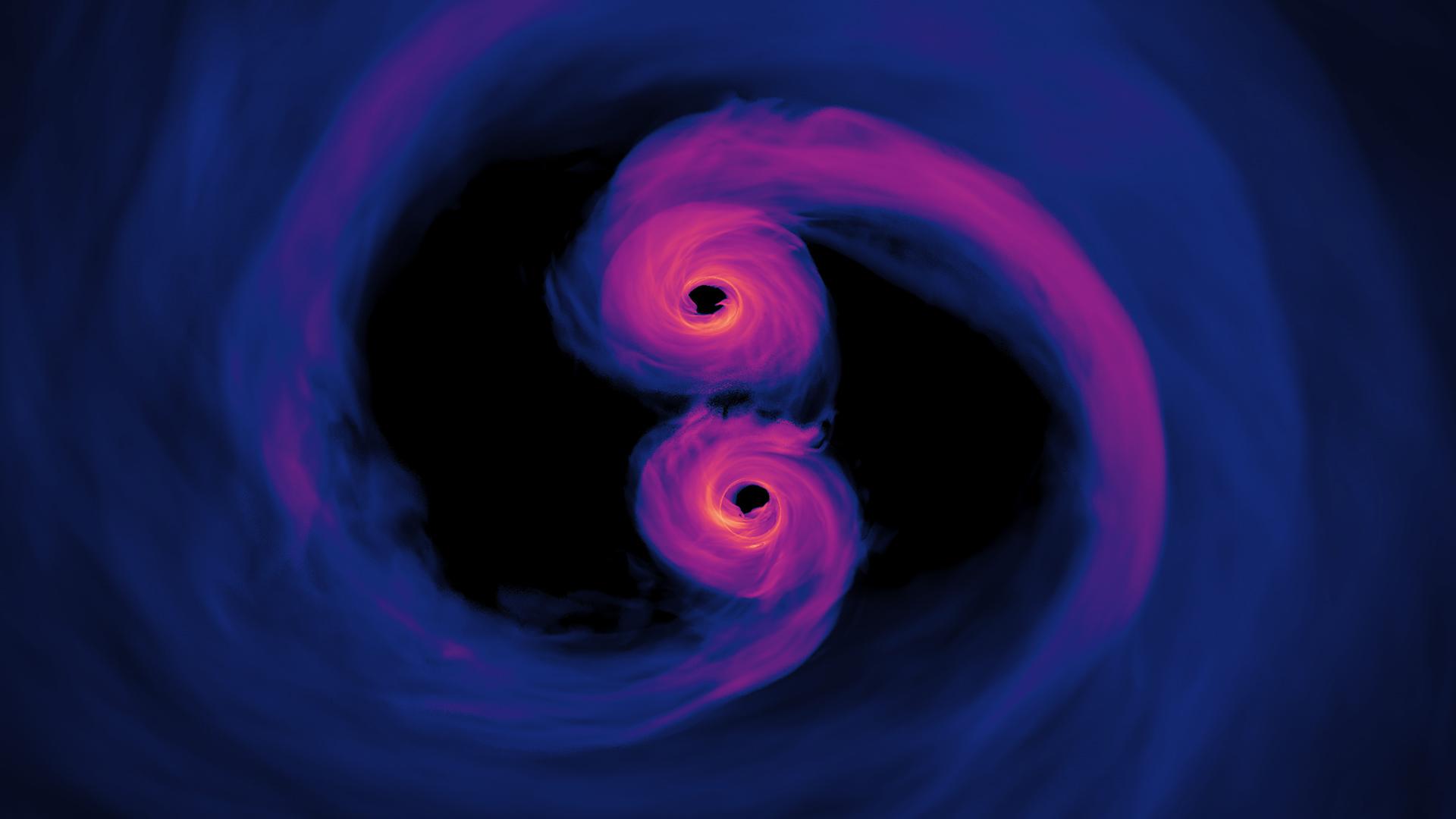
An analysis of the gravitational wave data from black hole mergers show that the event horizon area, and entropy, always increases.
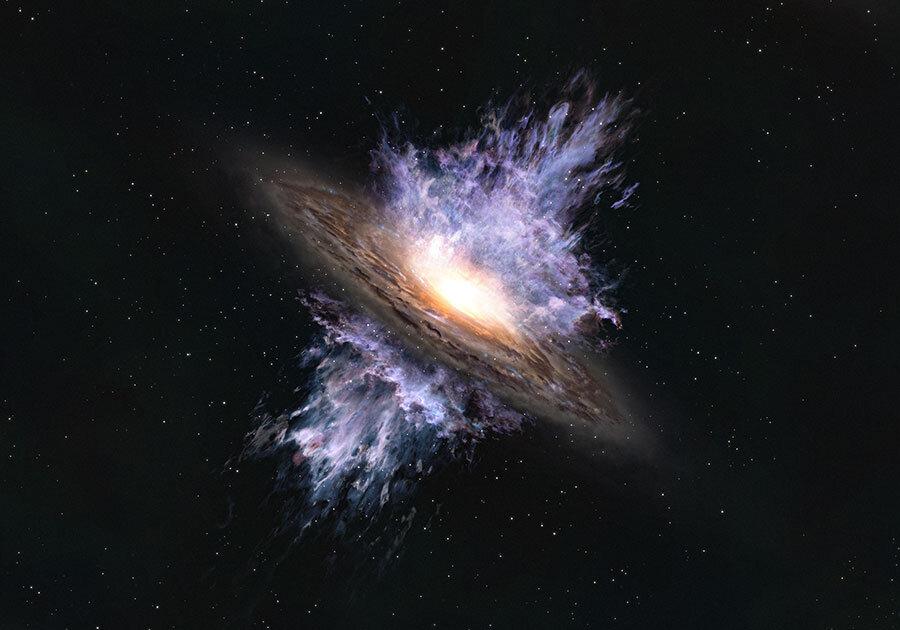
Researchers discovered a galactic wind from a supermassive black hole that sheds light on the evolution of galaxies.
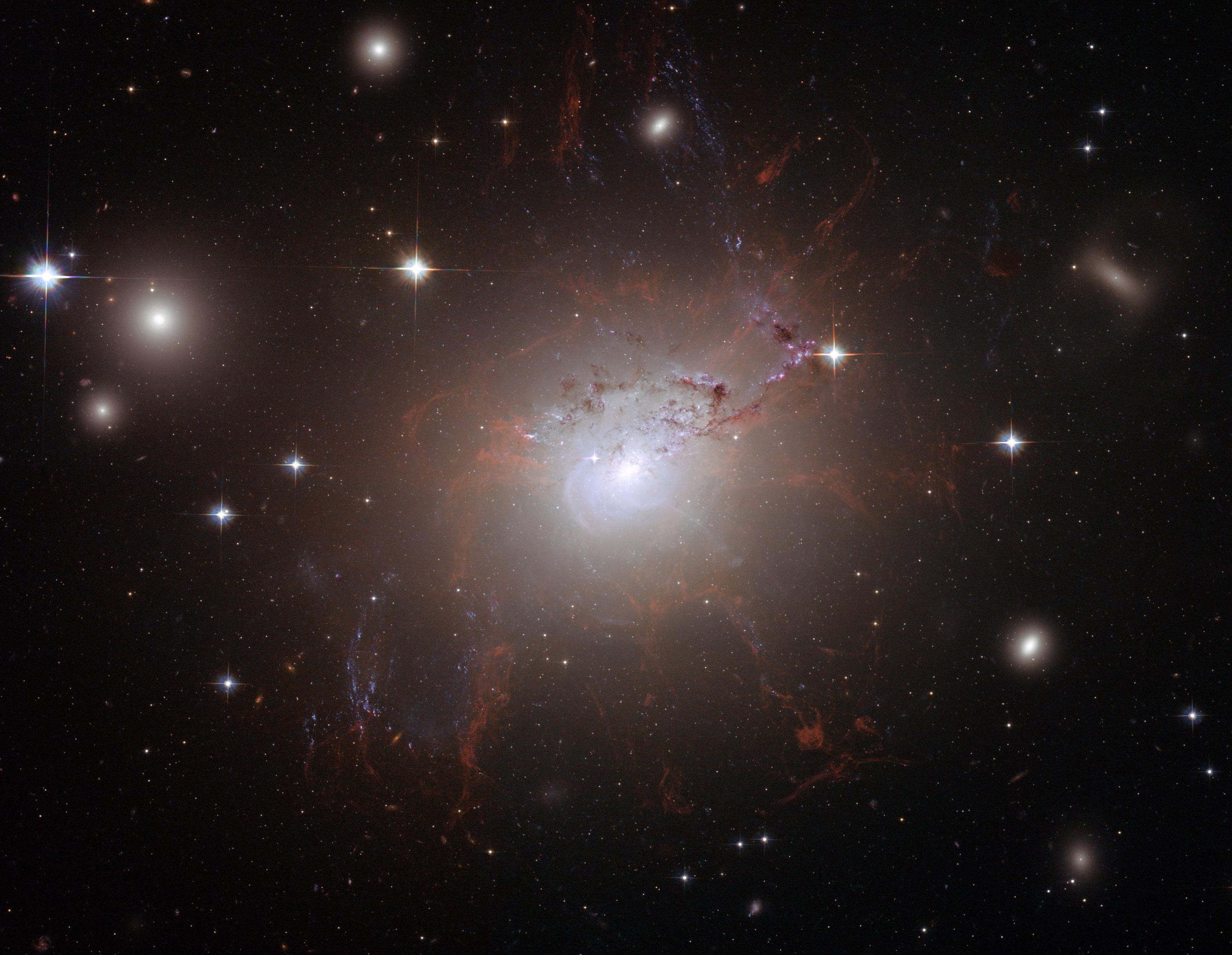
Every star we can see, including our sun, was born in one of these violent clouds.

Tiny specks of space debris can move faster than bullets and cause way more damage. Cleaning it up is imperative.
▸
6 min
—
with
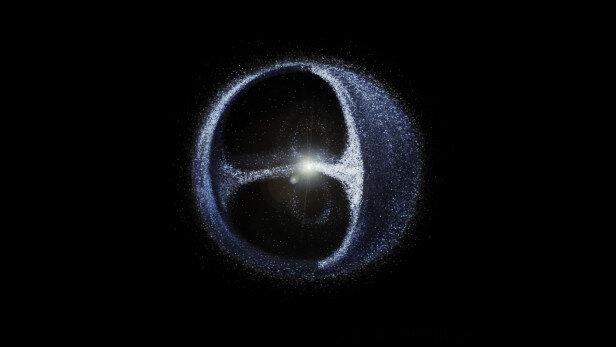
Astronomers possibly solve the mystery of how the enormous Oort cloud, with over 100 billion comet-like objects, was formed.

Can one equation unite all of physics?
▸
6 min
—
with
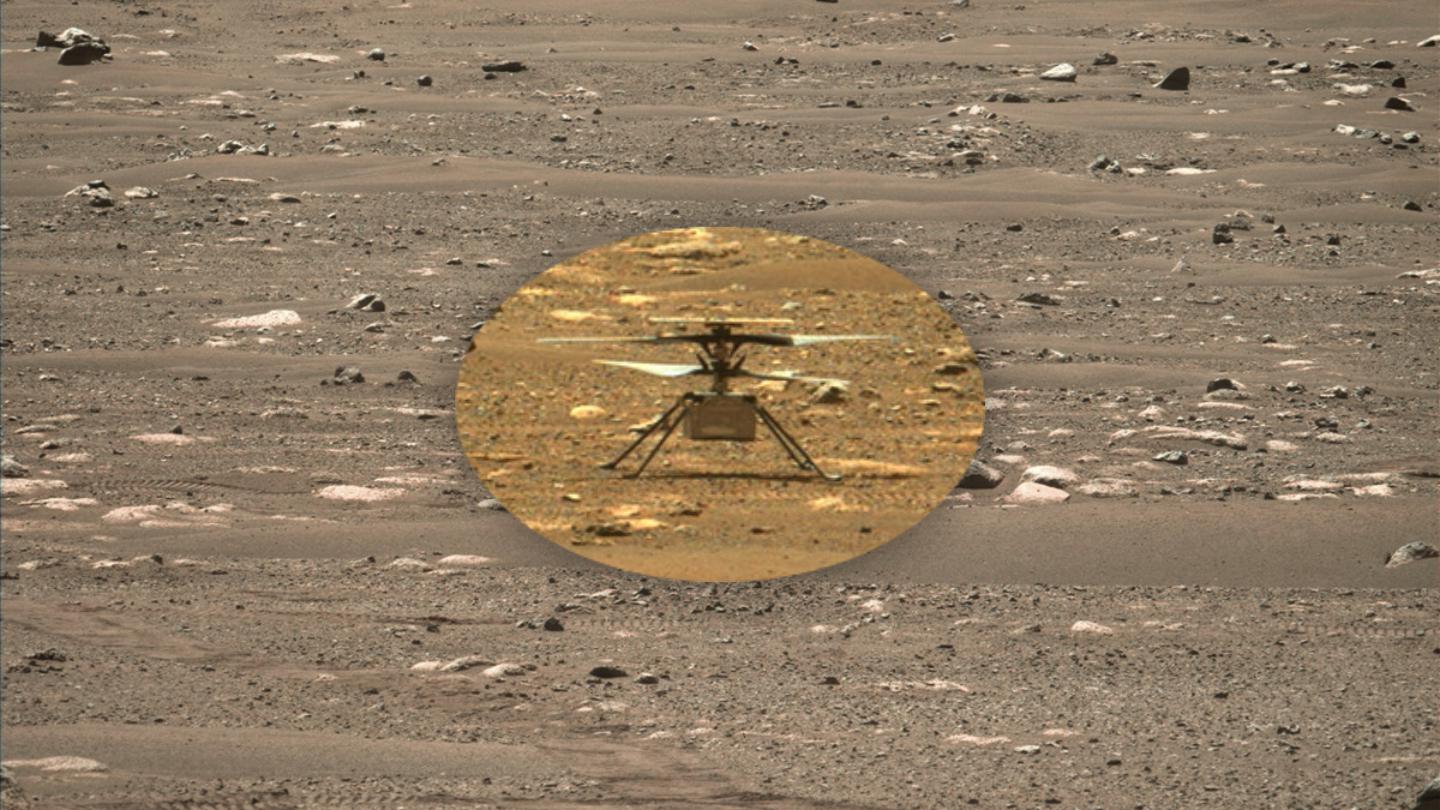
The helicopter’s sixth mission almost went down in disaster.
Determining if the universe is infinite pushes the limits of our knowledge.
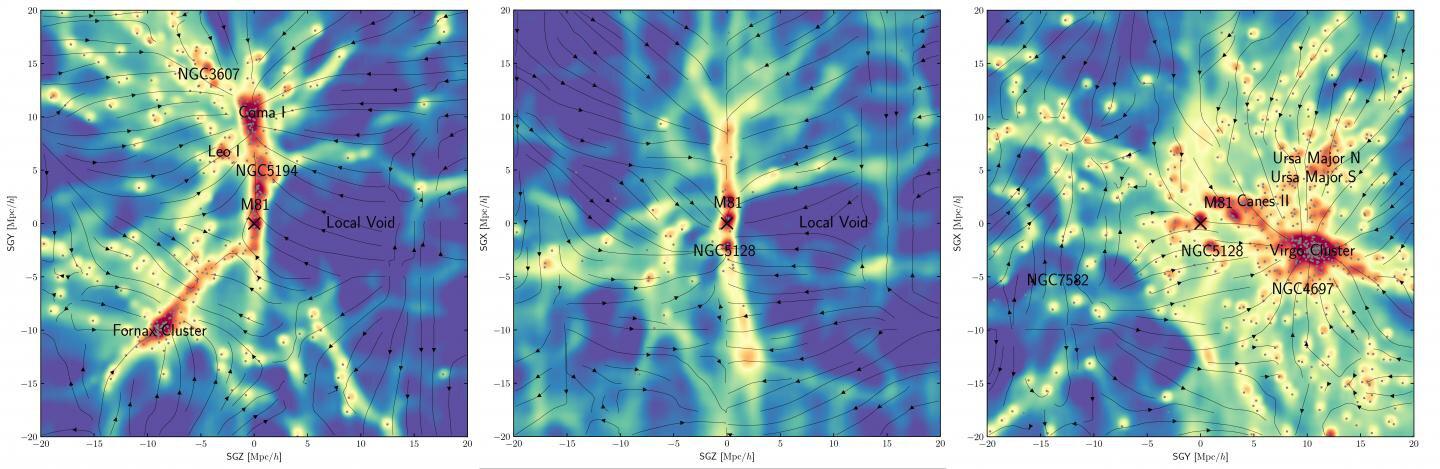
A new AI-generated map of dark matter shows previously undiscovered filamentary structures connecting galaxies.