Space & Astrophysics
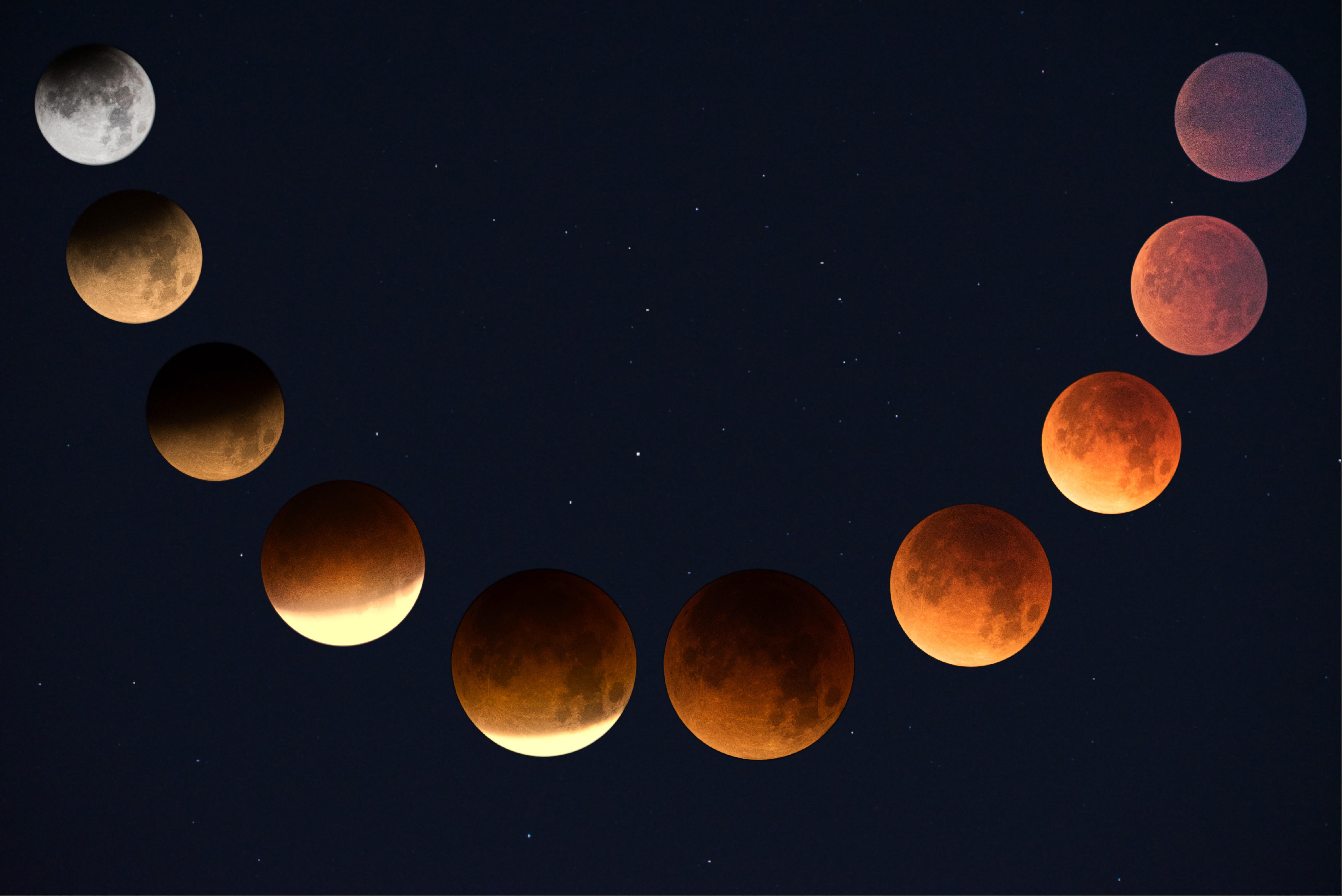
The eclipse season is starting with a bang.

It’s time to rethink how satellites and other objects are made and eventually destroyed.
▸
5 min
—
with
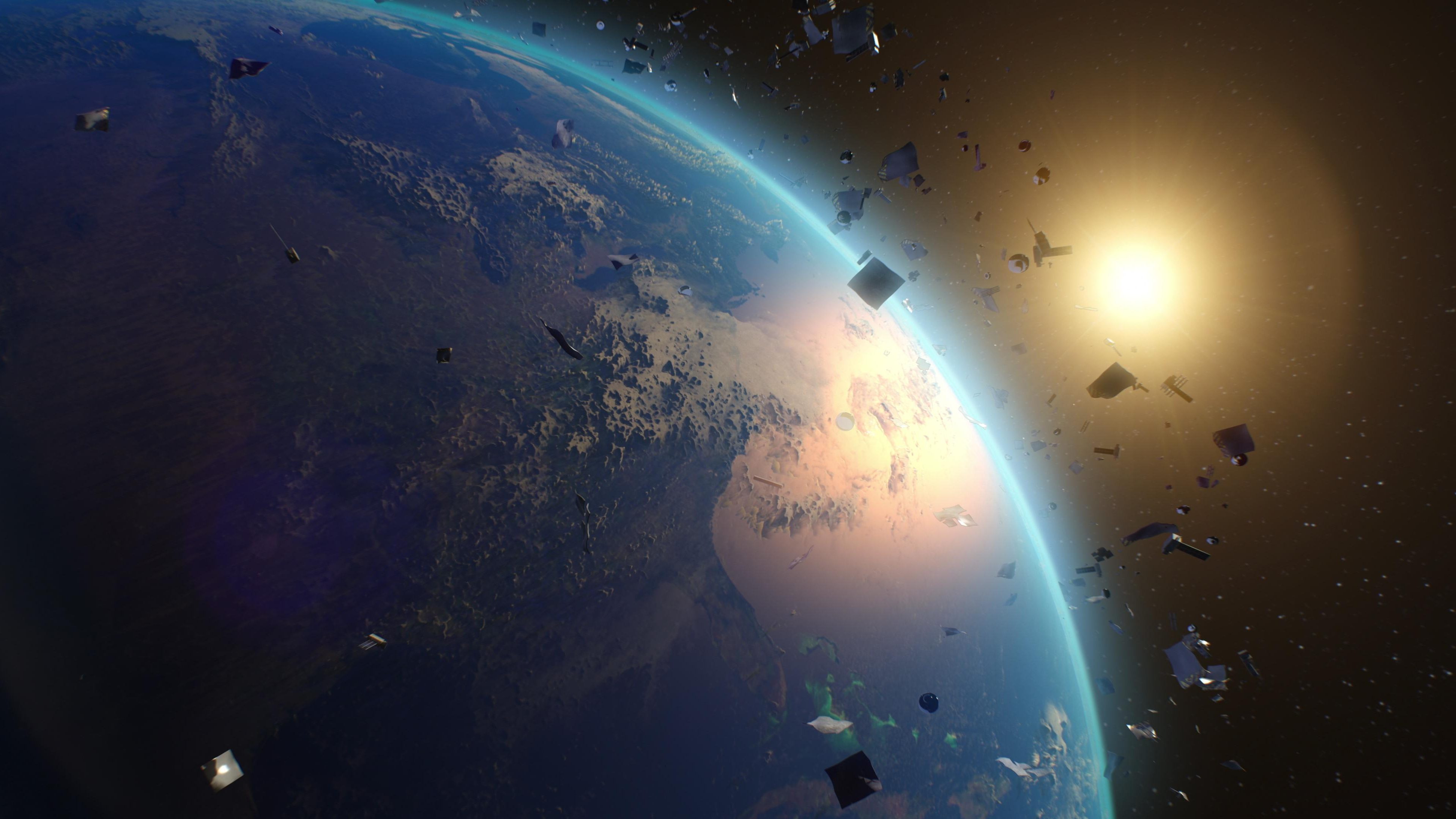
Since 1957, the world’s space agencies have been polluting the space above us with countless pieces of junk, threatening our technological infrastructure and ability to venture deeper into space.
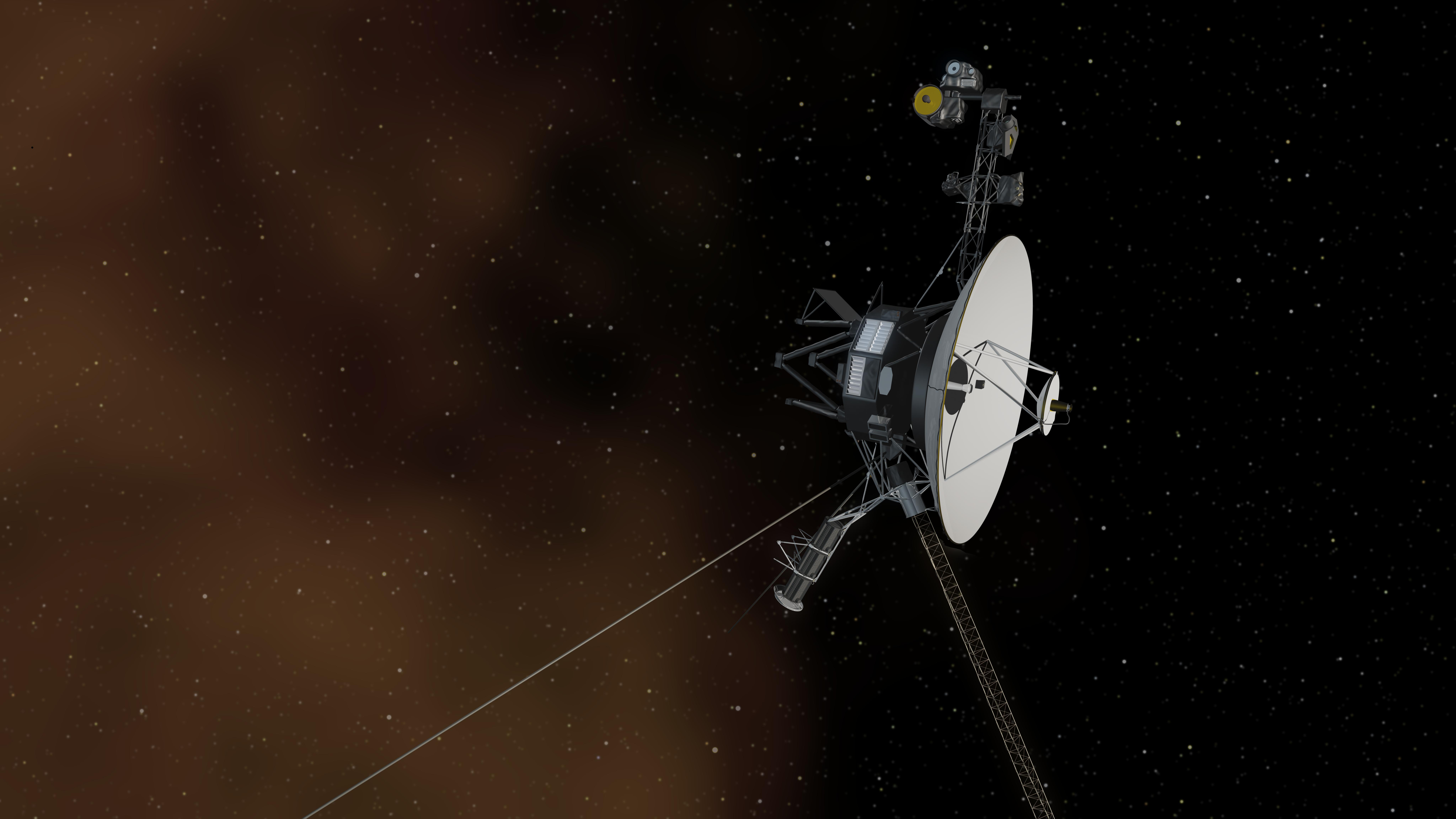
A new paper reveals that the Voyager 1 spacecraft detected a constant hum coming from outside our Solar System.
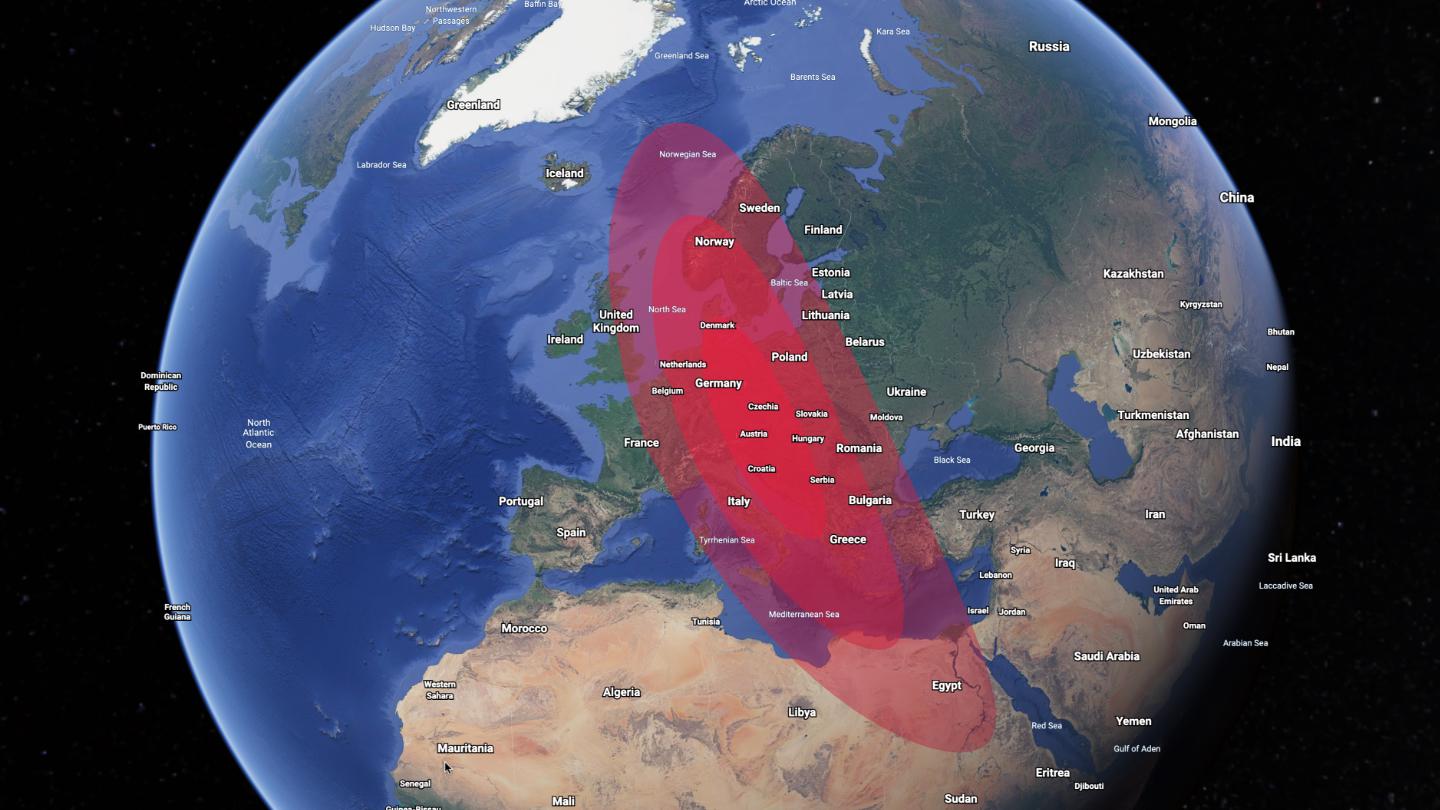
Even with six months’ notice, we can’t stop an incoming asteroid.
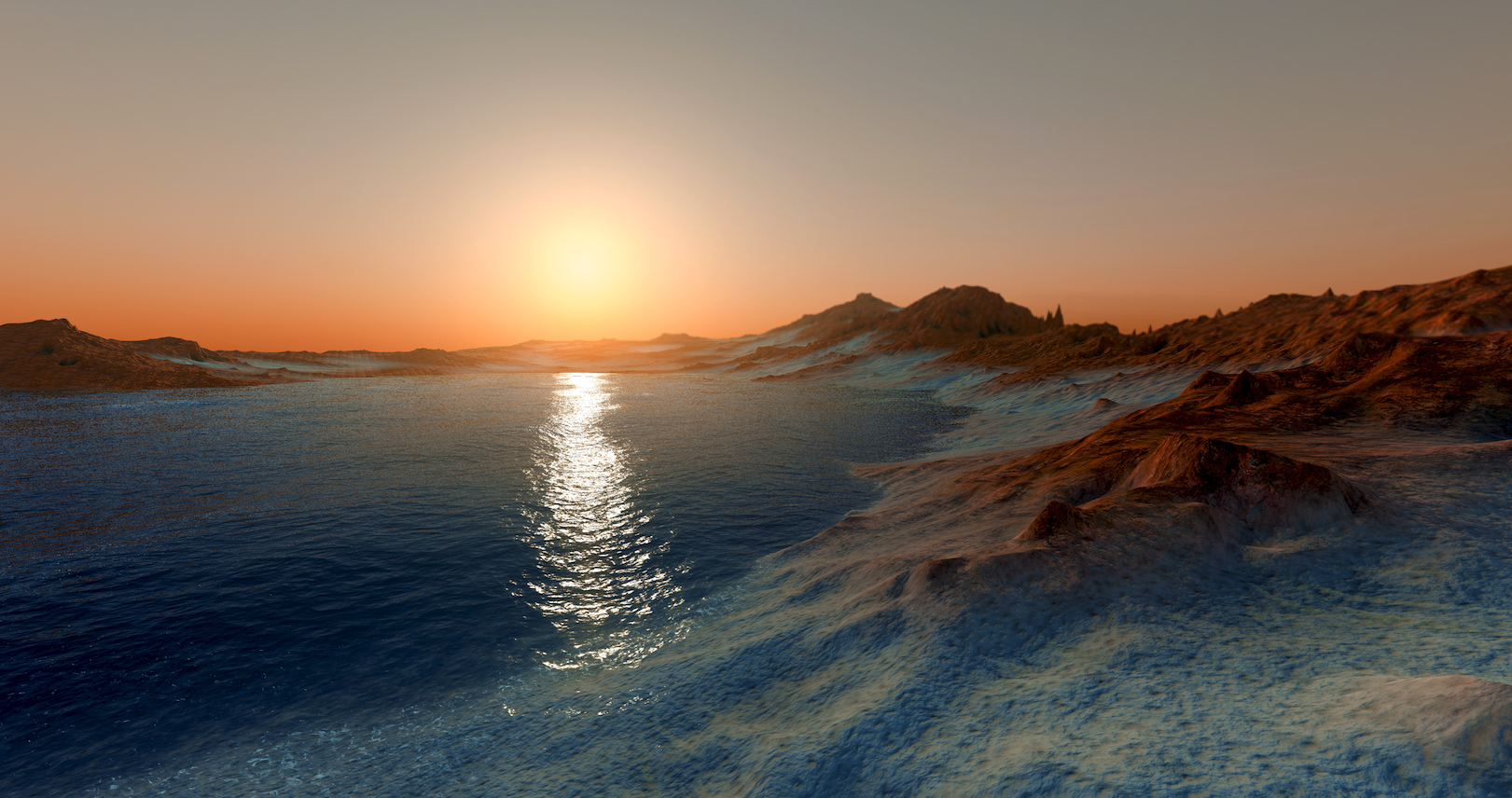
Scientists have long puzzled over how Mars, a cold and dry planet, was once warm enough to support liquid water.
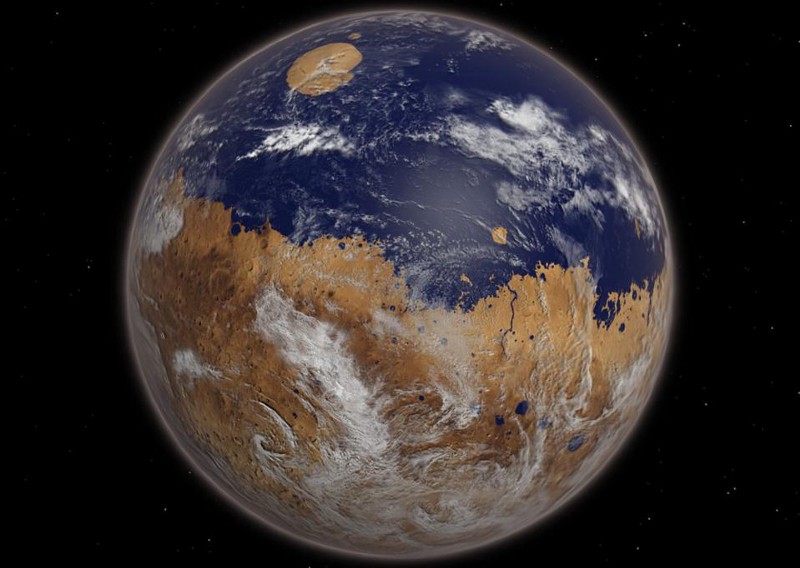
While Mars is known as a frozen, red planet today, it has all the evidence we could ask for of a watery past, lasting for approximately the first 1.5 billion […]
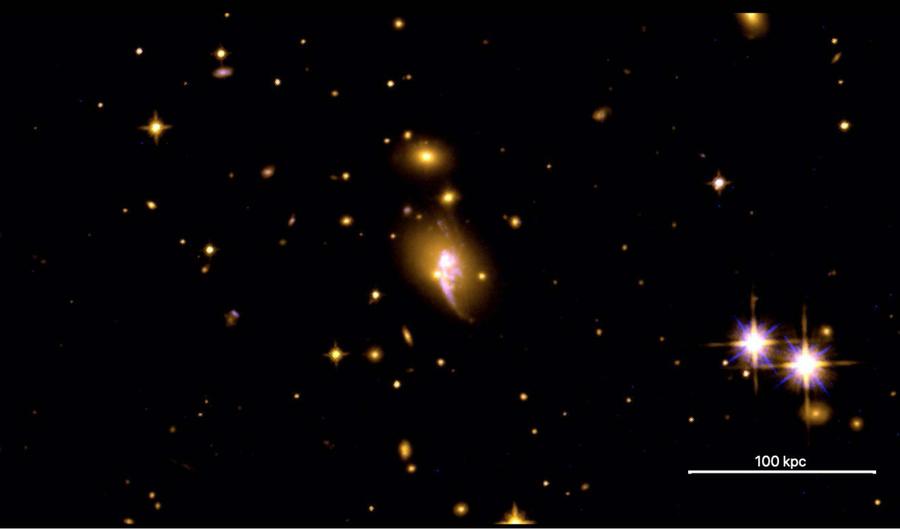
The research suggests that roughly 1 percent of galaxy clusters look atypical and can be easily misidentified.
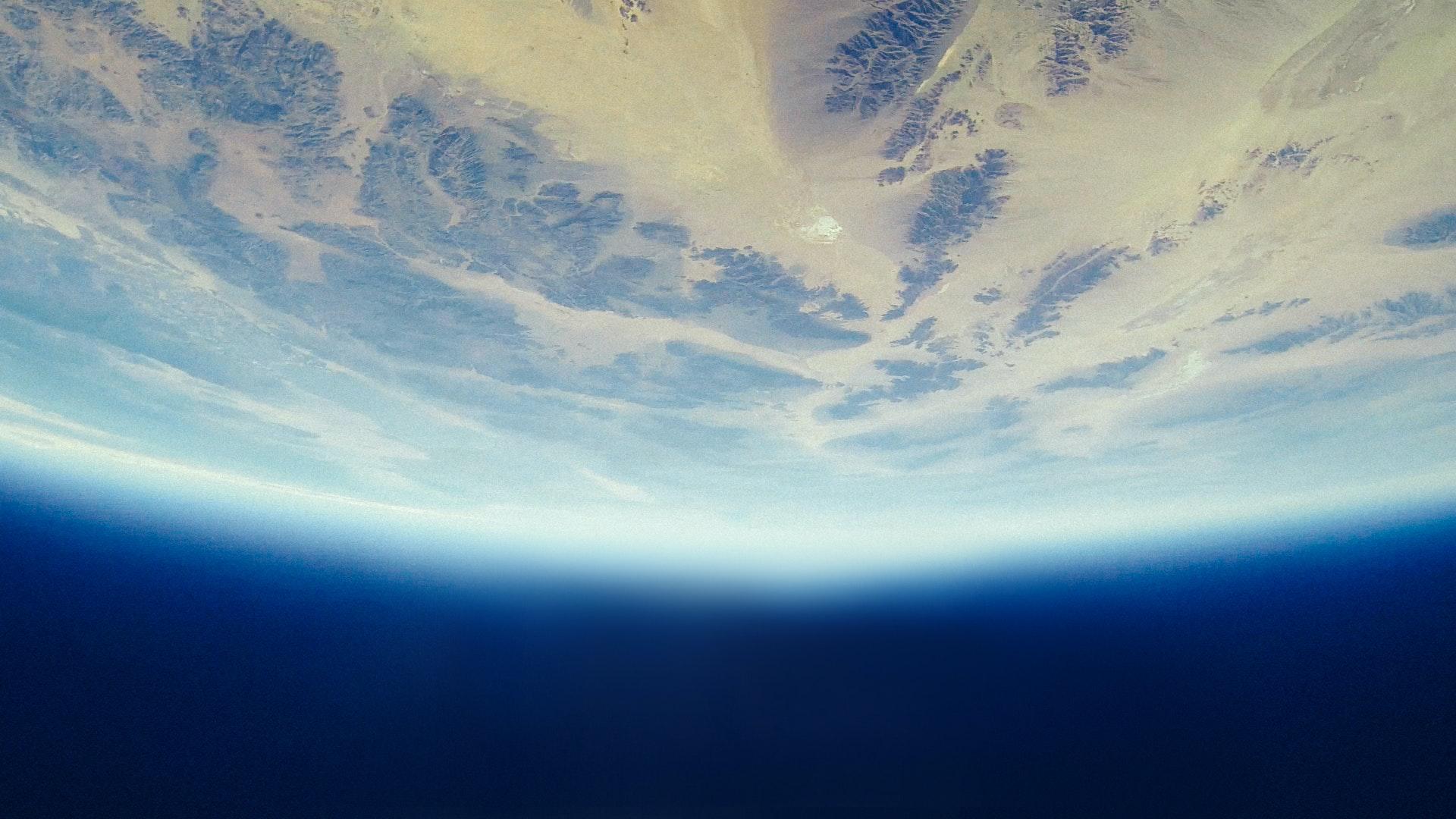
Oxygen is thought to be a biomarker for extraterrestrial life, but there are at least three different ways that a lifeless planet can produce it.
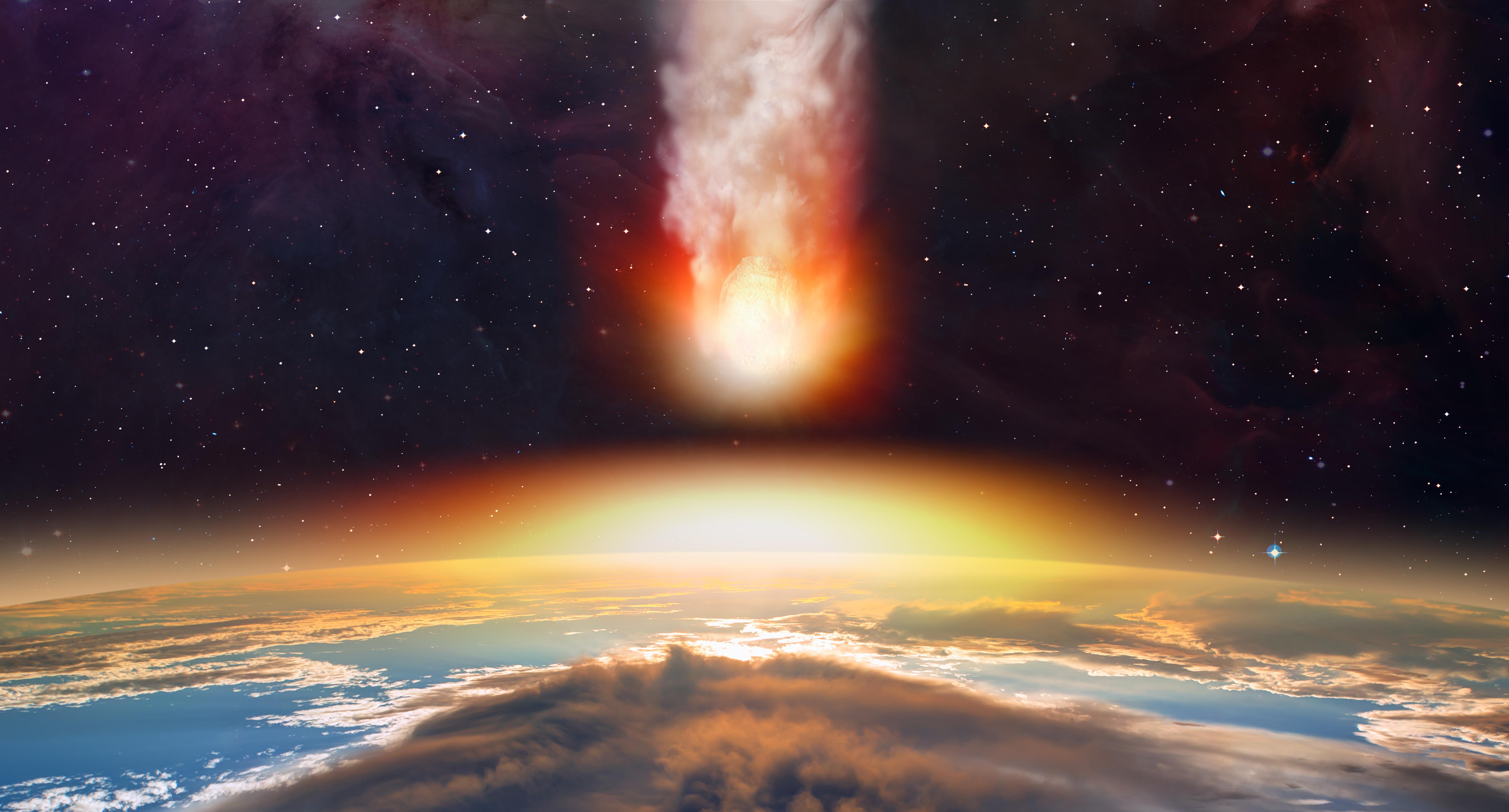
A study looks at how to use nuclear detonations to prevent asteroids from hitting Earth.

The EmDrive turns out to be the “um…” drive after all, as a new study dubs any previous encouraging EmDrive results “false positives.”
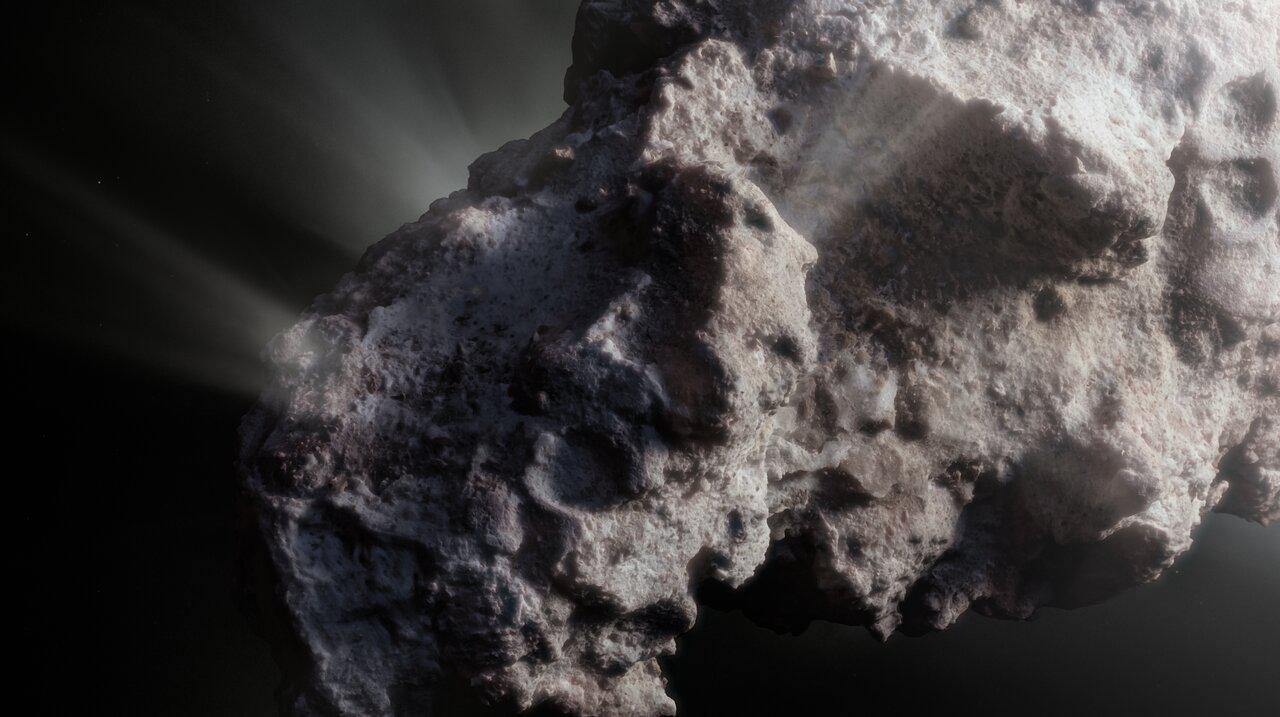
New studies find the interstellar comet 2I/Borisov is the most “pristine” ever discovered.
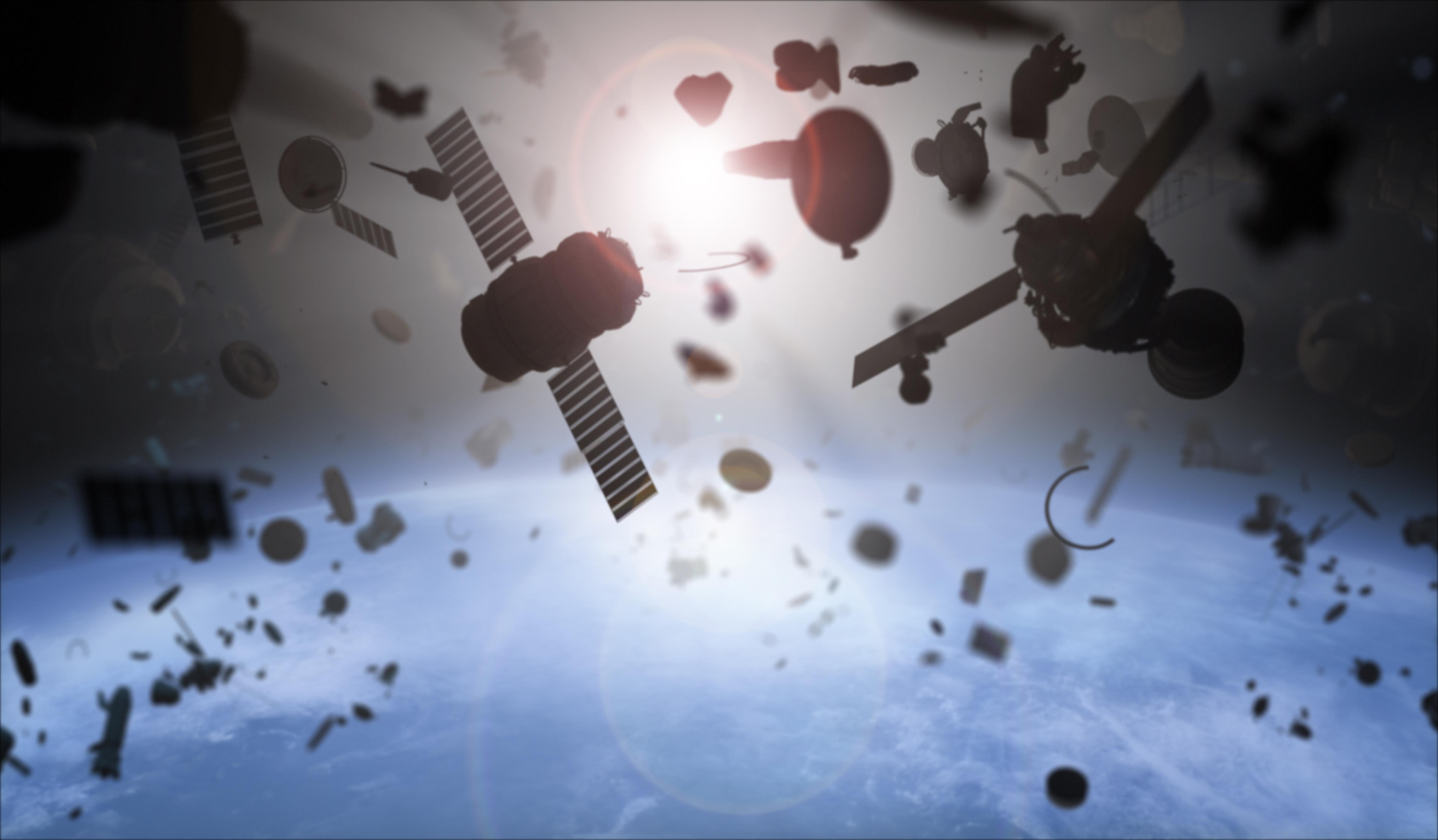
When we look at the night sky, we may see junk instead of stars.
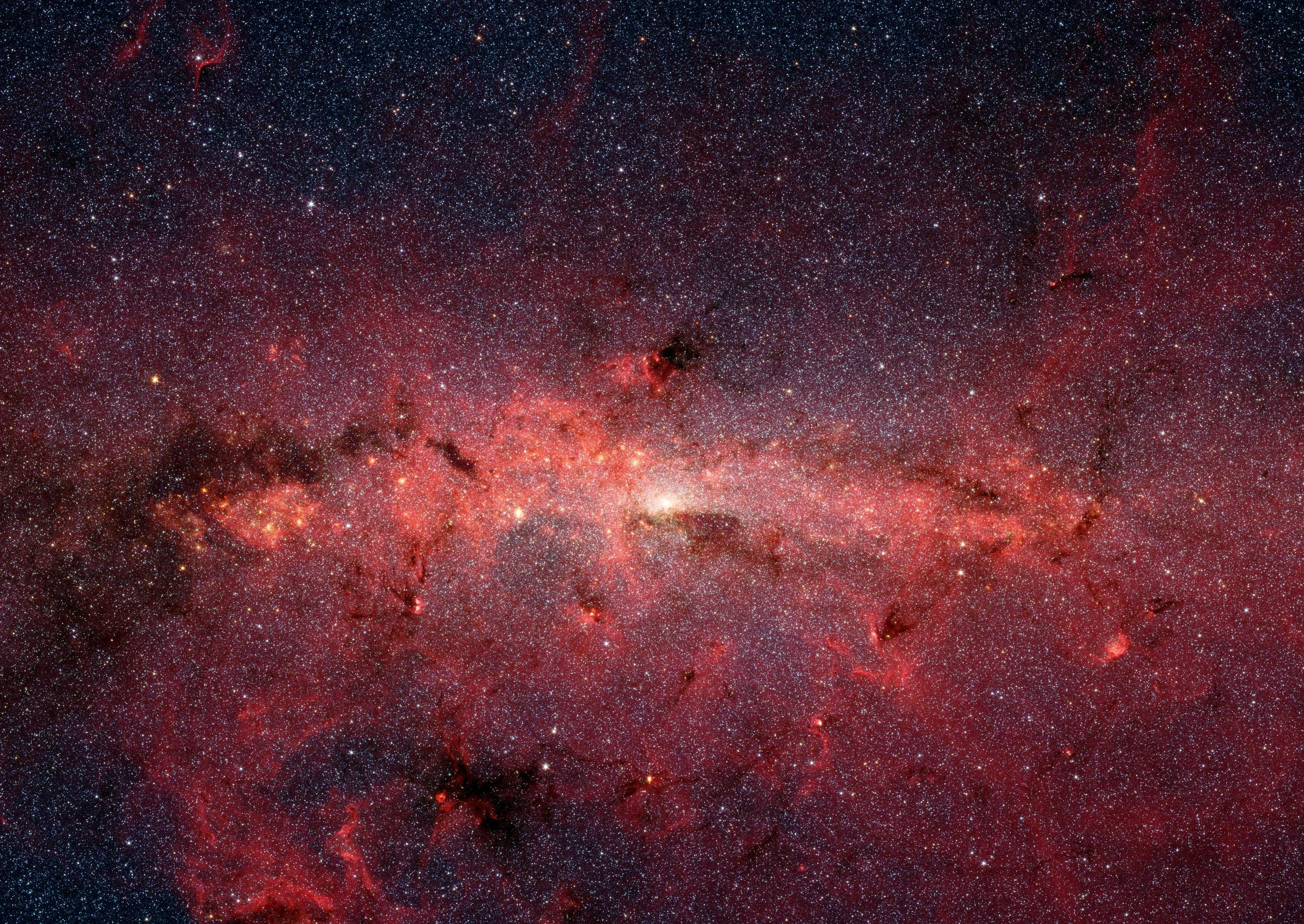
Researchers propose a new method that could definitively prove the existence of dark matter.
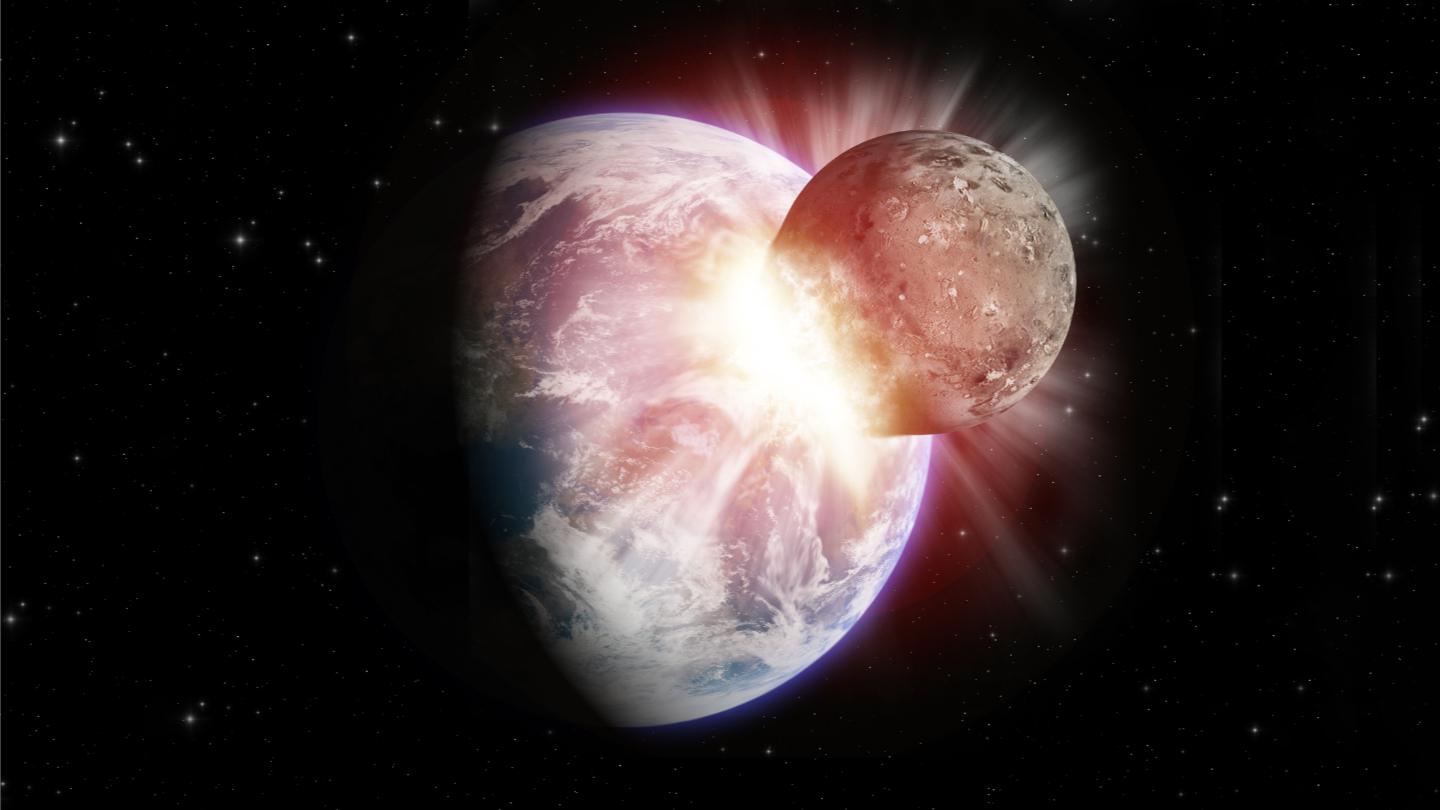
A new study makes a compelling case for the origin of unexplained masses of underground rock causing changes to the Earth’s magnetic field.
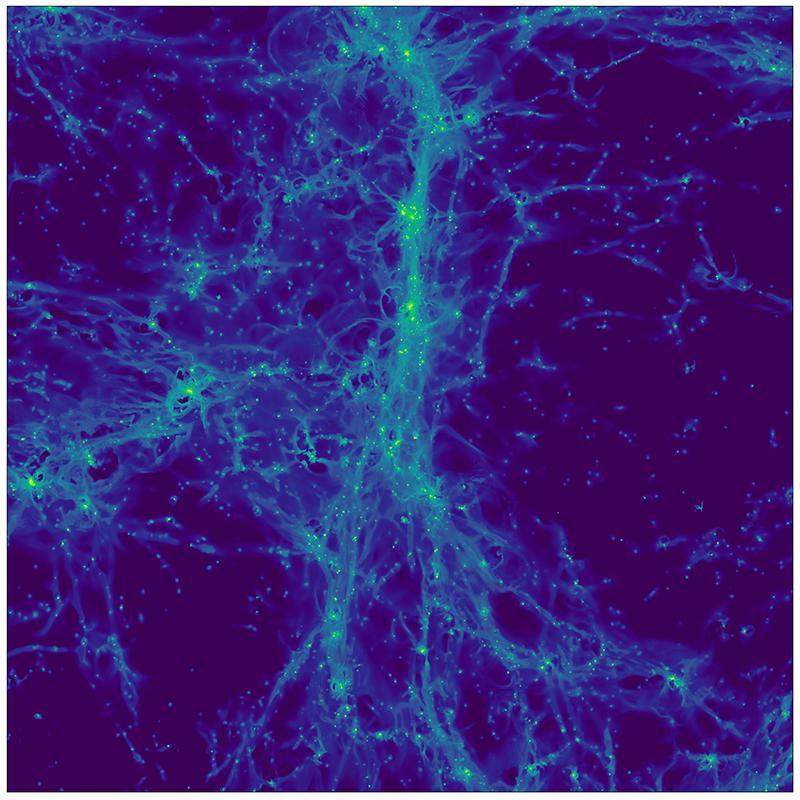
Not only does this give us a look at the scaffolding of the universe, we found some new galaxies too!
Humans are more likely to have “first contact” with an advanced alien civilization, according to a recent NASA-funded paper.
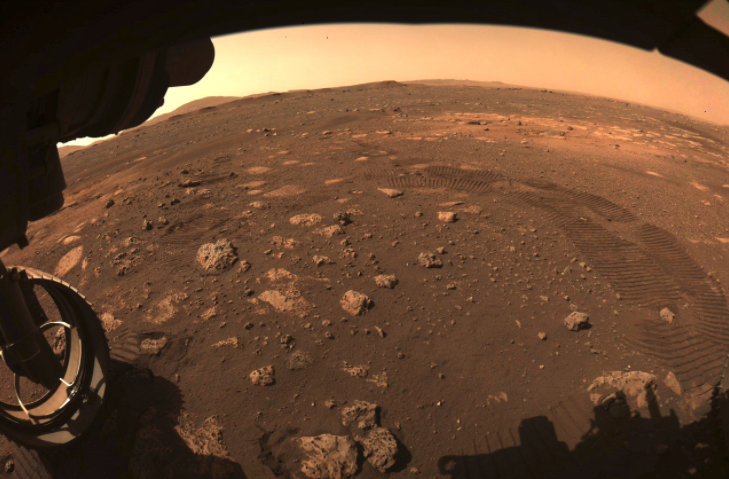
Sound waves behave quite differently on Mars than on Earth.
The discovery could help astronauts find better ways to grow food in space.
NASA astronomer Michelle Thaller is coming back to Big Think’s studio soon to answer YOUR questions! Here’s all you need to know to submit your science-related inquiries.
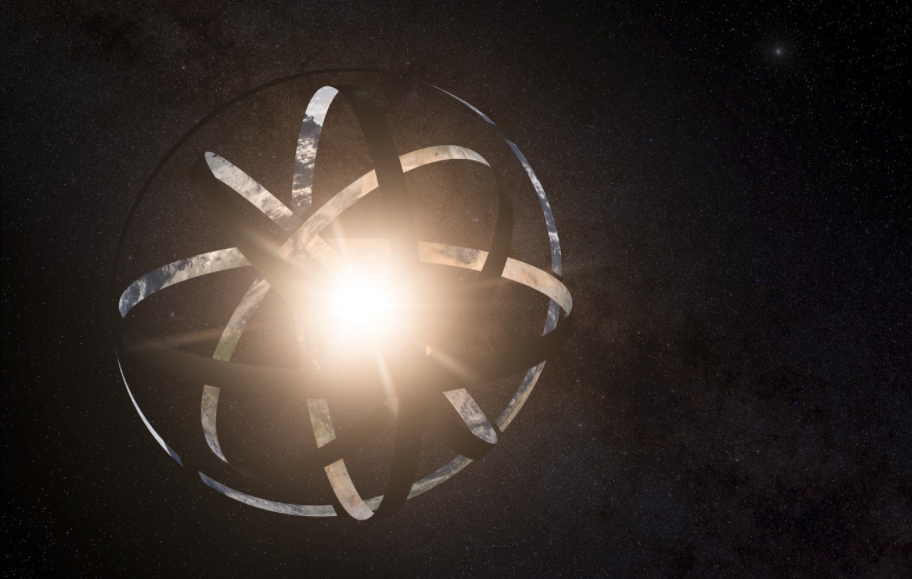
Creating an afterlife—or a simulation of one—would take vast amounts of energy. Some scientists think the best way to capture that energy is by building megastructures around stars.
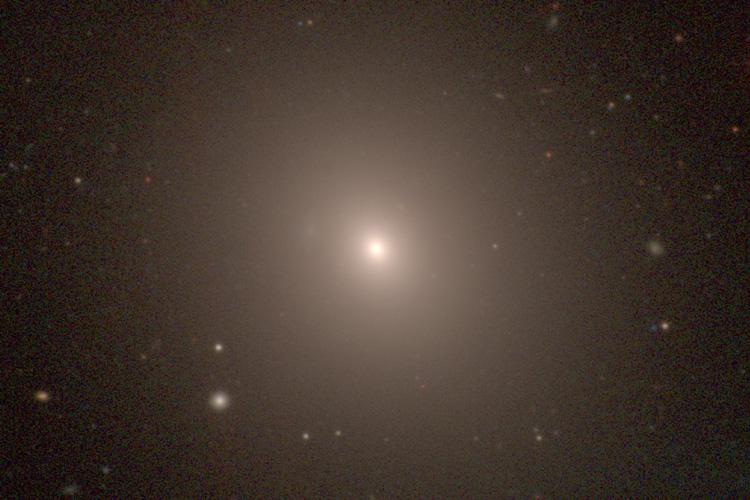
The controversy over the universe’s expansion rate continues with a new, faster estimate.
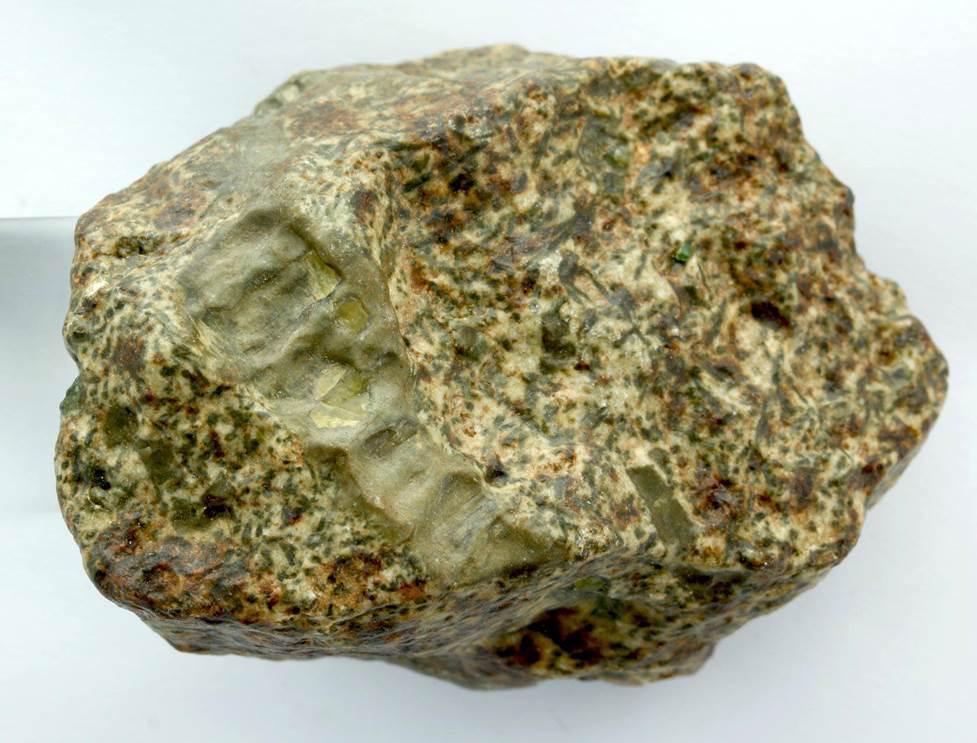
The rock, found in the Sahara, likely comes from a long-lost baby protoplanet.
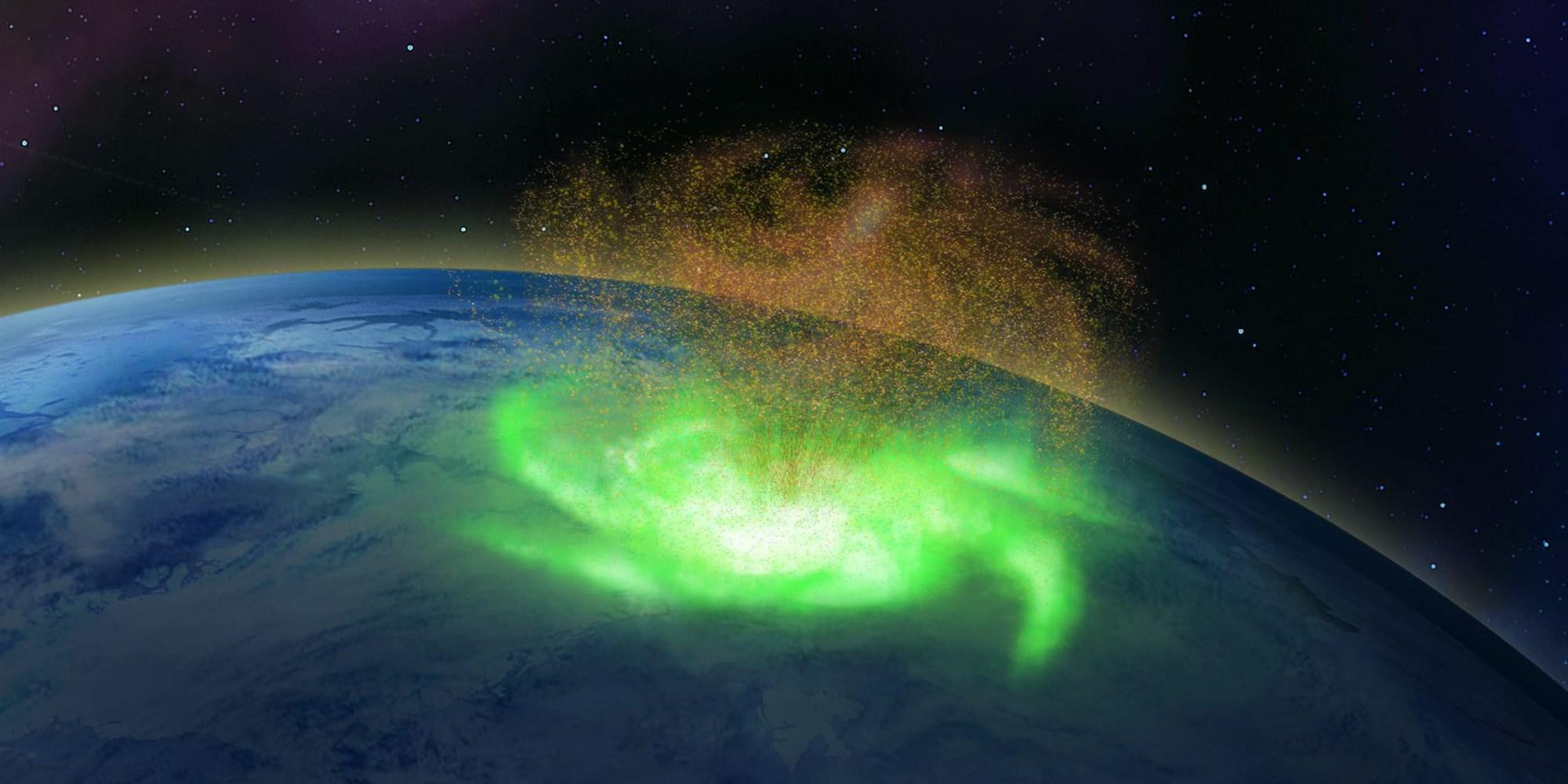
This storm rained electrons, shifted energy from the sun’s rays to the magnetosphere, and went unnoticed for a long time.
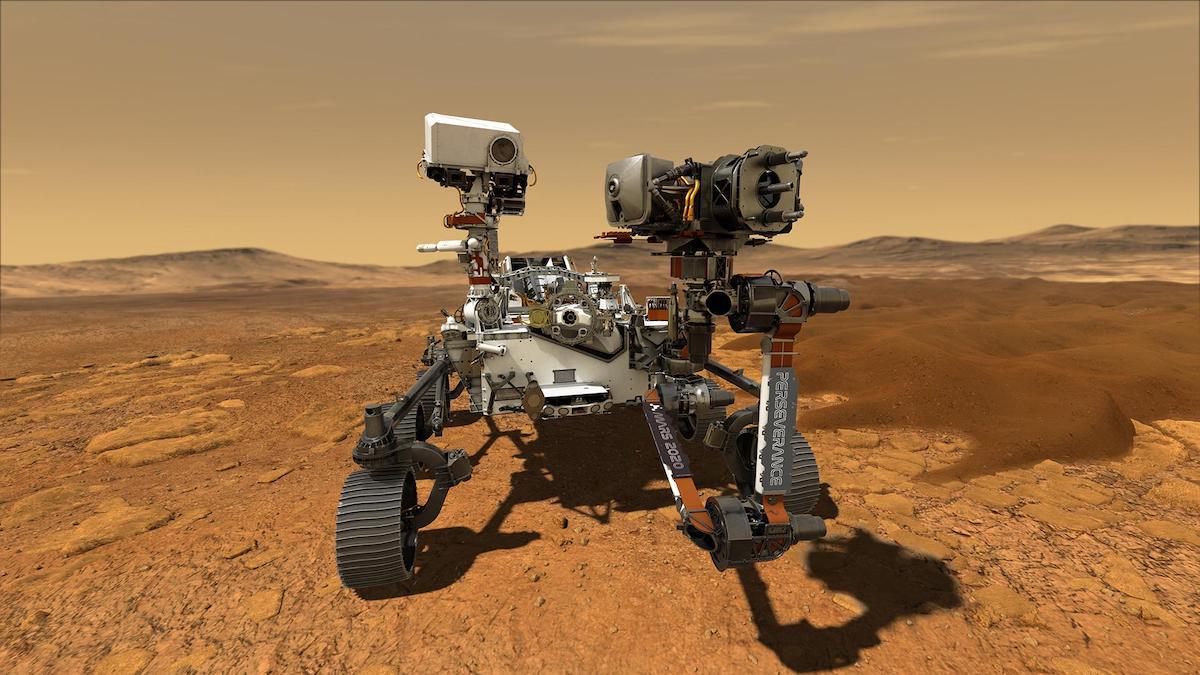
It may be old tech, but it’s super-reliable.
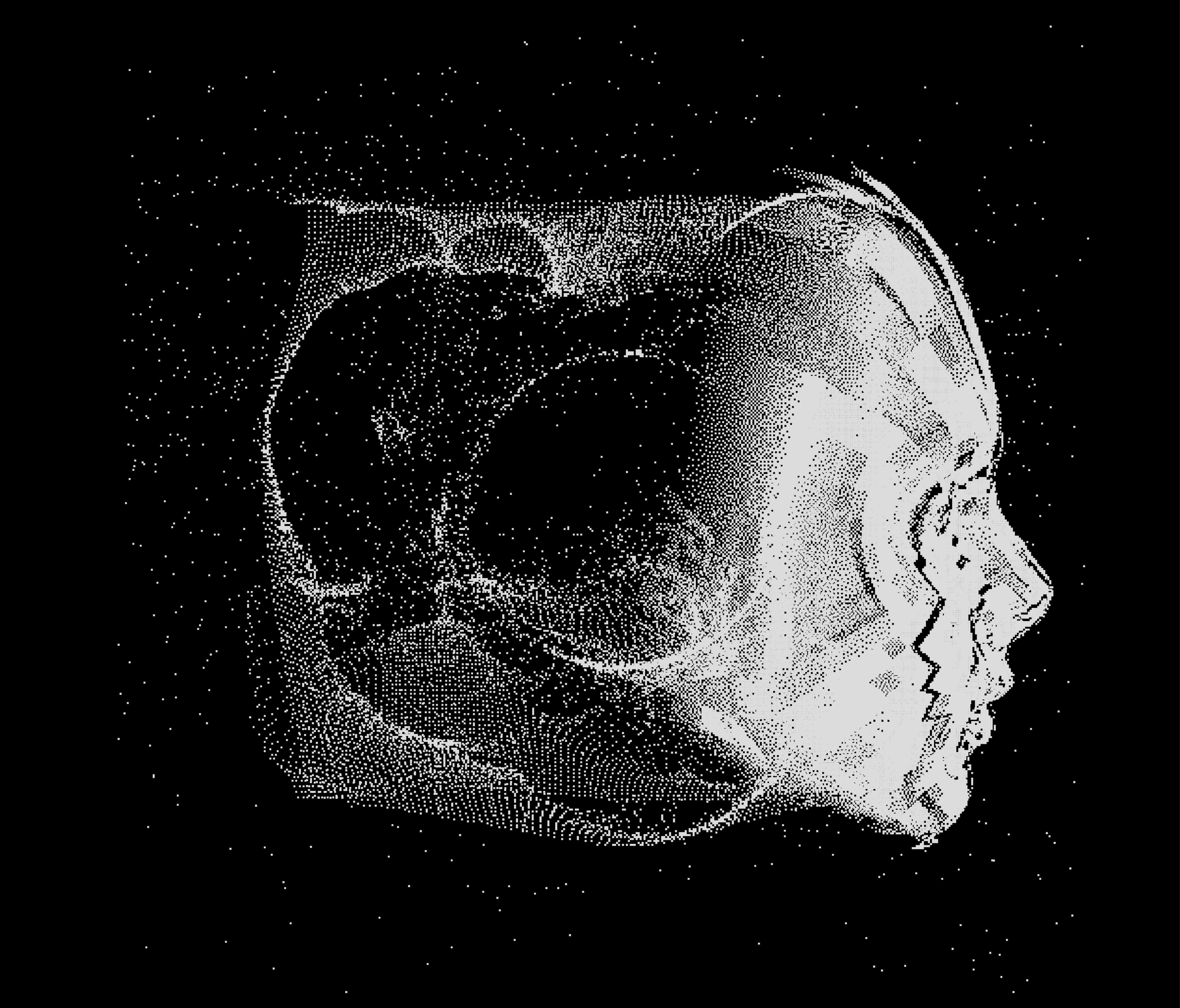
A physicist creates an AI algorithm that predicts natural events and may prove the simulation hypothesis.
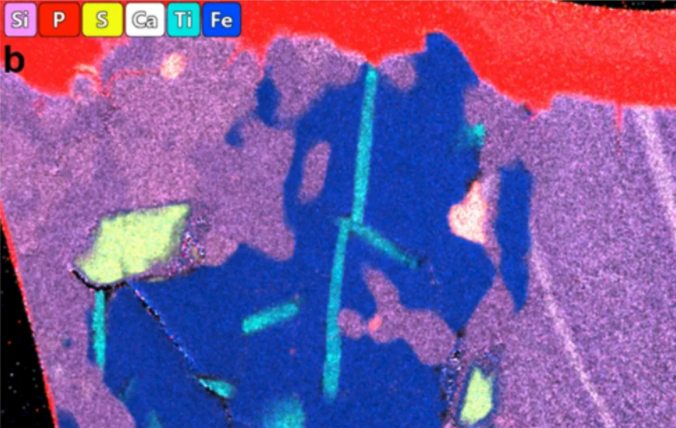
The results could help NASA’s Perseverance rover find evidence of ancient life on Mars.
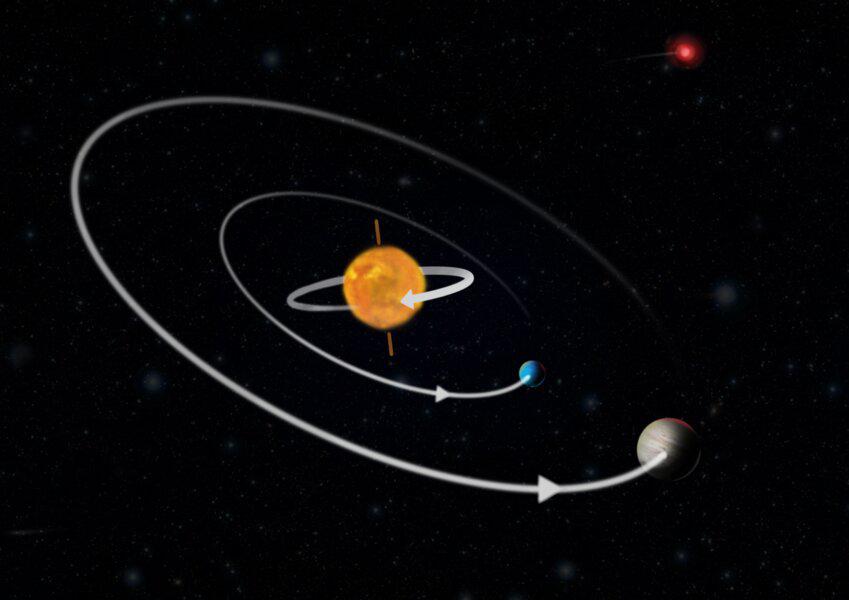
A unique star system where exoplanets orbit their star backwards located by researchers.
One galaxy may have eaten one of its slightly smaller, more primitive neighbors.
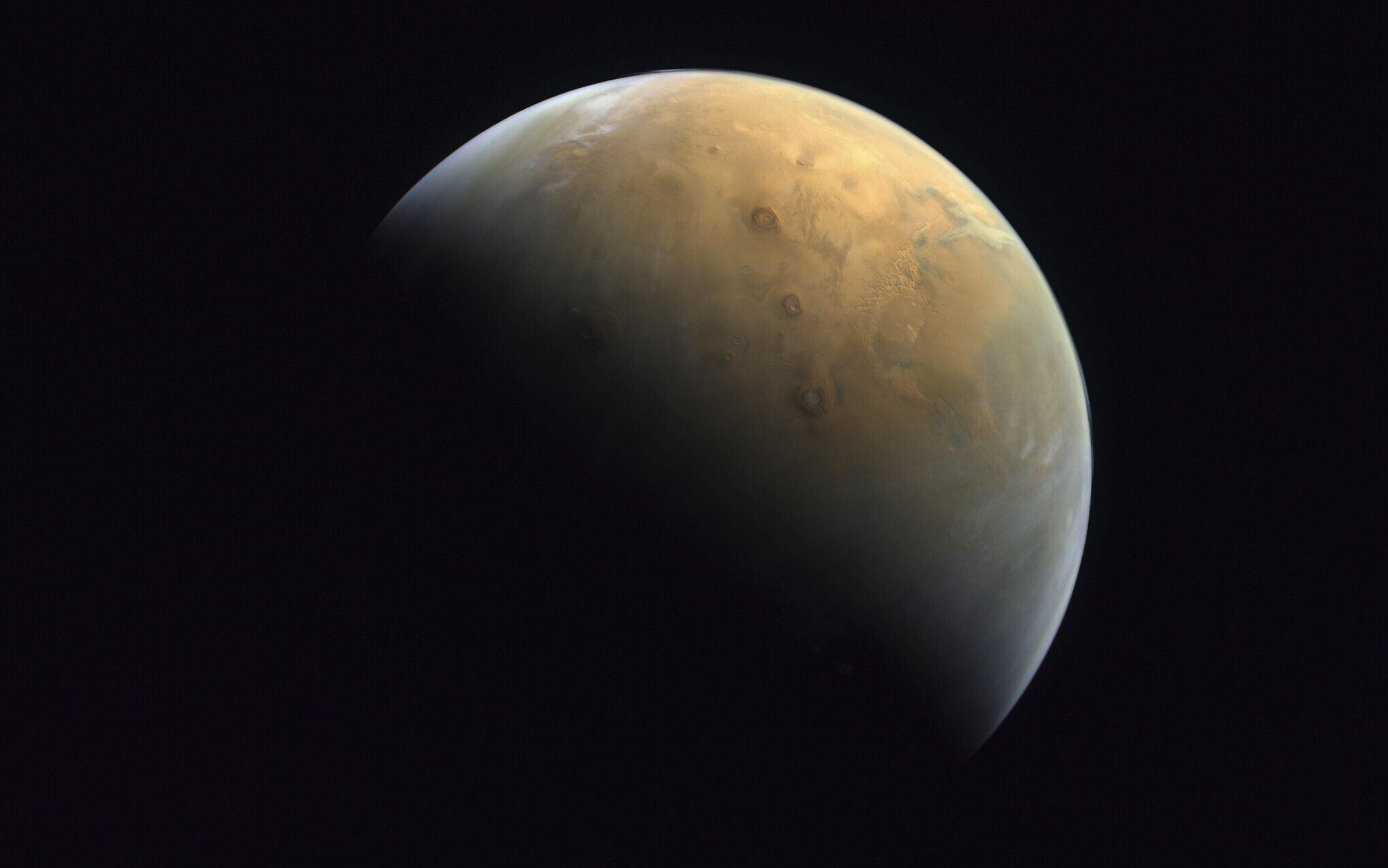
The UAE is the first Arab nation to send a spacecraft to the Red Planet.