Space & Astrophysics
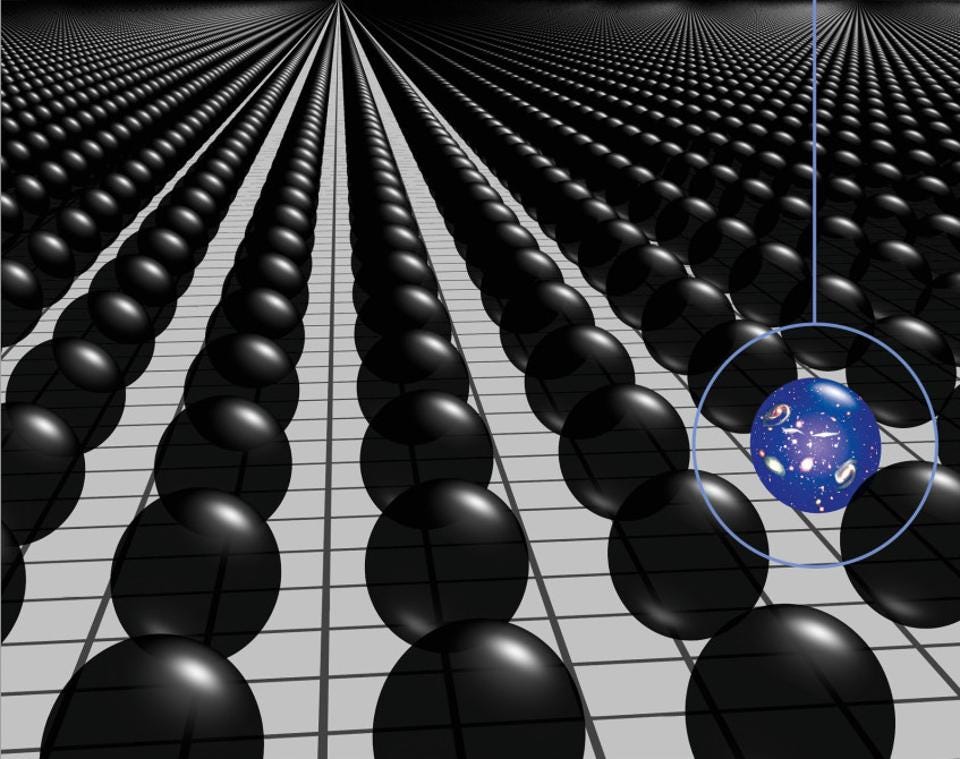
A wild, compelling idea without a direct, practical test, the Multiverse is highly controversial. But its supporting pillars sure are stable.

Developing an awareness of and an appreciation for science is what we all truly need, not what we’ve been doing.
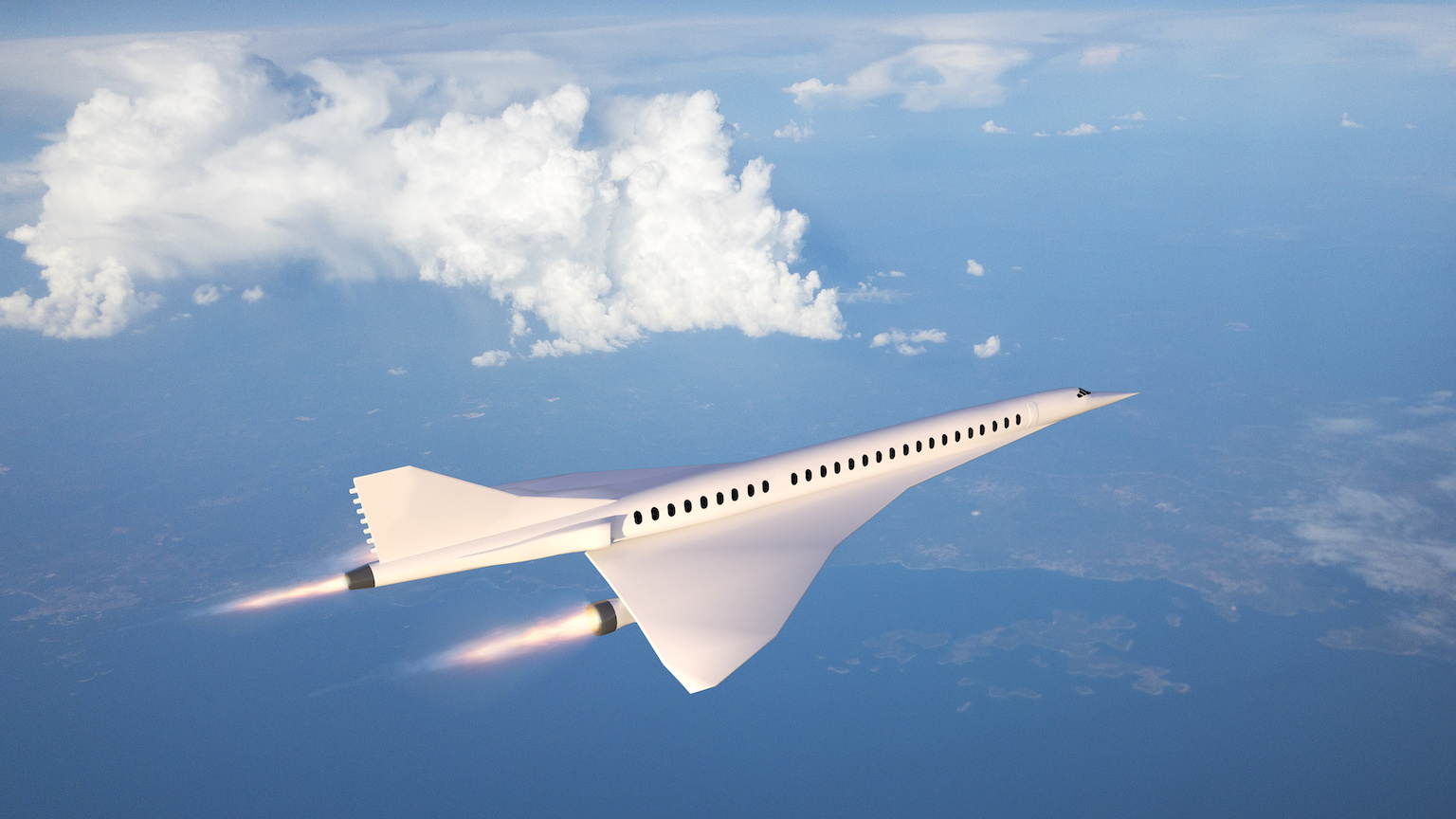
One day, we could fly across the U.S. in half an hour. A state-of-the-art hypersonic flight testing facility at UTSA could help make that dream a reality.
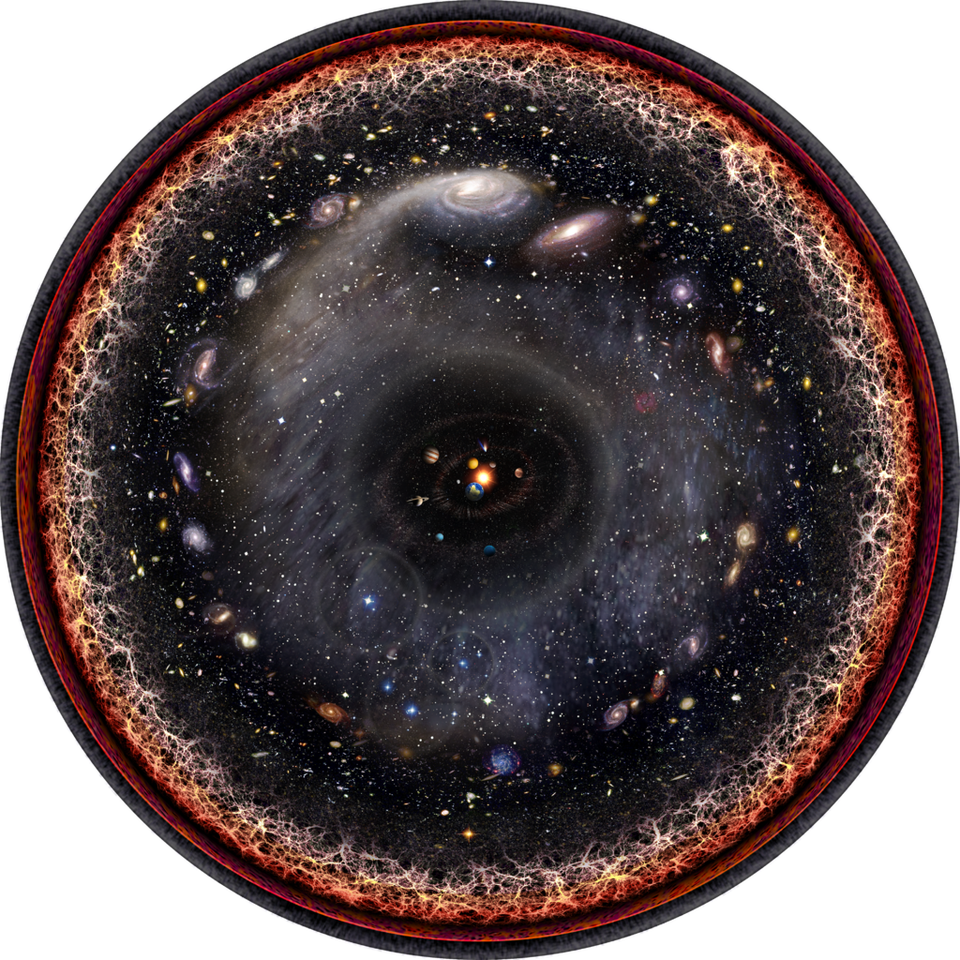
We know it couldn’t have began from a singularity. So how small could it have been at the absolute minimum?
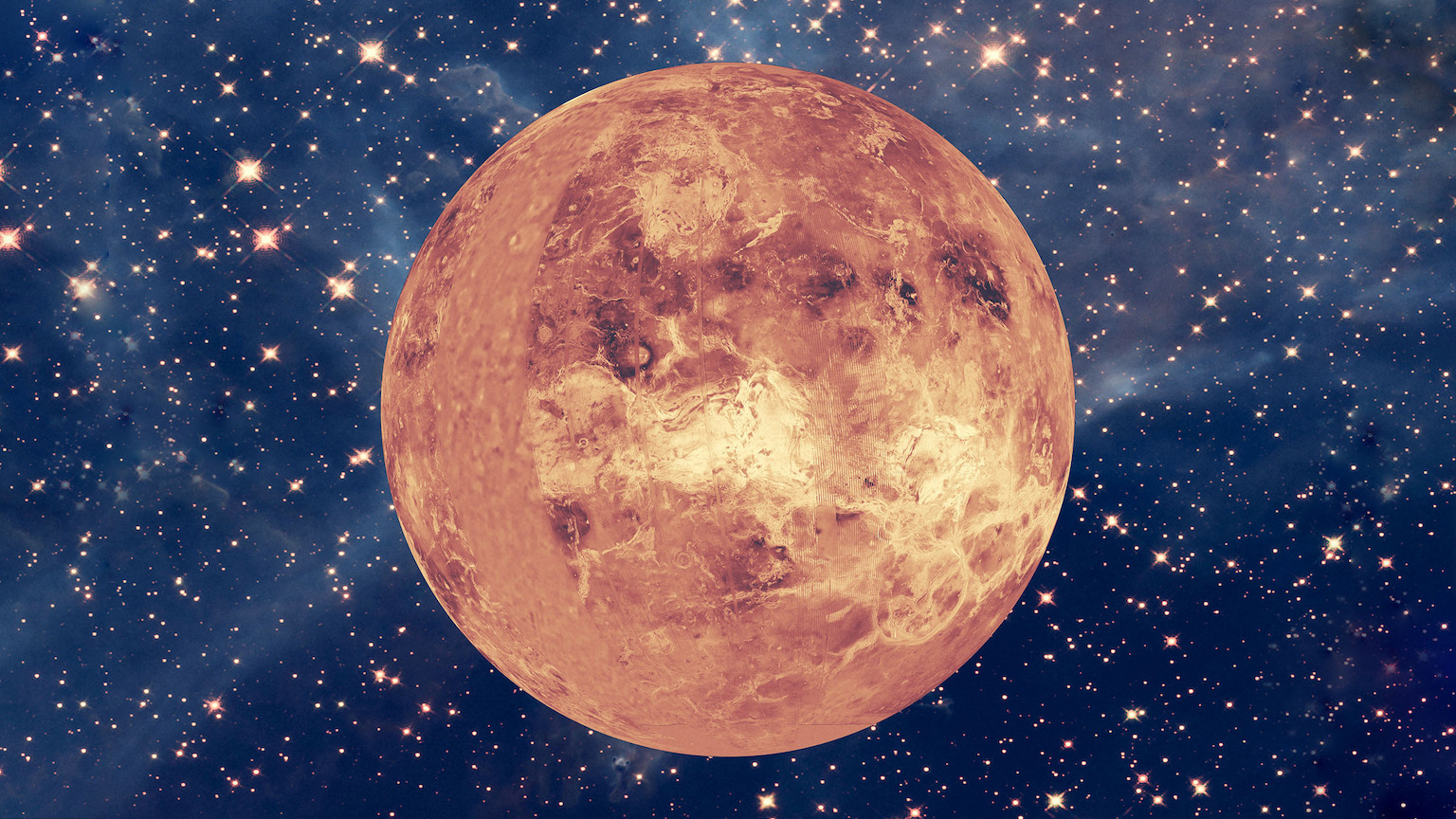
Venus has far more carbon dioxide in its atmosphere than Earth, which turned our sister planet into an inferno. But how did it get there?
Whether or not life exists elsewhere in the Universe, we can be assured of one thing: We are the only human beings in the cosmos.
With launch, deployment, calibration, and science operations about to commence, here are 10 facts that are absolutely true.
The photometric filters for the Vera Rubin Observatory are complete and showcase why they are indispensable for astronomy.
The boiling new world, which zips around its star at ultraclose range, is among the lightest exoplanets found to date.
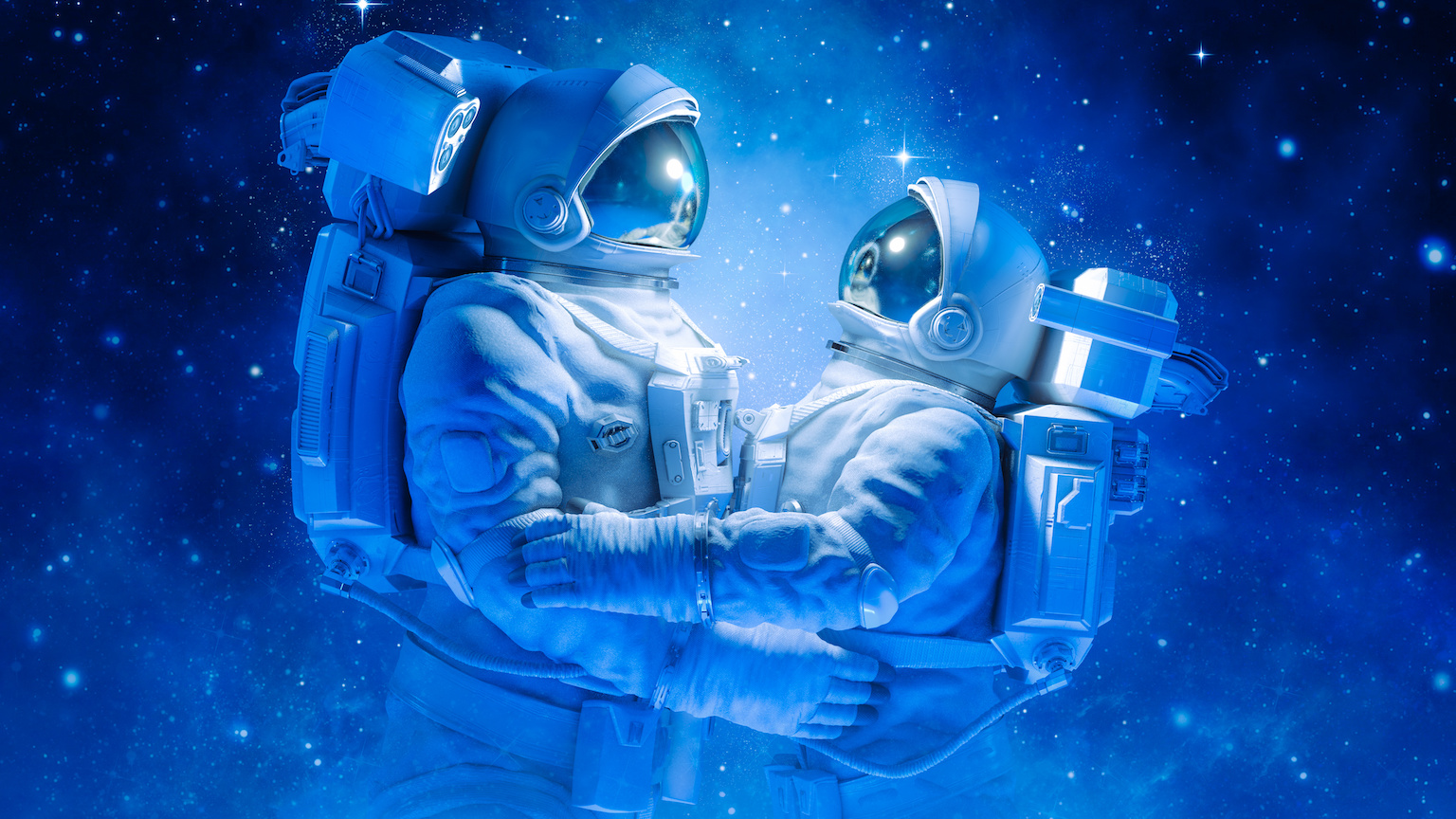
Whether NASA likes it or not, humans eventually will be having space sex.
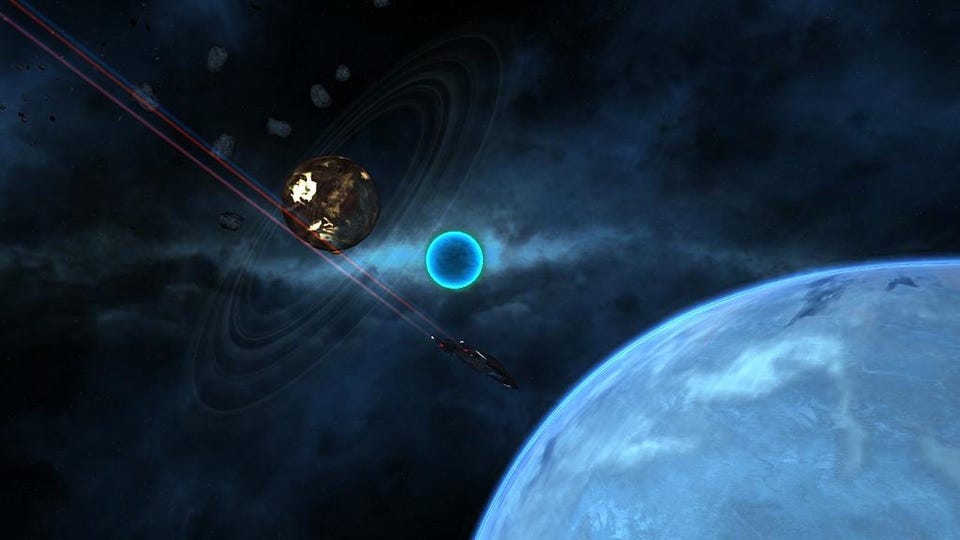
Life arose on Earth very early on. After a few billion years, here we are: intelligent and technologically advanced. Where’s everyone else?
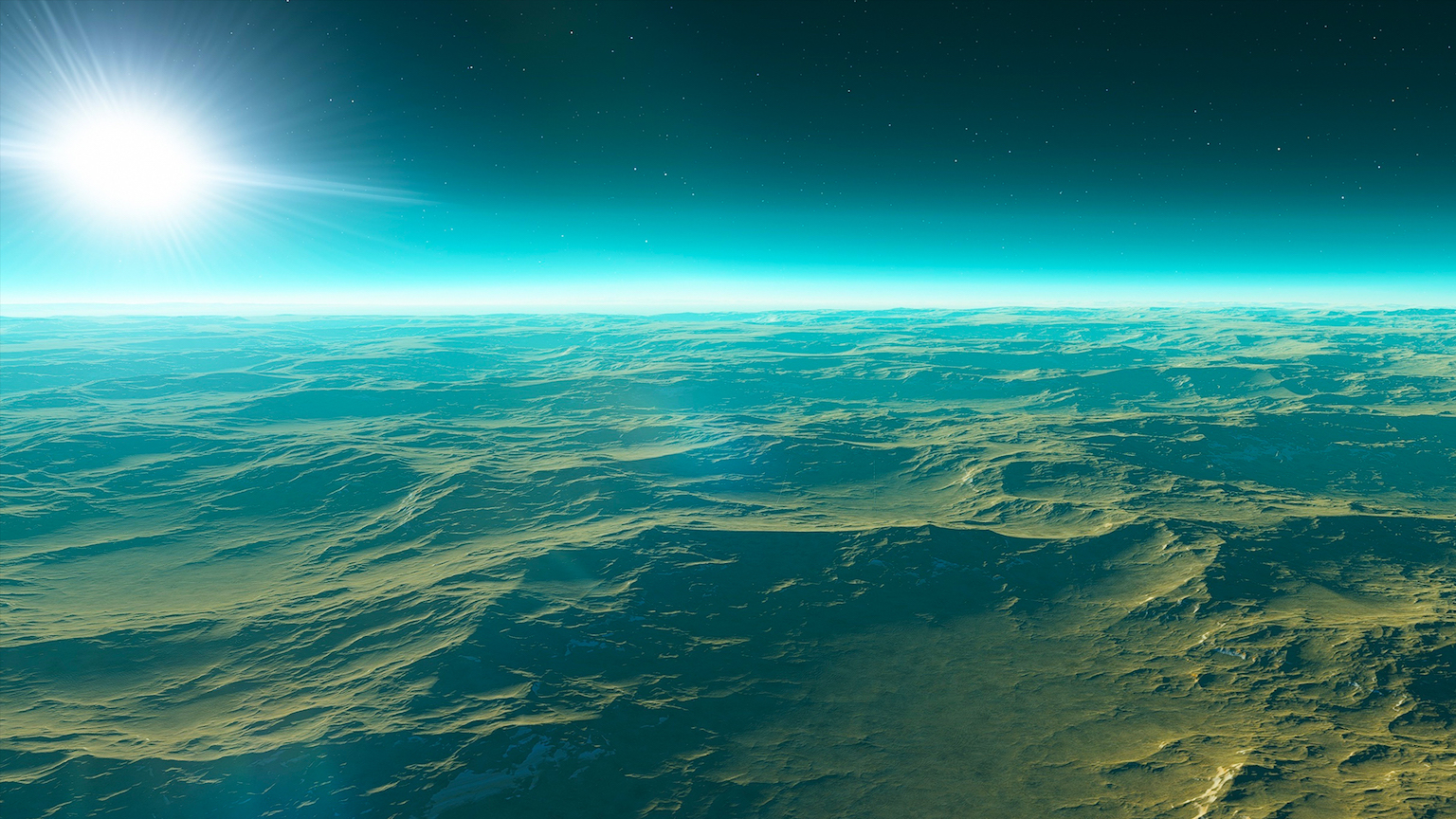
Even if you or I will never actually visit these distant worlds, we now know they exist. They should fill us with wonder.
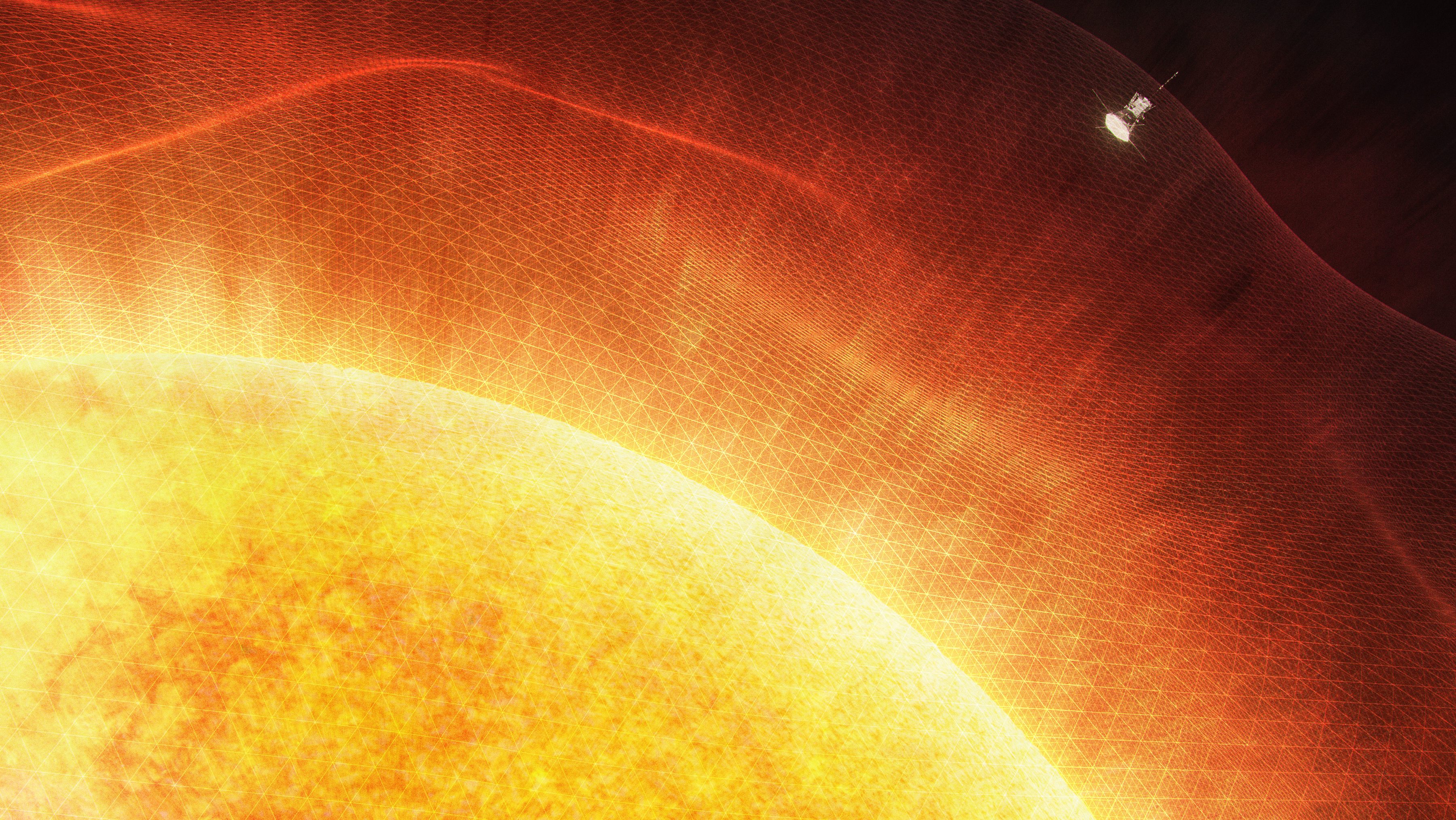
How can you “touch the Sun” if you’ve always been inside the solar corona, yet will never reach the Sun’s photosphere?
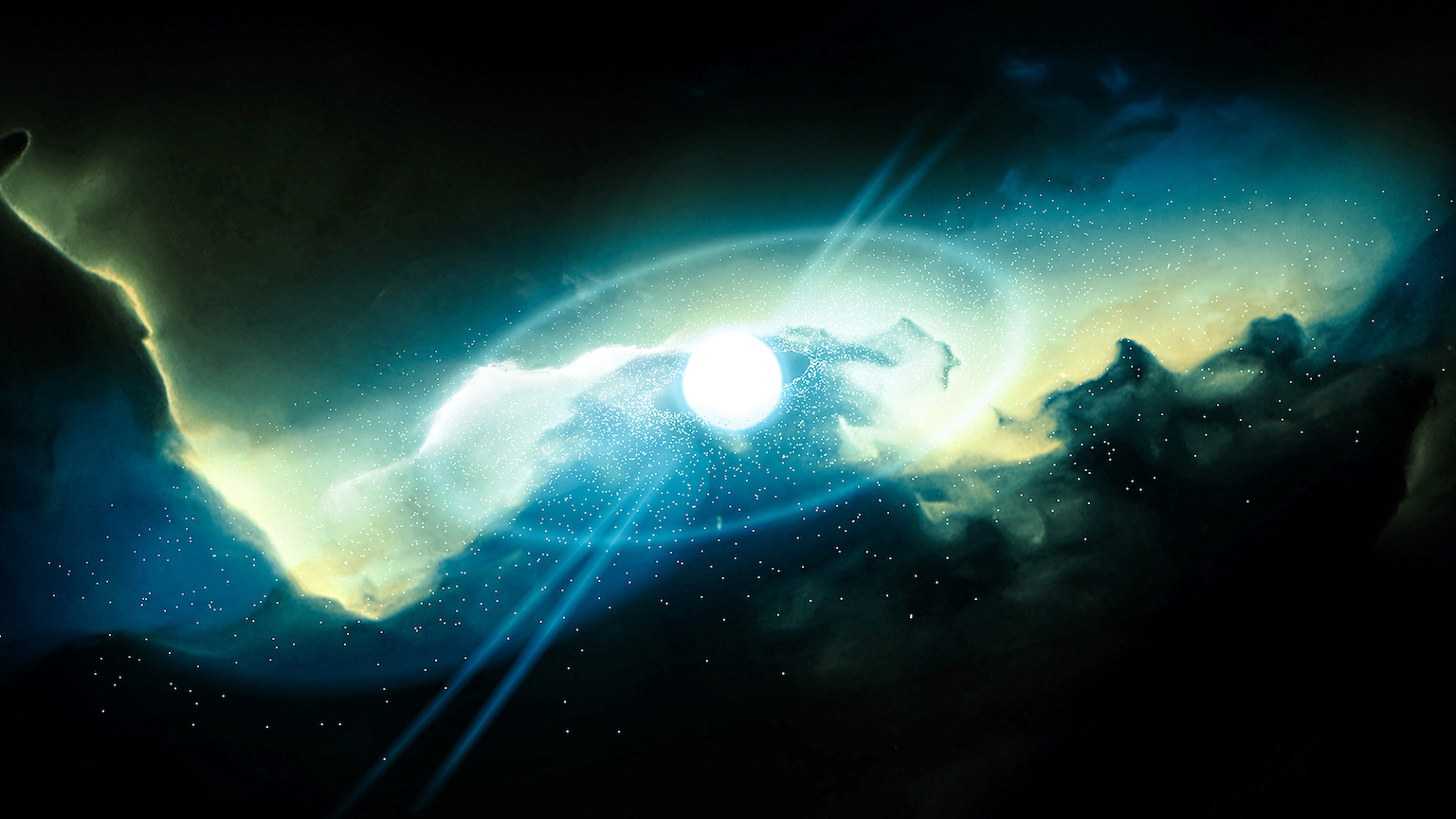
Astrophysicists once believed in a static Universe, containing only the Milky Way galaxy. Science definitively proved otherwise.
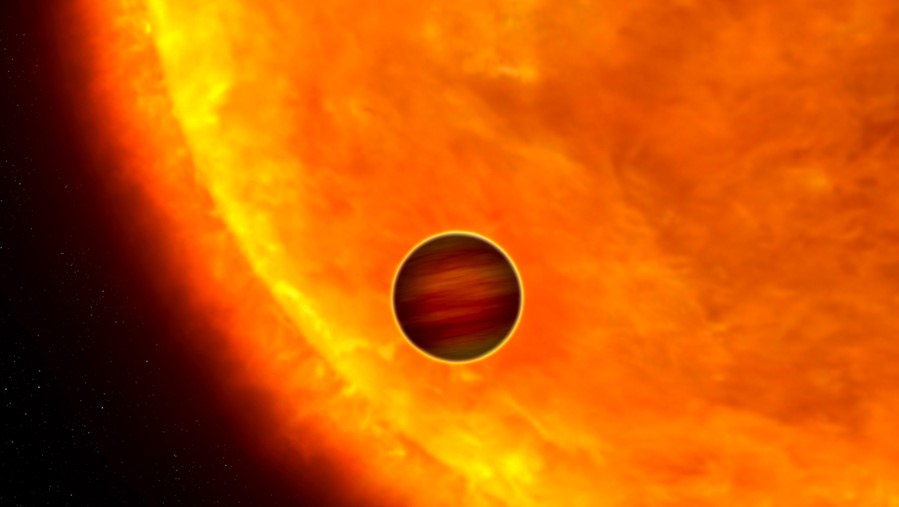
A newly discovered “ultrahot Jupiter” has the shortest orbit of any known gas giant.
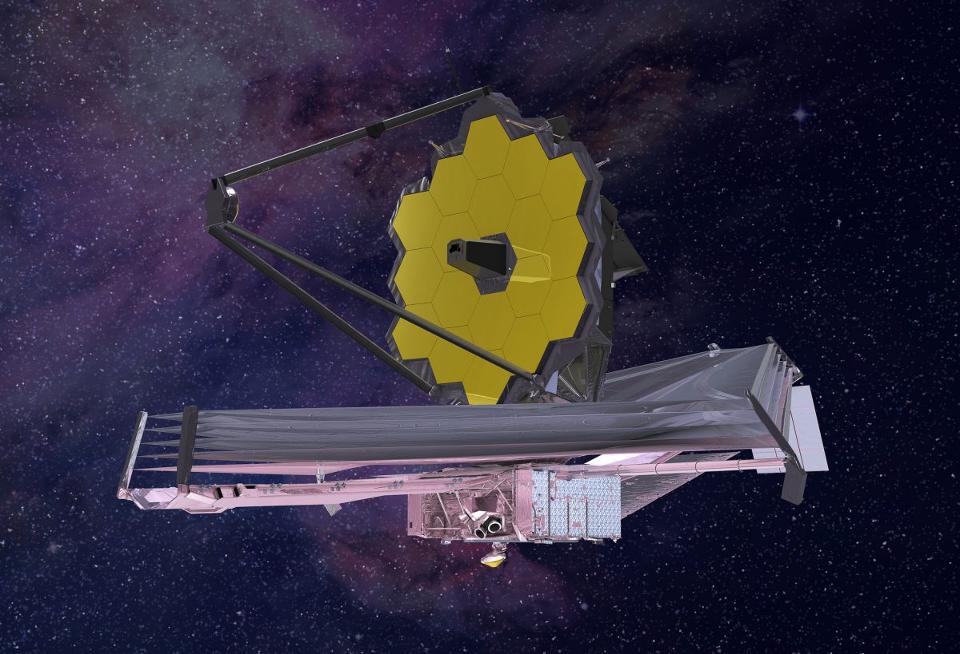
From exoplanets to supermassive black holes to the first stars and galaxies, Webb will show us the Universe as we’ve never seen it before.
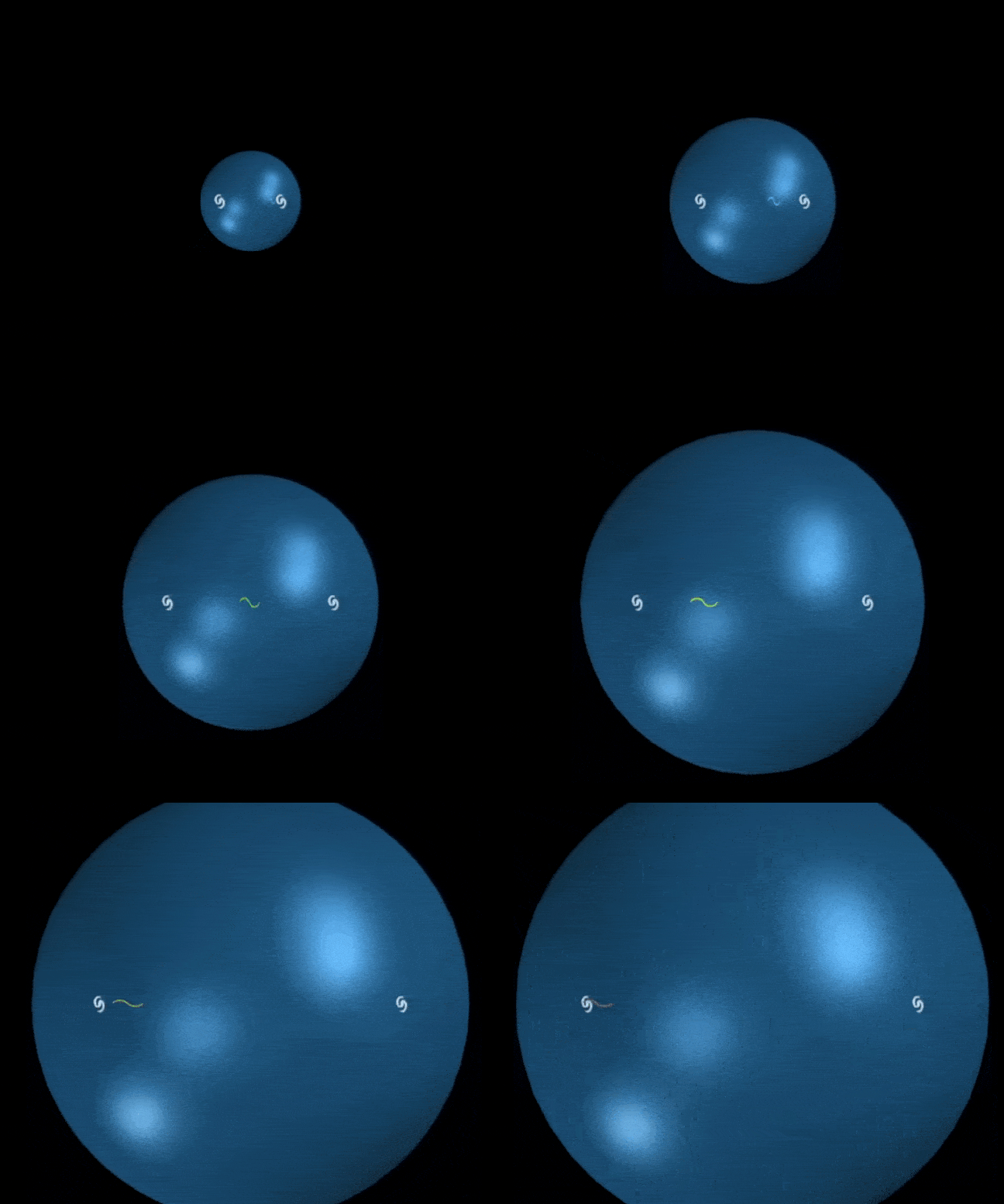
After more than two decades of precision measurements, we’ve now reached the “gold standard” for how the pieces don’t fit.
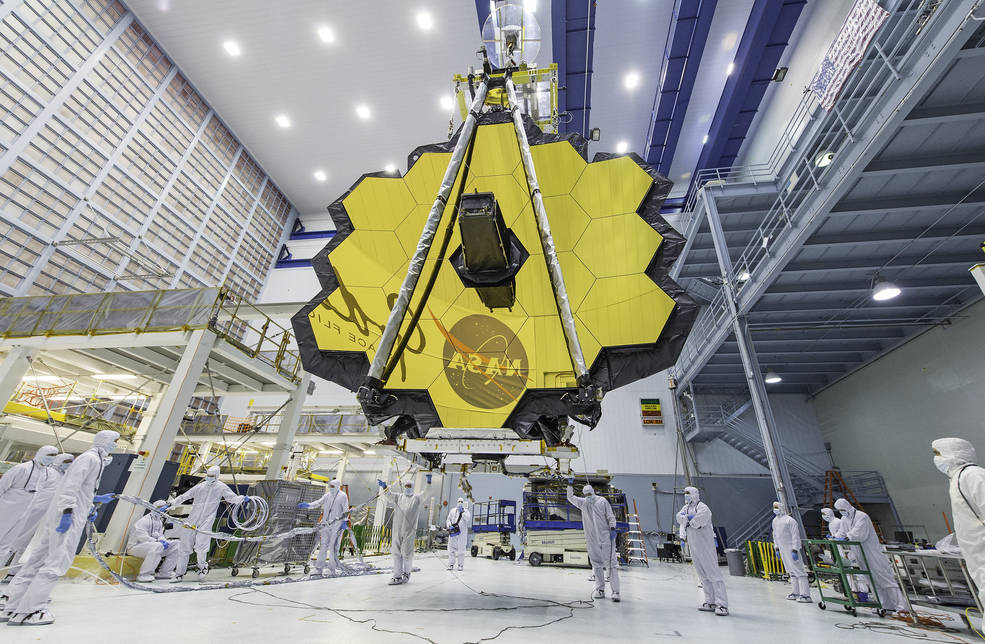
After decades of development, whether NASA’s Webb succeeds or fails all comes down to five critical milestones that are only days away.
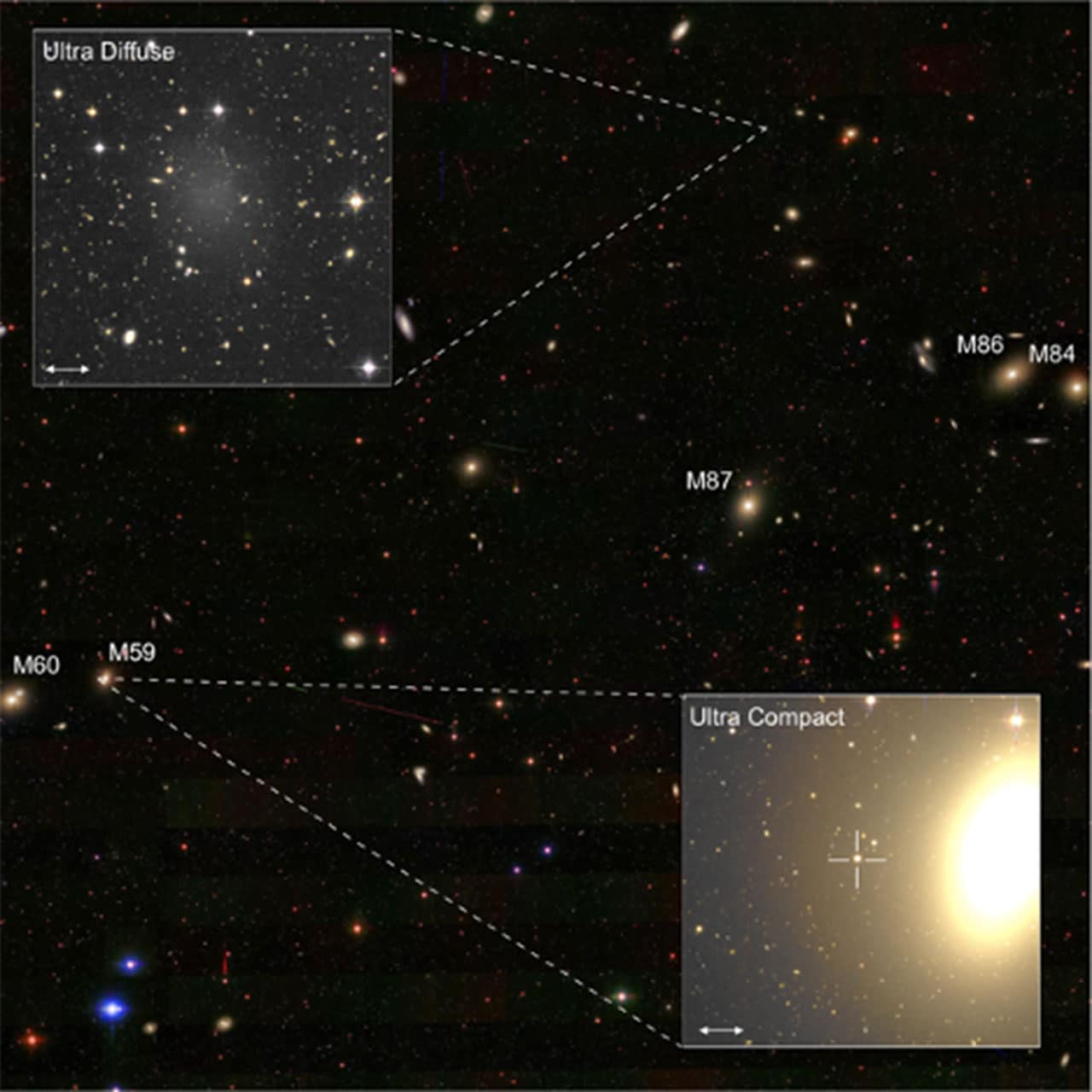
A few years ago, the first dark matter-free galaxies were announced, and then immediately disputed. Now, there are too many to ignore.
The same (former) NASA engineer who previously claimed to violate Newton’s laws is now claiming to have made a warp bubble. He didn’t.
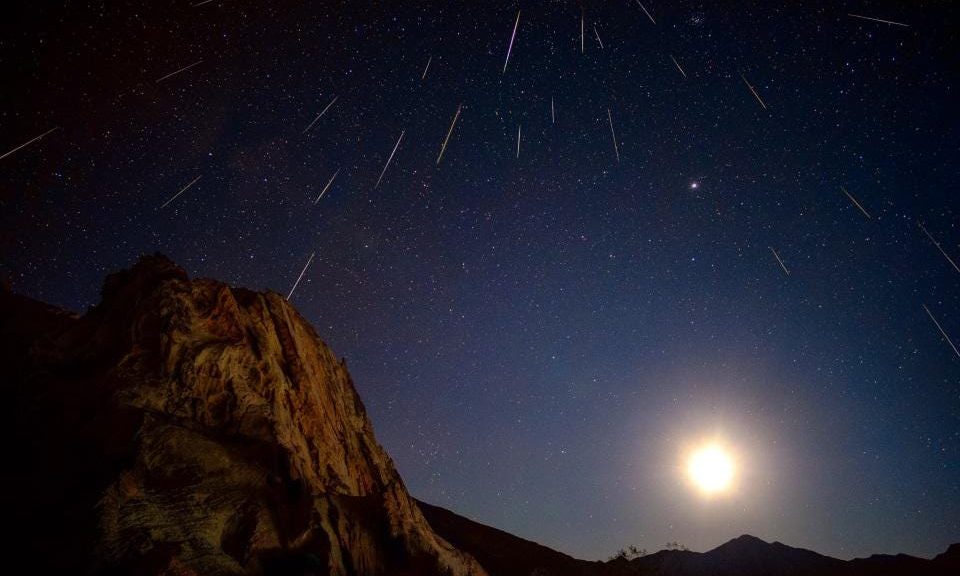
Every December, the Geminid meteor shower reaches its peak. Its 2021 show will be spectacular, but only if you do it right.

Even without the greatest individual scientist of all, every one of his great scientific advances would still have occurred. Eventually.
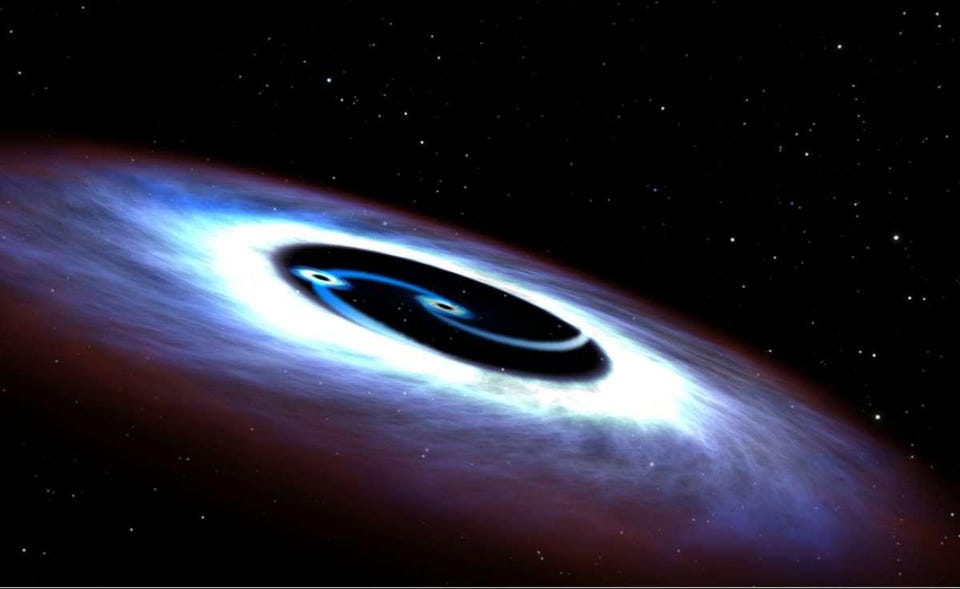
Binary black holes eventually inspiral and merge. That’s why the OJ 287 system is destined for the most energetic event in history.
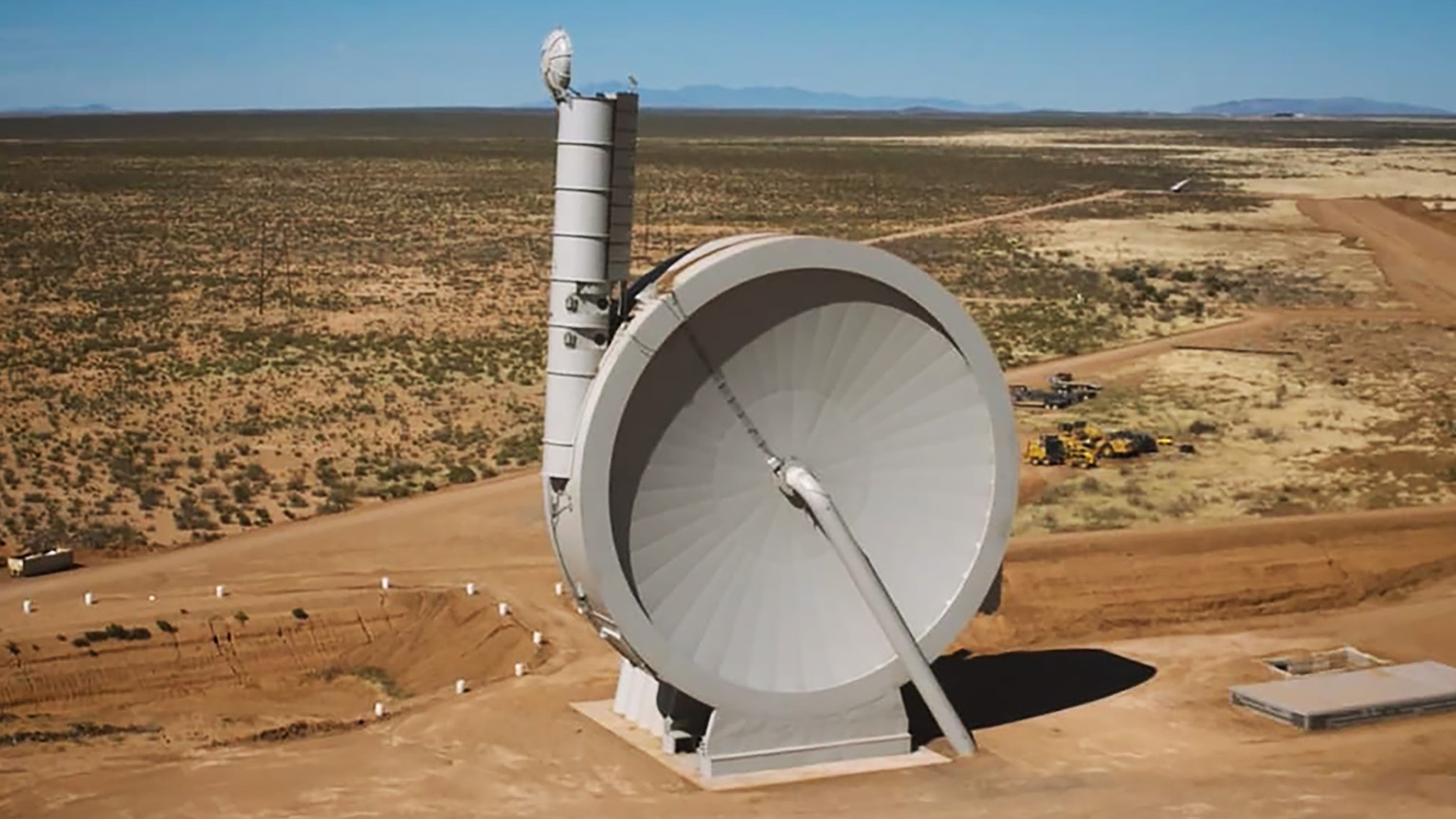
SpinLaunch’s launcher, which is larger than the Statue of Liberty and works like the Olympic hammer-throw event, just came online in the New Mexico desert.
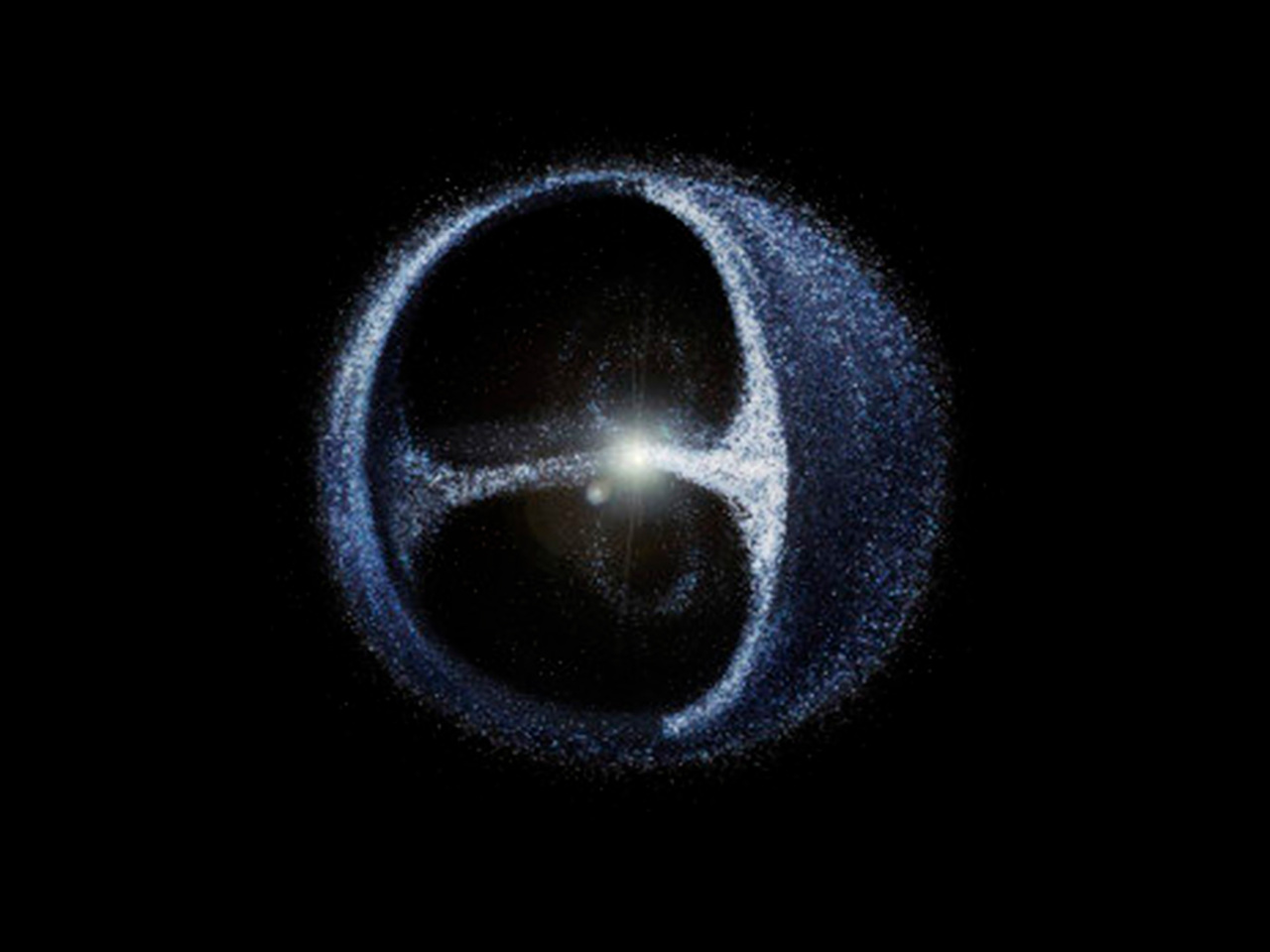
Our Solar System’s outer reaches, and what’s in them, was predicted long before the first Oort Cloud object was ever discovered.
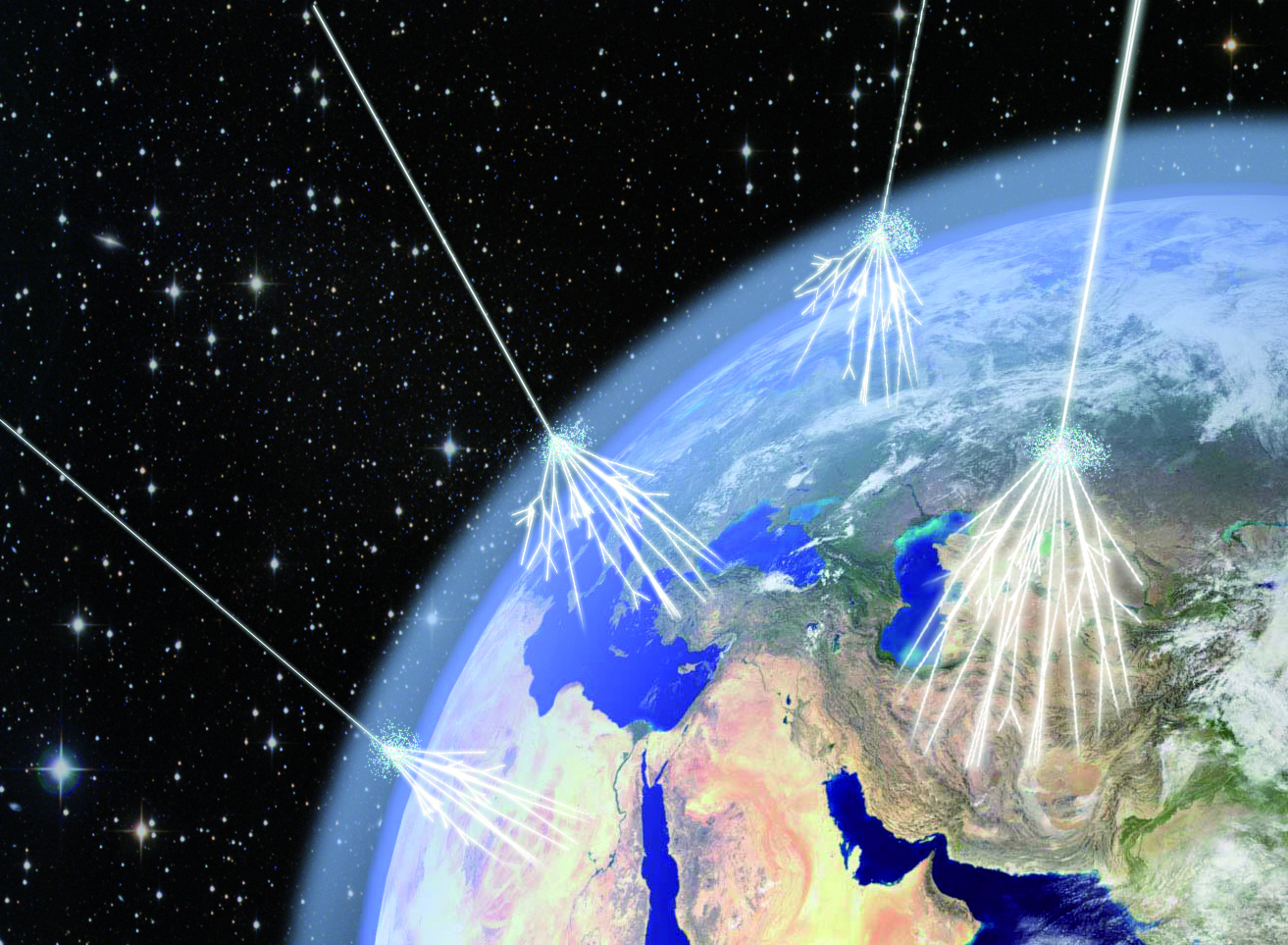
As particles travel through the Universe, there’s a speed limit to how fast they’re allowed to go. No, not the speed of light: below it.
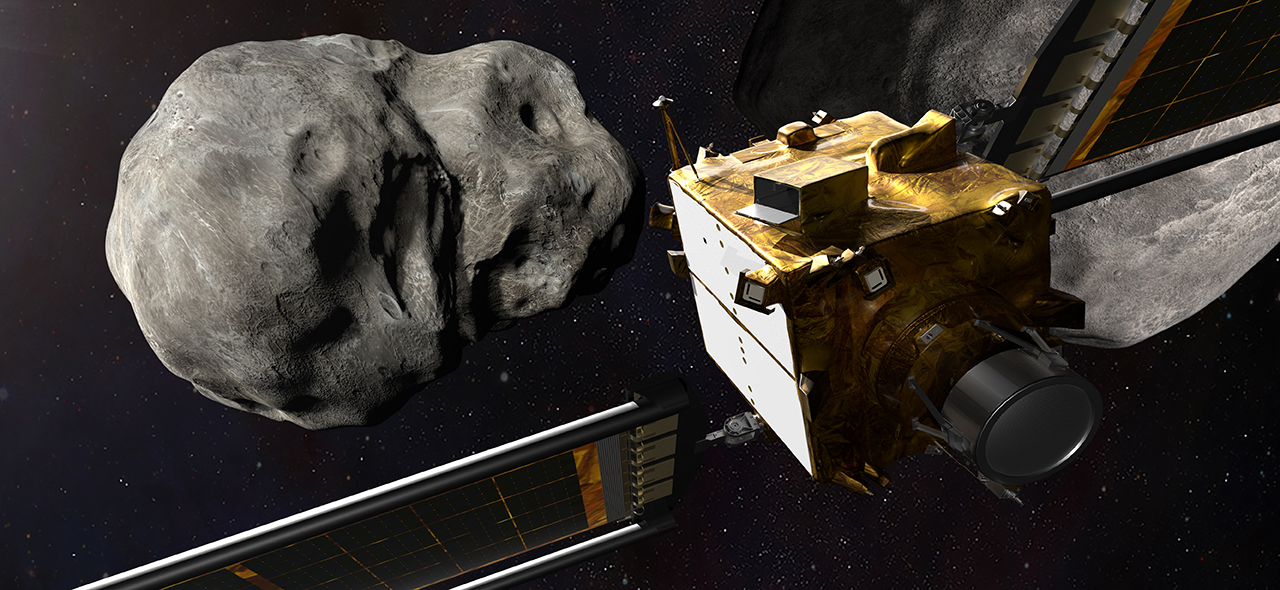
In 2022, the probe will crash into an asteroid while a nearby satellite captures it on camera.
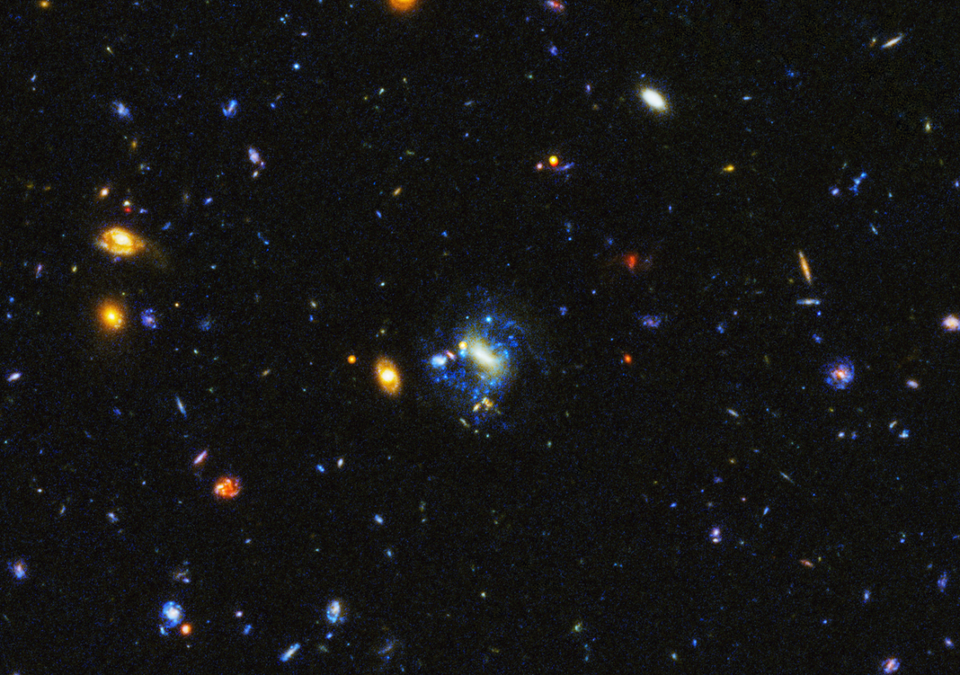
Previously, only the brightest and most active galaxies could pierce the obscuring wall of cosmic dust. At last, normal galaxies break through.
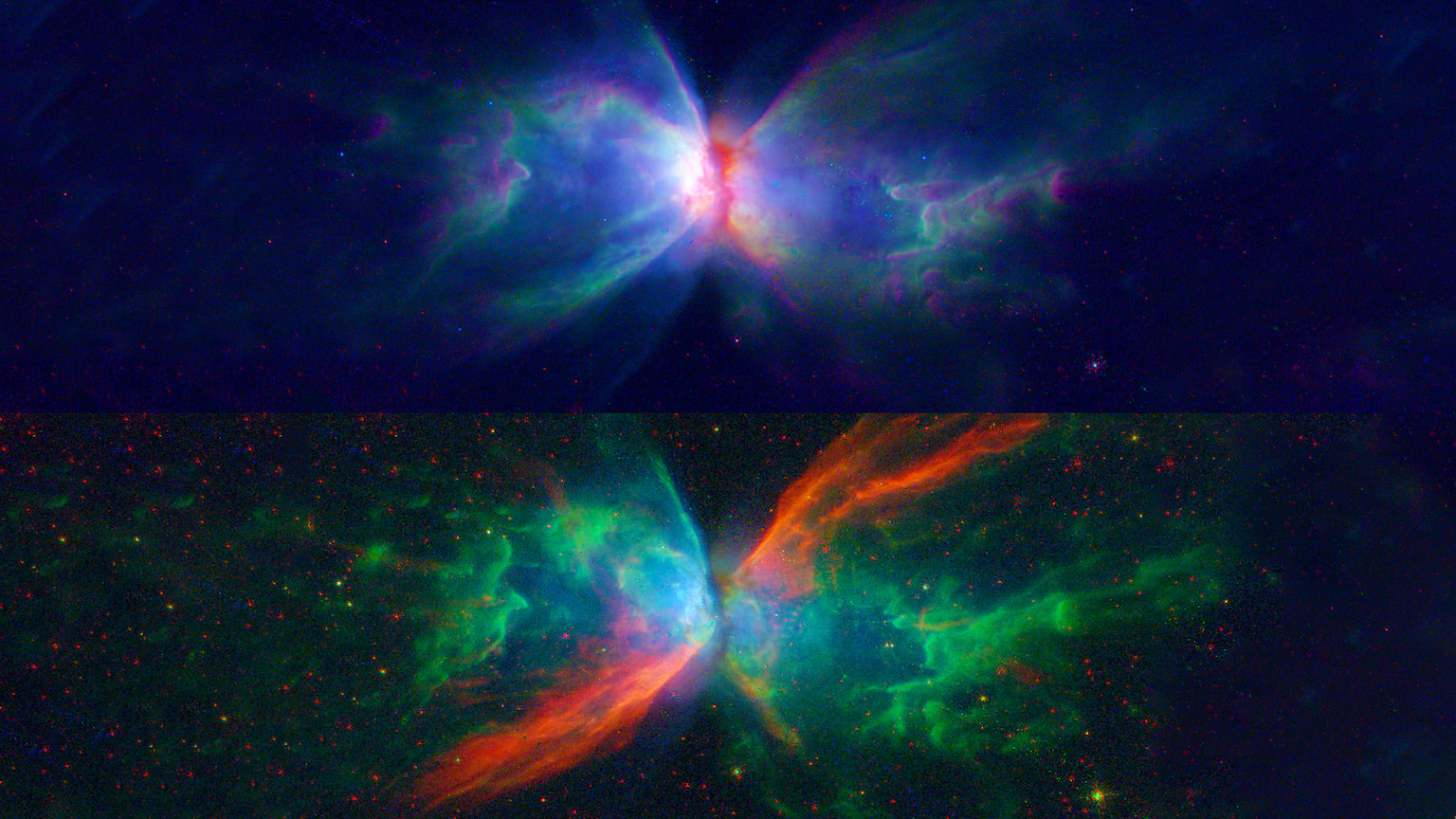
We should all pause to appreciate the awe-inspiring beauty of the Universe.
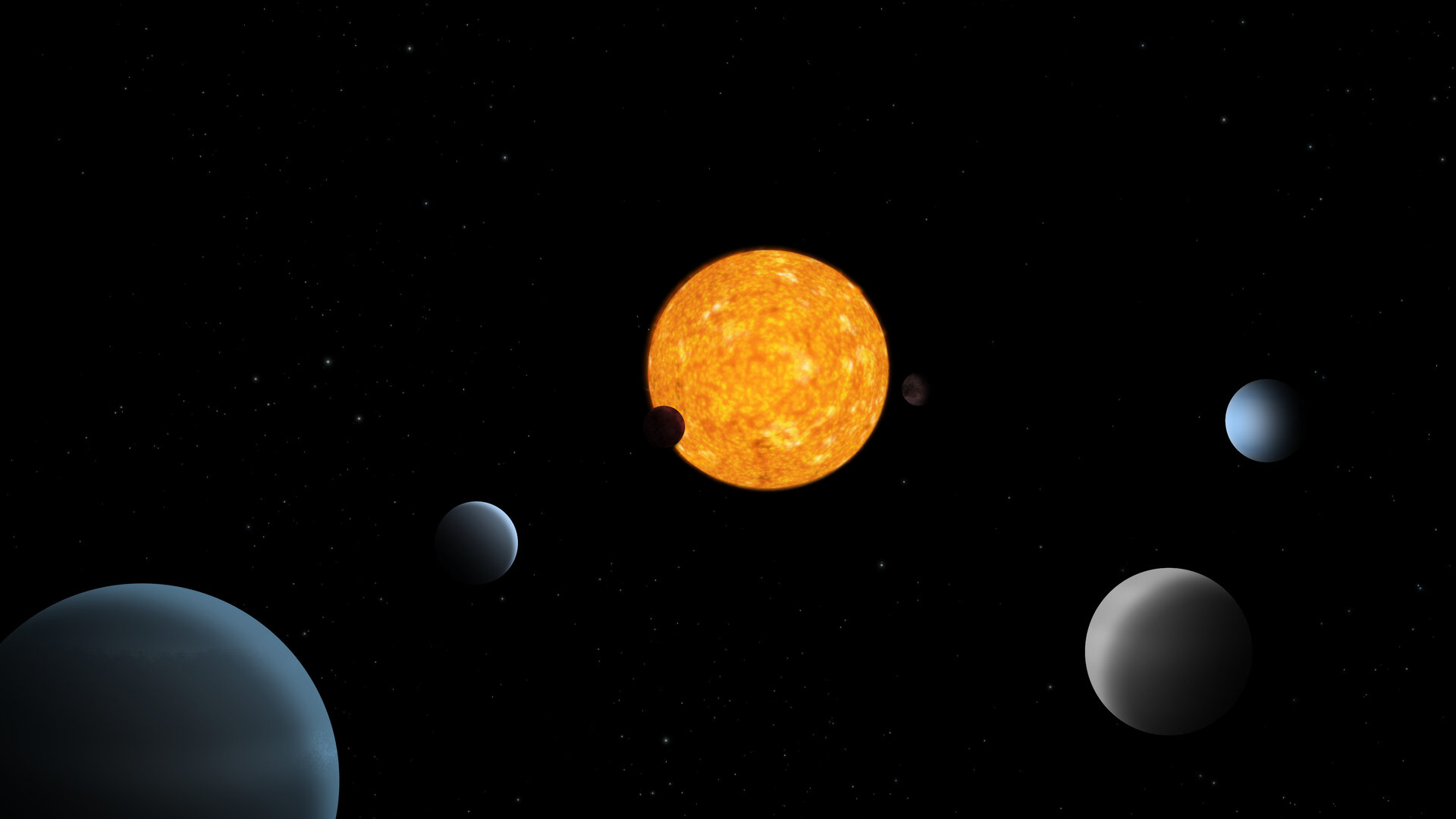
The stars, planets, and many moons are extremely round. Why don’t they take other shapes?