


The host of the Money with Katie Show has some priceless advice for women on how to approach pay-rise negotiations.
Mike Hodgkinson is the Commissioning Editor at Big Think and Freethink, and the Editor of Big Think Business. His writing has appeared in The Independent, The Guardian, the Los Angeles[…]

Welcome to The Nightcrawler — a weekly newsletter from Eric Markowitz covering tech, innovation, and long-term thinking.

Eric Markowitz is a partner and the Director of Research at investment firm Nightview Capital. A former investigative journalist, with bylines in The New Yorker, GQ, Fast Company, among other[…]

The benefits of compassion in the workplace are manifold — but leaders should retain an intentional focus on mental, emotional, and physical balance.

Jeffrey Hull, PhD, has been a consultant, psychologist, and teacher at New York University and Harvard Medical School. He is the co-author of The Science of Leadership.
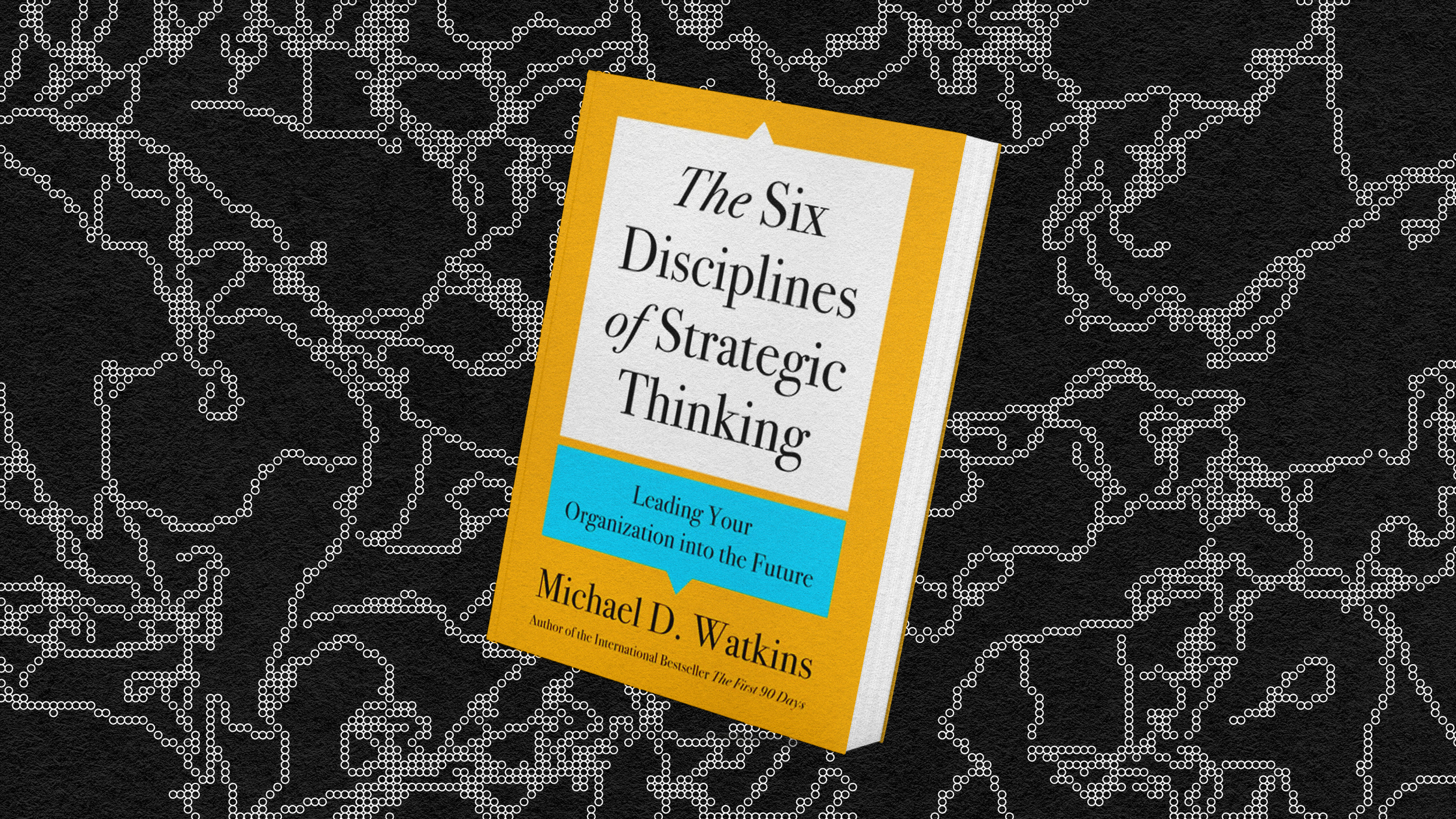
Why has the value of strategic thinking never been higher? It’s complex.

Well-rounded business teams can be built by distilling key insights from sporting data. Bottom line: don’t overstock on superstars.

Former spacewalker Mike Massimino tells Big Think how NASA missions shaped great leaders.

In a guest essay for Big Think Business, Pedro Franceschi — co-founder and co-CEO of Brex — explains why deftly navigating between vision and details is crucial for successful leaders.
By supplementing the “principle of marginal gains” with these practical steps, you’ll be well equipped for the journey towards excellence.
A new generation of leaders is forging a path for 21st-century capitalism that’s both profitable and socially responsible.

The sooner you can admit what’s swimming beneath the surface, the sooner you can improve your life.
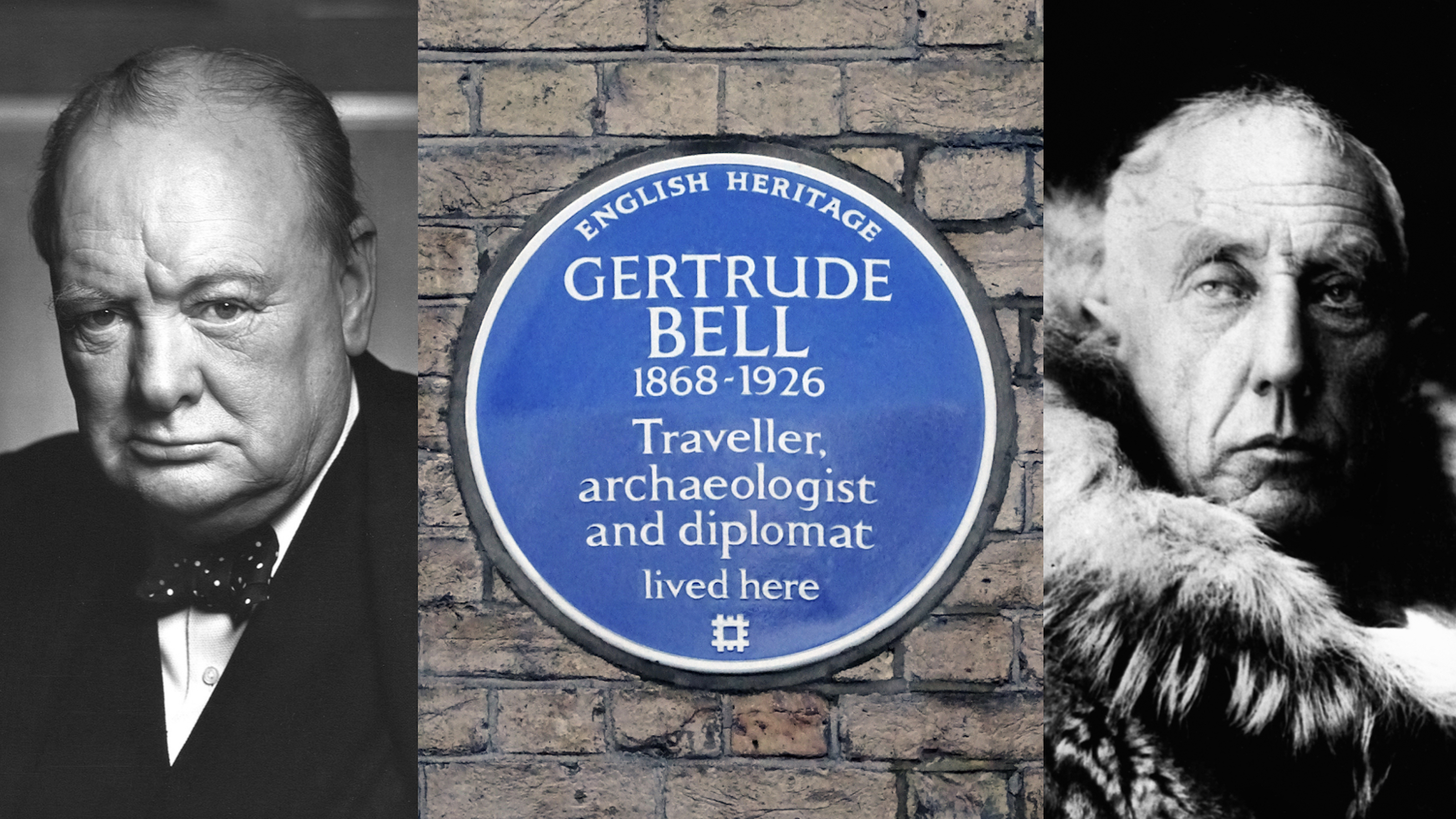
We rightly celebrate Winston Churchill as one of the world’s greatest leaders — but for all the wrong reasons.

Really smart people don’t just demand intellectual engagement — they need the opportunity to learn and create something special.
Survivorship bias occurs when we fail to consider how data was collected. To combat this, search for the “silent evidence.”