Culture & Religion
All Stories
“The term ‘slow travel’ is tied to a burgeoning movement to return to a time when life’s pleasures were savored, to a time when people appreciated the going as much as the getting there,” writes Nancy Keates.

I’m just getting on a flight from Medellín, Colombia. No, I wasn’t hanging out with drug lords, war lords, or Nazis who fled Germany after World War II. I was […]
Tim Logan writes that the trouble with talent attraction as an economic development strategy is that talent seeks opportunity—and without jobs, a “creative class” city will wither.
“Even if all computerized route maps eventually learn to mimic the most useful aspects of our homemade creations, we’ll keep drawing maps for one another and for ourselves,” writes Julia Turner.
Elizabeth Chang writes that Barack Obama shouldn’t have checked “African American” on his census form because he is biracial.
Experts believe that New York City is home to as many as 800 languages, many of which are heard more commonly in the five boroughs than anywhere else.
Naomi Klein’s 2000 book “No Logo” inadvertently served as the most influential marketing manual of the decade, writes Andrew Potter.
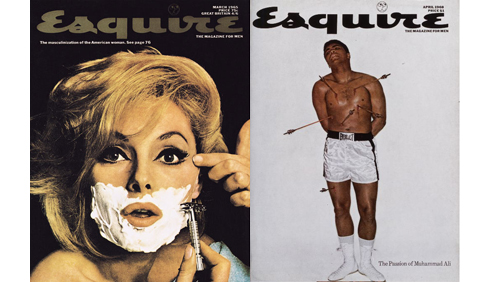
Magazine covers are “a wasteland of creativity” these days. Or so says legendary advertising and design guru George Lois. “Go to a newsstand today, there’s not a memorable—forget about something […]
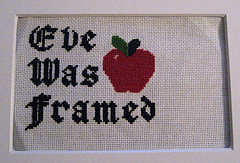
Don’t look now, but “femivores” are back in the news. Femivores, if you recall, are women who embrace ultra-local food production as feminist statement. Usually this involves some kind of […]
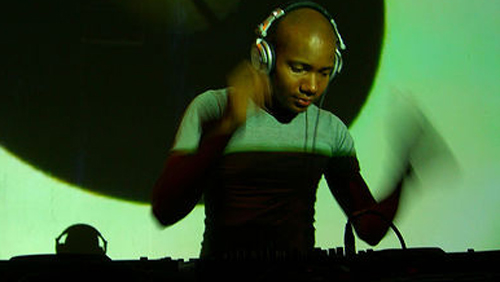
“My work is just trying to make sense of the disorienting and overloaded world that we inhabit,” says DJ Spooky. “We’re bombarded with sound at every level.” In his Big […]
The members of the Senate Permnanent Subommittee on Investigations were angry. Their anger was predictably performative, and often nasty. McCaskill’s analogy of Goldman Sachs to a bookie managing bets on […]
“For decades, TV has depicted teens as angst-ridden and rebellious, and parents as out-of-touch and unhip.” But a new generation of shows feature less-defiant teens, and cool parents.
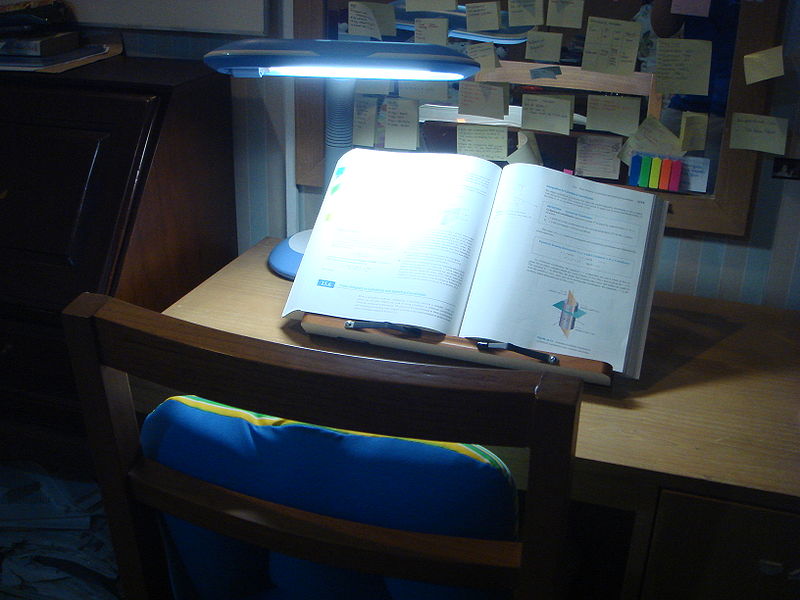
When literary critics like Lionel Trilling wrote in the 1950s and ’60s, they wrote for “a readership of people who believed that your taste in literature or your taste in […]
Neil Simon “does not think against society; he thinks with it, observing and recording the sorrows and deliriums of the middle class, like a sort of swami of tsuris,” writes John Lahr.
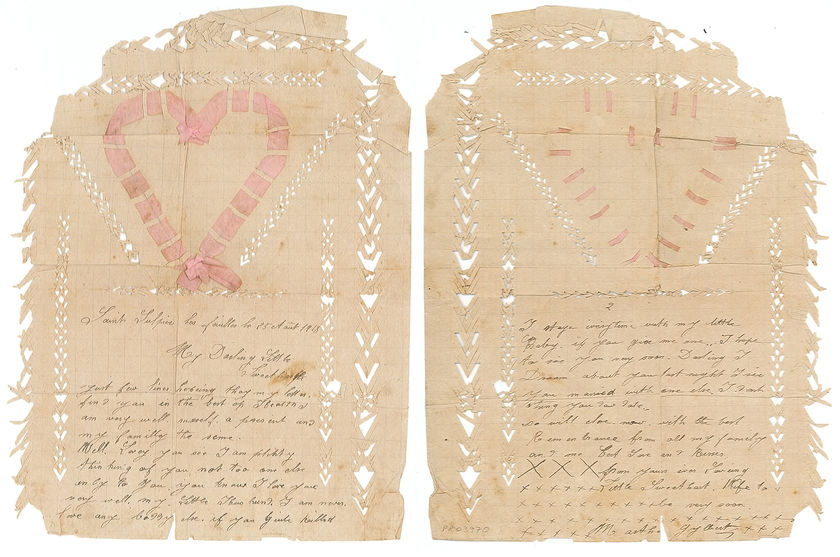
“The Goldman Emails,” exchanges between executives regarding the state of the market—and Goldman’s strategic choices leading up to and during this last crisis—are artful in their absence of art. These […]
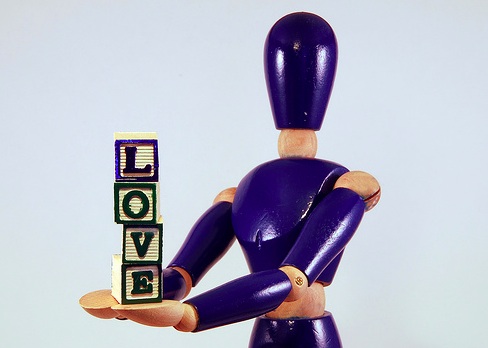
“It’s obvious to anybody that the mind does much more than solve problems,” Yale computer scientist David Gelernter says in his Big Think interview. “But in a more fundamental way, […]
A new biography of writer Irène Némirovsky, author of “Suite Française,” rejects the idea that the Jewish author, eventually killed by the Nazis, was anti-Semitic.
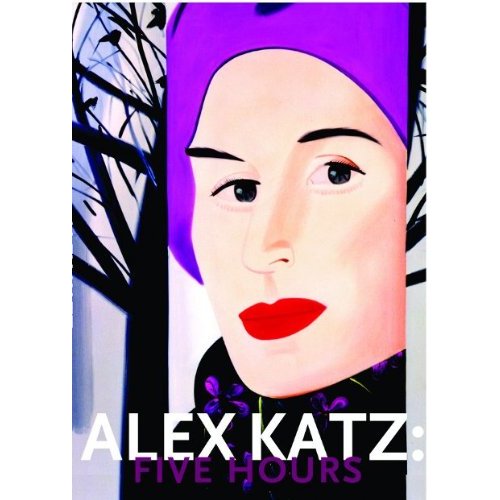
It’s usually a tie between watching paint dry and watching grass grow for the title of most boring thing to do ever. Watching the paint dry and, more importantly, flow […]
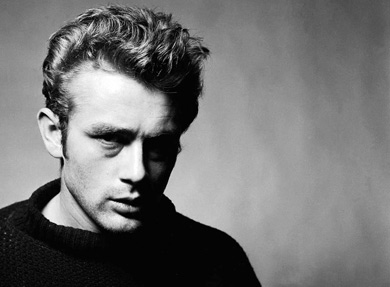
The New York Times Magazine’s feature piece on Washington journalist Mike Allen makes him out to be the friend we all want: uniquely concerned, uniquely connected, possessing all the knowledge […]
More than any other living poet, Derek Walcott best fulfills T.S. Eliot’s poetic ideal following his new publication, writes The New York Times.
The Chronicle of Higher Education recalls George Orwell’s advice on writing in order to explain why American academic writing is so unfortunately esoteric and—poorly written.
The cultural revolution of the 50s and 60s made the development of the morning-after pill an important moment in the women’s rights movement.
Learning music at an early age creates new neural pathways between the brain’s hemispheres aiding in spatial and mathematical reasoning.
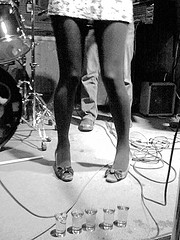
Readers have asked for more original photography at Focal Point. I’m happy to oblige. Here’s a fun photo for the weekend, taken during my recent trip to St. John’s, Newfoundland. […]
Music Professor Jason Freeman has created open source composition software to encourage the public to remix and compose sheet music.
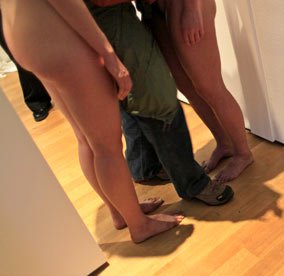
Marina Abramović’s exhibition The Artist Is Present, currently at the MoMA, has drawn a lot of attention this year, as her provocative work normally does. She’s perfected the art of […]
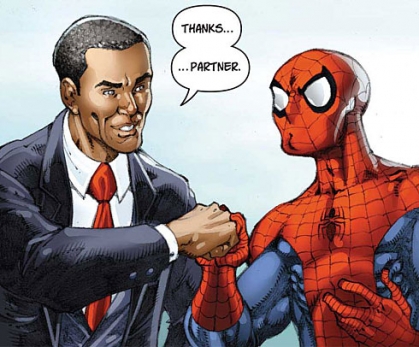
There have been countless fictional portrayals of fake American presidents in pop culture. From the alien-battling President Thomas Whitmore in “Independence Day” to hopeless romantic President Andrew Shepherd in “the […]
Milan Kundera wrote that “we can never really know what to want because, living only one life, we can neither compare it with our previous lives, nor perfect it in […]
“Most people who appear phenotypically ‘black’ enjoy neither the privilege nor the inclination to play around on a government form designed to track and remediate generations of prejudice,” writes Patricia Williams.
President Obama can reshape the debate over “the idea that the descendants of American slaves should receive compensation for their ancestors’ unpaid labor and bondage,” writes Henry Louis Gates Jr.